








Industry News
Best Small Wheel Loader Applications in Agriculture and Farming
Jun
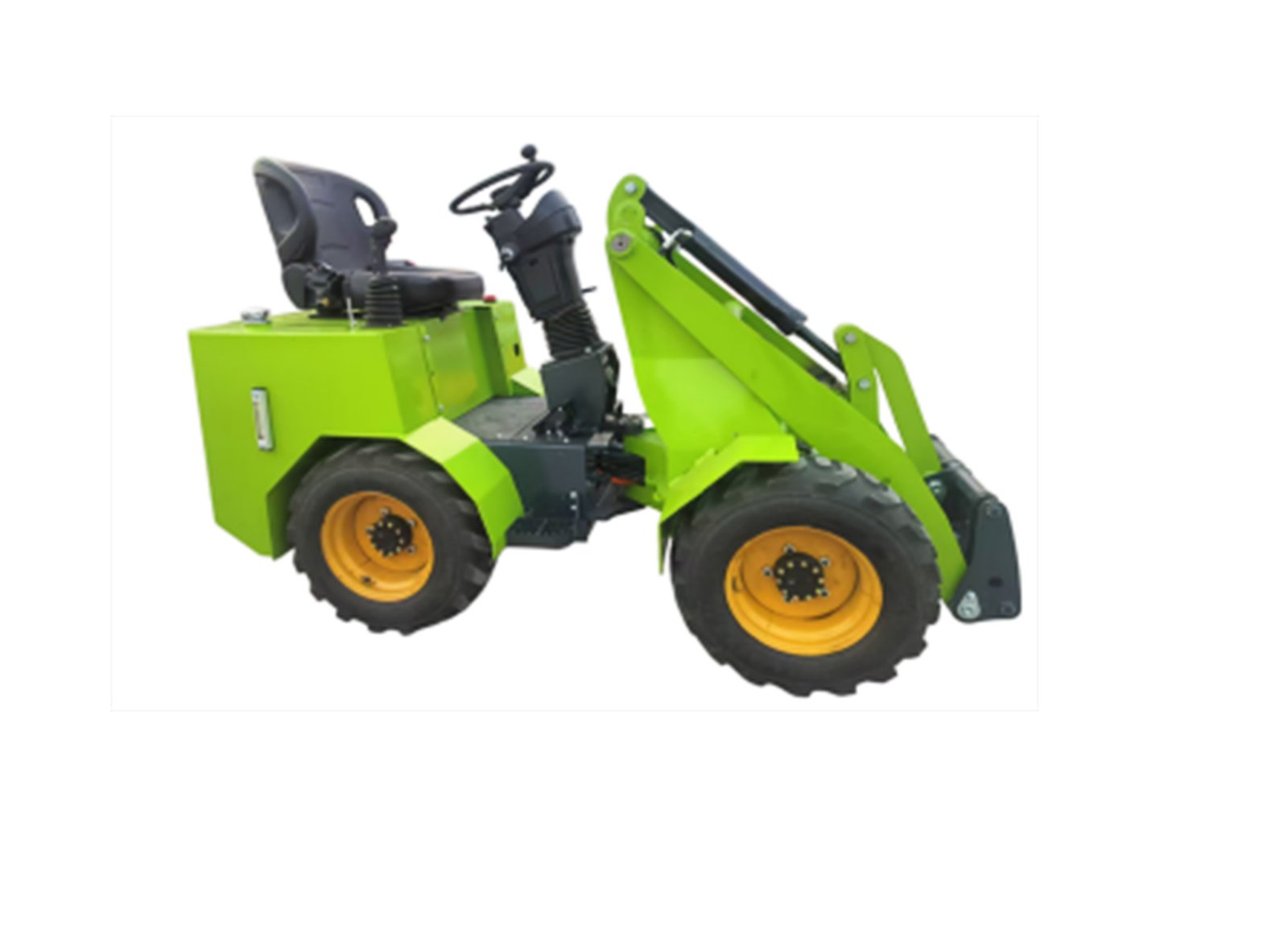
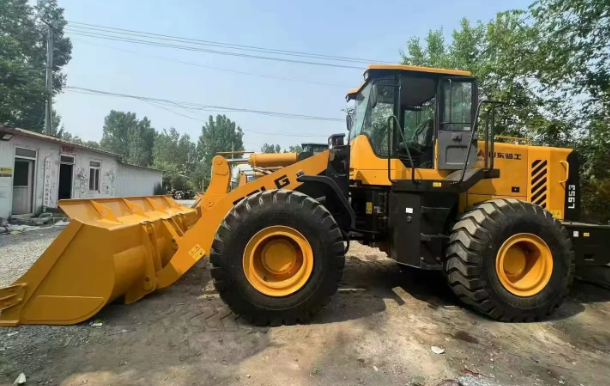
In the dynamic world of modern agriculture, efficiency and versatility are paramount. Farmers and agricultural managers are constantly seeking equipment that maximizes productivity while minimizing operational costs and physical strain. Among the most transformative tools to enter the farming sector is the compact wheel loader. These agile and powerful machines are redefining material handling and multifunctional tasks on farms of all sizes, from small family-run operations to expansive commercial enterprises.
Revolutionizing Daily Material Handling
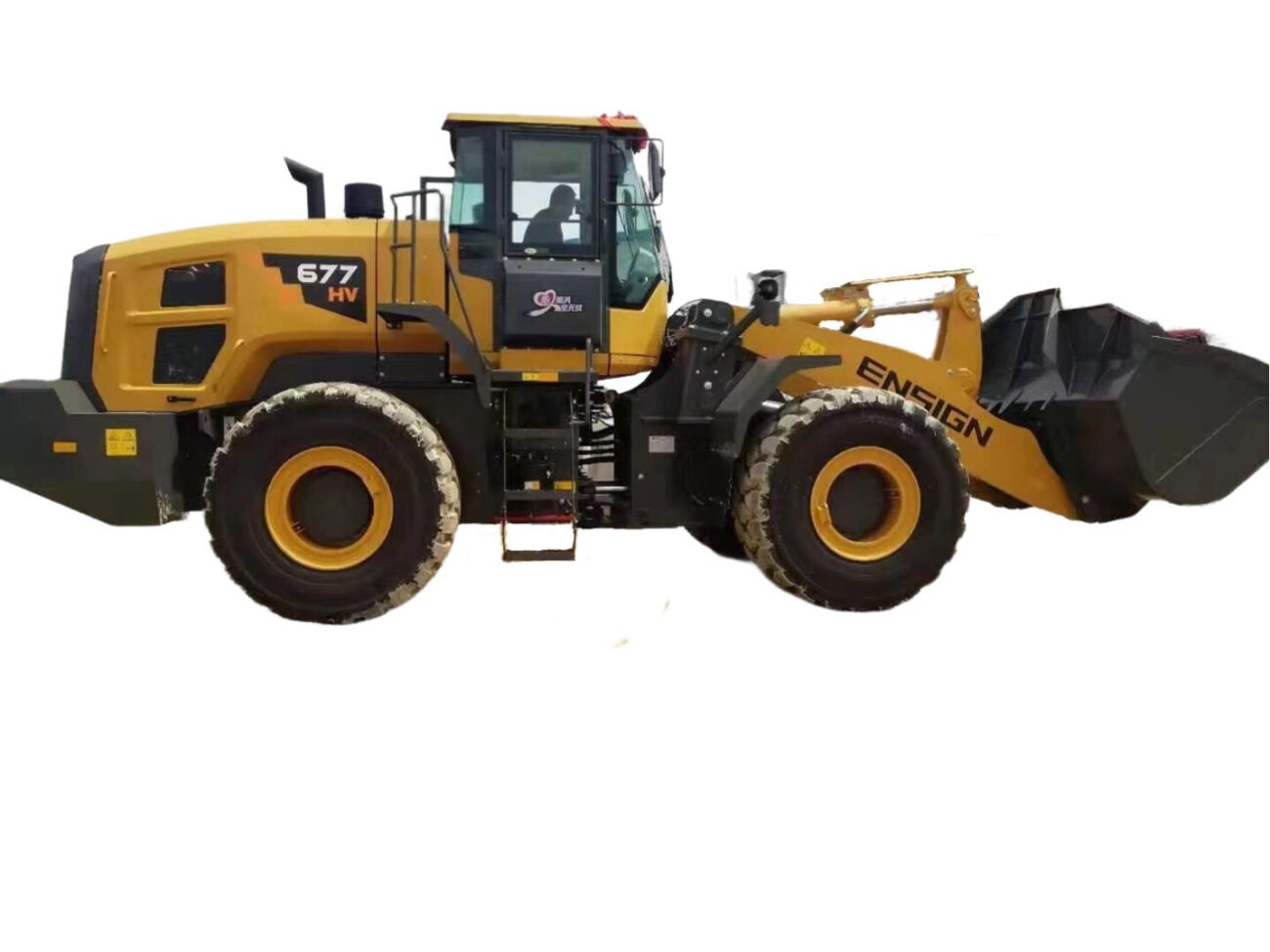
The core strength of a compact wheel loader lies in its unparalleled ability to move materials quickly and efficiently. This replaces countless hours of manual labor or the use of less efficient equipment.
A primary application is in feed and bedding management. These machines effortlessly scoop, transport, and load large quantities of silage, hay, straw, or mixed feed. Their quick cycle times and precise bucket control allow operators to fill feeders and spread bedding in animal pens with speed and accuracy, significantly improving animal husbandry routines.
Similarly, they excel in manure handling. Whether cleaning out stables, loading manure spreaders, or moving compost piles, a compact wheel loader’s power and sealed components make it ideal for this demanding, messy task. Their relatively small size allows them to operate effectively inside barns and confined spaces where larger machinery cannot go.
Multifunctional Powerhouse: Beyond the Bucket
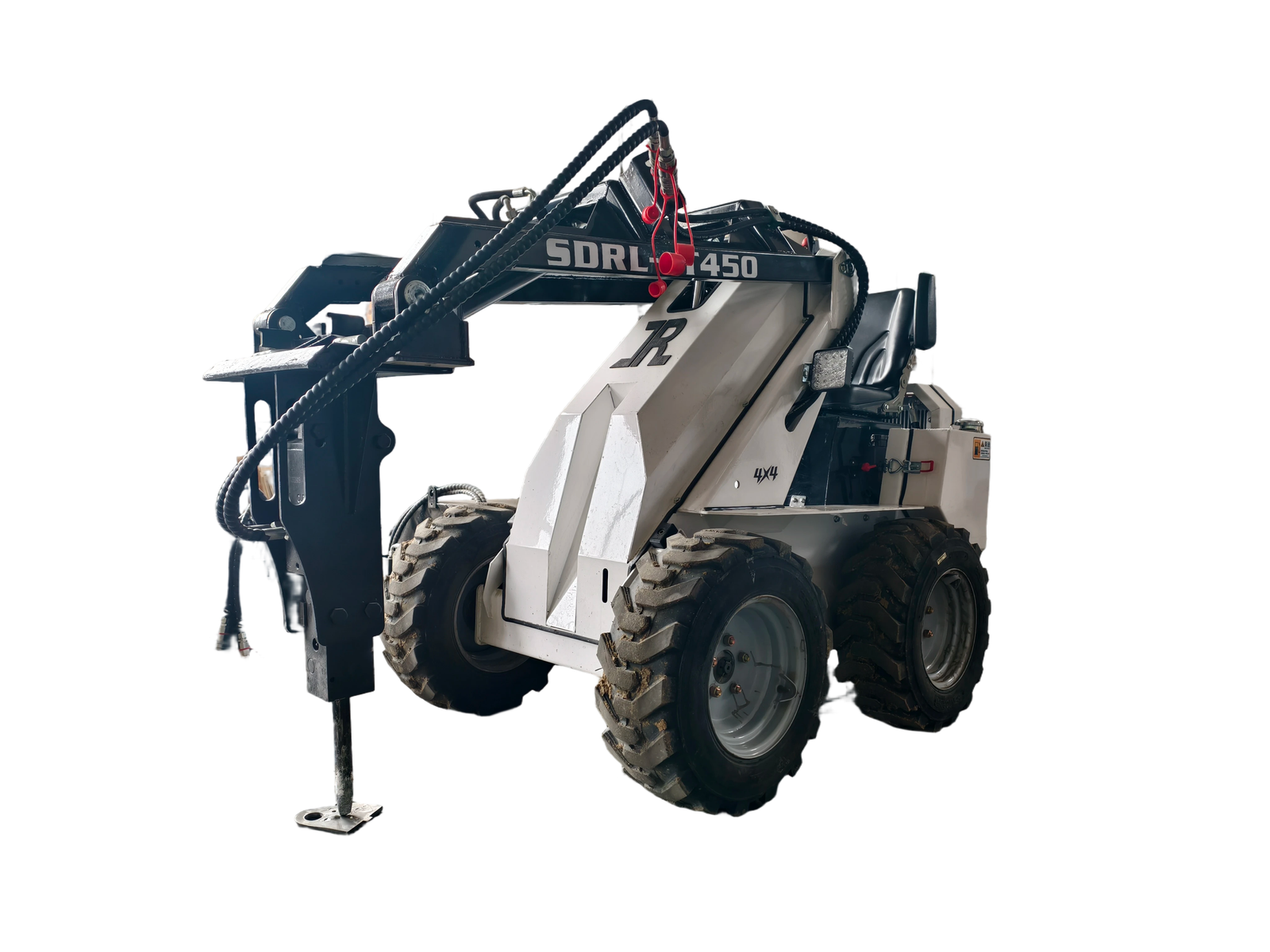
The true value of a compact wheel loader is unlocked through its compatibility with a vast array of attachments, transforming it from a simple loader into a year-round, multi-purpose workhorse.
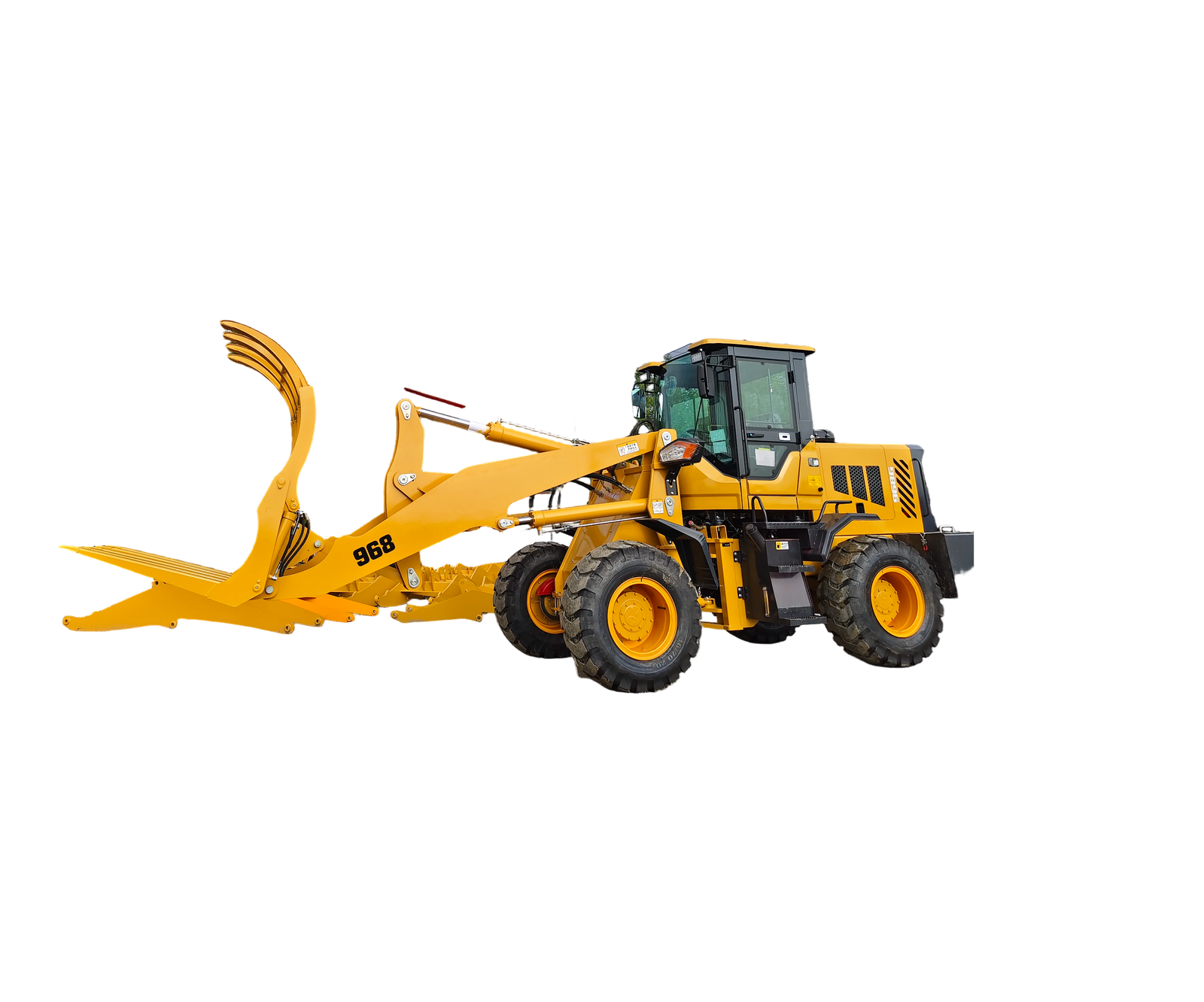
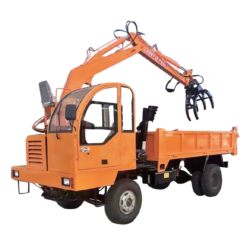
Landscaping and Maintenance: With a grapple attachment, they clear fallen branches, brush, and debris. A rotary broom keeps yards, driveways, and farm entrances clean. A pallet fork is indispensable for handling stacked goods, seed bags, or building materials, streamlining logistics around the farmstead.
Seasonal Specialization: During planting season, these loaders can transport seed and fertilizer bags to the field and assist in loading planters. At harvest, they are crucial for handling harvested crops like potatoes or onions, loading them into trucks or storage facilities with minimal product damage. In winter, a quick-attach snow blade or snow blower attachment makes clearing laneways, barn aprons, and access roads a fast and simple task.
Key Advantages for the Agricultural Operator
Choosing a compact wheel loader brings a suite of benefits tailored to agricultural needs.
Enhanced Productivity and Reduced Labor: One operator can accomplish tasks that would otherwise require multiple workers and several pieces of equipment. This is a critical advantage in an industry facing labor shortages.
Unmatched Versatility and Space Efficiency: Their ability to switch between numerous attachments means one machine performs dozens of jobs, eliminating the cost and storage space needed for dedicated single-task machines. Their compact dimensions allow them to navigate between narrow barn aisles, through standard gates, and in crowded yards.
Operator Comfort and Safety: Modern models feature ergonomic cabins with excellent visibility, climate control, and intuitive controls. This reduces fatigue during long workdays and enhances safety for both the operator and those working nearby. The stability and power of these loaders also make handling heavy, unstable loads safer than with less capable equipment.
Durability and Lower Operational Costs: Built for tough environments, reliable compact loaders offer robust construction. Compared to maintaining a fleet of specialized vehicles, maintaining one versatile loader often results in lower long-term costs, fewer service requirements, and simplified parts inventory.
Selecting the Right Machine for Your Farm
When considering integrating a compact wheel loader into your agricultural operation, focus on these key specifications:
Engine Power and Hydraulic Capacity: Ensure it has sufficient power for your most demanding attachments, such as a post-hole digger or a heavy-duty grapple.
Operating Weight and Stability: Adequate weight is necessary for heavy lifting without sacrificing the machine’s agility. Consider models with optional counterweights for extreme-duty applications.
Lift Height and Reach: Evaluate dump height and reach to ensure compatibility with your highest feed bunkers, manure spreaders, or truck beds.
Attachment Compatibility: Verify the machine’s universal quick-attach system and ensure hydraulic flow (if needed) is adequate for the attachments you plan to use.
Ultimately, the integration of a compact wheel loader represents a strategic investment in agricultural efficiency. It addresses core challenges of material movement, labor optimization, and equipment versatility. By automating the most physically demanding tasks and consolidating multiple functions into a single, rugged platform, these machines empower farmers to work smarter, not harder, paving the way for a more productive and sustainable farming operation. Their role is not just as a piece of machinery, but as a central hub for countless tasks, driving the future of farm management forward.