








Industry News
China Used Excavator Models Popular in Construction Industry
Jun
The global construction sector thrives on efficiency, reliability, and cost-effectiveness. In this high-stakes environment, machinery forms the very foundation of project success. Among the essential equipment, excavators stand out as versatile workhorses. While new models offer cutting-edge technology, a significant and sophisticated market has emerged for high-quality used excavators, with models originating from China playing an increasingly prominent and respected role on job sites worldwide.
Understanding the Appeal: Value and Performance
The growing popularity of these machines is not accidental. It stems from a compelling value proposition that aligns perfectly with the practical needs of contractors, rental companies, and infrastructure developers. The primary advantage is exceptional cost efficiency. Acquiring a well-maintained used model allows businesses to access substantial excavator capability at a fraction of the cost of a new unit. This frees up capital for other critical investments, enhances project bidding competitiveness, and improves overall return on investment.
Furthermore, the performance gap between new and quality-used models has narrowed significantly. Modern hydraulic systems, robust undercarriages, and powerful engines designed and manufactured in recent years offer durability and productivity that meet the demands of diverse tasks, from trenching and material handling to demolition and landscaping. The reliability of these components, when properly serviced, ensures minimal downtime, which is paramount in construction.
Key Models Defining the Market
The market features several standout model categories, each renowned for specific attributes that cater to different operational scales and requirements.
The Versatile Mid-Range Workhorse
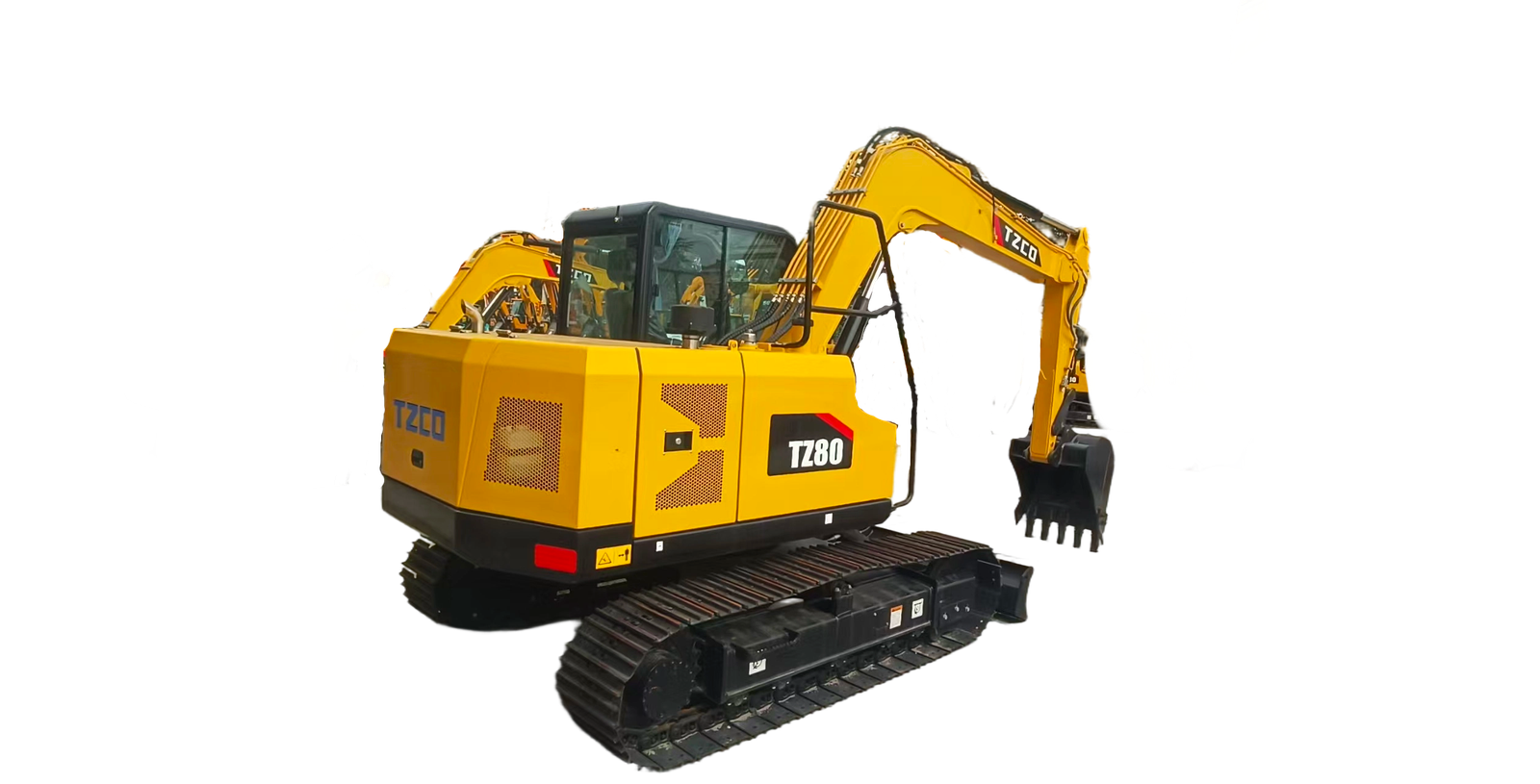
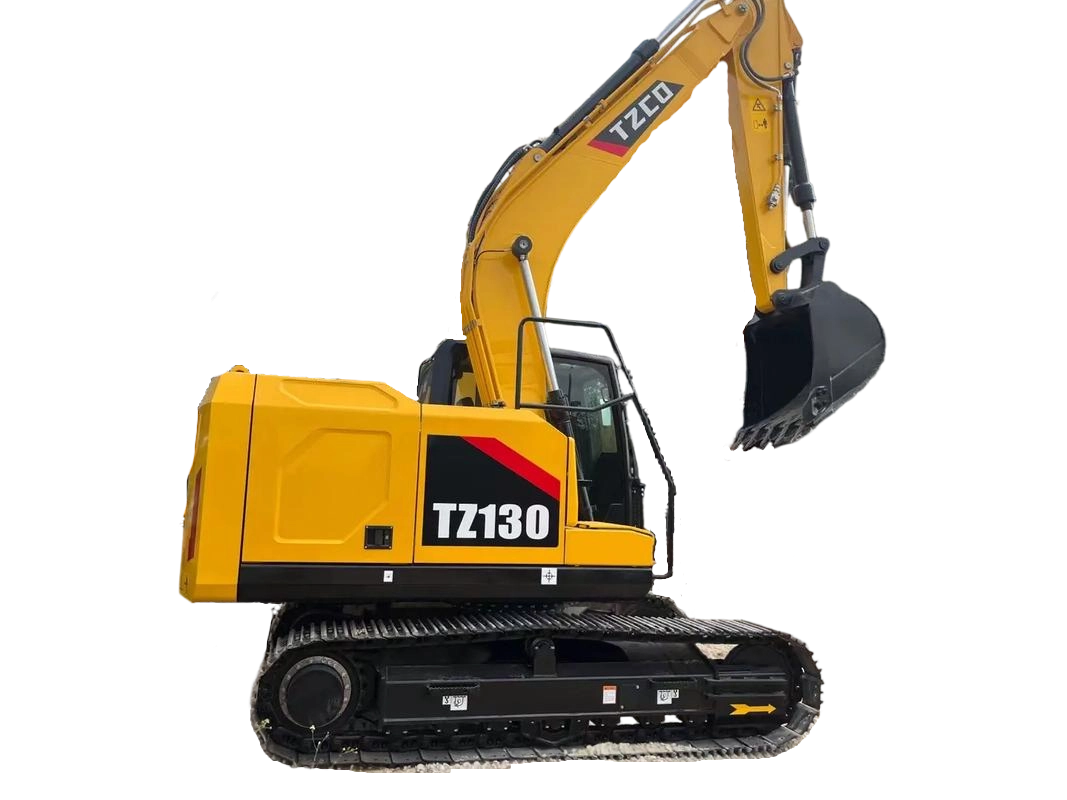
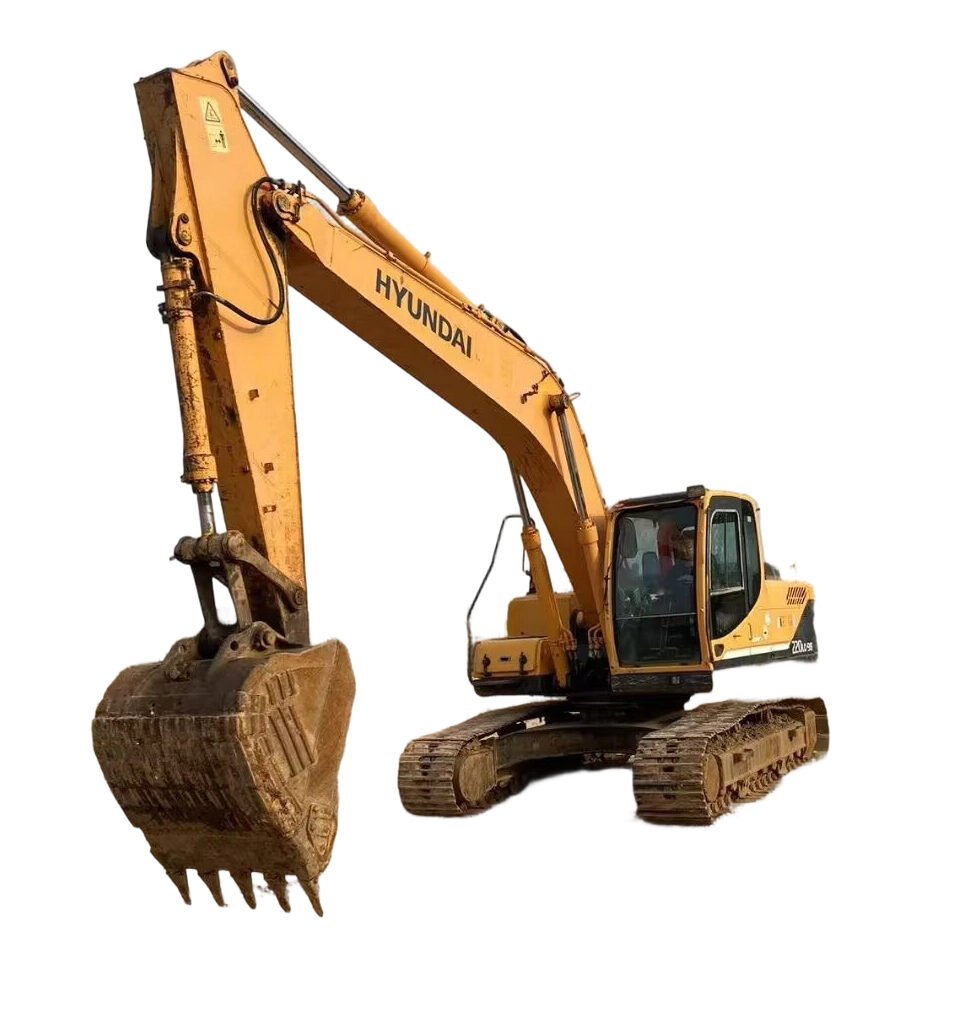
Perhaps the most sought-after category is the mid-size excavator, typically in the 20 to 30-ton operating weight range. These models strike an ideal balance between power, mobility, and fuel economy. They are large enough to handle heavy digging and loading tasks on major construction projects, yet sufficiently agile for urban redevelopment sites with space constraints. Their versatility makes them a default choice for general contracting work, and their widespread use ensures excellent parts availability and technician familiarity, reducing long-term ownership costs.
The Compact and Agile Performer
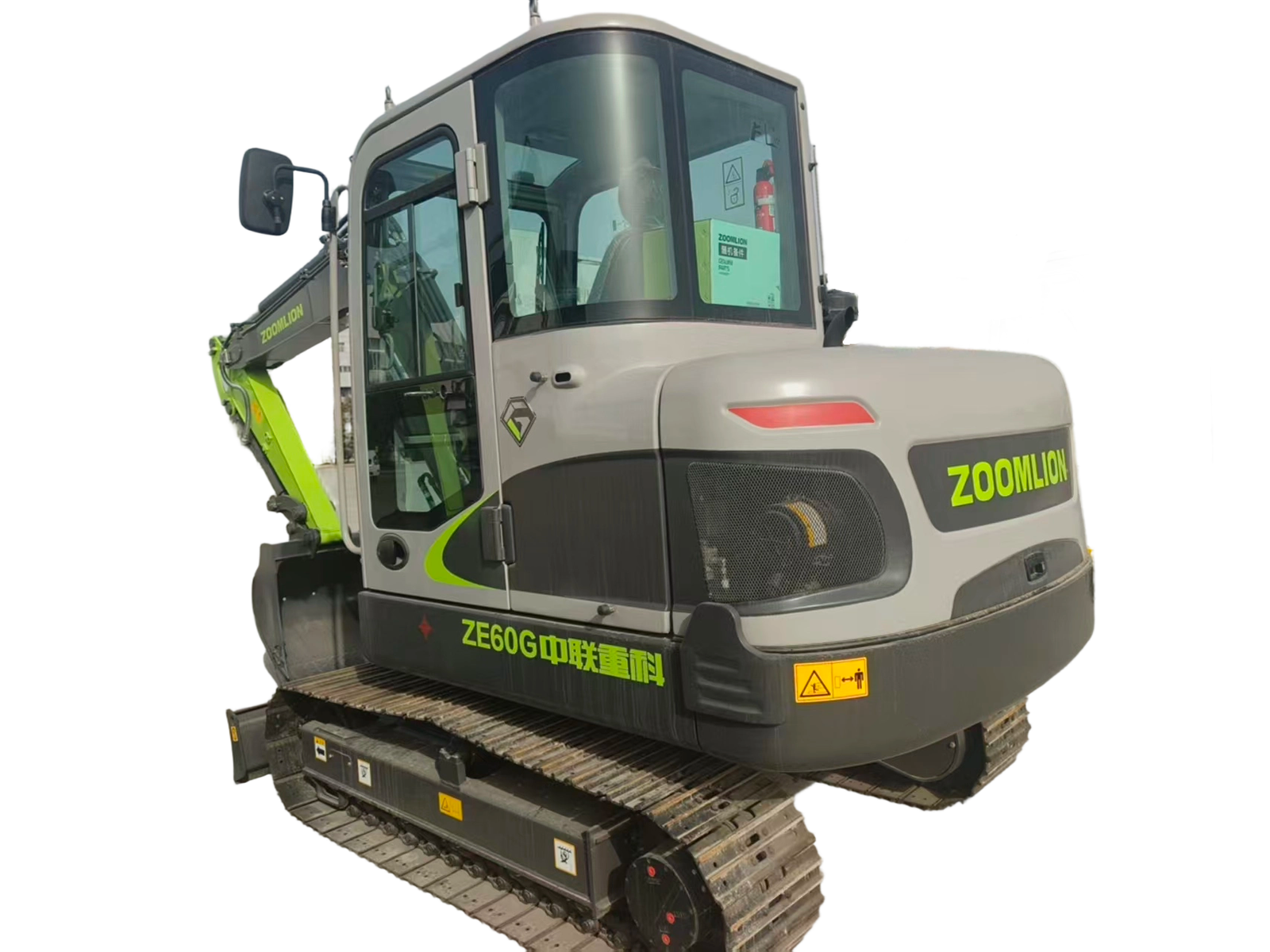
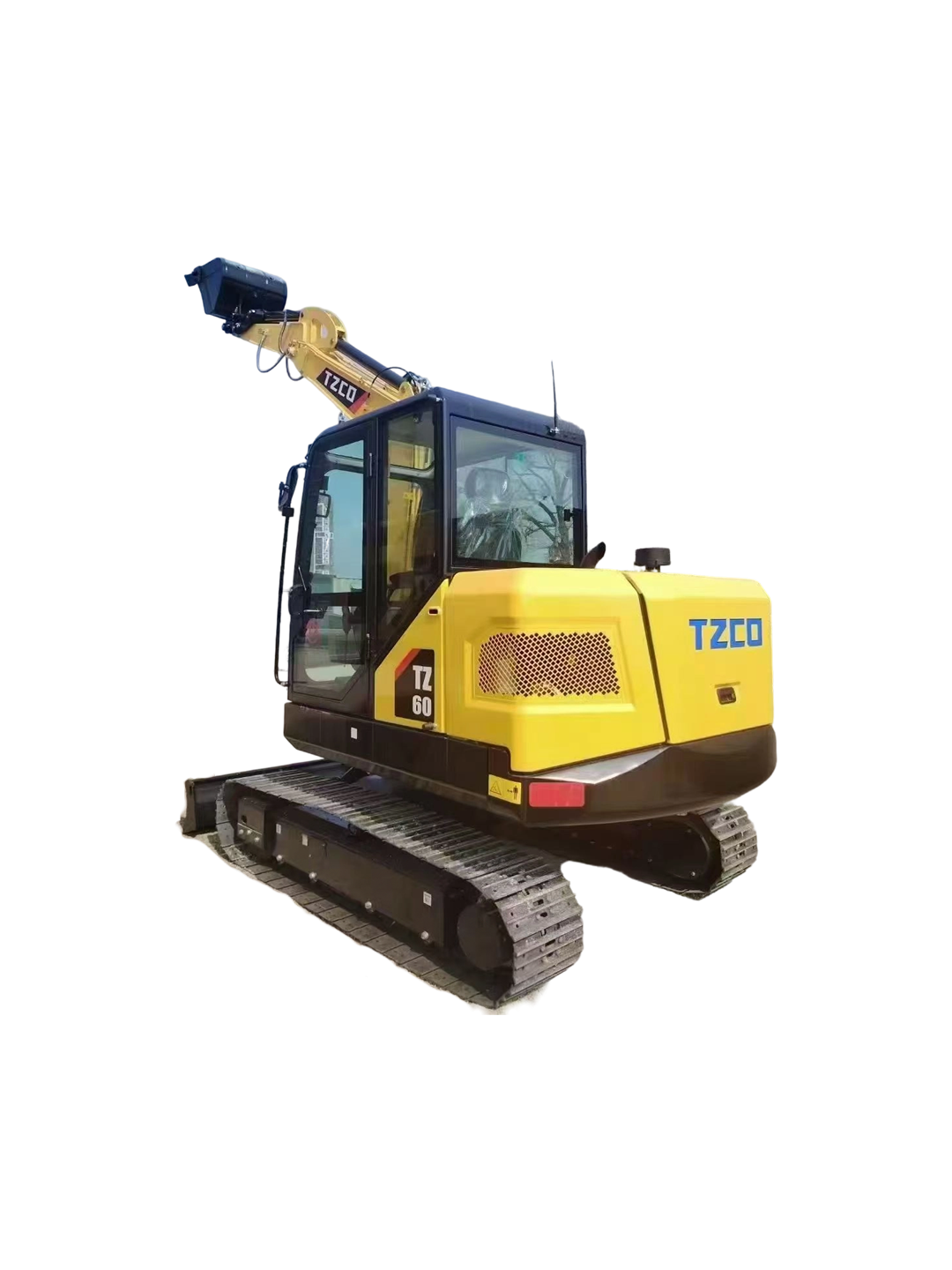
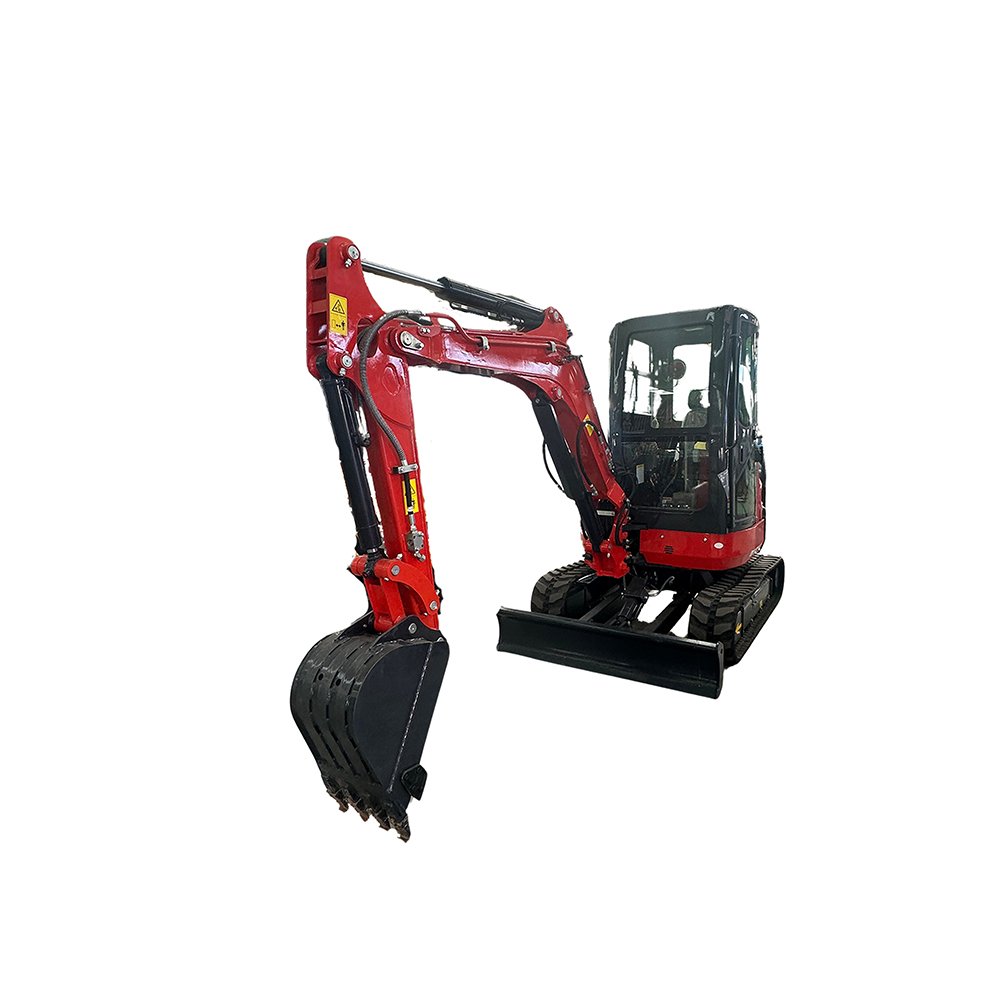
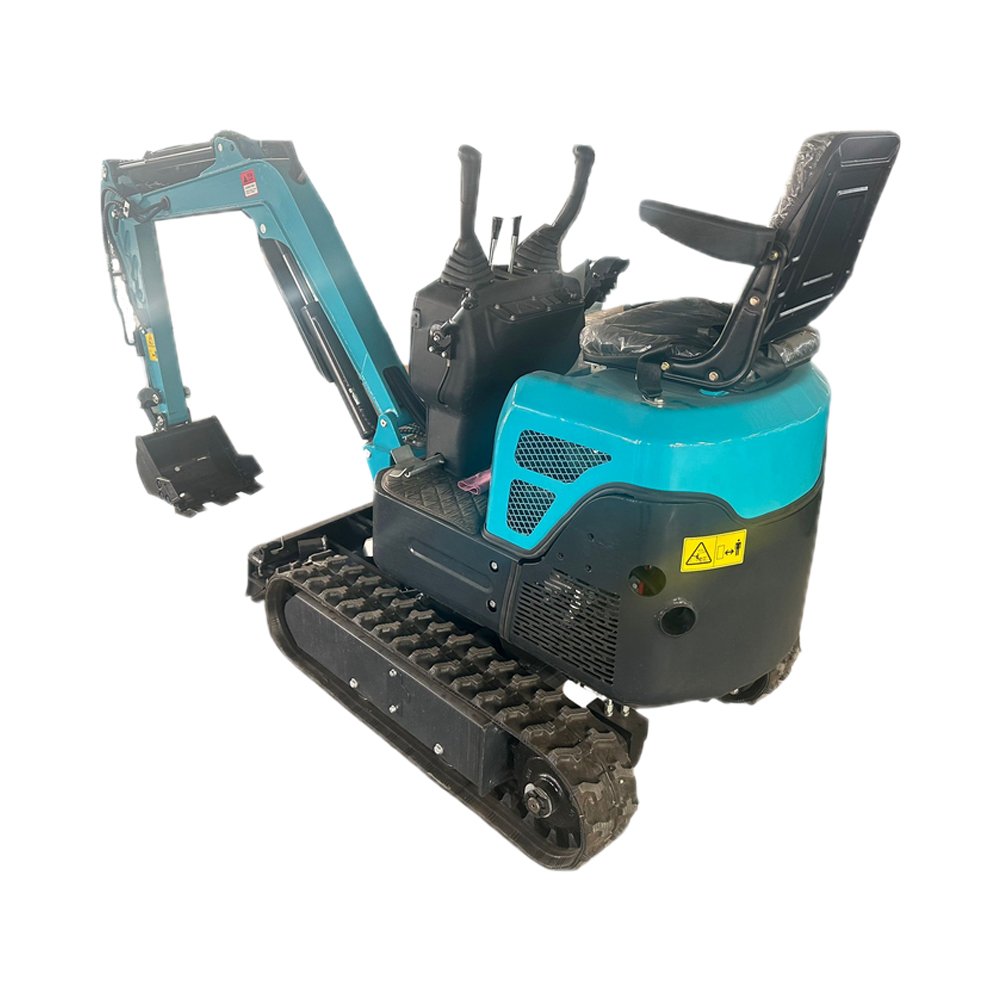
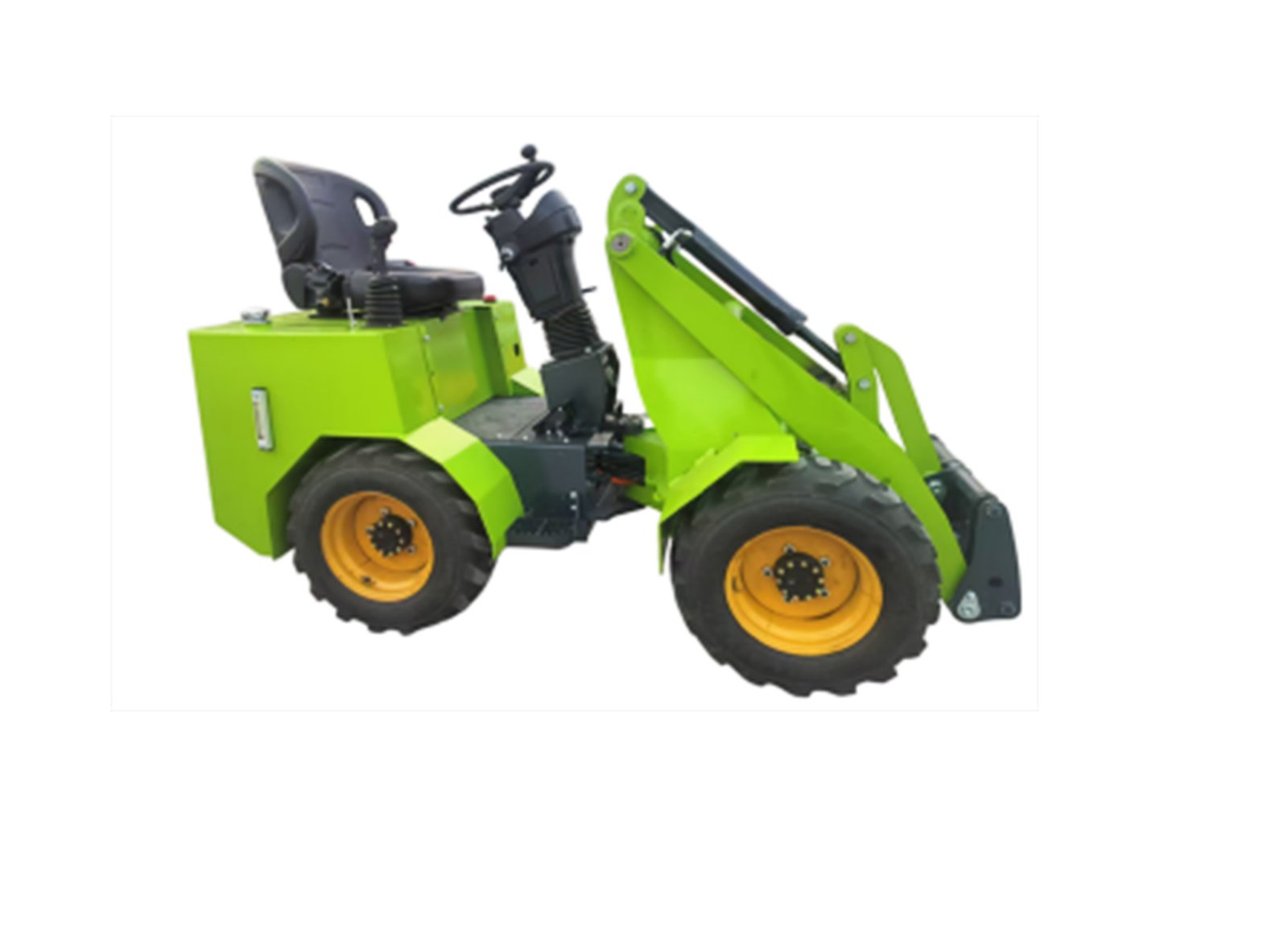
On the other end of the spectrum, compact or mini excavators have seen explosive growth in popularity. Weighing less than 10 tons, these nimble machines are indispensable for residential construction, utility work, landscaping, and interior demolition. Their ability to work in confined spaces, coupled with minimal ground disturbance, makes them a favorite for precision tasks. The used market for these models is particularly active, as their relatively simpler mechanical systems often translate to long service lives and lower maintenance complexity, offering tremendous value for small businesses and tradespeople.
The Heavy-Duty Powerhouse
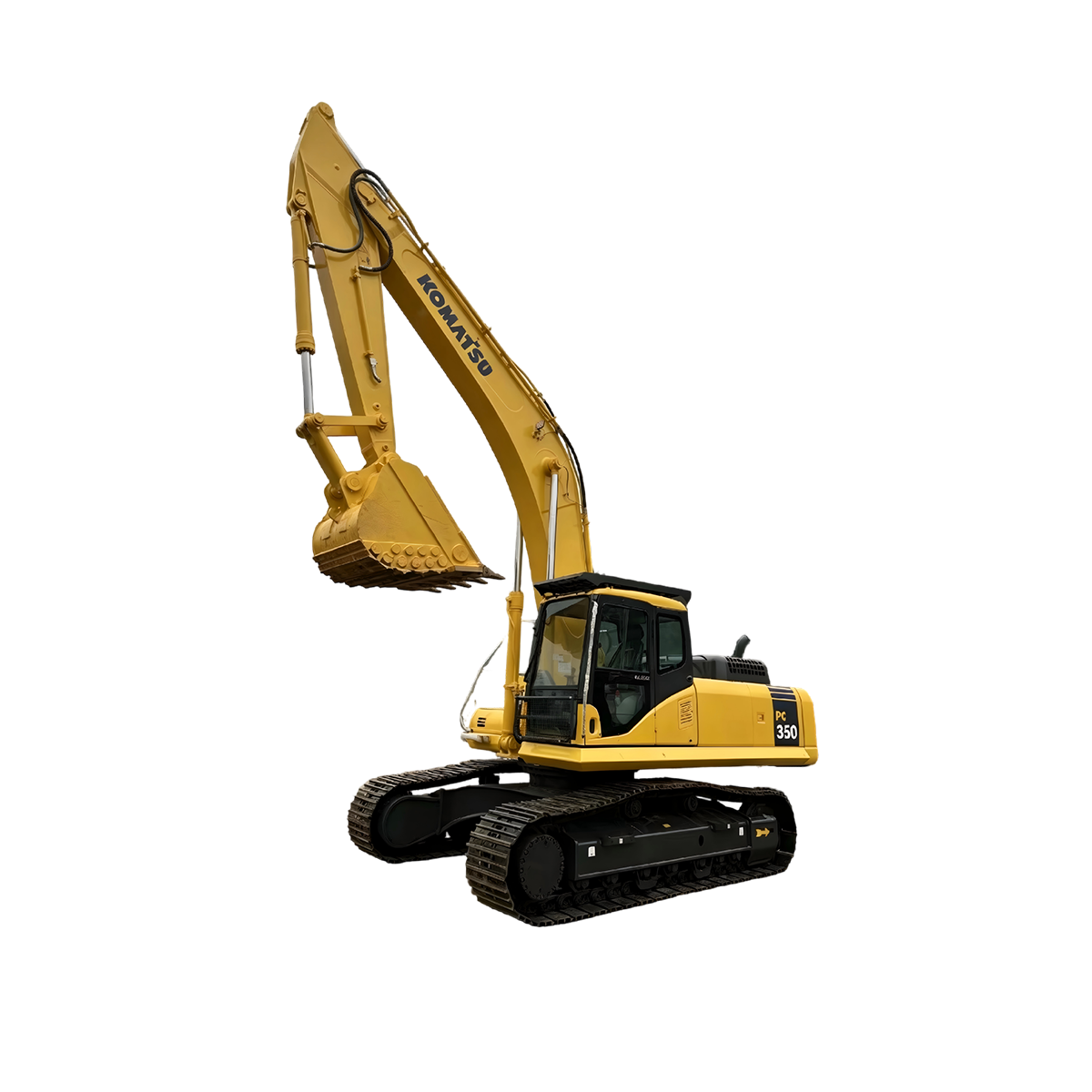
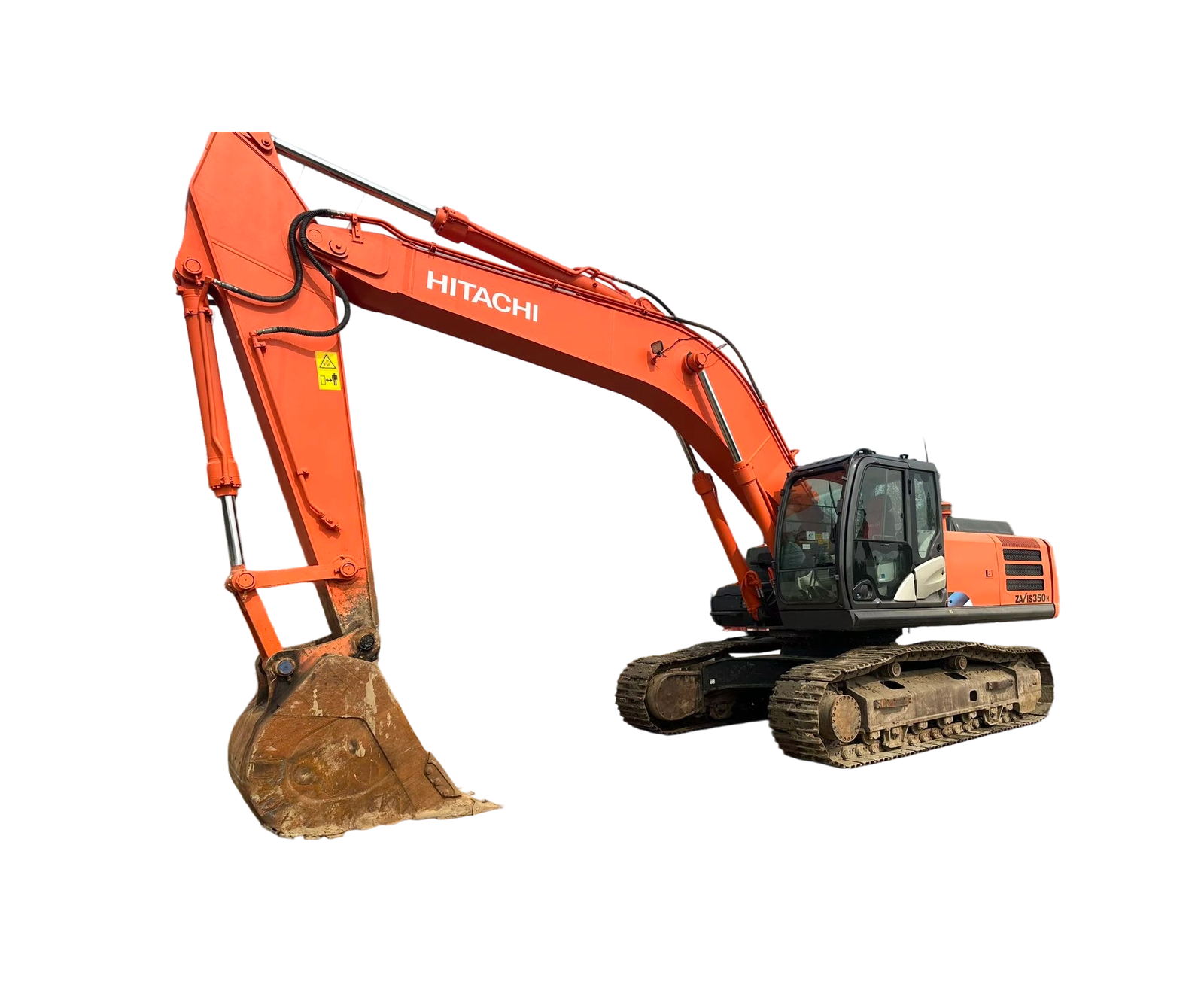
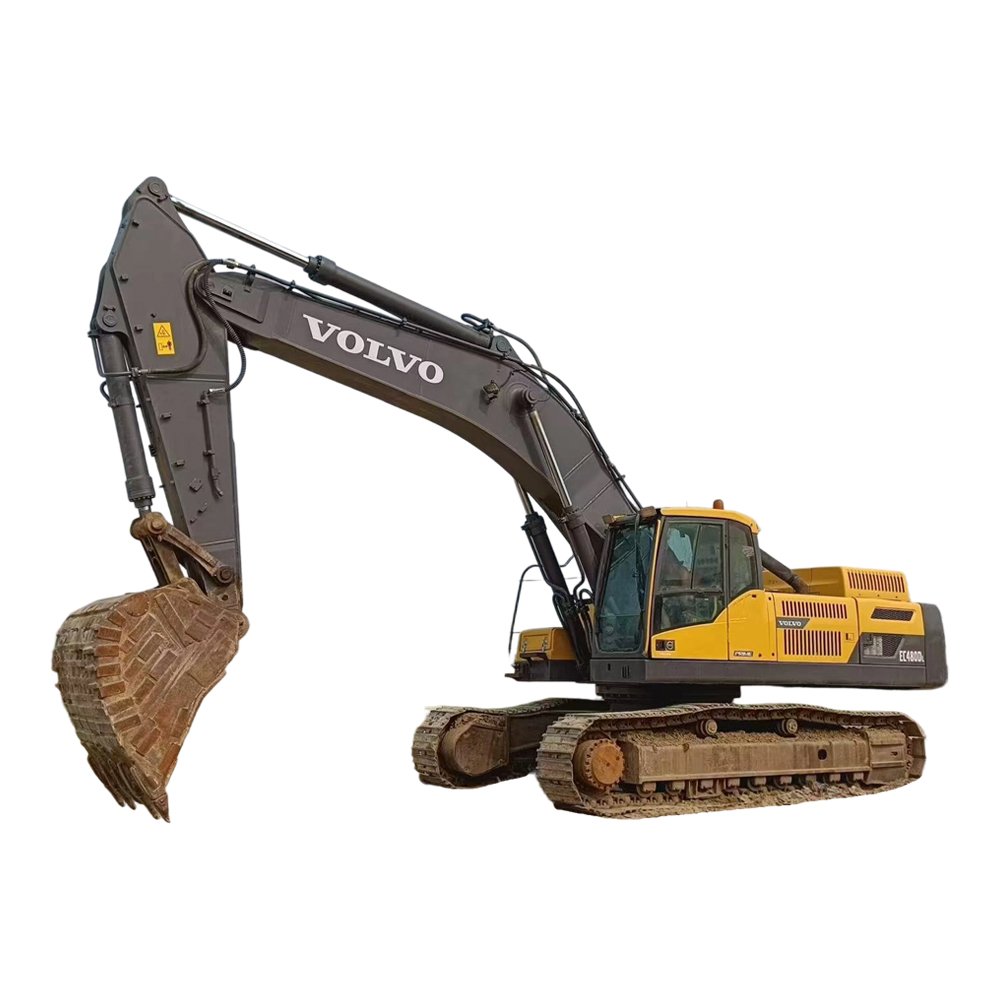
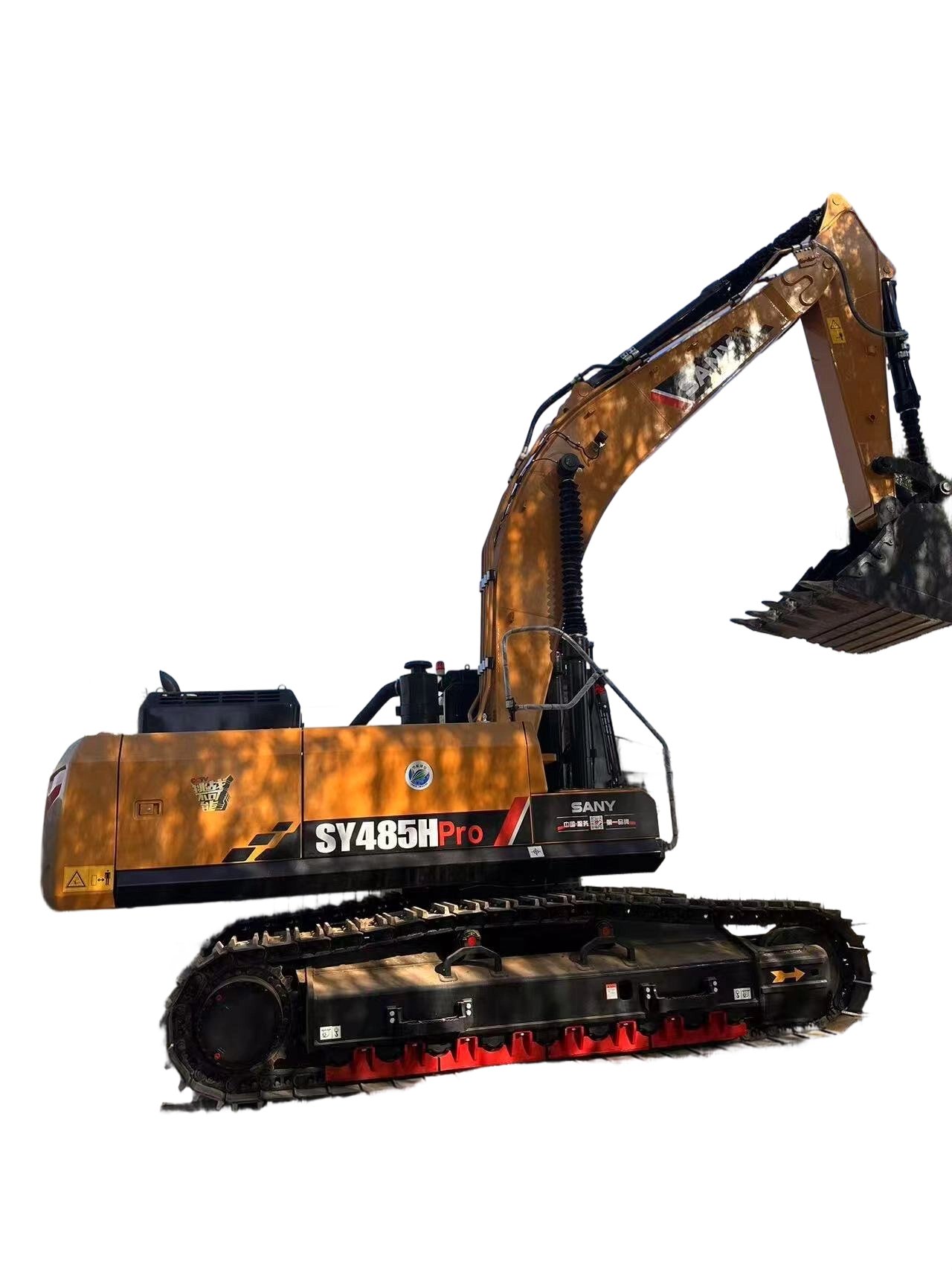
For large-scale mining, quarrying, and major earthmoving projects, larger excavators in the 35-ton and above class are in steady demand. These machines represent a significant investment, and the used market provides a viable entry point for companies looking to deploy such power without the upfront cost of a new unit. Key considerations here focus on the condition of the main structural components, the undercarriage, and the history of major hydraulic system overhauls. A well-documented, low-hour machine in this category can deliver productivity on par with newer models for years to come.
Critical Considerations for a Smart Purchase
Navigating the used excavator market requires diligence and expertise. Potential buyers must prioritize a thorough inspection process. This goes beyond a simple visual check and engine start. A professional inspection should include:
Detailed Service History: Documentation of regular maintenance is a strong indicator of responsible ownership.
Structural Integrity: Close examination of the boom, arm, and bucket for cracks or repairs is essential.
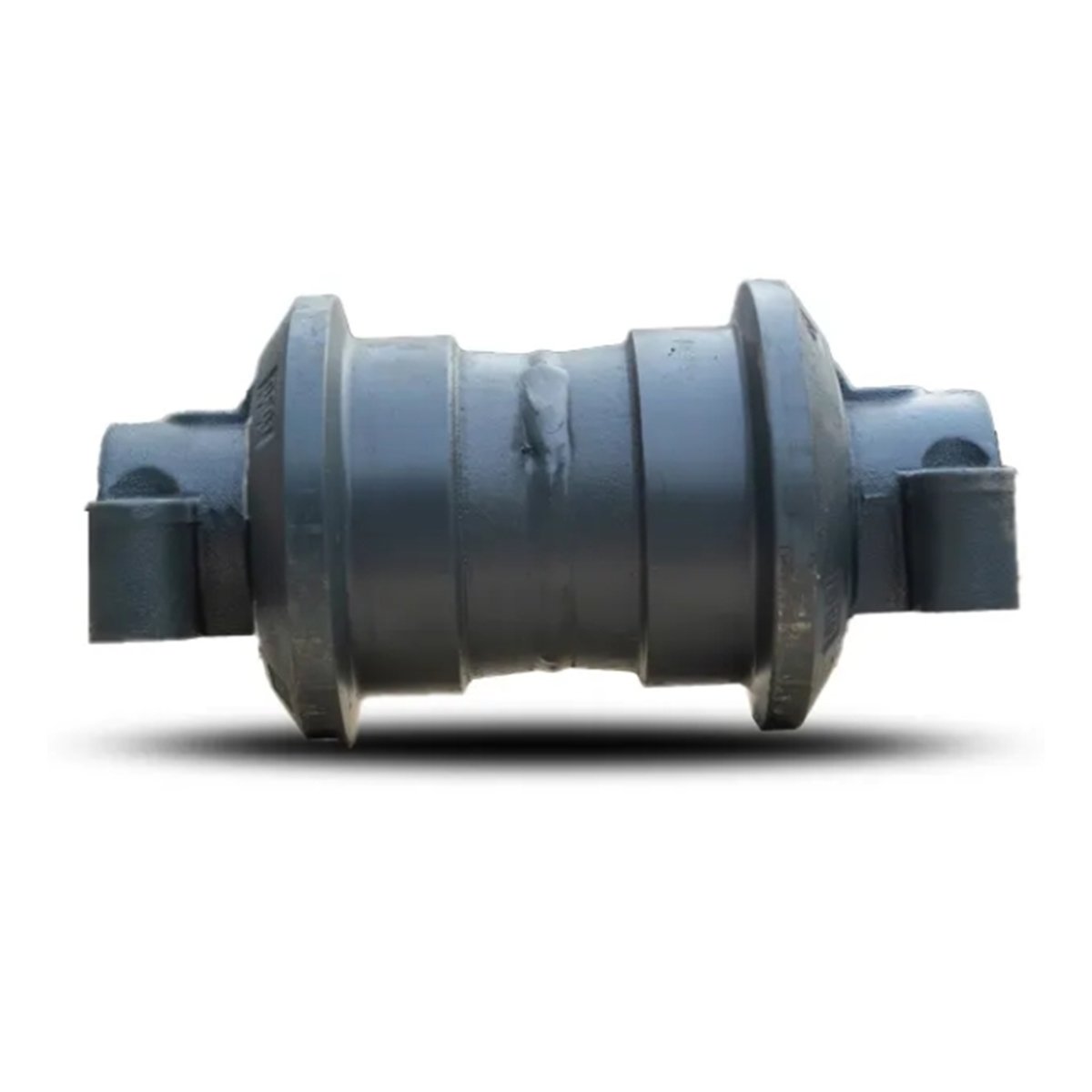
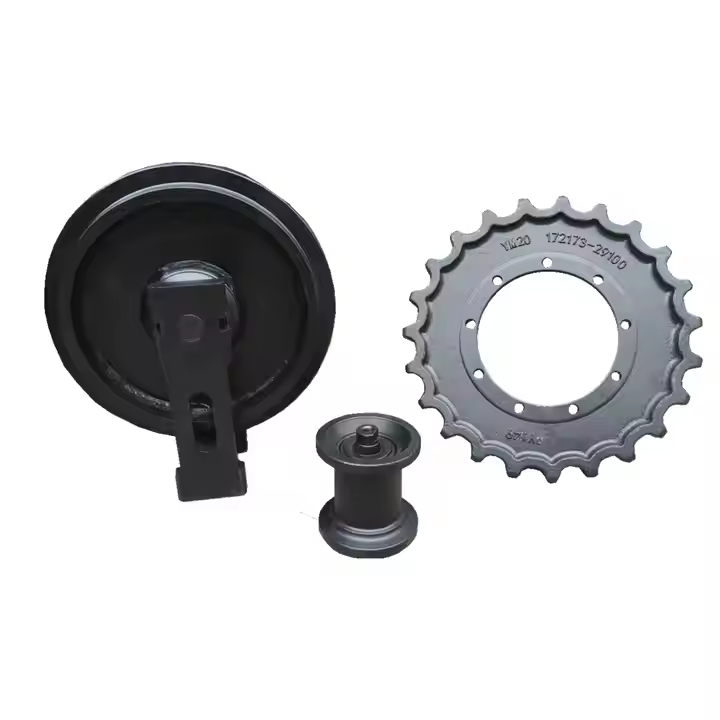
Undercarriage Assessment: Track wear, roller condition, and sprocket teeth must be evaluated, as replacement costs are high.
Hydraulic System Check: Testing for smooth operation, checking for leaks, and assessing cylinder condition are crucial.
Operational Test: The machine should be operated through all functions to check for unusual noises, drift, or performance issues.
Sustainability and Technological Integration
The trend towards used machinery also aligns with broader industry movements towards sustainability and circular economy principles. Opting for a used excavator extends the productive lifecycle of heavy equipment, reducing the environmental footprint associated with manufacturing new steel and components. Moreover, as newer models incorporate more advanced electronic controls and telematics, the previous generation of machines offers a robust mechanical platform that is often easier and less expensive to maintain, while still delivering core productivity.
In conclusion, the landscape of the construction industry is powerfully shaped by the strategic utilization of equipment. The diverse range of used excavator models available today offers a smart, pragmatic solution for businesses aiming to optimize their fleets. By focusing on proven model categories, conducting meticulous pre-purchase evaluations, and understanding the total cost of ownership, companies worldwide can harness the power and reliability of these machines to build the future, efficiently and effectively.