








Industry News
China Used Excavator Selection Tips for Heavy Equipment Buyers

Jun
The Chinese heavy equipment market has evolved into a global hub for high-quality used excavators, offering buyers an exceptional balance of performance and cost-efficiency.
For international procurement managers and construction contractors, navigating this vast marketplace requires a strategic approach grounded in thorough evaluation.
Selecting the right machine is not merely about finding the lowest price; it involves assessing mechanical integrity, verifying legal compliance, and ensuring long-term operational viability.
By adopting a systematic inspection framework and understanding local market dynamics, buyers can confidently secure reliable machinery that maximizes return on investment while minimizing operational risks.
Aligning Machine Specifications with Operational Needs
Before initiating any search, buyers must clearly define their specific project requirements to narrow down the selection process effectively.
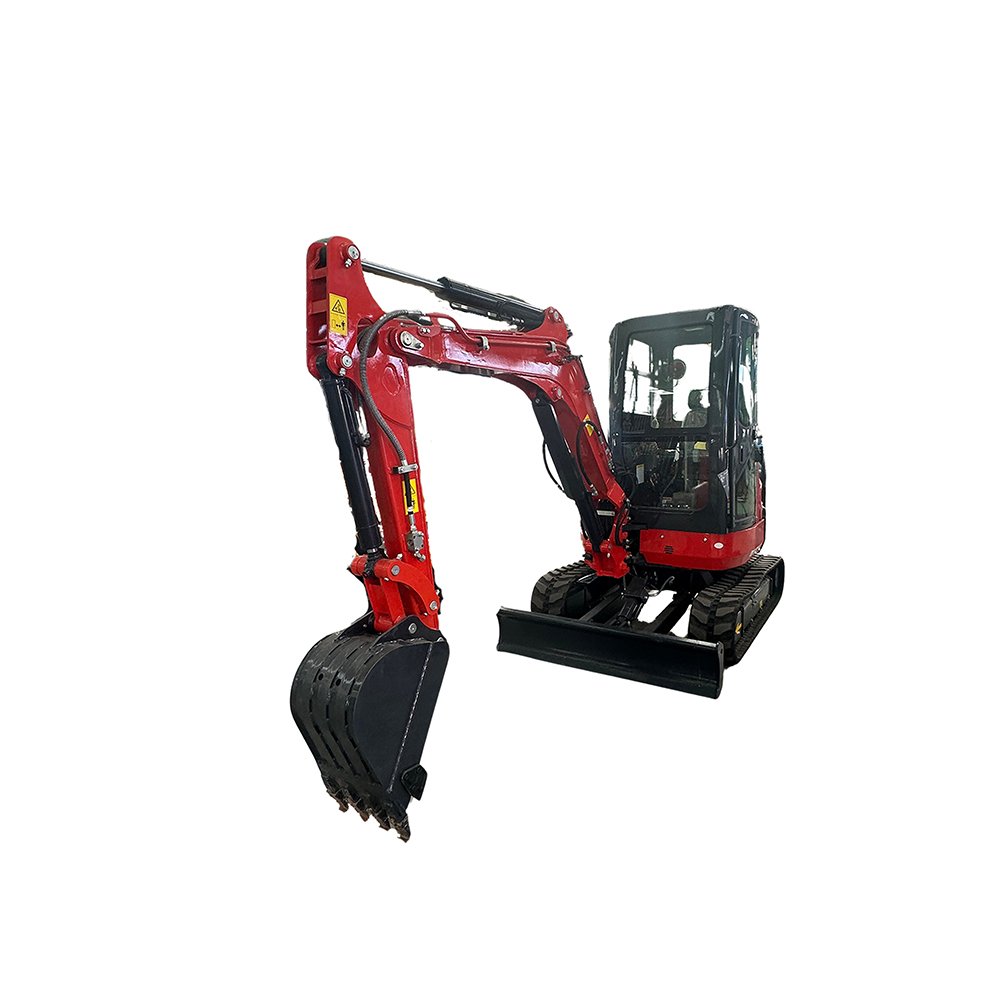
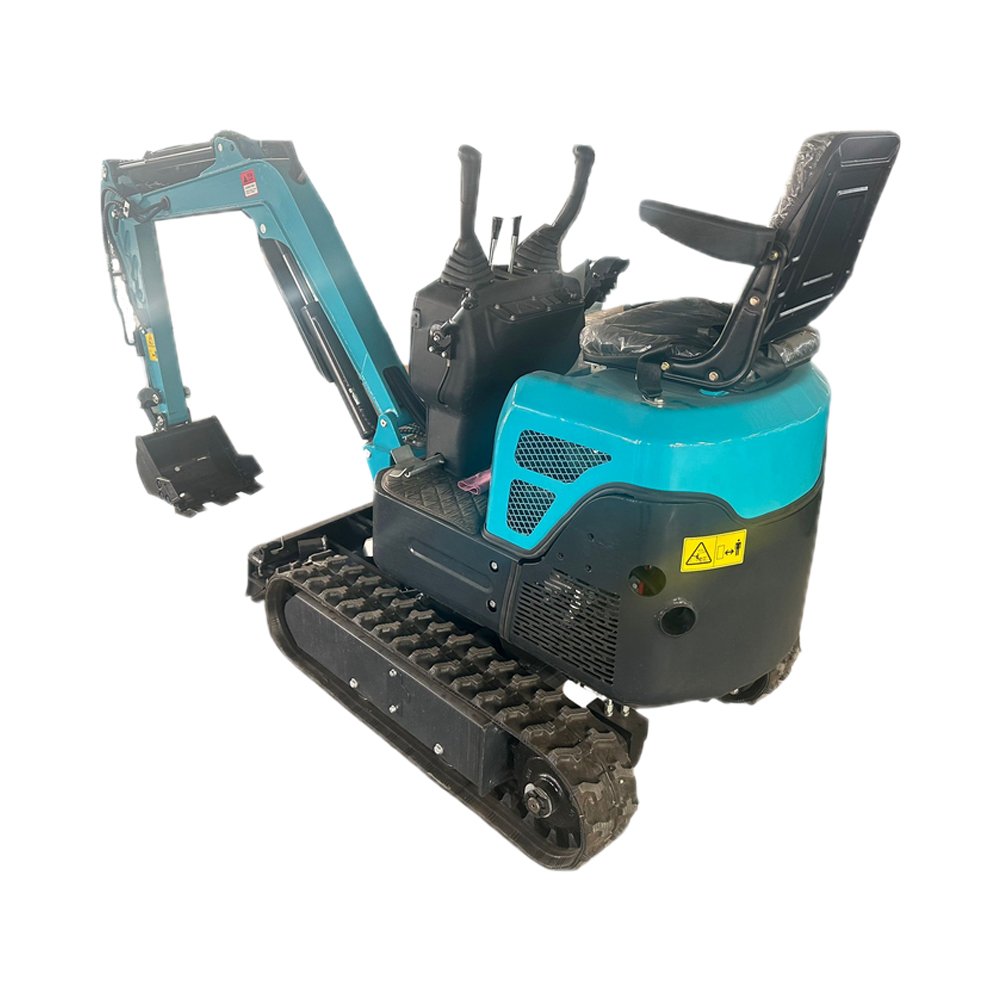
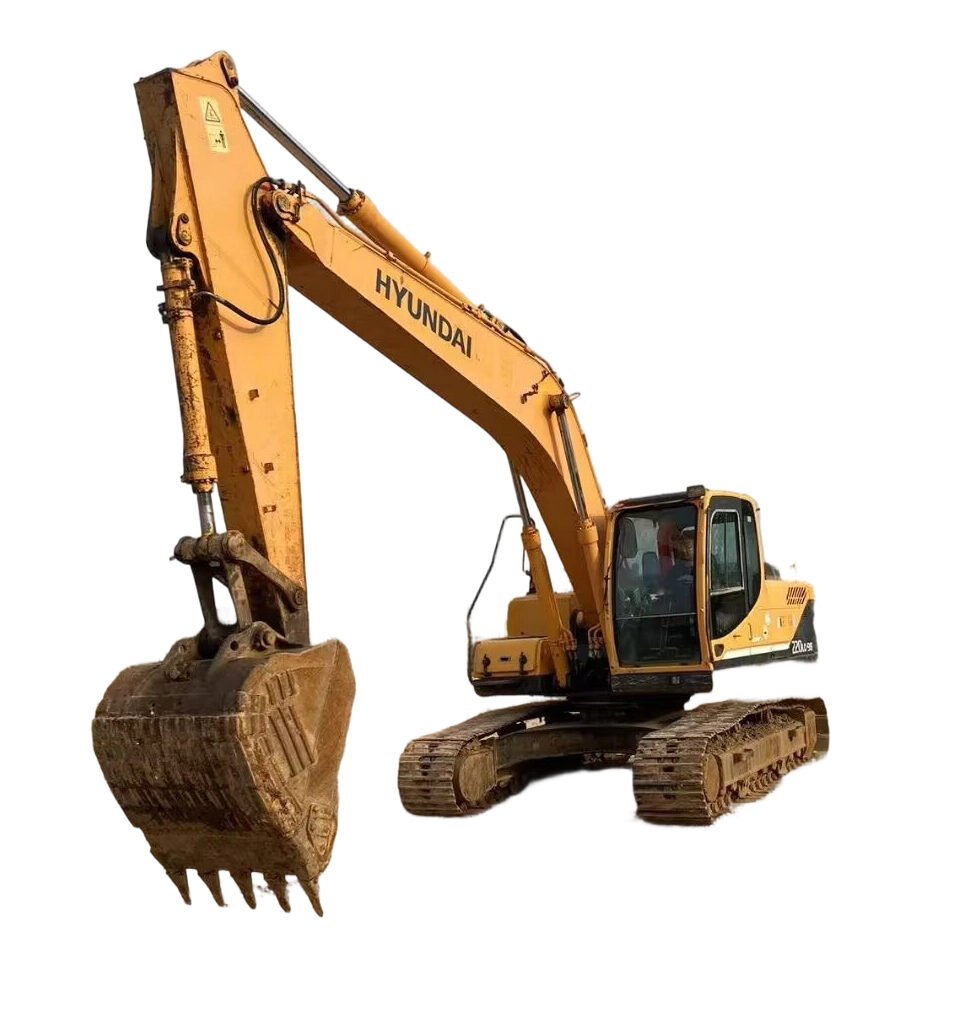
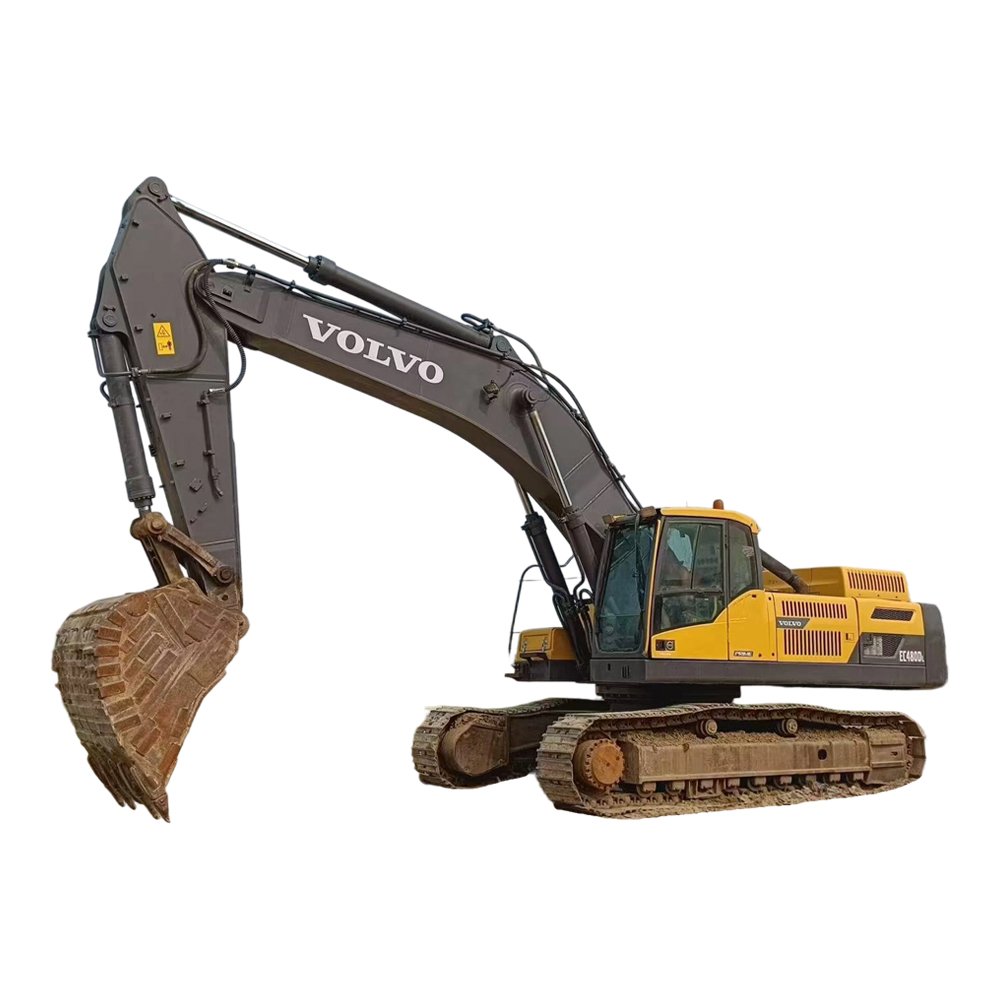
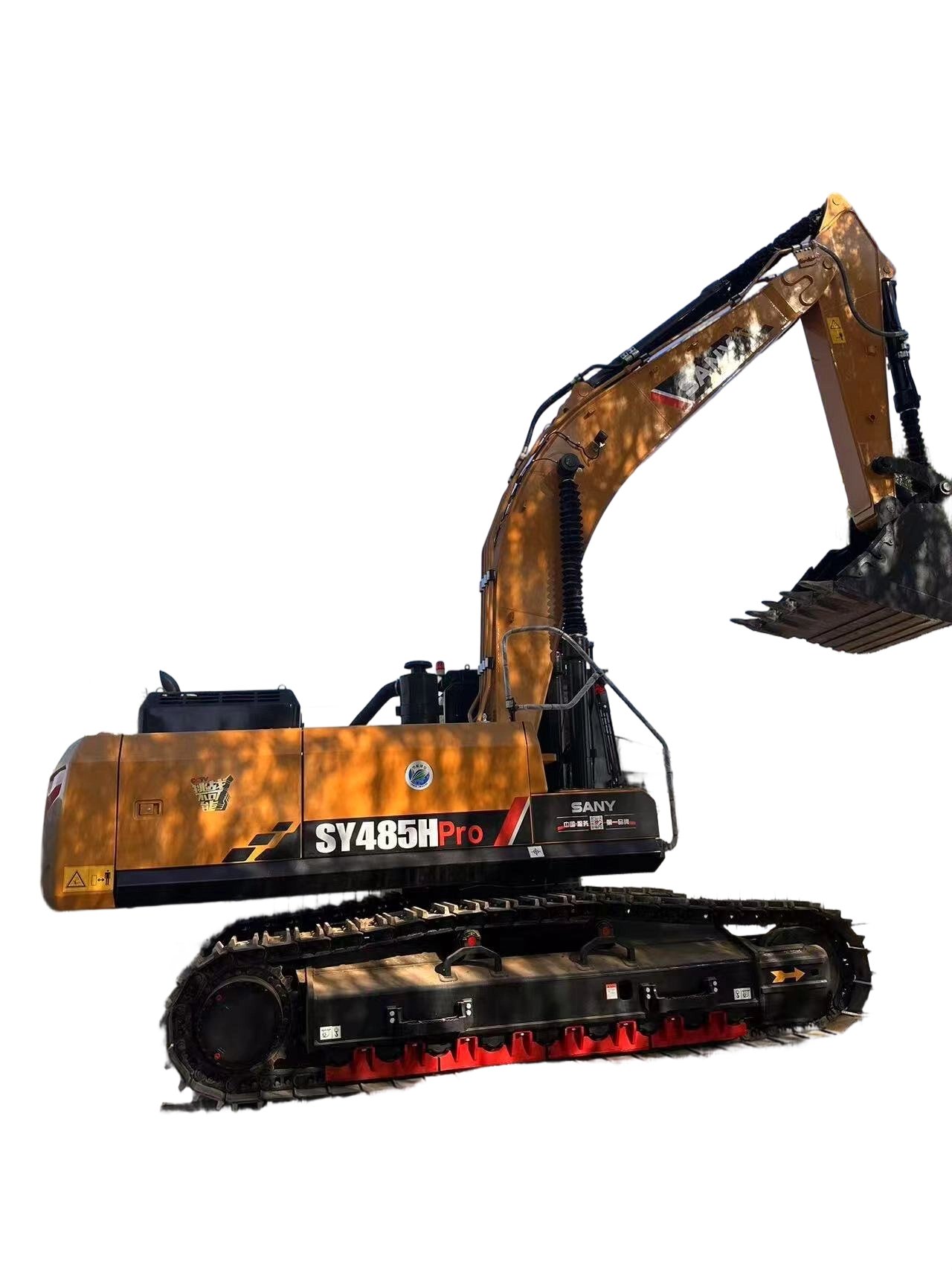
Excavators are categorized by operating weight, engine power, and bucket capacity, each suited to distinct applications. For instance, compact models ranging from six to fifteen tons are ideal for urban municipal engineering and landscaping.
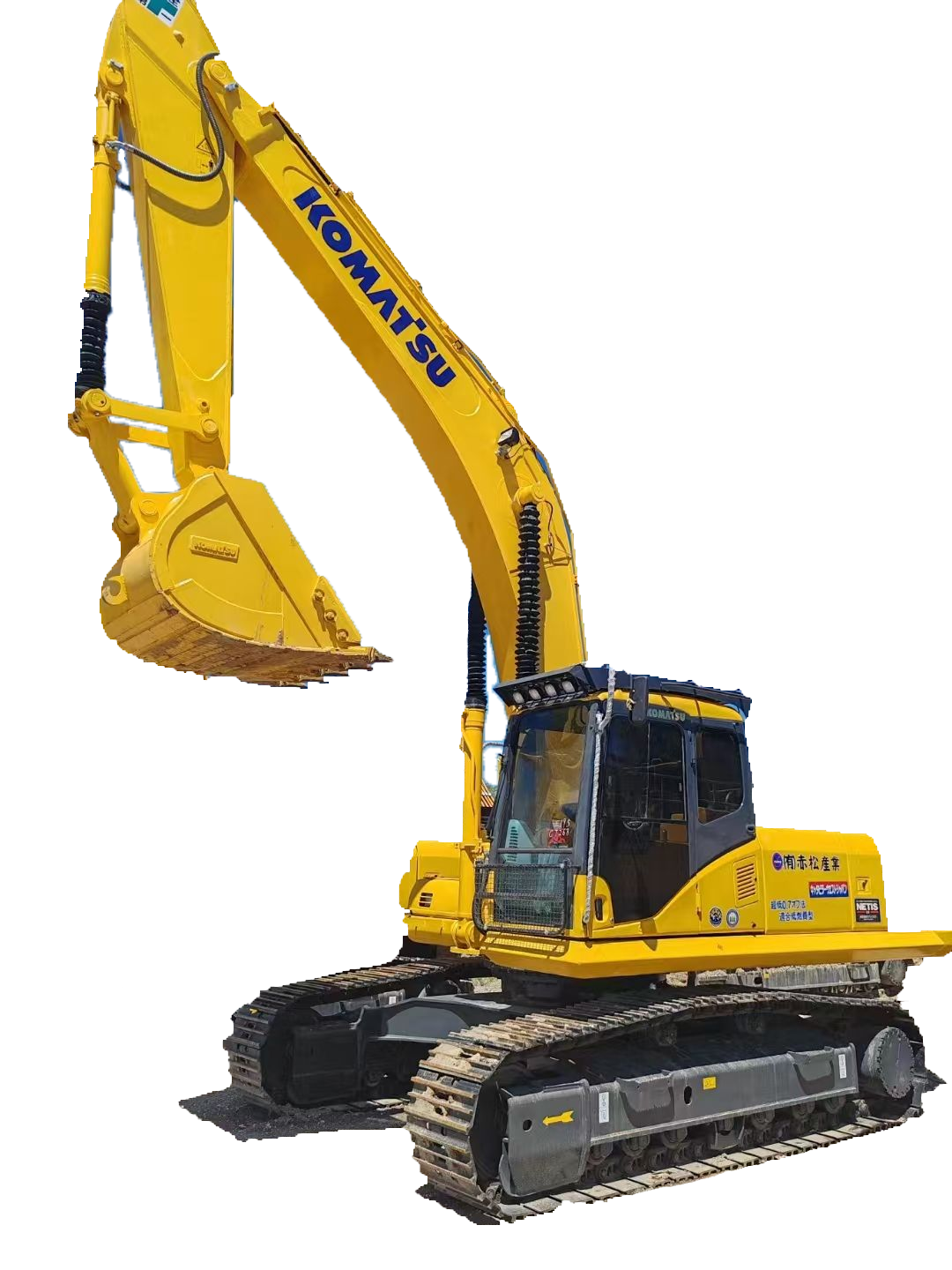
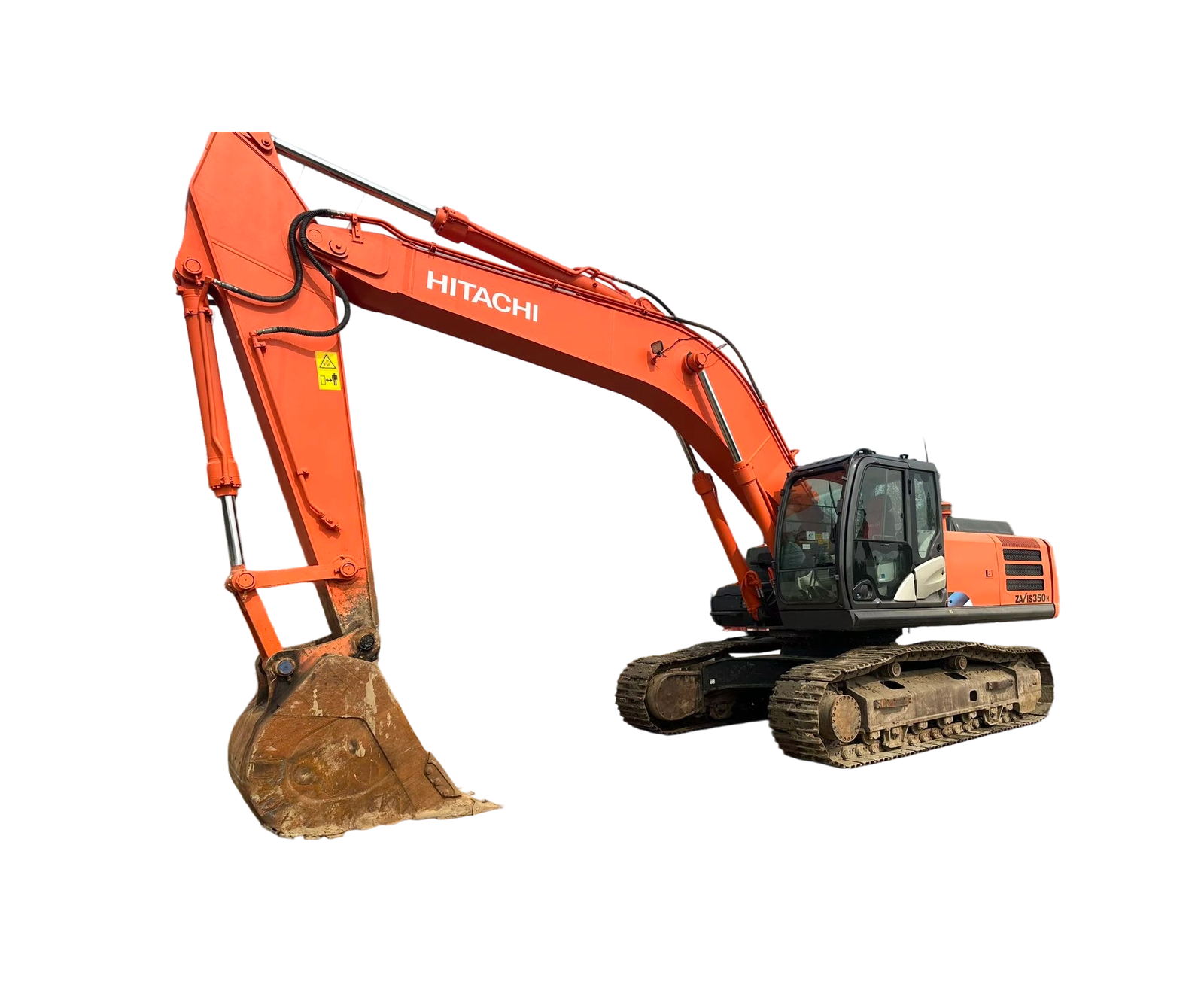
Conversely, thirty-ton-plus machines are engineered for large-scale earthmoving and mining operations. Matching the equipment’s technical parameters to the actual workload prevents premature wear and optimizes fuel efficiency.
Additionally, prioritizing widely recognized brands ensures easier access to spare parts and qualified technicians, which is crucial for maintaining continuous productivity on remote job sites.
Comprehensive Mechanical Inspection Protocols
A meticulous physical inspection forms the cornerstone of purchasing pre-owned heavy machinery. The structural frame should be examined thoroughly for signs of major collisions, excessive repainting, or compromised welds on the boom and arm, as these indicate previous high-stress usage.
Engine health can be preliminarily assessed by observing exhaust emissions during startup. Blue smoke suggests oil consumption issues, black smoke points to incomplete combustion, and white smoke may indicate cylinder head gasket failures.
Hydraulic system performance must also be tested under load conditions, checking for smooth lifting motions, responsive slewing, and the absence of fluid leaks.
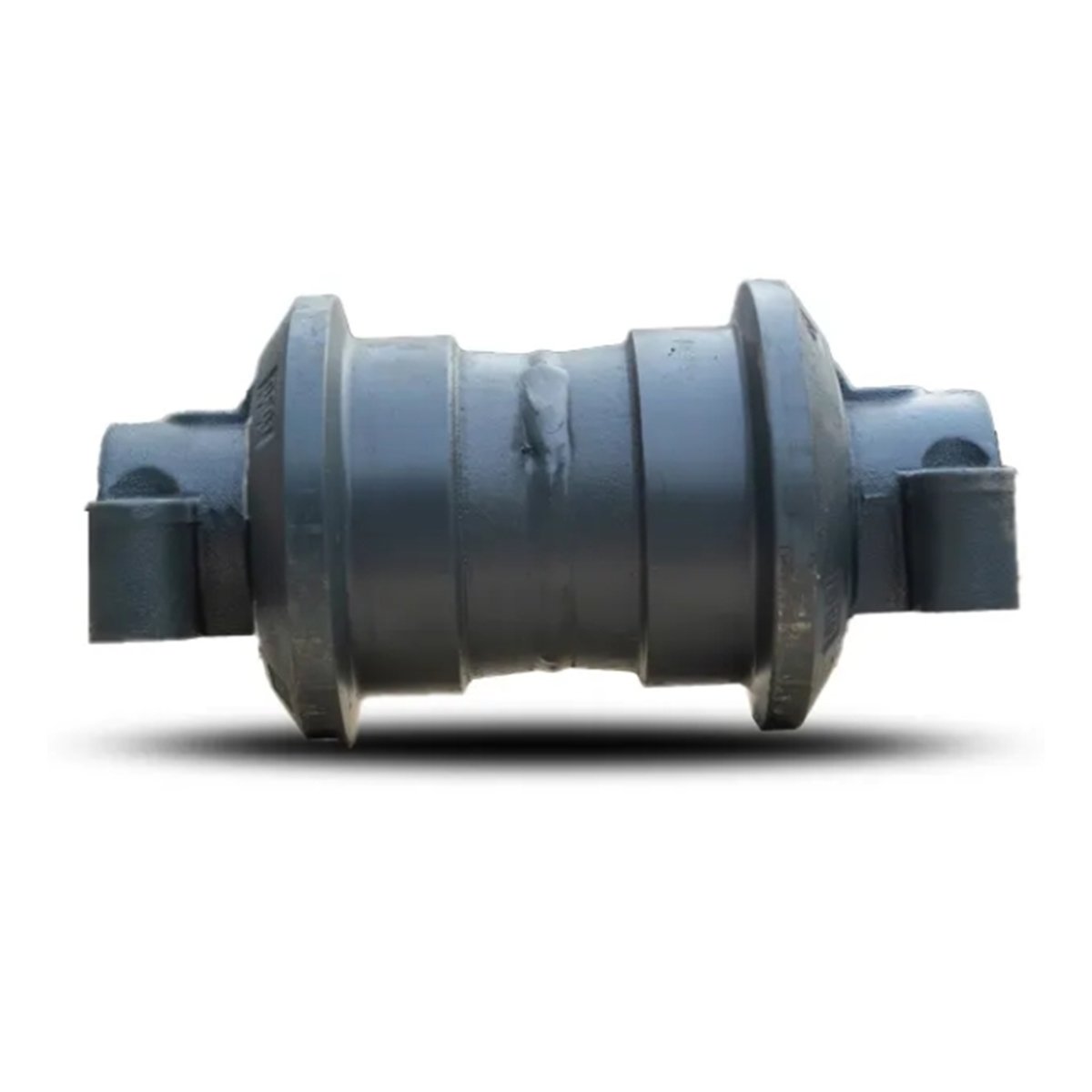
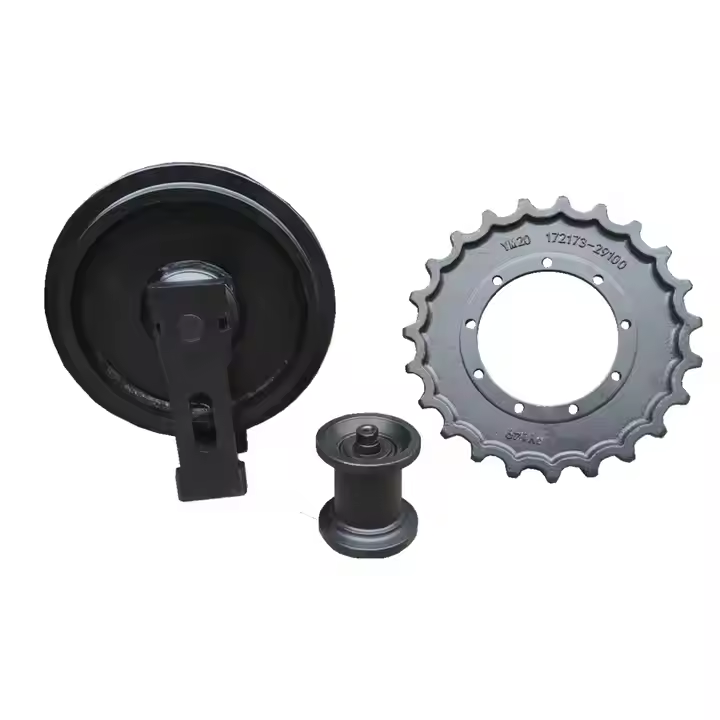
Furthermore, inspecting the undercarriage for track pad thickness and roller wear provides critical insights into the machine’s remaining service life before costly overhauls become necessary.
Verifying Documentation and Legal Compliance
Ensuring clear ownership and regulatory compliance is paramount when acquiring used equipment in China. Buyers must request complete documentation, including original purchase invoices, factory certificates of conformity, and customs clearance papers for imported units.
It is essential to cross-reference the vehicle identification number (VIN) or chassis serial number with official records to confirm there are no outstanding liens, mortgages, or legal disputes attached to the asset.
For transactions involving financing, obtaining written confirmation that all lease obligations have been fully settled protects the buyer from future creditor claims.
Engaging professional third-party inspection services adds an extra layer of security, providing unbiased assessments of both mechanical condition and paperwork authenticity.
Evaluating Maintenance History and Aftermarket Support
The longevity of a used excavator heavily depends on its past maintenance practices and available support infrastructure. Requesting detailed service records helps verify whether routine maintenance was performed according to manufacturer specifications using genuine components.
Machines with documented care histories typically exhibit fewer unexpected breakdowns and retain higher resale values. Equally important is assessing the availability of aftermarket support in your target region.
Investigate local dealer networks, warranty transferability, and the supply chain for consumables like filters and hydraulic fluids. Choosing equipment with robust regional support ecosystems significantly reduces downtime and total cost of ownership over the machine’s lifecycle.
Strategic Negotiation and Secure Transaction Practices
Successful procurement extends beyond technical evaluation to encompass smart negotiation and secure transaction management. Researching current market valuations through established industry platforms empowers buyers to negotiate fair prices based on objective data rather than emotional decisions.
Any identified mechanical deficiencies or required component replacements should be factored into price discussions transparently. When finalizing purchases, utilizing escrow services or phased payment structures mitigates financial risks until the equipment has been successfully delivered and verified.
Drafting comprehensive sales contracts that explicitly outline warranty terms, delivery timelines, and liability responsibilities establishes a solid legal foundation for the transaction. This disciplined approach transforms what could be a risky purchase into a strategically sound business investment.