








Industry News
Used Excavator Price by Brand and Operating Hours
Jun
Navigating the secondary market for heavy construction equipment requires a keen understanding of how value is determined. Unlike consumer vehicles, the pricing of used excavators is primarily dictated by two critical metrics: the manufacturer’s brand reputation and the machine’s cumulative operating hours.
These factors serve as the foundational pillars for buyers seeking to balance cost-efficiency with operational reliability. By analyzing current market trends, industry professionals can accurately forecast fair market values. This ensures that capital investments in pre-owned machinery yield optimal returns on investment without compromising job site productivity.
The Influence of Brand Reputation on Market Value
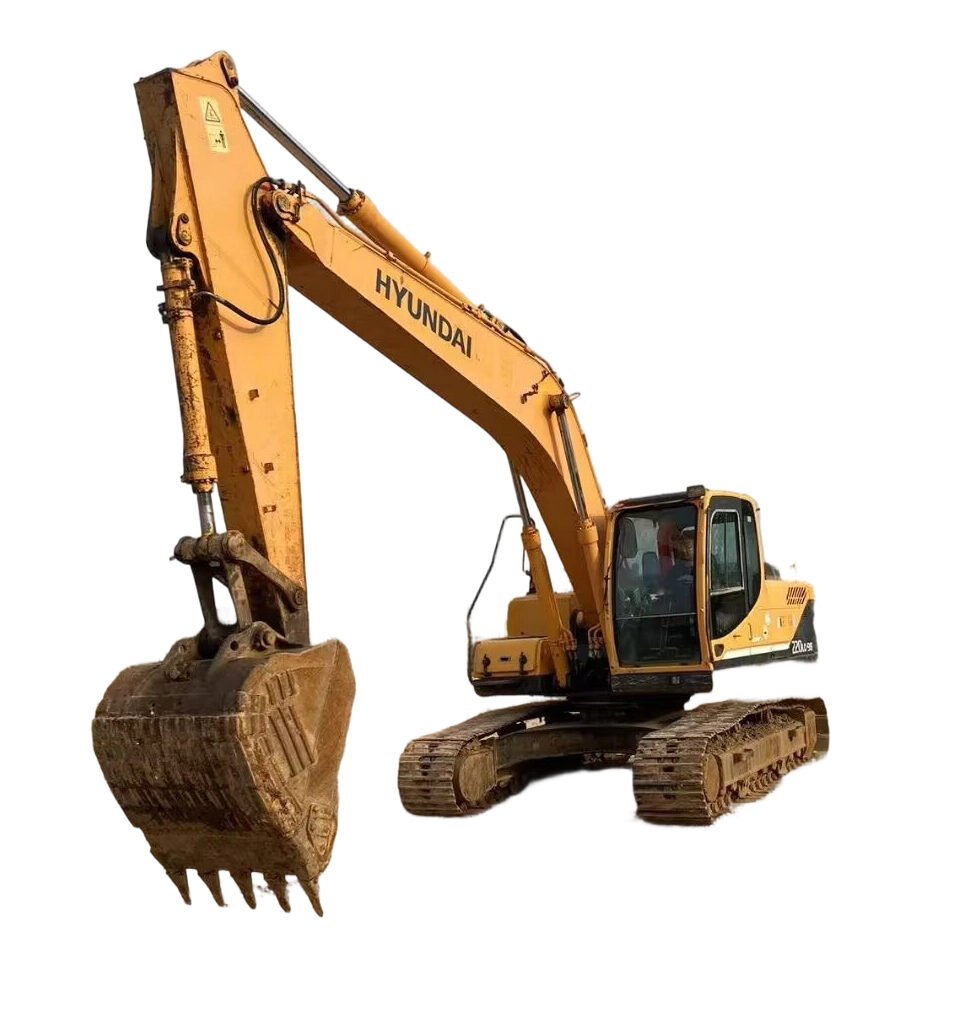
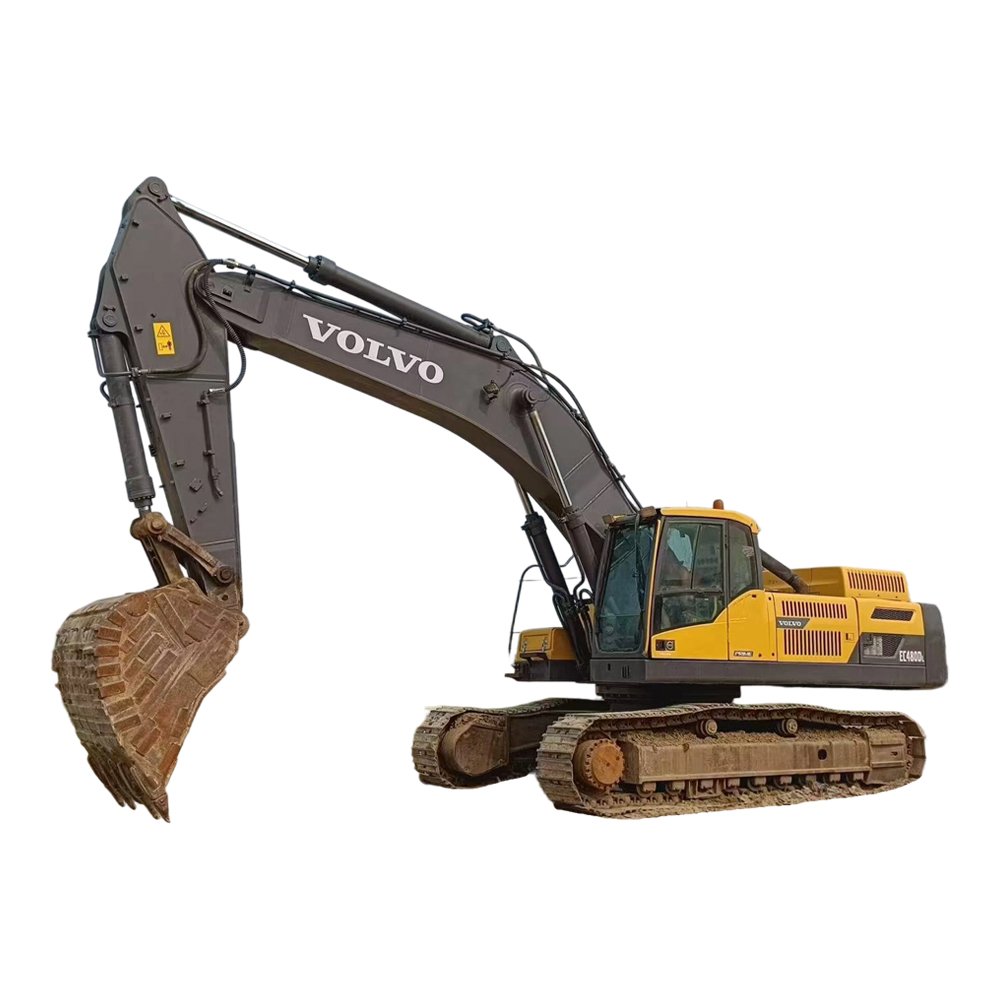
Brand prestige plays a monumental role in establishing the baseline price of a used excavator. Global manufacturers with a long-standing history of engineering excellence typically command higher resale values due to their proven durability and extensive dealer networks.
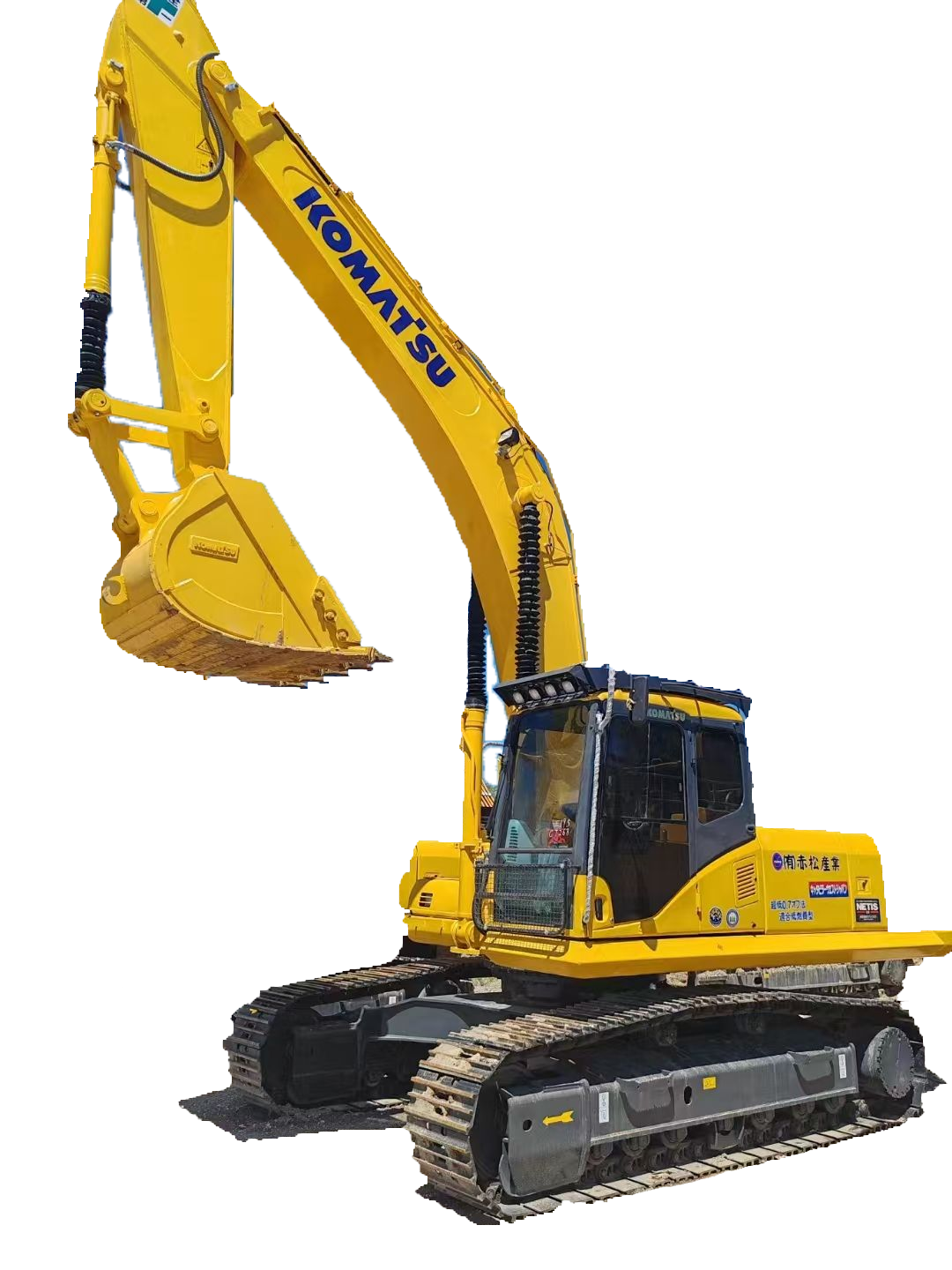
For instance, premium international brands are highly sought after because they maintain strong performance even after thousands of hours of rigorous use. Buyers often view these established names as a safe bet for demanding construction environments.
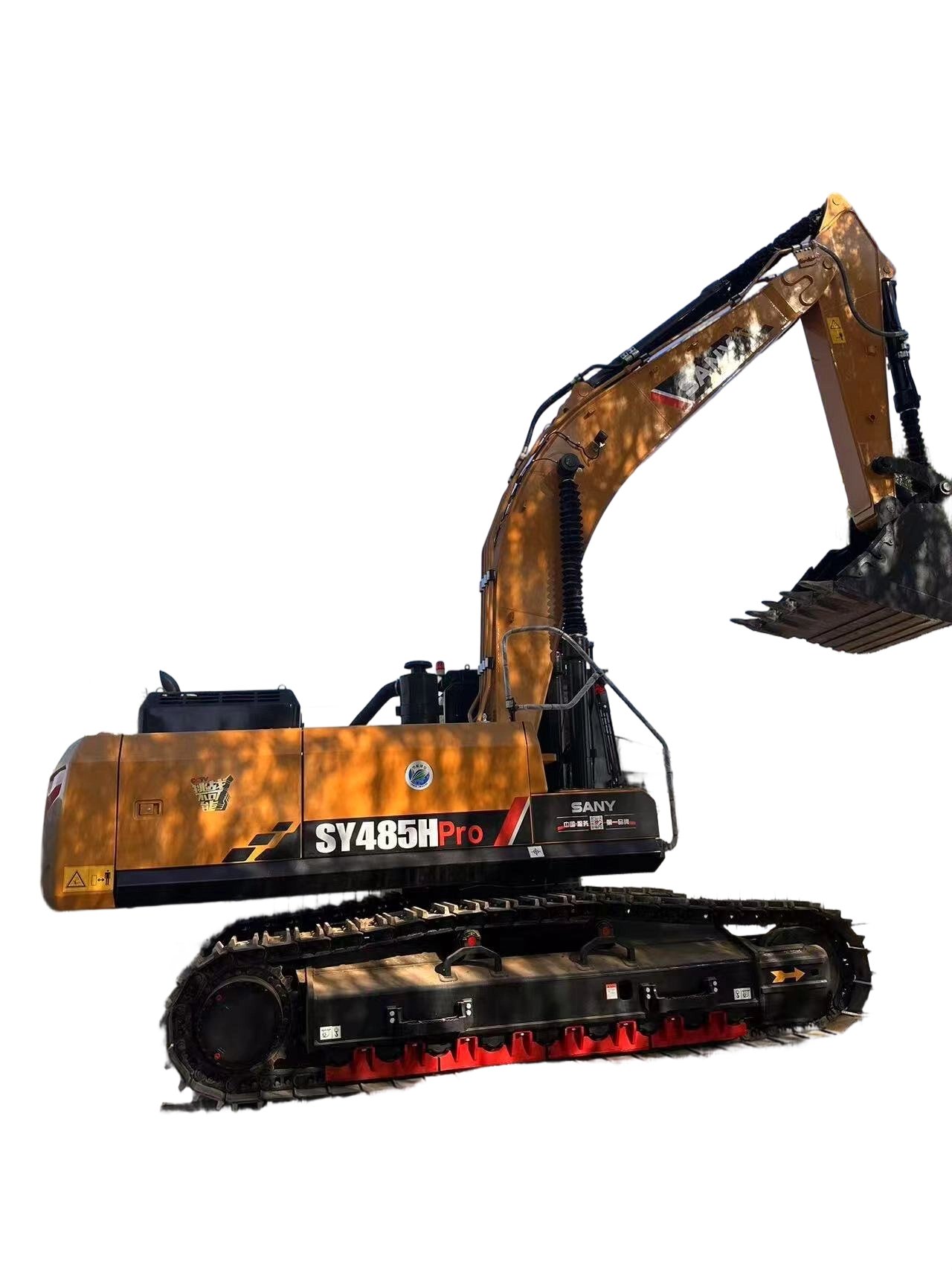
Conversely, domestic manufacturers have significantly elevated their market presence by offering exceptional value propositions. Brands focusing on robust engineering and accessible spare parts have captured substantial market share.
This makes them incredibly attractive for buyers looking to minimize total ownership costs while maintaining reliable performance across various terrains. The right brand choice ultimately aligns with the specific budget and operational needs of the contractor.
Interpreting Operating Hours as a Depreciation Metric
Operating hours act as the definitive odometer for heavy machinery, directly correlating to wear and tear. Generally, lower-hour machines retain a higher percentage of their original value.
Equipment with fewer than three thousand hours is often considered lightly used and commands a premium price, reflecting its extended remaining lifecycle. These units are ideal for contractors who require near-new reliability.
Machines falling within the moderate usage bracket offer an excellent middle ground. They provide significant depreciation savings while still delivering dependable service life for standard earthmoving tasks.
High-hour units, typically exceeding eight or ten thousand hours, are priced considerably lower. However, these assets remain viable for less demanding applications or for contractors who possess in-house maintenance capabilities to manage ongoing servicing needs.
Pricing Dynamics Across Different Tonnage Classes
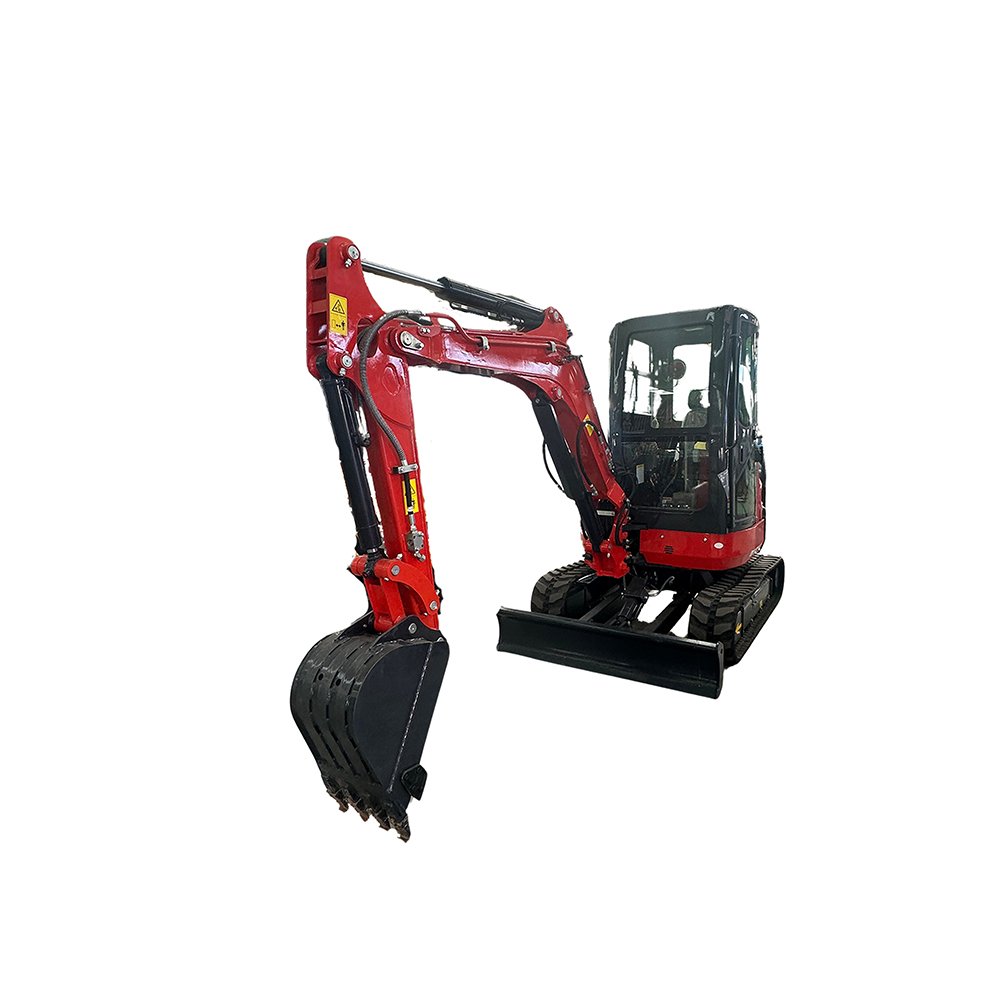
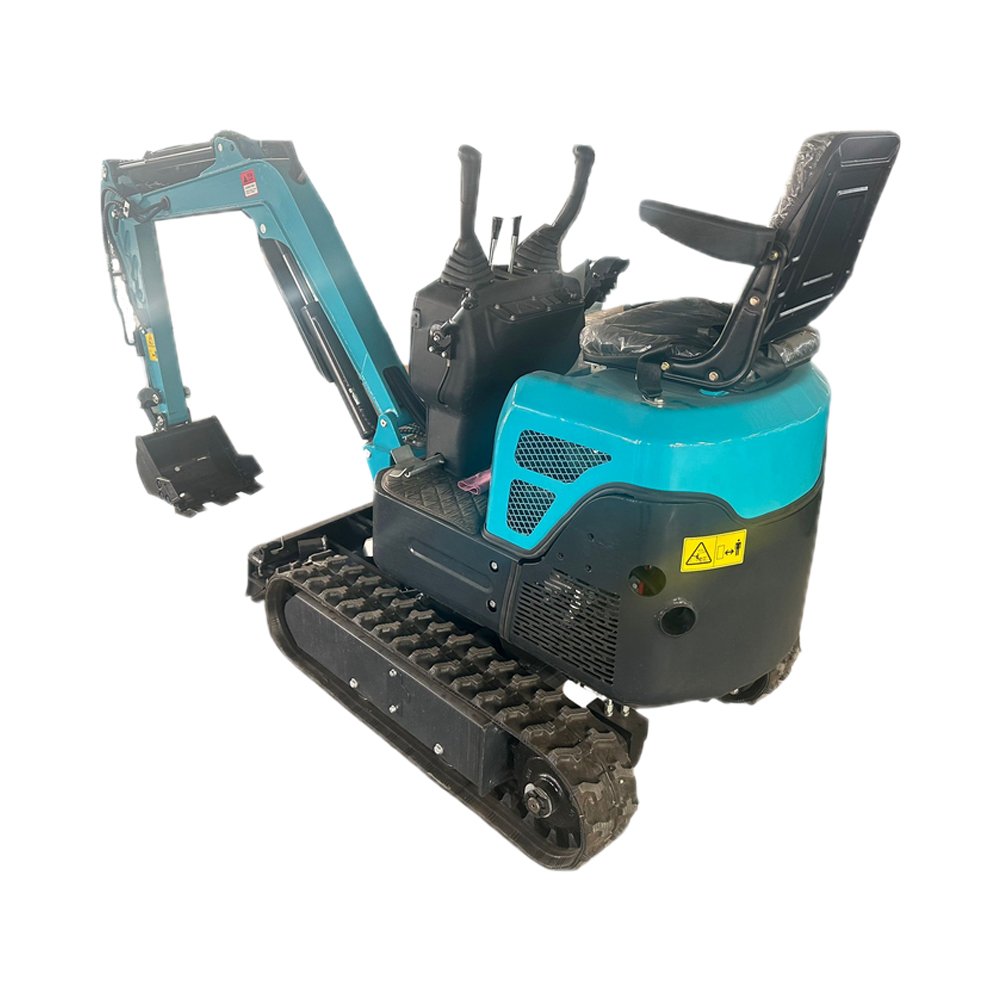
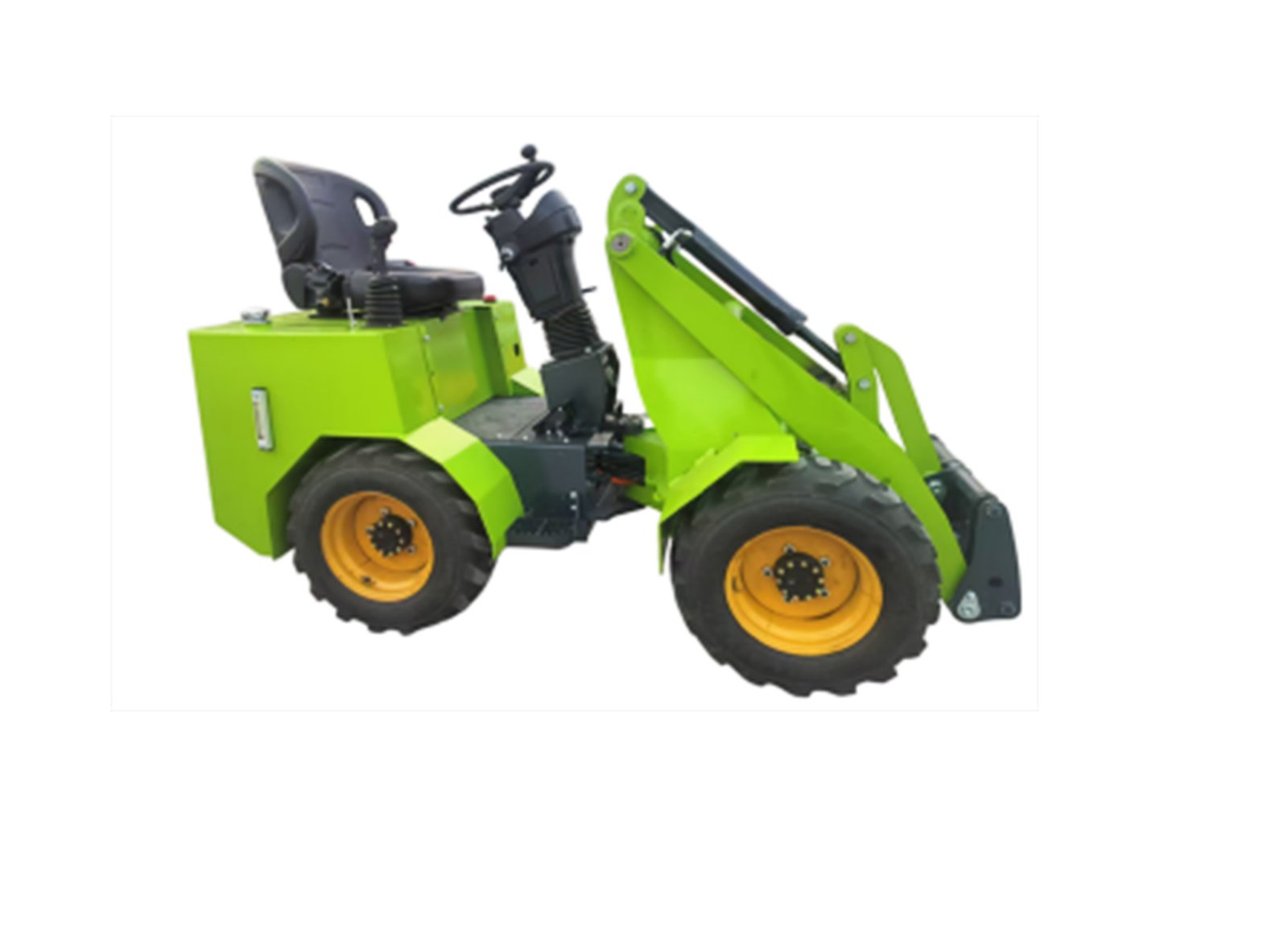
The correlation between brand, hours, and price varies distinctly across different size categories. In the compact and mini-excavator segment, prices generally range from modest entry-level figures for older, high-hour units to mid-tier valuations for newer models with low operating times.
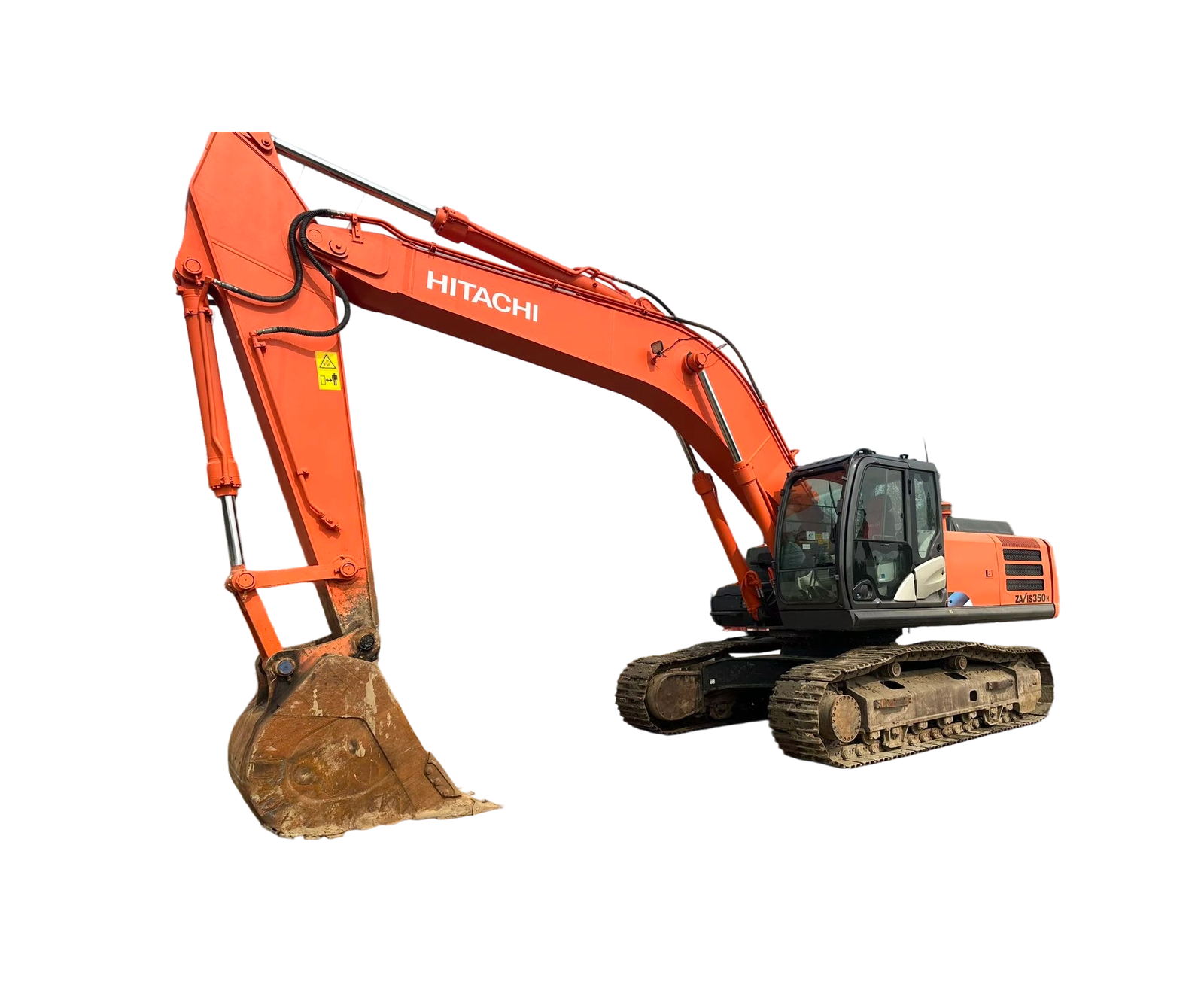
Mid-sized excavators represent the most active trading volume in the secondary market. A well-maintained unit in this category with moderate hours can easily fetch prices ranging from fifteen to thirty thousand dollars, depending heavily on the specific brand pedigree.
Large-scale mining and heavy-duty excavators involve significantly higher capital outlays. Low-hour premium models in this class command prices well over fifty thousand dollars, reflecting their specialized engineering and immense earning potential.
Strategic Procurement and Total Cost Considerations
Smart procurement extends far beyond the initial purchase price; it encompasses the total cost of ownership. While a premium brand with lower hours may require a higher upfront investment, it often translates to reduced downtime and superior fuel efficiency over time.
Buyers must also factor in regional market dynamics, as local supply and demand can temporarily skew standard pricing models. Understanding your local area helps in negotiating better deals.
Furthermore, verifying maintenance records and ensuring proper documentation are non-negotiable steps in the acquisition process. A well-documented machine provides peace of mind and justifies a fair asking price.
Ultimately, aligning the machine’s operating hours and brand characteristics with the specific demands of your upcoming projects ensures a financially sound and operationally efficient equipment strategy.