








Industry News
Common Mistakes to Avoid When Planning a Wheel Loader Rental
Jun
Wheel loaders are essential pieces of equipment for construction, landscaping, agriculture, and mining projects. Renting a wheel loader offers flexibility, cost-efficiency, and access to modern machinery without the commitment of ownership. However, planning a wheel loader rental requires careful consideration. Without proper preparation, project timelines, costs, and productivity may be affected. Understanding the common mistakes that can occur during the rental process helps ensure a smooth experience, optimized performance, and maximum return on investment. This guide highlights key factors to consider when planning a wheel loader rental and provides actionable insights to help businesses and contractors make informed decisions.
Evaluating Project Requirements
One of the most important aspects of a successful wheel loader rental is accurately assessing project requirements. Wheel loaders come in different sizes, load capacities, and configurations. Matching the machine to the specific tasks and workload ensures efficiency and safety. Failing to evaluate project requirements may result in using an underpowered or oversized machine, which can impact productivity and operational costs. Before renting, carefully consider material type, site conditions, terrain, and the volume of work. This evaluation provides a foundation for selecting a wheel loader that aligns with project goals.
Scheduling and Rental Duration
Planning the rental schedule is critical for seamless operations. Delays in equipment availability or premature returns can disrupt workflows and increase costs. Coordinating the rental period with project phases ensures that machinery is available when needed, reducing idle time and maximizing productivity. Determining the appropriate rental duration also prevents unnecessary expenses. Avoid common scheduling mistakes by confirming delivery and pickup dates, accounting for potential project delays, and maintaining communication with the rental provider.
Assessing Equipment Condition
The condition of the wheel loader is crucial for performance and safety. Renting well-maintained machinery minimizes the risk of breakdowns, operational inefficiencies, and downtime. While it is common to assume rental equipment is in good condition, taking the time to inspect the machine, check maintenance records, and verify operational functionality ensures reliability. Simple steps such as reviewing tires, hydraulics, and attachment compatibility help avoid issues during project execution. A proactive assessment reinforces confidence in the equipment and contributes to a more efficient worksite.
Understanding Operator Requirements
Wheel loaders are complex machines that require trained operators for safe and effective use. Ensuring that operators have proper experience and knowledge of the specific machine type enhances productivity and reduces the likelihood of errors. Some projects may require multiple operators with varying skill levels, depending on workload and shift schedules. Providing adequate training and familiarization with the equipment contributes to smoother operations. Operator competency is a key factor in optimizing performance and ensuring that the rental investment is fully realized.
Considering Site Logistics
Site logistics play a significant role in equipment planning. Accessibility, terrain, space constraints, and nearby structures can affect the choice of wheel loader and attachments. Understanding site conditions allows project managers to select equipment that can maneuver efficiently and safely. Additionally, coordinating delivery, staging, and fueling locations prevents unnecessary delays. Careful consideration of site logistics ensures that the wheel loader can operate effectively without causing disruptions or safety concerns.
Reviewing Rental Terms and Agreements
Rental agreements outline critical details including cost, duration, responsibilities, and liability. Taking the time to review terms ensures that both parties are aligned and that there are no unexpected surprises. Understanding maintenance responsibilities, damage policies, insurance requirements, and support services contributes to smoother project execution. Clear communication and thorough review of agreements help avoid misunderstandings and ensure that the rental process is transparent and manageable.
Integrating Attachments and Accessories
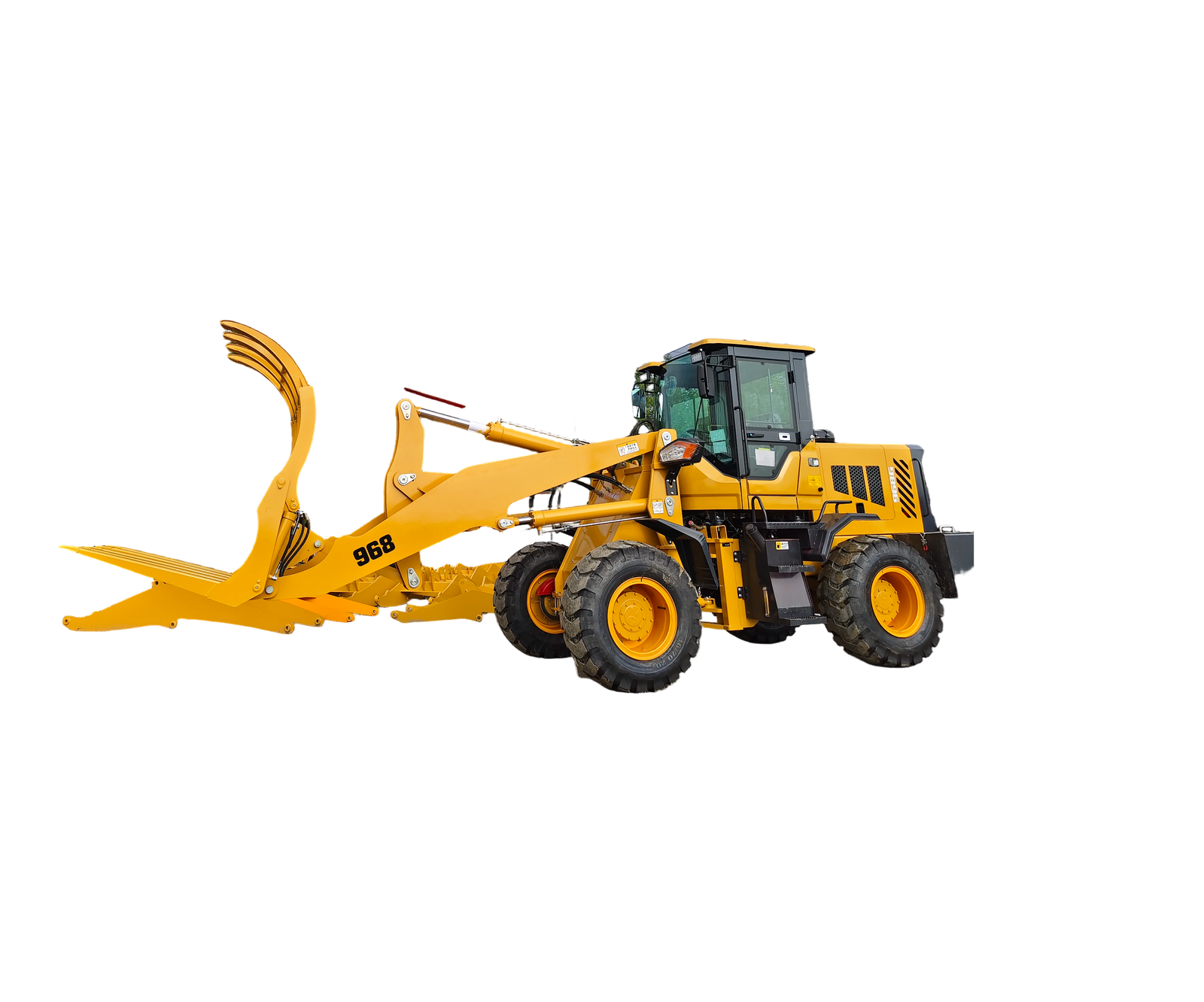
Wheel loaders often require attachments such as buckets, forks, or grapples to perform specialized tasks. Selecting compatible attachments in advance and confirming their availability simplifies operations and enhances versatility. Properly planned attachment integration ensures that the wheel loader can complete tasks efficiently, reducing the need for additional machinery and optimizing project workflow.
Planning for Maintenance and Support
Even well-maintained rental equipment may require routine checks and occasional service. Planning for maintenance and support, including quick access to technical assistance, helps prevent downtime and maintains operational efficiency. Establishing a communication channel with the rental provider for prompt support ensures that any issues can be addressed quickly, preserving project timelines and performance standards.
Maximizing Cost Efficiency
Cost efficiency is a primary reason for choosing wheel loader rentals. Balancing rental fees with operational needs, project duration, and productivity is essential. Planning in advance allows businesses to optimize machine usage, avoid over-renting, and prevent additional charges. Thoughtful consideration of operational efficiency, site logistics, and equipment capabilities enhances value and ensures that rental investments deliver maximum benefits.
Effective planning is essential when renting a wheel loader for construction, landscaping, or industrial projects. By evaluating project requirements, scheduling carefully, assessing equipment condition, understanding operator needs, considering site logistics, reviewing rental agreements, integrating attachments, and planning for maintenance, businesses can optimize efficiency and maximize the value of their rental investment. Careful preparation helps ensure that wheel loader operations run smoothly, projects are completed on time, and overall productivity is enhanced. Following these key considerations allows organizations to harness the full potential of wheel loader rentals while supporting safe, reliable, and cost-effective operations.