








Industry News
From Rust to Hydraulics: Inspecting Your Excavator Second Hand

Jun
Purchasing a second-hand excavator can be a smart investment for contractors, construction companies, agricultural businesses, and equipment operators looking to maximize value while maintaining productivity. Modern excavators are built for durability and long service life, making the used equipment market an attractive option for buyers seeking reliable machinery at a competitive cost.
However, choosing the right used excavator requires more than simply reviewing specifications or comparing prices. A thorough inspection helps ensure that the machine delivers dependable performance, operational efficiency, and long-term value. From the exterior structure to the hydraulic system, every component contributes to the overall condition of the equipment.
This guide explores the key areas to evaluate when inspecting a second-hand excavator and highlights the factors that support a confident purchasing decision.
Understanding the Importance of a Comprehensive Inspection
An excavator is a complex machine composed of mechanical, hydraulic, electrical, and structural systems working together under demanding conditions. Even machines that appear visually attractive should be carefully assessed to verify their operating condition.
A comprehensive inspection provides insight into how the machine has been maintained throughout its service life. It also helps buyers understand potential maintenance requirements, operational capabilities, and suitability for specific applications.
Taking time to evaluate the machine thoroughly can help identify well-maintained equipment that offers strong performance and long-term reliability.
Examining the Overall Structural Condition
The first step in any excavator inspection is assessing the machine’s overall structure. The frame, boom, arm, bucket, and attachment points should be examined carefully for signs of wear consistent with normal operation.
Inspect welds, joints, and reinforced areas to ensure structural integrity. A well-maintained excavator often exhibits uniform wear patterns and consistent maintenance practices.
Pay attention to the condition of protective covers, access panels, handrails, and steps. These components can provide valuable clues regarding the machine’s operational environment and maintenance history.
A structurally sound machine establishes a strong foundation for reliable long-term operation.
Evaluating Surface Condition and Corrosion Protection
The exterior appearance of an excavator can reveal useful information about its maintenance and storage conditions.
Inspect painted surfaces, body panels, and exposed metal components. High-quality maintenance programs often include regular cleaning, touch-up painting, and protective treatments that help preserve equipment appearance.
Surface rust may naturally occur on certain exposed components due to environmental conditions. Evaluating corrosion protection measures and overall surface condition helps buyers understand how the machine has been cared for over time.
Well-preserved equipment typically reflects consistent ownership and proactive maintenance practices.
Checking the Undercarriage System
The undercarriage is one of the most important and valuable components of an excavator. It directly influences machine stability, mobility, and operating efficiency.
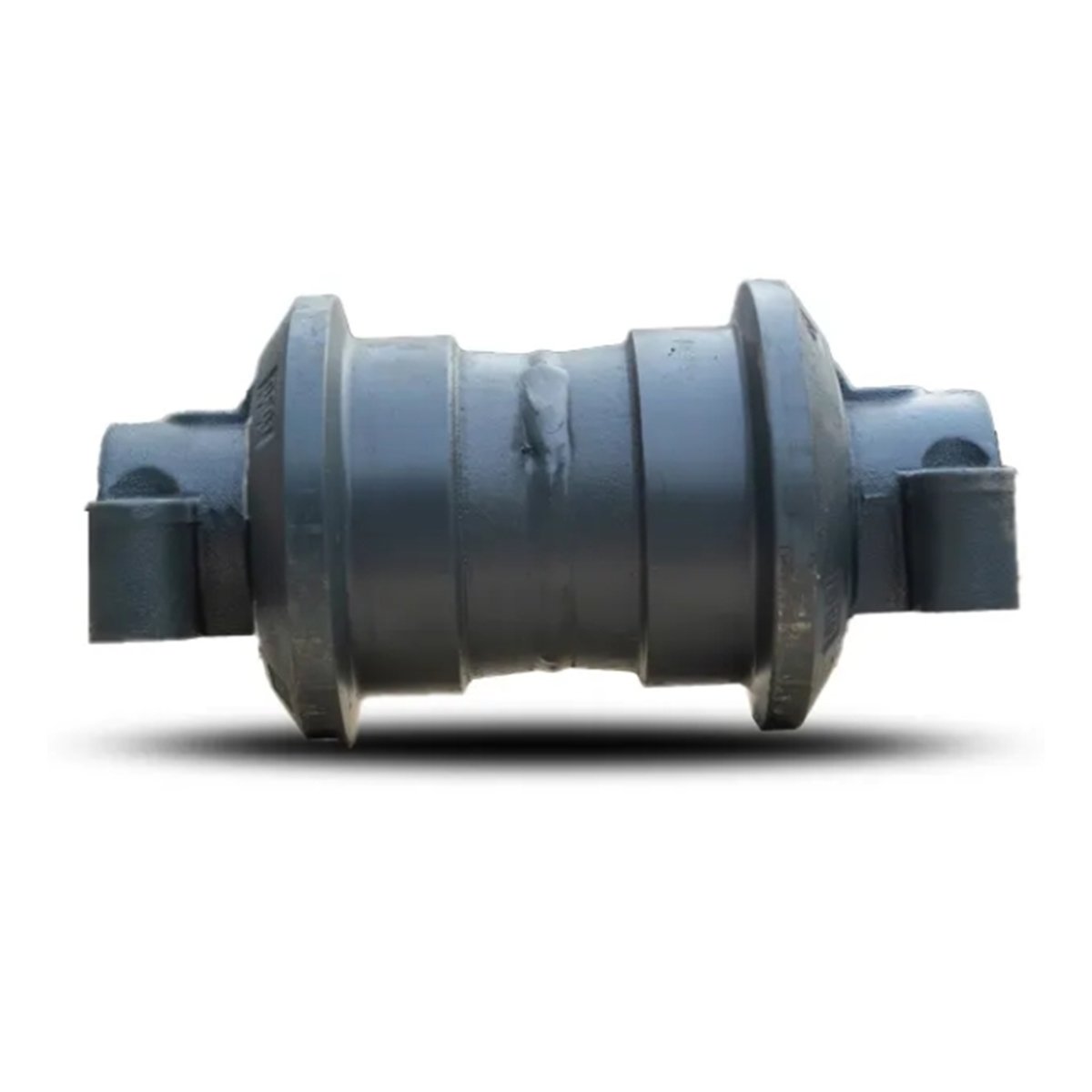
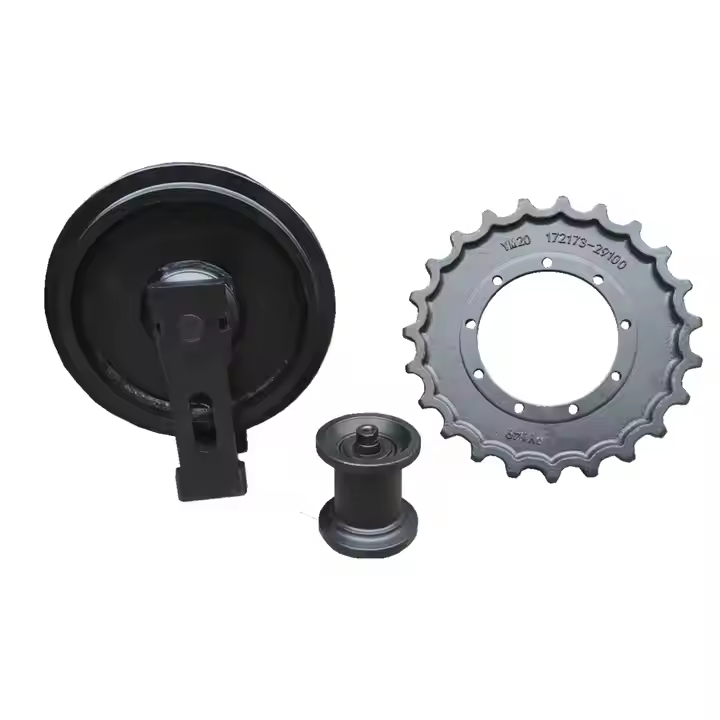
Inspect tracks, rollers, idlers, sprockets, and track tension systems. Look for even wear patterns and proper alignment throughout the undercarriage assembly.
A well-maintained undercarriage contributes to smoother operation, improved fuel efficiency, and enhanced jobsite productivity. Understanding the condition of these components provides valuable insight into the machine’s overall operational readiness.
Because the undercarriage experiences constant contact with the ground, its condition often reflects how the machine has been used throughout its service life.
Assessing Engine Performance
The engine serves as the primary power source for every excavator function. A careful evaluation of engine performance is essential when inspecting used equipment.
Start the machine and observe how smoothly the engine operates during idle and under load conditions. Consistent performance, stable operation, and responsive throttle behavior indicate a well-maintained powertrain.
Review maintenance records whenever available, including oil changes, filter replacements, and scheduled servicing. Documented maintenance history demonstrates commitment to proper equipment care and can provide additional confidence during the purchasing process.
A reliable engine contributes significantly to productivity and long-term ownership value.
Inspecting the Hydraulic System
Hydraulic performance is one of the most critical aspects of excavator operation. The hydraulic system powers digging, lifting, swinging, and attachment functions, making its condition a major consideration for buyers.
Inspect hydraulic cylinders, hoses, fittings, pumps, and control valves. Look for signs of proper maintenance and clean component condition.
Operate the boom, arm, bucket, and swing functions to evaluate responsiveness and smooth movement. Consistent hydraulic performance supports efficient operation and precise machine control.
Modern excavators rely heavily on advanced hydraulic systems, making a thorough inspection of these components a key part of the evaluation process.
Reviewing the Cab and Operator Environment
Operator comfort and control directly influence productivity and jobsite efficiency. The cab should be inspected carefully to ensure that all systems function correctly.
Check seating condition, visibility, control responsiveness, display panels, climate systems, lighting, and safety equipment. A clean and well-maintained cab often reflects attentive equipment ownership.
Modern excavators incorporate advanced technologies designed to improve operator experience and machine efficiency. Verifying proper functionality of these systems helps ensure the machine is ready for daily operation.
A comfortable working environment can contribute significantly to operator performance and overall project success.
Verifying Electrical and Electronic Systems
Today’s excavators include sophisticated electronic systems that support machine monitoring, diagnostics, and operational control.
Inspect wiring harnesses, connectors, sensors, display screens, and electronic control modules. Verify that gauges, indicators, and monitoring systems function properly.
Electronic systems provide valuable operational data that helps improve machine performance and maintenance planning. Ensuring these components operate correctly enhances confidence in the equipment’s overall condition.
As construction equipment continues to evolve technologically, electronic reliability has become an increasingly important aspect of machine evaluation.
Reviewing Service Records and Ownership History
Documentation can provide important insights beyond the physical inspection itself.
Service records help verify maintenance schedules, component replacements, and major servicing activities. Consistent documentation demonstrates a proactive approach to equipment management.
Ownership history can also reveal how the machine was utilized and maintained over time. Buyers often gain valuable perspective by reviewing available records alongside the physical condition of the equipment.
Combining documentation with a thorough inspection creates a more complete understanding of the machine’s overall value.
Conducting an Operational Test
Whenever possible, conduct a practical operational test before making a purchase decision.
Observe machine performance during digging, lifting, swinging, tracking, and attachment operation. Evaluate responsiveness, stability, and overall functionality under realistic working conditions.
An operational test allows buyers to experience firsthand how the excavator performs and whether it aligns with project requirements.
Real-world evaluation complements visual inspections and helps confirm the machine’s readiness for future workloads.
Making a Confident Investment in Used Equipment
Purchasing a second-hand excavator is an important investment that can provide excellent value when approached with careful planning and professional evaluation.
By inspecting structural components, corrosion protection, undercarriage systems, engine performance, hydraulic functionality, operator controls, electronics, and maintenance records, buyers can make informed decisions supported by objective assessment.
A well-maintained excavator can deliver years of reliable service, strong productivity, and operational efficiency. Taking a systematic approach to inspection helps identify equipment that meets both performance expectations and long-term business goals.
Whether for construction, infrastructure development, landscaping, mining, or agricultural applications, a carefully inspected second-hand excavator can become a valuable asset that supports success across a wide range of projects.