








Industry News
Don’t Buy an Excavator Second Hand Until You Read This Guide

May
Purchasing a second-hand excavator can be one of the smartest investments for construction companies, contractors, farmers, and equipment rental businesses. A quality used excavator often delivers excellent performance while significantly reducing initial capital costs compared to buying new equipment.
However, choosing the right machine requires careful evaluation. A well-maintained excavator can provide years of reliable service, while overlooking important inspection points may result in unexpected downtime and higher operating costs.
Before making a purchase, it is essential to understand what factors truly determine the value, performance, and longevity of a used excavator. This guide will walk you through everything you need to know to make a confident and informed decision.
Why the Used Excavator Market Continues to Grow
The demand for second-hand excavators has increased steadily in recent years. Businesses are looking for ways to maximize return on investment while maintaining productivity on job sites.
Used excavators offer several advantages:
| Benefit | Description |
|---|---|
| Lower Initial Cost | Reduced upfront investment compared to new equipment |
| Faster Availability | Immediate access without long manufacturing lead times |
| Proven Performance | Operational history can demonstrate reliability |
| Better Budget Flexibility | Allows businesses to allocate funds to other projects |
| Strong Resale Potential | Well-maintained machines often retain value |
For many contractors and business owners, purchasing a used excavator provides a practical path toward fleet expansion and operational growth.
Start with the Right Machine Size
One of the most important decisions is selecting the correct excavator size for your intended applications.
Choosing a machine that matches project requirements improves efficiency and reduces operating costs.
Common excavator categories include:
| Excavator Type | Typical Operating Weight | Best Applications |
|---|---|---|
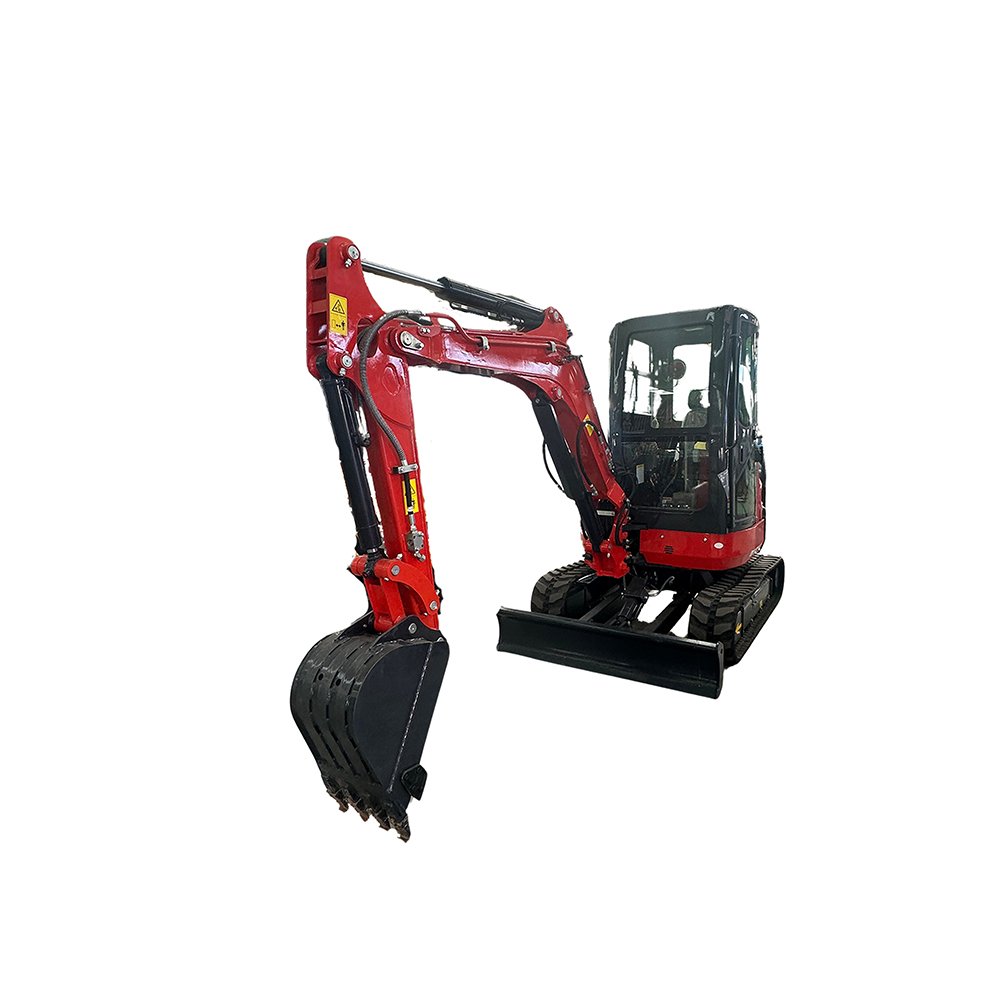
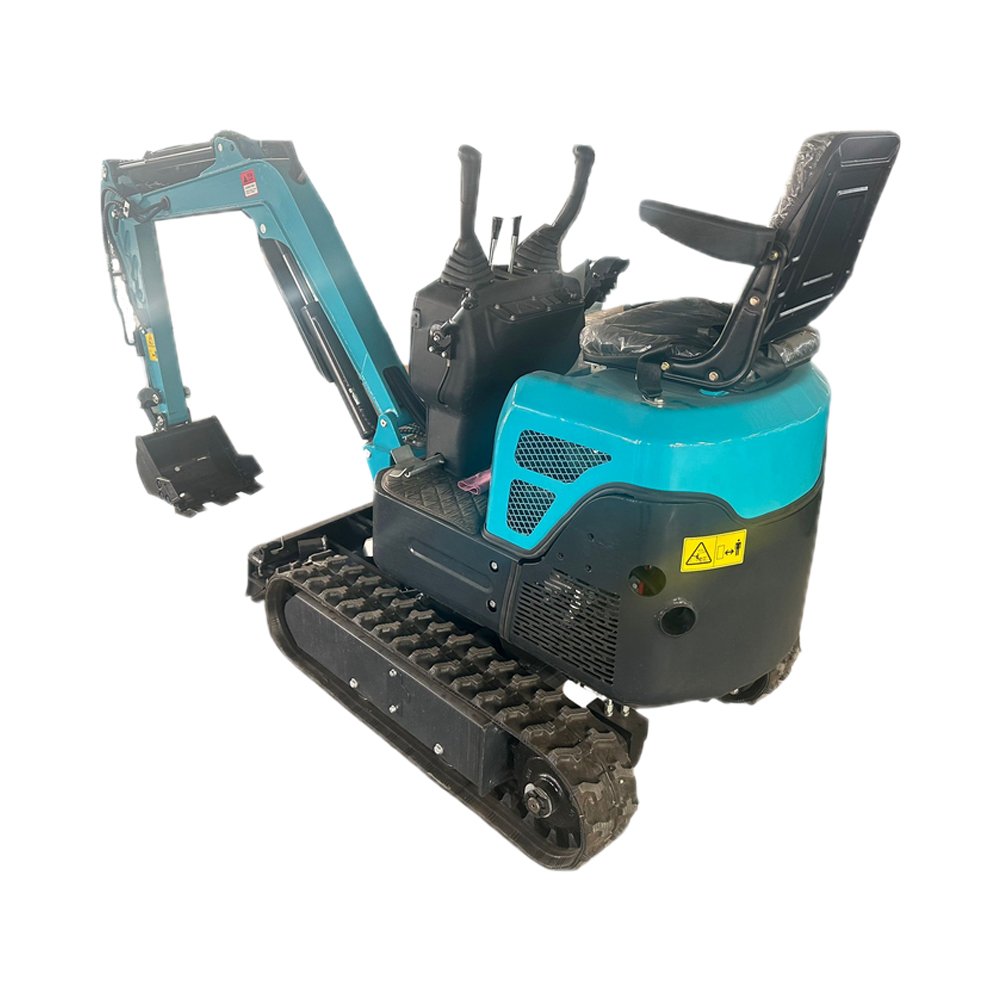
| Mini Excavator | 1–6 tons | Landscaping, utilities, residential work |
| Mid-Size Excavator | 7–20 tons | General construction and site development |
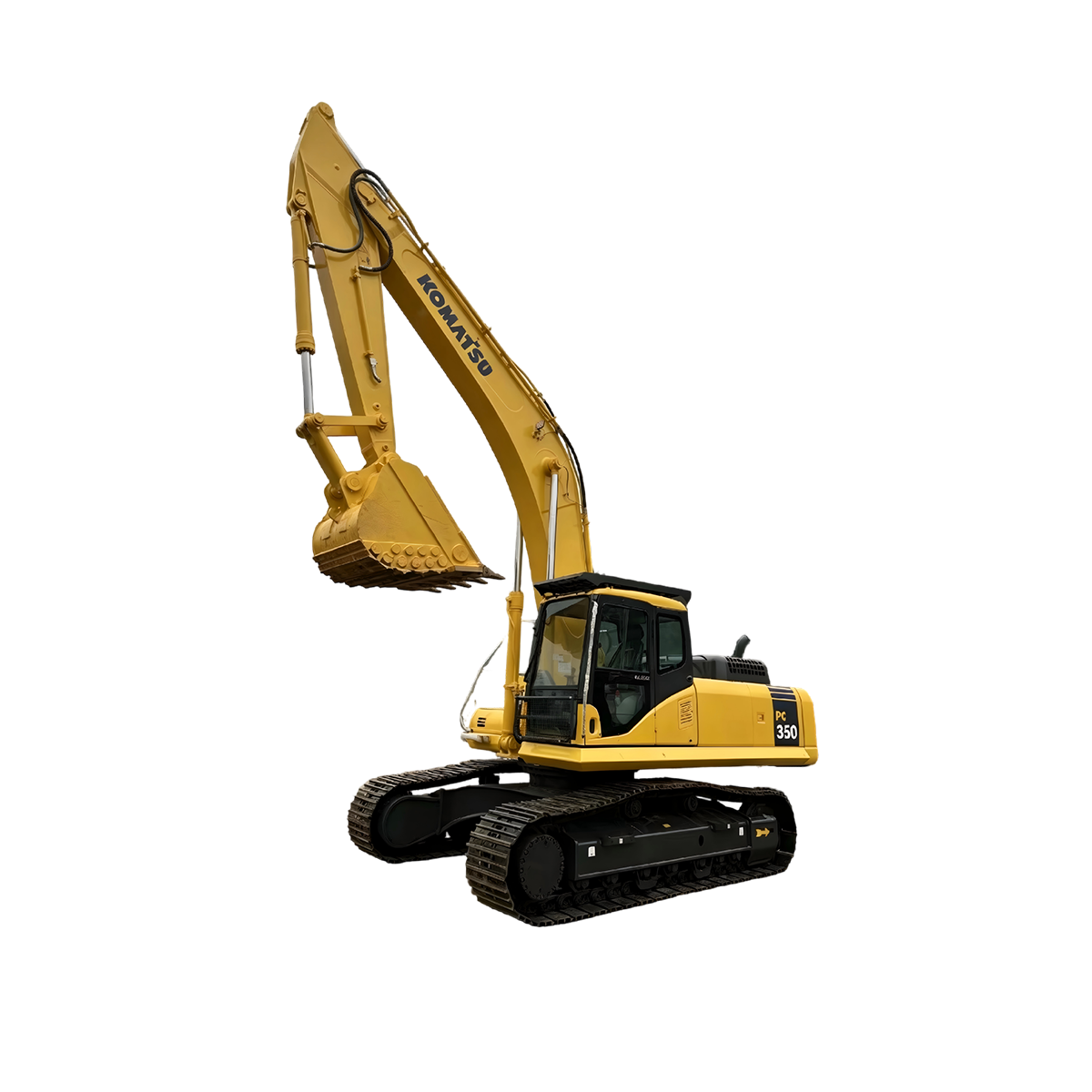
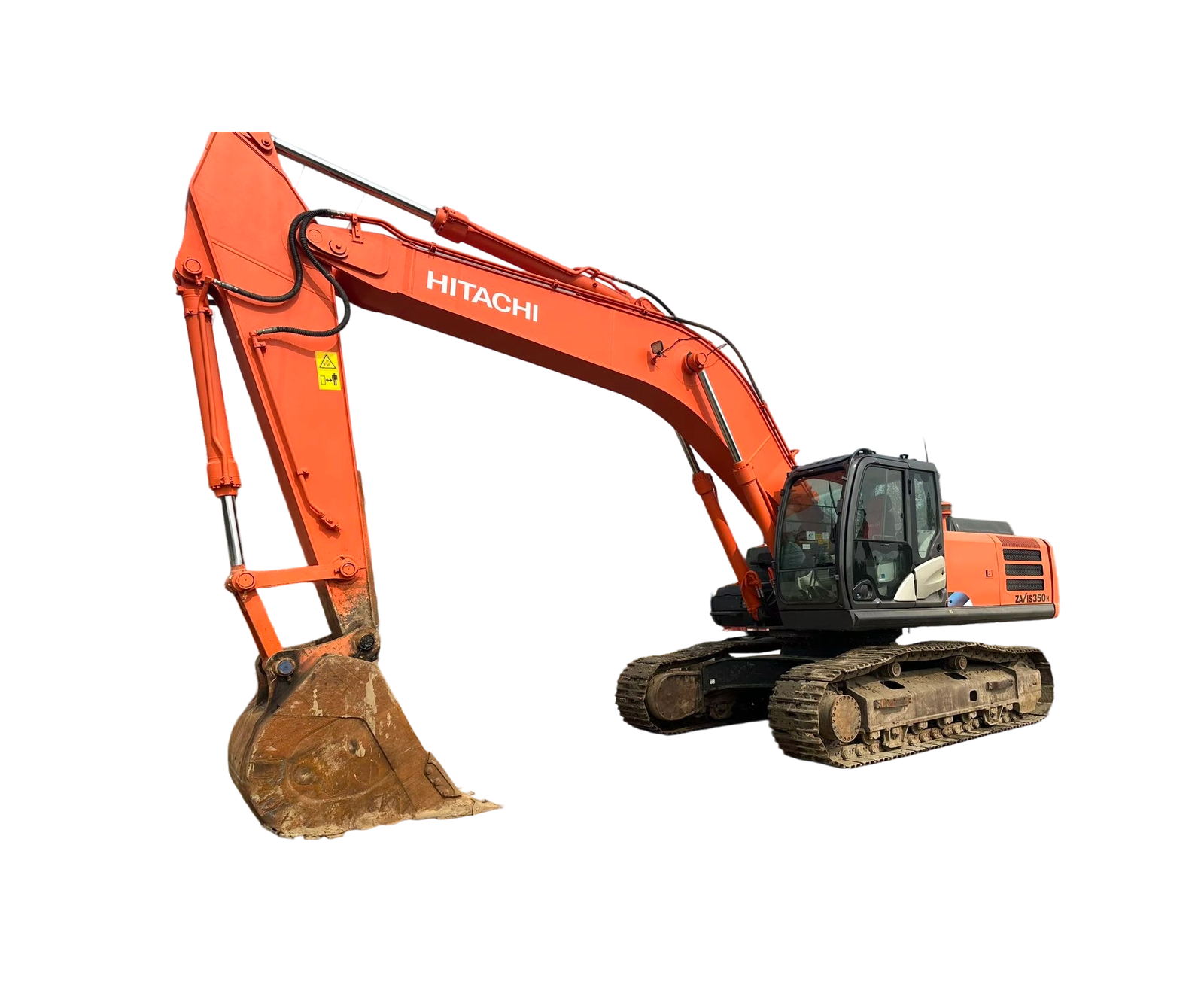
| Large Excavator | 21+ tons | Mining, heavy earthmoving, infrastructure projects |
Purchasing a machine that is appropriately sized helps optimize fuel efficiency, transportation costs, and productivity.
Evaluate Machine Service History
A comprehensive maintenance record often provides valuable insight into the overall condition of an excavator.
When reviewing service history, look for evidence of:
- Regular maintenance intervals
- Scheduled fluid changes
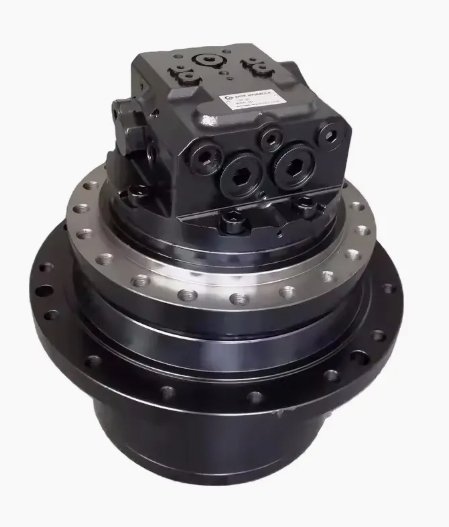
- Hydraulic system servicing
- Undercarriage inspections
- Engine maintenance records
- Component replacements
Detailed maintenance documentation demonstrates that the machine has received consistent care throughout its operating life.
A well-documented service history often reflects responsible ownership and can increase buyer confidence.
Inspect the Undercarriage Carefully
The undercarriage is one of the most important and costly sections of any excavator.
Because it experiences constant contact with the ground, wear naturally occurs over time.
Key areas to inspect include:
| Component | Inspection Focus |
|---|---|
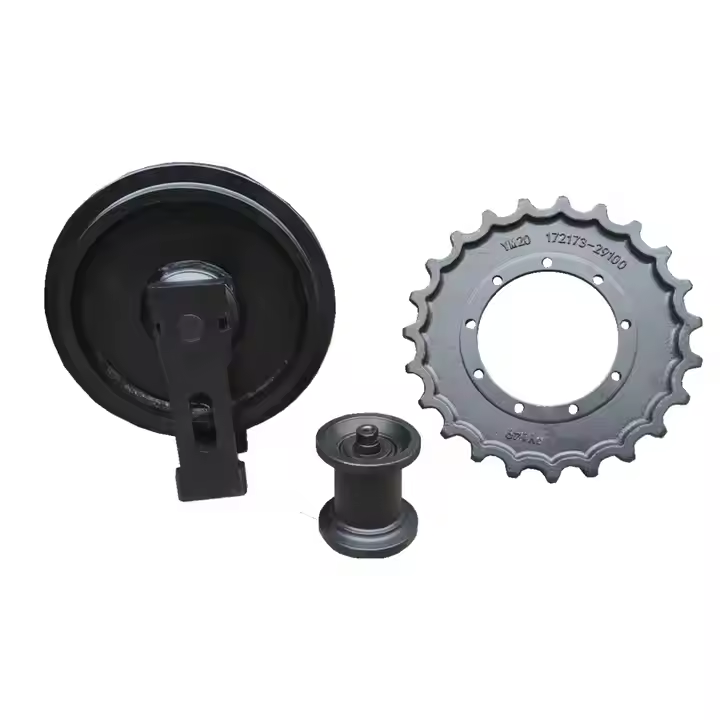
| Tracks | Wear and overall condition |
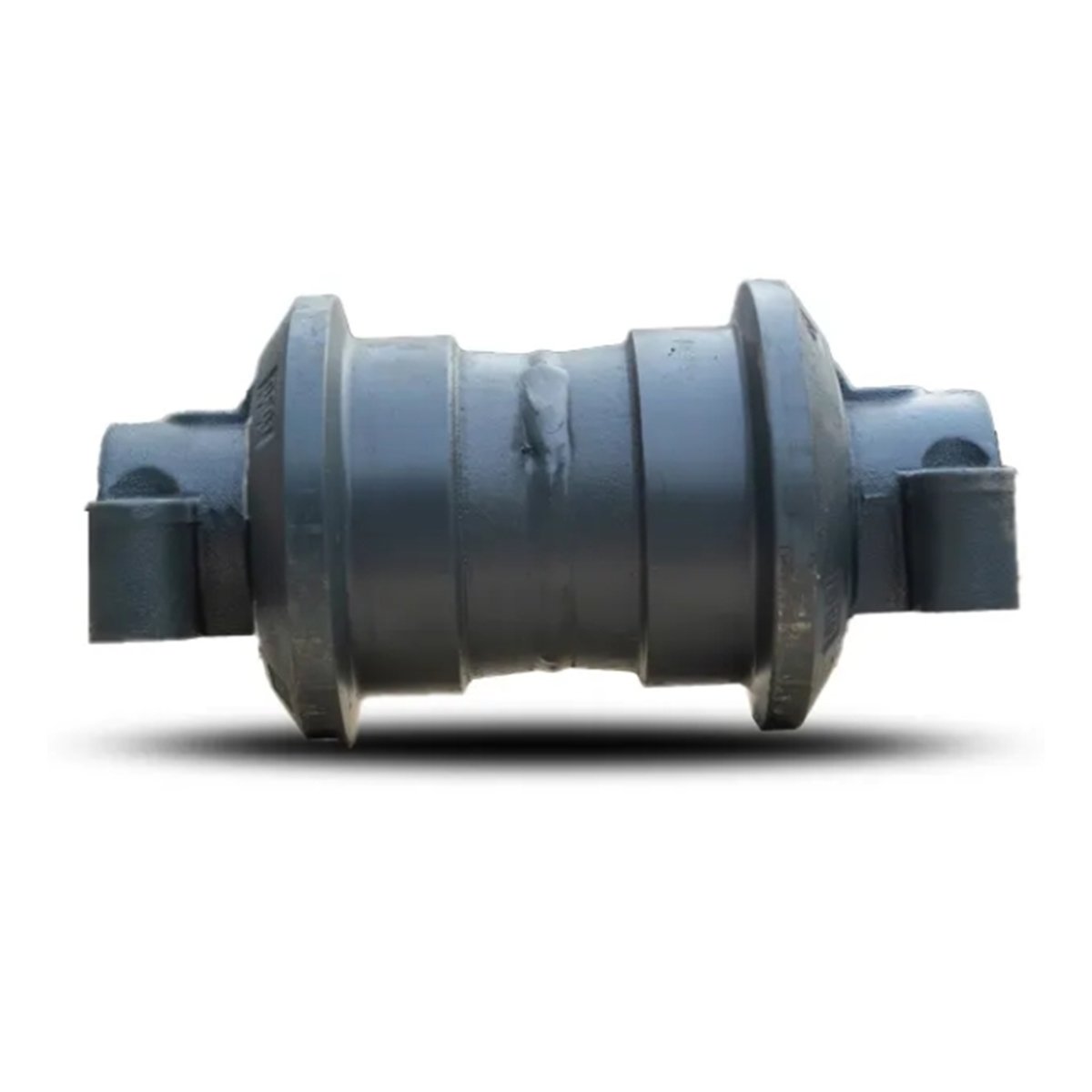
| Rollers | Smooth operation and wear levels |
| Idlers | Alignment and structural condition |
| Sprockets | Tooth wear and engagement |
| Track Chains | Stretching and wear patterns |
A properly maintained undercarriage contributes significantly to machine performance and long-term operating efficiency.
Check the Hydraulic System
Hydraulic performance directly affects excavation efficiency, lifting capacity, and attachment operation.
During inspection, evaluate:
- Hydraulic cylinder condition
- Hose integrity
- Pump performance
- Hydraulic fluid quality
- Boom and arm movement
- Attachment responsiveness
Smooth and consistent hydraulic operation is a strong indicator of overall machine health.
Any machine should demonstrate stable and responsive hydraulic performance during operational testing.
Examine the Engine and Powertrain
The engine serves as the heart of the excavator and deserves close attention.
A thorough inspection should include:
- Cold start performance
- Idle stability
- Exhaust condition
- Cooling system operation
- Fuel efficiency indicators
- Engine compartment cleanliness
The machine should start easily, operate smoothly, and maintain consistent performance throughout the inspection process.
A well-maintained engine often contributes to lower operating costs and improved long-term reliability.
Assess Structural Integrity
Excavators work in demanding environments, making structural inspection essential.
Focus on:
- Boom condition
- Arm integrity
- Bucket wear
- Frame alignment
- Weld quality
- Pivot points
Carefully examining these components helps ensure the machine remains capable of handling daily workloads safely and efficiently.
Structural integrity is especially important for machines that have been used in heavy-duty construction or excavation projects.
Test Machine Controls and Electronics
Modern excavators incorporate advanced electronic systems that improve productivity and operator comfort.
Important systems to evaluate include:
| System | Purpose |
|---|---|
| Display Monitor | Machine diagnostics and operating information |
| Joystick Controls | Precision machine operation |
| Safety Systems | Operator protection and monitoring |
| Cameras | Improved visibility |
| Lighting Systems | Jobsite safety |
| Air Conditioning | Operator comfort |
All controls should function smoothly and respond accurately during testing.
Consider Available Attachments
Attachments can significantly increase the versatility of a used excavator.
Popular attachment options include:
- Buckets
- Hydraulic breakers
- Augers
- Grapples
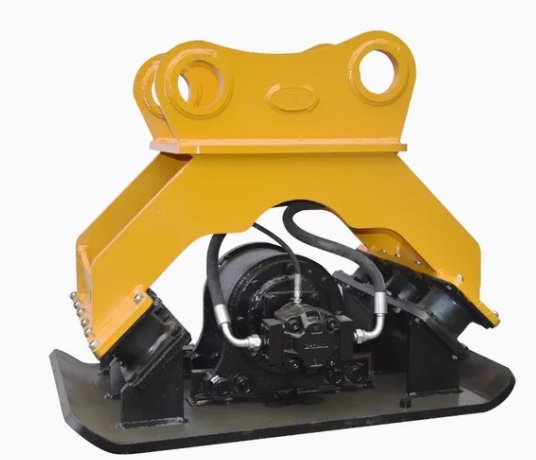
- Compactors
- Rippers
Purchasing a machine that includes compatible attachments may increase overall project flexibility and reduce future equipment investment costs.
Always verify attachment compatibility with the excavator’s hydraulic and mounting systems.
Evaluate Total Ownership Costs
Purchase price is only one part of the overall investment.
A complete evaluation should consider:
| Cost Factor | Long-Term Impact |
|---|---|
| Fuel Consumption | Daily operating expenses |
| Maintenance Requirements | Service costs over time |
| Parts Availability | Repair efficiency |
| Transportation Costs | Machine mobility |
| Operator Training | Productivity improvements |
| Resale Value | Future return on investment |
A slightly higher purchase price may often be justified if the machine offers superior efficiency, reliability, and lower lifecycle costs.
Questions to Ask Before Buying
Before finalizing a purchase, consider asking the seller:
- How many operating hours does the machine have?
- Is maintenance documentation available?
- Has the machine undergone major component replacement?
- What attachments are included?
- What type of projects was the machine primarily used for?
- Are inspection reports available?
- Has the machine received regular servicing?
- Is transportation assistance available?
These questions can provide valuable information that supports a more informed purchasing decision.
Why Professional Inspection Is Worth Considering
For higher-value equipment purchases, many buyers choose to conduct a professional equipment evaluation.
Independent inspections can provide additional confidence by assessing:
- Mechanical condition
- Hydraulic performance
- Structural integrity
- Maintenance history
- Operational functionality
A professional assessment often helps buyers better understand the overall condition and value of the machine before completing the transaction.
Buying a second-hand excavator can be an excellent investment when approached with careful planning and thorough evaluation. By examining service history, undercarriage condition, hydraulic performance, engine health, structural integrity, and overall ownership costs, buyers can make informed decisions that support long-term success.
The best used excavator is not necessarily the least expensive one. Instead, it is the machine that delivers the ideal balance of reliability, performance, efficiency, and value.
Taking the time to perform a detailed inspection today can help ensure years of productive operation and a stronger return on investment in the future.