








Industry News
Used Mini Excavators for Sale: The Ultimate Buyer’s Inspection Checklist
May
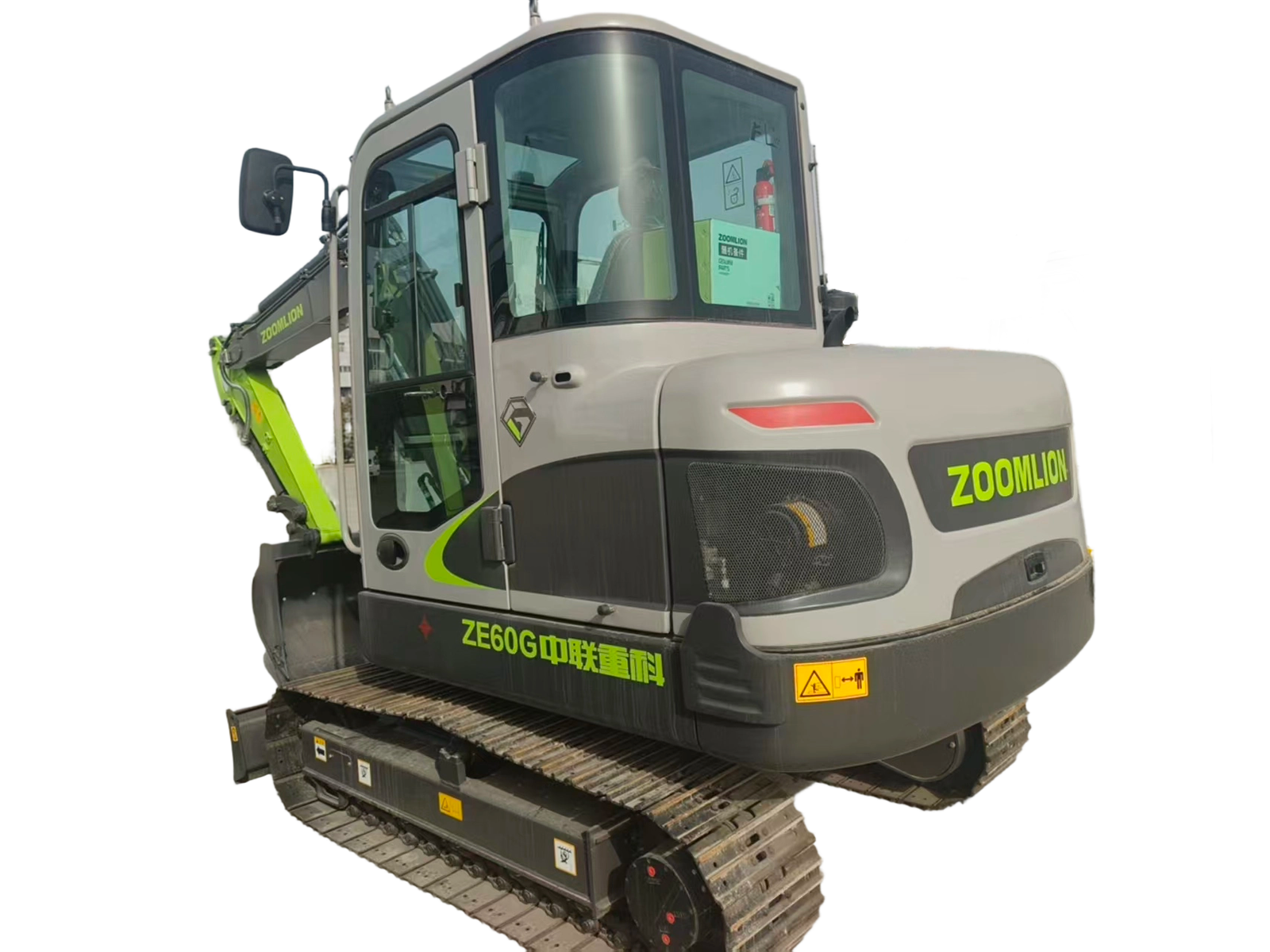
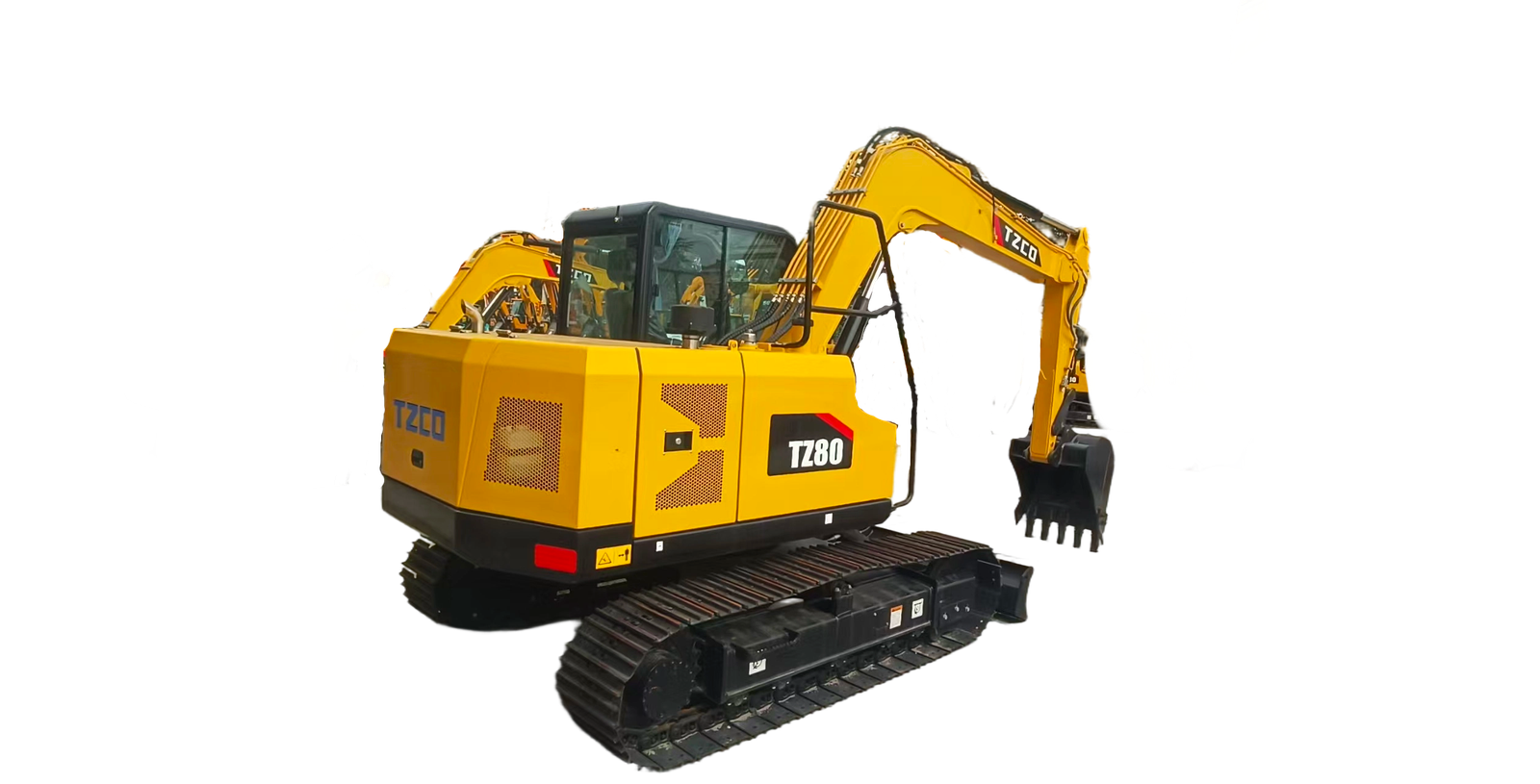
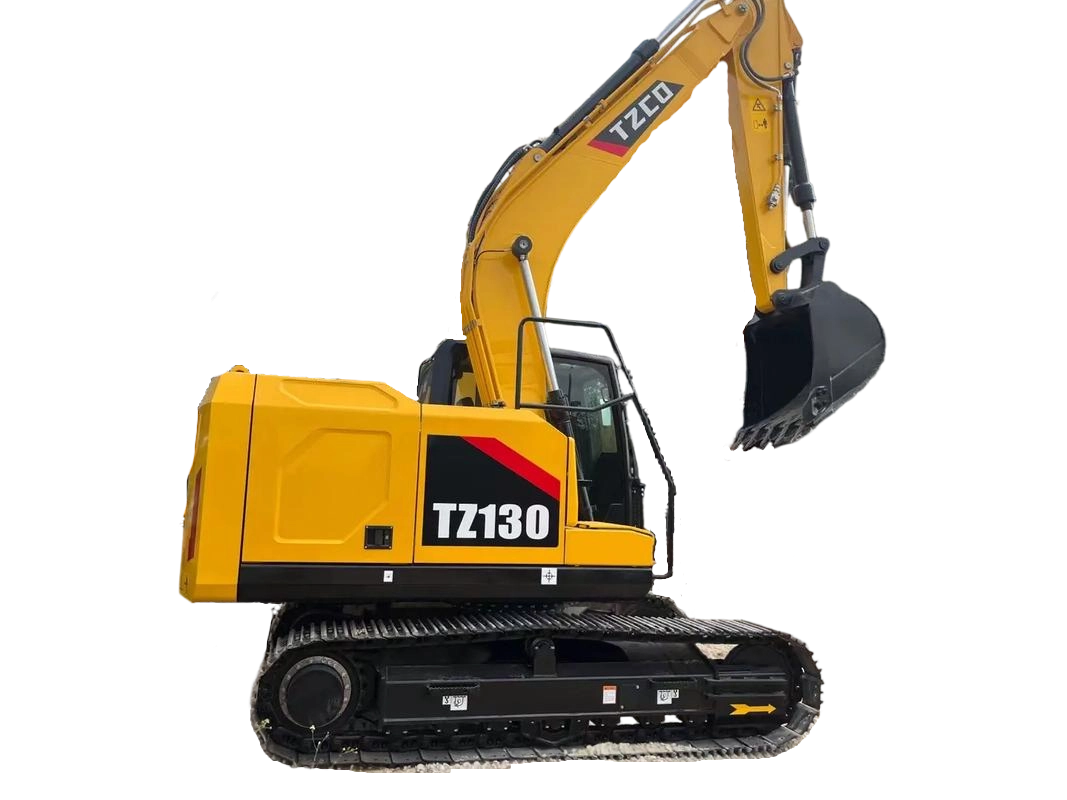
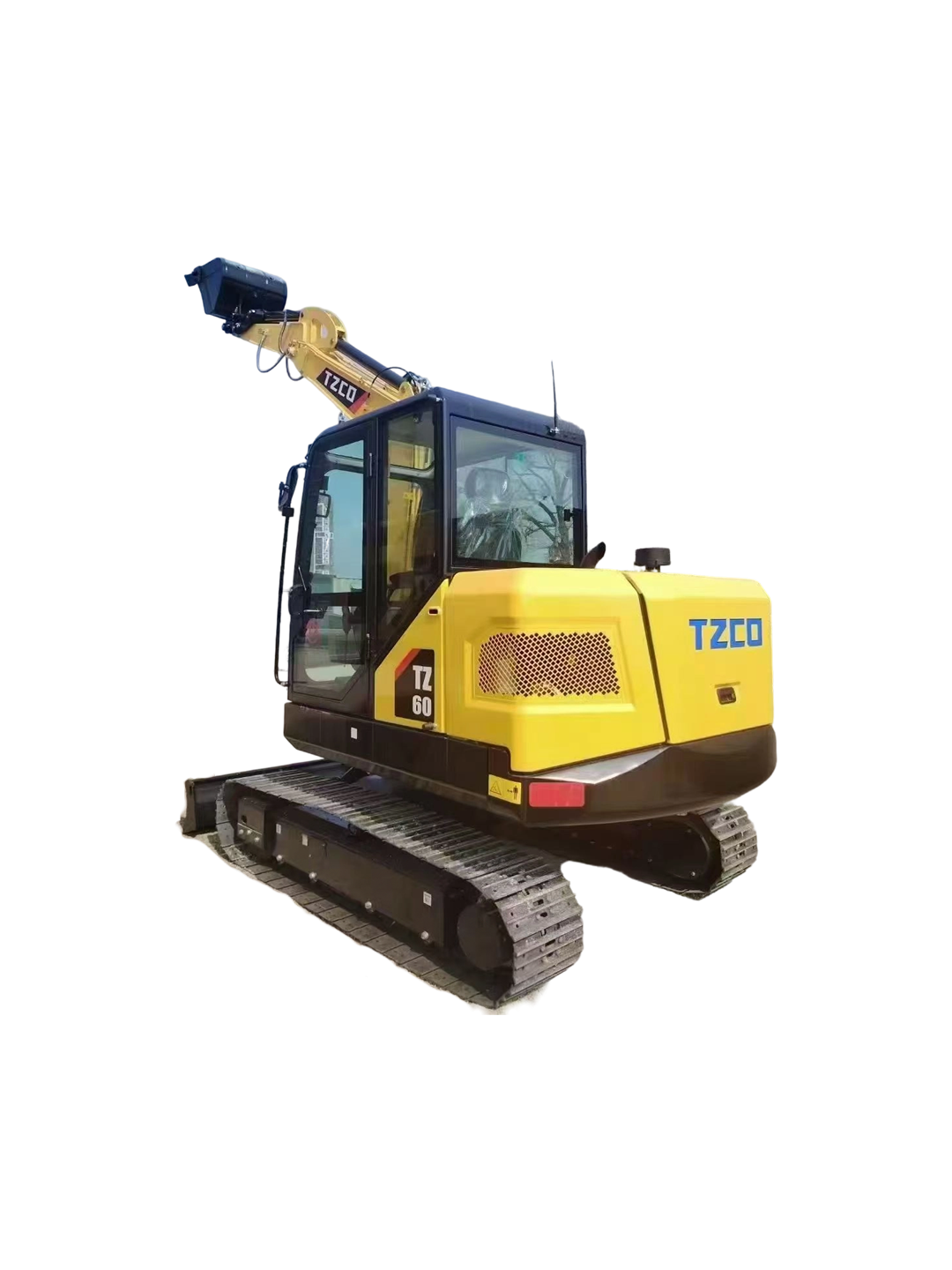
The market for used mini excavators continues to grow as contractors, landscapers, farmers, utility companies, and property owners seek cost-effective equipment solutions. Mini excavators offer exceptional versatility, allowing operators to perform digging, trenching, grading, demolition, material handling, and site preparation in confined spaces where larger machines cannot operate efficiently.
Purchasing a used mini excavator can provide significant value and help businesses expand their capabilities while managing equipment budgets. However, making the right investment requires a thorough inspection process to ensure the machine meets performance expectations and delivers long-term reliability.
This ultimate buyer’s inspection checklist outlines the key areas every purchaser should evaluate before purchasing a used mini excavator.
Why a Comprehensive Inspection Matters
A mini excavator represents a substantial investment, even in the used equipment market. A detailed inspection helps buyers understand the machine’s condition, maintenance history, and remaining service life.
Benefits of a professional inspection include:
- Improved purchasing confidence
- Better equipment valuation
- Reduced unexpected repair costs
- Increased operational reliability
- Enhanced safety performance
- Stronger return on investment
Taking the time to inspect equipment carefully can help buyers make informed decisions and maximize long-term value.
Verify the Machine’s Identification and Documentation
The inspection process should begin with documentation review.
Confirm the following information:
- Model number
- Serial number
- Year of manufacture
- Ownership records
- Service history
- Maintenance logs
- Parts replacement records
Matching documentation with the machine’s identification plate helps verify authenticity and provides insight into previous maintenance practices.
Well-documented equipment often reflects responsible ownership and regular servicing.
Evaluate Overall Machine Appearance
A visual inspection can reveal important clues about the machine’s condition.
Inspect:
- Body panels
- Frame structure
- Counterweight
- Boom
- Stick
- Bucket
- Operator cab
Normal wear is expected, but excessive damage may indicate intensive operating conditions.
Look for signs of proper maintenance and overall cleanliness, as these often reflect how the machine has been cared for throughout its service life.
Check Engine Performance
The engine is one of the most critical components of any mini excavator.
Start the machine and observe:
- Startup behavior
- Idle quality
- Throttle response
- Engine sound
- Exhaust condition
- Temperature stability
A smooth-running engine with consistent performance typically indicates good maintenance practices.
Listen carefully for unusual noises and ensure all gauges display normal operating ranges.
Inspect the Hydraulic System
The hydraulic system powers nearly every major function of a mini excavator.
Inspect the following components:
- Hydraulic hoses
- Hydraulic cylinders
- Pumps
- Valves
- Fittings
- Hydraulic reservoir
Operate the machine through all functions and verify smooth movement of:
- Boom
- Arm
- Bucket
- Swing system
- Blade attachment
Hydraulic performance should feel responsive and consistent during operation.
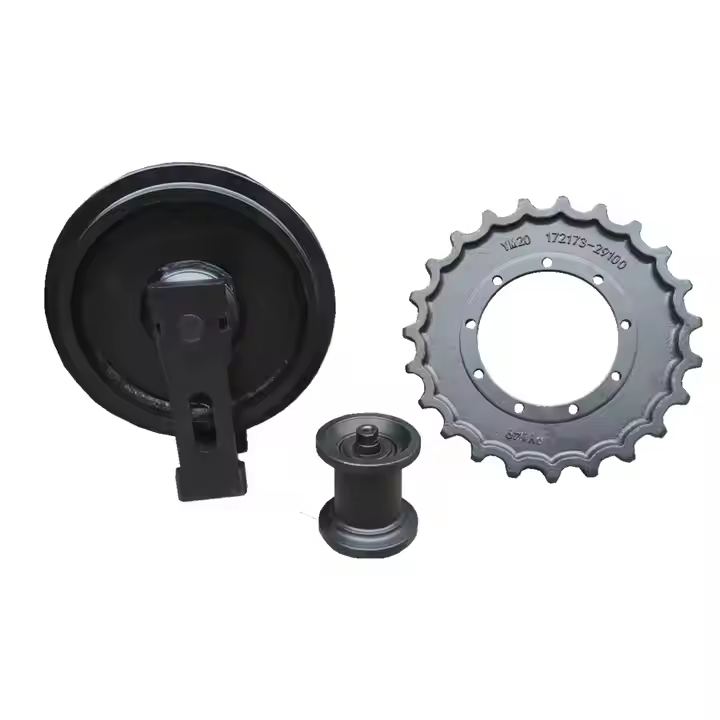
Examine the Undercarriage
The undercarriage often represents a significant portion of long-term ownership costs.
Carefully inspect:
- Tracks
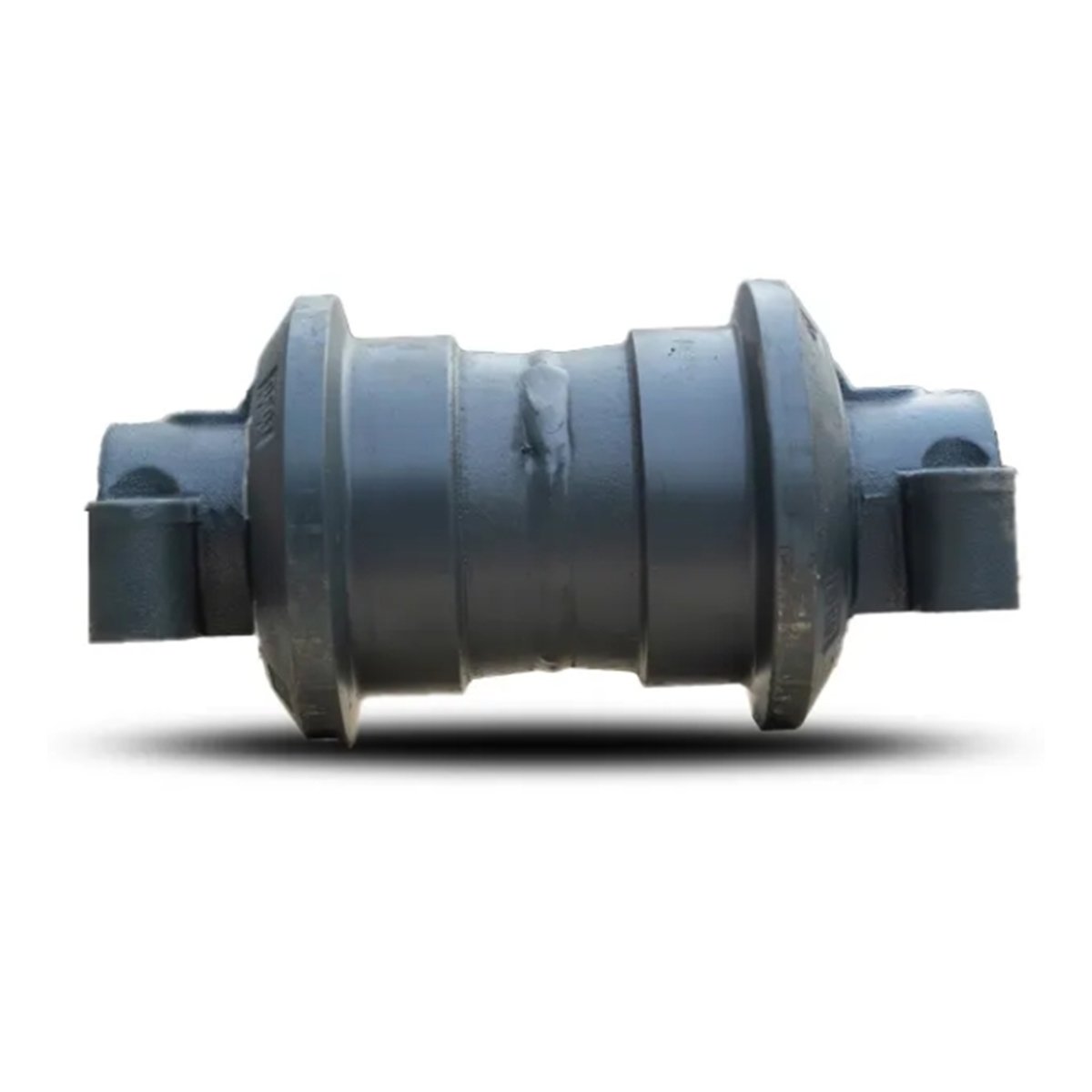
- Rollers
- Idlers
- Sprockets
- Track tension
For rubber tracks, check overall tread condition and wear patterns.
For steel tracks, inspect links and track shoes for excessive wear.
A well-maintained undercarriage contributes to machine stability, efficiency, and productivity.
Assess Boom, Arm, and Bucket Components
The working components of the excavator experience continuous stress during operation.
Inspect:
- Weld areas
- Pins
- Bushings
- Bucket teeth
- Quick coupler systems
Check for excessive movement at pivot points and ensure attachments operate smoothly.
Properly maintained components improve digging accuracy and reduce future maintenance requirements.
Test Swing and Travel Functions
Mini excavators rely on smooth swing and travel operations to maximize productivity.
During the test drive, evaluate:
- Swing speed
- Swing consistency
- Travel speed
- Steering response
- Track performance
- Machine stability
The machine should move smoothly in both forward and reverse directions without hesitation.
Consistent travel performance is often a strong indicator of overall machine condition.
Inspect the Operator Cab
Operator comfort directly affects productivity and safety.
Inside the cab, inspect:
- Seat condition
- Control levers
- Joysticks
- Instrument panel
- Display screens
- Air conditioning
- Heating system
- Visibility
A clean and well-maintained cab suggests attention to maintenance and overall machine care.
Modern mini excavators often include advanced ergonomic features that improve operator efficiency.
Verify Electrical System Operation
Reliable electrical systems support machine performance and operator convenience.
Inspect:
- Battery condition
- Wiring harnesses
- Lighting systems
- Warning indicators
- Control switches
- Safety systems
Ensure all electrical components function correctly during operation.
Well-maintained electrical systems contribute to consistent machine performance and reduced downtime.
Check Attachments and Auxiliary Hydraulics
Many mini excavators are used with specialized attachments.
Common attachments include:
- Hydraulic breakers
- Augers
- Grapples
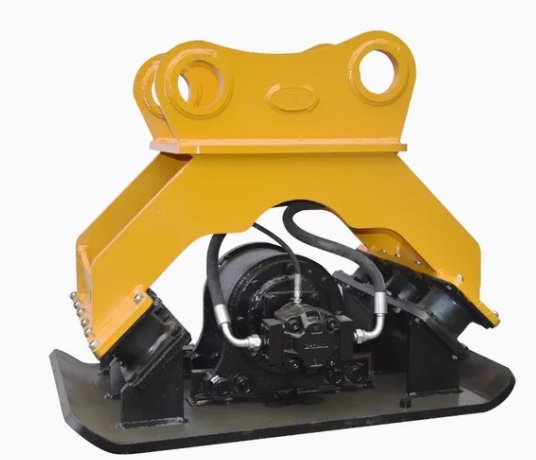
- Compactors
- Trenching buckets
- Grading buckets
If attachments are included in the purchase, verify their operating condition and compatibility with the machine.
Also inspect auxiliary hydraulic lines and connections for proper functionality.
Review Maintenance Records
Service history provides valuable insight into how the machine has been maintained.
Look for evidence of:
- Scheduled servicing
- Fluid changes
- Filter replacements
- Track maintenance
- Hydraulic servicing
- Component upgrades
Comprehensive maintenance records often indicate proactive equipment management and support long-term reliability.
Consider Operating Hours
Operating hours are an important evaluation factor, but they should not be viewed in isolation.
A machine with higher hours and excellent maintenance may provide greater value than one with fewer hours and limited service documentation.
Evaluate operating hours alongside:
- Maintenance history
- Physical condition
- Performance testing
- Component wear levels
This broader perspective helps create a more accurate assessment of machine value.
Conduct a Full Operational Test
A complete operational test is one of the most important steps in the inspection process.
Operate every major function, including:
- Digging
- Lifting
- Swinging
- Traveling
- Blade operation
- Auxiliary hydraulics
Observe machine responsiveness, smoothness, and overall performance under realistic working conditions.
Hands-on testing often reveals details that may not be visible during a static inspection.
Evaluate Dealer or Seller Support
The seller’s expertise and support can add significant value to the purchasing experience.
Consider:
- Equipment knowledge
- Inspection transparency
- Maintenance information
- Parts availability
- Technical support
- Warranty options
Professional sellers often provide detailed equipment information that helps buyers make confident purchasing decisions.
Benefits of Buying a Quality Used Mini Excavator
A well-maintained used mini excavator offers numerous advantages:
- Lower acquisition costs
- Faster return on investment
- Immediate equipment availability
- Proven field performance
- Versatility across applications
For many businesses, used equipment provides an effective balance between affordability and productivity.
Purchasing a used mini excavator can be an excellent investment when supported by a thorough inspection process. By carefully evaluating documentation, engine performance, hydraulic systems, undercarriage condition, attachments, operating hours, and maintenance records, buyers can make informed decisions and maximize equipment value.
A detailed inspection checklist not only helps identify machine condition but also provides confidence in long-term reliability and productivity. Whether used for construction, landscaping, agriculture, utilities, or property maintenance, a quality mini excavator can deliver years of dependable service and strong operational performance.
Choosing the right machine begins with asking the right questions and conducting a comprehensive inspection before making a purchase.