








Industry News
Excavator Second Hand: How to Spot a Lemon in 5 Minutes
May
Buying a second hand excavator can be a smart investment for contractors, construction companies, farmers, landscapers, and equipment operators who want reliable performance while managing equipment costs efficiently. The used equipment market offers a wide range of excavators suitable for excavation, demolition, trenching, material handling, roadwork, and agricultural projects.
However, selecting the right machine requires more than simply checking the price tag. A quick but informed inspection can help buyers identify whether an excavator is well maintained, productive, and suitable for long-term operation. Knowing what to inspect within the first five minutes can save time, reduce unexpected repair costs, and improve purchasing confidence.
This guide explains how to evaluate a second hand excavator efficiently, what warning signs to look for, and how to choose a machine that delivers strong value and dependable performance.
Why the Second Hand Excavator Market Continues to Grow
The demand for second hand excavators has increased significantly in recent years. Many businesses seek cost-effective equipment solutions that balance performance, reliability, and affordability.
Used excavators are attractive because they often provide lower upfront investment while still offering excellent operational capabilities. Small contractors and growing businesses can expand their fleets without the financial pressure associated with purchasing brand-new machinery.
In addition, modern excavators are designed for durability and long service life. With proper maintenance, many machines continue operating efficiently for thousands of working hours.
The growing availability of online equipment marketplaces and digital inspection tools has also made it easier for buyers to compare machines, review specifications, and evaluate seller credibility.
Start With the Overall Appearance
The first step in evaluating a second hand excavator is conducting a visual inspection. The overall appearance often reveals how well the machine has been maintained throughout its working life.
Check for signs of consistent care, including clean surfaces, organized hoses, intact panels, and well-maintained paint. While cosmetic wear is normal on construction equipment, excessive dents, cracked covers, or poorly repaired components may indicate heavy usage or insufficient maintenance.
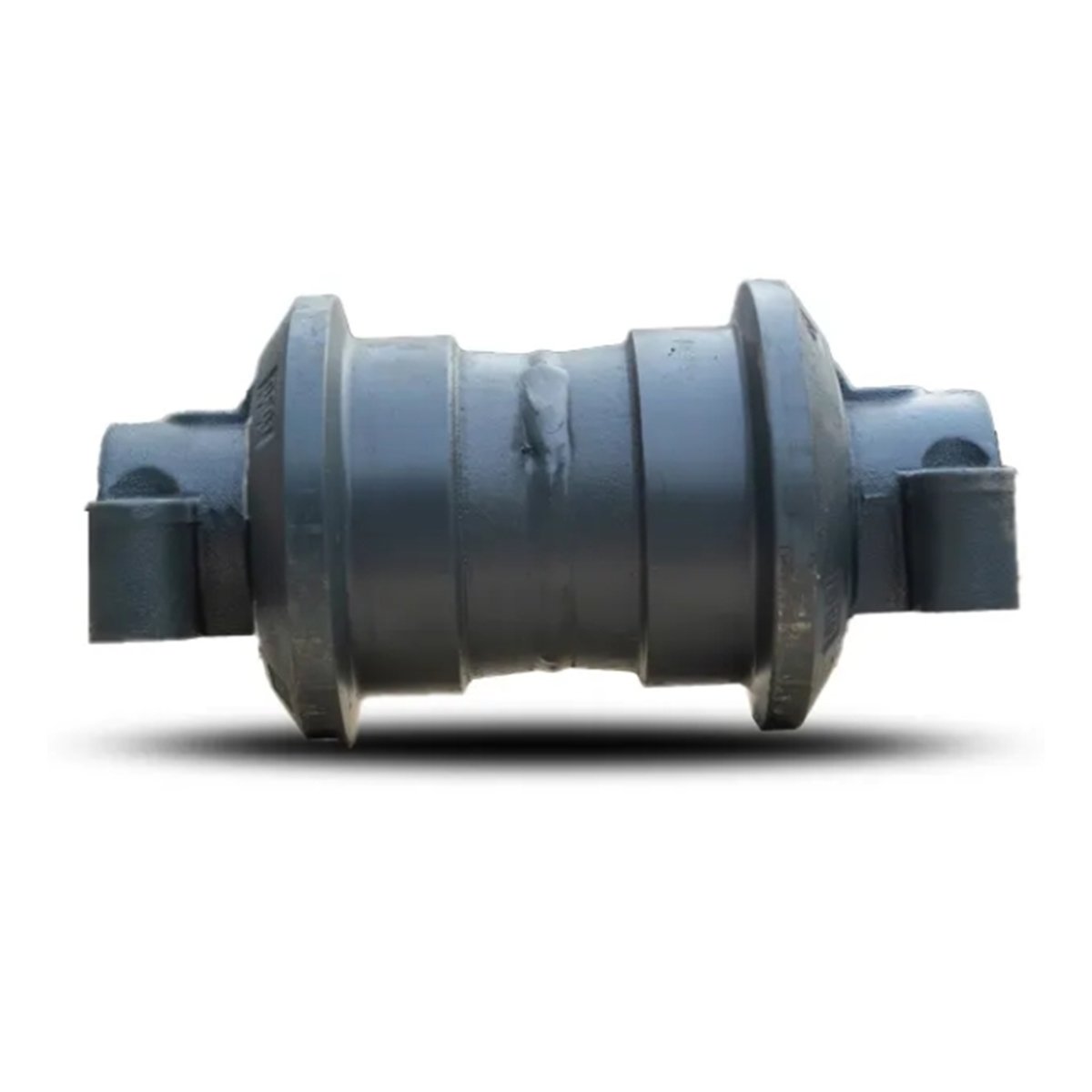
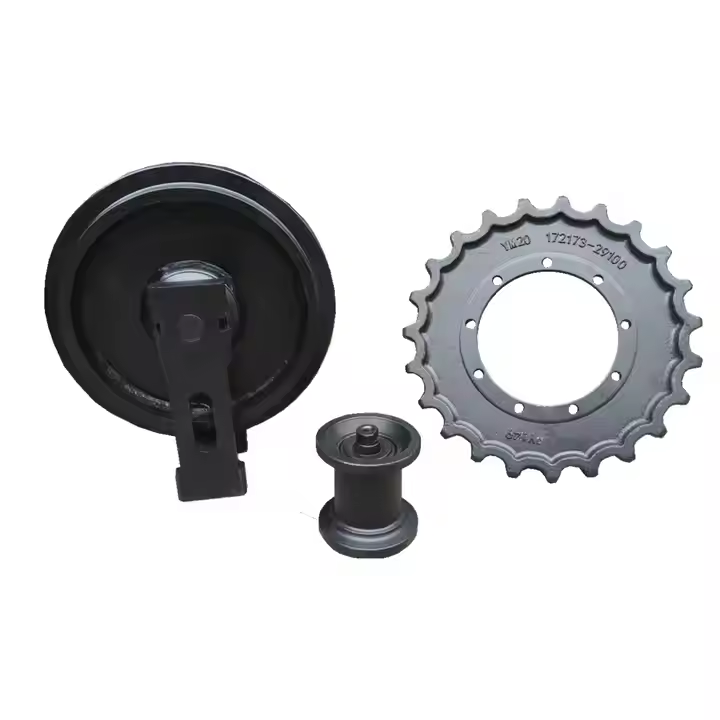
Look carefully at the undercarriage because it is one of the most important and expensive parts of an excavator. Examine tracks, rollers, sprockets, and idlers for excessive wear or uneven damage.
A clean and organized machine usually reflects responsible ownership and routine servicing practices.
Inspect the Hydraulic System
The hydraulic system is the heart of an excavator. Even a brief inspection can reveal important information about machine condition and operational quality.
Check hydraulic hoses and fittings for leaks, cracks, or loose connections. Well-maintained hydraulic lines should appear secure and free from major oil residue.
Observe the hydraulic cylinders on the boom, arm, and bucket. Look for smooth chrome surfaces without deep scratches, corrosion, or fluid seepage.
Start the machine if possible and test hydraulic responsiveness. The boom, swing, and bucket movements should operate smoothly without hesitation or unusual vibration.
Consistent hydraulic performance is essential for efficient excavation and long-term reliability.
Listen to the Engine Carefully
Engine condition is one of the most critical factors when evaluating a used excavator.
When starting the machine, pay attention to how quickly the engine turns over and whether it starts smoothly. Excessive smoke, irregular idle behavior, or unusual noises may suggest the need for further inspection.
A healthy engine should run steadily and respond smoothly during acceleration. Listen for knocking sounds, rattling, or inconsistent RPM fluctuations.
Also inspect the engine compartment for signs of fluid leaks, loose belts, or poor maintenance practices.
Reviewing maintenance records can provide additional confidence regarding oil changes, filter replacements, and routine servicing history.
Check Operating Hours and Service Records
Operating hours provide useful insight into the machine’s usage history, but hours alone do not determine condition. A well-maintained excavator with higher hours may outperform a poorly maintained machine with fewer hours.
Ask for service documentation whenever possible. Regular maintenance records demonstrate that the machine received proper care throughout its operational life.
Look for evidence of scheduled inspections, hydraulic servicing, engine maintenance, and component replacements.
Machines used primarily in lighter applications such as landscaping may show less wear than machines used continuously in mining or heavy demolition environments.
Understanding the machine’s work history helps buyers make more informed decisions.
Examine the Undercarriage Closely
The undercarriage can represent a significant portion of future ownership costs, making it one of the most important inspection areas.
Inspect track tension and check whether the tracks appear evenly worn. Uneven wear patterns may indicate alignment issues or inconsistent maintenance.
Examine rollers and sprockets for excessive sharpness, cracking, or flattening. Excessive wear can affect machine stability, travel performance, and operating efficiency.
Also inspect the track frame for signs of structural damage or heavy impact stress.
A healthy undercarriage contributes greatly to smooth operation and lower long-term maintenance expenses.
Test the Controls and Cabin Features
Operator comfort and control responsiveness are essential for productivity and safety.
Sit inside the cabin and test joysticks, pedals, switches, and travel controls. Controls should feel responsive and smooth without sticking or excessive looseness.
Check the seat condition, visibility, display panel, air conditioning system, and safety features.
Modern excavators often include advanced monitoring systems that display maintenance alerts and performance information. Ensure that warning lights and digital displays operate correctly.
A clean and functional operator cabin often reflects better overall machine care.
Look for Signs of Consistent Maintenance
One of the easiest ways to evaluate a used excavator quickly is by identifying signs of regular maintenance.
Greased joints, clean filters, organized wiring, and properly secured components indicate responsible servicing habits.
Inspect fluid levels and check whether engine oil, hydraulic fluid, and coolant appear clean and properly maintained.
Machines with detailed maintenance logs generally offer greater buyer confidence and improved long-term reliability.
Professional owners and fleet operators often follow structured service schedules, which can extend equipment lifespan significantly.
Understand the Importance of a Test Operation
Even a short operational test can reveal valuable information.
Drive the excavator forward and backward while checking travel smoothness and steering responsiveness. Rotate the upper structure and operate the boom and bucket under light load conditions.
Pay attention to unusual sounds, delayed movements, or inconsistent hydraulic behavior.
Testing multiple functions helps buyers evaluate real-world operating performance before making a purchase decision.
Whenever possible, inspecting the machine at a job site can provide additional insight into how it performs under working conditions.
Tips for Choosing the Right Second Hand Excavator
Selecting the right used excavator depends on project requirements, work environment, and operational goals.
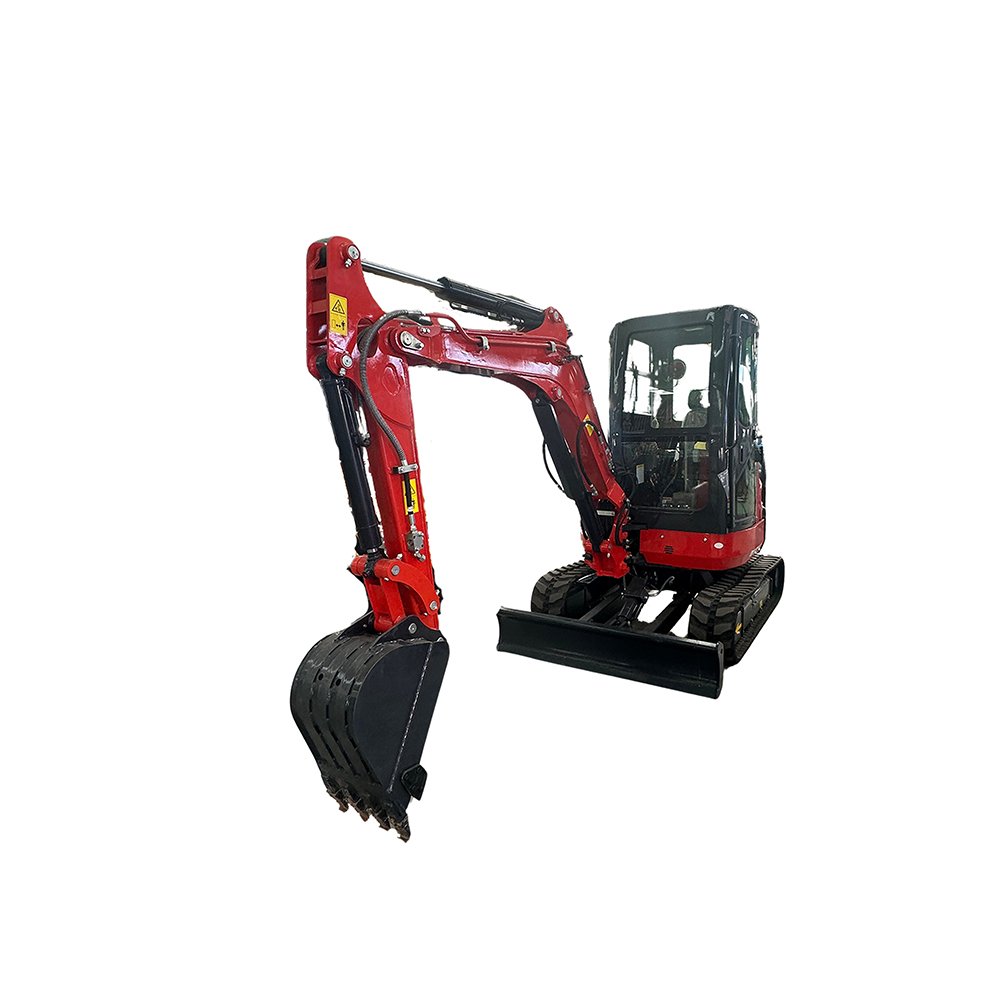
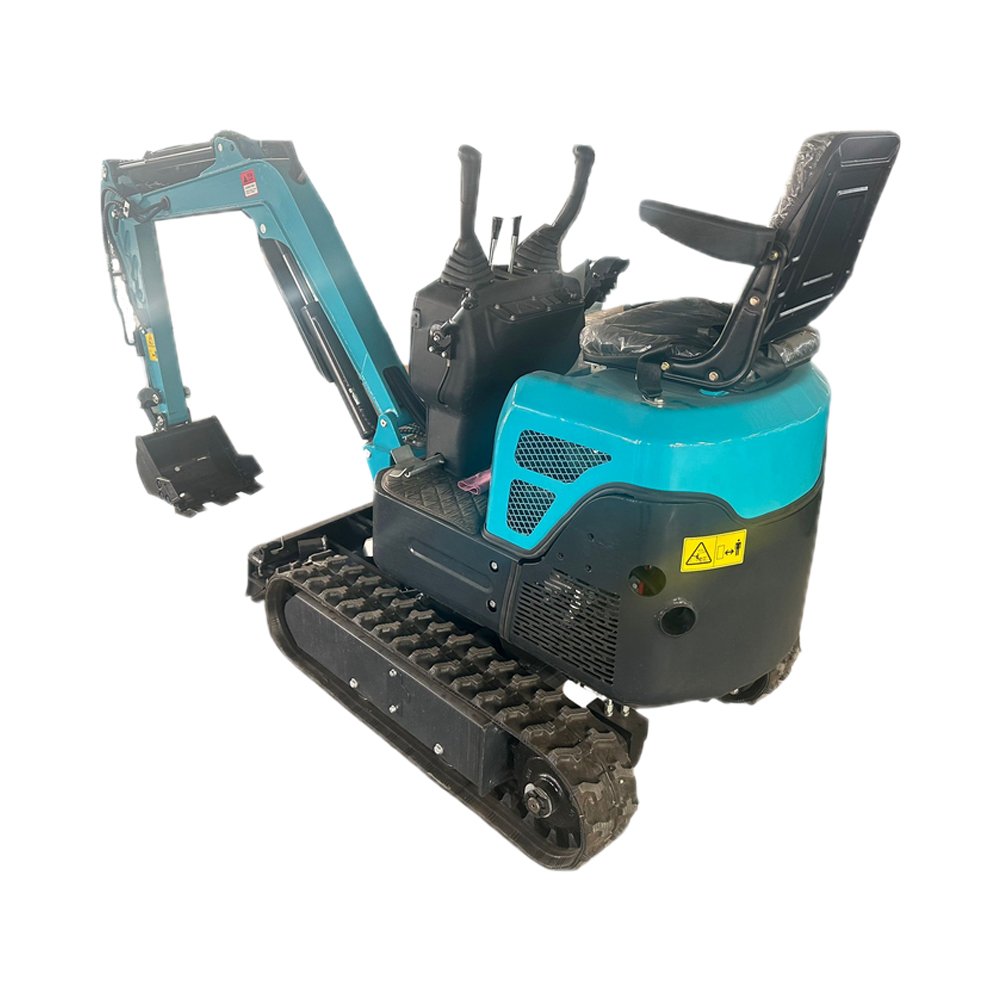
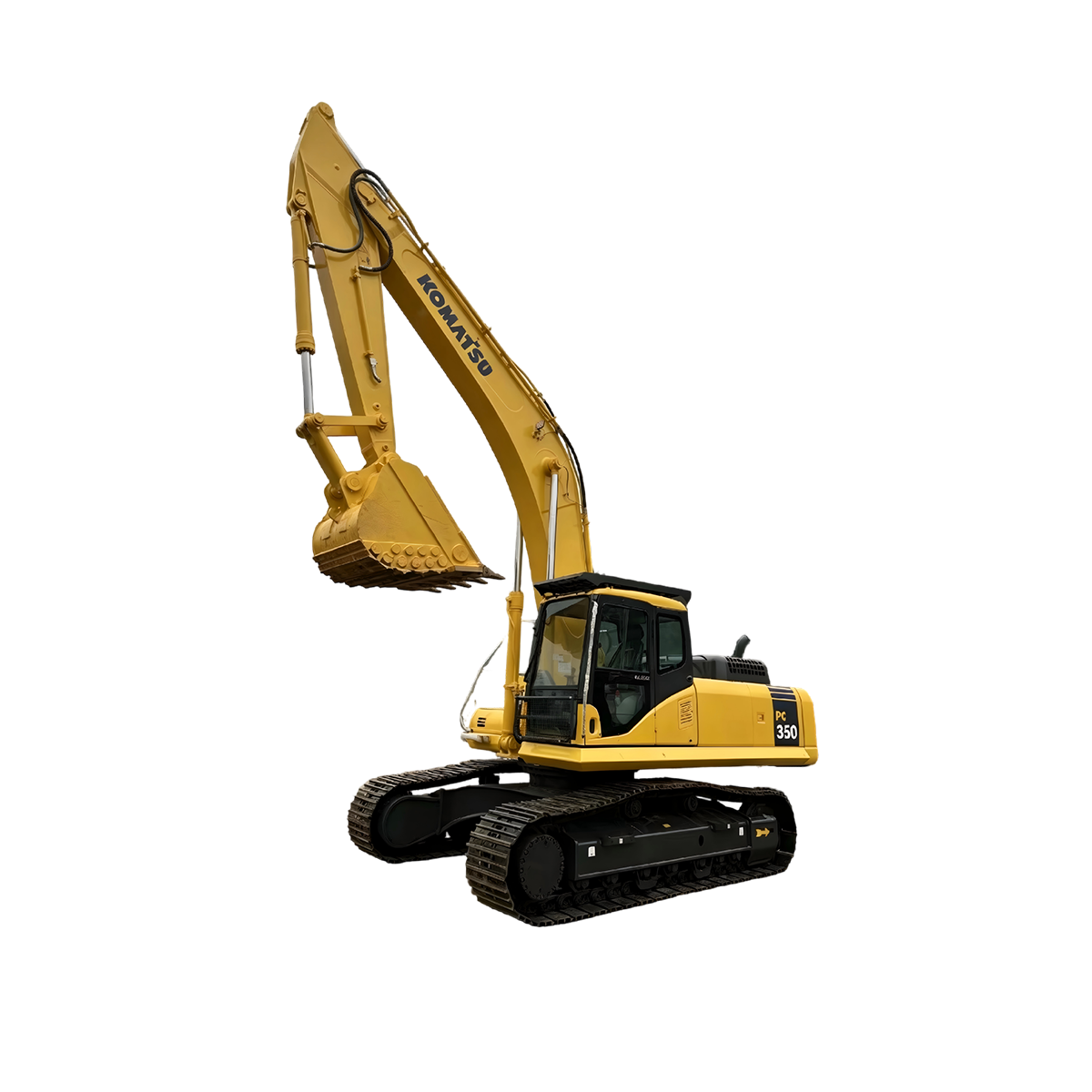
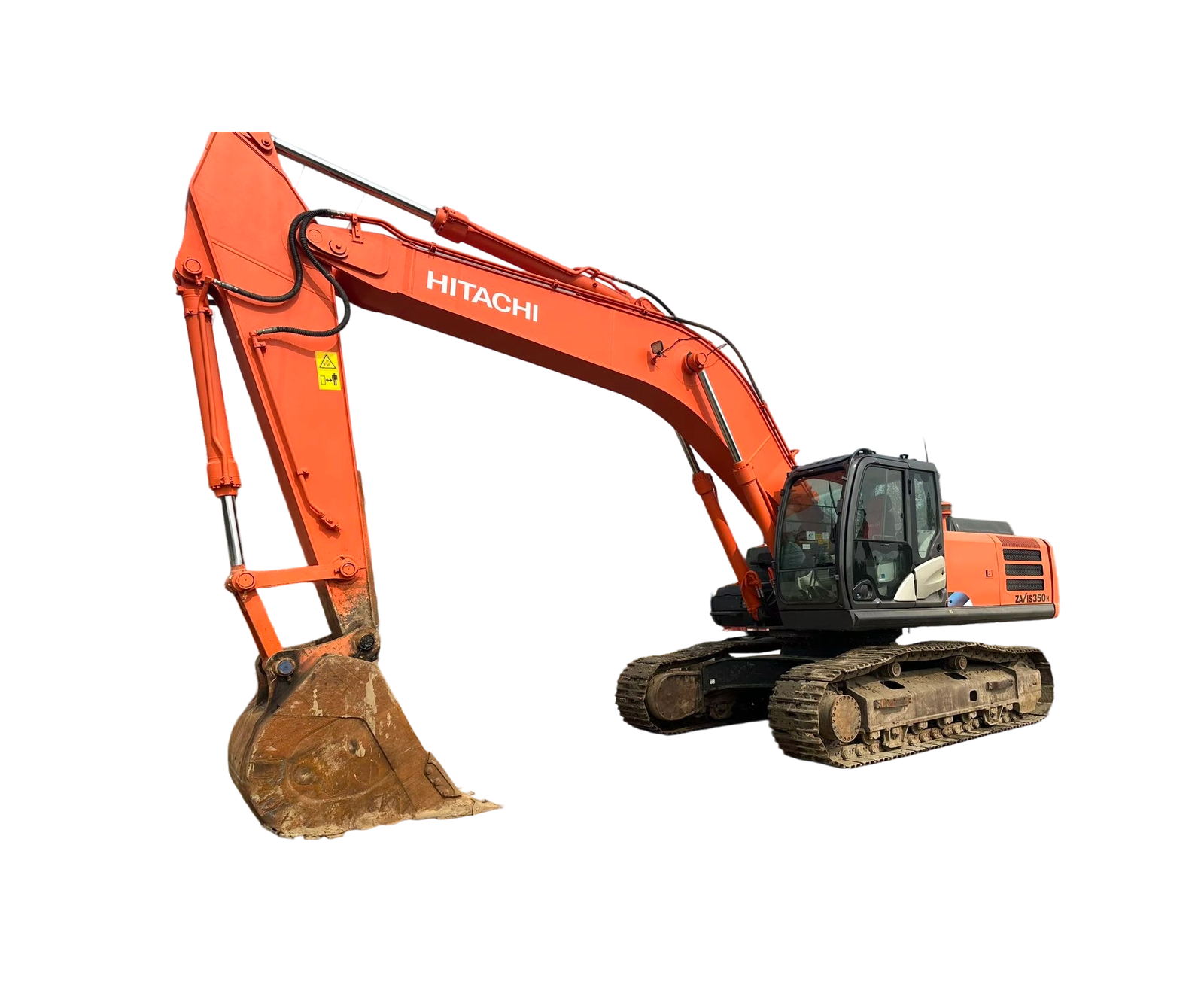
Smaller mini excavators are ideal for landscaping, residential construction, and compact job sites. Medium and large excavators are better suited for heavy earthmoving, infrastructure projects, and industrial applications.
Buyers should also consider fuel efficiency, attachment compatibility, transportation requirements, and future maintenance support.
Choosing a machine from a reputable seller with transparent inspection records improves purchasing confidence and long-term satisfaction.
Careful evaluation helps ensure that the excavator delivers reliable performance and strong operational value.
Buying a second hand excavator can be an excellent investment when approached with the right inspection strategy. By spending just five focused minutes checking the machine’s appearance, hydraulic system, engine condition, undercarriage, controls, and maintenance history, buyers can quickly identify whether the equipment is well maintained and suitable for future projects.
A reliable excavator supports productivity, reduces downtime, and improves operational efficiency across construction, agriculture, landscaping, and infrastructure industries.
As the demand for cost-effective heavy equipment continues growing, informed purchasing decisions remain essential for maximizing value and long-term equipment performance.