








Industry News
How to Use a Backhoe for Yard Work
May
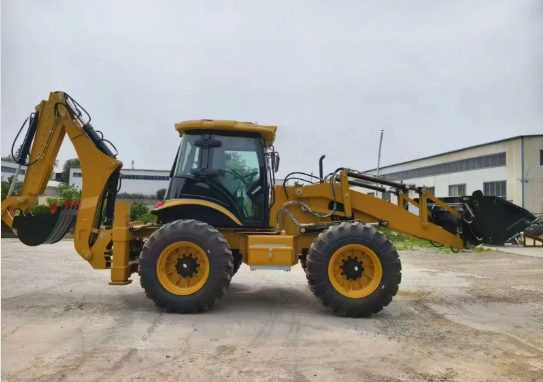
A backhoe is one of the most versatile pieces of equipment for residential and commercial yard projects. Combining digging power, lifting capability, and maneuverability, a backhoe can handle a wide range of landscaping and property improvement tasks efficiently. From trenching and grading to removing stumps and moving soil, this machine helps property owners complete projects faster and with greater precision.
Modern backhoes are designed with user-friendly controls, strong hydraulic systems, and adaptable attachments that make them suitable for both beginners and experienced operators. Whether you are improving drainage, installing garden features, or preparing land for construction, learning how to properly use a backhoe can significantly improve productivity and project quality.
Understanding the machine’s capabilities and operating methods is the first step toward achieving safe and efficient yard work results.
Common Yard Work Tasks a Backhoe Can Handle
Backhoes are highly effective for many types of outdoor projects. One of the most common uses is digging trenches for drainage systems, irrigation lines, electrical conduits, or water pipes. The rear digging arm provides precise excavation control, making trench work much easier than manual digging.
Land grading is another important application. A backhoe’s front loader can level uneven surfaces, spread gravel, move topsoil, and prepare areas for landscaping projects. This helps create smooth and stable ground conditions for patios, driveways, gardens, or lawn installations.
Tree stump removal is also a popular task for backhoes. The digging bucket can loosen soil around the stump and lift root systems more efficiently than hand tools. In addition, backhoes are useful for transporting mulch, rocks, debris, and construction materials around the property.
Because of their flexibility, backhoes can support both small residential yard improvements and larger property development projects.
Choosing the Right Backhoe for Yard Work
Compact Backhoes for Residential Projects
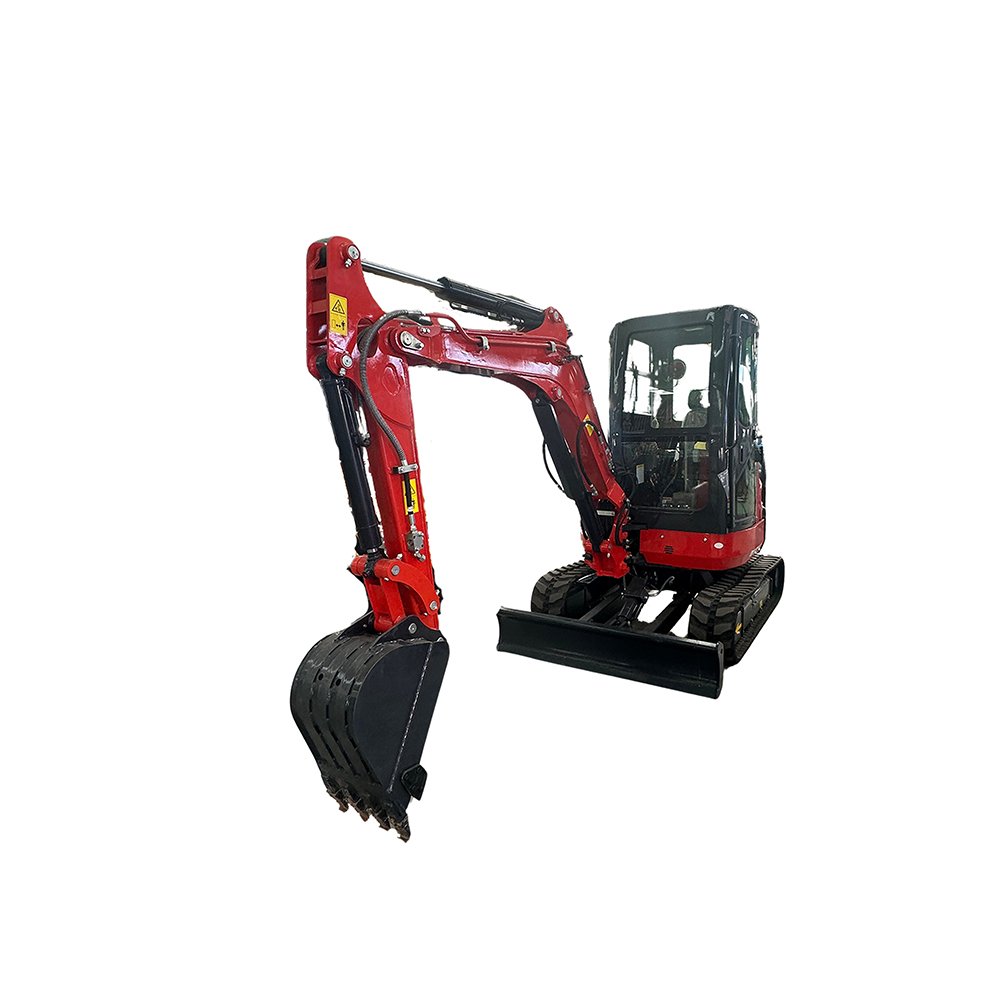
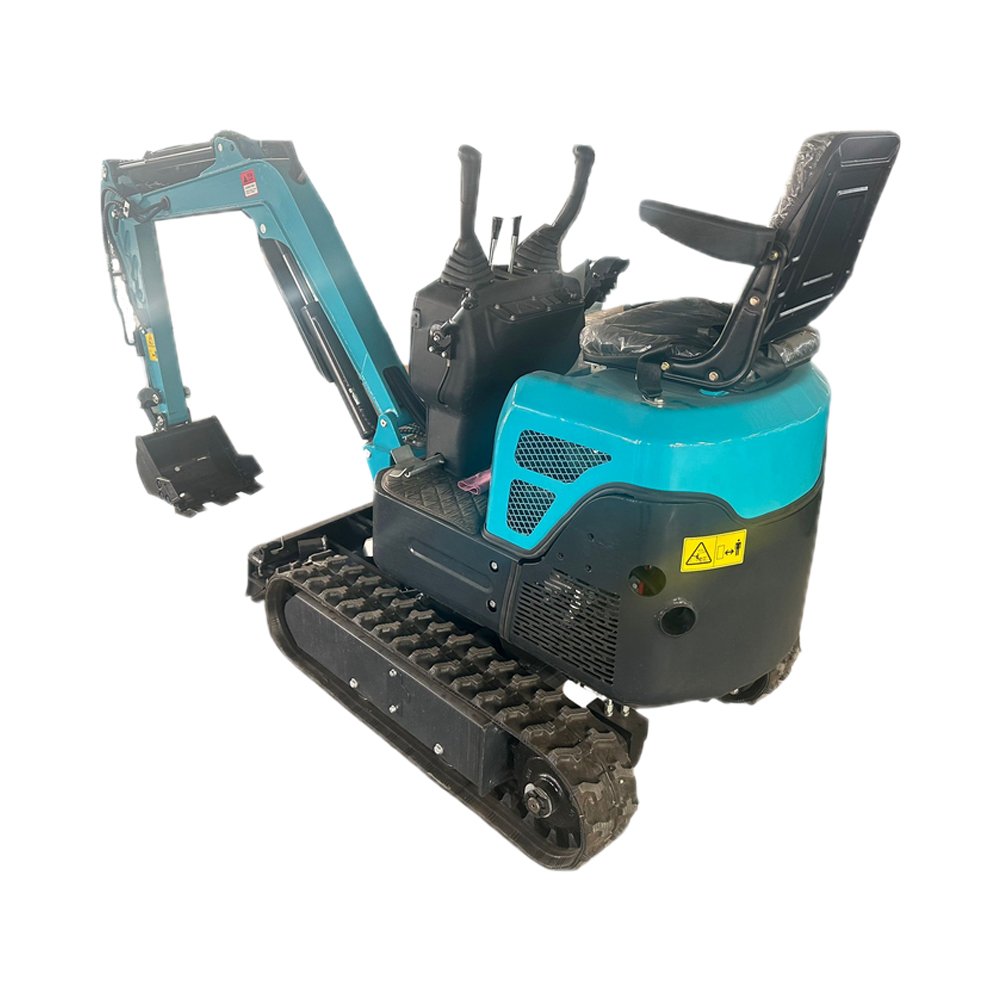
Compact backhoes are ideal for homeowners and smaller landscaping jobs. Their smaller size allows easier movement through gates, narrow paths, and tight backyard spaces.
These machines are easier to transport and generally cause less ground disturbance on lawns and gardens. Compact models still provide enough power for trenching, grading, and light excavation work while remaining more manageable for beginners.
Full-Size Backhoes for Large Properties
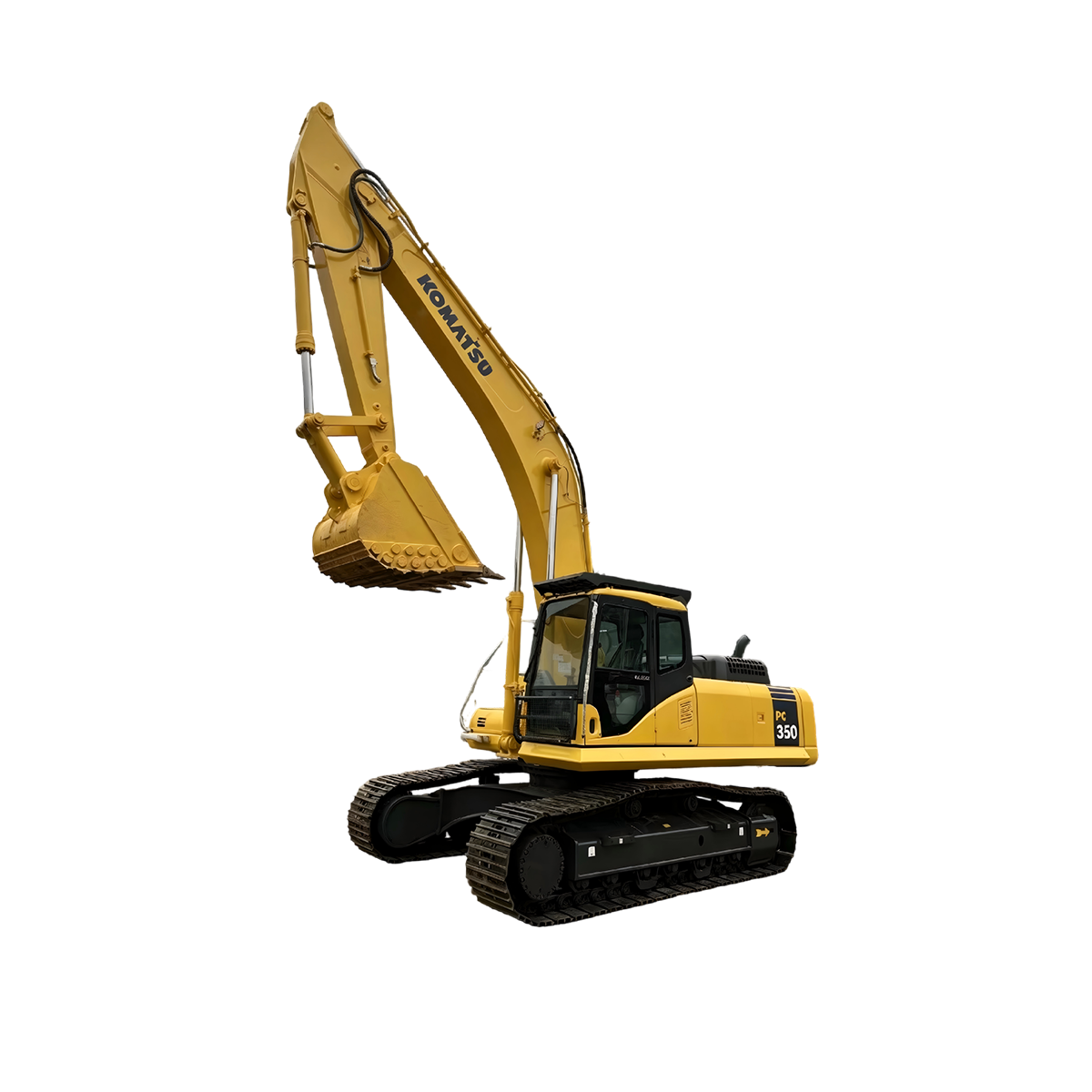
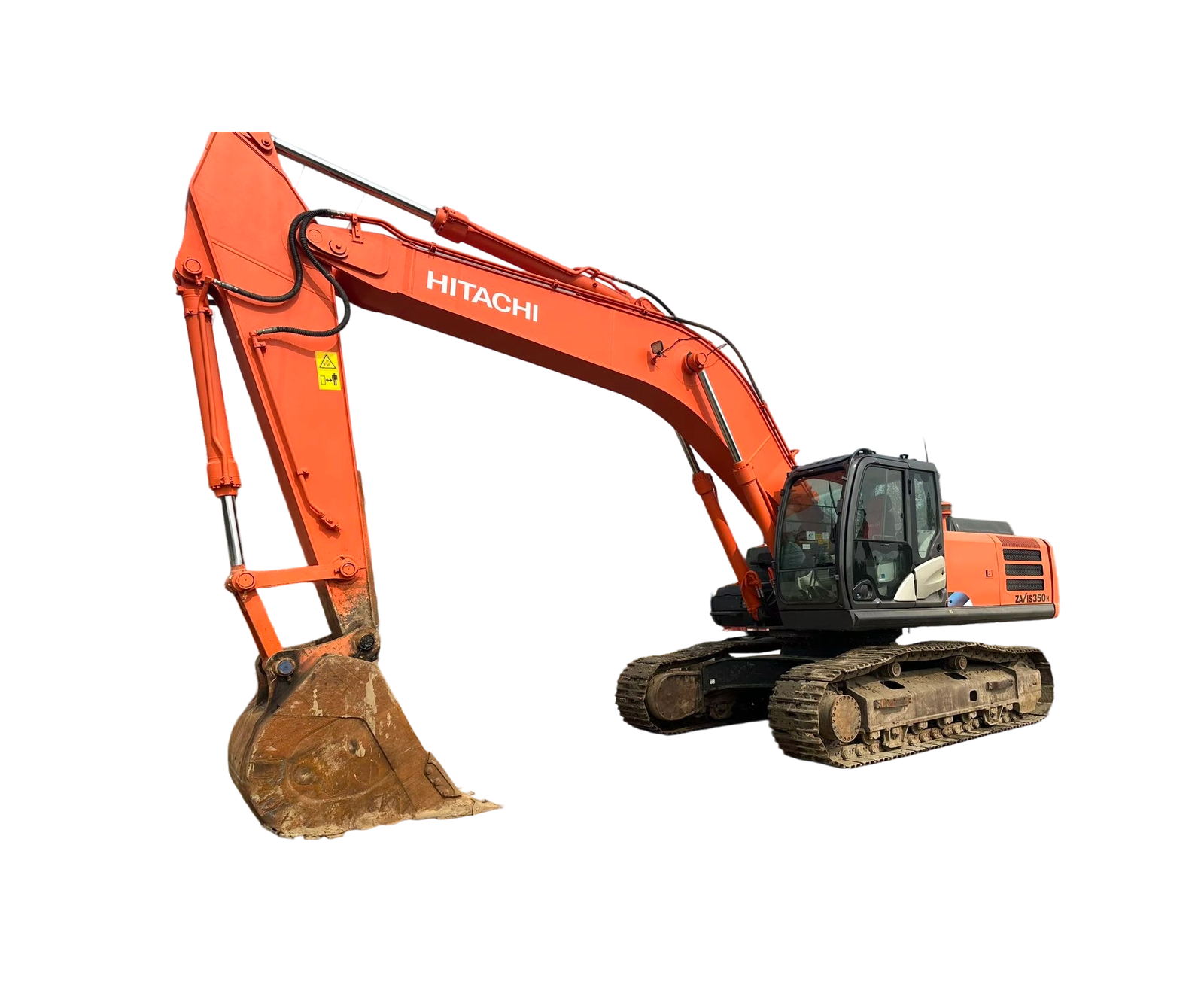
For larger properties or heavy-duty excavation tasks, full-size backhoes offer increased digging depth, lifting capacity, and hydraulic power. They are suitable for larger drainage systems, land clearing, and extensive earthmoving projects.
While larger models provide more capability, they also require more operating space and experience to maneuver effectively.
Understanding Attachments and Buckets
Different attachments can improve backhoe versatility. Common options include trenching buckets, grading buckets, hydraulic thumbs, augers, and pallet forks.
Choosing the right attachment depends on the specific yard project. Narrow buckets work well for utility trenches, while wider buckets help with grading and material movement.
Proper attachment selection increases efficiency and improves overall project performance.
Preparing Before Operating a Backhoe
Inspecting the Machine
Before starting any yard work project, operators should inspect the backhoe carefully. Check hydraulic lines, tires, fluid levels, bucket connections, and control systems to ensure everything is functioning properly.
Routine inspections improve operational reliability and help maintain smooth equipment performance during the project.
Understanding the Controls
Modern backhoes use joystick or lever-based control systems to operate the boom, dipper arm, bucket, stabilizers, and front loader.
New operators should spend time becoming familiar with the controls before beginning active work. Practicing in an open area helps build coordination and improves machine handling confidence.
Understanding how hydraulic movements respond to control inputs is essential for precise excavation and safe operation.
Planning the Work Area
A well-planned work area improves efficiency and reduces unnecessary machine movement. Mark utility lines, identify obstacles, and determine soil conditions before digging.
Creating a clear work plan also helps operators manage excavation depth, material placement, and equipment positioning more effectively.
Basic Steps for Using a Backhoe in Yard Work
Positioning the Machine Properly
Correct positioning is critical for stable and efficient operation. Place the machine on level ground whenever possible and lower the stabilizers before using the rear digging arm.
Stabilizers help prevent machine movement and improve digging accuracy. Proper positioning also reduces strain on hydraulic components.
Digging Trenches Efficiently
When trenching, align the backhoe directly with the digging path. Use smooth hydraulic movements to lower the bucket into the soil and pull material toward the machine.
Avoid forcing the bucket aggressively into hard ground. Controlled digging motions improve trench consistency and reduce unnecessary wear on the equipment.
Pile excavated material neatly beside the trench to maintain an organized work area.
Using the Front Loader for Material Handling
The front loader is useful for moving soil, gravel, mulch, and debris around the yard. Keep loads balanced and avoid lifting materials too high while traveling.
Smooth loader operation helps maintain stability and prevents material spillage. The loader can also assist with grading by spreading materials evenly across the surface.
Grading and Leveling Soil
For grading tasks, use the front bucket to smooth and level the ground gradually. Small adjustments provide better surface control than aggressive scraping motions.
Consistent grading improves drainage, prepares landscaping surfaces, and creates a more professional project finish.
Removing Tree Stumps
To remove a stump, dig around the root system carefully and loosen surrounding soil. Once the roots are exposed, use the bucket to separate and lift the stump gradually.
Working patiently helps protect the machine and improves removal efficiency.
Safety Tips for Backhoe Yard Work
Maintain Clear Visibility
Always maintain a clear line of sight around the machine. Remove unnecessary obstacles and monitor surrounding areas before moving or digging.
Good visibility improves control and supports safer operation.
Operate at Controlled Speeds
Smooth and controlled hydraulic movements improve digging precision and machine stability. Sudden movements can reduce efficiency and make operation more difficult.
Professional operators prioritize controlled operation over speed alone.
Keep the Worksite Organized
Organized material placement and clean work zones improve project efficiency. Keeping tools and debris away from the operating area helps maintain safe machine movement.
Monitor Ground Conditions
Wet or unstable ground can affect traction and machine stability. Operators should adjust machine positioning and movement techniques based on soil conditions.
Benefits of Using a Backhoe for Yard Projects
Increased Efficiency
A backhoe significantly reduces the time required for digging, grading, and material handling compared to manual labor.
Projects that might take days by hand can often be completed within hours using proper equipment.
Improved Precision
Hydraulic controls allow accurate digging depths, smoother grading, and better material placement. This improves the final appearance and functionality of landscaping projects.
Versatility Across Multiple Tasks
One of the biggest advantages of a backhoe is its ability to handle multiple project types with a single machine. Digging, lifting, trenching, grading, and material transport can all be completed efficiently.
Reduced Physical Labor
Using a backhoe minimizes heavy manual labor, making large yard projects more manageable and less physically demanding.
The Future of Backhoes in Landscaping and Yard Work
Modern backhoes continue evolving with improved fuel efficiency, advanced hydraulics, ergonomic controls, and smart technology integration. Some newer models include GPS-assisted grading systems and enhanced operator visibility features.
As landscaping and property development projects become more advanced, backhoes will continue playing a central role in improving productivity and project quality.
Compact equipment innovations are also making backhoes more accessible for residential applications and smaller work environments.
Conclusion
Learning how to use a backhoe for yard work can transform the way landscaping and property improvement projects are completed. From trenching and grading to stump removal and material handling, backhoes provide the power, precision, and versatility needed for efficient outdoor work.
By understanding machine controls, selecting the right attachments, and following proper operating techniques, users can complete yard projects safely and professionally.
As modern equipment technology continues advancing, backhoes remain one of the most valuable tools for residential and commercial property maintenance.