








Industry News
Excavator Second Hand Success: Stories of Smart Contractors
Jun
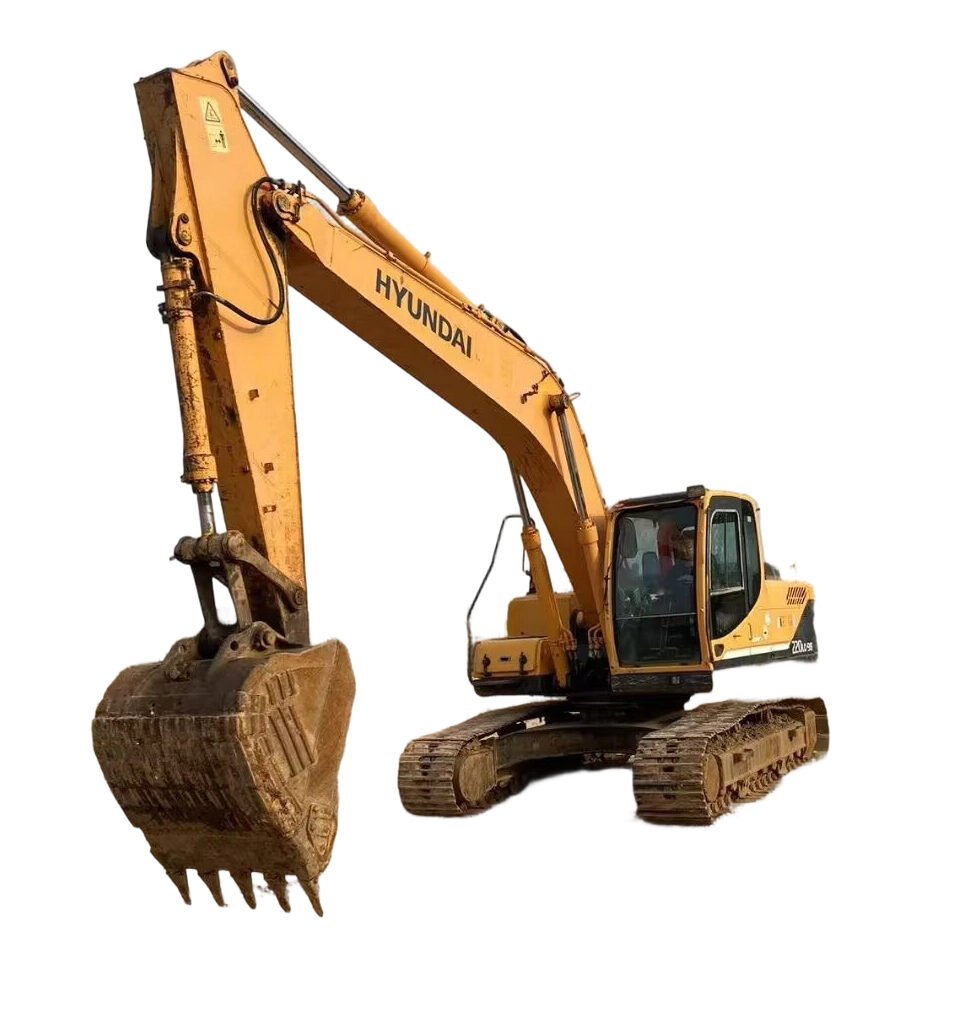
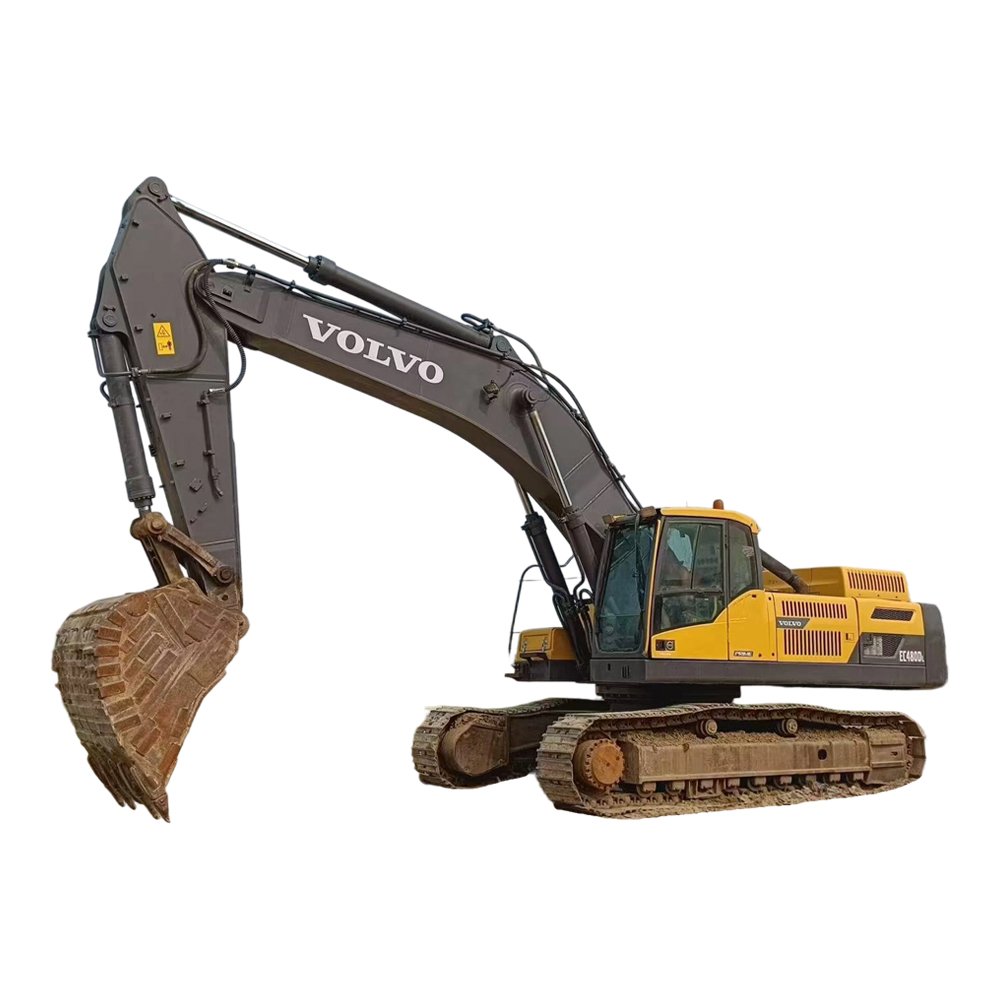
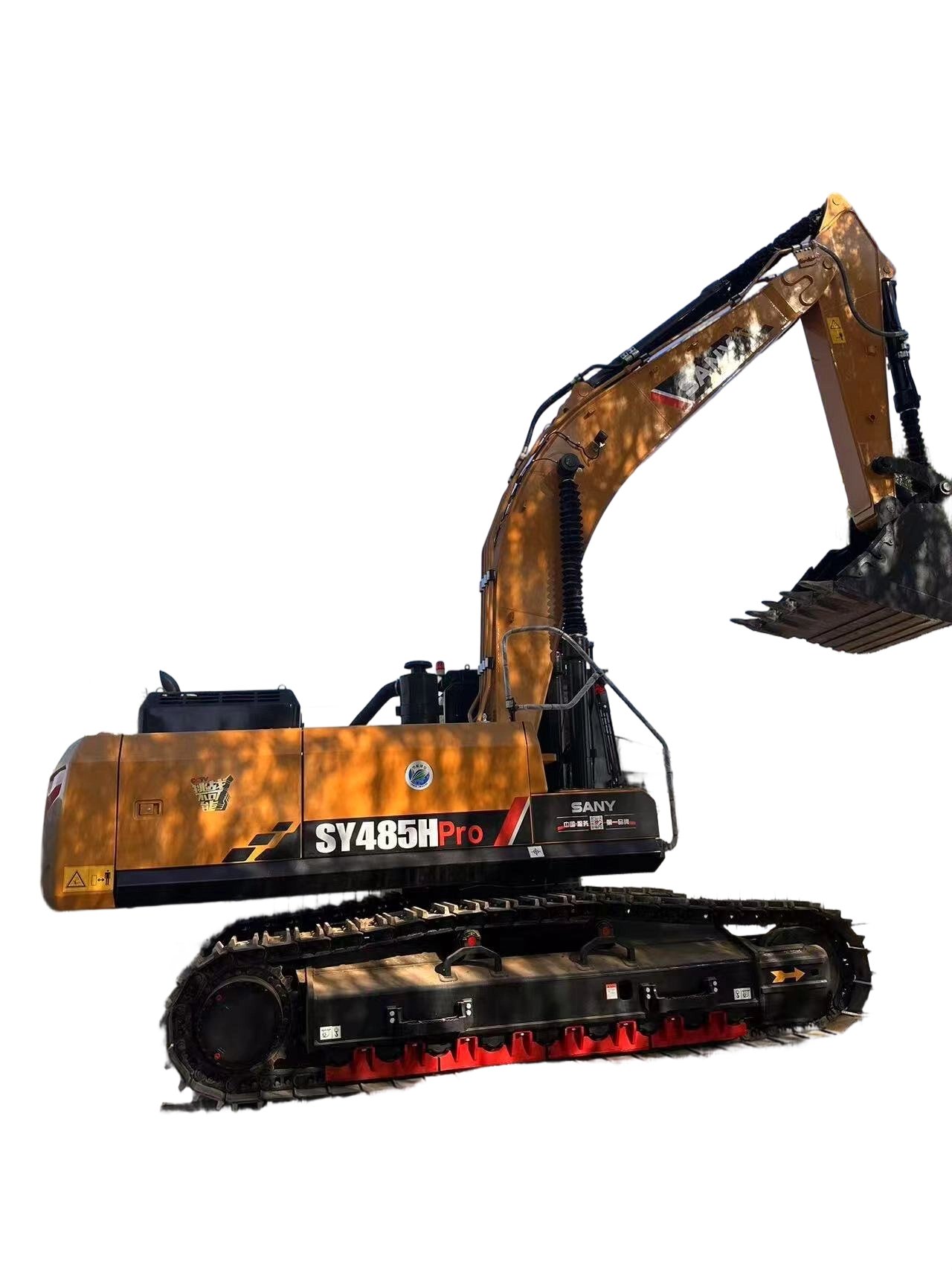
The construction industry is constantly evolving, with contractors seeking ways to maximize efficiency, reduce costs, and complete projects on time. One area where innovation meets practicality is the strategic use of second-hand excavators. Far from being a compromise, many contractors have discovered that purchasing pre-owned machines can offer significant advantages when approached intelligently.
In 2026, second-hand excavators have become a vital tool for contractors looking to maintain competitive operations without sacrificing performance or reliability. This article explores the experiences of smart contractors who have successfully integrated used excavators into their projects, highlighting strategies, lessons learned, and best practices.
Why Smart Contractors Choose Second-Hand Excavators
The decision to invest in a second-hand excavator often stems from a combination of economic prudence and operational foresight.
Second-hand excavators provide:
- Cost Savings – Pre-owned machines typically cost significantly less than brand-new models, freeing up capital for other critical project needs.
- Faster Deployment – Used equipment is often readily available, reducing lead times and allowing contractors to start projects sooner.
- Proven Reliability – Many pre-owned excavators come with a history of maintenance and service records, providing insights into performance and longevity.
- Flexibility – Contractors can allocate resources to multiple projects, adapting their fleet to evolving jobsite demands.
Smart contractors understand that success with second-hand excavators relies on thorough research, careful inspection, and strategic planning.
Selecting the Right Machine
Choosing the right second-hand excavator requires careful evaluation of the machine’s specifications, history, and condition.
Key considerations include:
- Hours of Operation – Lower-hour machines often have longer remaining lifespans and reduced maintenance needs.
- Maintenance Records – Documentation of regular servicing ensures that critical components have been properly cared for.
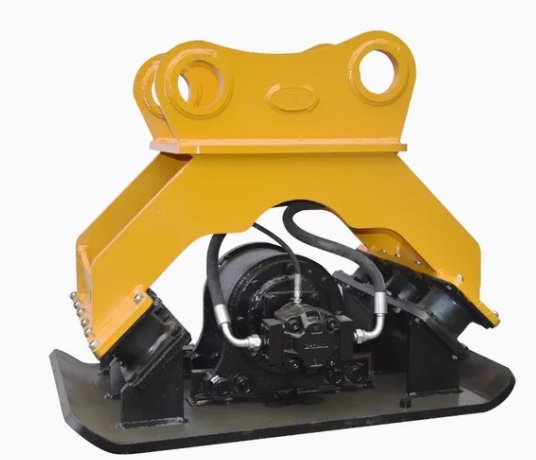
- Attachments and Versatility – Machines with compatible attachments such as buckets, grapples, or hammers expand operational capability.
- Structural Integrity – Checking for frame cracks, hydraulic leaks, and wear on tracks or undercarriages is essential.
- Brand Reputation and Parts Availability – Reliable brands with accessible spare parts simplify maintenance and reduce downtime.
By evaluating these factors, contractors can identify machines that align with their operational requirements and project goals.
Stories of Smart Contractors
Many contractors around the world have leveraged second-hand excavators to great success. These stories demonstrate practical strategies for integrating pre-owned machinery effectively.
Efficient Urban Projects
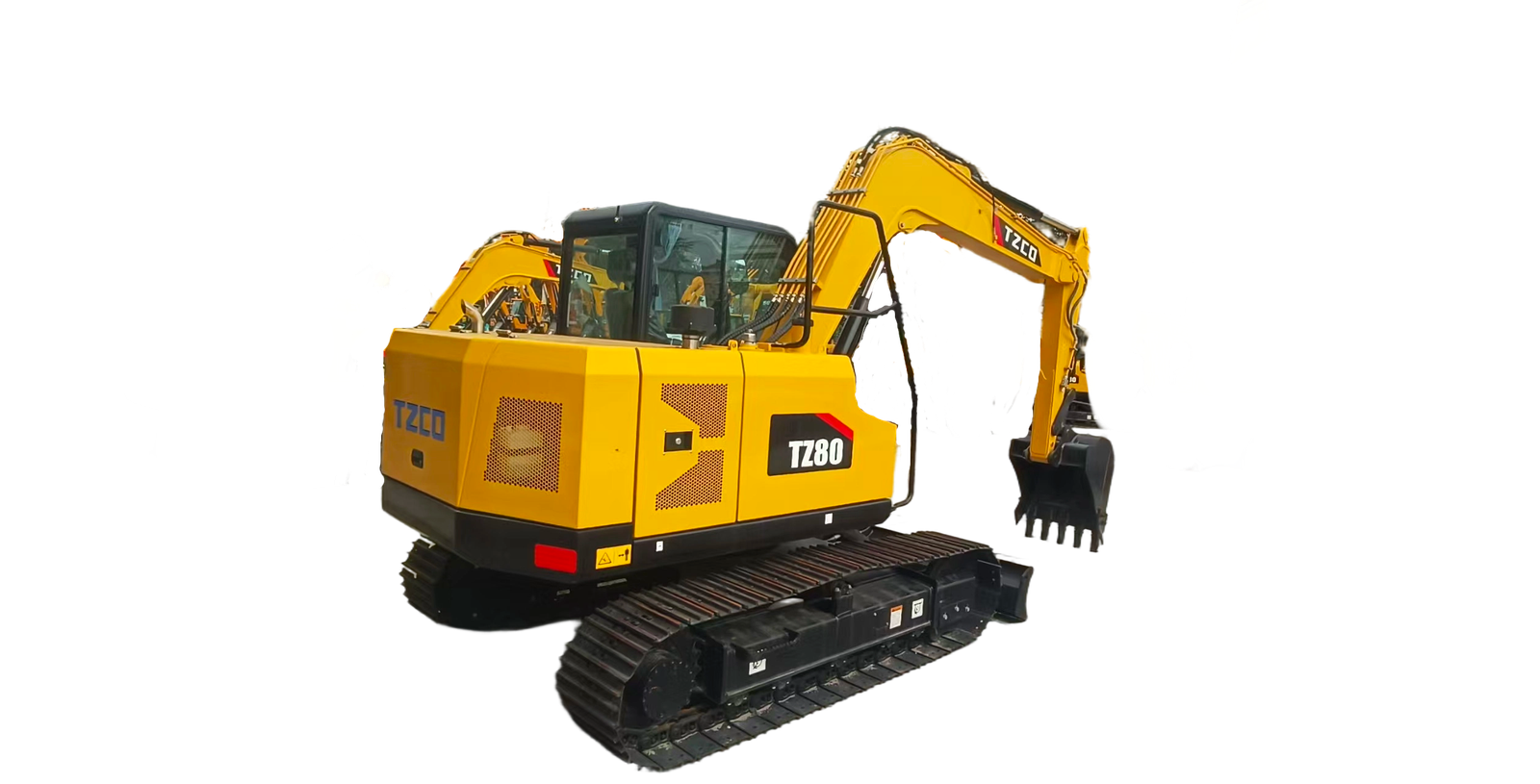
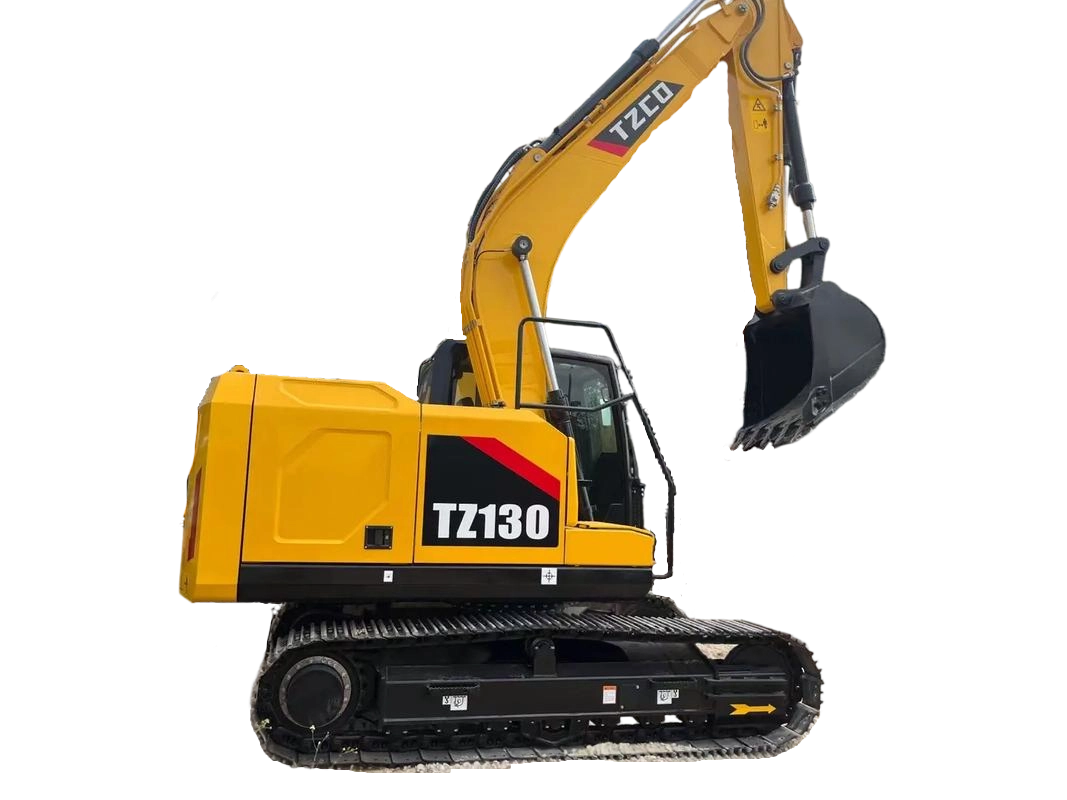
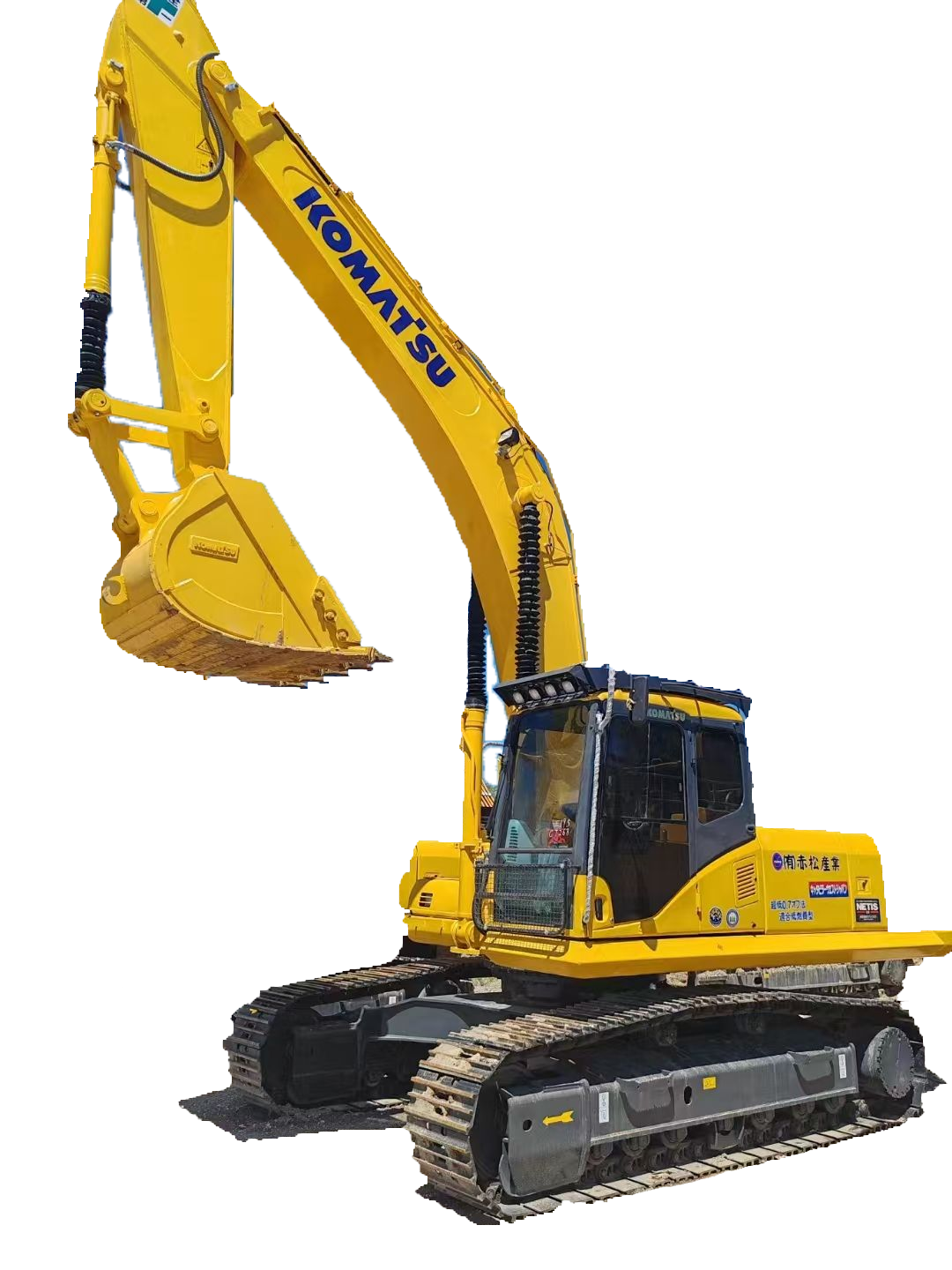
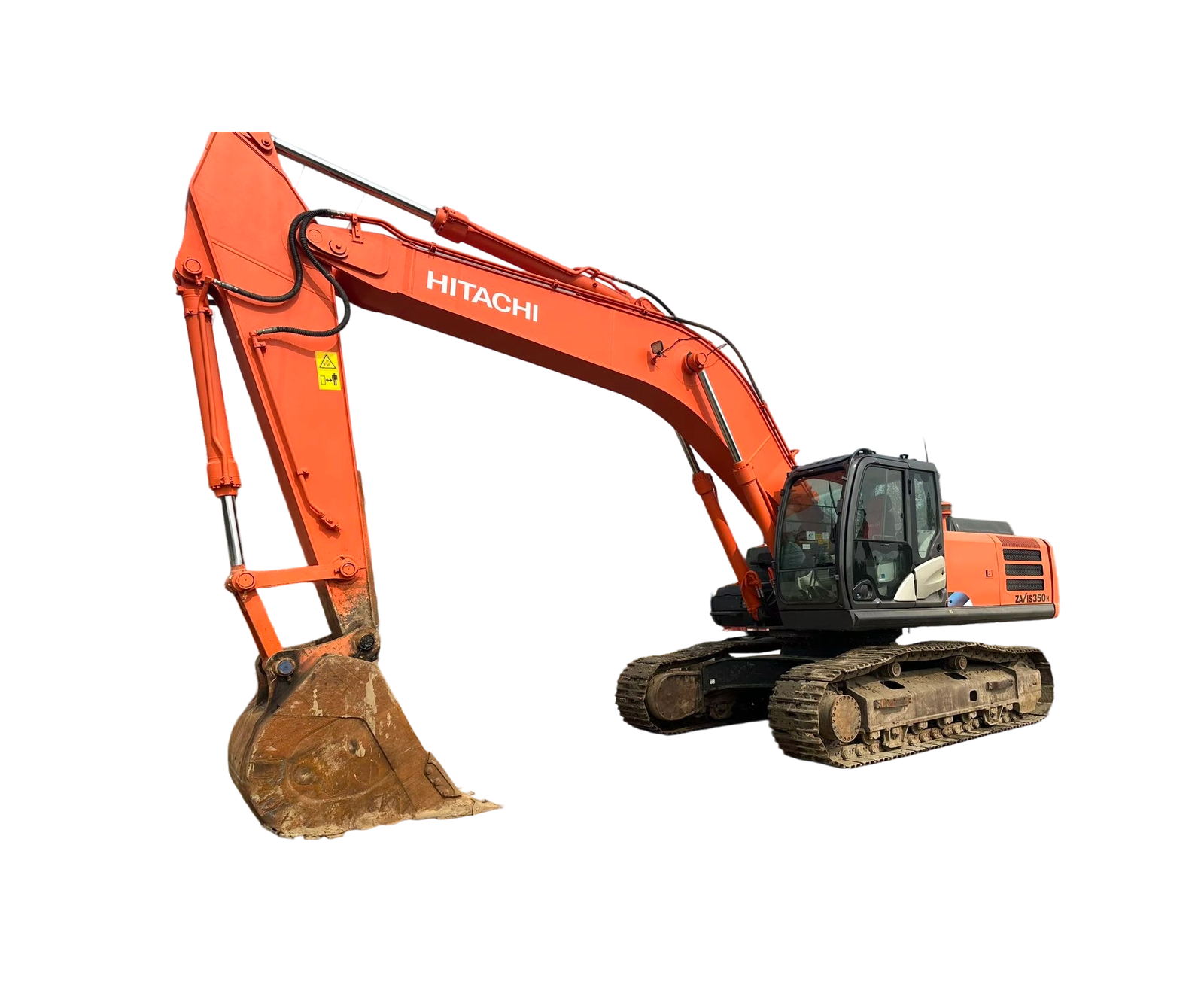
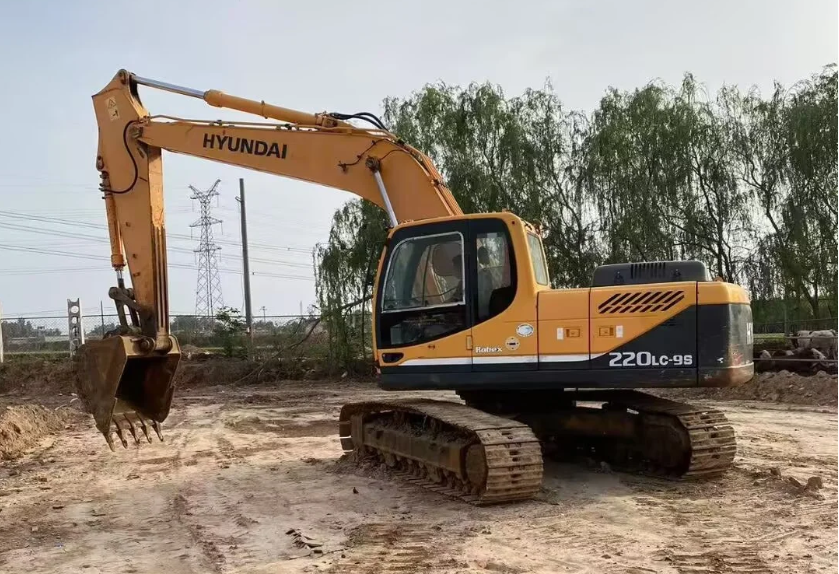
In busy urban construction zones, one contractor used a second-hand 20-ton excavator to manage tight excavation schedules. By carefully selecting a well-maintained machine, they minimized project delays and maintained consistent workflow, proving that older equipment could perform alongside newer models when properly maintained.
Rural Infrastructure Development
A contractor working on rural road construction invested in two pre-owned excavators. The cost savings allowed them to acquire additional attachments, enabling faster earthmoving and site preparation. By balancing machine selection with project needs, they delivered infrastructure improvements on time and within budget.
Landscaping and Site Preparation
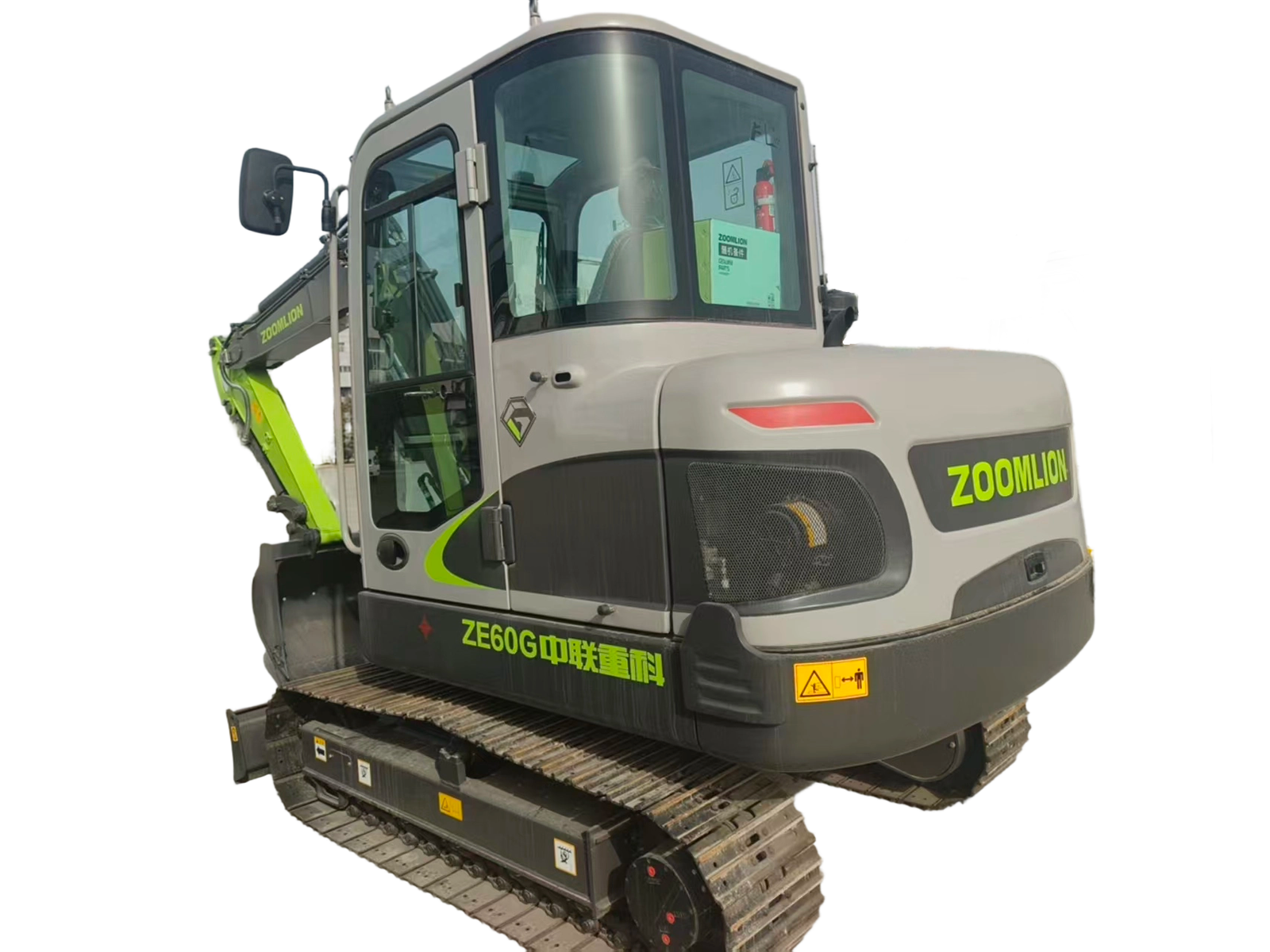
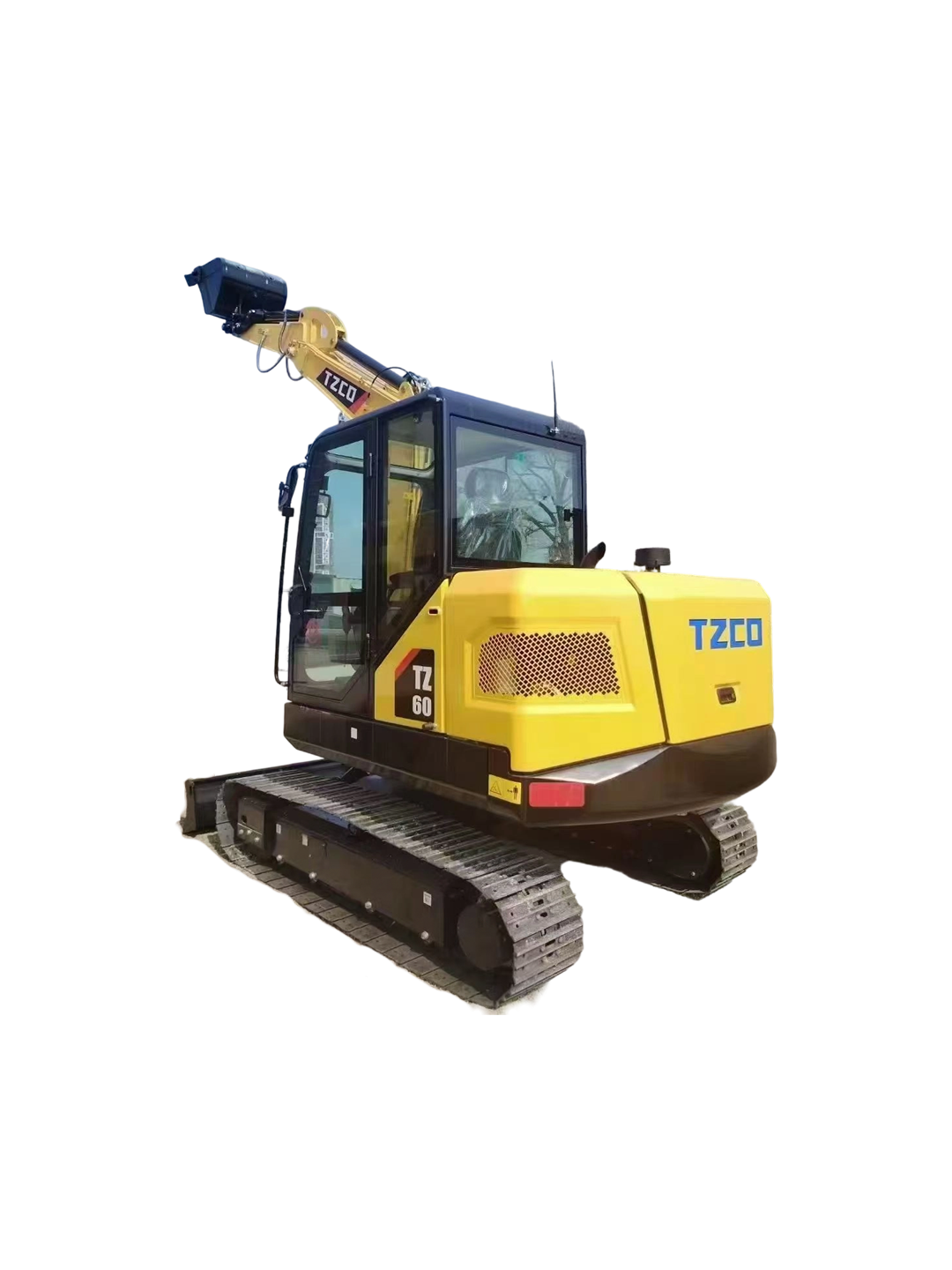
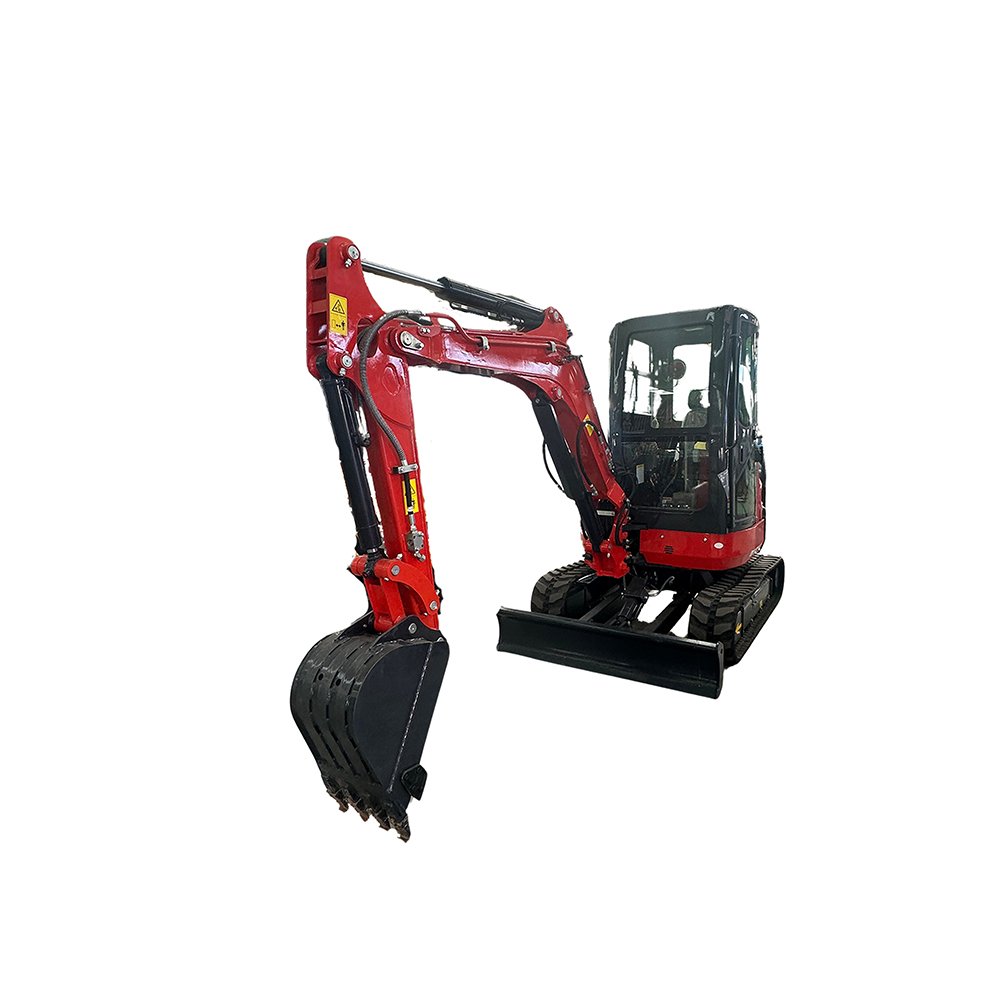
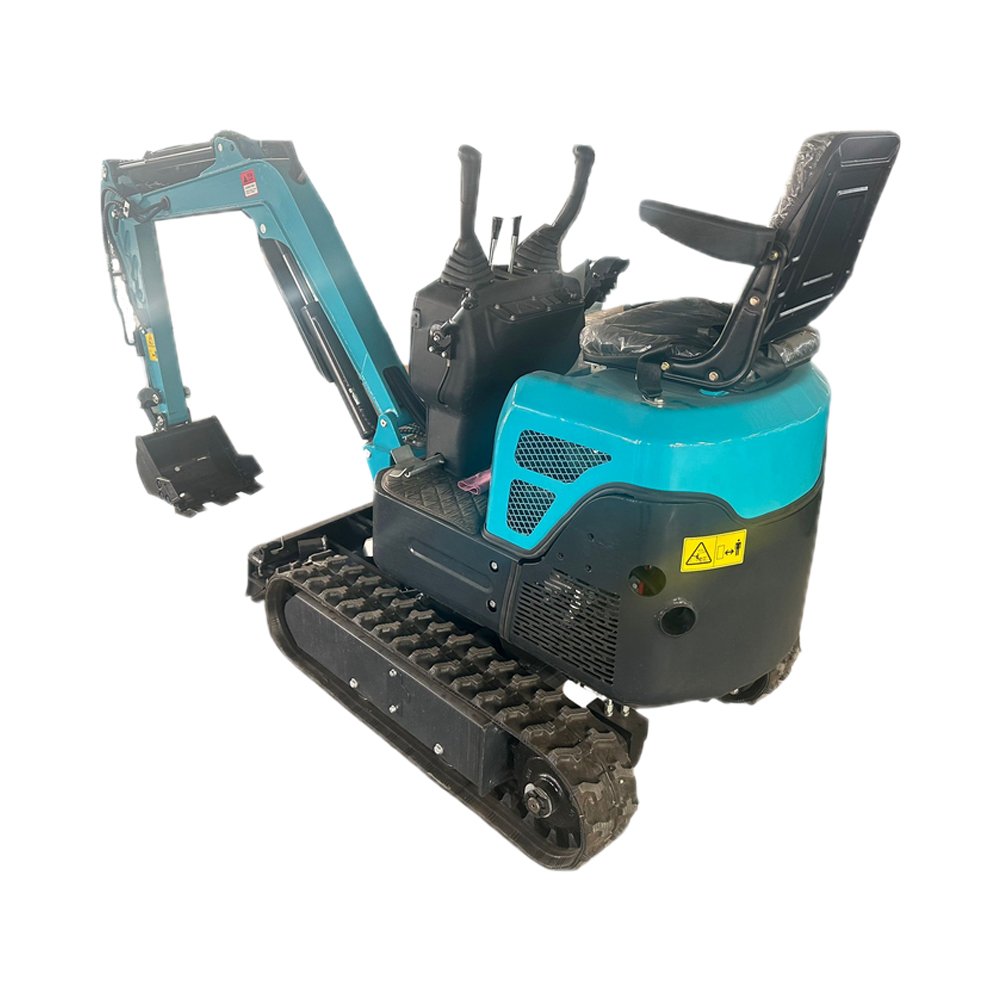
In the landscaping sector, contractors often face fluctuating workloads. One landscaping firm purchased a second-hand mini-excavator to handle small-scale projects efficiently. The machine’s compact design and low operating hours allowed for precise work in residential spaces, demonstrating how pre-owned equipment can be tailored to niche applications.
Maintenance and Longevity
Successful contractors emphasize that maintenance is key to maximizing the value of second-hand excavators.
- Regular Inspections – Daily and weekly checks of hydraulic systems, engine performance, and tracks prevent minor issues from becoming costly problems.
- Scheduled Servicing – Following manufacturer-recommended maintenance intervals ensures consistent operation and prolongs machine life.
- Operator Training – Skilled operators reduce wear and tear by using machines correctly, even when working with older equipment.
- Documentation – Maintaining a record of repairs and parts replacement helps track performance trends and anticipate future needs.
By combining these practices, contractors keep their second-hand excavators in top condition, achieving results similar to new machinery at a fraction of the cost.
Financial and Operational Benefits
Using second-hand excavators delivers measurable advantages:
- Reduced Capital Expenditure – Lower upfront costs allow businesses to invest in workforce development, site technology, or additional equipment.
- Faster ROI – With cost savings and reliable operation, contractors often see a quicker return on investment compared to purchasing new machines.
- Fleet Flexibility – Pre-owned equipment can be rotated between projects, accommodating variable workload demands.
- Sustainable Practices – Reusing equipment contributes to environmental sustainability by extending the lifecycle of machinery and reducing manufacturing impact.
Smart contractors recognize that these benefits are amplified when combined with strategic planning, skilled operators, and effective project management.
Leveraging Technology with Second-Hand Machines
In 2026, even second-hand excavators can be equipped with advanced technology such as GPS, telematics, and automated reporting systems. Contractors increasingly integrate these tools to monitor performance, track machine utilization, and optimize workflows.
Telematics systems can report fuel efficiency, operating hours, and maintenance alerts, ensuring that even older machines remain productive and cost-effective.
Lessons Learned from Experienced Contractors
The most successful contractors emphasize the following lessons:
- Research First – Understand the market for used equipment, evaluate multiple options, and verify seller credibility.
- Inspect Thoroughly – Conduct detailed inspections or hire professional evaluators before purchase.
- Plan for Maintenance – Include servicing and parts replacement in budgeting and scheduling.
- Train Operators – Well-trained operators maximize machine efficiency and safety.
- Match Equipment to Projects – Consider project size, soil type, accessibility, and workload when selecting machines.
These principles enable contractors to leverage second-hand excavators effectively while mitigating risks.
Second-hand excavators are no longer simply cost-saving alternatives; they are strategic assets for smart contractors. By carefully selecting machines, maintaining them properly, and integrating technology, contractors have achieved remarkable efficiency, flexibility, and project success.
From urban construction and rural infrastructure to landscaping projects, stories of smart contractors highlight how pre-owned equipment can be transformed into reliable and productive tools. In 2026 and beyond, strategic use of second-hand excavators remains a testament to practical decision-making, operational intelligence, and the pursuit of excellence in the construction industry.