








Industry News
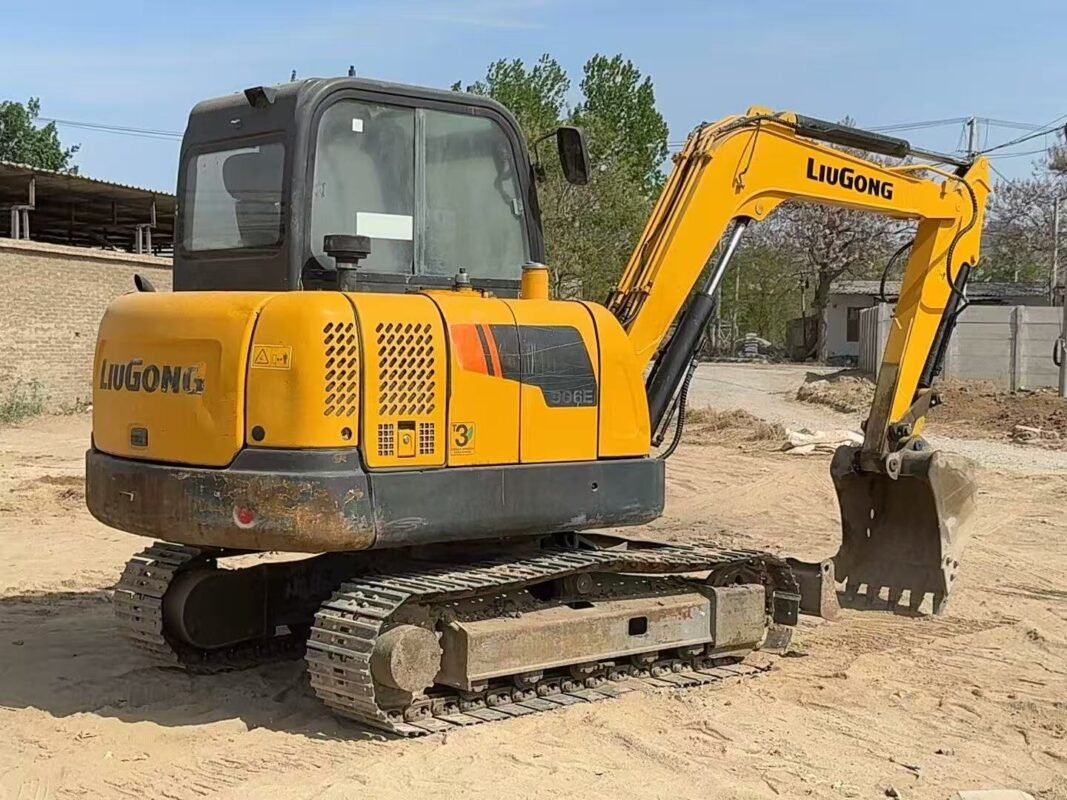
Various Models of Second-Hand Diggers for Sale to Meet Your Needs
Jun
Construction projects, landscaping, and excavation work often require versatile and powerful machinery. Diggers, also known as excavators, are essential equipment for these applications. However, purchasing brand-new machines can be a significant investment, especially for small to medium-sized businesses or individual contractors. Second-hand diggers provide a practical and cost-effective solution, allowing buyers to access reliable equipment without exceeding their budget.
With a wide range of models available, second-hand diggers can cater to different project scales, site conditions, and operational needs. Whether for heavy-duty construction, small-scale landscaping, or specialized excavation tasks, there is a suitable machine for every requirement.
Benefits of Choosing Second-Hand Diggers
Second-hand diggers offer several advantages beyond cost savings. Buyers can access equipment that has already been tested in real-world conditions, providing insight into its performance and reliability. Well-maintained machines often have many years of service life remaining and are equipped with proven technology.
Additional benefits include:
- Immediate availability without long manufacturing lead times
- Potential access to higher-spec models within budget
- Reduced depreciation compared to new machinery
- Availability of spare parts and service documentation
- Flexibility to choose machines for specific project needs
By carefully selecting second-hand diggers, buyers can balance affordability, reliability, and functionality for their projects.
Understanding Different Models
Second-hand diggers come in various sizes, capacities, and configurations to meet diverse requirements. Common categories include:
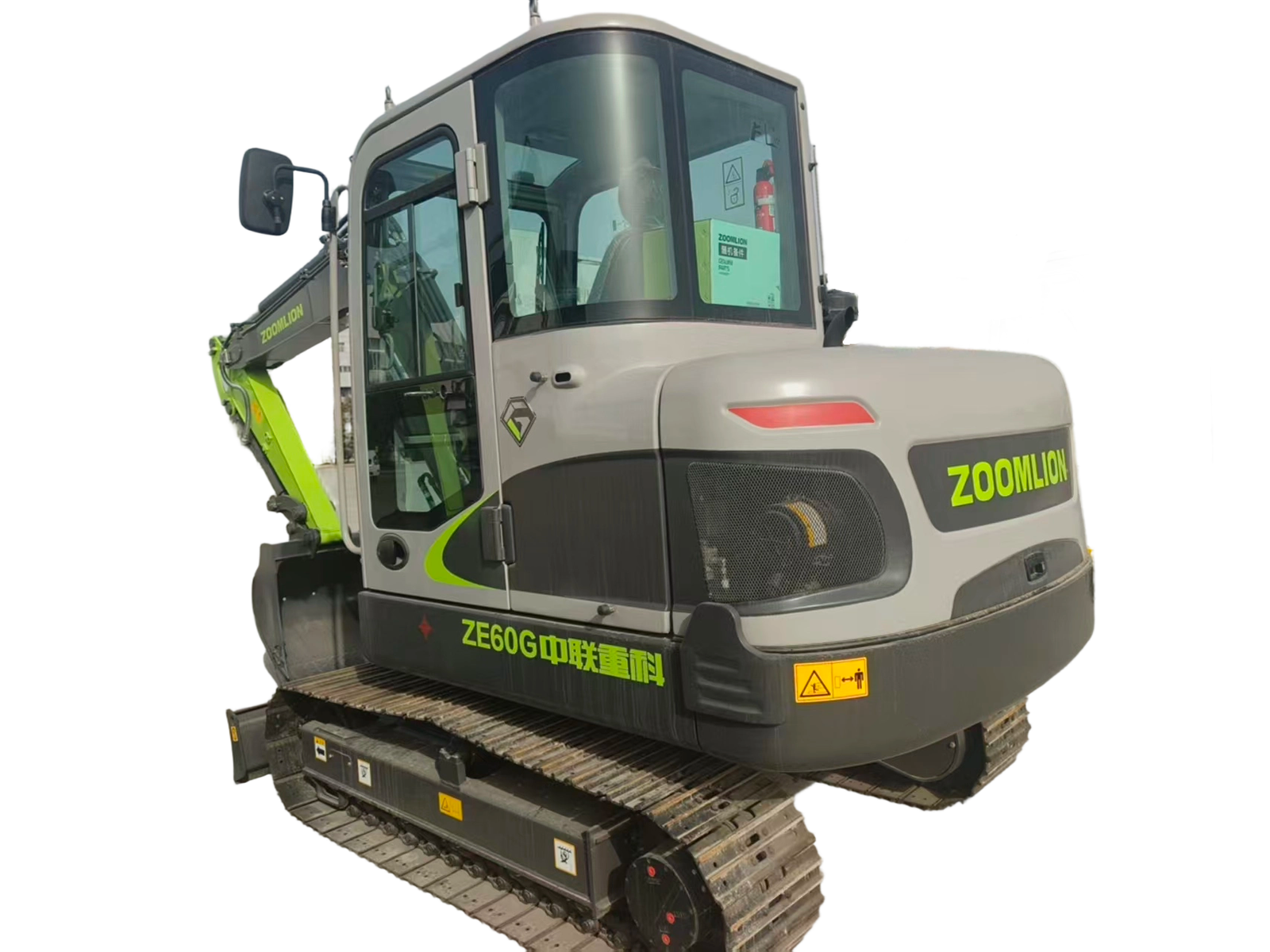
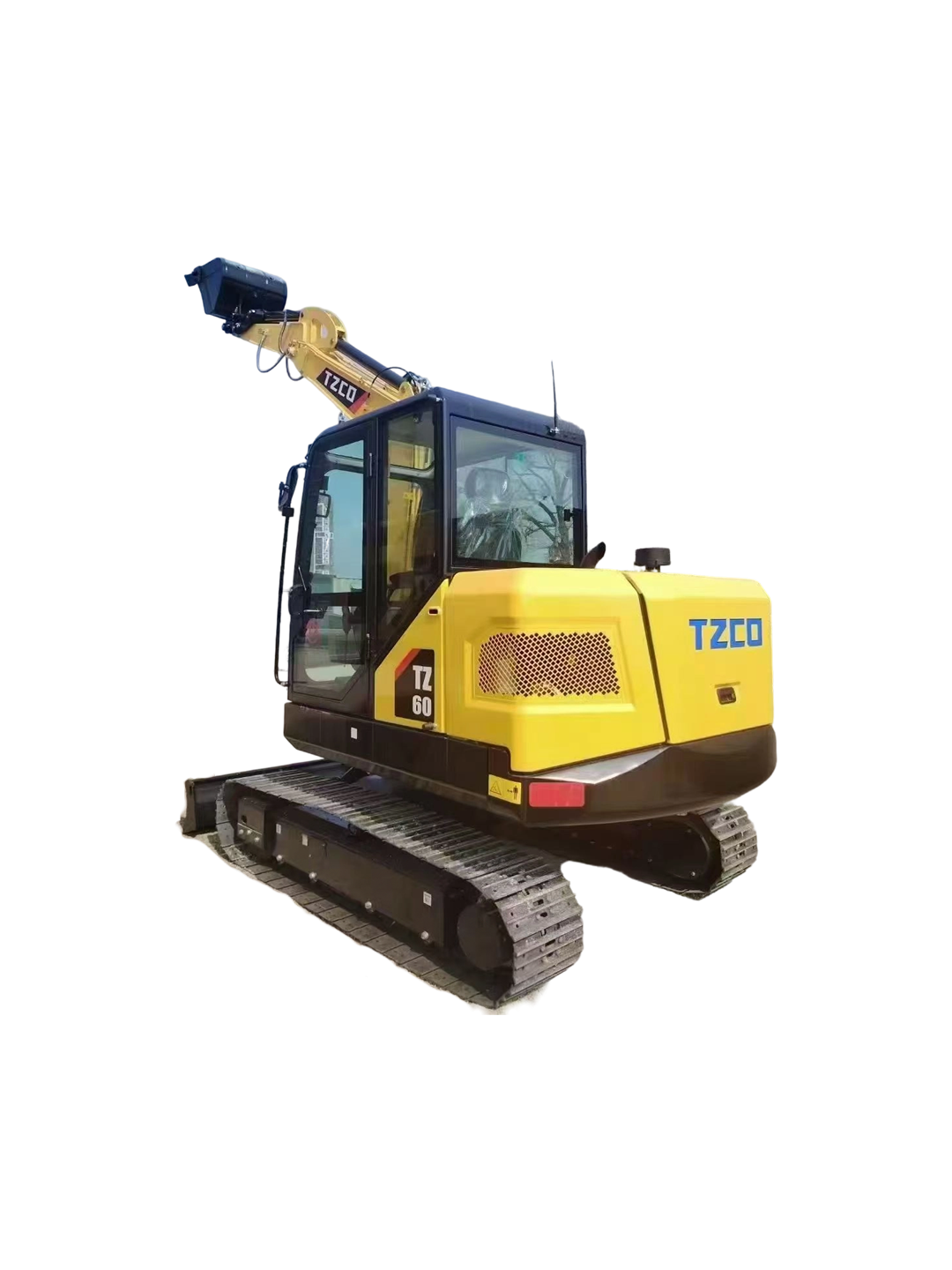
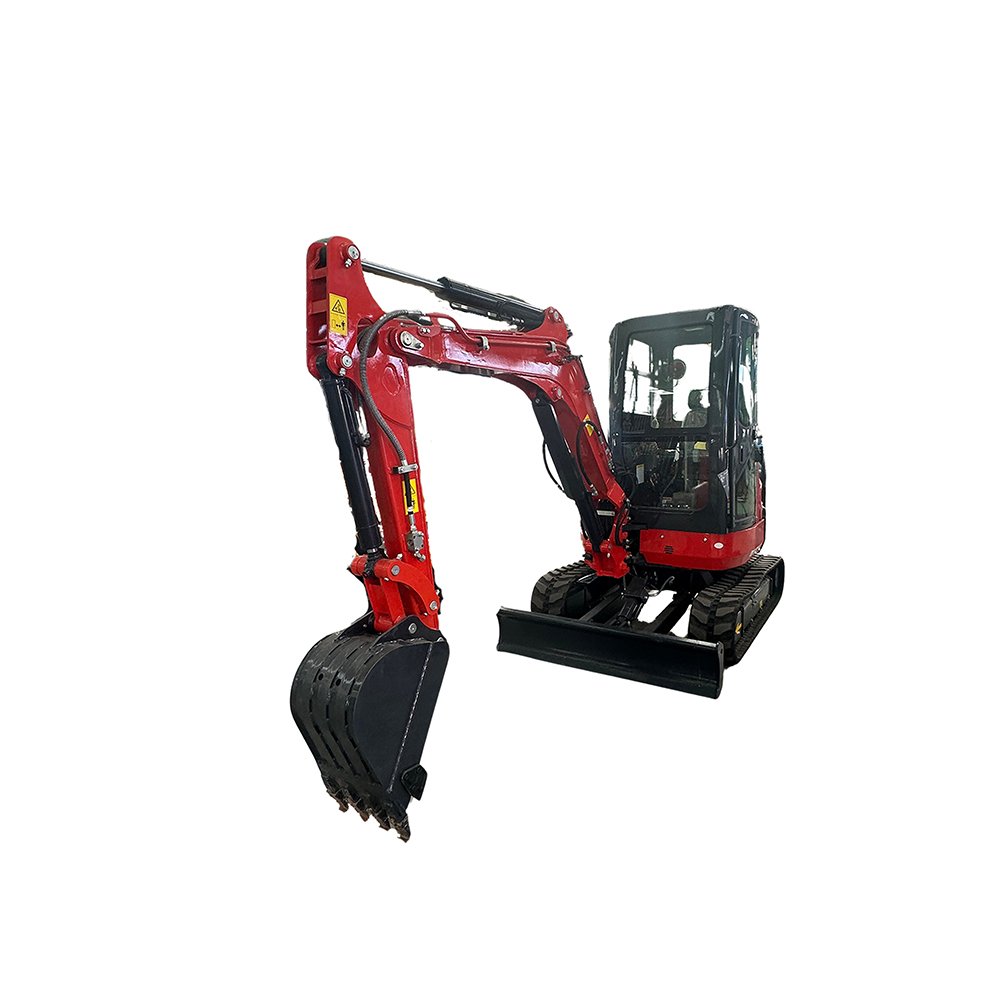
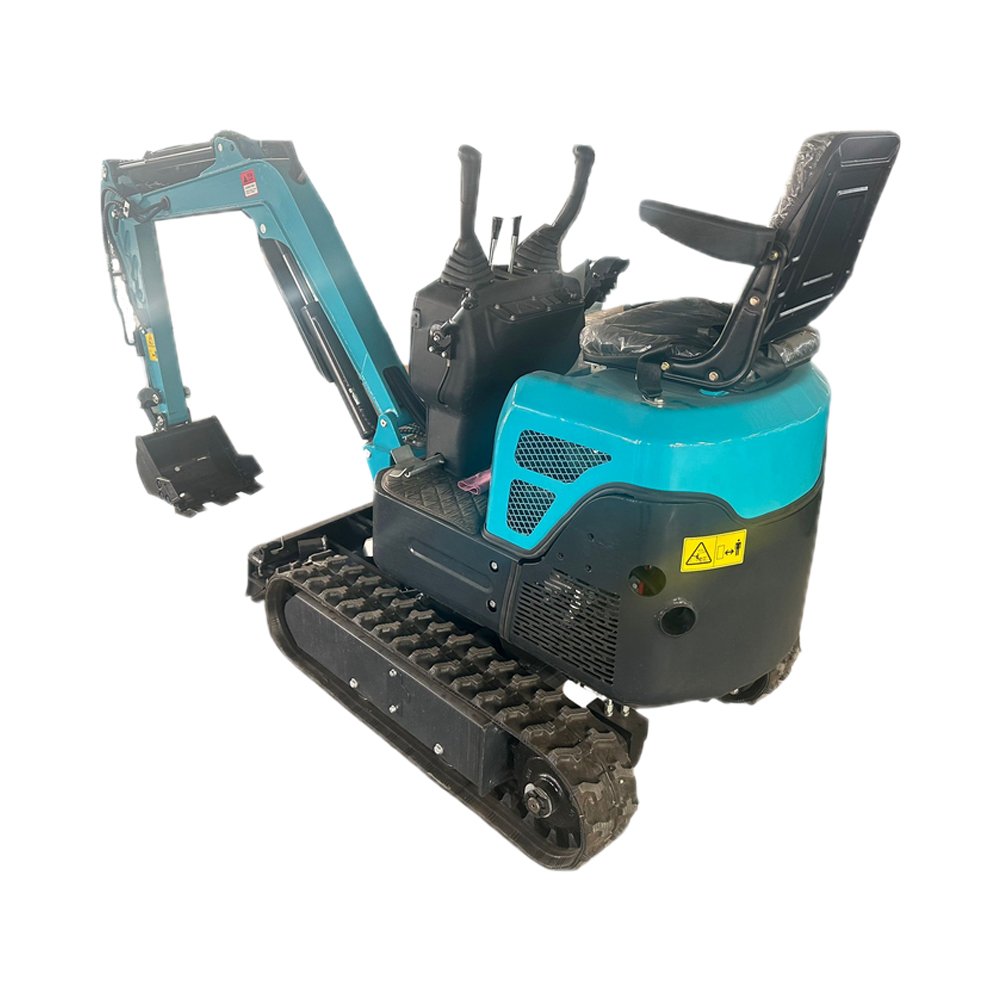
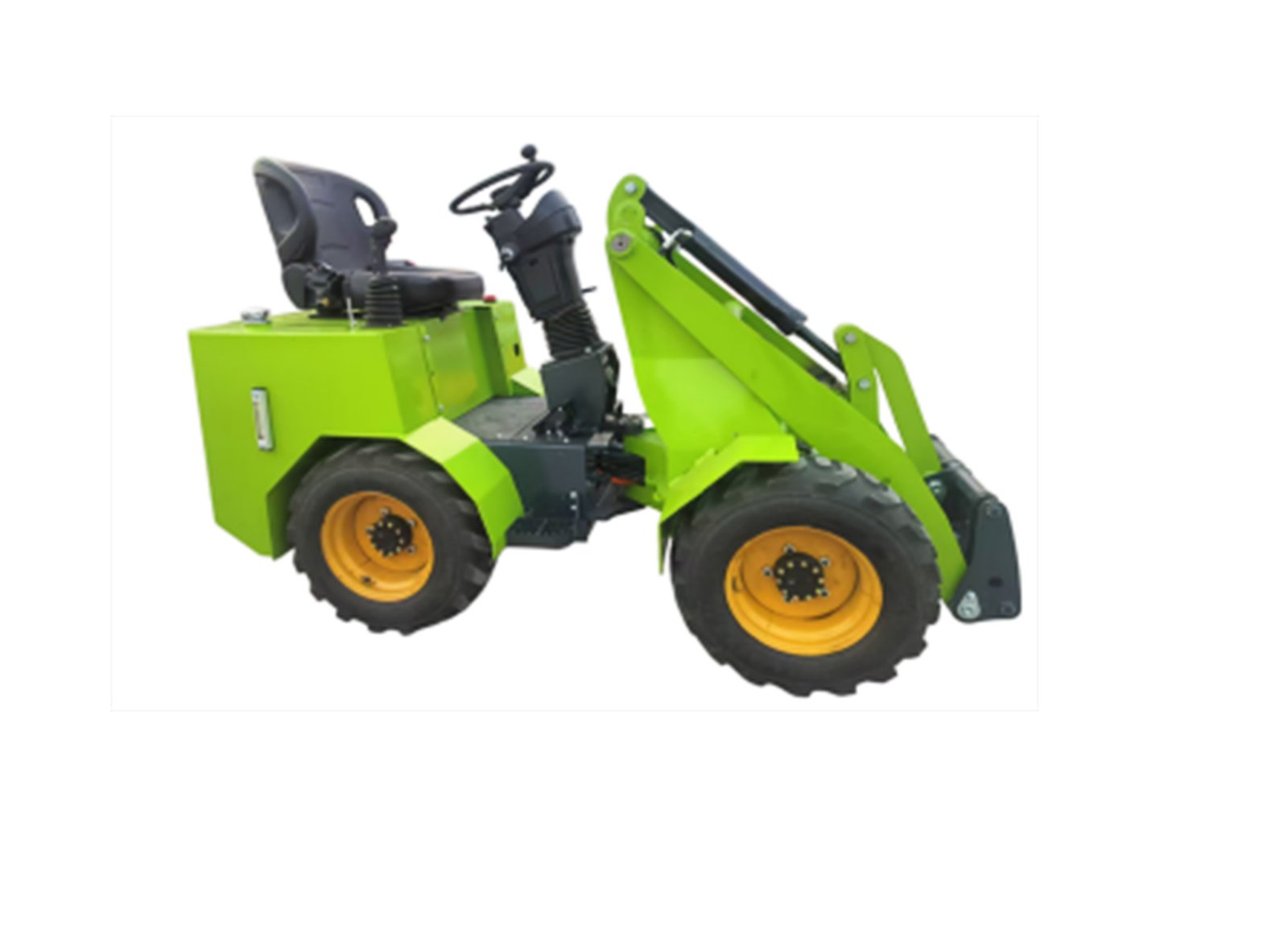
- Mini Excavators: Compact and versatile, ideal for landscaping, small construction sites, and tight urban areas. They offer excellent maneuverability while maintaining sufficient digging power.
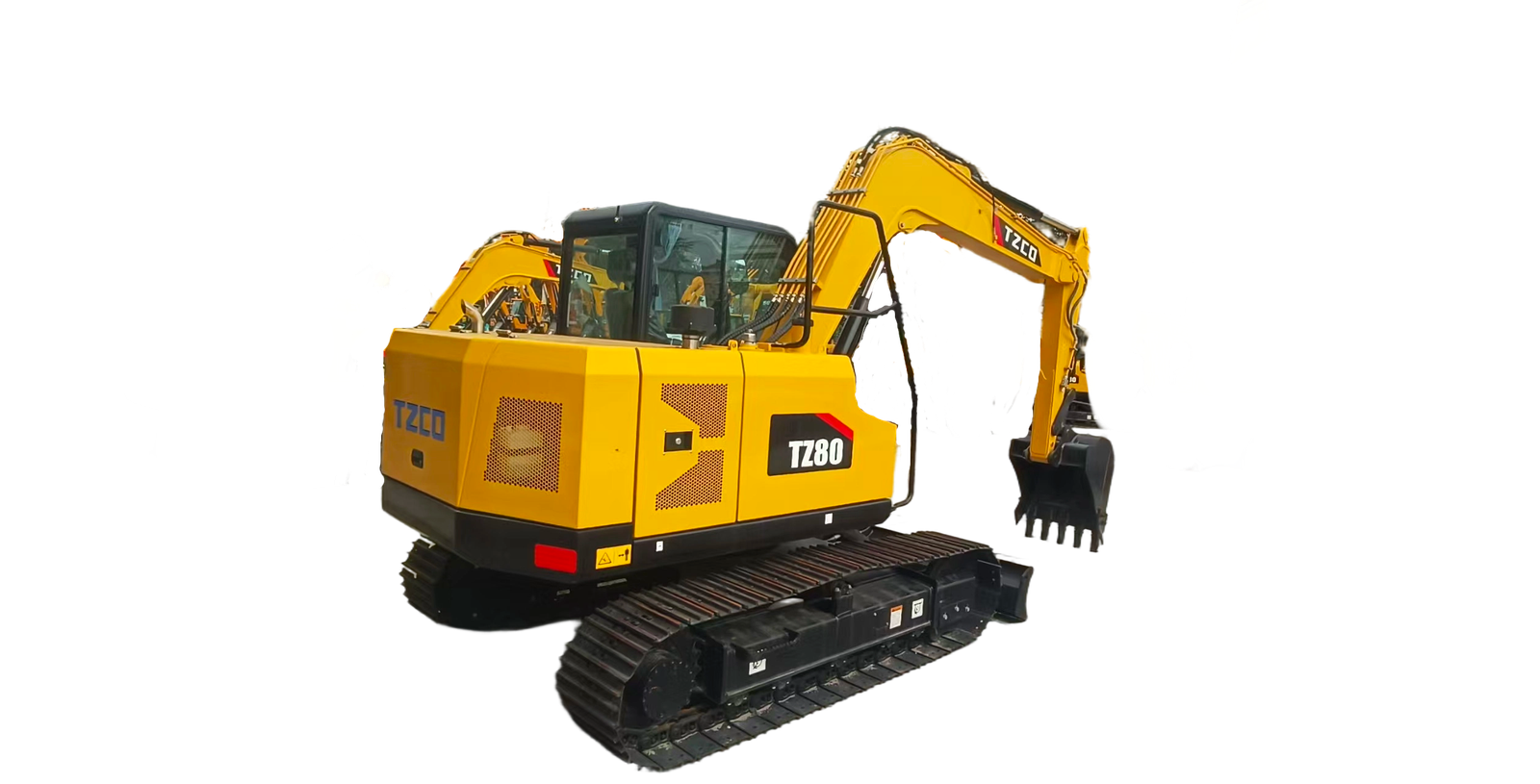
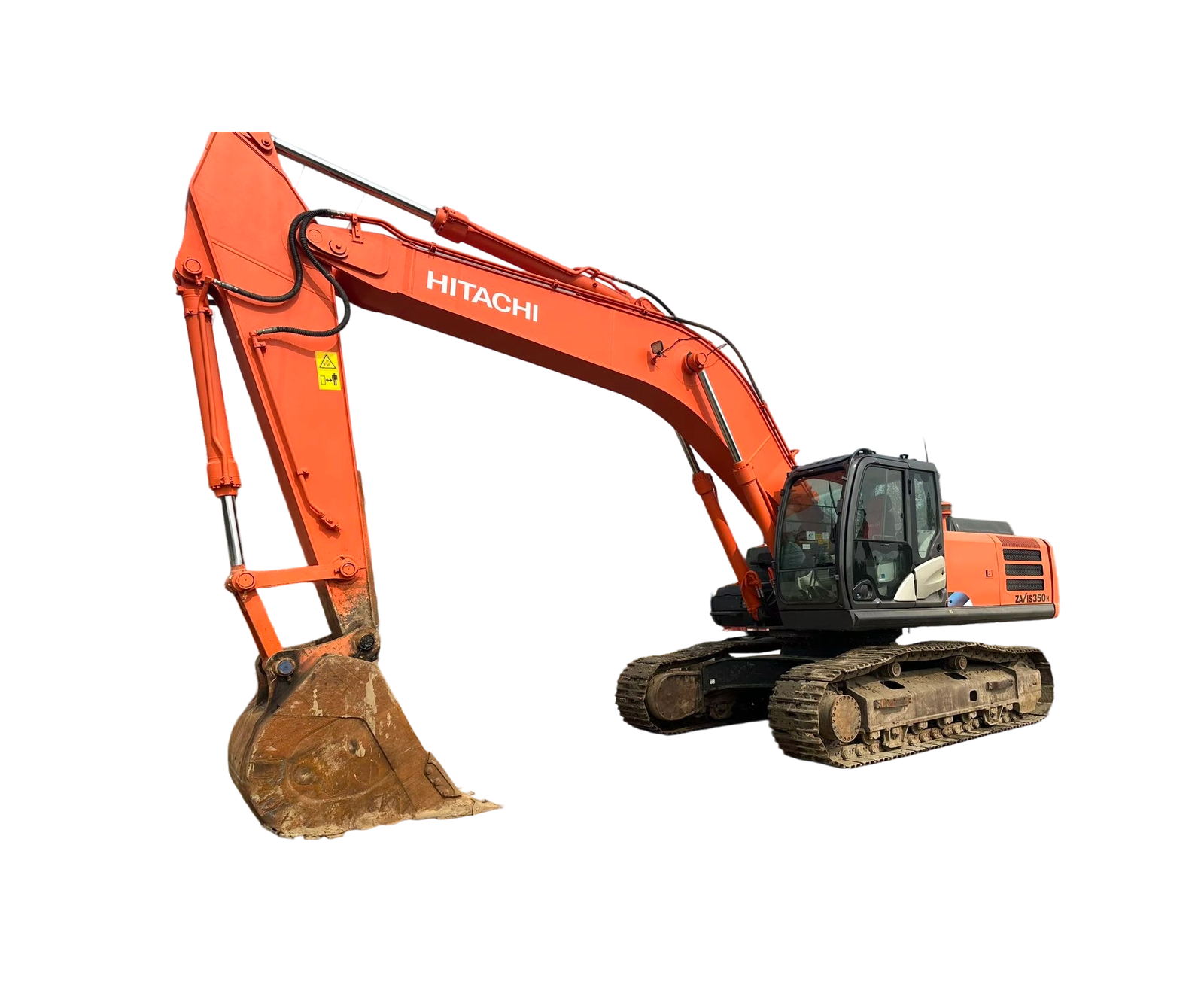
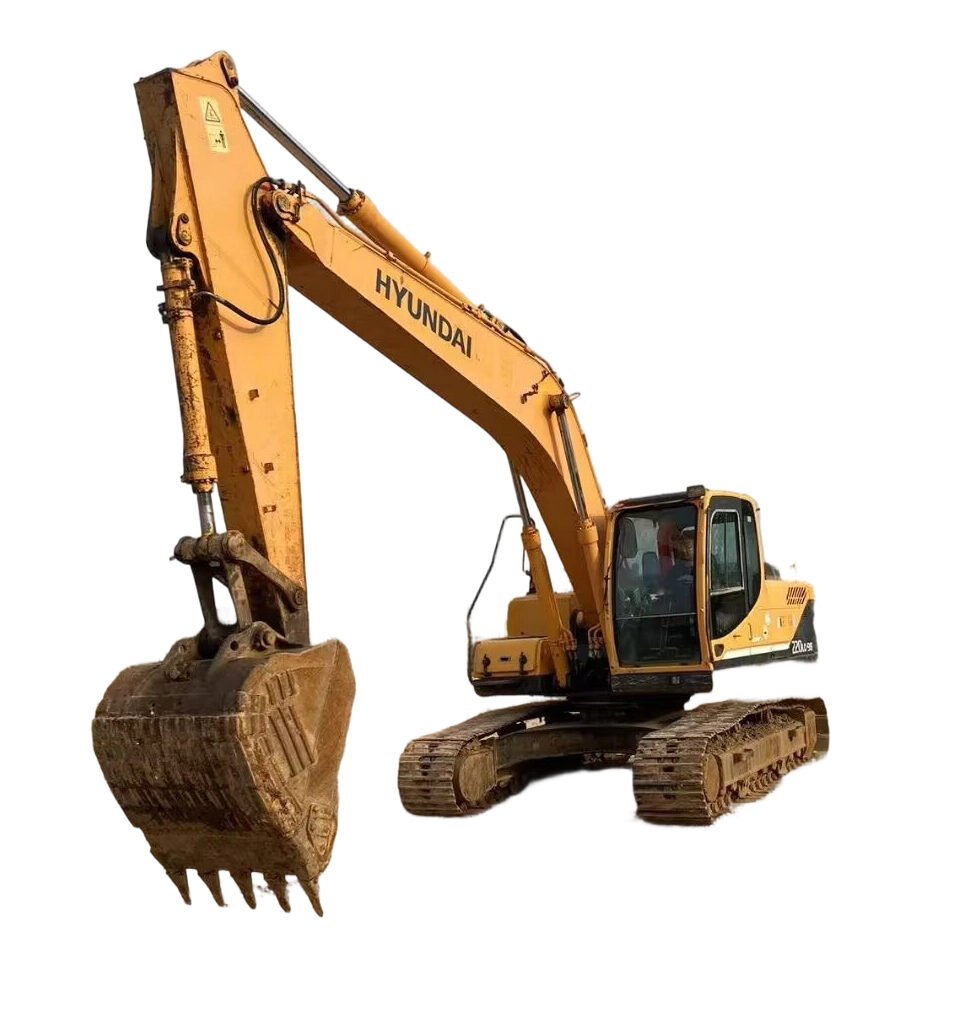
- Standard Excavators: Medium-sized machines suitable for a wide range of construction and excavation tasks. They provide a balance between power and mobility, making them suitable for most general applications.
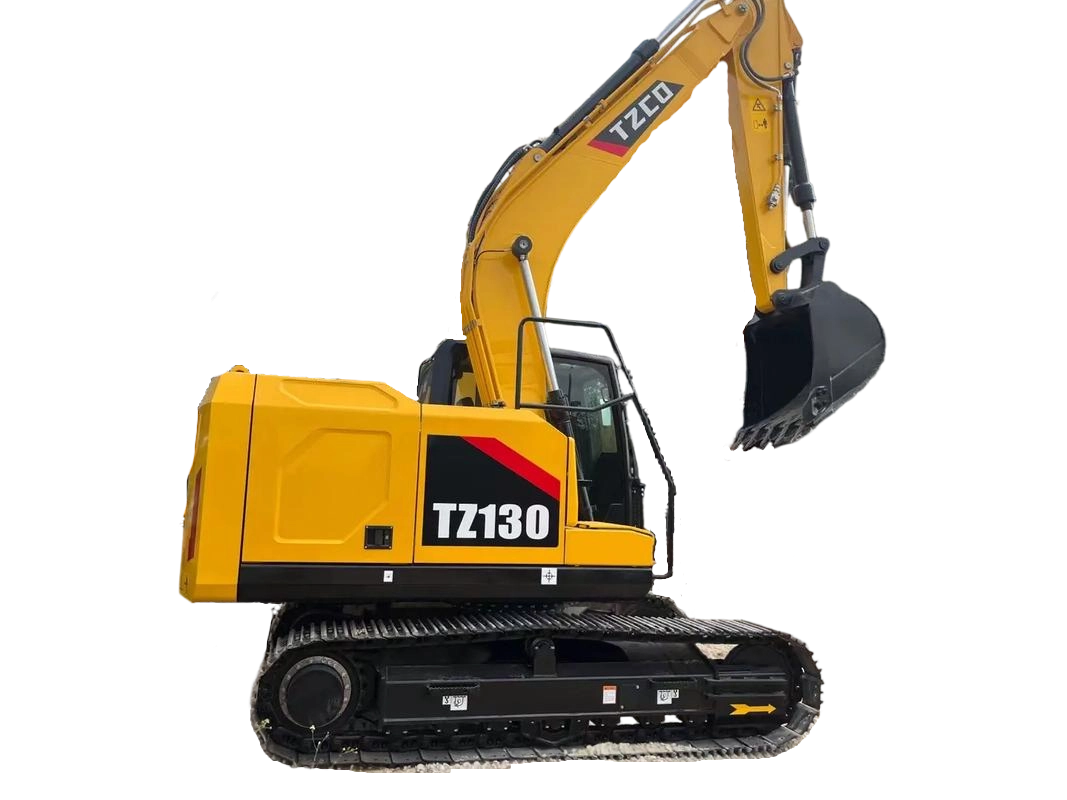
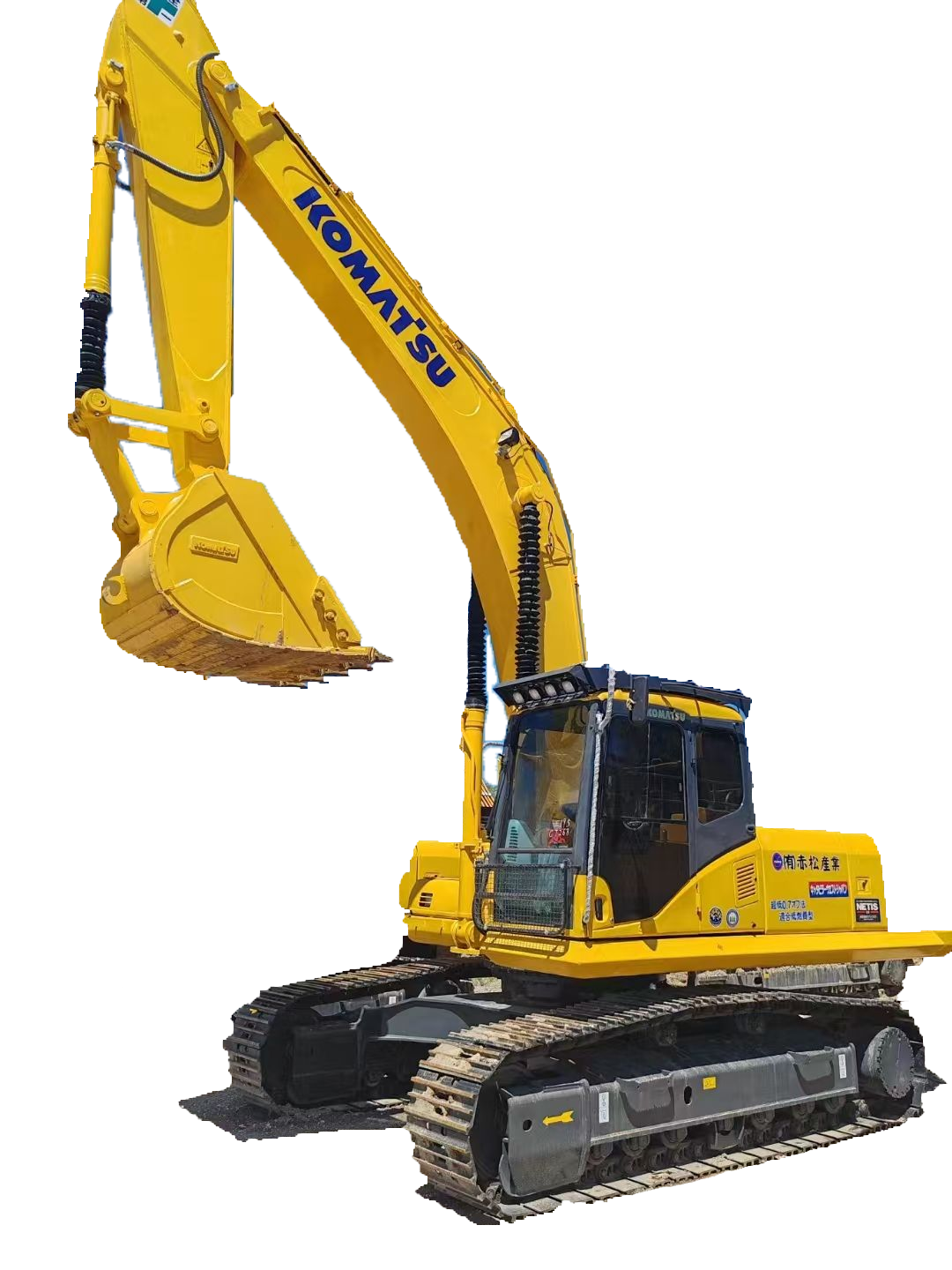
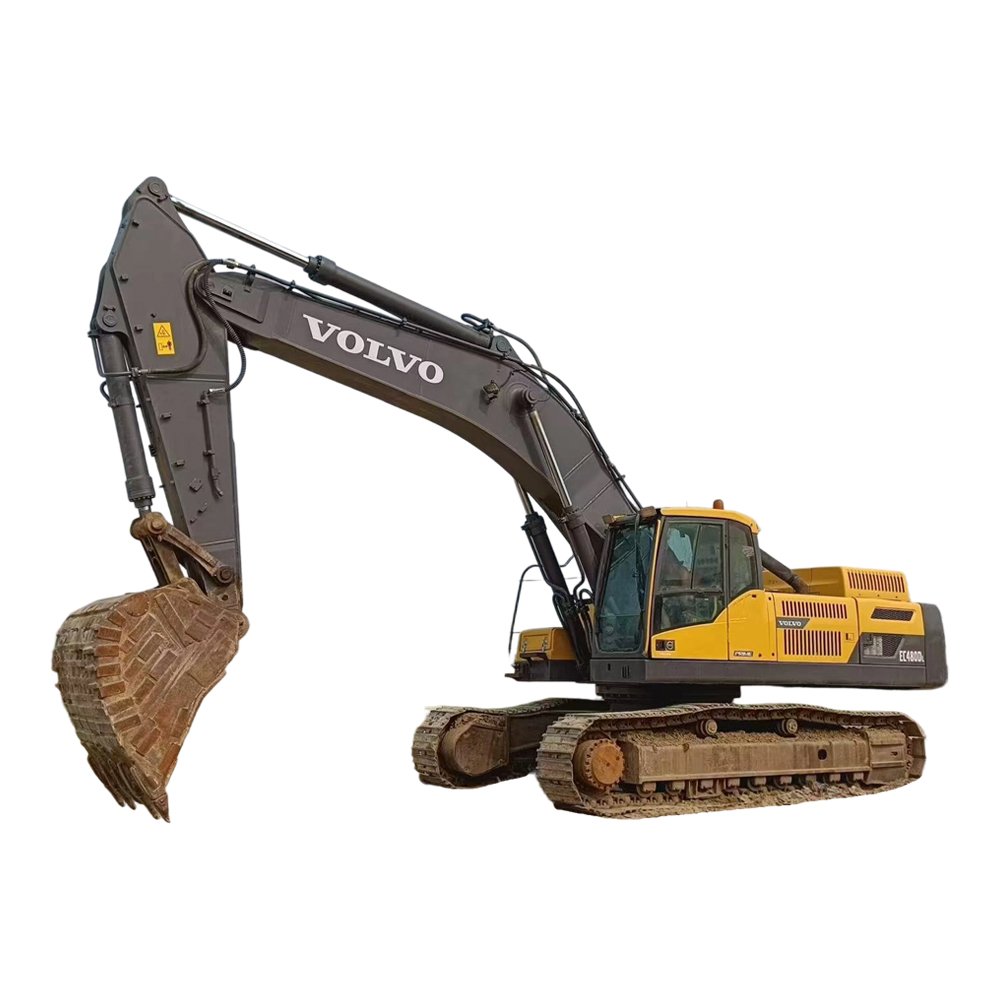
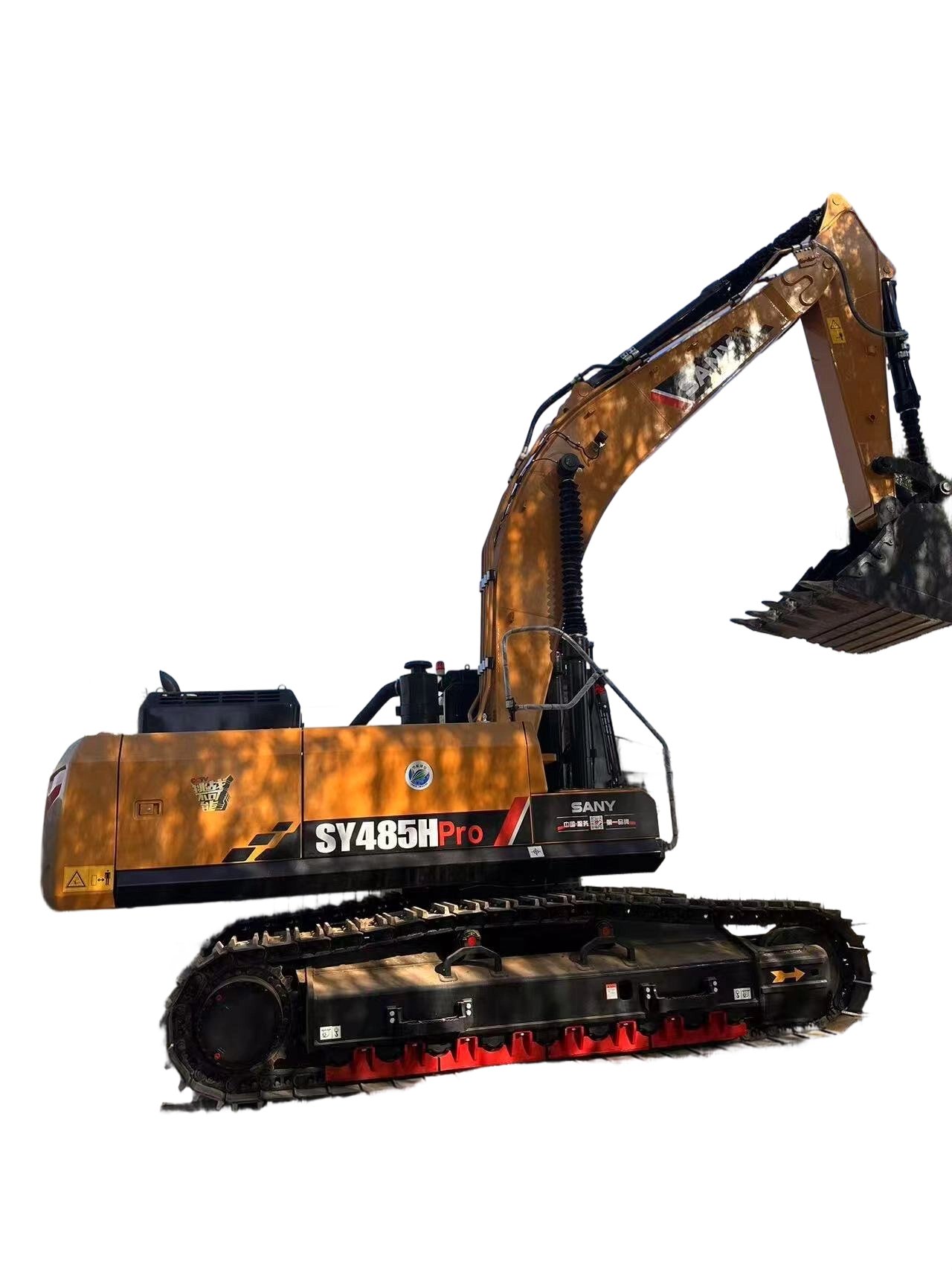
- Large Excavators: High-capacity machines designed for heavy-duty construction, mining, and large-scale earthmoving projects. They can handle demanding workloads efficiently and effectively.
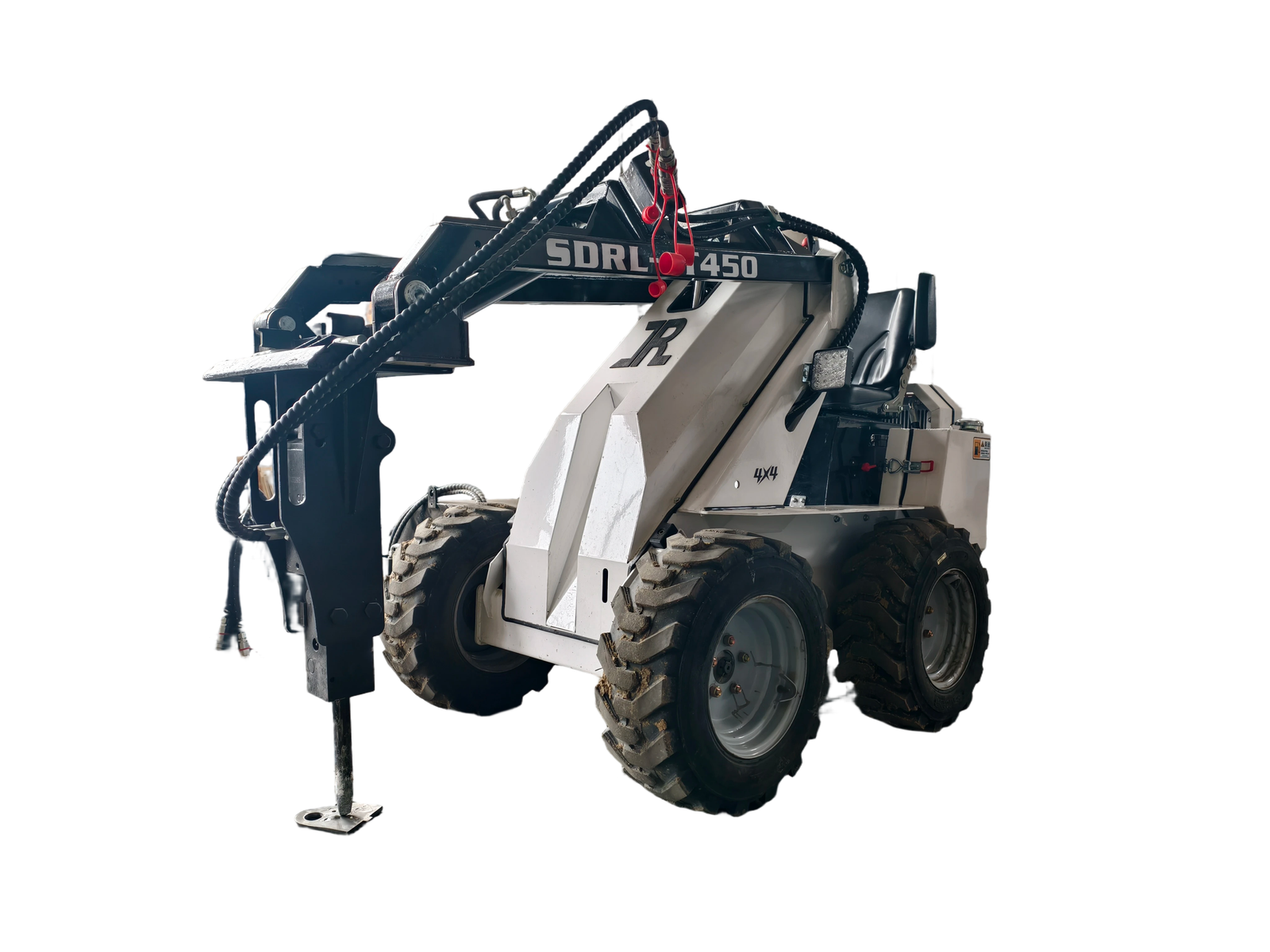
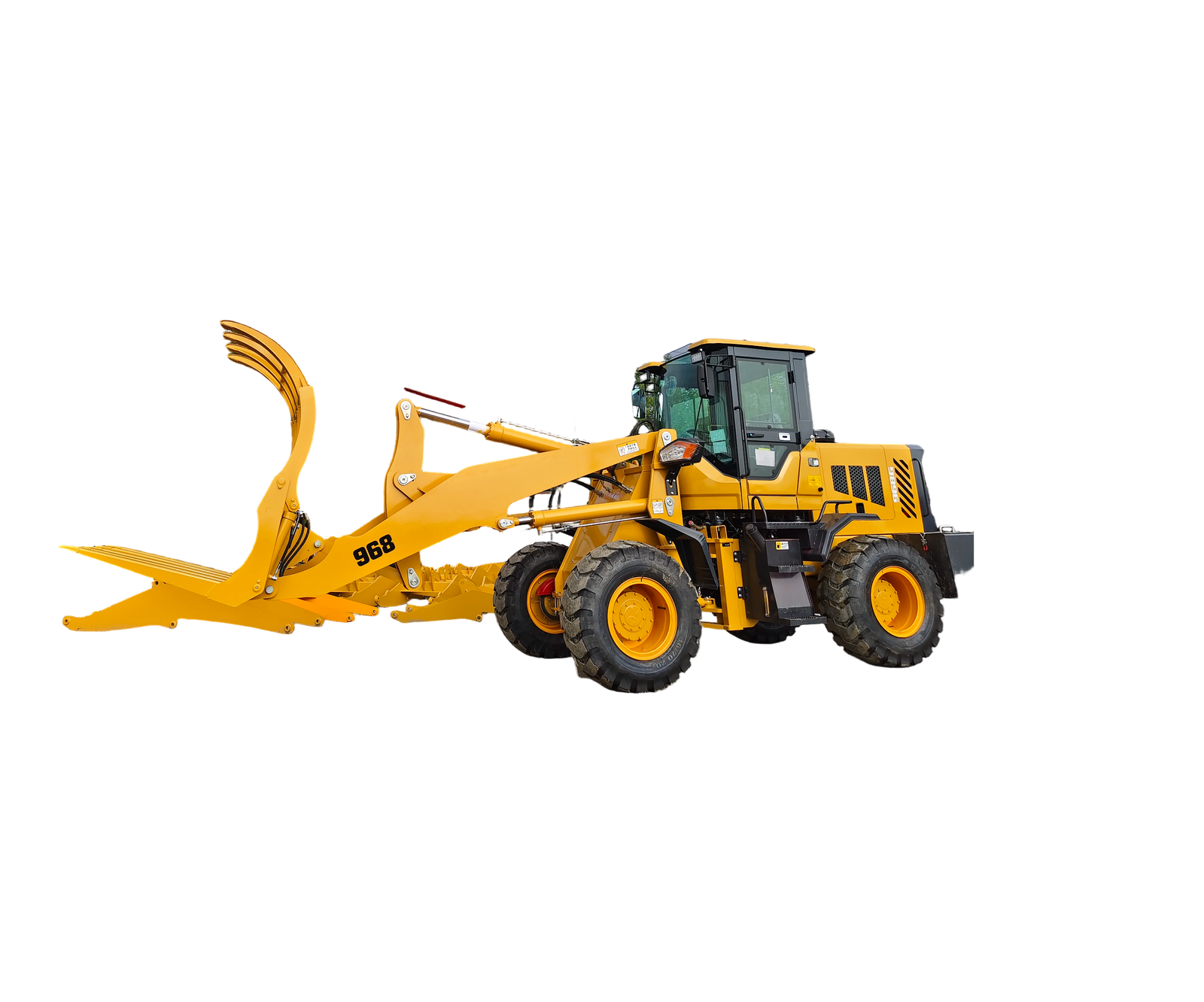
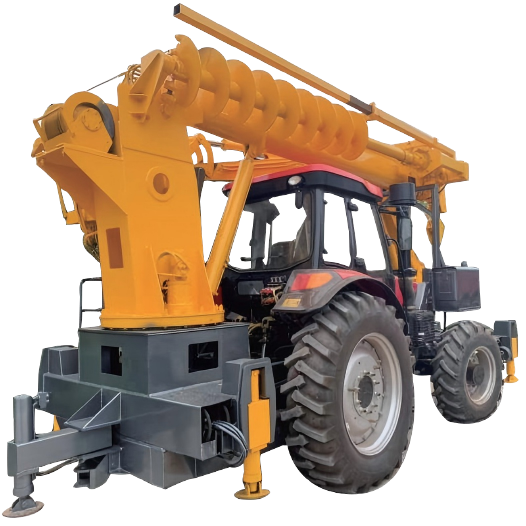
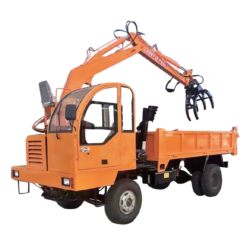
- Specialized Excavators: Designed for particular tasks, such as demolition, trenching, or material handling. These models may include attachments like grapples, breakers, or augers.
Understanding the capabilities of each model helps buyers select the machine that best fits their operational requirements.
Inspecting Second-Hand Equipment
When considering a second-hand digger, thorough inspection is crucial. Evaluating the machine’s condition ensures long-term reliability and performance. Key aspects to inspect include:
- Engine and hydraulic system performance
- Undercarriage wear and track condition
- Operational controls and electronics
- Boom, arm, and bucket integrity
- Maintenance records and service history
Professional inspection services are available to assess second-hand diggers objectively. This step helps identify potential issues and provides buyers with confidence in their purchase.
Advantages for Small Businesses and Contractors
Second-hand diggers are particularly advantageous for small businesses and independent contractors. They provide access to capable machinery without the financial burden of a new purchase, allowing firms to expand their capabilities or take on new projects efficiently.
Other practical advantages include:
- Lower insurance premiums due to lower machine value
- Flexibility to test different machine types before committing to a long-term investment
- Opportunity to upgrade gradually as projects and revenue grow
- Easier integration into existing fleets and workflows
By selecting the right second-hand digger, small operators can remain competitive in a demanding market.
Cost-Effectiveness and Value
Cost efficiency is one of the primary reasons buyers choose second-hand equipment. Used diggers often offer excellent value, especially when purchased from reputable dealers or well-maintained sources. By avoiding the initial depreciation of new machinery, buyers can invest in quality equipment while preserving capital for other operational needs.
Long-term value can also be enhanced through routine maintenance and careful operation, ensuring the machine delivers years of productive service.
Finding Reliable Suppliers
Purchasing second-hand diggers requires selecting a trustworthy supplier. Reputable dealers and platforms provide verified machines with transparent service histories and accurate specifications. Some suppliers may also offer warranties or post-sale support, adding additional security to the purchase.
Factors to consider when choosing a supplier include:
- Reputation and customer reviews
- Availability of detailed service records
- Inspection and certification standards
- After-sales support and spare parts availability
- Range of available models and sizes
A reliable supplier helps buyers make informed decisions, reducing risk and maximizing investment value.
Adapting Machines for Specific Tasks
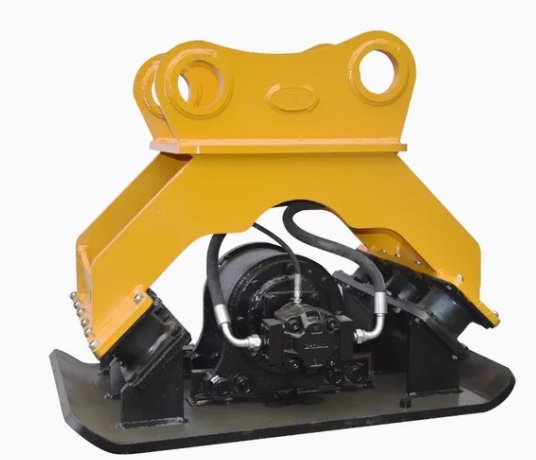
Many second-hand diggers can be customized with attachments or modifications to suit particular project requirements. Common options include:
- Buckets of varying sizes and shapes
- Hydraulic hammers for breaking concrete or rocks
- Grapples for material handling
- Augers for drilling or post-hole digging
- Quick couplers for faster attachment changes
These adaptations enhance the versatility of the digger, allowing a single machine to handle multiple tasks efficiently.
Planning for Maintenance
Proper maintenance is essential for keeping a second-hand digger operating reliably. Routine checks, lubrication, and timely part replacements help extend machine life and ensure consistent performance. Buyers should establish a maintenance plan tailored to their specific machine type and usage patterns.
Benefits of planned maintenance include:
- Reduced downtime
- Improved safety and operational efficiency
- Extended machine lifespan
- Lower long-term repair costs
- Consistent project performance
By integrating a maintenance routine, operators can maximize productivity and investment value.
Various models of second-hand diggers offer practical solutions for construction, landscaping, and excavation projects. By understanding the different types, inspecting equipment carefully, and selecting a reliable supplier, buyers can find machines that meet their needs safely, efficiently, and cost-effectively.
With careful planning, routine maintenance, and the right attachments, second-hand diggers can deliver years of reliable performance, helping businesses and contractors complete projects successfully while preserving capital for other operational priorities.