








Industry News
How to Choose Reliable Used Small Excavators
May
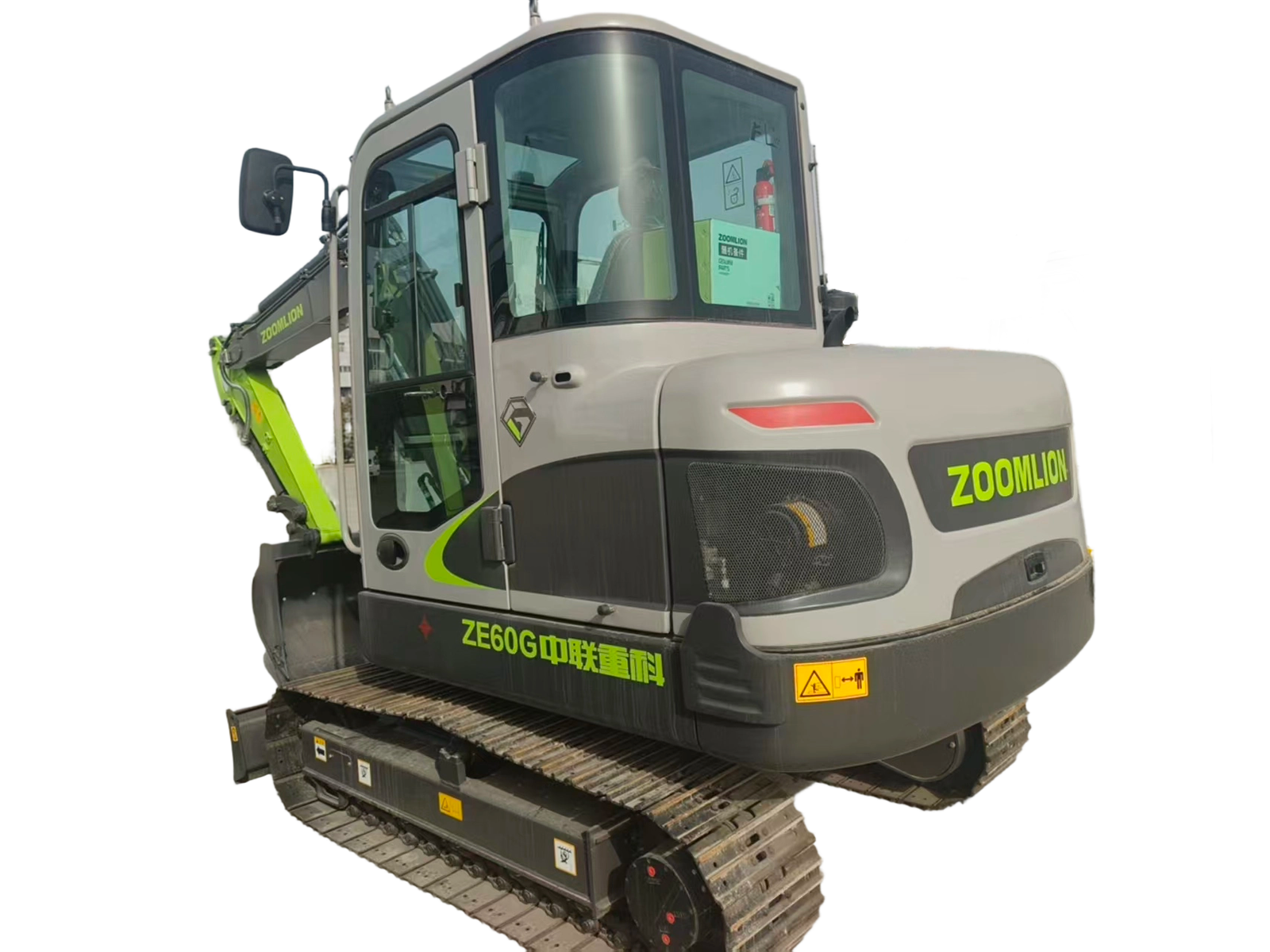
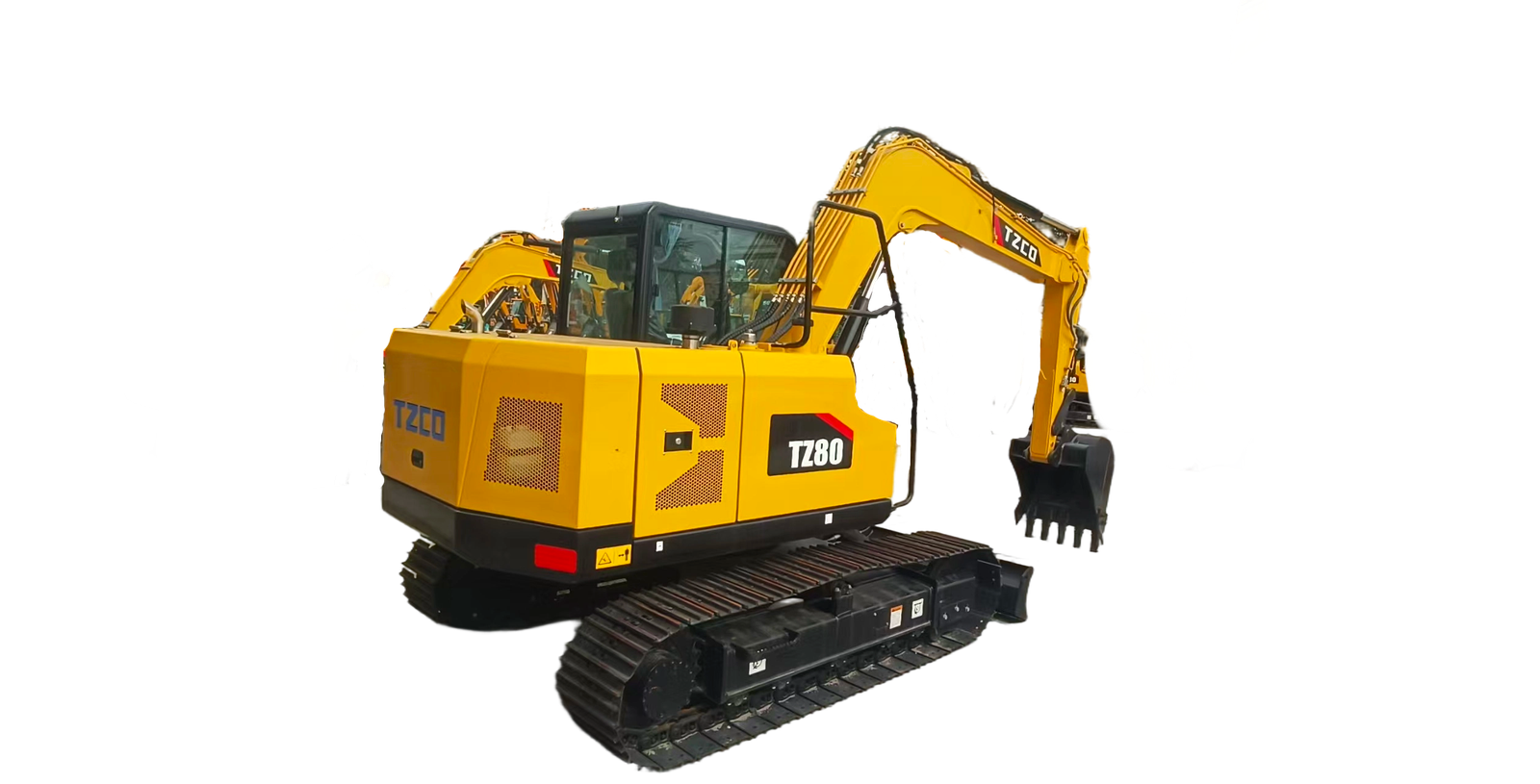
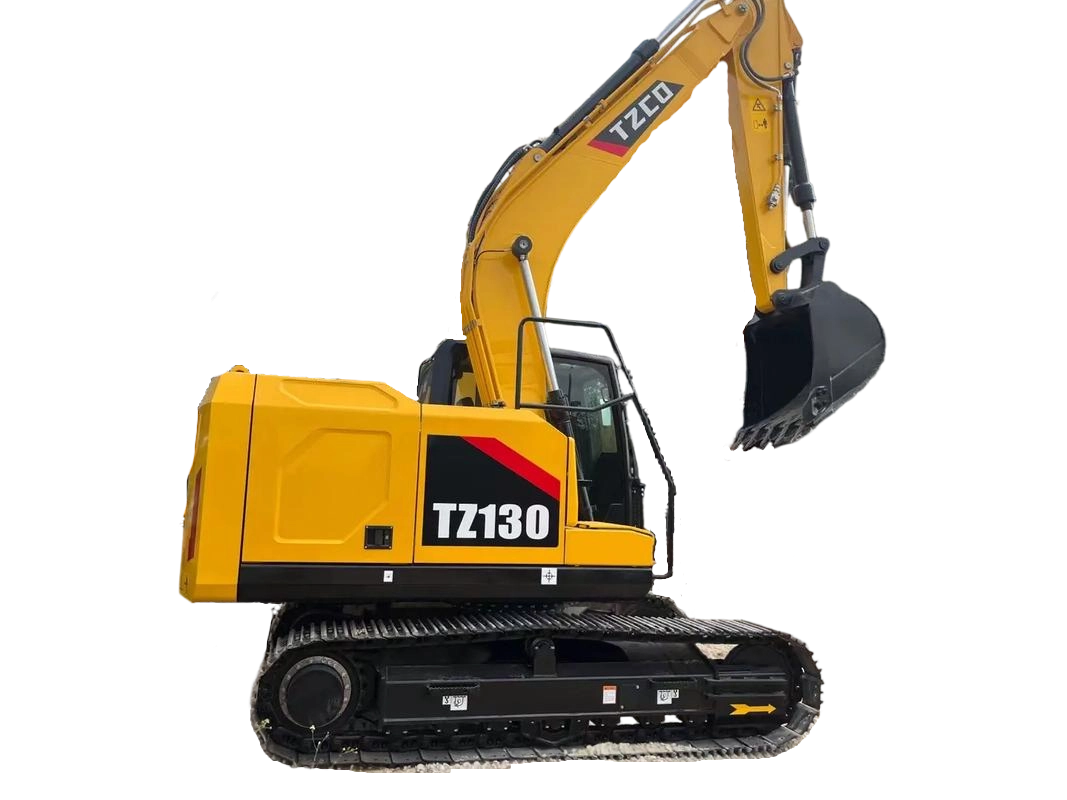
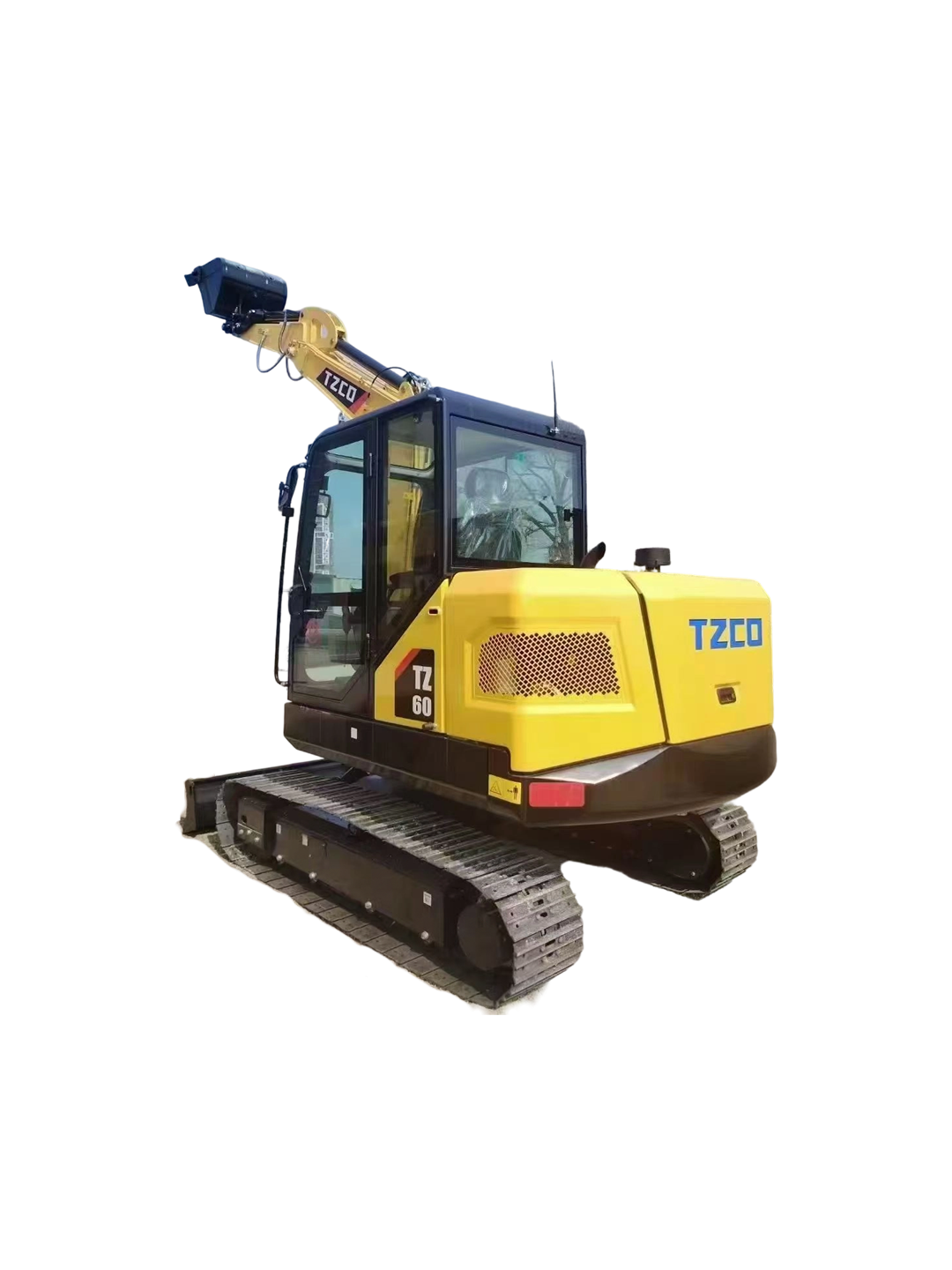
Used small excavators have become a practical and cost-effective solution for contractors, farmers, landscapers, construction companies, and property owners. Their compact size, versatility, and lower investment cost make them highly suitable for a wide range of excavation and earthmoving projects. However, choosing a reliable used small excavator requires careful evaluation of machine condition, performance, maintenance history, and operational requirements.
A well-maintained excavator can provide years of dependable service while helping businesses control equipment costs and improve productivity. Understanding what to inspect and how to compare different machines is essential for making a smart purchasing decision. This guide explains how to choose reliable used small excavators while focusing on performance, durability, efficiency, and long-term value.
Understand Your Project Requirements
Before purchasing a used small excavator, it is important to clearly define the type of work the machine will perform. Different projects require different excavator sizes, attachments, and operating capabilities.
Small excavators are commonly used for:
- Landscaping projects
- Utility installation
- Residential construction
- Agricultural work
- Road maintenance
- Trenching and digging
- Demolition preparation
Understanding your workload helps determine the correct operating weight, digging depth, bucket size, and hydraulic capacity.
For projects in confined spaces, compact mini excavators with zero-tail swing designs may provide better maneuverability. For heavier digging tasks, a larger small excavator with stronger hydraulic power may be more suitable.
Choosing the right machine size improves efficiency and reduces unnecessary operating costs.
Check the Overall Machine Condition
A detailed inspection is one of the most important steps when evaluating a used excavator. The overall physical condition often reflects how the machine was maintained by previous owners.
Key areas to inspect include:
- Boom and arm structure
- Bucket condition
- Weld integrity
- Chassis and frame
- Hydraulic cylinders
- Rubber or steel tracks
- Undercarriage wear
Look for signs of excessive wear, structural damage, or uneven repairs. Surface scratches and cosmetic wear are normal for used construction equipment, but major cracks or poor weld repairs may indicate heavy usage.
A clean and well-maintained machine often suggests regular servicing and responsible operation.
Evaluate the Engine Performance
The engine is one of the most critical components of any excavator. Reliable engine performance directly affects productivity, fuel efficiency, and machine longevity.
During inspection, pay attention to:
- Smooth engine startup
- Stable idle operation
- Unusual noises
- Exhaust appearance
- Fluid leaks
- Engine vibration levels
A properly functioning engine should start easily and operate consistently under different working conditions.
It is also helpful to review maintenance records related to oil changes, filter replacement, cooling system servicing, and engine inspections. Regular maintenance usually contributes to better long-term reliability.
Inspect the Hydraulic System Carefully
Hydraulic performance is essential for excavator operation. The hydraulic system controls digging, lifting, bucket movement, and attachment functionality.
Inspect the hydraulic system for:
- Hose condition
- Hydraulic leaks
- Cylinder responsiveness
- Pump performance
- Smooth operational movement
Test all machine functions during operation. The boom, arm, bucket, and swing system should move smoothly without hesitation or irregular motion.
Weak hydraulic performance may reduce digging efficiency and lifting capability. A strong and responsive hydraulic system is a key indicator of a reliable excavator.
Examine the Undercarriage and Tracks
The undercarriage is one of the most heavily used areas of an excavator. Excessive wear in this section can increase future maintenance expenses.
Check the condition of:
- Track tension
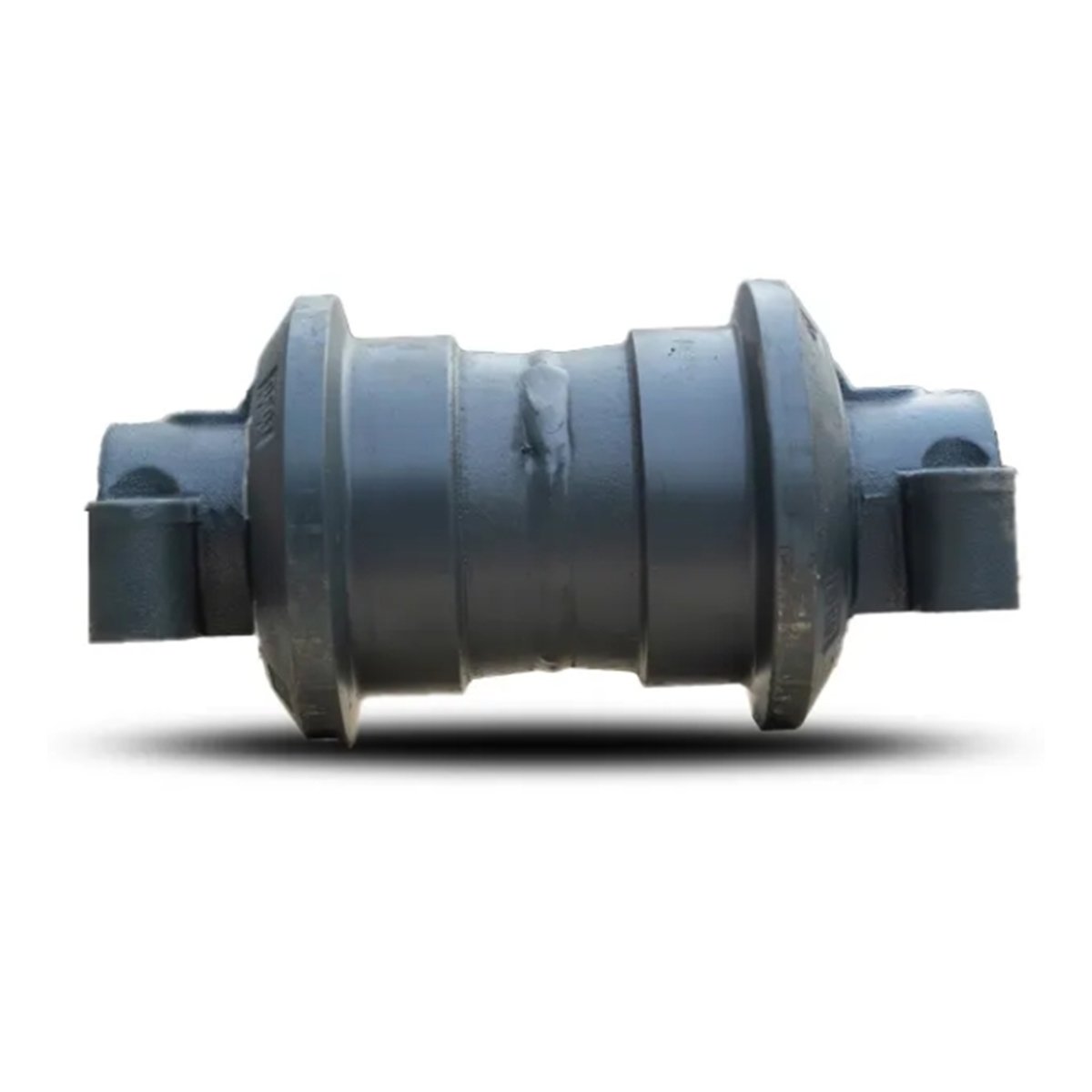
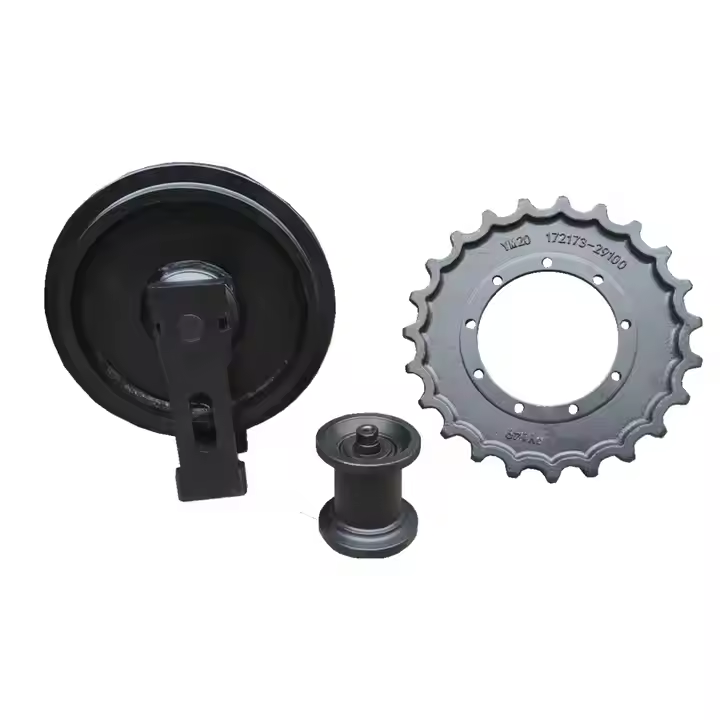
- Rollers
- Idlers
- Sprockets
- Track links
- Rubber track wear
Tracks should move evenly without slipping or abnormal noise. Uneven undercarriage wear may indicate alignment issues or poor maintenance practices.
Because undercarriage repairs can be costly, this inspection is especially important when purchasing used equipment.
Review Machine Hours and Usage History
Machine operating hours provide useful information about overall usage levels. However, hours alone should not determine equipment quality.
A well-maintained excavator with higher operating hours may still perform very reliably, while poorly maintained machines with lower hours may experience operational problems.
It is important to consider:
- Previous application type
- Maintenance frequency
- Operating environment
- Ownership history
Machines used for lighter landscaping projects may experience less stress compared to heavy industrial excavation work.
Reliable sellers often provide service records, inspection reports, and operational history to support purchasing decisions.
Verify Maintenance and Service Records
Maintenance history is a strong indicator of long-term equipment reliability. Consistent servicing helps extend machine lifespan and improve operational performance.
Important maintenance records may include:
- Engine servicing
- Hydraulic oil replacement
- Filter changes
- Cooling system maintenance
- Track inspections
- Electrical system repairs
A machine with documented maintenance records usually provides greater buyer confidence.
Professional inspections and scheduled servicing often contribute to better machine durability and reduced downtime.
Test the Excavator Before Purchase
Whenever possible, operate the excavator before making a final decision. A test operation provides valuable insight into machine performance and handling.
During the test, evaluate:
- Steering response
- Hydraulic smoothness
- Digging power
- Swing rotation
- Travel speed
- Cabin controls
The excavator should operate smoothly without excessive vibration or delayed response.
Testing also allows buyers to assess operator comfort, visibility, and ease of use, which are important for daily productivity.
Consider Fuel Efficiency and Operating Costs
Fuel efficiency is an important factor for long-term equipment ownership. Modern excavators are often designed with improved engine technologies that reduce fuel consumption while maintaining strong performance.
In addition to fuel usage, consider future operating costs such as:
- Replacement parts availability
- Routine maintenance
- Attachment compatibility
- Transportation requirements
Reliable small excavators should provide a balance between performance and cost efficiency.
Choosing equipment with widely available service support and replacement parts can simplify long-term ownership.
Evaluate Safety and Operator Comfort
Modern excavators often include features designed to improve safety and operator experience.
Important features may include:
- Rollover protection structures
- Comfortable seating
- Clear visibility
- Easy-to-use controls
- Backup alarms
- LED work lights
Comfortable operators can work more efficiently and reduce fatigue during long operating hours.
Safety-focused machine designs also support better job site performance and operational confidence.
Buy From Trusted Equipment Sources
Purchasing from reputable dealers, equipment suppliers, or professional auction platforms can improve the overall buying experience.
Trusted sellers often provide:
- Equipment inspections
- Maintenance documentation
- Operational testing
- Financing options
- Customer support
Reliable equipment providers typically maintain higher standards for machine evaluation and transparency.
Working with experienced sellers can help buyers make more informed purchasing decisions.
Future Demand for Used Small Excavators
Demand for used small excavators continues to grow across construction, agriculture, infrastructure, and landscaping industries. Compact equipment offers flexibility, transportation convenience, and strong productivity for small and medium-sized projects.
As urban development and infrastructure improvements expand globally, reliable used excavators remain valuable assets for businesses seeking cost-effective equipment solutions.
Modern compact excavators are increasingly designed for fuel efficiency, lower emissions, and enhanced hydraulic performance, making them suitable for a wide range of professional applications.
Choosing reliable used small excavators requires careful evaluation of machine condition, hydraulic performance, engine reliability, maintenance history, and operational suitability.
A well-maintained excavator can deliver excellent productivity, lower operating costs, and long-term durability for construction and excavation projects. By inspecting key components, testing machine performance, and purchasing from trusted equipment sources, buyers can confidently select equipment that supports their operational goals.
As the demand for compact construction equipment continues to increase, reliable used small excavators remain a practical and efficient investment for many industries.