








Industry News
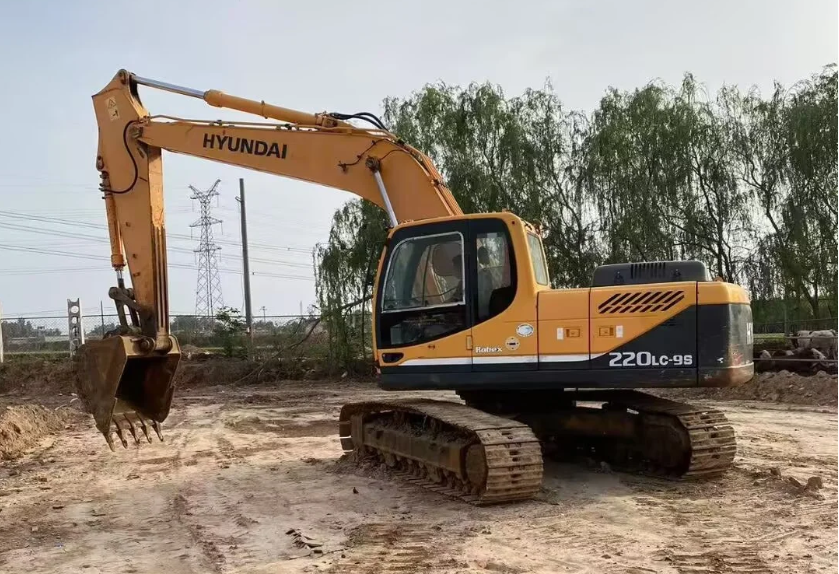
Is a Second Hand Excavator Worth It
May
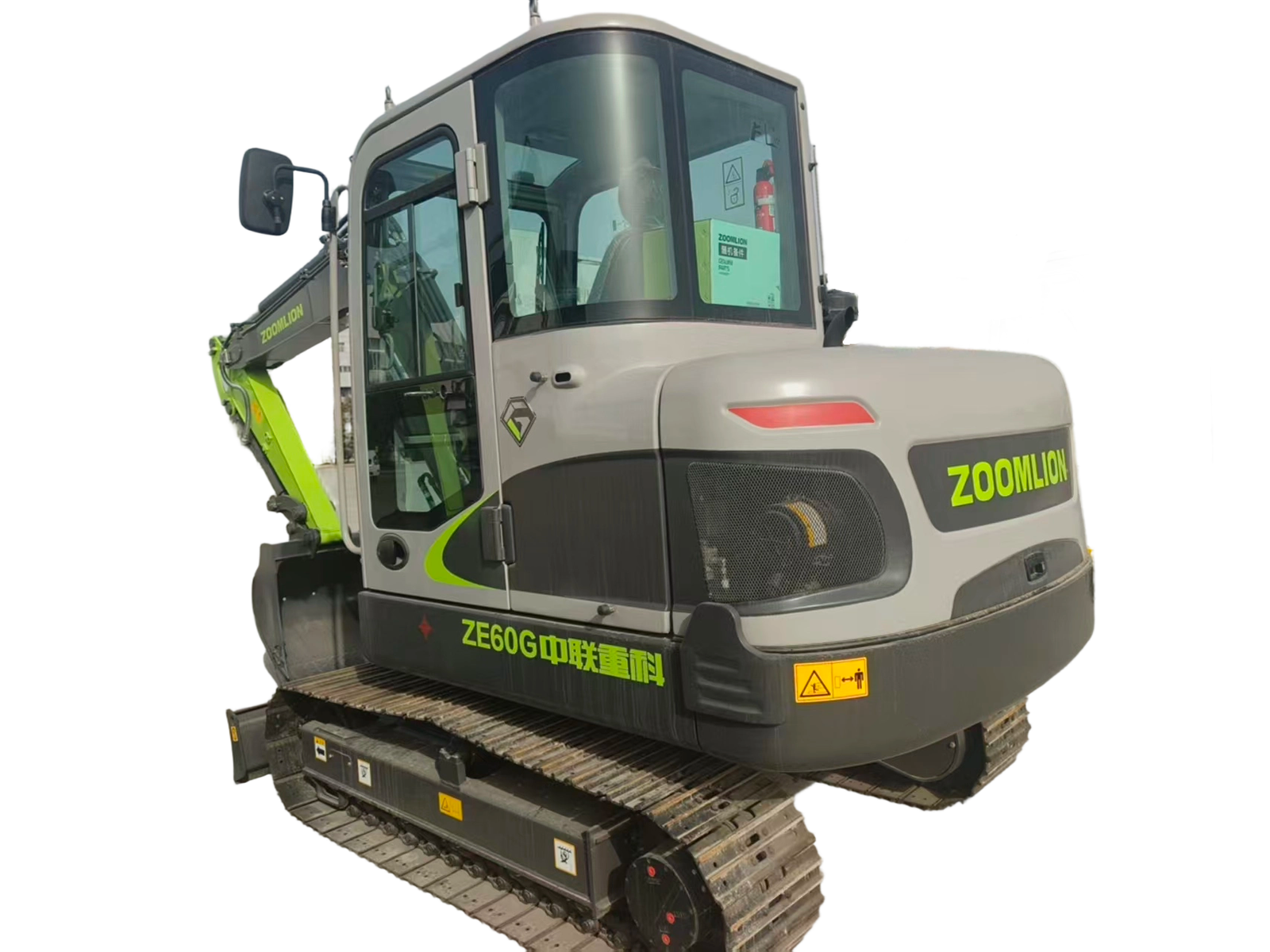
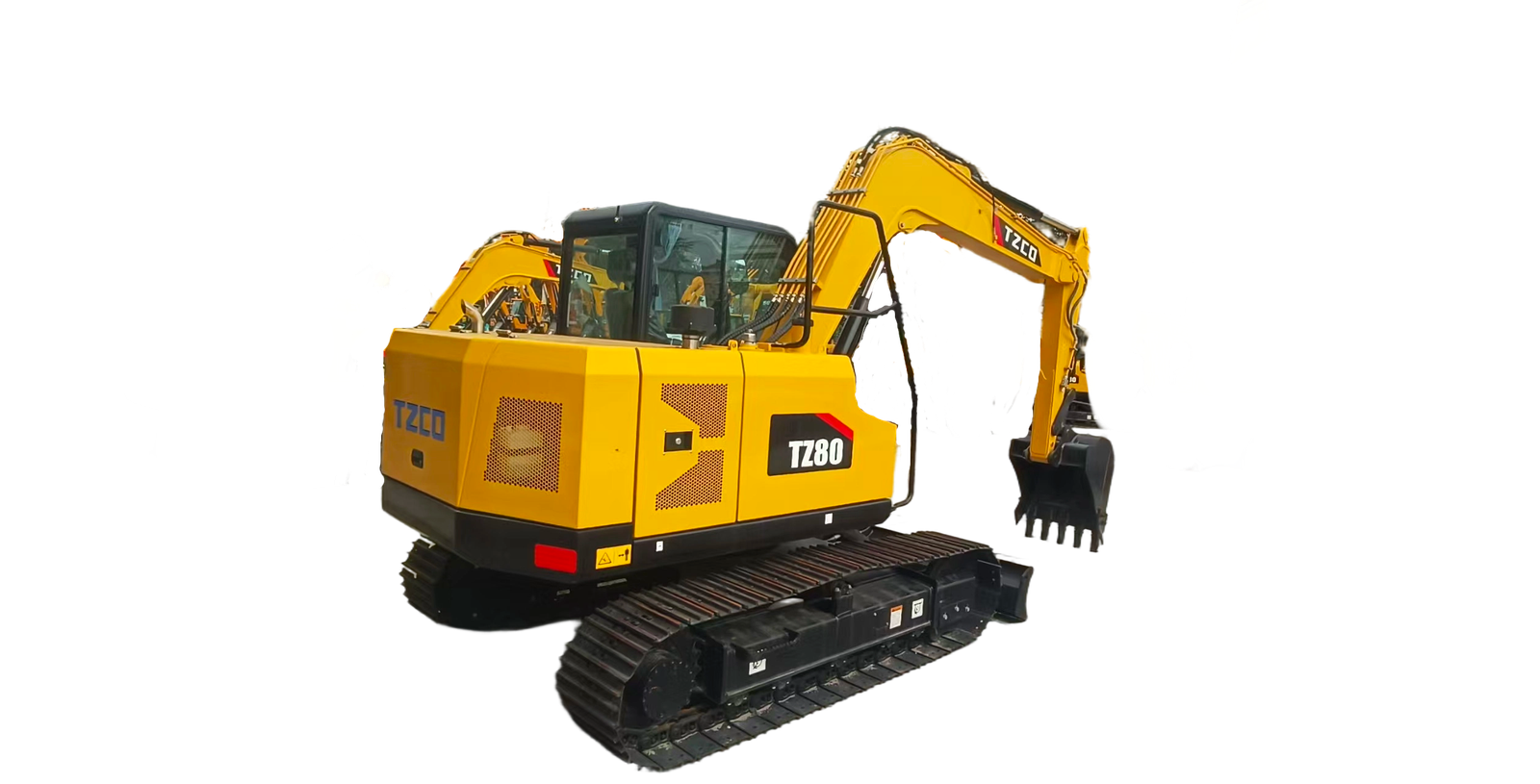
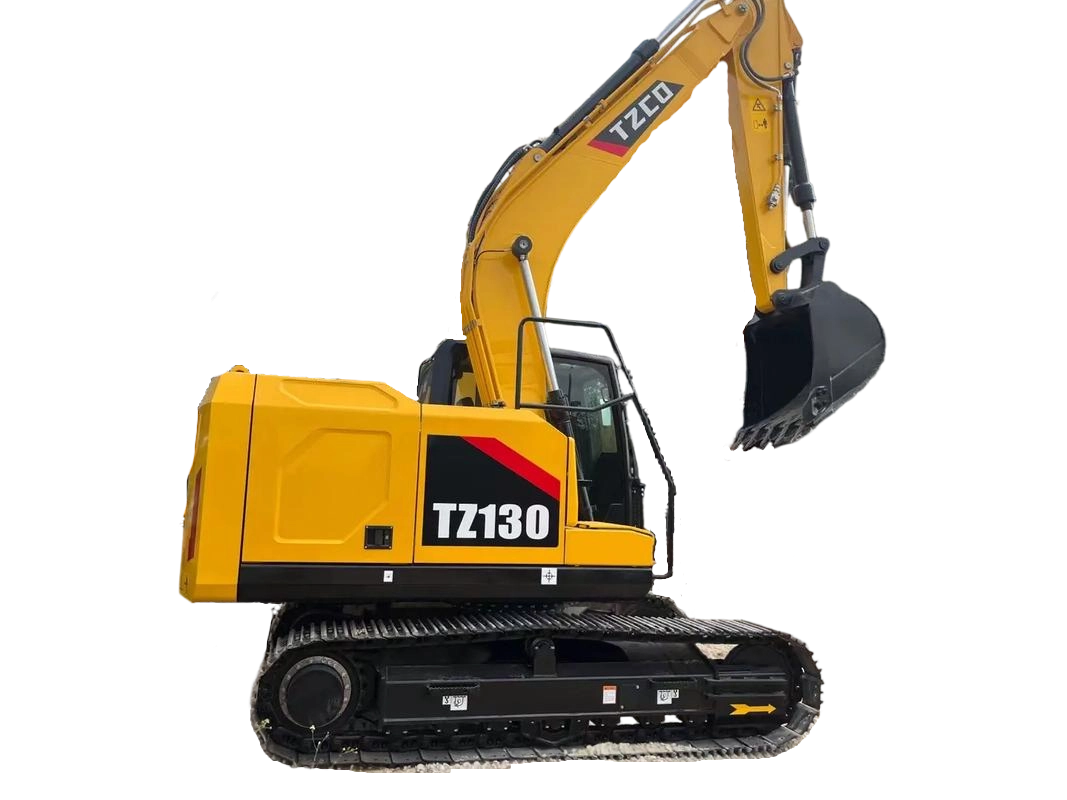
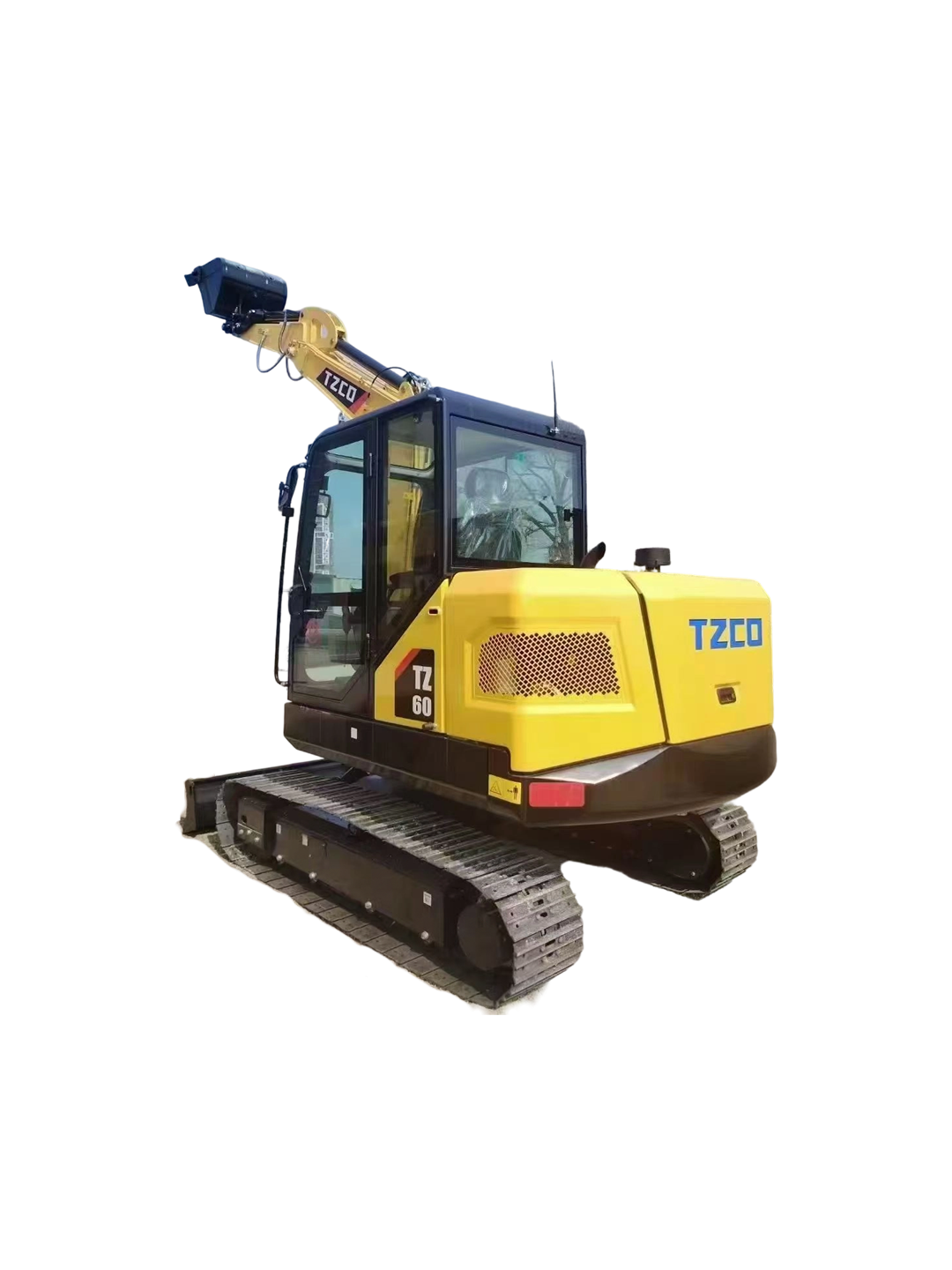
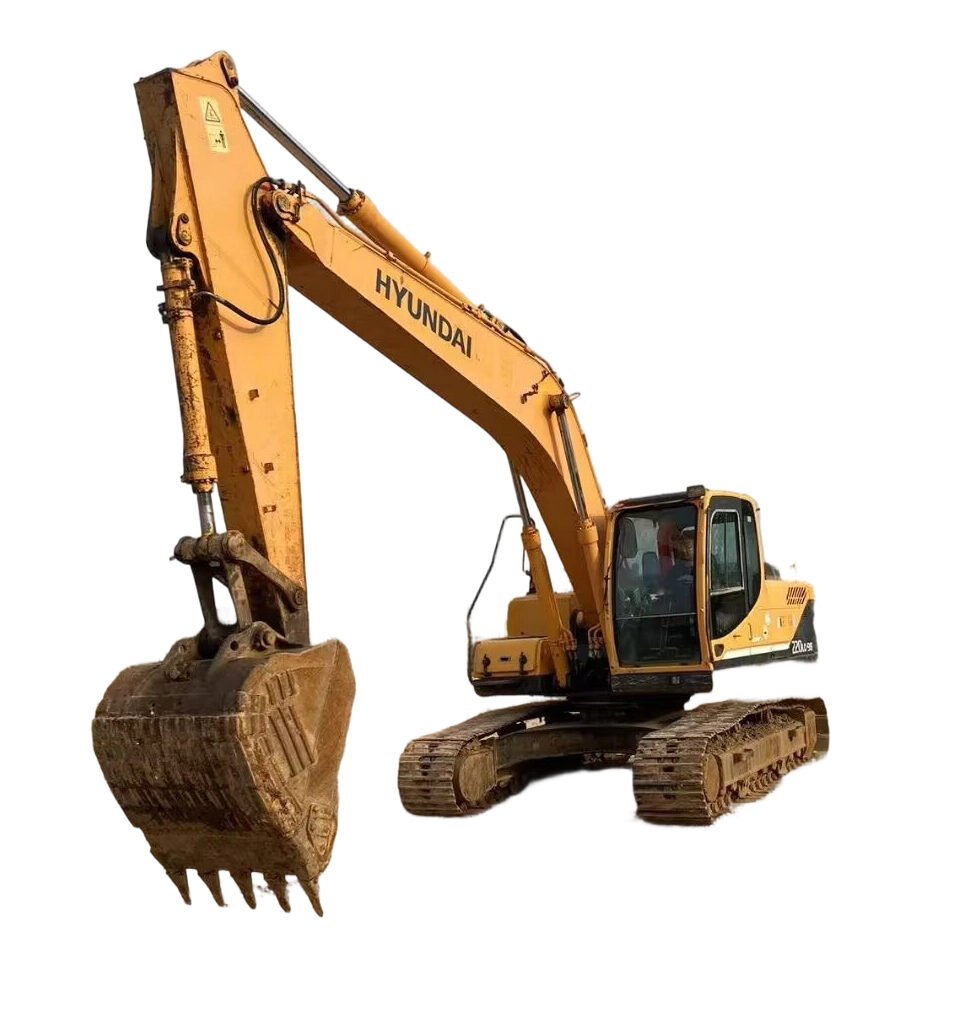
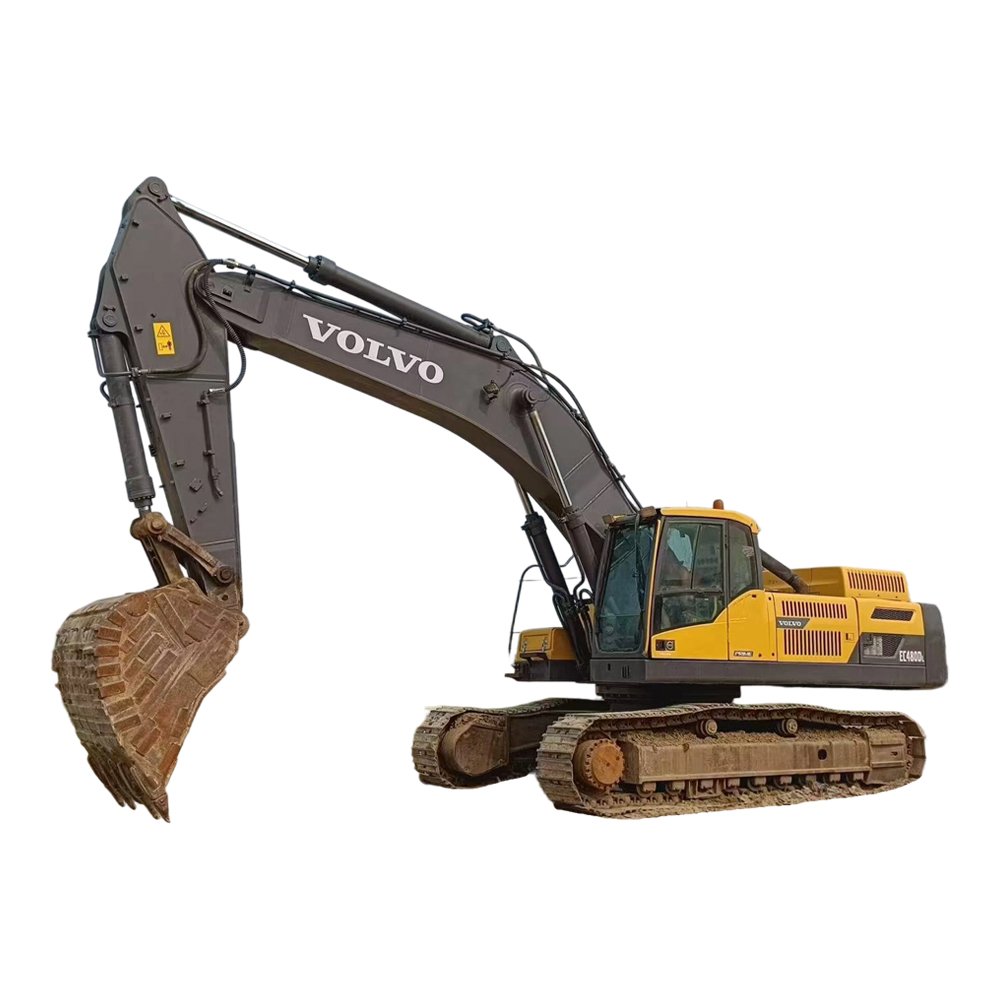
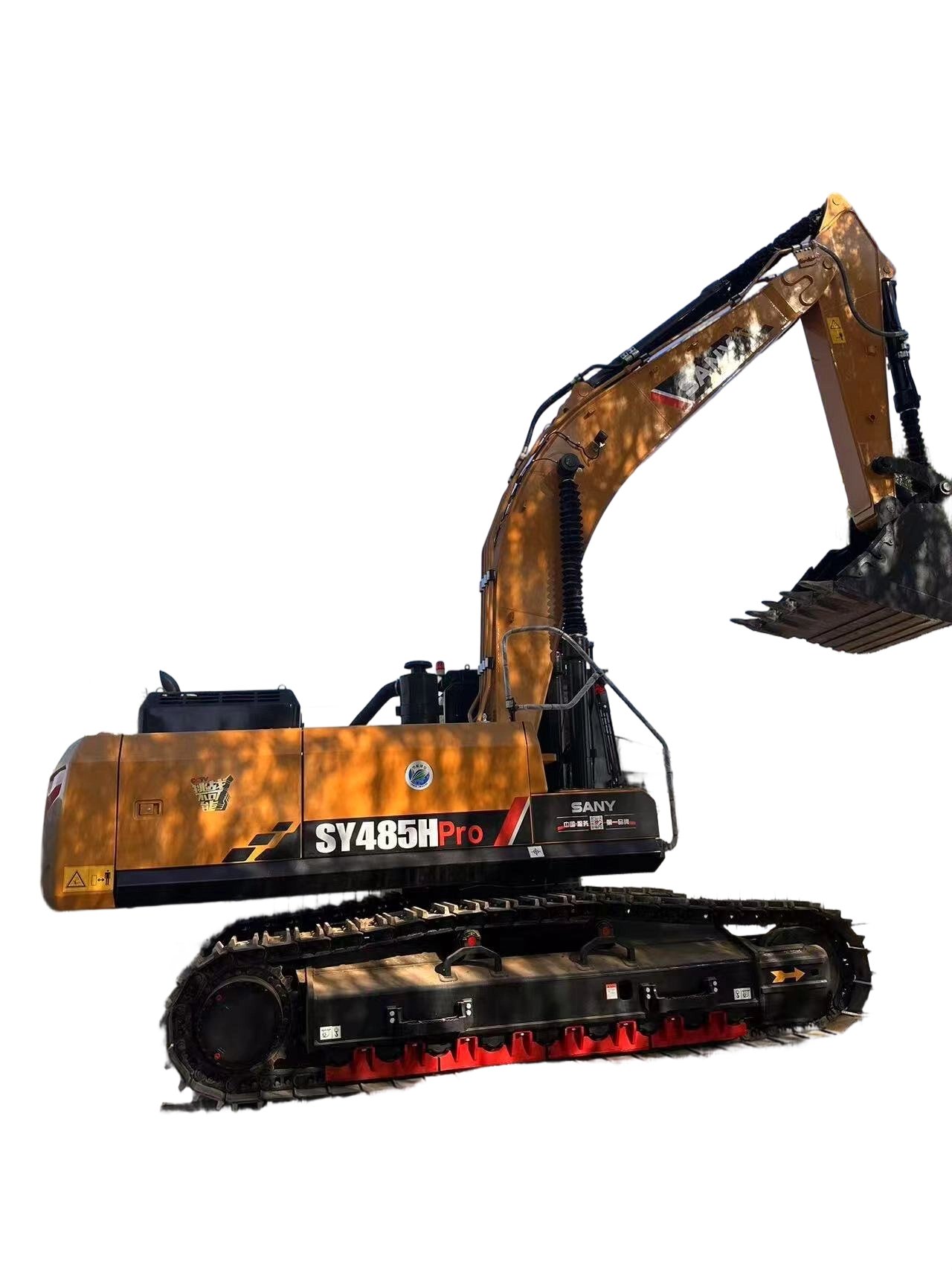
Purchasing construction equipment is a major investment for contractors, builders, landscaping companies, and industrial businesses. Excavators are among the most important machines used in construction and earthmoving projects because of their versatility, durability, and ability to improve productivity. However, many buyers face an important decision when expanding their equipment fleet: should they invest in a brand-new excavator or choose a second hand excavator instead?
In recent years, the market for used heavy equipment has grown significantly as more businesses recognize the value and practicality of purchasing reliable pre-owned machinery. A well-maintained second hand excavator can deliver excellent performance, lower operational costs, and strong long-term value for many types of projects.
This article explores whether a second hand excavator is worth it, the benefits of buying used equipment, important inspection factors, cost considerations, and tips for choosing the right machine for your business needs.
Why Many Buyers Choose Second Hand Excavators
Second hand excavators have become increasingly popular across the construction industry because they offer a cost-effective way to access high-quality equipment without the higher investment associated with new machinery.
For many small and medium-sized businesses, purchasing used equipment helps preserve cash flow while still allowing companies to expand operations. Lower upfront costs make it easier to acquire additional machines or invest in other areas such as staffing, transportation, and project management.
Another reason buyers choose second hand excavators is equipment availability. In some markets, new machinery may require longer delivery times, while used equipment is often ready for immediate purchase and operation. This flexibility can be especially valuable for contractors working on time-sensitive projects.
Modern excavators are also designed for durability and long operational life. With proper maintenance, many machines continue to perform efficiently for thousands of working hours. This means a carefully inspected second hand excavator can still provide reliable productivity and strong performance.
The Financial Benefits of Buying Used Equipment
One of the biggest advantages of purchasing a second hand excavator is the financial savings. New heavy machinery can require substantial capital investment, while used equipment often offers significantly lower purchase prices.
Lower acquisition costs help businesses reduce financial pressure and improve return on investment. Contractors can often purchase larger or more advanced machines within the same budget when choosing used equipment instead of buying new.
Insurance costs may also be lower for second hand machinery, helping businesses reduce overall operating expenses. In addition, depreciation is generally slower after the initial ownership period, which can help maintain resale value over time.
For businesses that only require excavators for seasonal work or occasional projects, buying second hand equipment may provide a more practical and economical solution compared to investing in brand-new machines.
Financing options for used heavy equipment have also become more accessible in recent years, allowing businesses to manage cash flow more effectively while expanding equipment capacity.
Performance and Reliability of Second Hand Excavators
Many buyers are surprised by how reliable modern second hand excavators can be. Today’s excavators are built using advanced engineering, durable hydraulic systems, and heavy-duty structural components designed for demanding environments.
A well-maintained machine can continue operating efficiently even after years of use. Regular servicing, proper lubrication, hydraulic system maintenance, and timely component replacement all contribute to long-term machine performance.
Before purchasing a used excavator, buyers should carefully review maintenance records and operating history. Machines that have received consistent professional maintenance often provide excellent reliability and productivity.
Engine condition is one of the most important factors affecting excavator performance. Buyers should evaluate engine startup behavior, fuel efficiency, exhaust quality, and overall operating smoothness during inspection.
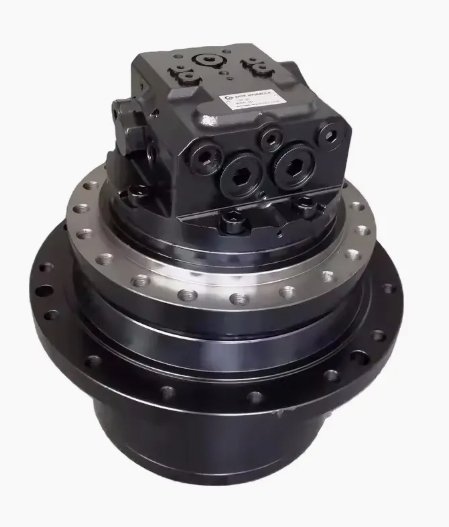
Hydraulic performance is equally important because excavators rely heavily on hydraulic systems for digging, lifting, and attachment operation. Smooth hydraulic response and stable operating pressure are strong indicators of good machine condition.
Track condition, undercarriage wear, bucket integrity, and boom stability should also be examined carefully before purchase.
Important Factors to Consider Before Buying
Choosing the right second hand excavator requires careful evaluation of project requirements, machine specifications, and future operational needs.
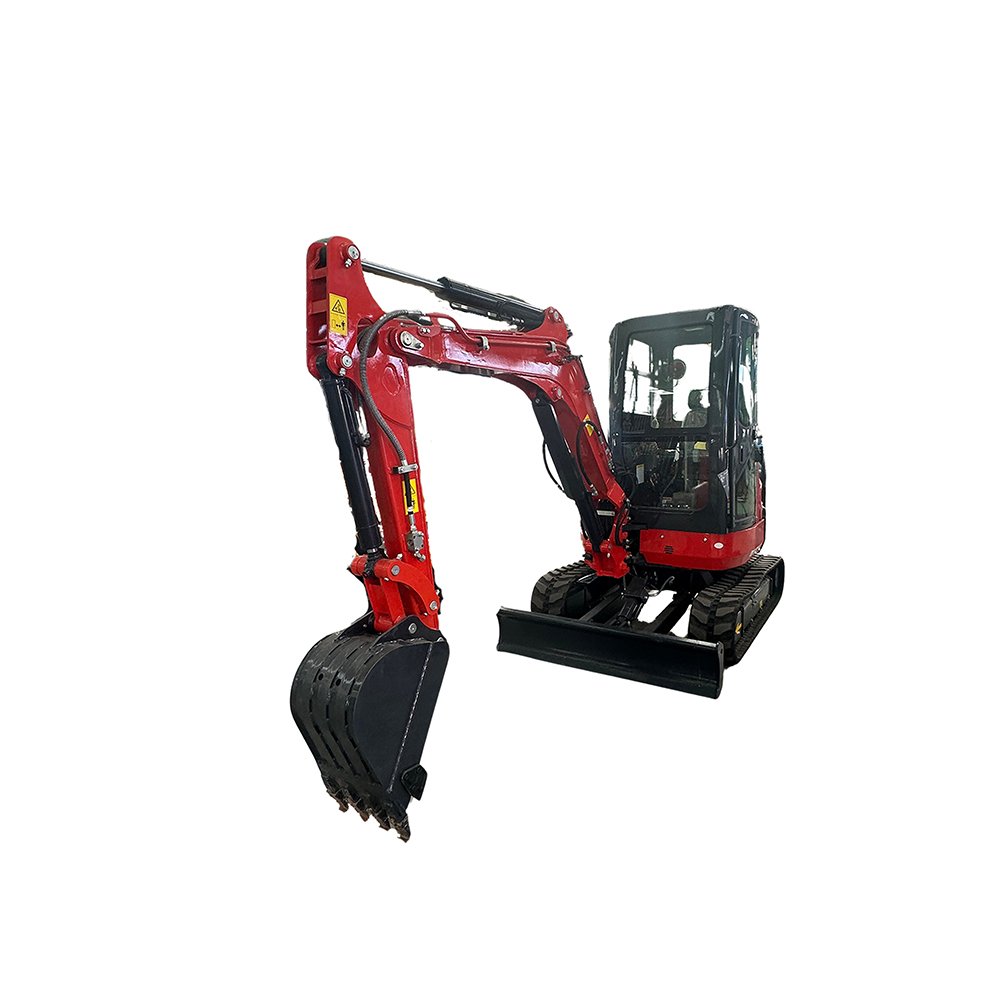
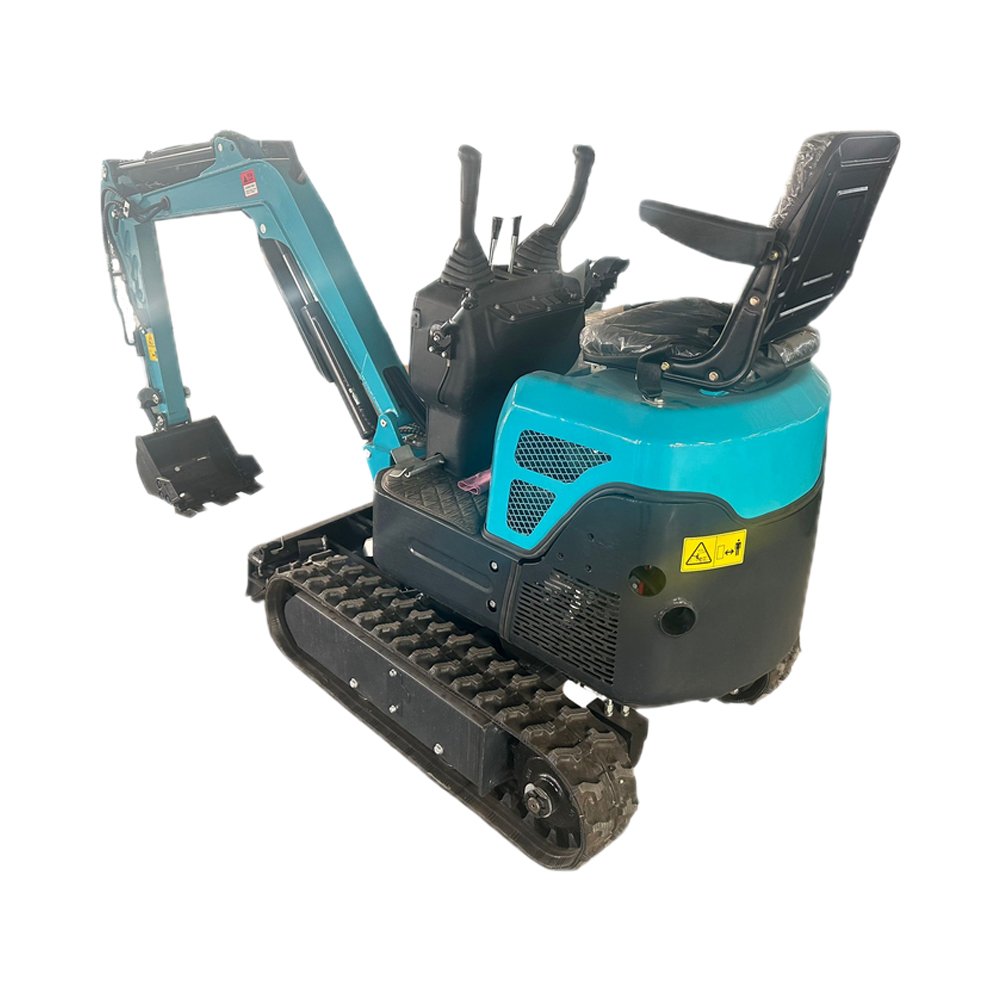
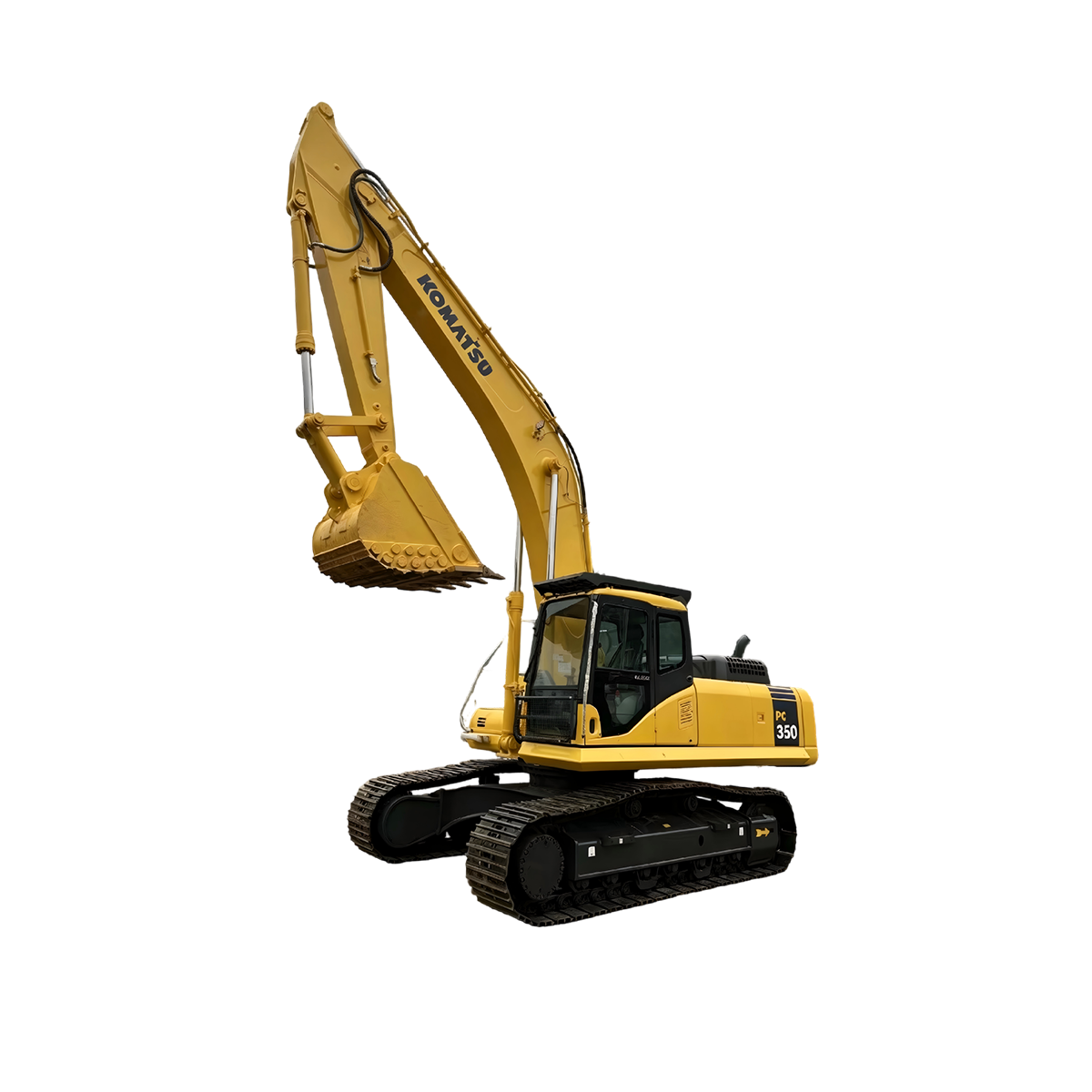
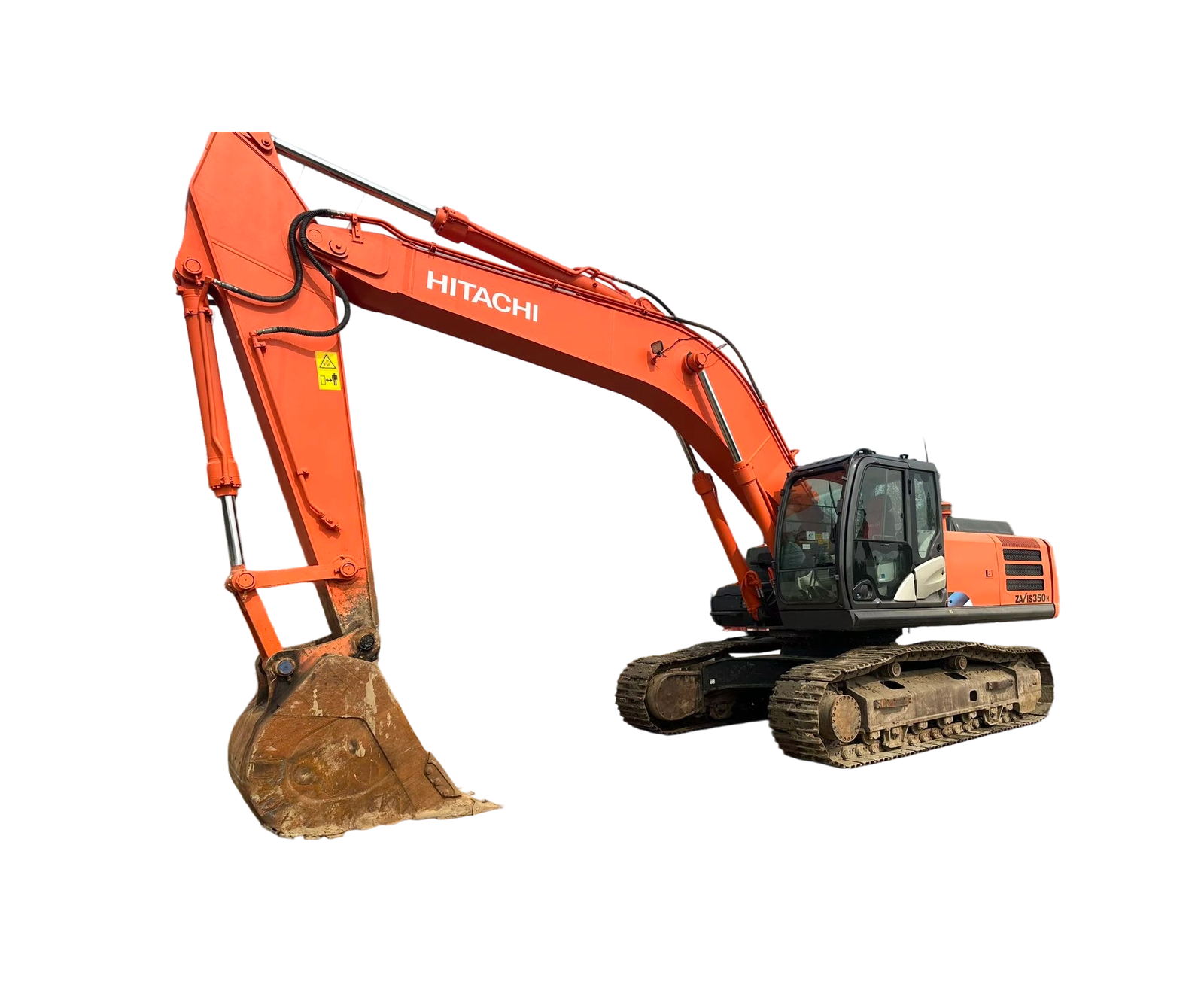
Machine size is one of the first factors buyers should consider. Compact excavators are ideal for landscaping, urban construction, and smaller projects with limited working space. Larger excavators are better suited for heavy earthmoving, mining, and large-scale infrastructure work.
Operating hours are another important consideration. Lower-hour machines may offer longer remaining service life, although overall maintenance quality is often more important than hours alone.
Buyers should also consider fuel efficiency and attachment compatibility. Modern excavators that support multiple attachments provide greater versatility and allow businesses to handle different types of projects with a single machine.
Cab comfort and operator controls can also influence productivity. Ergonomic seating, good visibility, climate control, and intuitive controls help improve operator efficiency during long working hours.
Availability of replacement parts and maintenance support is another important consideration when selecting used equipment.
Industries That Commonly Use Second Hand Excavators
Second hand excavators are widely used across many industries because of their flexibility and cost efficiency.
Construction companies use excavators for site preparation, trenching, demolition, and material handling. Landscaping businesses rely on compact excavators for grading, digging, and property development projects.
Agricultural operations often use excavators for irrigation installation, land clearing, and drainage work. Utility contractors use excavators for pipeline installation, cable trenching, and infrastructure maintenance.
Excavators are also commonly used in mining, forestry, road construction, and industrial development projects.
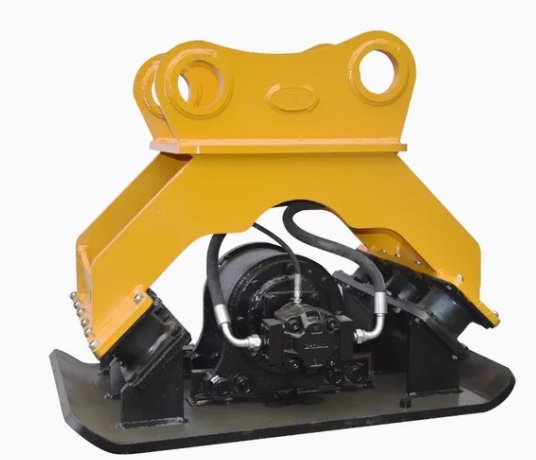
The ability to use various attachments such as breakers, grapples, augers, and buckets makes excavators one of the most versatile machines in heavy equipment industries.
How Technology Has Improved Modern Excavators
Modern excavators include many advanced technologies that improve performance, efficiency, and operator experience.
GPS-assisted grading systems help improve digging accuracy and reduce rework. Telematics systems provide real-time machine monitoring and maintenance tracking, helping businesses manage equipment more efficiently.
Fuel-efficient engines and intelligent hydraulic systems help reduce operating costs while maintaining strong productivity. Improved cab designs also enhance operator comfort and reduce fatigue during long shifts.
Some advanced excavators now include semi-automated controls that help improve precision and reduce operator workload.
These technological improvements mean that even second hand excavators from recent model years can provide highly competitive performance and productivity.
Tips for Getting the Best Value From a Second Hand Excavator
To maximize value, buyers should always inspect equipment carefully before purchase. Working with reputable equipment dealers or professional inspectors can help ensure machine quality and reliability.
Reviewing service records, checking for visible leaks or structural damage, and testing machine operation under load are all important steps during the evaluation process.
Buyers should also compare machine specifications with project requirements to avoid purchasing equipment that is too large or too small for intended applications.
Investing in preventive maintenance after purchase can help extend machine life and maintain strong operational performance.
Proper operator training is equally important because skilled operators help reduce wear, improve fuel efficiency, and increase equipment productivity.
For many businesses, a second hand excavator is absolutely worth considering. Used excavators provide a practical balance between cost savings, reliable performance, and operational flexibility. With proper inspection and maintenance, these machines can support a wide range of construction and industrial projects while delivering strong long-term value.
Modern excavators are built for durability and extended service life, making high-quality second hand equipment an attractive option for contractors, landscapers, utility companies, and industrial operators.
By carefully evaluating machine condition, maintenance history, and operational requirements, buyers can confidently choose a second hand excavator that supports productivity, efficiency, and long-term business growth.