








Industry News
How to Choose the Right Size for Your Wheel Loader Rental

Jun
Renting a wheel loader is one of the most practical solutions for construction, landscaping, mining, agriculture, and material handling projects. However, selecting the correct machine size is often more important than many people realize. A wheel loader that is properly matched to the job can improve productivity, optimize fuel efficiency, reduce operating costs, and help complete projects on schedule.
Wheel loaders are available in a wide range of sizes, from compact models designed for tight spaces to large machines built for demanding industrial operations. Choosing the right size involves more than simply selecting the biggest machine available. It requires a careful evaluation of project requirements, worksite conditions, material types, and operational goals.
Understanding the factors that influence wheel loader selection can help contractors, project managers, and equipment operators make informed rental decisions.
Evaluate the Type of Work You Need to Perform
The first step in selecting the appropriate wheel loader size is understanding the nature of the project.
Different applications place different demands on equipment. A landscaping project that involves moving soil and mulch may require a compact or small wheel loader. In contrast, a large construction project handling aggregates, gravel, or heavy materials may require a medium or large machine with greater lifting capacity.
Projects involving material loading, stockpile management, site preparation, road construction, and industrial operations each have unique equipment requirements. By clearly identifying the primary tasks the machine will perform, renters can narrow down the most suitable wheel loader category.
Matching machine capabilities to project needs helps maximize efficiency while avoiding unnecessary equipment expenses.
Consider Bucket Capacity and Material Volume
Bucket capacity is one of the most important specifications when choosing a wheel loader rental.
The size of the bucket directly affects how much material can be moved during each cycle. Larger buckets can transport greater volumes, potentially increasing productivity on large-scale projects. However, larger buckets may not always be necessary for smaller jobs or confined worksites.
Material density should also be considered. Lightweight materials such as mulch, wood chips, and snow require different bucket capacities than dense materials such as gravel, crushed stone, or wet soil.
Estimating the total material volume to be handled during the project allows operators to determine the bucket size and machine capacity needed to achieve optimal performance.
Assess Operating Weight and Lifting Capacity
Wheel loader size is often categorized by operating weight and lifting capacity.
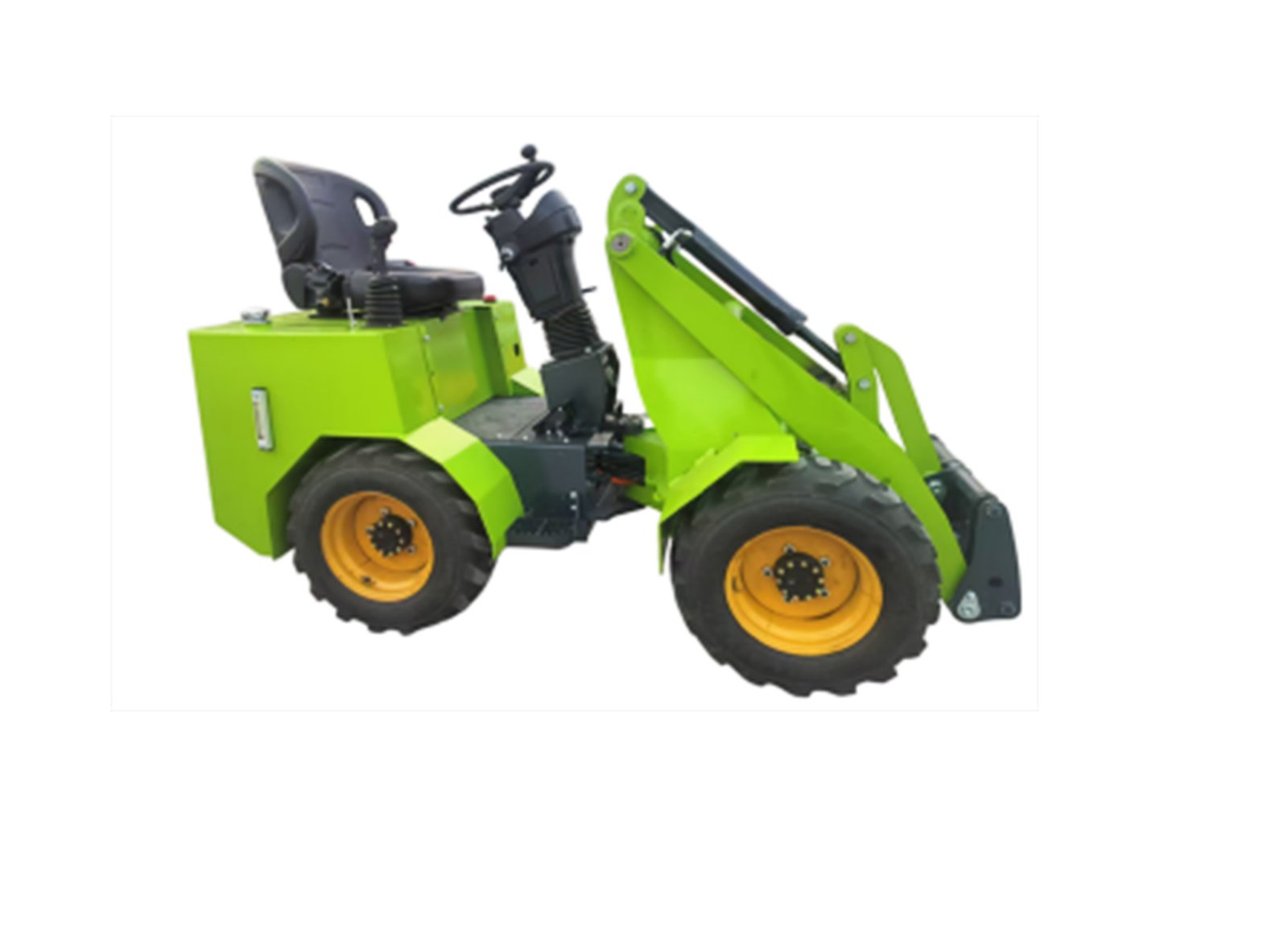
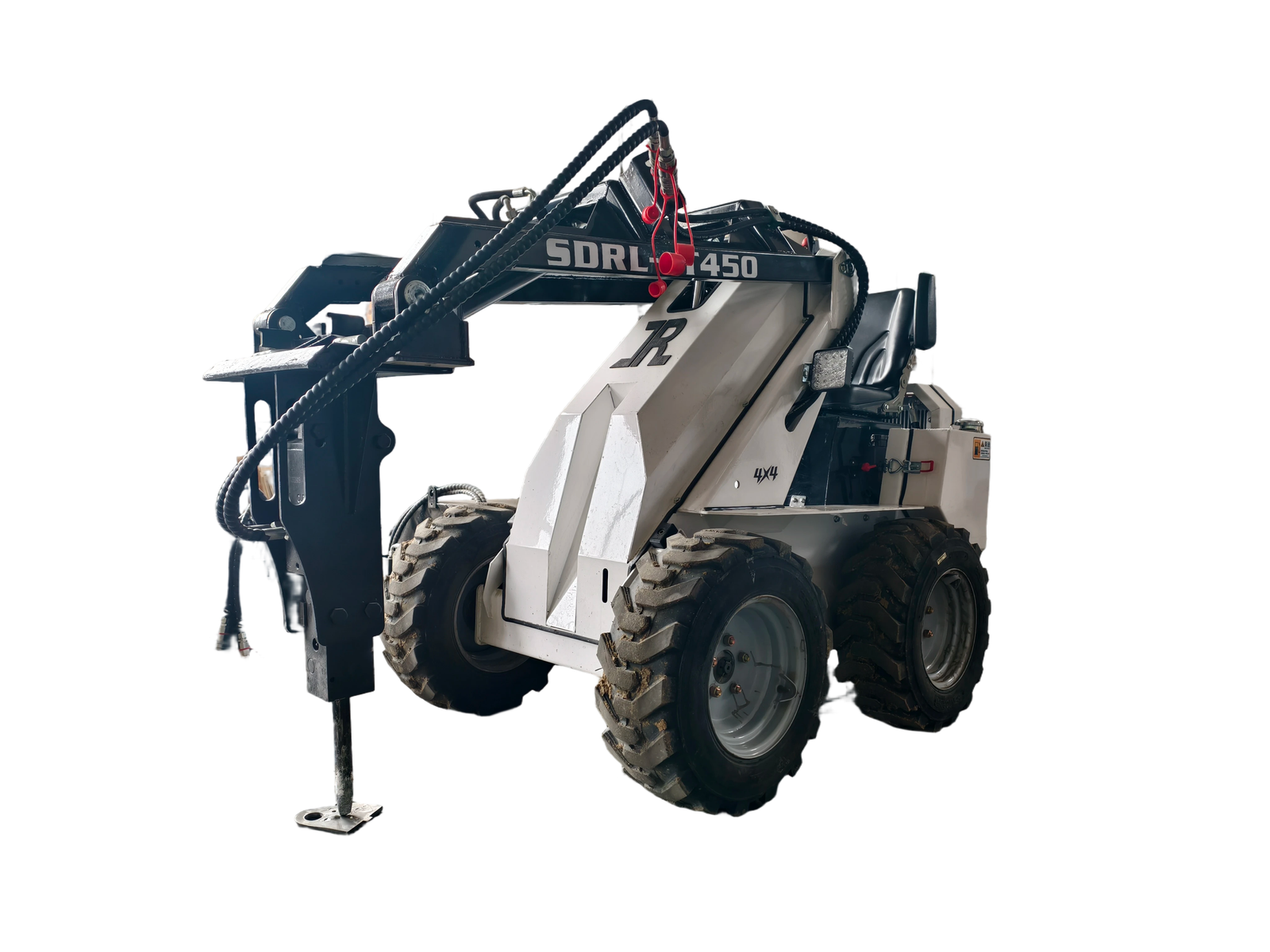
Smaller wheel loaders are ideal for light-duty applications and locations with limited space. Medium-sized models offer a balance between maneuverability and productivity, making them suitable for a wide range of construction and material handling tasks.
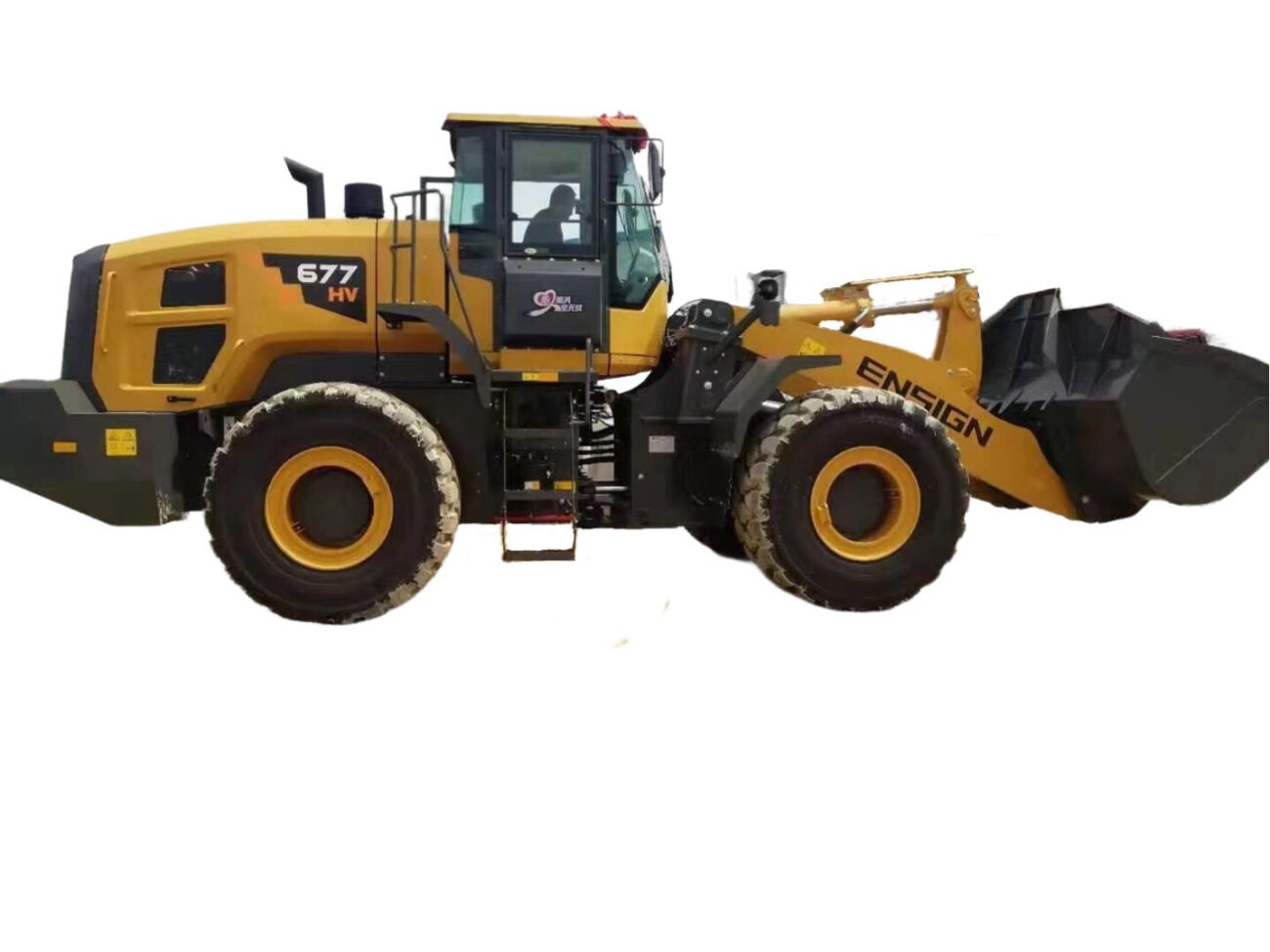
Large wheel loaders are designed for high-volume operations where significant lifting power and payload capacity are required. These machines are commonly used in mining, quarrying, large infrastructure projects, and industrial environments.
Understanding the weight of the materials being handled and the lifting requirements of the project helps ensure the selected machine can operate efficiently and safely.
Analyze Worksite Conditions
The physical characteristics of the jobsite play a major role in wheel loader selection.
Projects located in urban areas, residential developments, warehouses, or confined construction zones often benefit from compact wheel loaders with tight turning radiuses. These machines can navigate restricted spaces more easily while maintaining excellent productivity.
Open construction sites, industrial yards, and large-scale earthmoving projects typically provide sufficient room for larger equipment. In these environments, bigger wheel loaders can take advantage of their increased capacity and power.
Ground conditions should also be considered. Soft terrain, uneven surfaces, and challenging site conditions may influence the type and size of machine best suited for the project.
Evaluating worksite accessibility before renting equipment helps prevent operational challenges and improves overall efficiency.
Understand Attachment Compatibility
Modern wheel loaders can perform a variety of tasks through the use of specialized attachments.
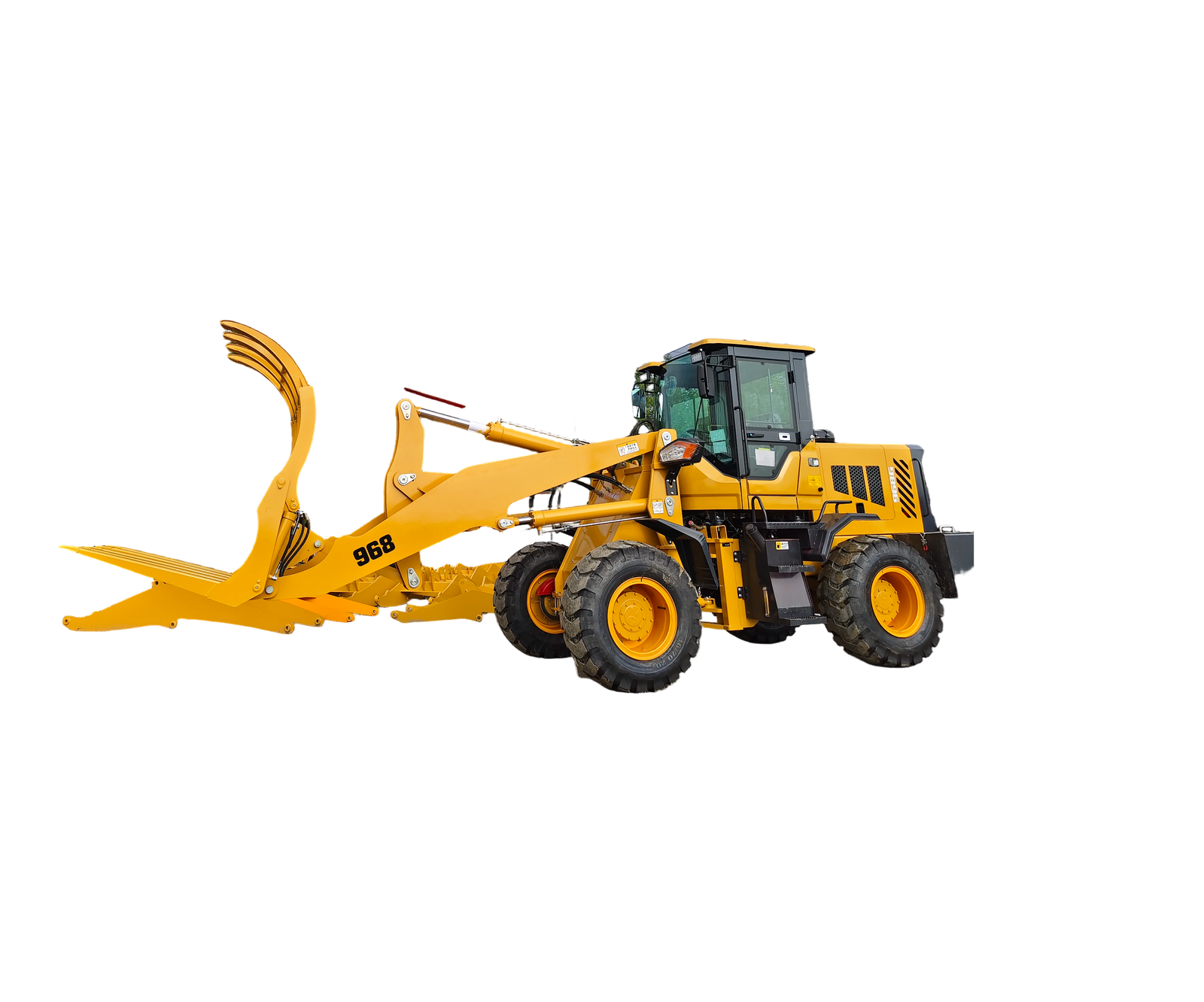
Forks, grapples, snow pushers, material handling arms, and other attachments can significantly expand machine functionality. However, attachment requirements may influence the size of wheel loader needed for a project.
Certain attachments require additional hydraulic capacity, lifting strength, or machine stability. Choosing a wheel loader that is compatible with the planned attachments ensures optimal performance and operational flexibility.
Before finalizing a rental agreement, it is beneficial to verify that both the machine and attachment combination align with project requirements.
Balance Productivity and Operating Efficiency
One of the most important considerations when renting equipment is finding the right balance between productivity and efficiency.
A machine that is too small may require more loading cycles and longer operating hours to complete tasks. On the other hand, an oversized wheel loader may exceed project needs and reduce cost efficiency.
The goal is to select equipment that provides sufficient power and capacity without introducing unnecessary operational expenses. Experienced equipment planners often evaluate expected production targets and daily workloads before determining the most appropriate machine size.
This balanced approach helps maximize return on investment while supporting project timelines.
Consider Transportation and Site Logistics
Transportation requirements are often overlooked during equipment selection.
Larger wheel loaders may require specialized transportation equipment, permits, or additional logistical planning. Compact and medium-sized models are generally easier to transport between job sites and can reduce mobilization complexity.
Project managers should evaluate equipment delivery requirements, site access limitations, and storage space availability before making a rental decision.
Considering transportation logistics early in the planning process can help streamline operations and reduce project delays.
Consult Equipment Experts Before Renting
While understanding machine specifications is important, professional guidance can provide valuable insights.
Rental equipment specialists often have extensive experience matching wheel loader sizes to specific industries and applications. They can help evaluate project demands, recommend appropriate machine configurations, and identify opportunities to improve productivity.
Consulting with experienced professionals can simplify the decision-making process and increase confidence in equipment selection.
Their expertise often helps renters avoid overestimating or underestimating machine requirements, leading to better project outcomes.
Why Proper Wheel Loader Sizing Supports Project Success
Selecting the correct wheel loader size is a strategic decision that influences productivity, operating costs, project timelines, and overall efficiency.
The right machine helps operators move materials effectively, maintain workflow consistency, and maximize equipment utilization. It also contributes to smoother operations by ensuring the loader is appropriately matched to site conditions and workload demands.
Projects that begin with thoughtful equipment planning are more likely to achieve performance objectives while maintaining cost control.
Choosing the right size for your wheel loader rental requires a comprehensive evaluation of project requirements, material volumes, lifting needs, worksite conditions, attachment compatibility, and logistical considerations.
Rather than focusing solely on machine size, successful equipment selection involves identifying the best balance between capacity, efficiency, and operational flexibility. By carefully assessing these factors and seeking professional guidance when needed, contractors and project managers can select a wheel loader that supports productivity, improves efficiency, and contributes to overall project success.
As construction and material handling projects continue to evolve, choosing the right wheel loader remains one of the most important steps toward achieving reliable and cost-effective operations.