









Industry News
Learn What Is an Excavator Used for in Construction Projects
Jun
Excavators are among the most important machines used in modern construction projects. From preparing land for new developments to handling heavy materials on large job sites, excavators play a vital role in improving productivity, efficiency, and project accuracy. Their versatility allows contractors to perform a wide range of tasks using a single machine, making them an essential asset in residential, commercial, industrial, and infrastructure construction.
As construction technology continues to advance, excavators have evolved into highly efficient machines equipped with powerful hydraulic systems, advanced controls, and multiple attachment options. Understanding what an excavator is used for can help project managers, contractors, and property owners appreciate its value and select the right equipment for specific applications.
Understanding the Role of an Excavator
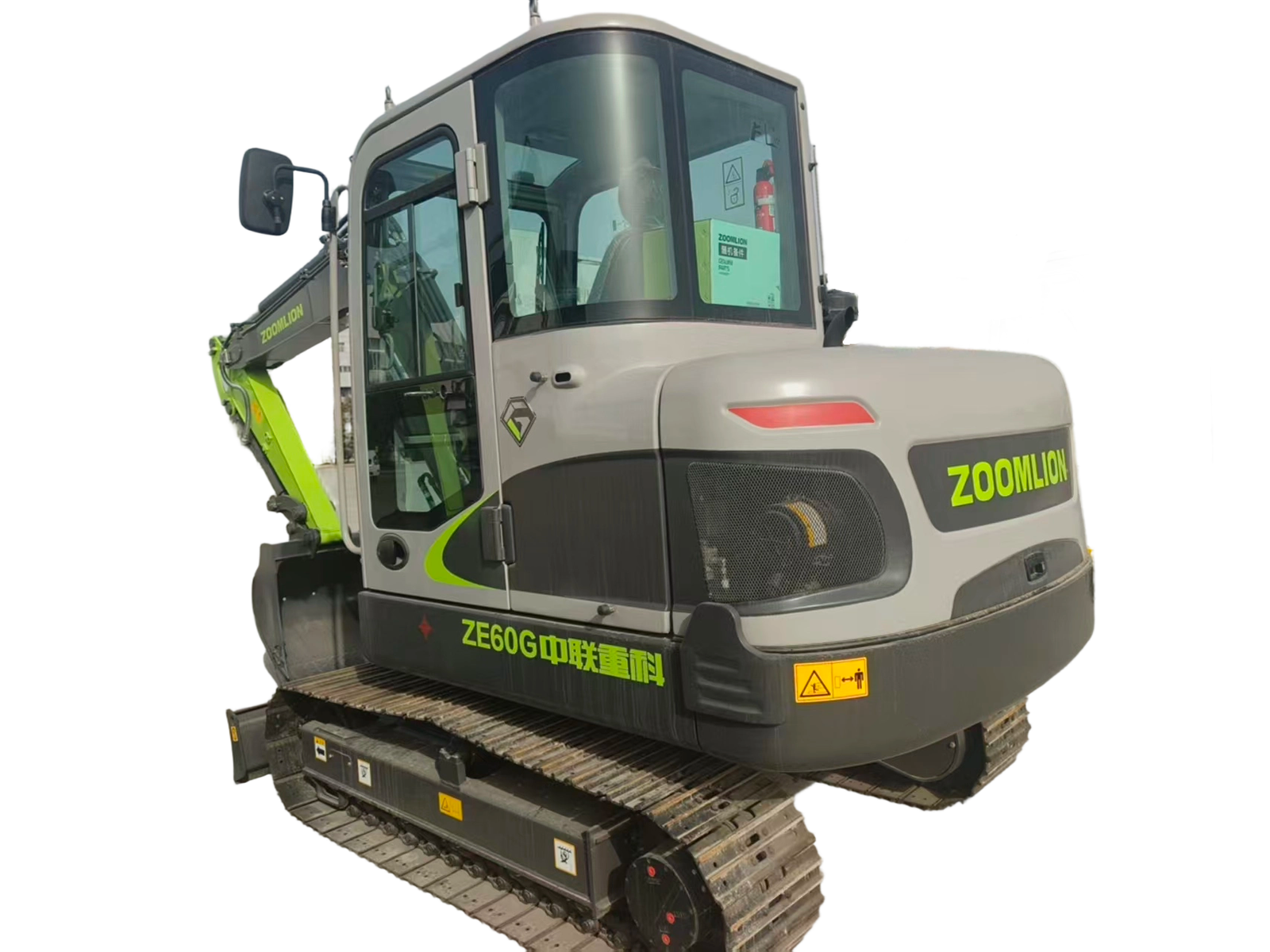
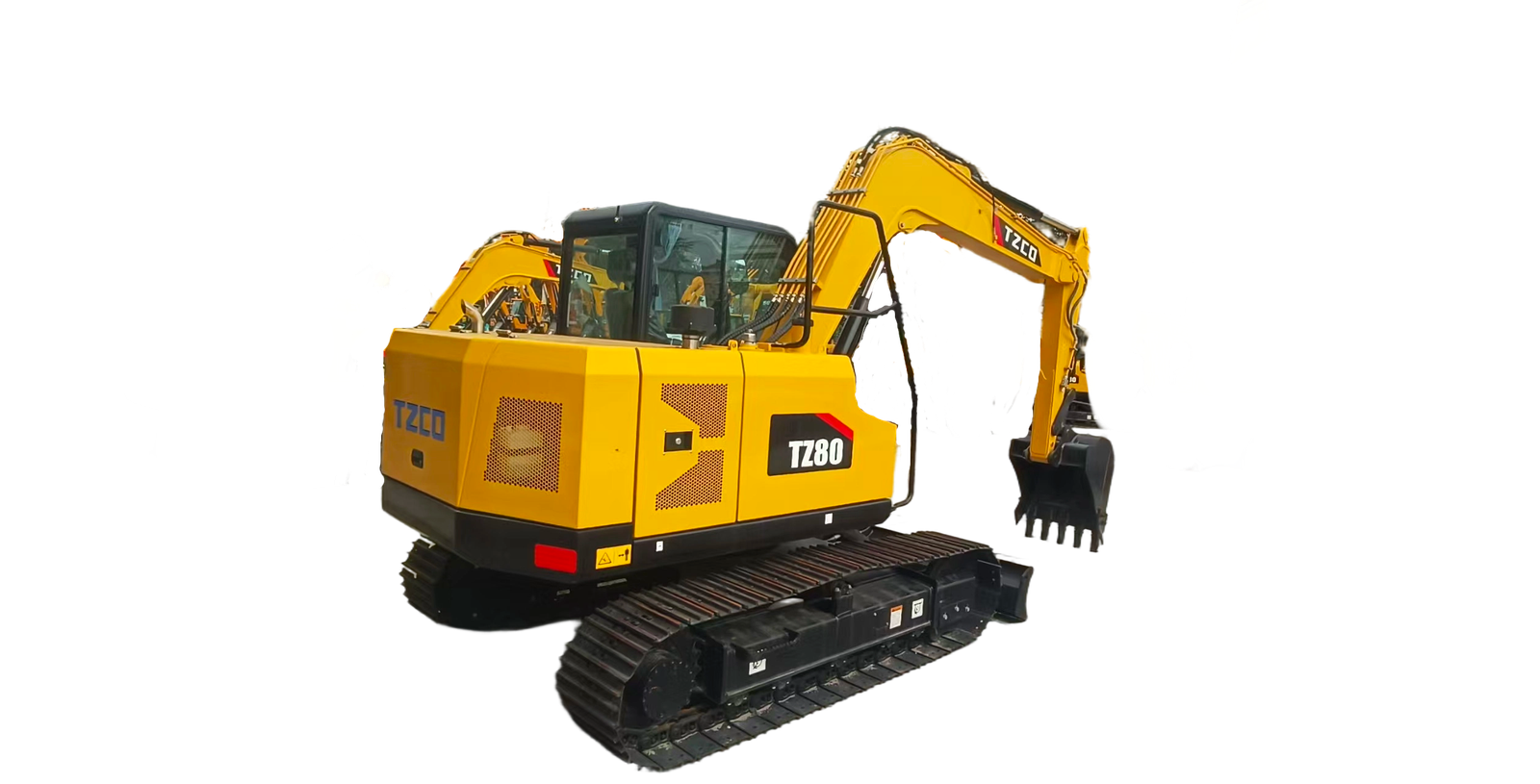
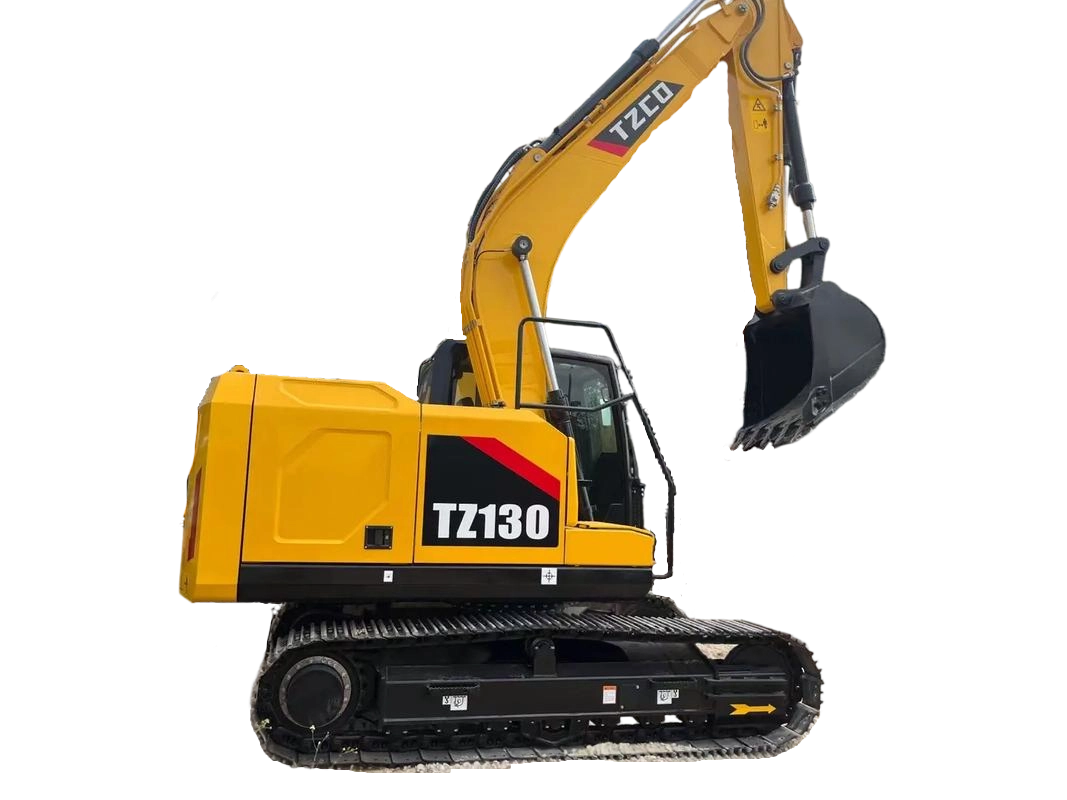
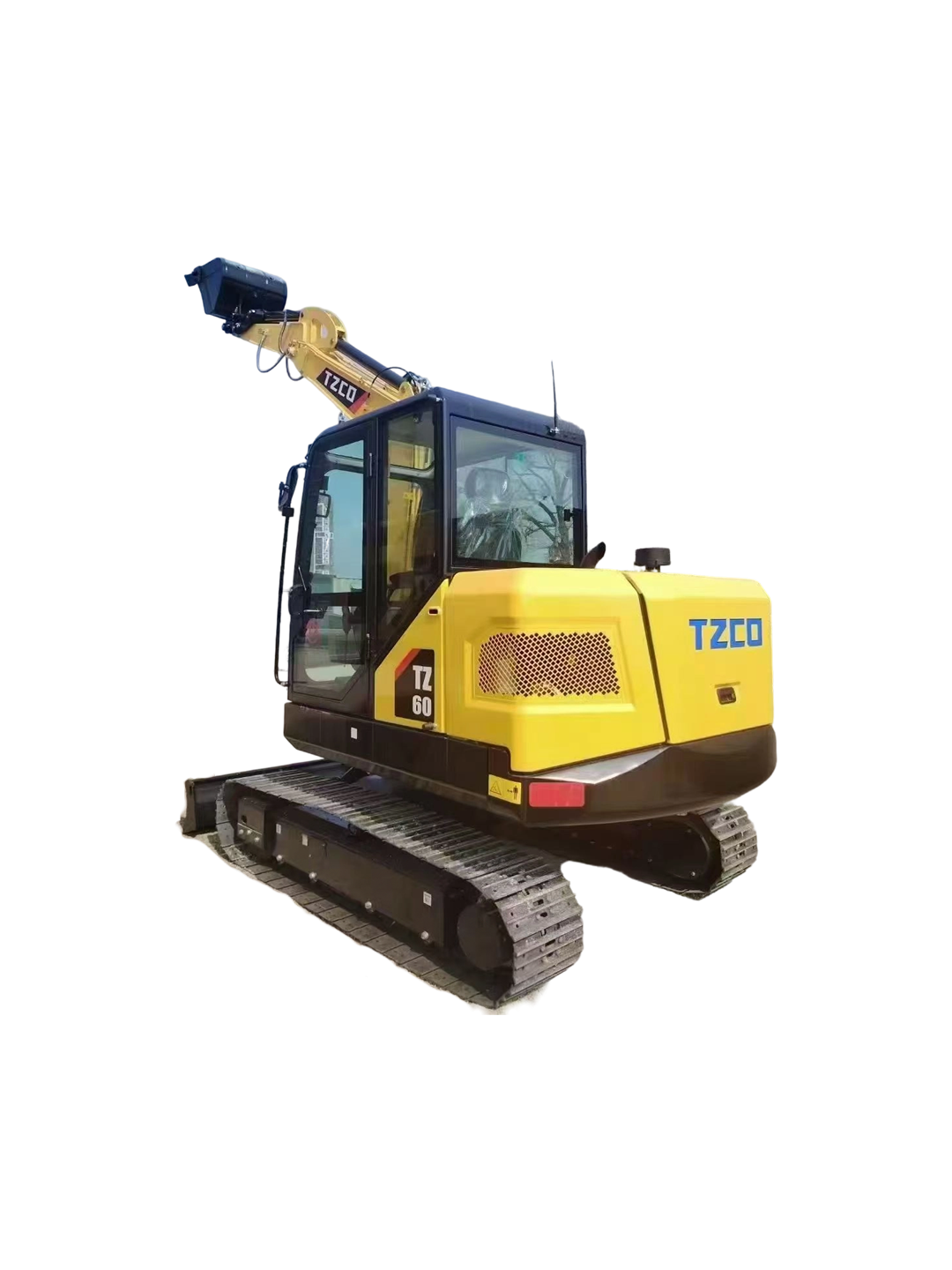
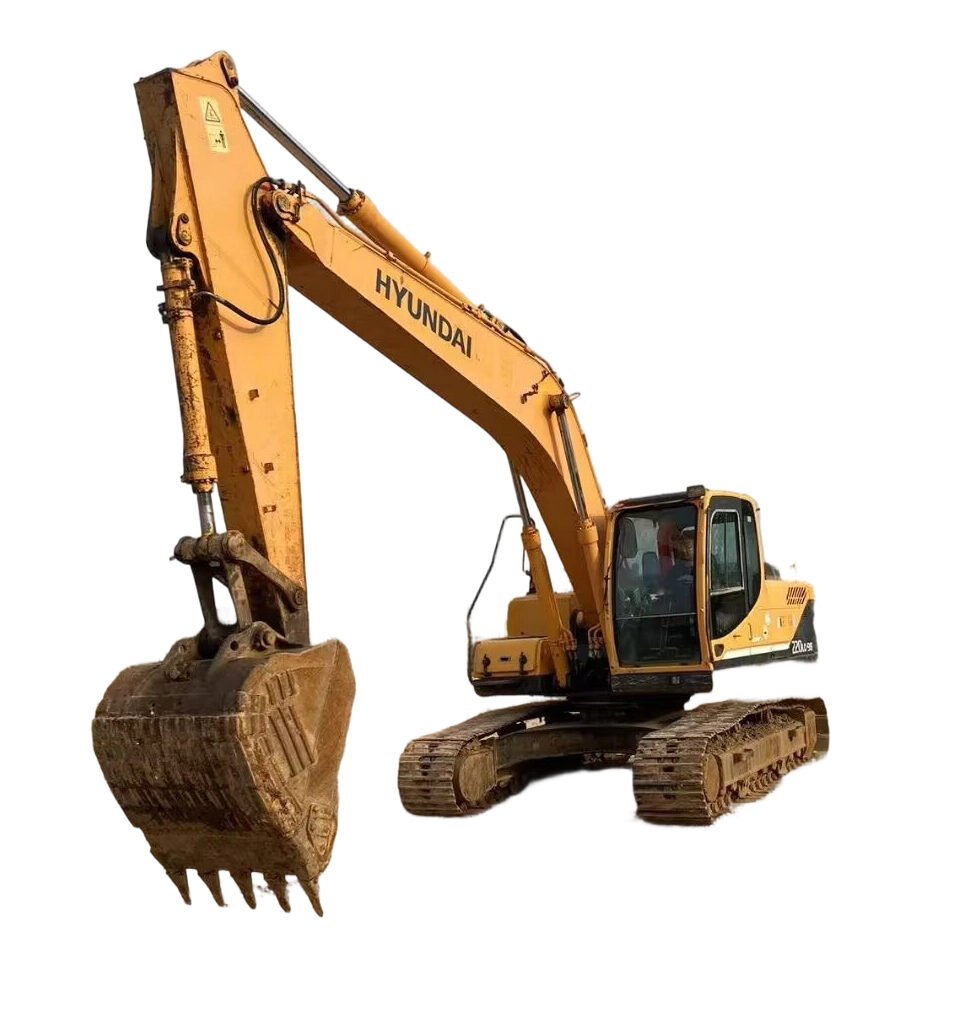
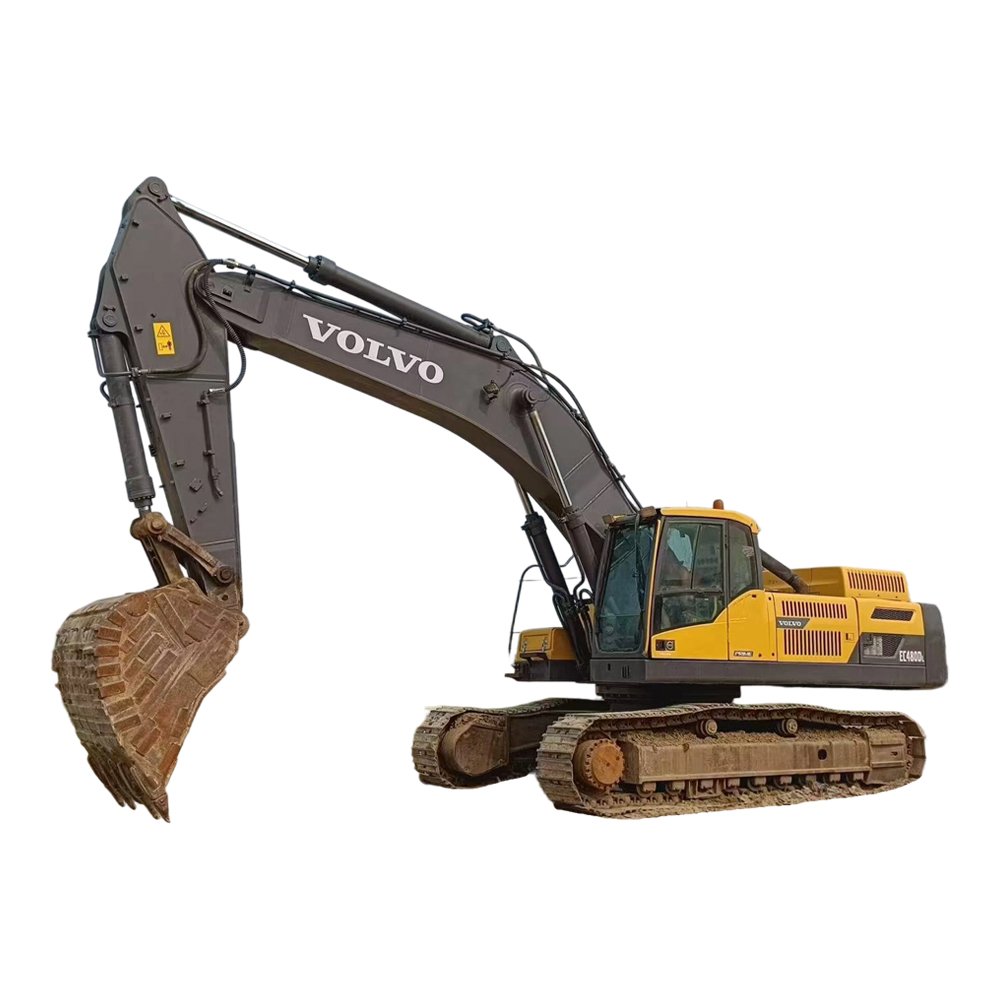
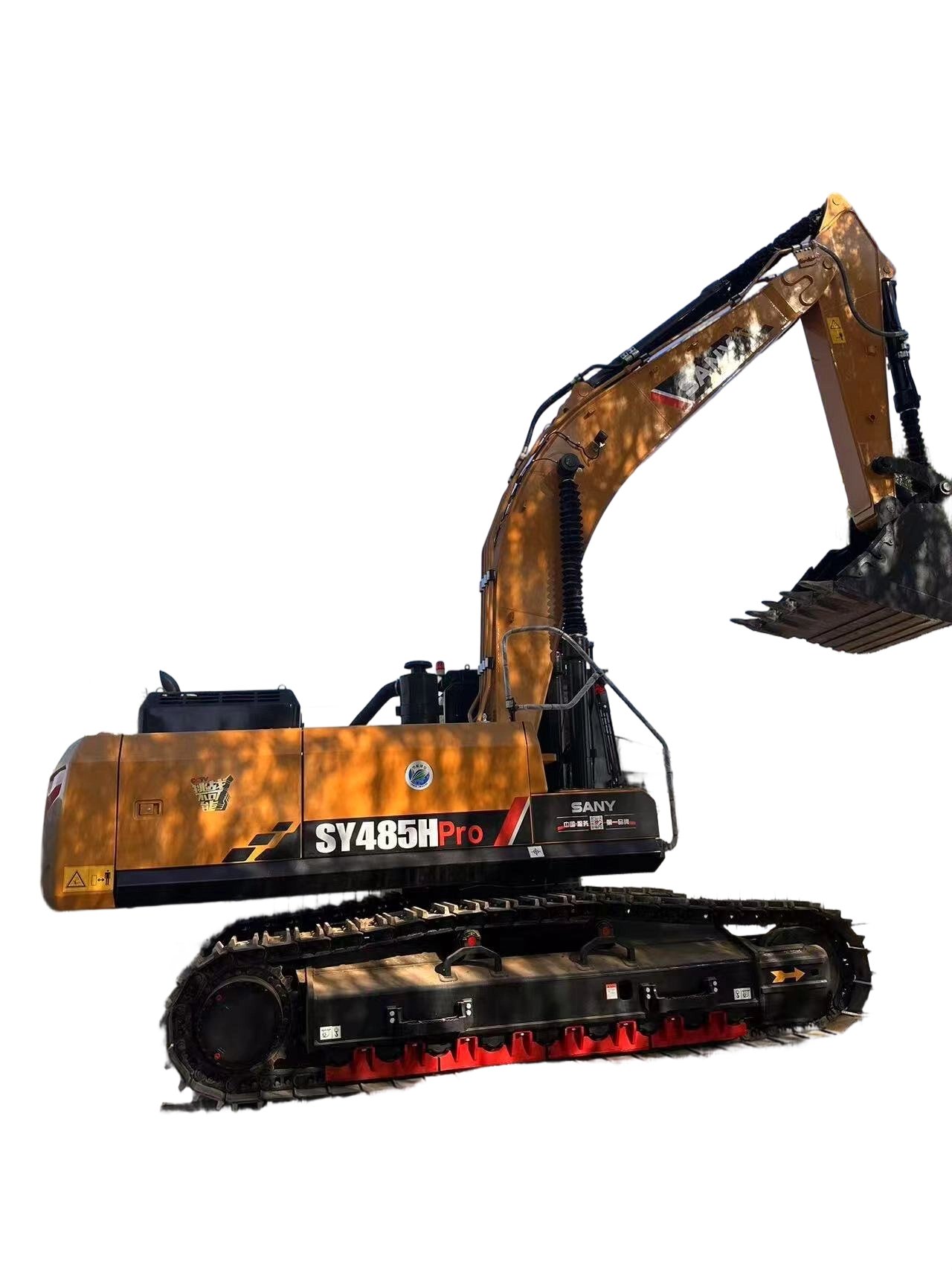
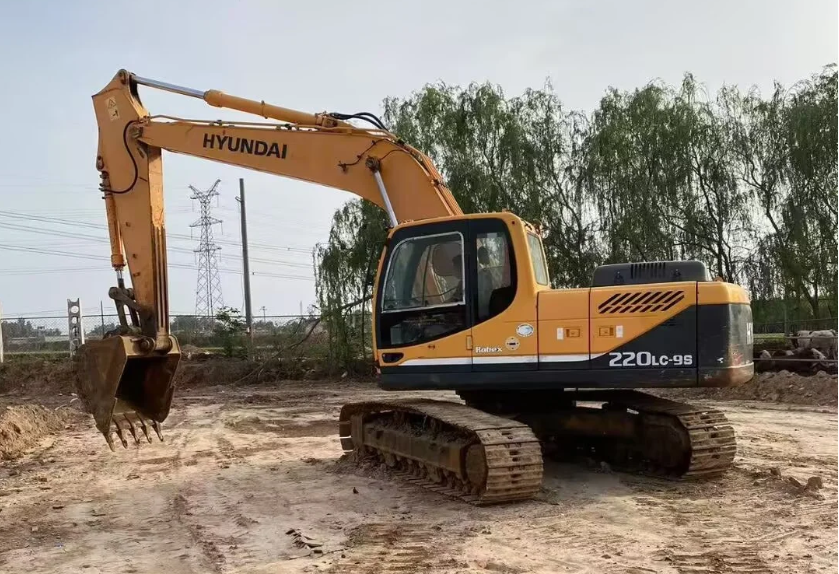
An excavator is a heavy construction machine designed primarily for digging and earthmoving operations. It typically consists of a boom, stick, bucket, rotating cab, and tracked or wheeled undercarriage. The hydraulic system allows the machine to perform precise movements while handling substantial loads.
Although digging remains its primary function, modern excavators are capable of much more. By changing attachments, operators can use the same machine for demolition, grading, lifting, trenching, landscaping, material handling, and many other tasks.
This flexibility makes excavators one of the most widely used machines on construction sites around the world.
Excavators for Site Preparation
Every successful construction project begins with proper site preparation. Before foundations can be installed or structures built, the land must be cleared, leveled, and prepared according to project specifications.
Excavators are frequently used to remove vegetation, rocks, debris, and existing structures that may interfere with construction activities. Their powerful digging capabilities allow operators to reshape terrain efficiently while maintaining project timelines.
Site preparation often involves significant earthmoving work, and excavators provide the strength and precision needed to create stable conditions for future construction activities.
Foundation Excavation and Groundwork
One of the most common uses of an excavator is foundation excavation. Whether constructing residential homes, commercial buildings, warehouses, or industrial facilities, foundations require accurately excavated areas to support structural loads.
Excavators can dig foundation pits, footings, and basement areas with remarkable precision. Their hydraulic controls allow operators to achieve specific depths and dimensions while minimizing unnecessary excavation.
Accurate groundwork is essential for long-term structural stability, and excavators help ensure that foundation work meets engineering requirements.
Trenching for Utilities and Infrastructure
Utility installation is another major application for excavators in construction projects. Underground systems such as water lines, sewer networks, gas pipelines, electrical conduits, and telecommunications cables require carefully excavated trenches.
Excavators can efficiently create trenches of varying depths and widths while maintaining consistent alignment throughout the project.
For infrastructure projects, including roads, bridges, and public utility systems, excavators significantly improve productivity by reducing manual labor and accelerating excavation operations.
The ability to complete trenching quickly and accurately contributes to overall project efficiency and cost control.
Material Handling and Heavy Lifting
Modern excavators are not limited to digging activities. They are also commonly used for material handling and lifting operations on construction sites.
Using specialized attachments, excavators can move large quantities of soil, aggregate, construction materials, and equipment. Their hydraulic lifting capabilities make them valuable for transporting heavy loads within confined workspaces.
This versatility reduces the need for multiple machines and helps streamline construction workflows.
Efficient material handling improves site organization, minimizes delays, and supports safer working conditions for project teams.
Demolition and Structure Removal
Excavators play an important role in demolition projects. Equipped with hydraulic breakers, crushers, grapples, or shears, they can safely dismantle structures and process demolition materials.
Whether removing old buildings, concrete foundations, retaining walls, or industrial facilities, excavators provide the power and control needed for efficient demolition work.
Their ability to operate from a safe distance while handling heavy debris improves productivity and supports controlled demolition procedures.
As urban redevelopment projects continue to grow, excavators remain essential tools for structure removal and site redevelopment.
Road Construction and Infrastructure Development
Road construction projects rely heavily on excavators throughout multiple stages of development.
During the early phases, excavators clear land and perform earthmoving operations to establish road alignments. They are also used for drainage installation, slope shaping, and utility placement.
In large-scale infrastructure projects such as highways, rail systems, airports, and public transportation networks, excavators contribute to efficient project execution by handling diverse construction tasks.
Their adaptability makes them valuable assets throughout the entire infrastructure development process.
Landscaping and Land Development
Excavators are increasingly used in landscaping and land development projects. Their precision and maneuverability make them ideal for shaping outdoor environments and creating attractive landscapes.
Common landscaping applications include:
• Pond excavation
• Tree and stump removal
• Terrain grading
• Drainage system installation
• Retaining wall preparation
• Garden construction
• Land contouring
By using specialized buckets and attachments, contractors can achieve highly detailed landscaping results while reducing project completion times.
Specialized Attachments Expand Capabilities
One reason excavators are so valuable is their compatibility with a wide range of attachments.
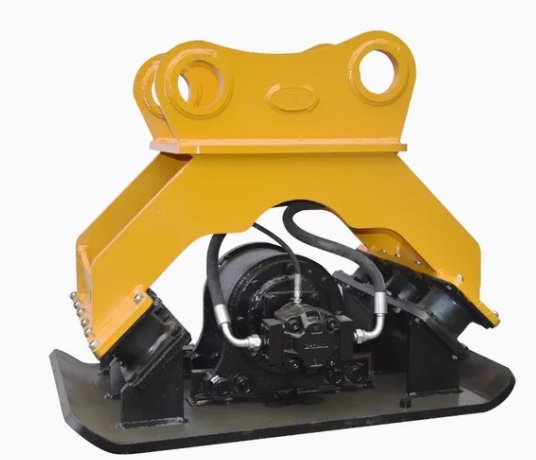
Depending on project requirements, operators can equip excavators with buckets, hydraulic hammers, augers, grapples, rippers, compactors, and lifting devices.
These attachments transform a single machine into a multifunctional construction solution capable of performing numerous tasks across different industries.
The ability to switch attachments quickly increases equipment utilization and enhances operational efficiency.
As attachment technology continues to advance, excavators are becoming even more versatile and productive.
Benefits of Using Excavators in Construction Projects
Construction companies rely on excavators because they offer numerous operational advantages.
Key benefits include:
• High productivity
• Precision excavation
• Versatile functionality
• Reduced labor requirements
• Faster project completion
• Efficient material handling
• Improved job site organization
• Adaptability across project types
These advantages help contractors complete projects more efficiently while maintaining quality standards and meeting construction schedules.
Choosing the Right Excavator for the Job
Selecting the appropriate excavator depends on project size, site conditions, workload requirements, and attachment compatibility.
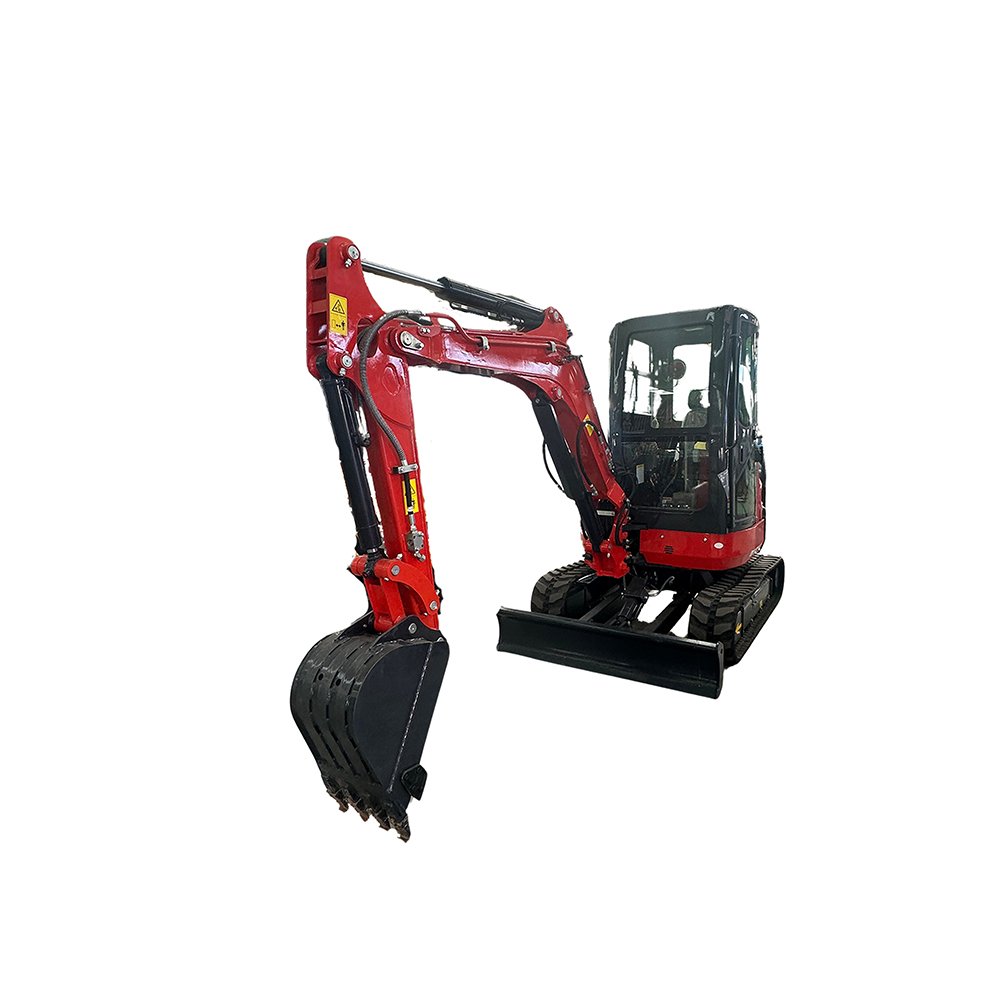
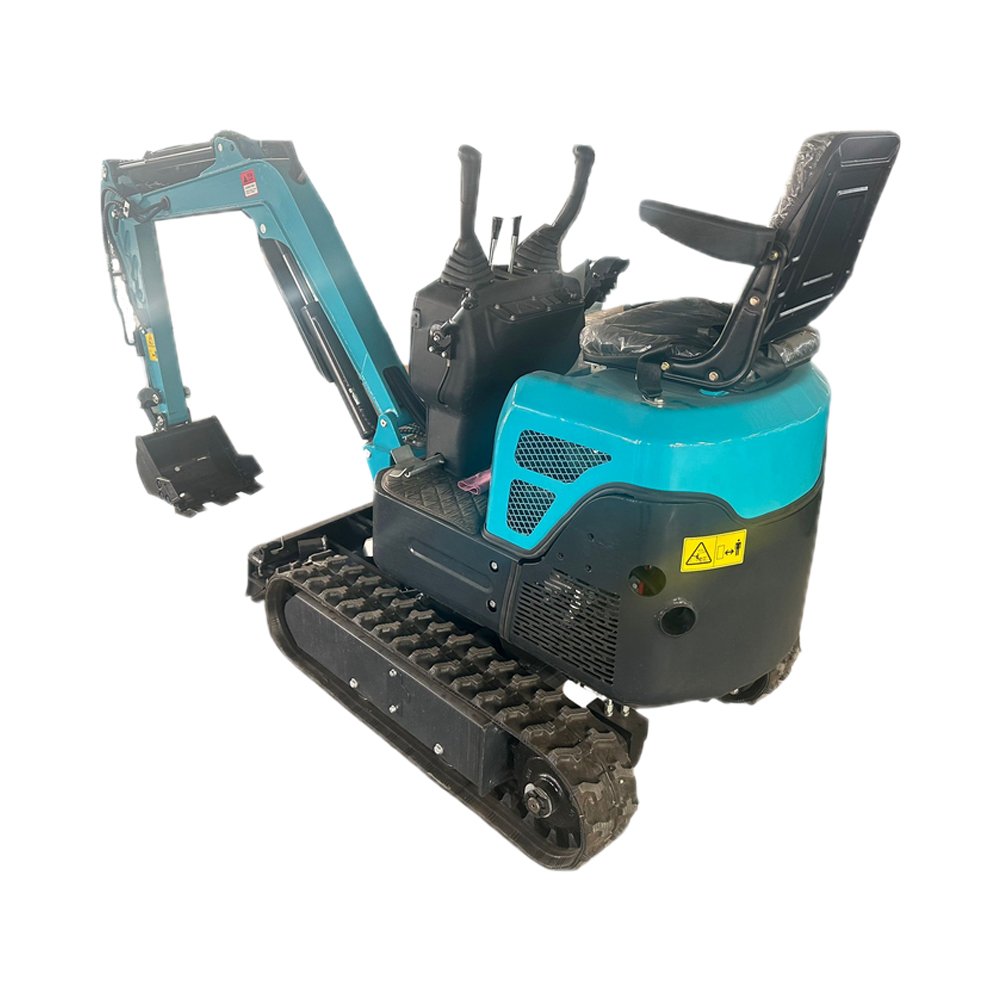
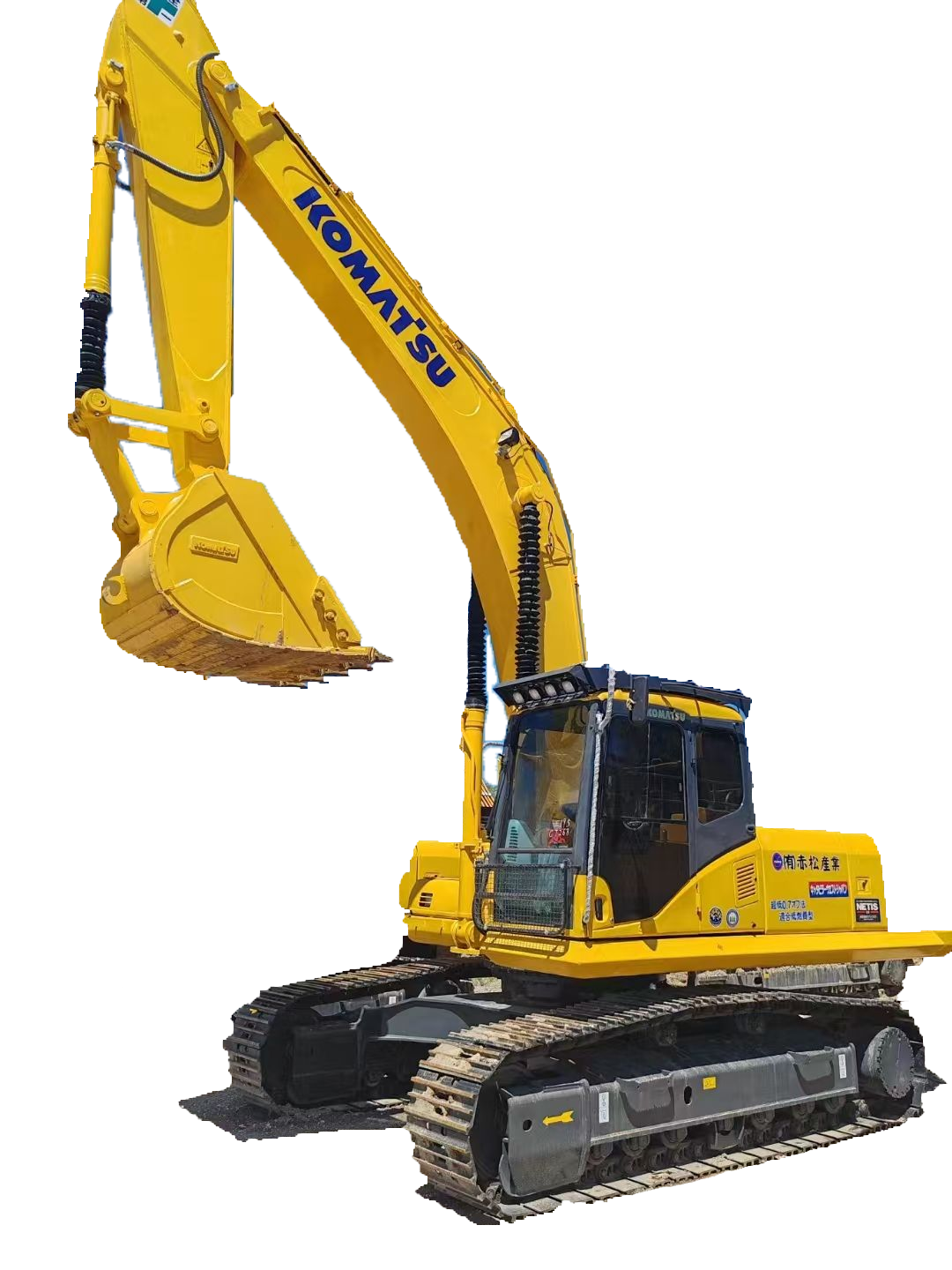
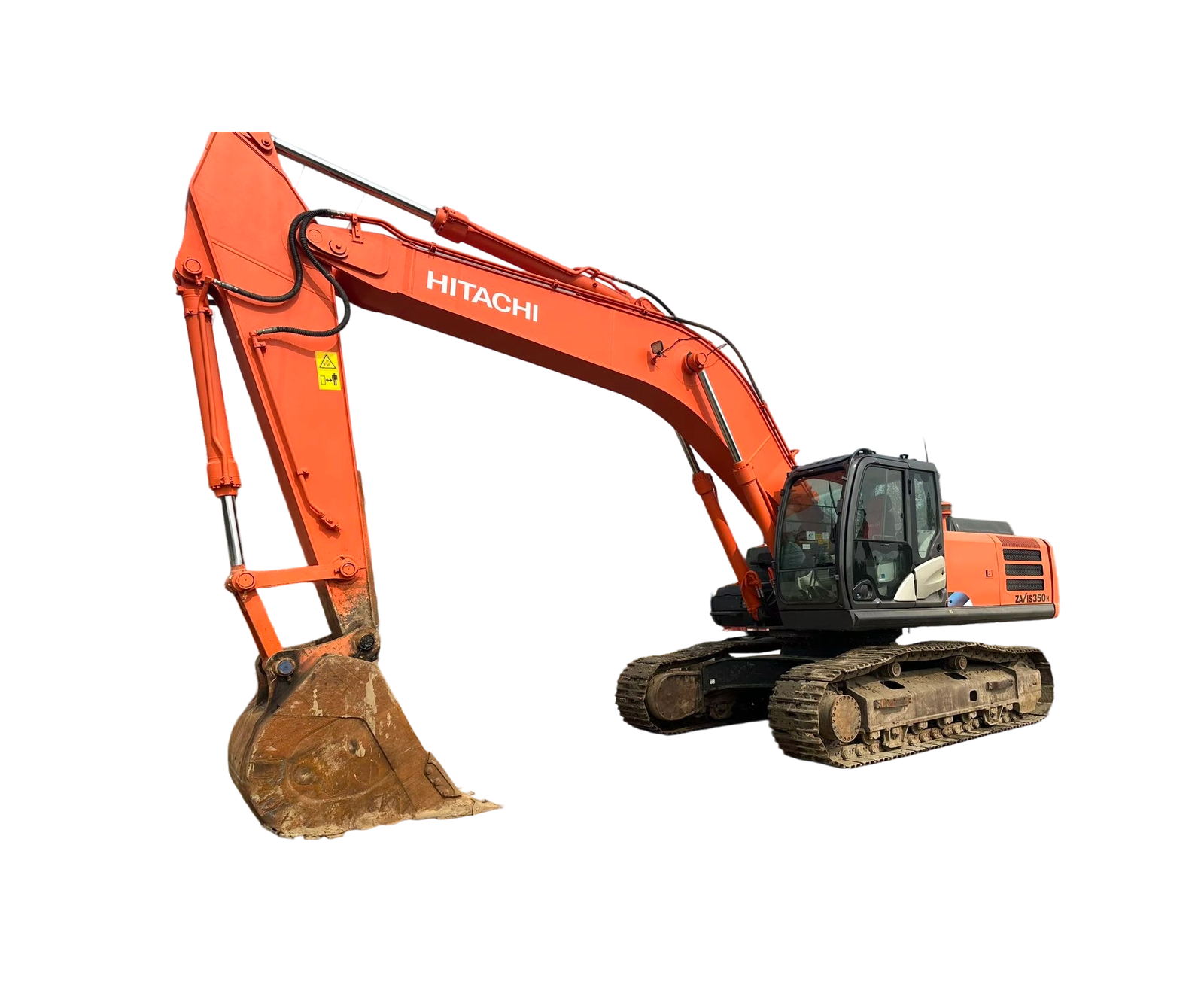
Mini excavators are ideal for confined spaces and residential projects. Medium-sized models provide flexibility for general construction applications. Large excavators are commonly used in major infrastructure, mining, and industrial projects requiring significant digging power.
Understanding project requirements helps ensure optimal machine performance and efficient resource utilization.
Proper equipment selection can improve productivity while maximizing project value.
Excavators are among the most versatile and essential machines used in modern construction projects. From site preparation and foundation excavation to trenching, material handling, demolition, road construction, and landscaping, they perform a wide variety of tasks that support efficient project execution.
Their advanced hydraulic systems, attachment flexibility, and powerful performance make them indispensable tools across multiple sectors of the construction industry. As construction demands continue to evolve, excavators will remain at the center of efficient, productive, and high-quality project delivery.