








Industry News
How to Evaluate the Value of a Used Kubota Excavator Before Purchase
May
Purchasing a used Kubota excavator can be a smart investment for contractors, landscapers, farmers, and construction businesses looking to expand their equipment fleet while managing costs efficiently. Kubota excavators are widely recognized for their durability, fuel efficiency, compact design, and reliable performance across various job site conditions. However, evaluating the true value of a used excavator requires careful inspection, technical understanding, and knowledge of market factors.
A well-maintained used excavator can deliver years of dependable operation and strong return on investment. On the other hand, overlooking important evaluation details may result in higher maintenance expenses, reduced productivity, and lower long-term value. Buyers should therefore assess not only the machine’s appearance, but also its mechanical condition, service history, operating hours, attachments, and overall market demand.
This guide explains how to properly evaluate the value of a used Kubota excavator before purchase, helping buyers make informed decisions that support productivity, efficiency, and long-term equipment performance.
Understand the Importance of Machine History
One of the first steps when evaluating a used Kubota excavator is understanding the machine’s background and operational history. A well-documented history provides valuable insight into how the equipment has been maintained and operated over time.
Service records are especially important because they reveal whether regular maintenance was performed according to manufacturer recommendations. Consistent oil changes, hydraulic inspections, filter replacements, and scheduled servicing often indicate responsible ownership and proper machine care.
Buyers should also ask about the types of projects the excavator was used for. Machines operated in light landscaping or utility work may experience different wear patterns compared to equipment used in heavy demolition or rocky excavation environments.
Ownership history can further influence value assessment. Excavators owned by professional fleet operators or maintained under structured service programs often retain stronger long-term reliability.
A complete and transparent maintenance history increases buyer confidence and supports more accurate equipment valuation.
Inspect the Overall Exterior Condition
The exterior appearance of a used excavator can provide useful clues about its overall condition and maintenance level. While cosmetic wear is normal for construction equipment, excessive visible damage may indicate rough operation or insufficient care.
Carefully inspect the boom, arm, bucket, cab, frame, and counterweight for dents, cracks, welding repairs, or signs of structural stress. Surface scratches and minor paint fading are common, but major structural repairs deserve closer attention.
Check for rust development, especially around joints, undercarriage areas, and hydraulic component connections. Excessive corrosion may affect long-term durability and maintenance requirements.
The cab interior should also be evaluated. Clean controls, functional displays, comfortable seating, and properly operating safety systems suggest that the machine has been cared for professionally.
A clean and organized machine appearance often reflects good maintenance habits and responsible equipment management.
Evaluate Engine Performance
The engine is one of the most valuable and critical components of any excavator. Proper engine evaluation is essential when determining the value of a used Kubota excavator.
Start the machine and observe how easily the engine turns over, especially during cold starts. Smooth startup performance often indicates healthy engine condition and proper maintenance.
Listen carefully for unusual noises such as knocking, excessive vibration, or irregular idle behavior. The engine should run smoothly and consistently under varying operating conditions.
Inspect the exhaust for excessive smoke during startup and operation. Clean combustion performance generally reflects efficient fuel system operation and engine health.
Fluid levels and conditions should also be checked carefully. Engine oil, coolant, and hydraulic fluids should appear clean and properly maintained. Signs of contamination or neglected servicing may indicate future maintenance needs.
A strong, responsive engine significantly contributes to excavator productivity, fuel efficiency, and long-term operational value.
Check Hydraulic System Condition
Hydraulic performance is extremely important for excavator efficiency because nearly all digging, lifting, and attachment functions rely on hydraulic power.
Operate the boom, arm, bucket, and swing functions to evaluate responsiveness and smoothness. Hydraulic movements should feel controlled, stable, and consistent without hesitation or unusual delays.
Inspect hydraulic cylinders, hoses, fittings, and seals for leaks, cracks, or visible wear. Small leaks may seem minor initially, but unresolved hydraulic issues can affect machine performance and operational efficiency over time.
Pay attention to hydraulic pump noise and system pressure stability during operation. Smooth hydraulic performance often reflects proper maintenance and component health.
Hydraulic system condition plays a major role in overall excavator value because repairs and replacements can influence long-term ownership costs.
Examine the Undercarriage Carefully
The undercarriage is one of the most heavily used sections of an excavator and often represents a significant portion of maintenance expenses. Proper undercarriage inspection is therefore essential during equipment evaluation.
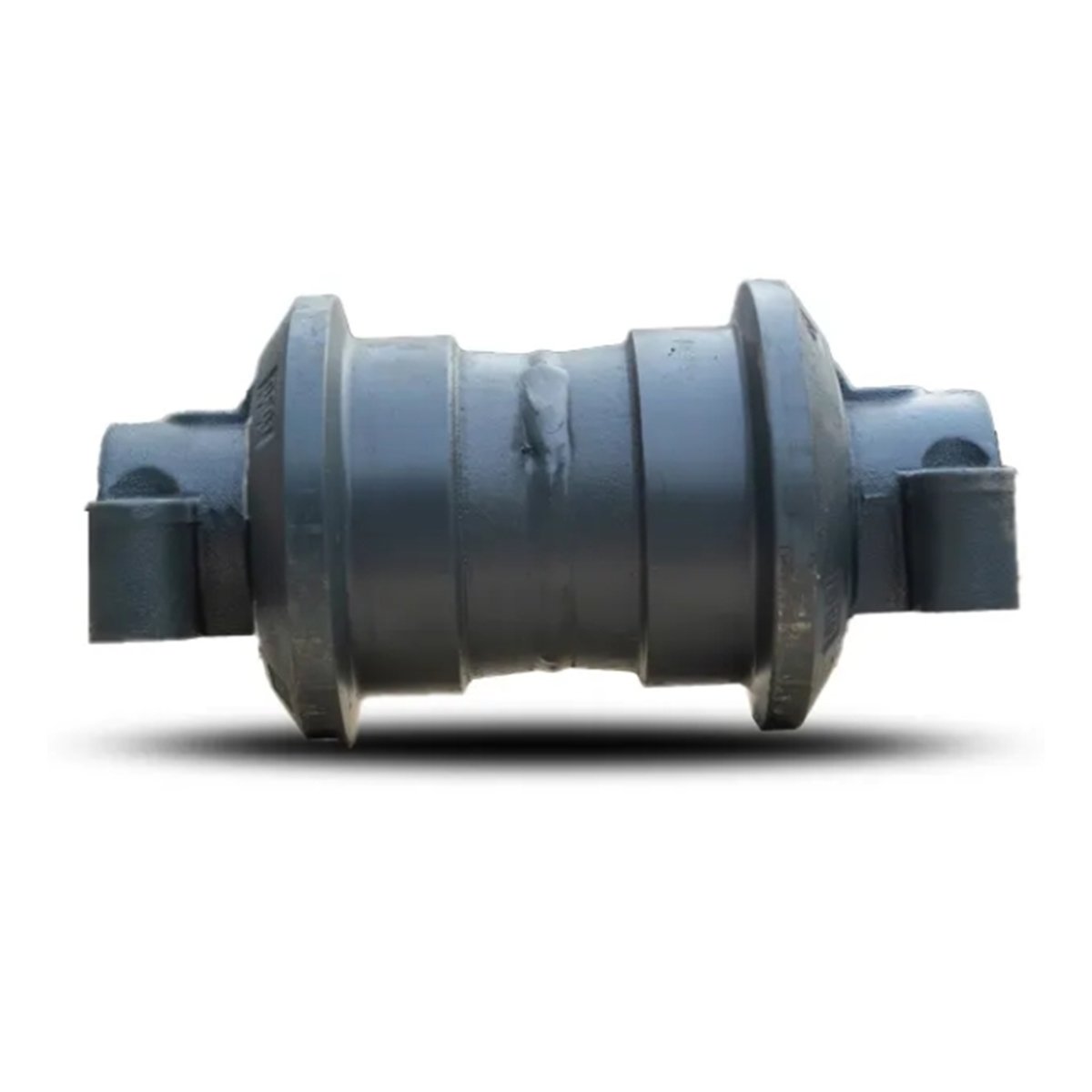
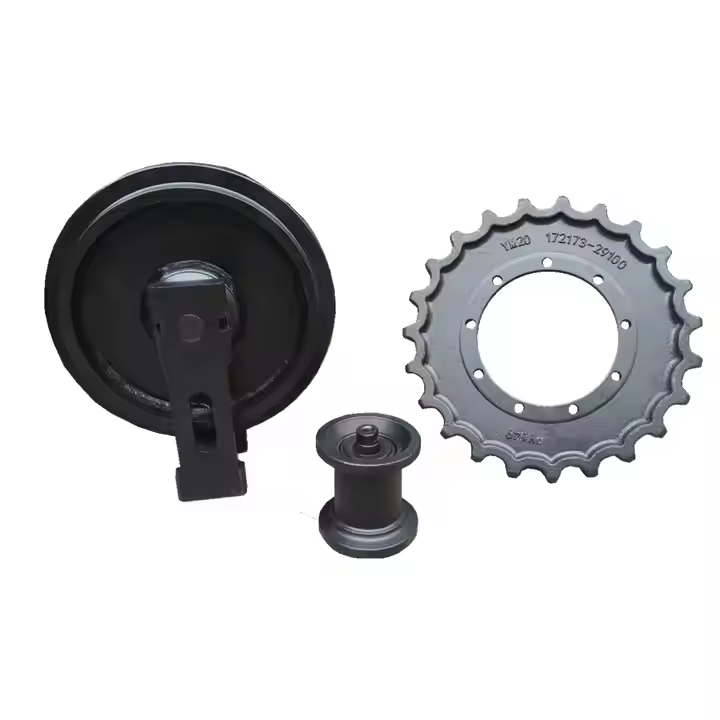
Inspect the tracks, rollers, sprockets, idlers, and track tension carefully. Uneven wear patterns may indicate alignment issues or heavy operational stress.
Rubber tracks should be checked for cracking, cuts, missing chunks, or excessive wear. Steel tracks should be inspected for damaged links, loose pins, or structural fatigue.
Track tension should also be evaluated because improper tension can affect operational efficiency and accelerate wear.
A well-maintained undercarriage improves machine stability, maneuverability, and job site performance while helping reduce long-term maintenance requirements.
Review Operating Hours and Usage Patterns
Operating hours are an important factor when assessing used excavator value, but they should always be considered alongside maintenance quality and operational conditions.
A machine with moderate hours and excellent maintenance may provide better value than a lower-hour machine with inconsistent servicing.
Kubota excavators are designed for durability, and many units continue operating efficiently for thousands of hours when properly maintained. Buyers should therefore focus on overall machine condition rather than hours alone.
Usage patterns are equally important. Excavators used primarily for light utility work or landscaping may experience less structural stress than machines used in demanding heavy excavation environments.
Comparing operating hours with visible wear levels can also help buyers evaluate whether the machine has been maintained consistently throughout its lifespan.
Test Machine Controls and Operating Functions
Testing machine controls helps buyers understand how the excavator performs under real working conditions.
Operate the travel controls, boom, arm, bucket, blade, swing system, and auxiliary hydraulic functions if available. Controls should respond smoothly and predictably without excessive looseness or delay.
Cab electronics, displays, lights, climate controls, and safety systems should also be tested carefully. Functional operator systems contribute to comfort, productivity, and operational safety.
Pay attention to overall machine balance and handling during movement and digging operations. Stable operation often reflects proper maintenance and healthy hydraulic performance.
A machine that feels responsive, balanced, and smooth during operation generally provides stronger long-term value.
Assess Attachments and Additional Features
Attachments can significantly influence the value of a used Kubota excavator. Many machines include buckets, hydraulic breakers, augers, grapples, or quick coupler systems that improve versatility and job site efficiency.
Inspect attachment condition carefully, including cutting edges, pins, bushings, hydraulic connections, and structural integrity.
Machines equipped with modern features such as advanced hydraulics, comfortable operator cabins, backup cameras, or quick attachment systems may provide greater operational convenience and productivity.
Additional features can improve resale value and reduce future upgrade costs, making them important considerations during purchase evaluation.
Compare Market Pricing and Demand
Understanding current market demand is important when evaluating used excavator value. Pricing may vary based on machine age, condition, model size, included attachments, and regional equipment demand.
Research comparable Kubota excavator listings to understand average pricing ranges for similar models and operating hours.
Seasonal demand can also influence pricing. Construction activity, agricultural projects, and infrastructure development often affect equipment availability and resale values.
Machines with strong service records, low wear levels, and desirable attachments typically retain higher market value and stronger resale potential.
A balanced market comparison helps buyers determine whether the asking price reflects fair equipment value.
Consider Long-Term Ownership Value
Evaluating a used excavator should involve more than the initial purchase price. Buyers should also consider long-term ownership factors such as fuel efficiency, maintenance requirements, parts availability, reliability, and future resale value.
Kubota excavators are known for compact efficiency, operator-friendly controls, and dependable performance, which can contribute positively to long-term operating costs and equipment utilization.
Machines that are easy to maintain and supported by strong parts availability often deliver better ownership experiences over time.
A carefully selected used excavator can support years of productive work while maintaining solid resale potential in the used equipment market.
Importance of Professional Inspection
For buyers unfamiliar with heavy equipment evaluation, professional inspections can provide valuable additional confidence before purchase.
Experienced technicians can identify hidden wear, hydraulic concerns, engine issues, and structural conditions that may not be immediately visible during basic inspections.
Professional inspection reports help buyers make informed decisions and better understand future maintenance considerations.
Independent evaluations also support fair price negotiations by providing accurate technical assessments of machine condition.
Investing in a detailed inspection can help protect long-term equipment value and reduce unexpected ownership risks.
Evaluating the value of a used Kubota excavator before purchase requires careful attention to machine history, engine condition, hydraulic performance, undercarriage wear, operating hours, attachments, and overall maintenance quality.
A thorough inspection process helps buyers identify well-maintained equipment that can deliver reliable productivity, operational efficiency, and strong long-term value. By comparing market pricing, testing machine performance, and considering future ownership costs, buyers can make confident investment decisions that support business growth and job site success.
With proper evaluation and responsible purchasing strategies, a used Kubota excavator can become a highly valuable asset for construction, landscaping, agriculture, and utility projects for many years to come.