








Industry News
Top Tips for Buying a Second Hand Excavator
May
The demand for second hand excavators continues to grow as construction companies, contractors, farmers, landscapers, and infrastructure developers seek cost-effective equipment solutions. A well-maintained used excavator can deliver strong performance, operational efficiency, and long-term value while helping businesses manage equipment budgets more effectively.
However, purchasing a second hand excavator requires careful evaluation and informed decision-making. Buyers must consider machine condition, operating history, maintenance records, technical specifications, and supplier reliability before making an investment. Understanding what to inspect and how to compare available options can help ensure better equipment performance and improved project efficiency.
This guide explores the top tips for buying a second hand excavator while supporting smart purchasing decisions for modern construction and industrial operations.
Understand Your Project Requirements
Before purchasing a second hand excavator, it is important to clearly define your operational needs. Different excavation projects require different machine sizes, digging capacities, and attachment compatibility.
Key questions to consider include:
- What type of work will the excavator perform?
- What operating environment will it be used in?
- How much digging depth is required?
- What lifting capacity is necessary?
- Will the machine operate in tight spaces?
- Are special attachments needed?
Understanding project requirements helps buyers choose the right excavator size and configuration for maximum productivity.
Choose the Right Excavator Size
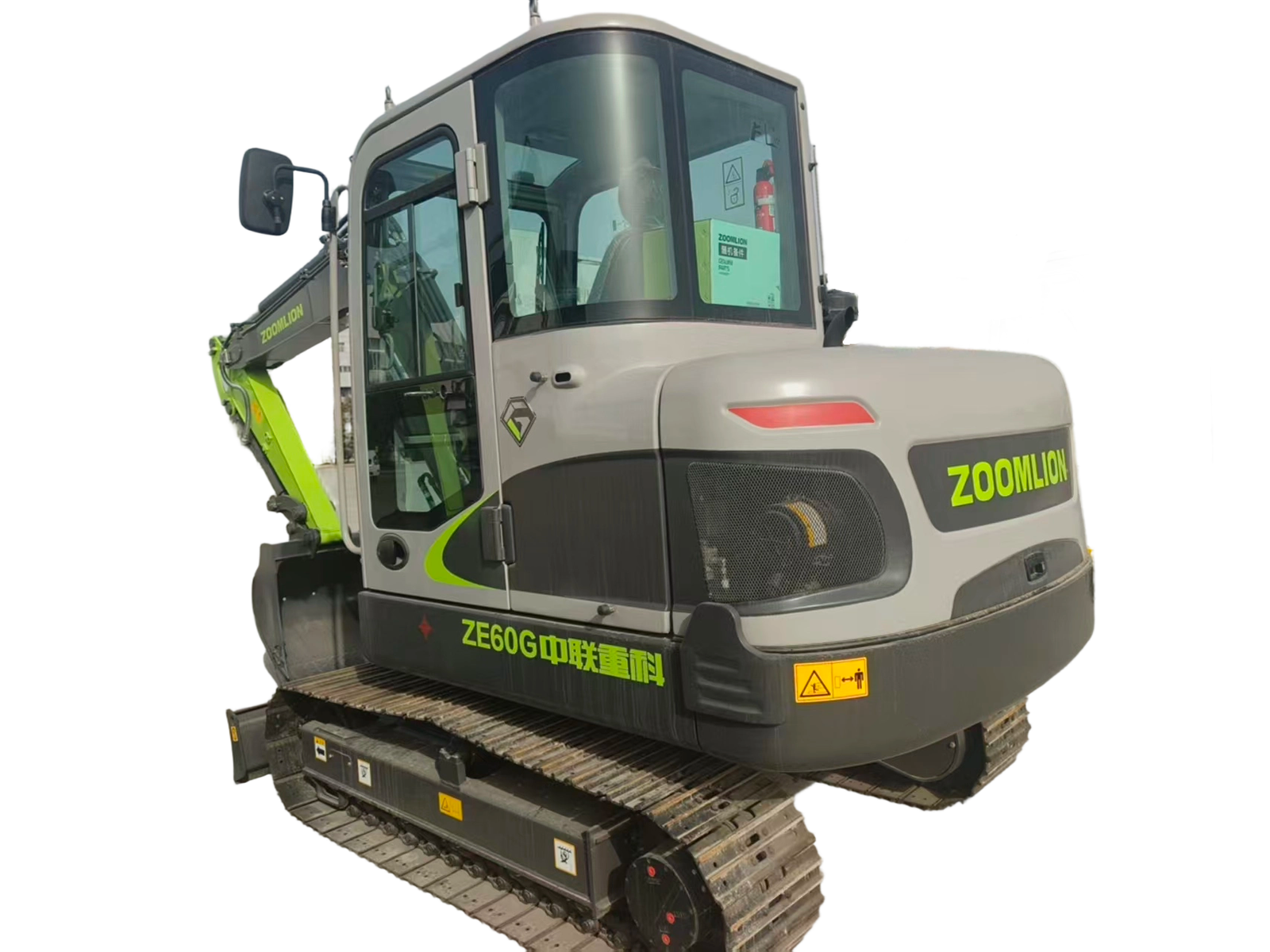
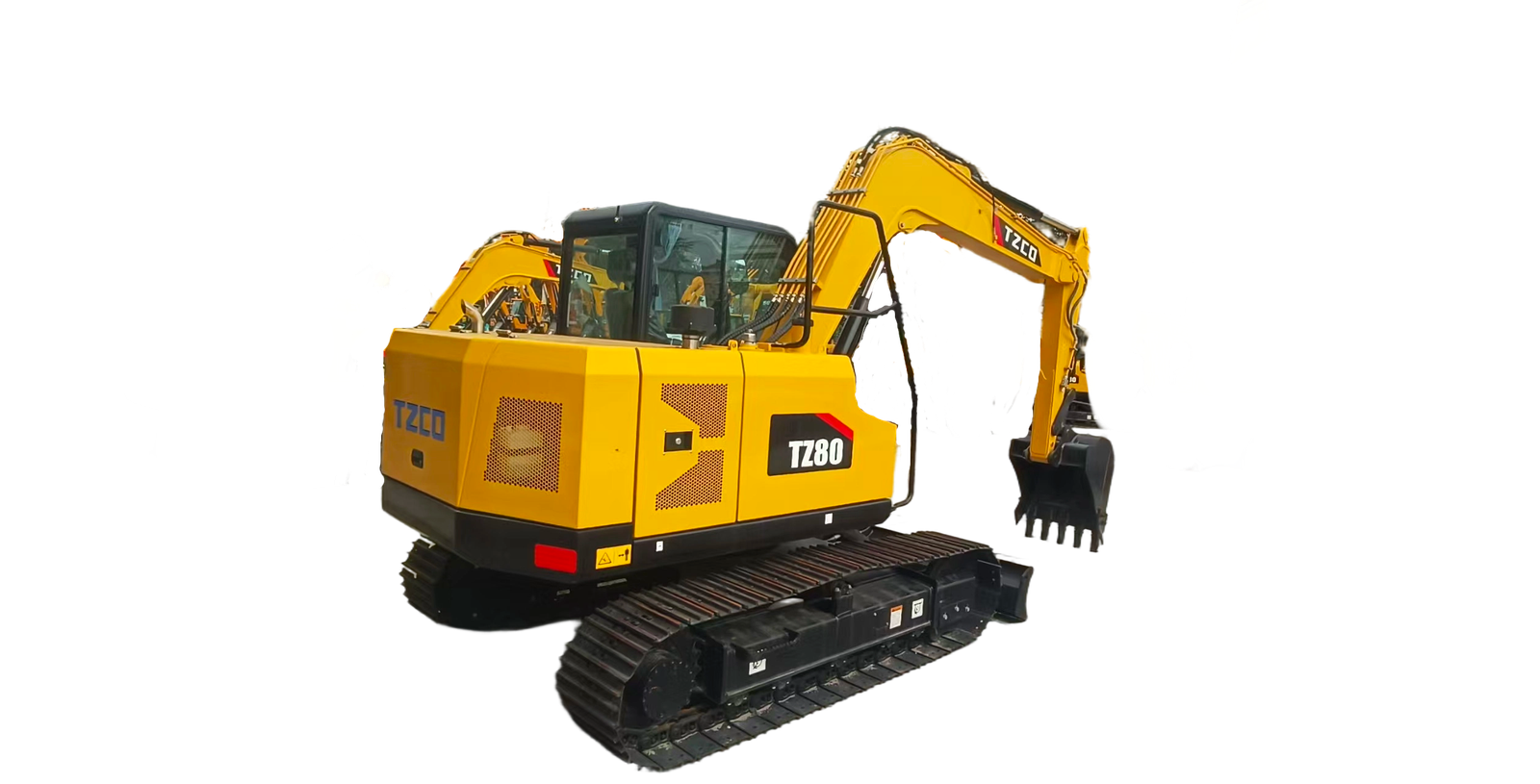
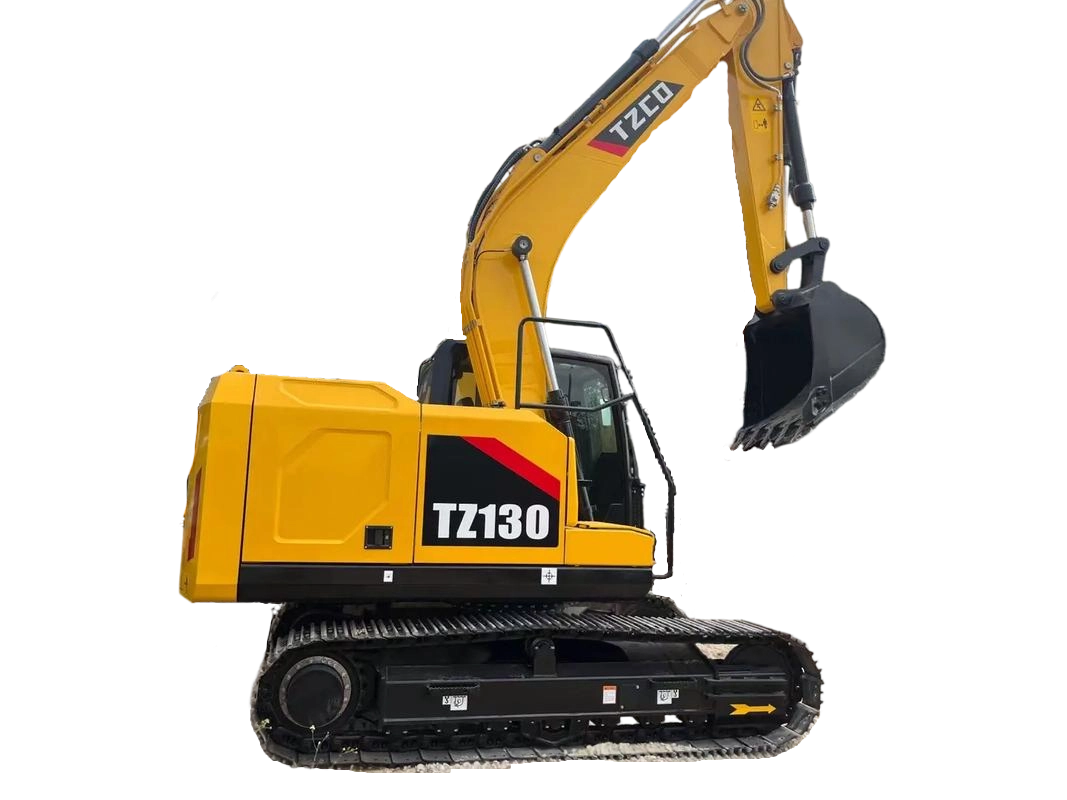
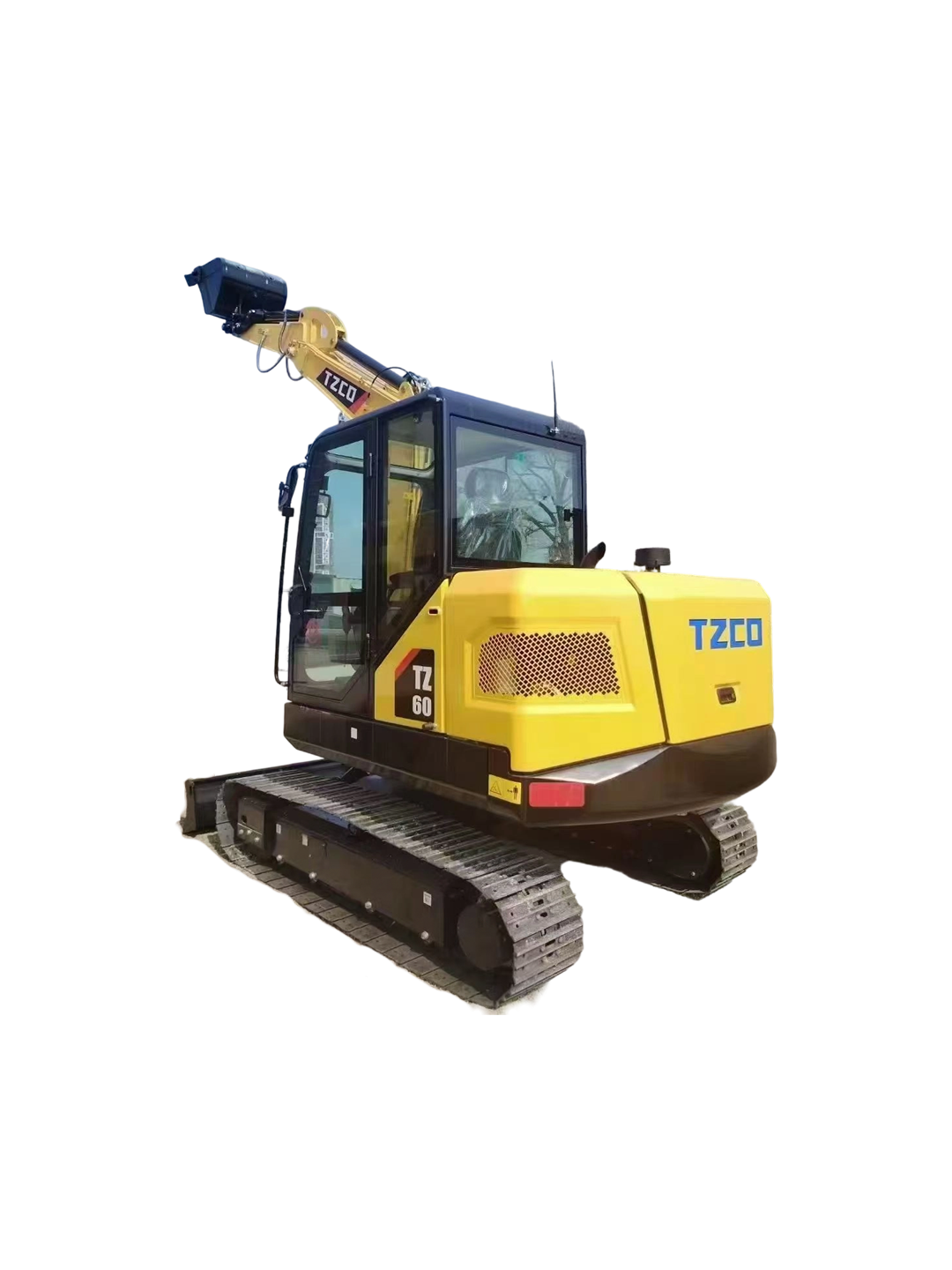
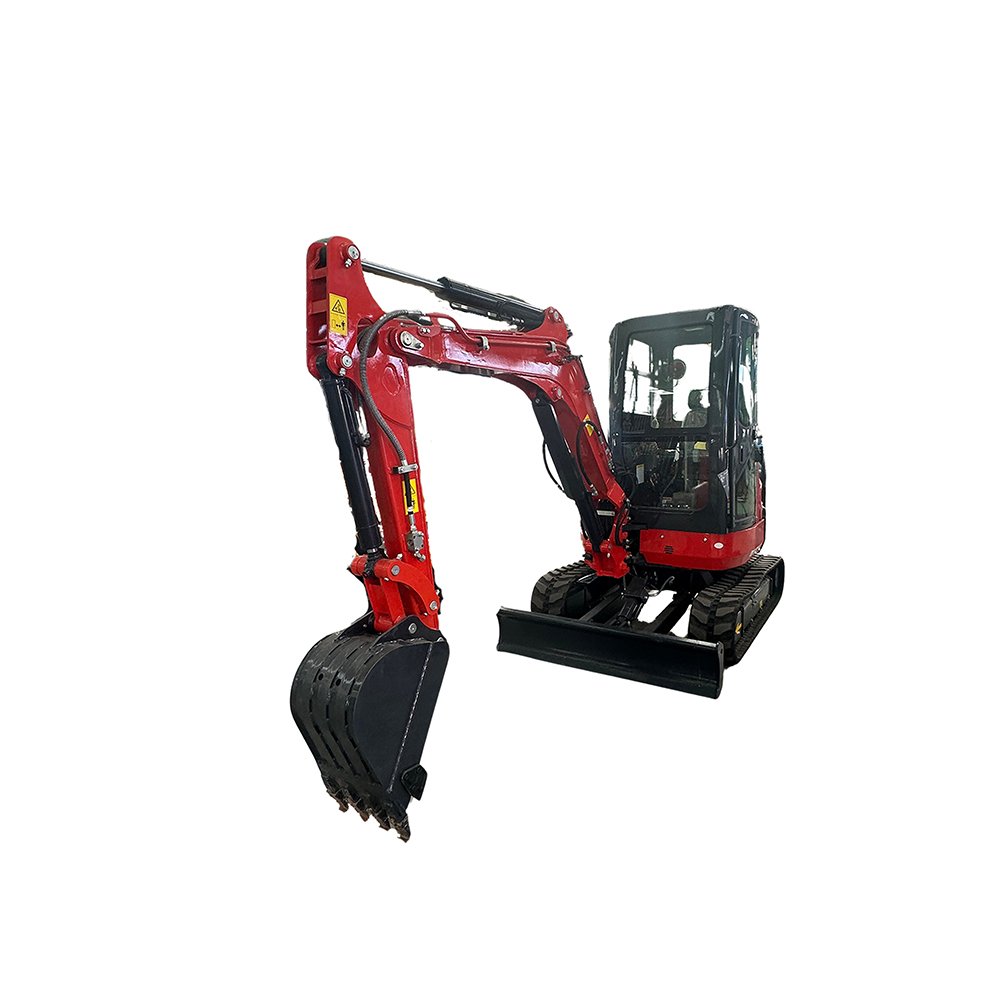
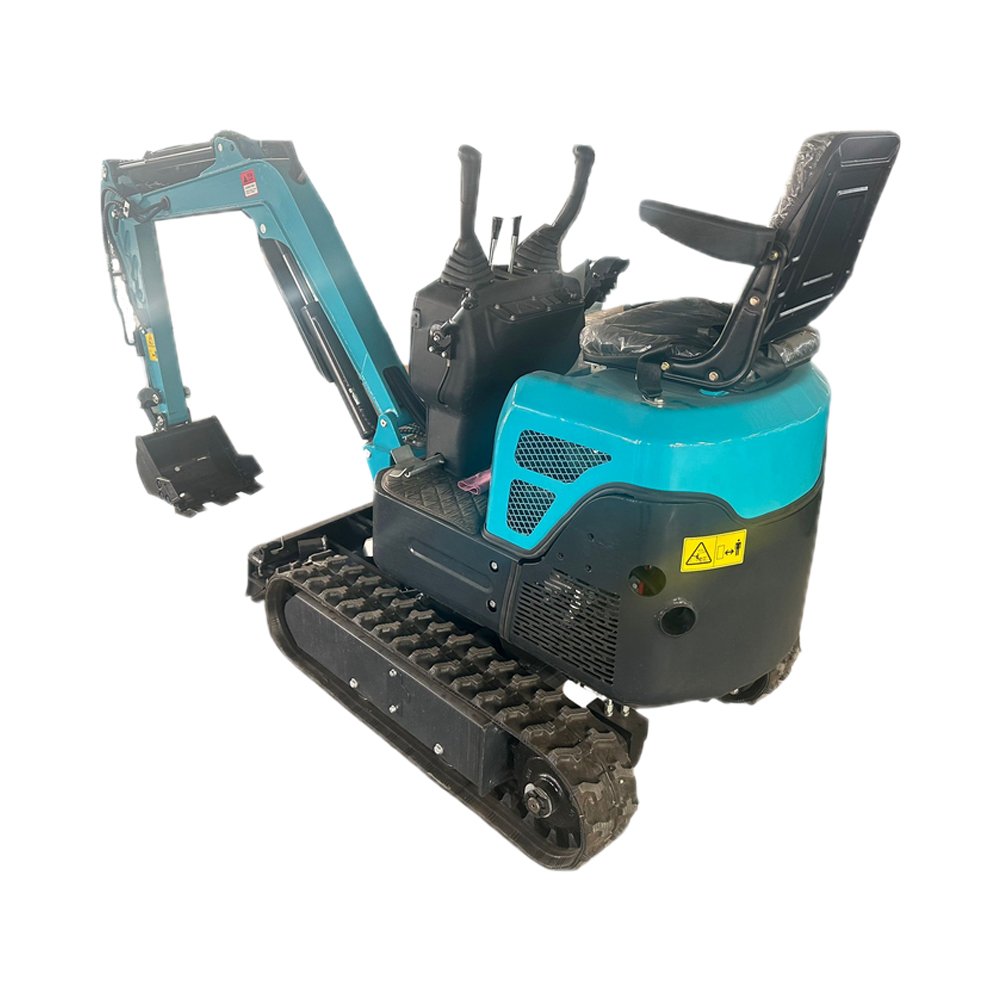
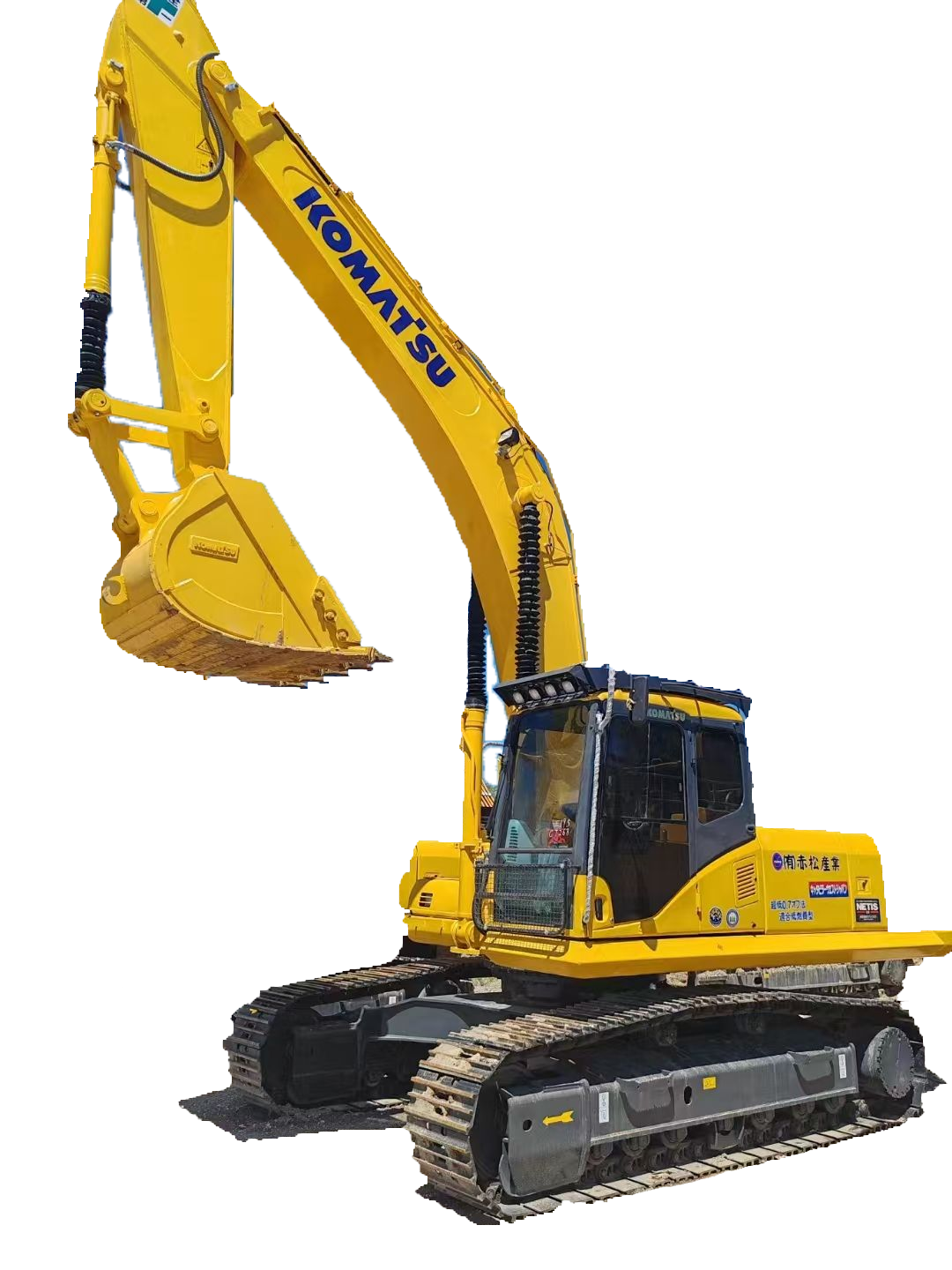
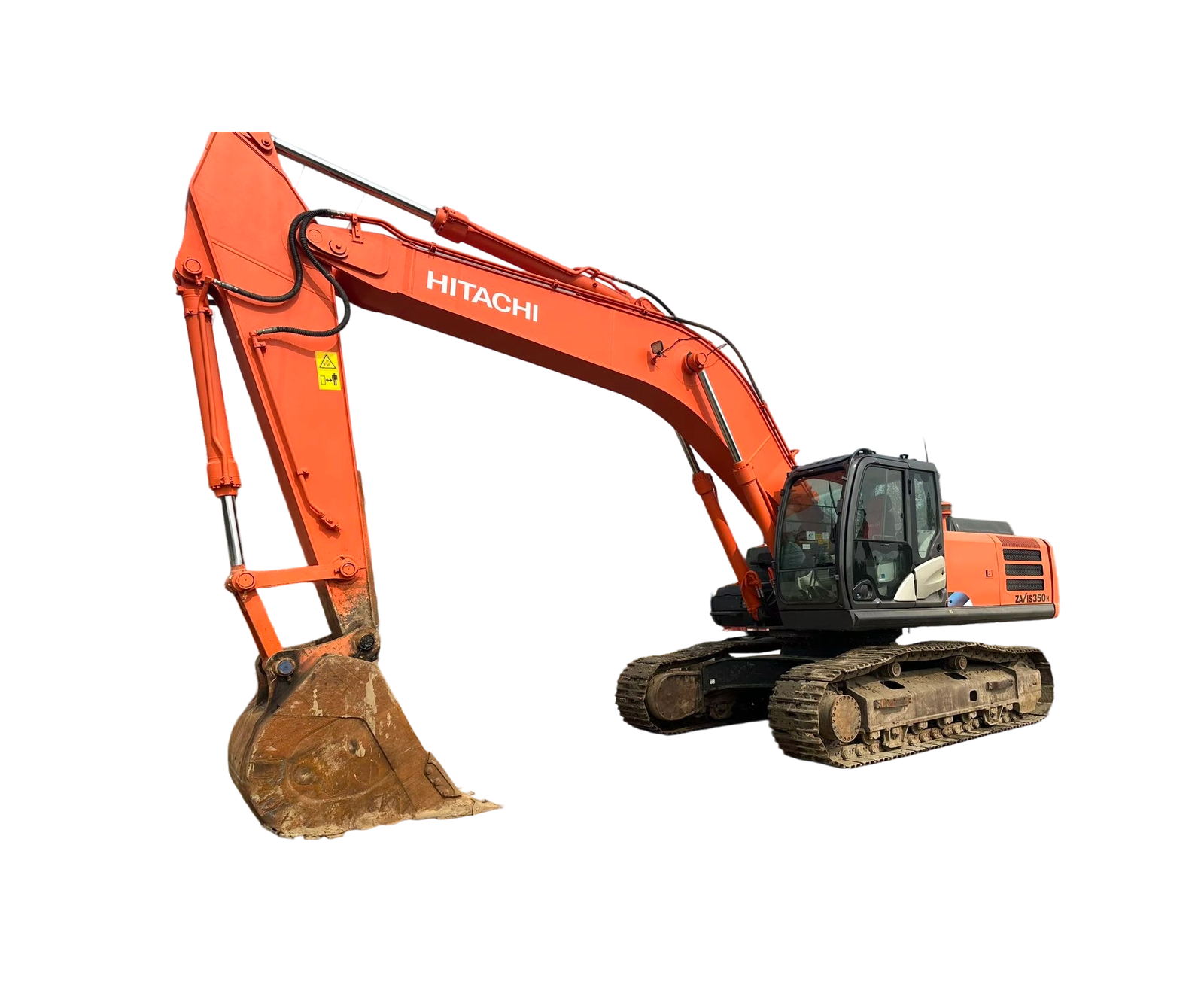
Excavators are available in various size categories, including mini excavators, medium excavators, and large heavy-duty models.
Mini excavators are commonly used for:
- Landscaping
- Urban construction
- Utility installation
- Residential projects
- Small-scale digging
Medium excavators are suitable for:
- General construction
- Roadwork
- Commercial projects
- Material handling
Large excavators are often used for:
- Mining
- Major infrastructure projects
- Heavy earthmoving
- Quarry operations
Selecting the correct size improves fuel efficiency, maneuverability, and operational effectiveness.
Inspect the Machine’s Overall Condition
A thorough visual inspection is one of the most important steps when evaluating a second hand excavator.
Carefully examine:
- Boom and arm structure
- Bucket condition
- Weld quality
- Chassis integrity
- Undercarriage wear
- Hydraulic hoses
- Pins and bushings
- Cabin condition
A clean and well-maintained appearance often indicates responsible ownership and regular servicing.
Pay attention to signs of excessive wear, corrosion, or structural damage that may affect long-term performance.
Evaluate the Engine Performance
The engine is the core component of any excavator. A strong and reliable engine contributes directly to productivity and operational stability.
During inspection:
- Start the engine from a cold condition
- Listen for unusual sounds
- Check exhaust emissions
- Monitor idle stability
- Evaluate acceleration response
- Inspect fluid levels
Smooth engine operation is an important indicator of proper maintenance and mechanical condition.
Check the Hydraulic System Carefully
Hydraulic performance plays a critical role in excavator efficiency. Weak hydraulic systems can reduce digging power and machine responsiveness.
Inspect the following components carefully:
- Hydraulic cylinders
- Hydraulic pumps
- Control valves
- Hydraulic hoses
- Seals and fittings
Operate the machine and test boom, arm, bucket, and swing functions to evaluate responsiveness and smooth movement.
Reliable hydraulic systems help improve job site efficiency and reduce operational interruptions.
Review Maintenance and Service Records
Well-documented maintenance records provide valuable insight into the excavator’s operating history.
Important records may include:
- Routine servicing
- Oil change schedules
- Hydraulic maintenance
- Component replacements
- Inspection reports
- Repair history
Consistent maintenance often indicates better machine reliability and longer service life.
Professional sellers and equipment dealers typically maintain detailed service documentation.
Examine the Undercarriage Condition
The undercarriage is one of the most heavily used areas of an excavator. Excessive wear in this area can affect machine stability and operating efficiency.
Inspect:
- Tracks
- Rollers
- Idlers
- Sprockets
- Track tension
- Track frame condition
Both steel tracks and rubber tracks should show even wear patterns and stable alignment.
A well-maintained undercarriage supports smoother machine operation and better terrain performance.
Test the Machine Before Purchase
Whenever possible, conduct a full operational test before finalizing the purchase.
Testing should include:
- Digging operations
- Swing movements
- Travel performance
- Attachment functionality
- Hydraulic response
- Cabin controls
A field test helps buyers evaluate actual machine performance under working conditions.
Smooth operation, responsive controls, and stable movement are positive indicators of machine condition.
Verify Operating Hours
Operating hours provide useful information about machine usage. However, hours alone should not determine machine quality.
A well-maintained excavator with higher hours may still perform very effectively, while a poorly maintained machine with lower hours may require additional servicing.
Consider operating hours together with:
- Maintenance history
- Visual condition
- Engine performance
- Hydraulic efficiency
- Previous operating environment
Balanced evaluation provides a more accurate understanding of equipment value.
Consider Attachment Compatibility
Modern excavators often support multiple attachments that improve machine versatility.
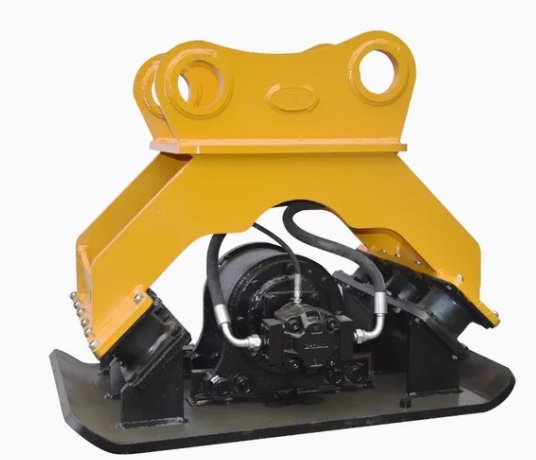
Common excavator attachments include:
- Buckets
- Hydraulic breakers
- Grapples
- Augers
- Rippers
- Compactors
If specialized attachments are required for your projects, confirm compatibility before purchase.
Versatile attachment support can improve operational flexibility and equipment utilization.
Evaluate Fuel Efficiency
Fuel costs are an important consideration in long-term equipment operation.
Modern excavators are increasingly designed to optimize fuel consumption while maintaining strong digging performance.
Fuel-efficient excavators offer benefits such as:
- Lower operating costs
- Improved productivity
- Reduced environmental impact
- Longer operating periods between refueling
Efficient fuel management contributes to better project profitability.
Research Parts Availability
Reliable access to replacement parts and service support is important for maintaining long-term equipment performance.
Before purchasing, evaluate:
- Spare parts availability
- Local service support
- Maintenance accessibility
- Technical support options
Machines with strong global support networks are often easier to maintain over time.
Buy from a Reliable Supplier
Choosing a professional equipment supplier or dealer is one of the most important steps when buying a second hand excavator.
Reliable suppliers often provide:
- Equipment inspection reports
- Transparent machine information
- Maintenance documentation
- Export assistance
- Technical support
- Professional communication
Experienced suppliers can help buyers select suitable machines for their operational requirements.
Understand Transportation and Logistics
Transportation planning is an important part of excavator purchasing, especially for international buyers.
Consider factors such as:
- Shipping methods
- Container dimensions
- Import documentation
- Delivery schedules
- Customs procedures
Professional logistics coordination helps ensure smooth equipment delivery and project planning.
Consider Future Resale Value
Excavators with strong durability, reliable performance, and consistent maintenance often retain better resale value over time.
Factors that support resale value include:
- Good maintenance history
- Popular machine size
- Strong operational performance
- Clean appearance
- Stable parts availability
Thinking long term can improve overall return on investment.
Importance of Operator Comfort and Safety
Modern excavators are designed with operator comfort and safety in mind.
Cabin features may include:
- Ergonomic controls
- Adjustable seating
- Climate control systems
- Improved visibility
- Low-noise operation
Comfortable working environments can improve productivity and reduce operator fatigue during long working hours.
Environmental and Emission Standards
Many industries increasingly prioritize environmentally friendly equipment solutions.
Some second hand excavators may offer:
- Lower fuel emissions
- Improved engine efficiency
- Reduced noise levels
- Cleaner operational performance
Environmentally efficient machines can support sustainability goals and regulatory compliance.
Benefits of Buying a Second Hand Excavator
Purchasing a used excavator offers several important advantages.
Lower Initial Investment
Second hand equipment allows businesses to acquire machinery at more affordable prices compared to new models.
Faster Equipment Availability
Used excavators are often available for immediate delivery, reducing project startup delays.
Proven Operational Performance
Well-maintained excavators with established service histories can provide reliable long-term operation.
Flexible Equipment Expansion
Businesses can expand equipment fleets more efficiently within budget limitations.
Conclusion
Buying a second hand excavator can be a smart investment for construction companies, contractors, agricultural businesses, and industrial operators seeking reliable equipment at competitive costs. However, successful purchasing decisions require careful inspection, technical evaluation, and supplier verification.
By understanding project requirements, inspecting machine condition, reviewing maintenance records, testing hydraulic and engine performance, and working with reliable suppliers, buyers can improve equipment reliability and long-term operational value.
As global demand for cost-effective construction equipment continues to grow, second hand excavators remain an important solution for improving productivity, supporting business expansion, and maximizing equipment investment efficiency.