








Industry News
How to Pick the Best New Excavator for Your Business
May
Investing in a new excavator is a significant decision for any construction, landscaping, or infrastructure business. The right machine can improve productivity, reduce operating costs, and support long-term growth. With a wide range of models, sizes, and technologies available, selecting the best excavator requires a clear understanding of your business needs and the machine’s capabilities.
Understanding Your Business Requirements
Before evaluating specific machines, it is essential to define your operational needs. Consider the type of projects your business handles, such as residential construction, roadwork, demolition, or utility installation. Each application requires different excavator capabilities.
Project scale is another important factor. Small to medium projects may benefit from compact excavators, while large-scale construction often requires heavy-duty models. Understanding your workload, job site conditions, and frequency of use will help narrow down the most suitable options.
Choosing the Right Excavator Size
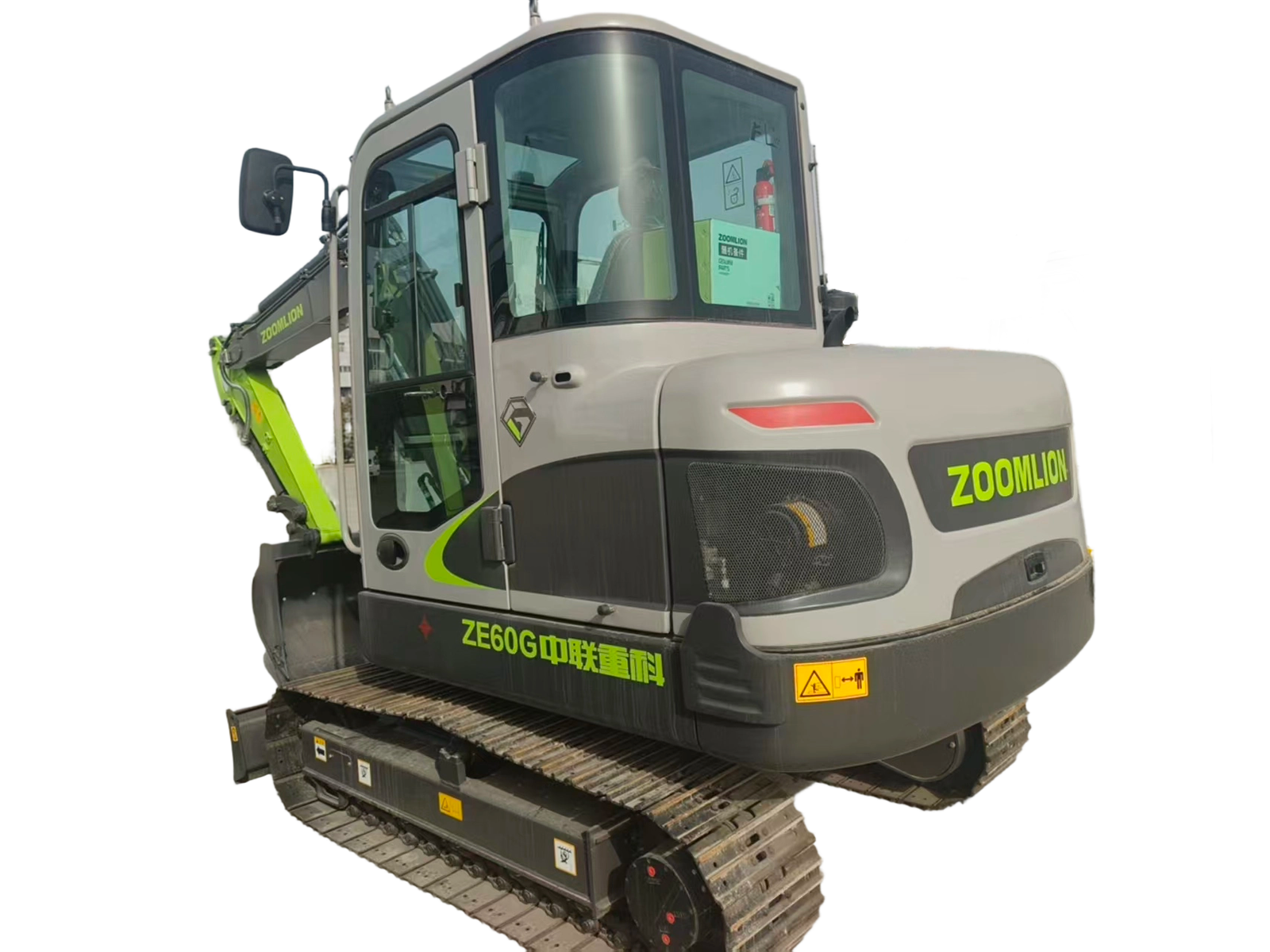
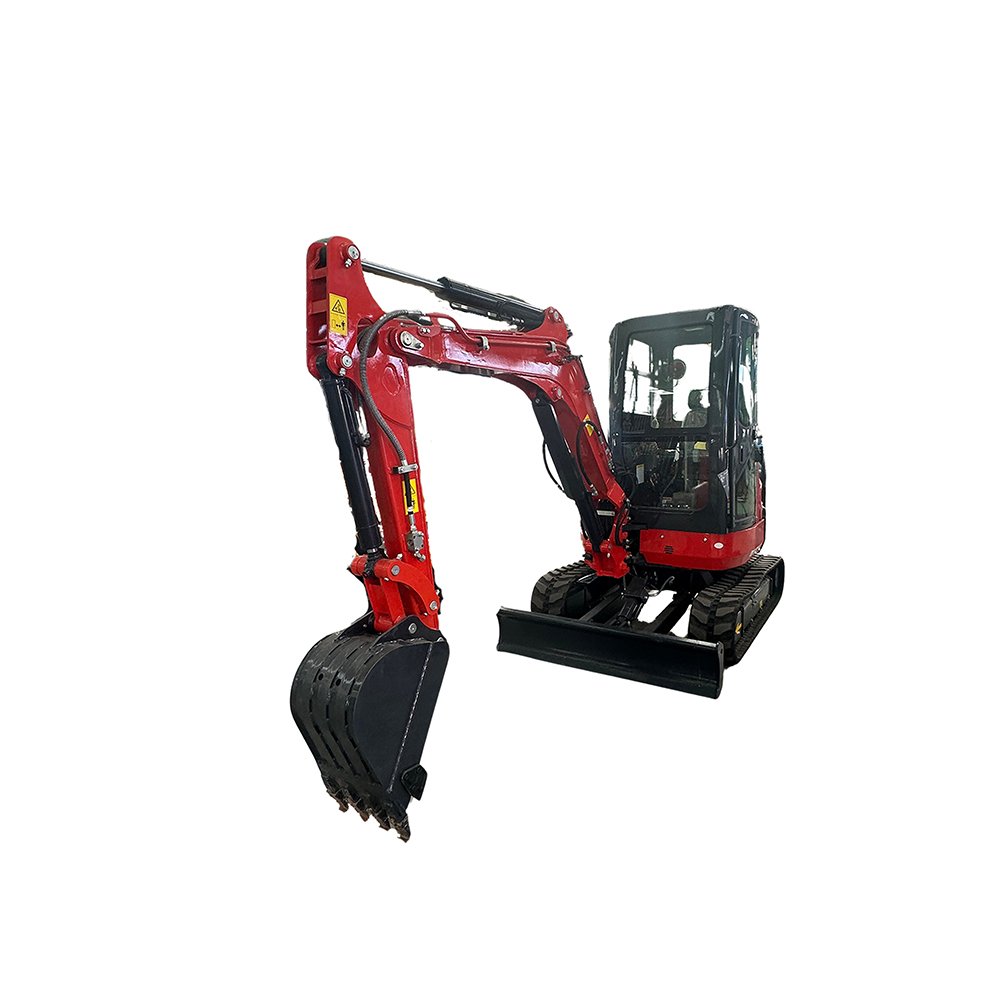
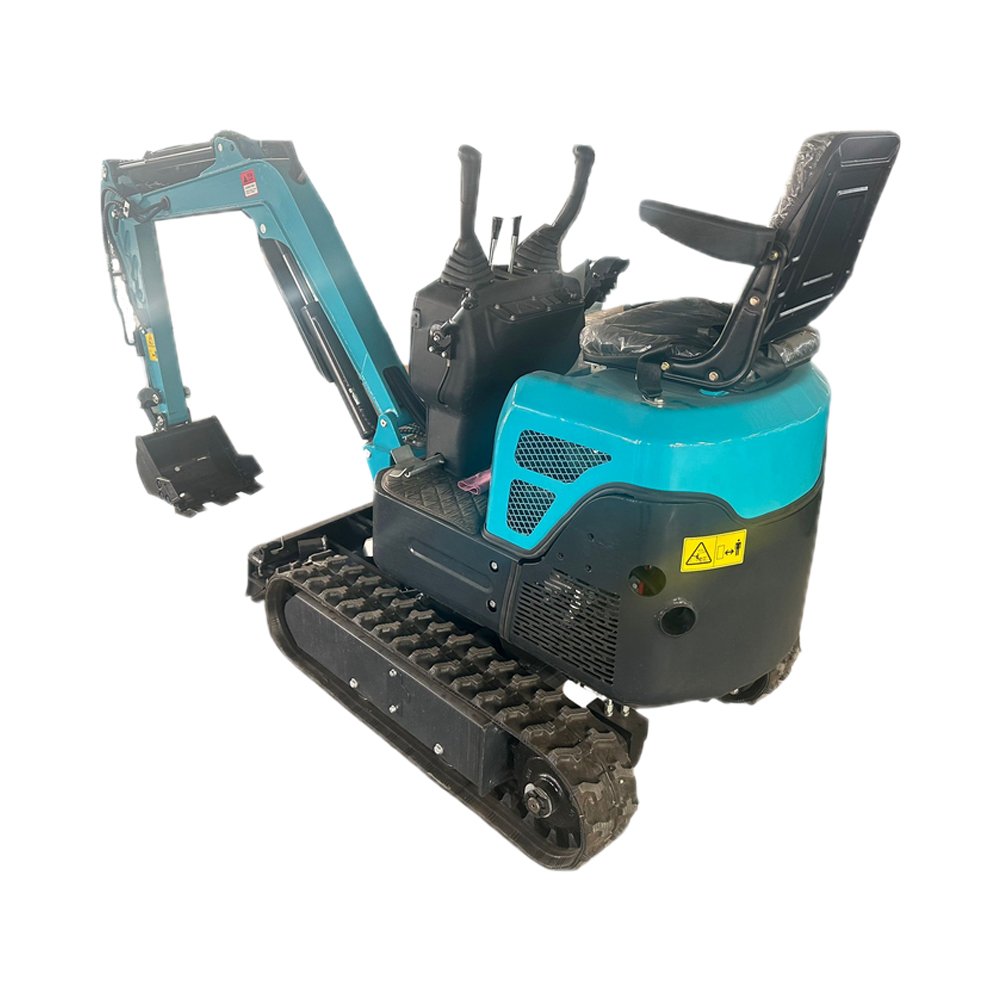
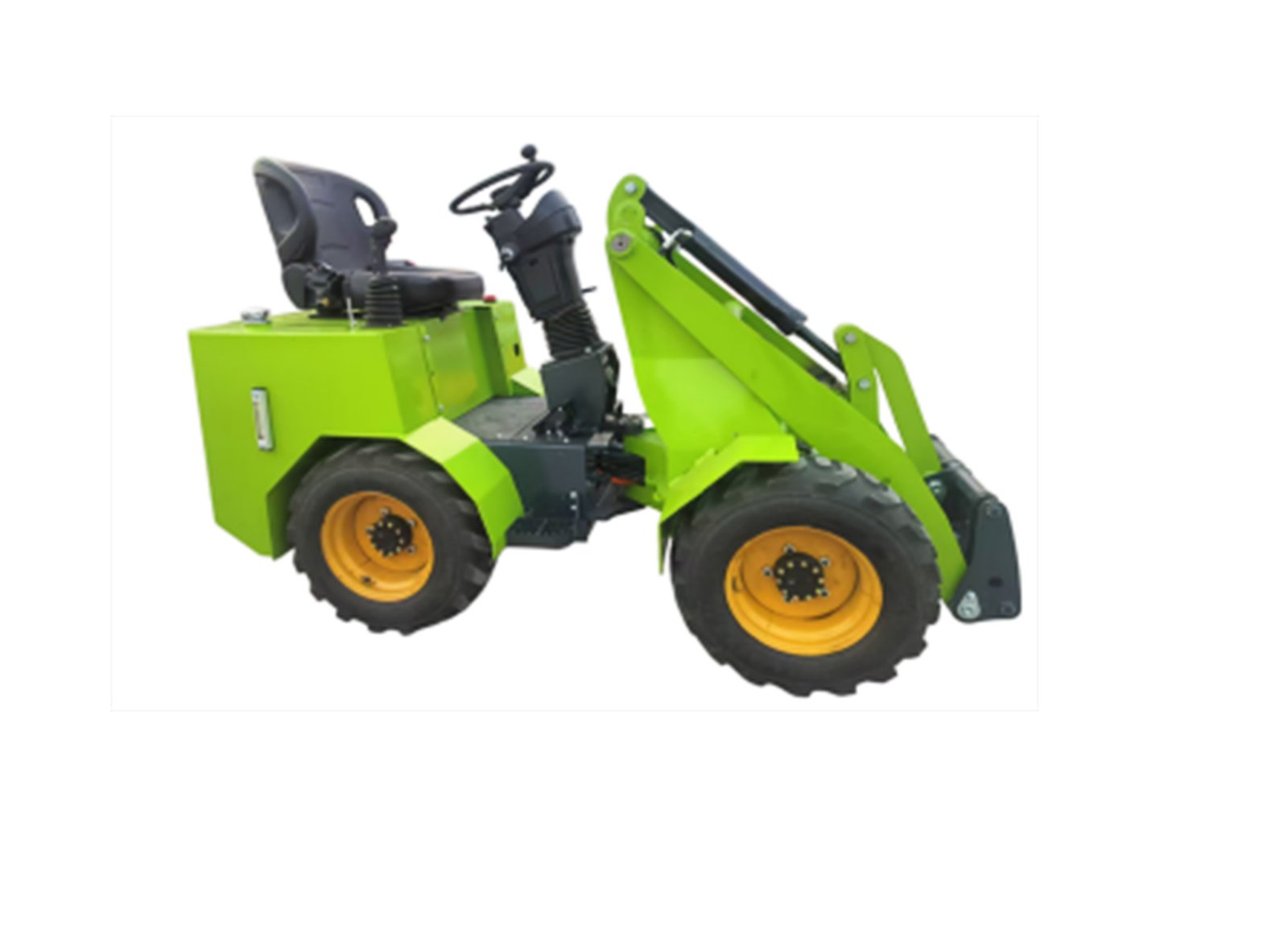
Excavators come in various sizes, typically categorized as mini, medium, and large. Mini excavators are ideal for tight spaces and urban environments where maneuverability is critical. They are easy to transport and cost-effective for smaller jobs.
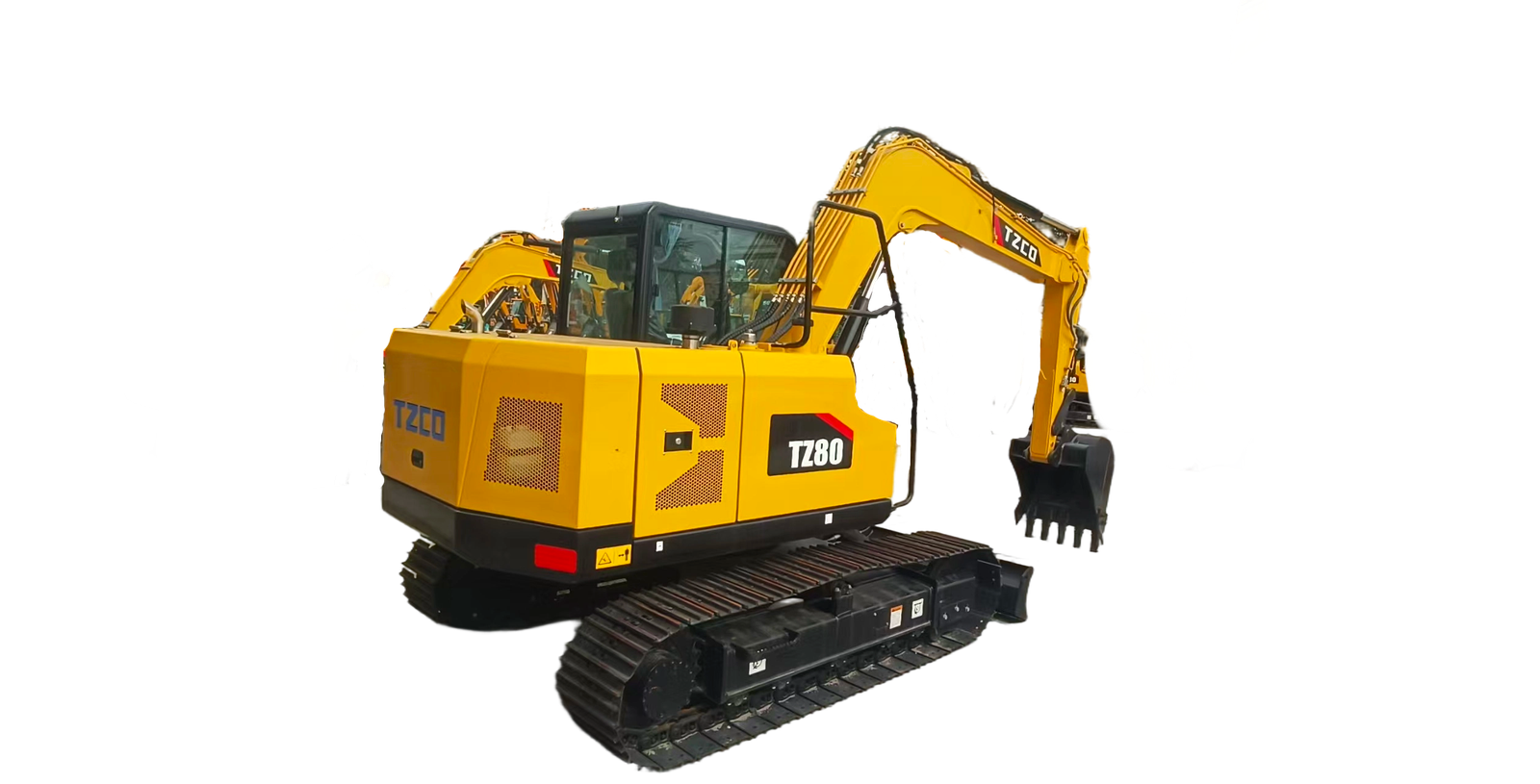
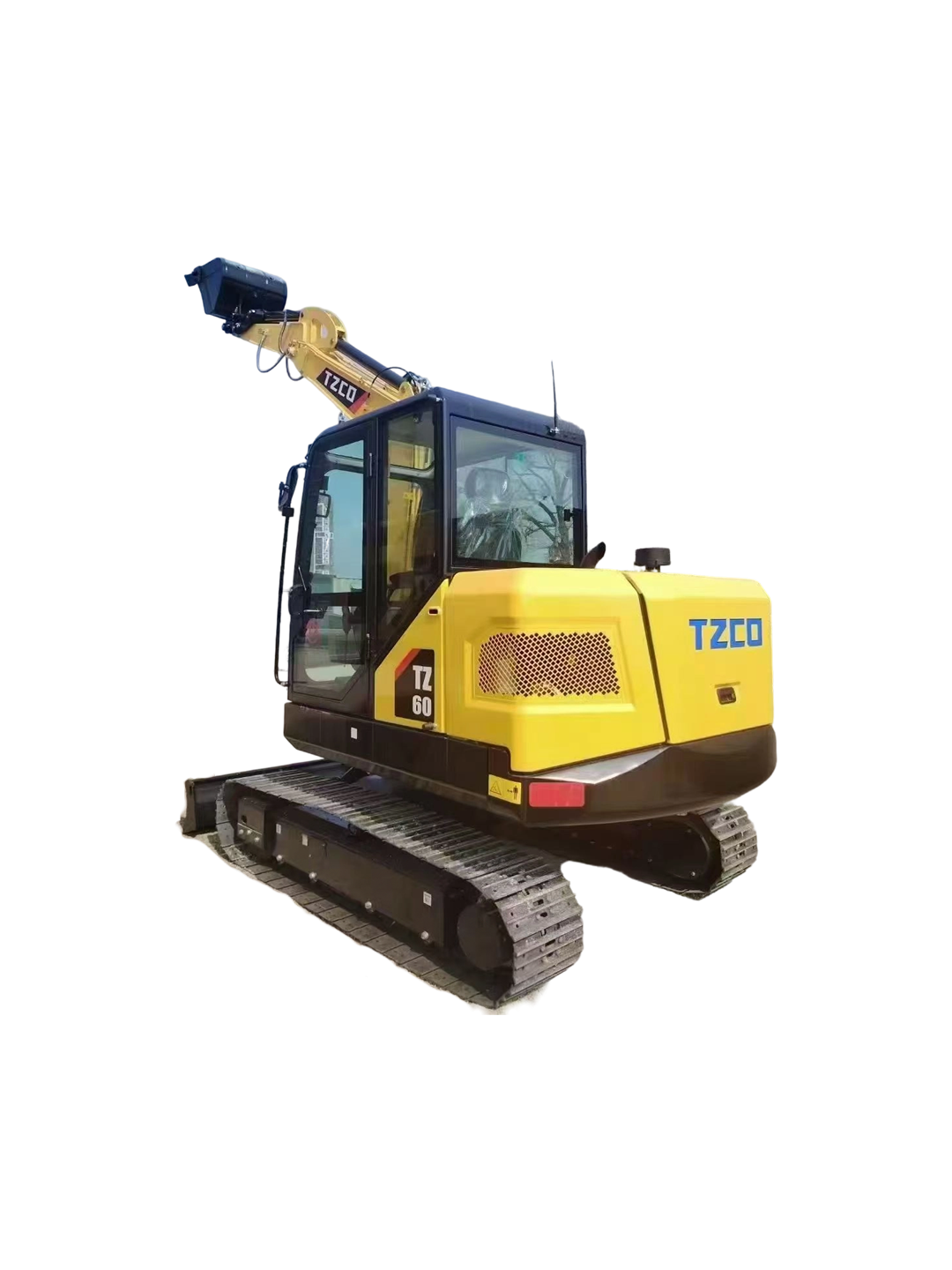
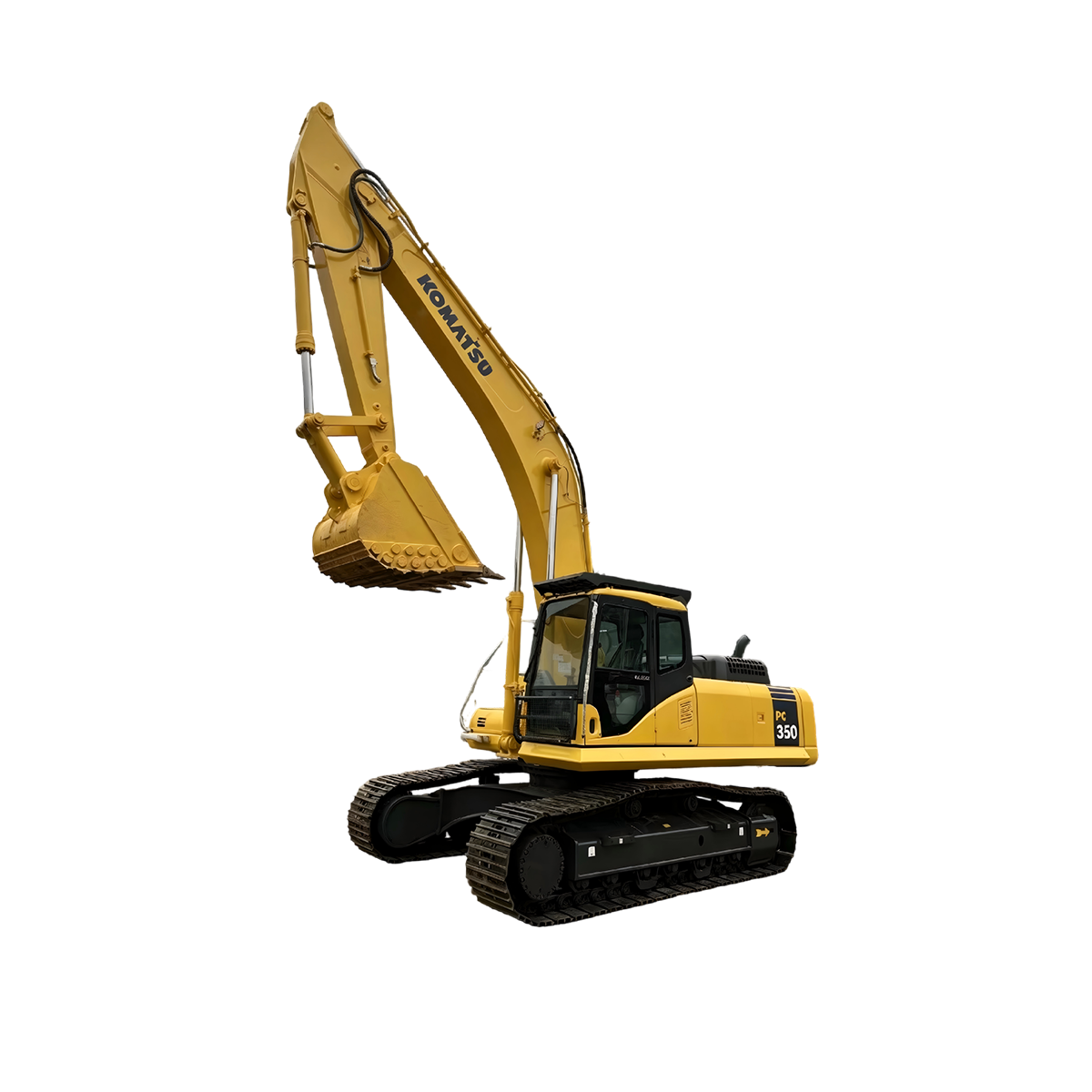
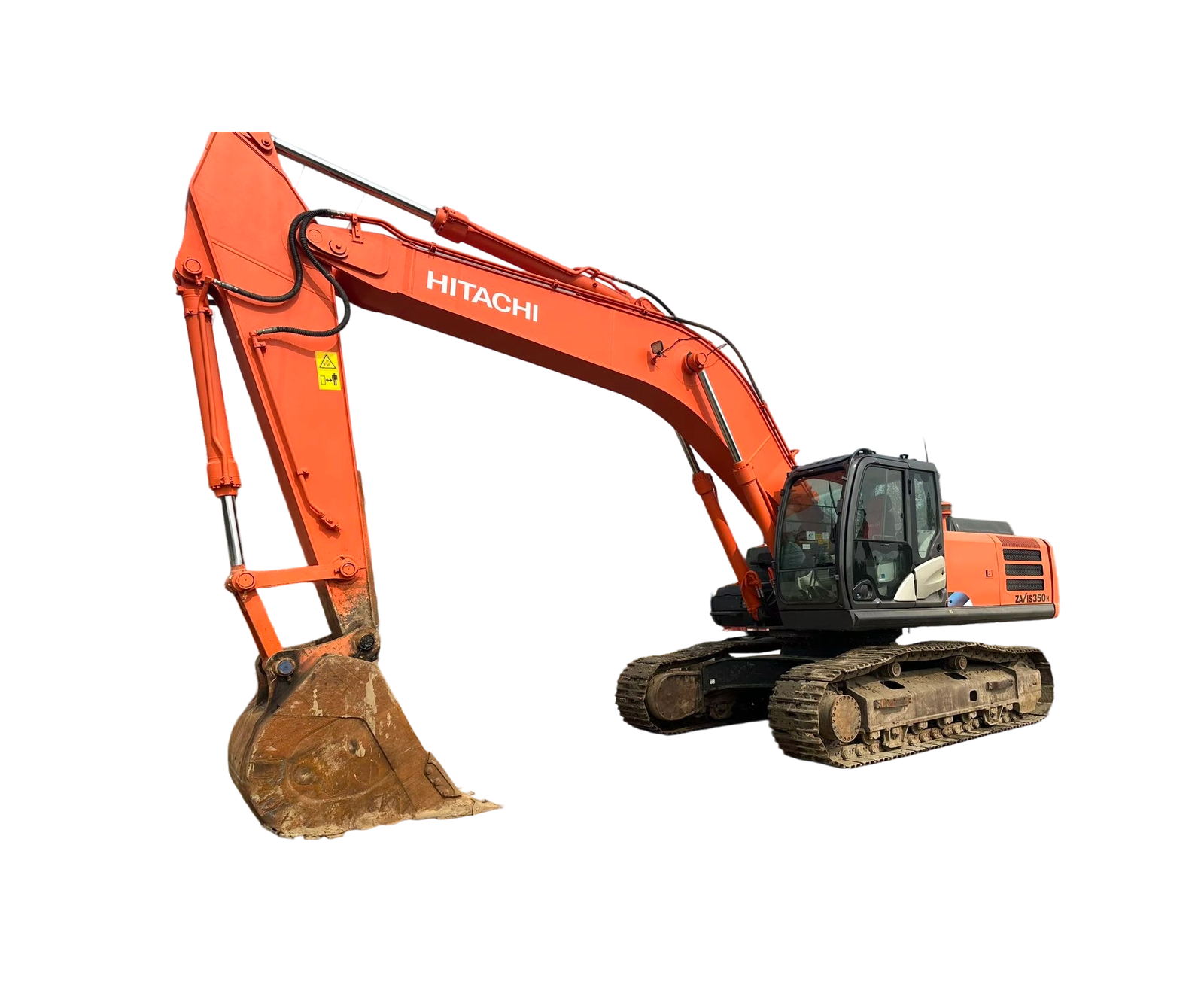
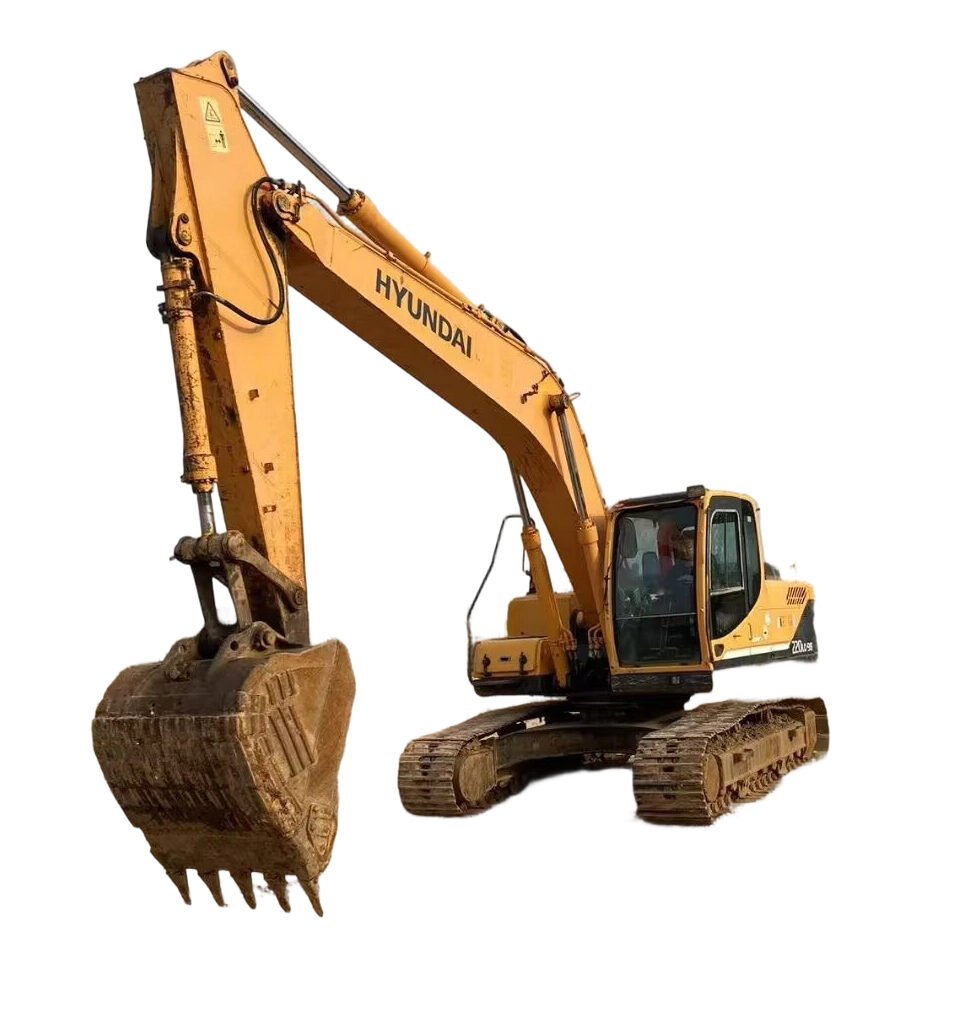
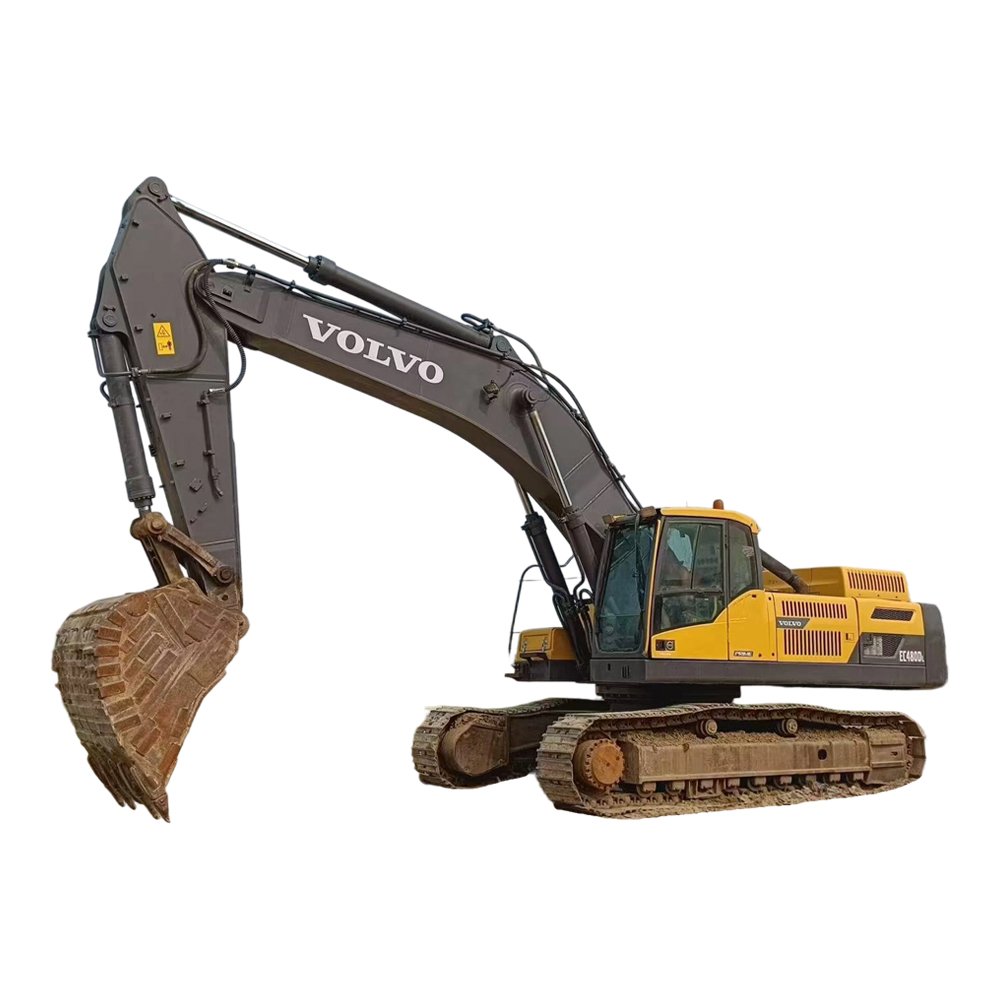
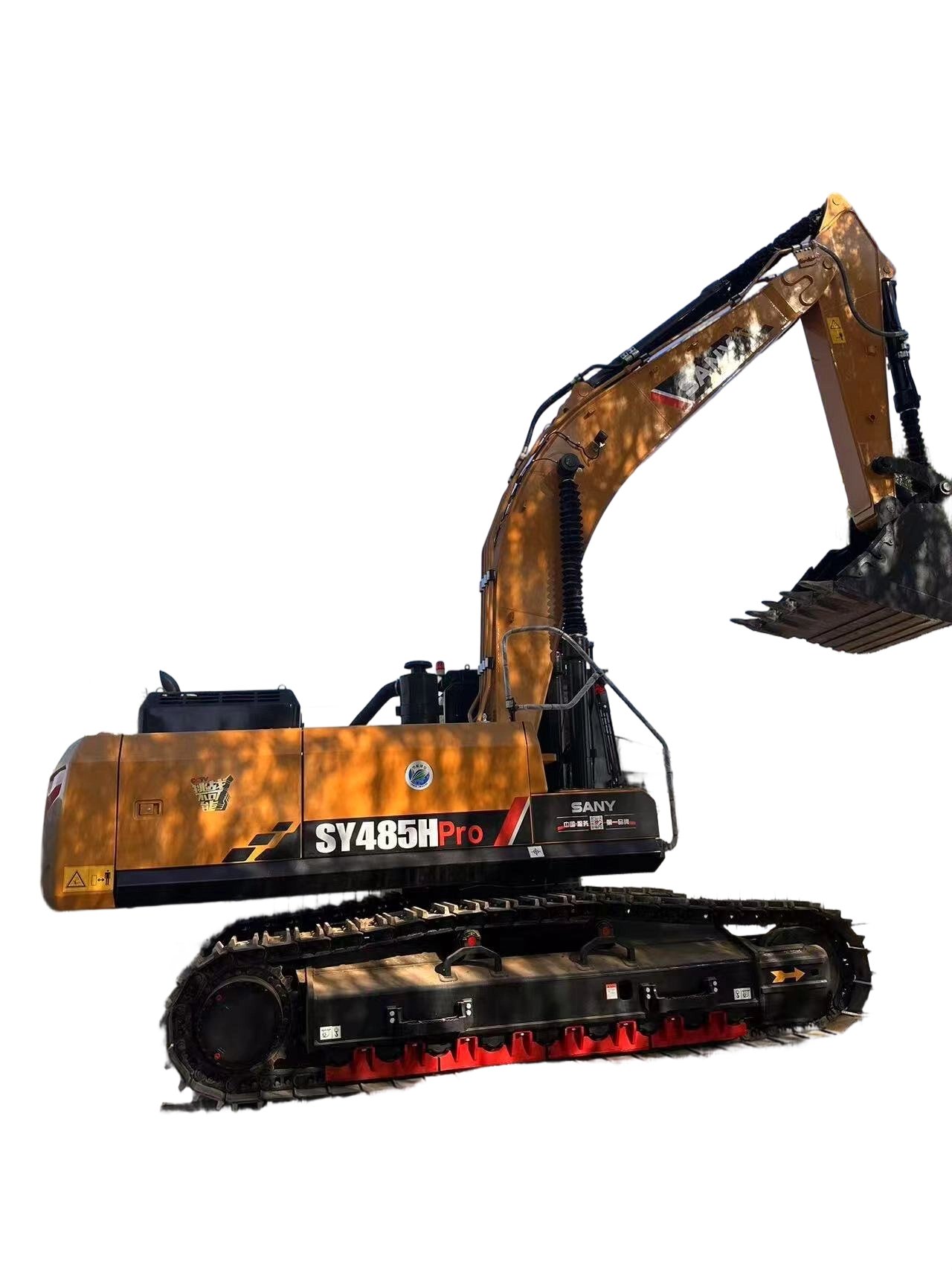
Medium excavators offer a balance between power and flexibility, making them suitable for a wide range of applications. Large excavators provide maximum digging force and are designed for heavy-duty operations such as mining or large infrastructure projects.
Selecting the right size ensures optimal efficiency and prevents unnecessary fuel consumption or operational limitations.
Evaluating Engine Power and Performance
Engine performance plays a central role in determining an excavator’s productivity. A powerful and efficient engine ensures smooth operation, faster cycle times, and the ability to handle demanding tasks.
Look for machines that offer a balance between power output and fuel efficiency. Modern engines are designed to deliver strong performance while minimizing fuel consumption, helping reduce operational costs over time.
Hydraulic system performance is equally important. Advanced hydraulic systems provide precise control, faster response, and improved lifting capacity, enhancing overall machine efficiency.
Fuel Efficiency and Operating Costs
Operating costs are a major consideration when purchasing a new excavator. Fuel consumption, maintenance requirements, and parts availability all contribute to the total cost of ownership.
Fuel-efficient machines help reduce daily expenses, especially for businesses with high usage rates. Additionally, machines designed for easy maintenance can lower downtime and service costs.
It is also beneficial to consider long-term durability. A well-built excavator with reliable components will require fewer repairs and maintain consistent performance over its lifespan.
Comfort and Operator Experience
Operator comfort directly impacts productivity and safety. A well-designed cabin with ergonomic controls, adjustable seating, and clear visibility enhances the working experience.
Modern excavators often include advanced features such as touchscreen displays, climate control systems, and intuitive control layouts. These features reduce operator fatigue and improve efficiency during long working hours.
A comfortable operator is more likely to maintain precision and consistency, contributing to better overall project outcomes.
Technology and Smart Features
Technological advancements have significantly improved excavator performance and usability. Many modern machines are equipped with smart features such as GPS tracking, telematics, and automated control systems.
These technologies allow businesses to monitor machine performance, track fuel usage, and optimize maintenance schedules. Automation features can assist with grading and digging tasks, improving accuracy and reducing manual effort.
Investing in technology-enabled equipment can enhance operational efficiency and provide valuable data for decision-making.
Attachments and Versatility
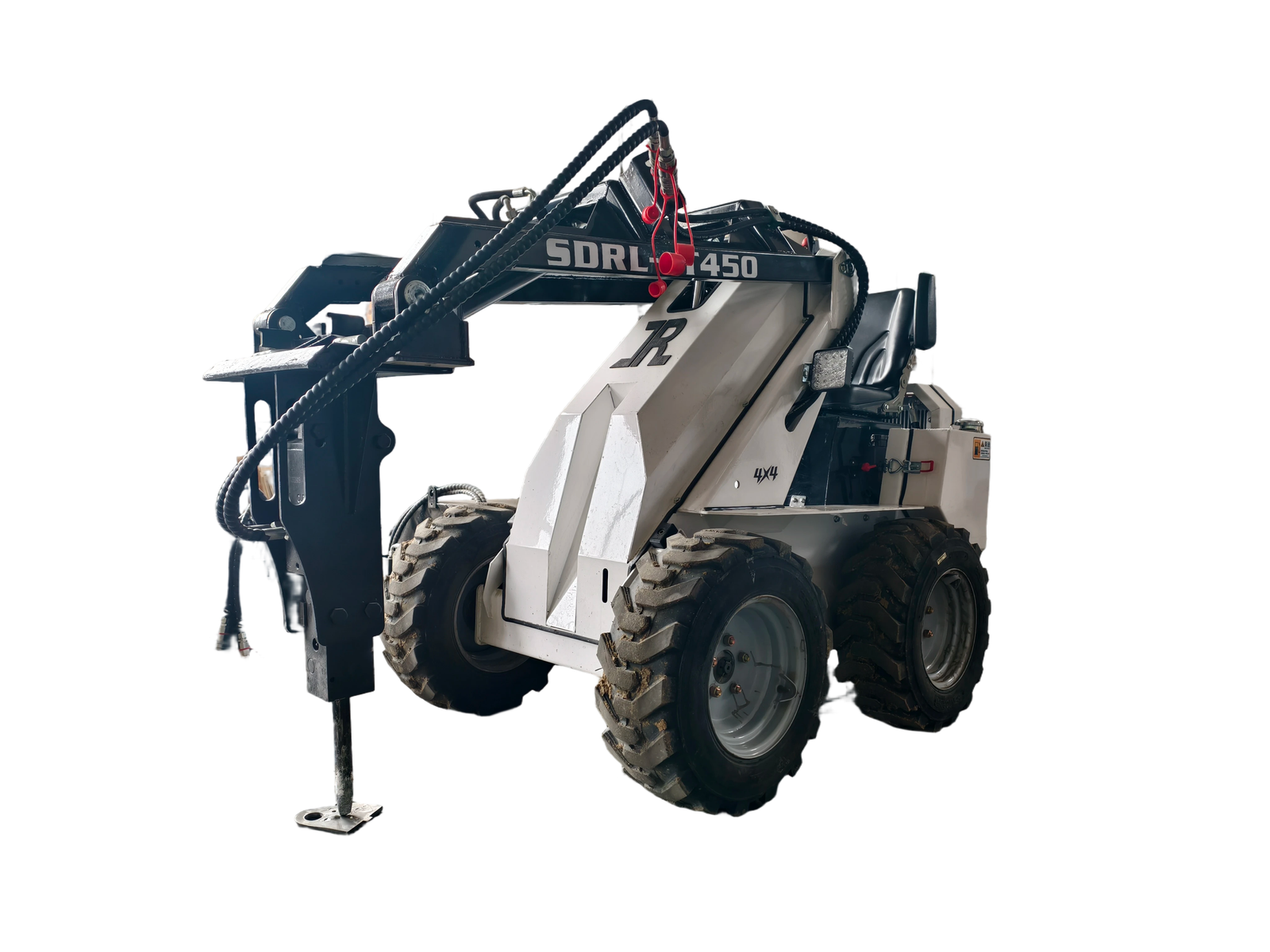
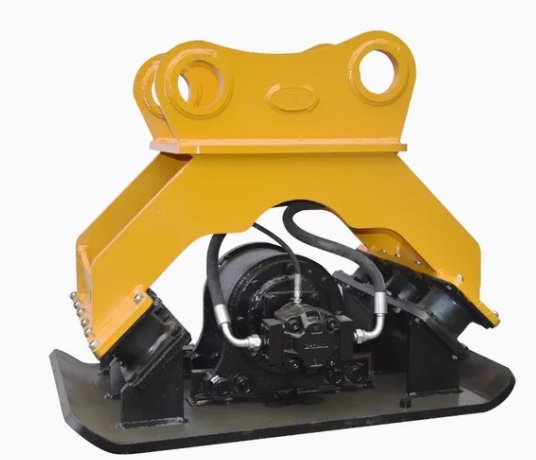
Excavators are highly versatile machines that can be equipped with various attachments to perform different tasks. Common attachments include buckets, breakers, augers, and grapples.
Choosing a machine compatible with multiple attachments increases its usability across different projects. Quick coupler systems make it easy to switch between attachments, saving time and improving productivity.
Versatility is especially important for businesses that handle diverse projects, as it reduces the need for additional equipment.
Safety Features and Compliance
Safety is a top priority in any construction environment. A high-quality excavator should include essential safety features such as rollover protection structures, rearview cameras, and emergency stop systems.
Compliance with industry safety standards ensures that the machine meets regulatory requirements and provides a safe working environment for operators. Advanced monitoring systems can also alert operators to potential issues, helping prevent accidents.
Dealer Support and Service Network
Reliable dealer support is crucial for maintaining equipment performance and minimizing downtime. A strong service network ensures access to spare parts, maintenance services, and technical assistance.
When selecting an excavator, consider the availability of local support and the reputation of the service provider. Prompt service and readily available parts can significantly reduce operational disruptions.
Establishing a good relationship with a trusted dealer can also provide long-term benefits, including maintenance planning and technical guidance.
Resale Value and Long-Term Investment
An excavator is not just a purchase but a long-term investment. Machines that maintain their value over time offer better returns when it comes to resale or trade-in.
Factors such as build quality, brand reputation, and maintenance history influence resale value. Choosing a reliable and well-maintained machine can maximize your investment and provide financial flexibility in the future.
Environmental Considerations
Sustainability is becoming increasingly important in the construction industry. Modern excavators are designed to meet environmental standards by reducing emissions and improving fuel efficiency.
Choosing an environmentally friendly machine not only supports regulatory compliance but also enhances your business’s reputation. Sustainable practices are increasingly valued by clients and stakeholders.
Selecting the best new excavator for your business requires a comprehensive evaluation of performance, efficiency, comfort, and long-term value. By understanding your specific needs and carefully assessing key features, you can choose a machine that supports productivity and growth.
A well-chosen excavator enhances operational efficiency, reduces costs, and strengthens your competitive position in the market. With the right approach, your investment will deliver reliable performance and lasting benefits for years to come.