









Industry News
How to Use a Backhoe Safely and Efficiently
May
Backhoes are among the most versatile pieces of heavy equipment used in construction, landscaping, agriculture, and utility work. Combining the functions of a loader and an excavator, a backhoe allows operators to dig, lift, move, and load materials with precision. While highly efficient, operating a backhoe requires proper knowledge, preparation, and technique to ensure both safety and productivity.
This comprehensive guide explains how to use a backhoe safely and efficiently, covering essential steps from preparation to advanced operating practices, all aligned with professional standards and real-world applications.
Understanding the Backhoe and Its Components
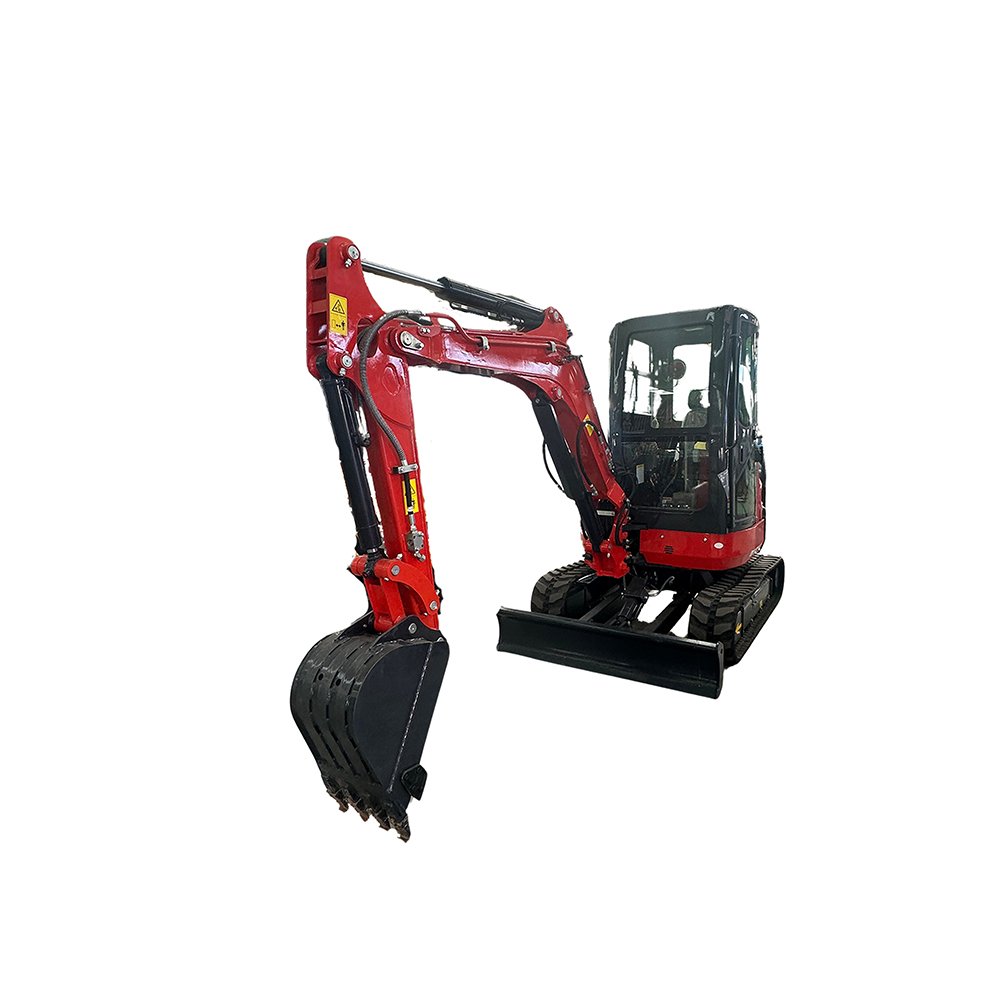
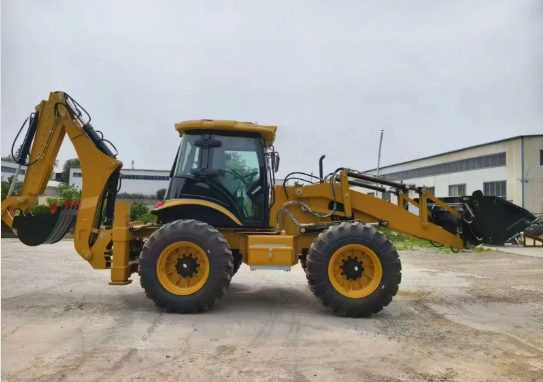
Before operating a backhoe, it is important to understand its main components and their functions. A typical backhoe consists of three primary sections: the loader at the front, the tractor body in the center, and the backhoe arm at the rear.
The backhoe arm includes the boom, dipper, and bucket, which work together to perform digging operations. The loader is used for lifting and transporting materials, while the stabilizers provide balance during operation.
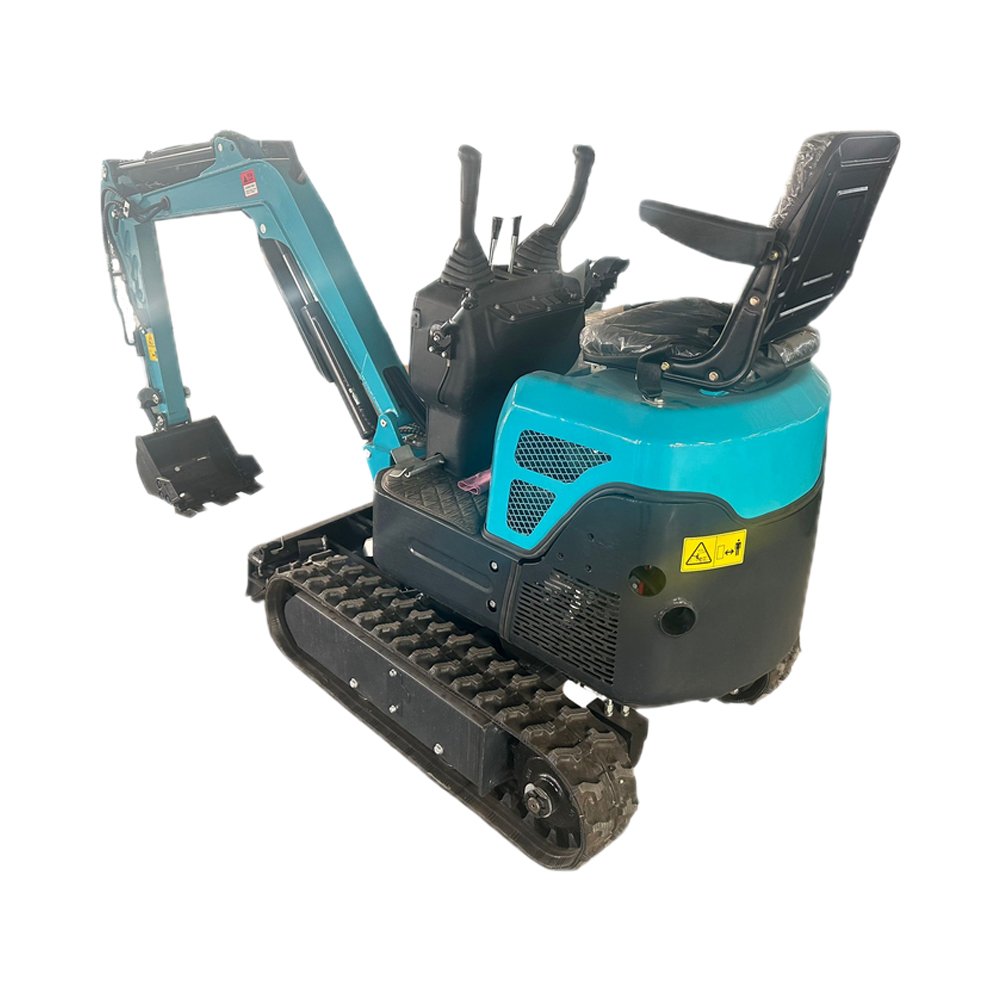
Familiarity with controls, including joysticks, pedals, and safety switches, is essential for smooth and accurate handling. Each control corresponds to specific movements, and mastering them is key to efficient operation.
Conducting a Pre-Operation Inspection
A thorough inspection before starting the machine helps ensure safe and uninterrupted operation. Begin by checking fluid levels, including engine oil, hydraulic fluid, and coolant. Inspect hoses, connections, and seals for any signs of wear or leaks.
Examine the tires or tracks to confirm proper condition and pressure. Ensure that all lights, alarms, and indicators are functioning correctly. The operator’s cabin should also be clean, with clear visibility and properly adjusted mirrors.
Testing the controls and safety features before full operation helps identify potential issues early, reducing downtime and improving reliability.
Preparing the Work Area
A well-prepared worksite contributes significantly to both safety and efficiency. Clear the area of unnecessary obstacles, debris, and hazards. Identify underground utilities, slopes, and soft ground conditions that may affect stability.
Marking boundaries and planning the workflow in advance allows for smoother operation. Adequate space for maneuvering the backhoe is essential to avoid unnecessary repositioning.
Ensuring proper lighting and visibility is also important, especially when working in low-light conditions or enclosed spaces.
Proper Positioning and Stabilization
Correct positioning of the backhoe is critical for safe operation. Place the machine on stable, level ground whenever possible. Engage the stabilizers to provide additional support and prevent tipping during digging.
The stabilizers should be lowered firmly to the ground, distributing the machine’s weight evenly. Slightly lifting the rear wheels off the ground can improve stability in certain conditions.
Maintaining a balanced position allows for smoother movements and reduces strain on the machine’s components.
Mastering Basic Operating Techniques
Efficient backhoe operation begins with mastering basic control movements. Smooth and gradual control inputs are essential for precision and stability. Avoid sudden or jerky movements, as they can reduce accuracy and increase wear on the machine.
When digging, start by positioning the bucket at the correct angle. Use the boom and dipper in coordination to penetrate the soil and scoop material effectively. Lift and swing the arm carefully to deposit material in the desired location.
Practicing these movements helps build muscle memory and improves overall efficiency.
Efficient Digging Strategies
To maximize productivity, it is important to use efficient digging techniques. Work in layers rather than attempting to remove large amounts of material at once. This approach reduces strain on the machine and allows for better control.
Position the backhoe close to the digging area to minimize reach and improve leverage. Keep the bucket filled to an optimal level without overloading, as excessive weight can affect balance and performance.
Planning the sequence of digging operations can also reduce unnecessary movements and save time.
Safe Material Handling and Loading
When using the loader to move materials, ensure that loads are balanced and securely positioned in the bucket. Avoid overloading, as this can affect stability and control.
Carry loads at a low height to maintain a lower center of gravity and improve visibility. Move at a controlled speed, especially when navigating uneven terrain or turning.
When dumping materials, position the loader carefully and release the load smoothly to prevent spillage and maintain accuracy.
Maintaining Visibility and Awareness
Good visibility is essential for safe and efficient operation. Always be aware of your surroundings, including nearby workers, structures, and equipment. Use mirrors and, if available, cameras to monitor blind spots.
Maintaining clear communication with team members through signals or communication devices enhances coordination and reduces the risk of misunderstandings.
Staying focused and avoiding distractions ensures consistent performance and helps prevent errors.
Routine Maintenance for Optimal Performance
Regular maintenance plays a key role in ensuring the longevity and efficiency of a backhoe. Follow the manufacturer’s recommended maintenance schedule for servicing and inspections.
Keep the machine clean to prevent dirt and debris from affecting moving parts. Lubricate joints and components as required to maintain smooth operation.
Timely replacement of worn parts helps prevent unexpected breakdowns and maintains consistent performance.
Developing Operator Skills and Confidence
Becoming proficient in backhoe operation takes practice and continuous learning. Training programs and hands-on experience help operators develop the skills needed for safe and efficient work.
Starting with simple tasks and gradually progressing to more complex operations builds confidence and competence. Learning from experienced operators and staying updated on best practices further enhances performance.
A skilled operator not only improves productivity but also contributes to a safer work environment.
Using a backhoe safely and efficiently requires a combination of knowledge, preparation, and practical skills. From understanding the machine’s components to mastering operating techniques and maintaining awareness, each step plays a vital role in achieving optimal results.
By following proper procedures, conducting regular maintenance, and continuously improving skills, operators can maximize the capabilities of a backhoe while ensuring a safe and productive work environment.
As backhoes continue to be essential tools across various industries, adopting these best practices will help users achieve consistent success in their projects.