








Industry News
How to Use a Backhoe for Digging and Trenching
Apr
Using a backhoe effectively for digging and trenching requires a combination of proper technique, equipment understanding, and safety awareness. Whether you are a beginner or improving your operational skills, learning the correct methods can significantly enhance efficiency and precision. A well-operated backhoe not only improves productivity but also ensures consistent and professional results across various job sites.
Understand the Components of a Backhoe
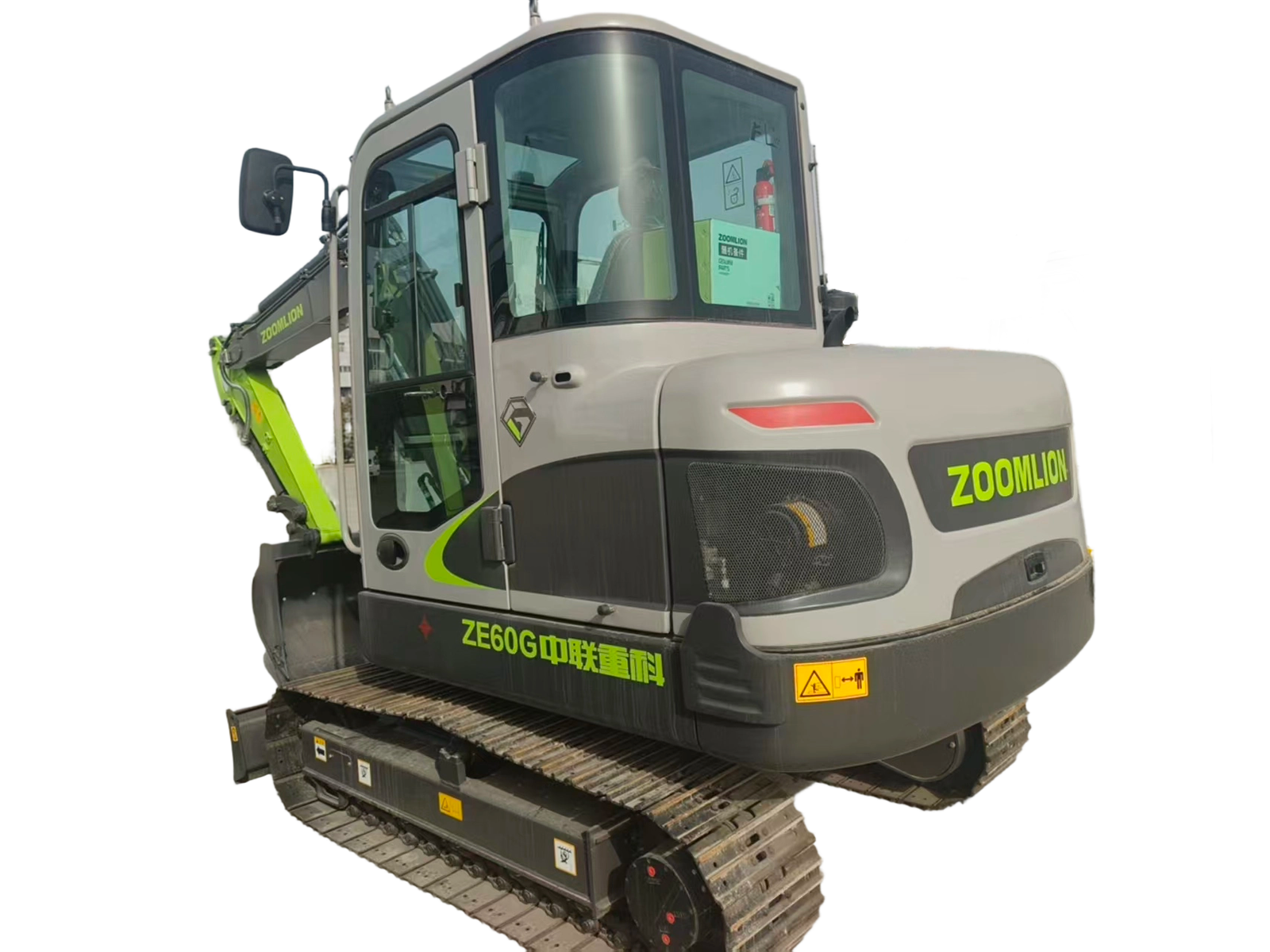
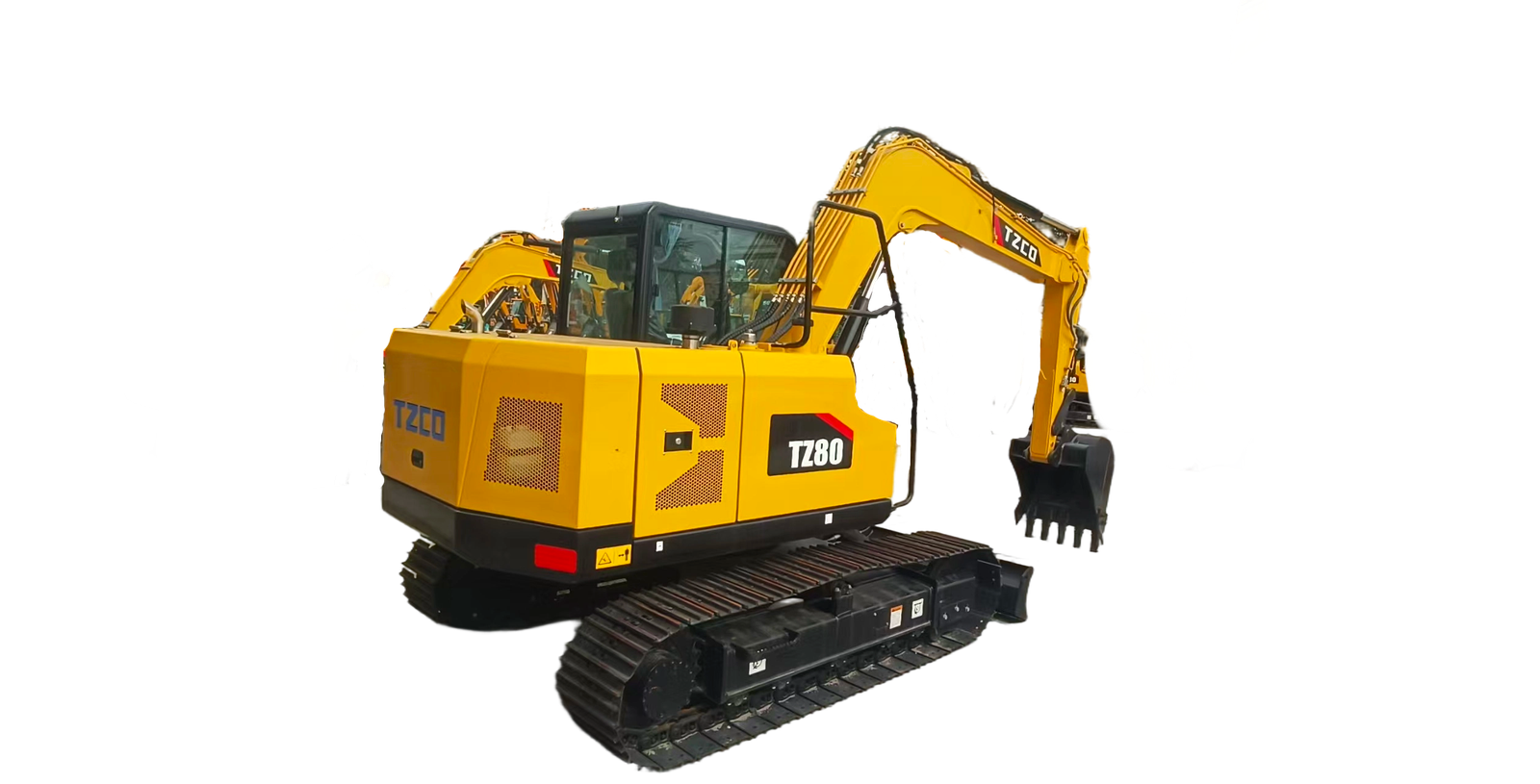
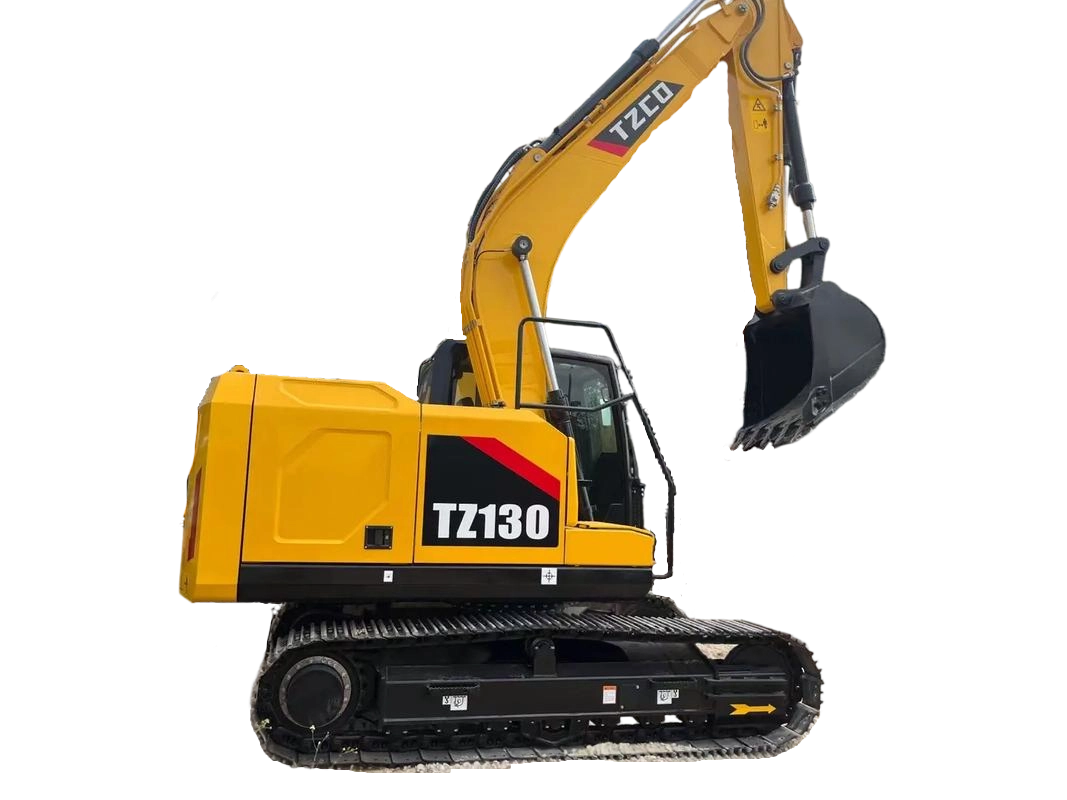
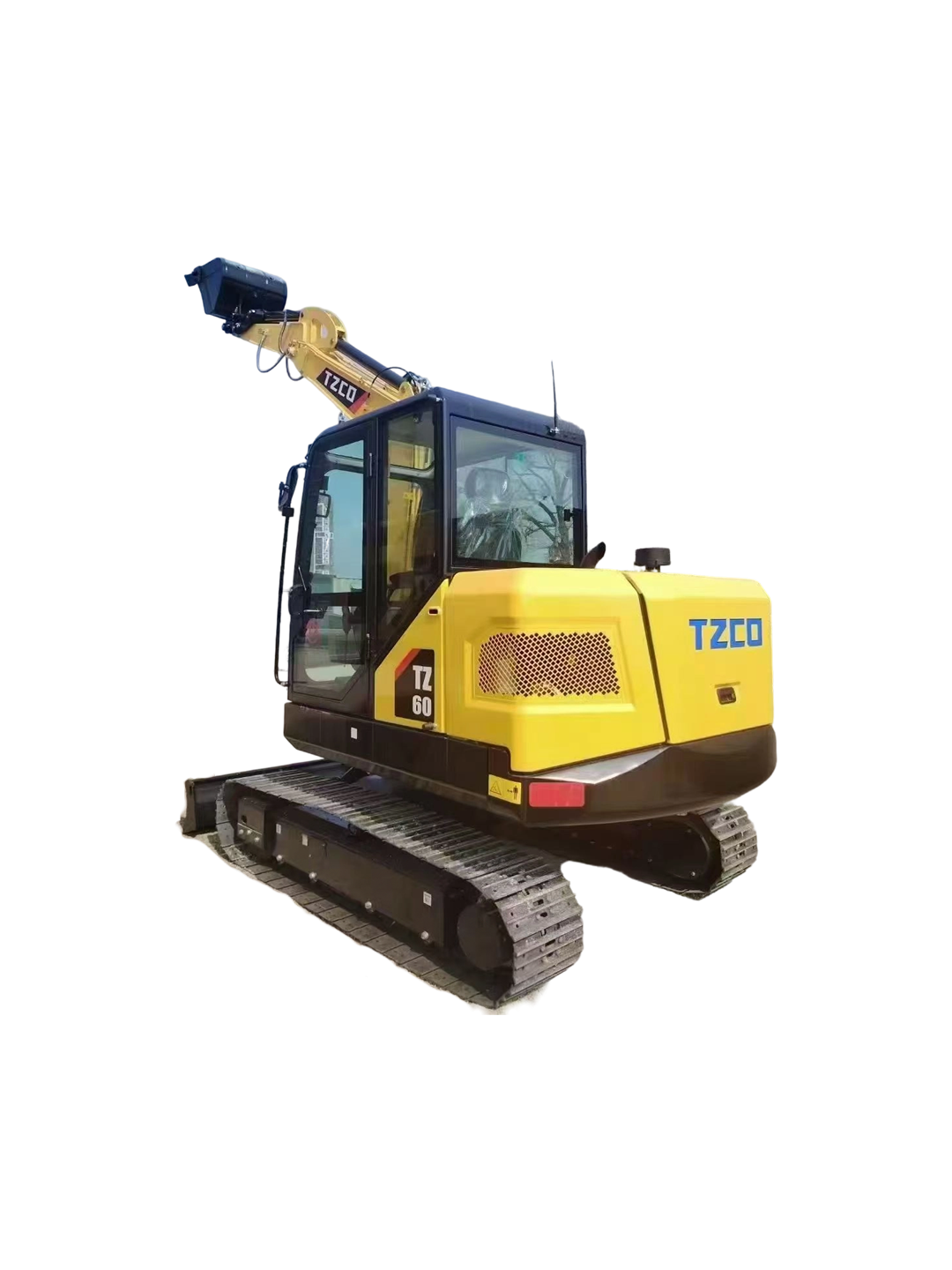
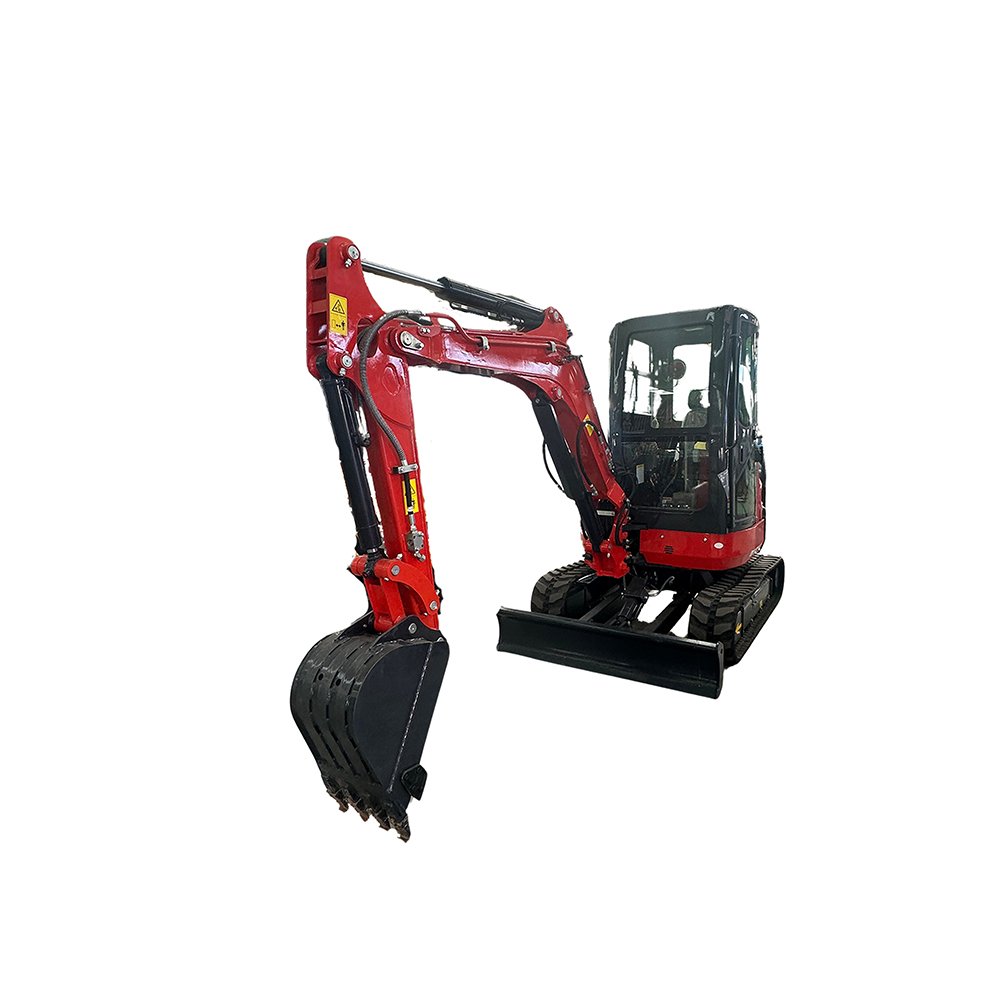
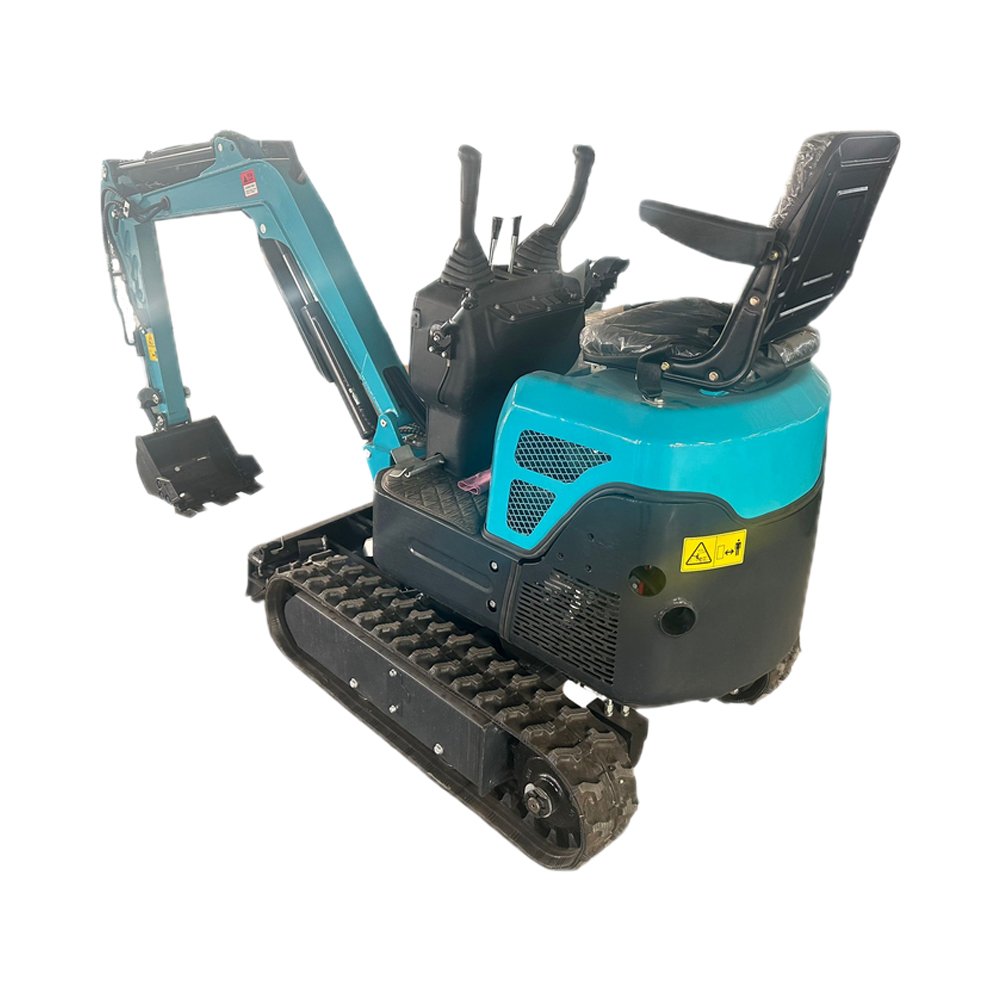
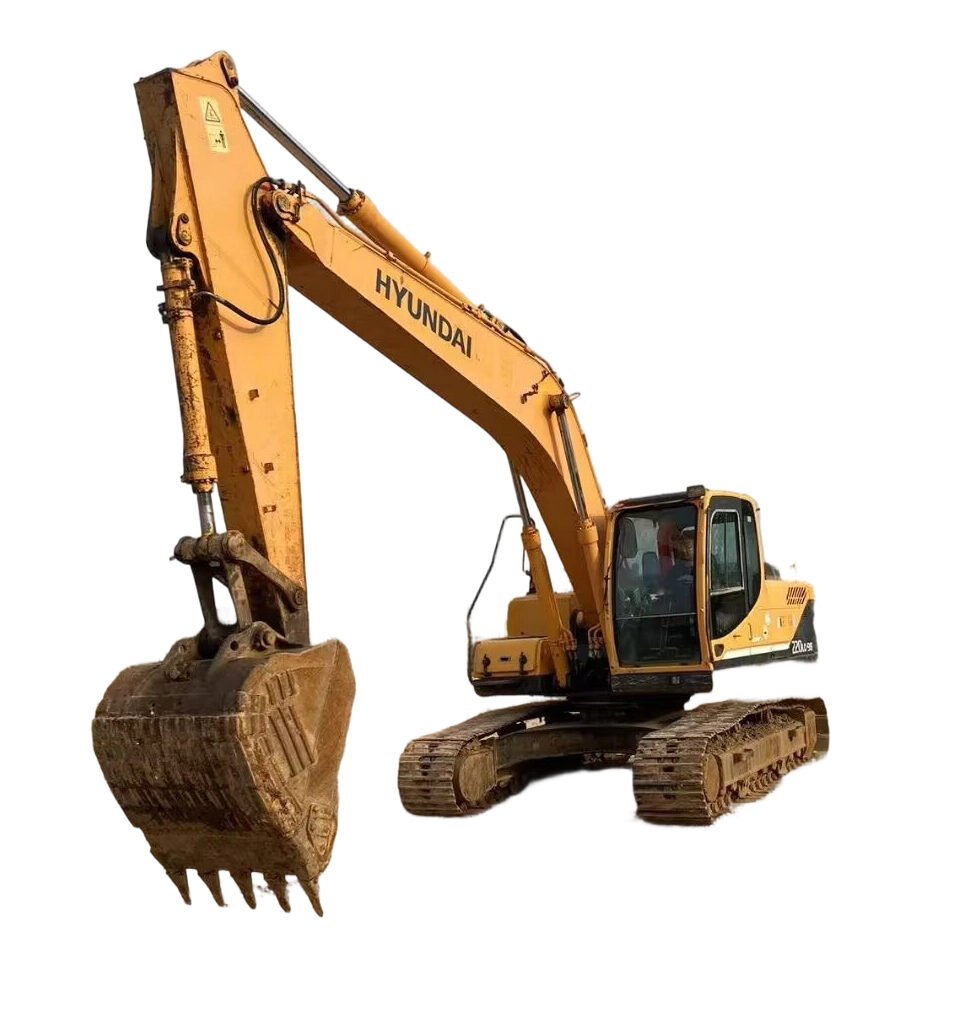
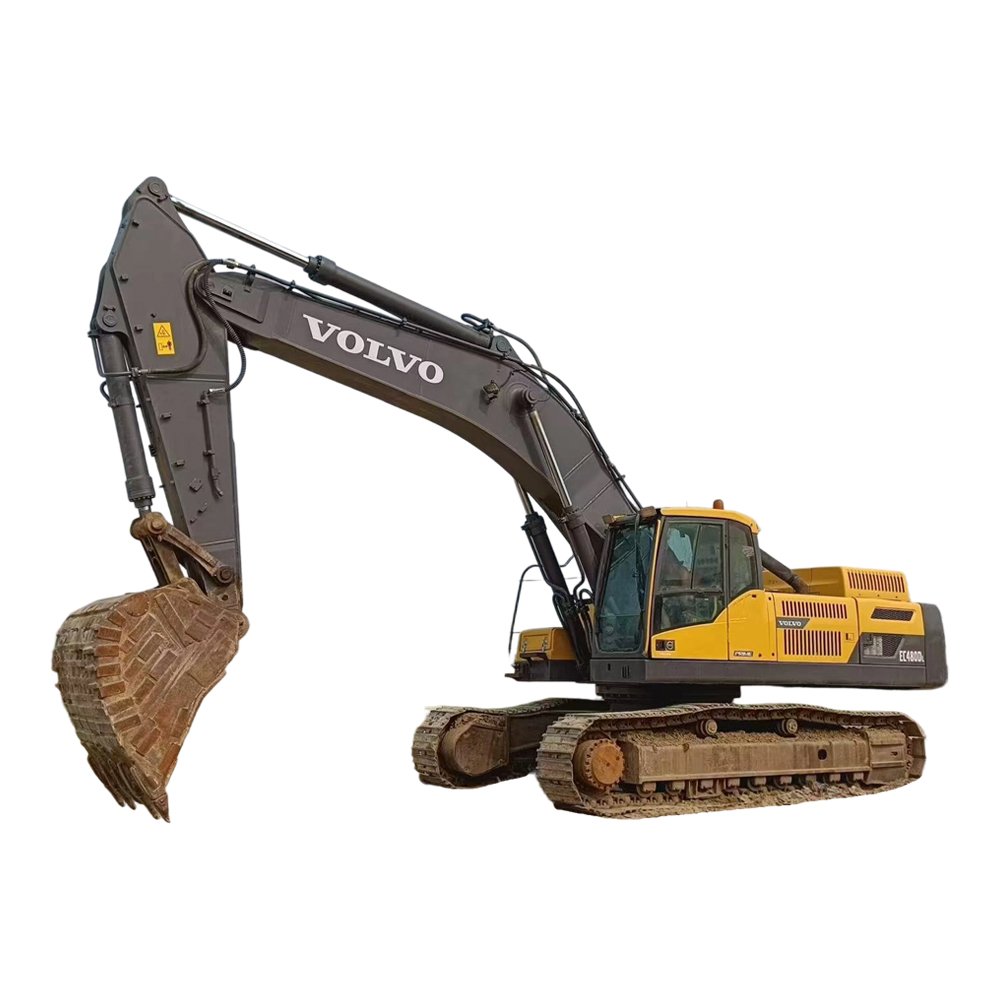
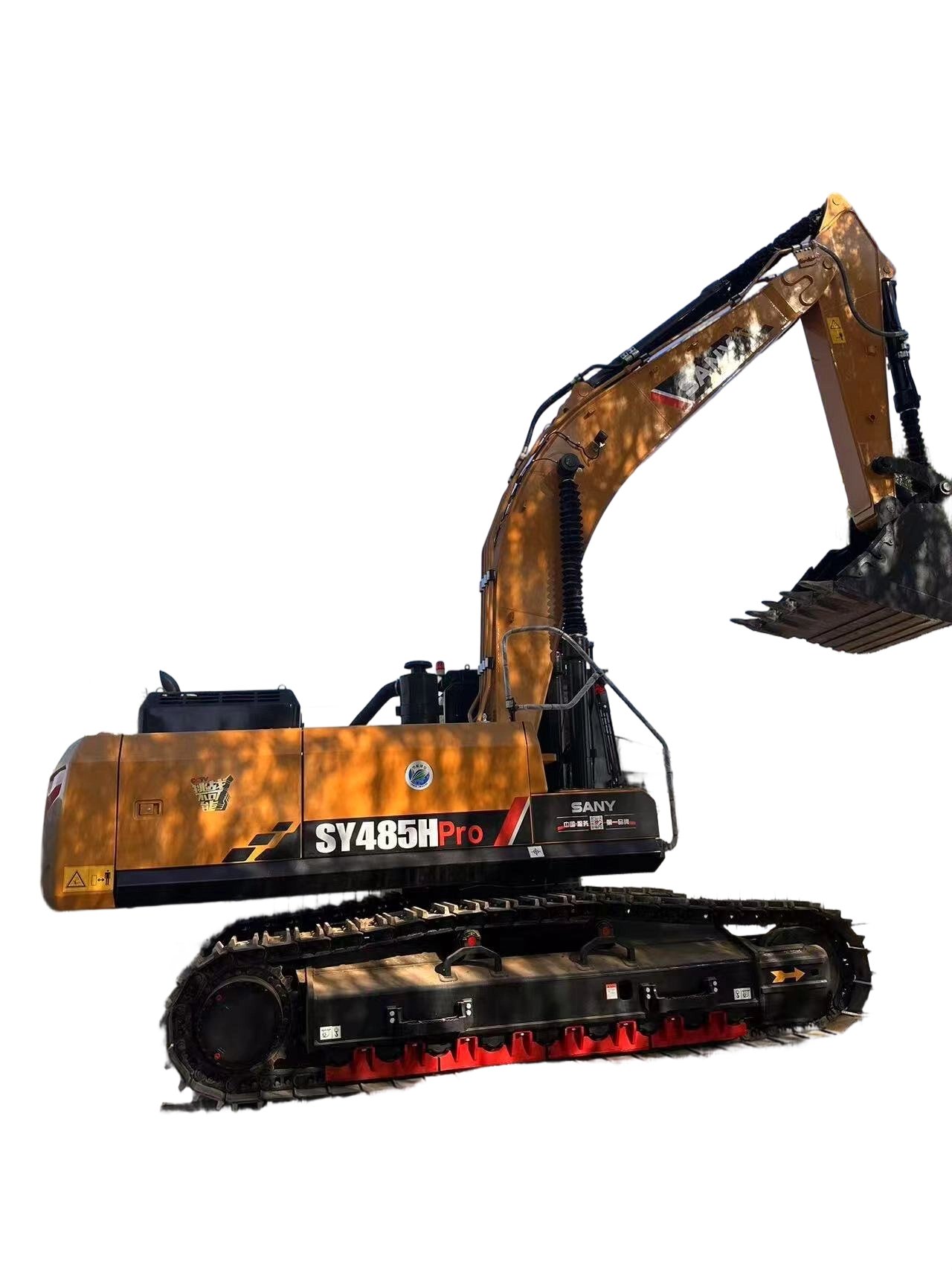
Before starting any digging or trenching work, it is important to understand the main components of a backhoe. The machine typically consists of a boom, stick (or dipper), bucket, and a rotating cab mounted on a stable base. Each component plays a specific role in the digging process. The boom provides reach, the stick controls depth, and the bucket performs the actual excavation. Familiarity with these parts allows operators to control the machine more accurately and confidently.
Prepare the Work Area
Proper preparation of the work area is essential for smooth operation. Begin by assessing the terrain, identifying any obstacles, and ensuring the ground is stable. Mark the trench path clearly using stakes or paint to guide your digging. Adequate preparation helps maintain accuracy and prevents unnecessary adjustments during operation. A clean and organized site also contributes to improved workflow and efficiency.
Position the Backhoe Correctly
Correct positioning of the backhoe is a key factor in achieving precise digging results. Place the machine on level ground and align it parallel to the trench line. Lower the stabilizers to ensure maximum stability during operation. Proper positioning reduces machine movement and allows for more controlled digging. This step is especially important when working on long or straight trenches.
Master Basic Control Movements
Operating a backhoe involves coordinating multiple controls smoothly. Beginners should start by practicing basic movements such as raising and lowering the boom, extending and retracting the stick, and curling the bucket. Smooth and gradual control inputs lead to more accurate digging and reduce unnecessary wear on the machine. Developing good control habits early on is essential for efficient operation.
Digging Techniques for Efficiency
Effective digging requires a consistent and methodical approach. Start by lowering the bucket into the ground at the desired point, then curl the bucket inward while pulling the stick toward the machine. This motion allows the bucket to fill efficiently. Lift the boom slightly and swing the arm to deposit the material in a designated area. Repeating this cycle with consistent rhythm improves productivity and ensures even excavation.
Trenching with Precision
Trenching requires a more controlled and linear approach compared to general digging. Follow the marked line closely and maintain a consistent depth throughout the trench. Use the stick and bucket to create straight walls and a uniform bottom. Periodically check alignment and depth to ensure accuracy. Precision trenching is essential for applications such as utility installation and drainage systems.
Maintain Consistent Depth and Width
Achieving uniform trench dimensions is important for both functionality and appearance. Use visual references or measuring tools to monitor depth and width as you work. Adjust the boom and stick movements as needed to maintain consistency. Consistent trench dimensions ensure that subsequent work, such as pipe installation or foundation preparation, proceeds smoothly.
Optimize Material Placement
Efficient material handling is an important part of backhoe operation. When removing soil, place it at a safe and organized distance from the trench edge. This prevents material from falling back into the trench and keeps the work area clear. Proper placement also makes it easier to reuse or transport the excavated material later.
Follow Safety Best Practices
Safety is a fundamental aspect of operating a backhoe. Always ensure the machine is stable before digging and remain aware of your surroundings. Keep a safe distance from trench edges and avoid overreaching with the boom. Wearing appropriate protective equipment and maintaining clear communication with nearby workers further enhances safety. A safe working approach supports both efficiency and long-term success.
Improve Skills Through Practice
Like any skill, operating a backhoe becomes more efficient with practice. Regular use helps operators develop better coordination, timing, and control. Starting with simple tasks and gradually progressing to more complex trenching projects builds confidence and expertise. Continuous learning and refinement of techniques lead to improved performance over time.
Plan for Long-Term Efficiency
To achieve consistent results, it is important to focus on long-term efficiency. This includes maintaining the machine regularly, using proper techniques, and adapting to different soil conditions. A well-maintained backhoe combined with skilled operation ensures reliable performance across a wide range of projects. Investing time in learning proper methods ultimately leads to higher productivity and better outcomes.