








Industry News
New Excavator Buying Guide What You Need to Know
Apr
Purchasing a new excavator is an important investment that can significantly impact productivity, efficiency, and long-term operational success. With a wide range of models and specifications available, understanding what to look for ensures you make a confident and informed decision. This guide provides essential insights to help buyers select the right excavator based on their specific needs and project requirements.
Understand Your Project Requirements
The first step in choosing a new excavator is to clearly define your project requirements. Consider the type of work you will perform, such as construction, landscaping, roadwork, or material handling. Evaluate factors like digging depth, lifting capacity, and working environment. Matching the excavator’s capabilities with your project needs ensures optimal performance and efficiency.
Choose the Right Excavator Size
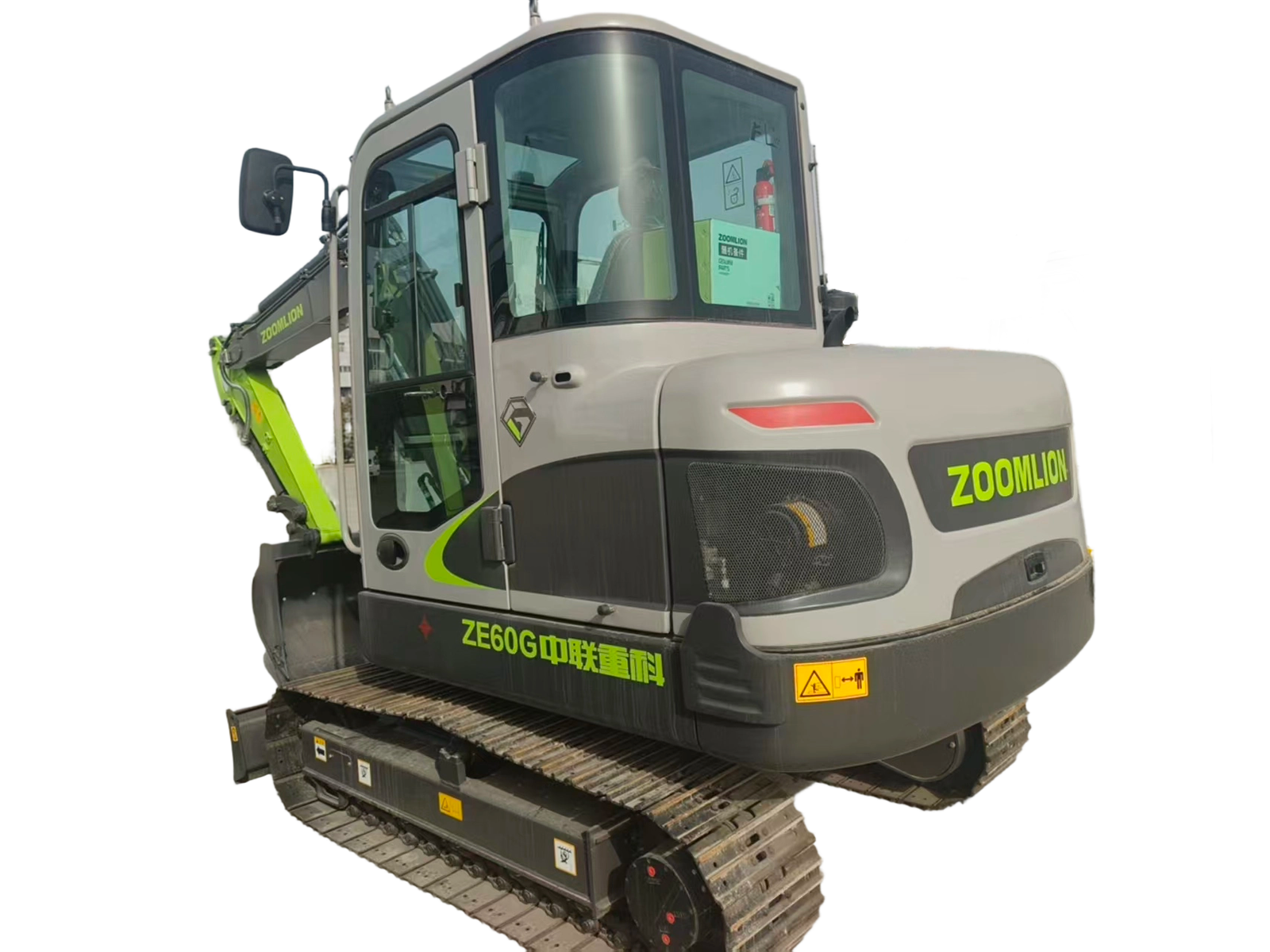
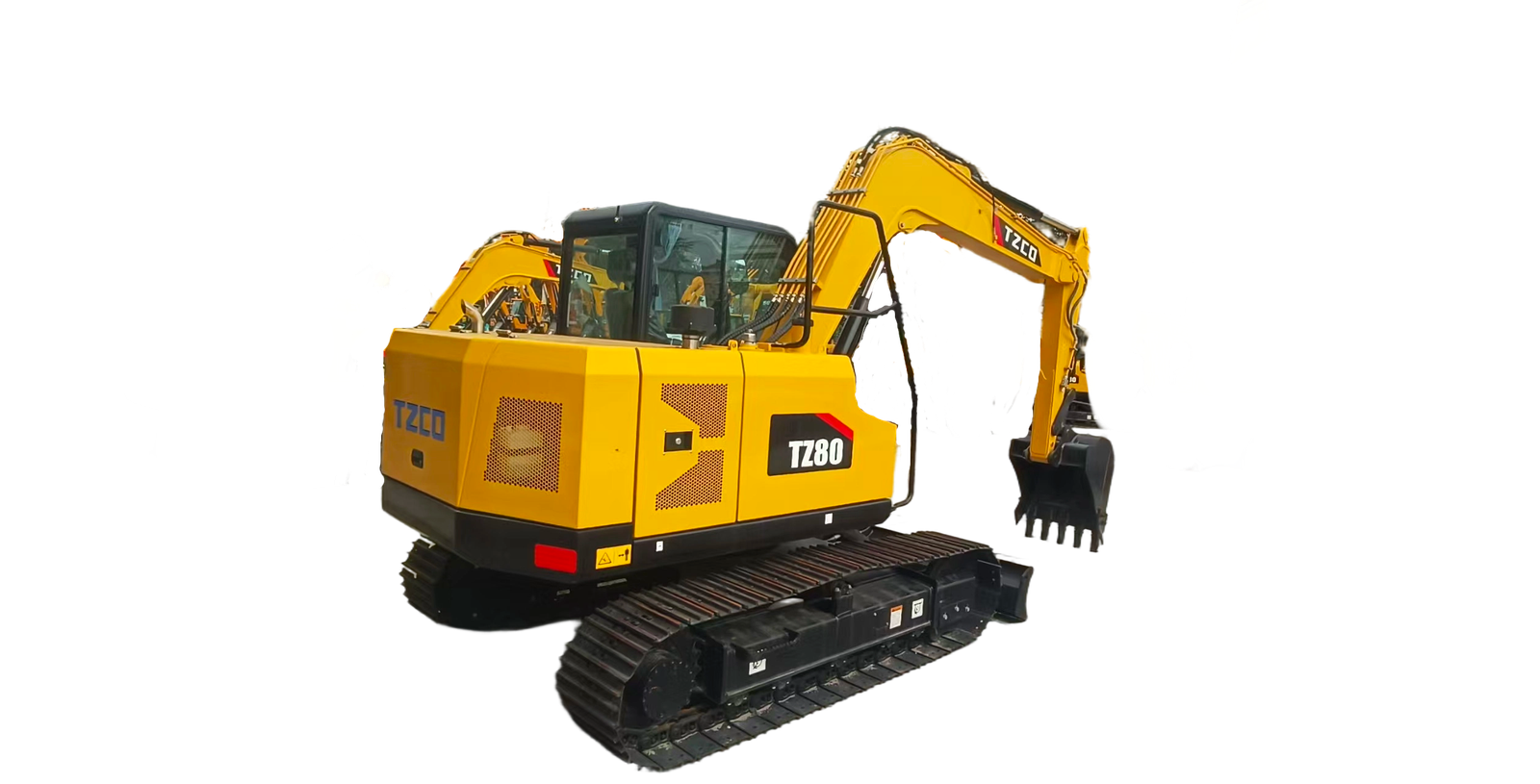
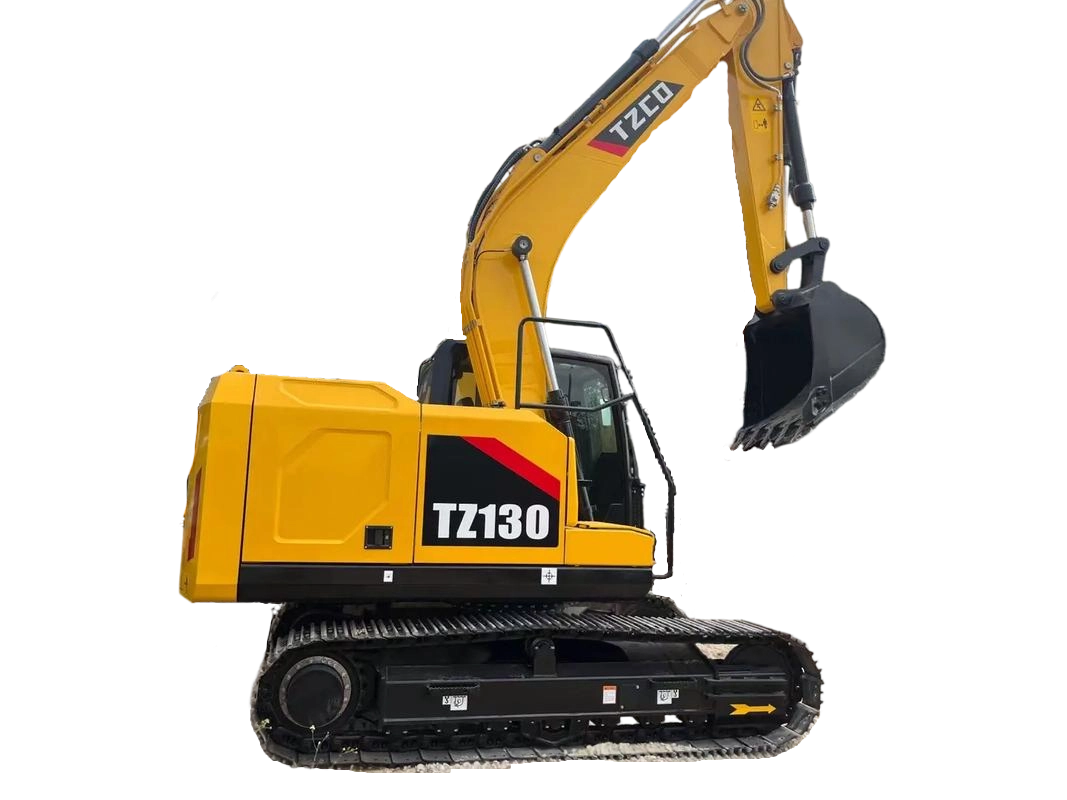
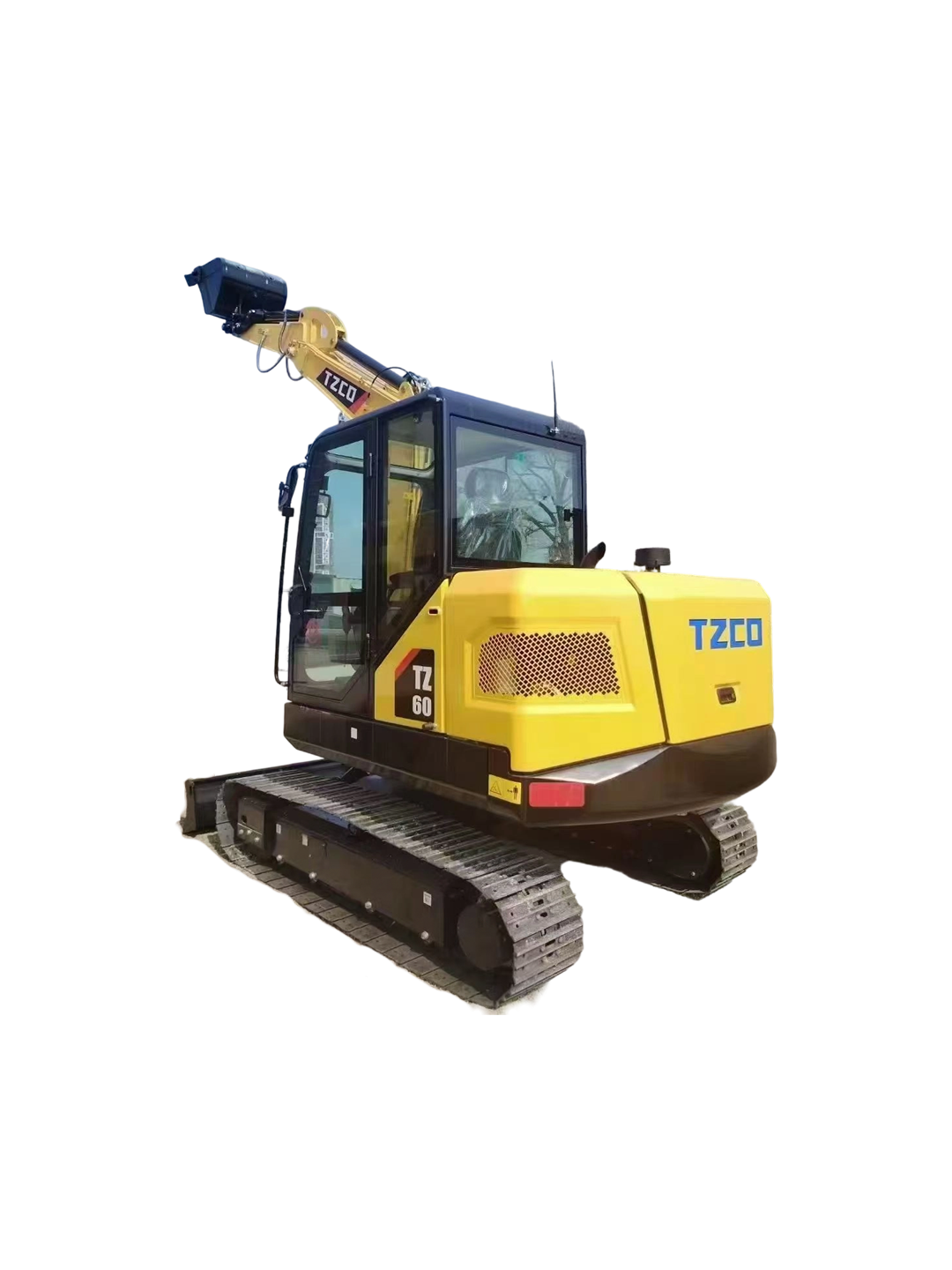
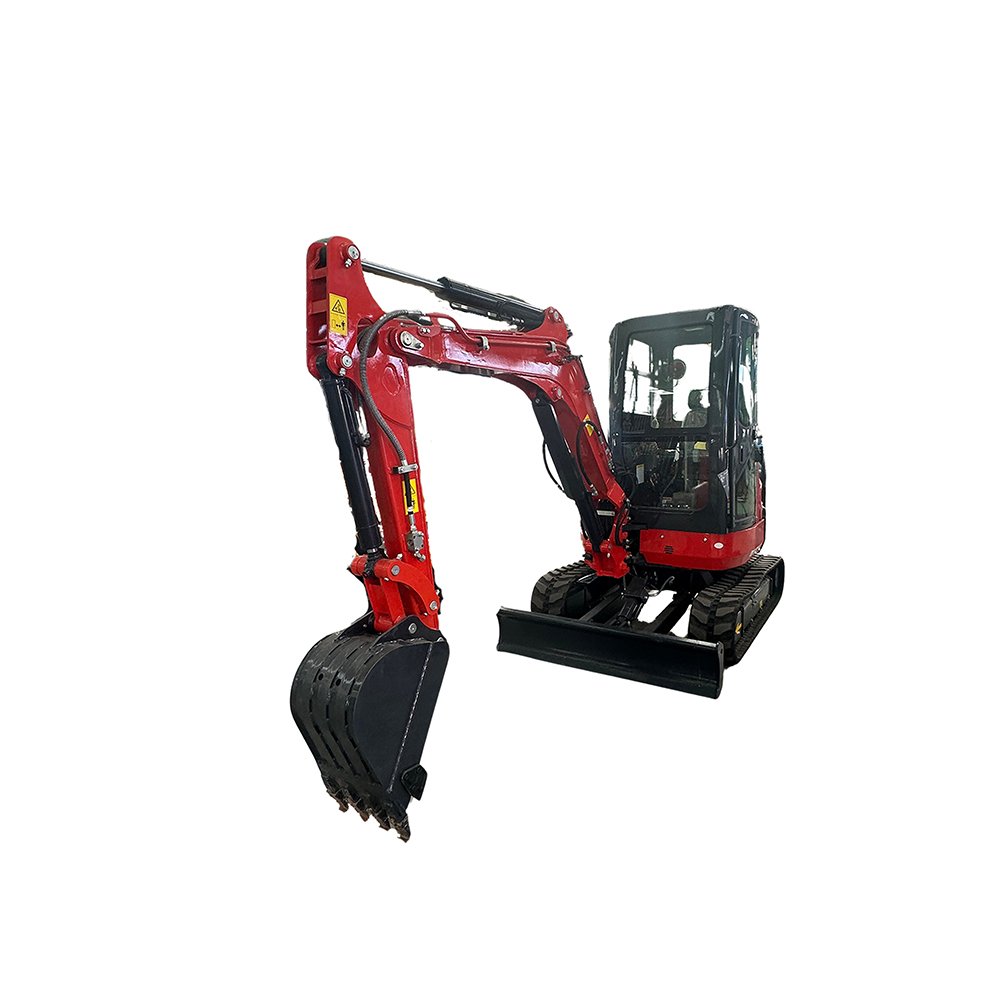
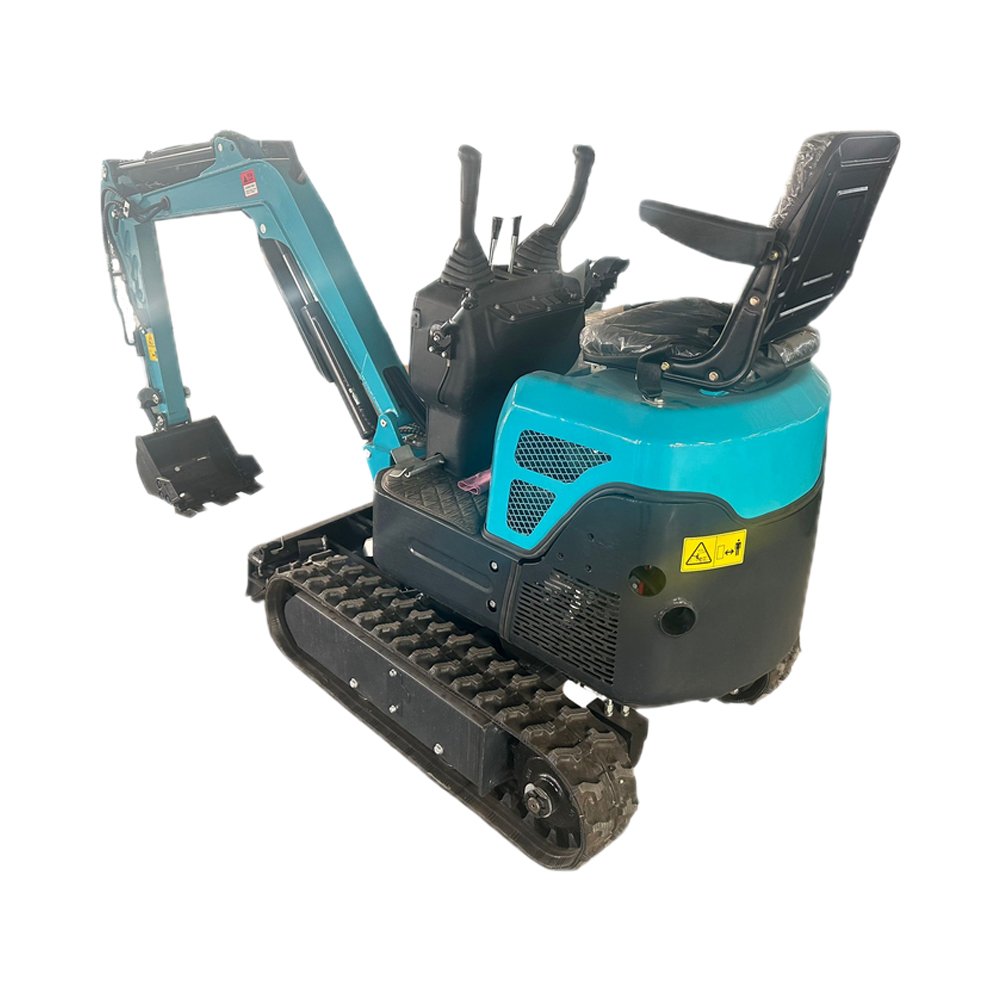
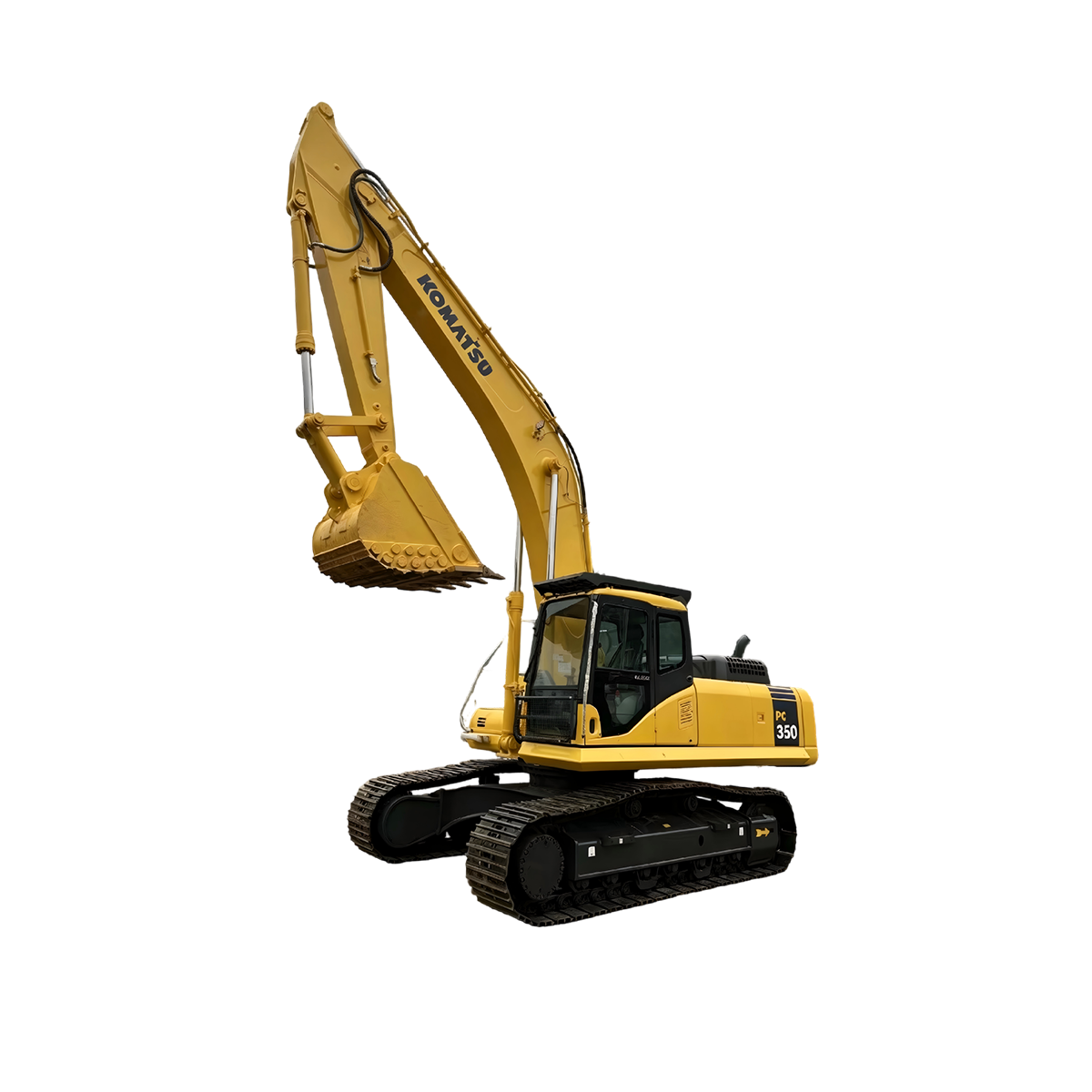
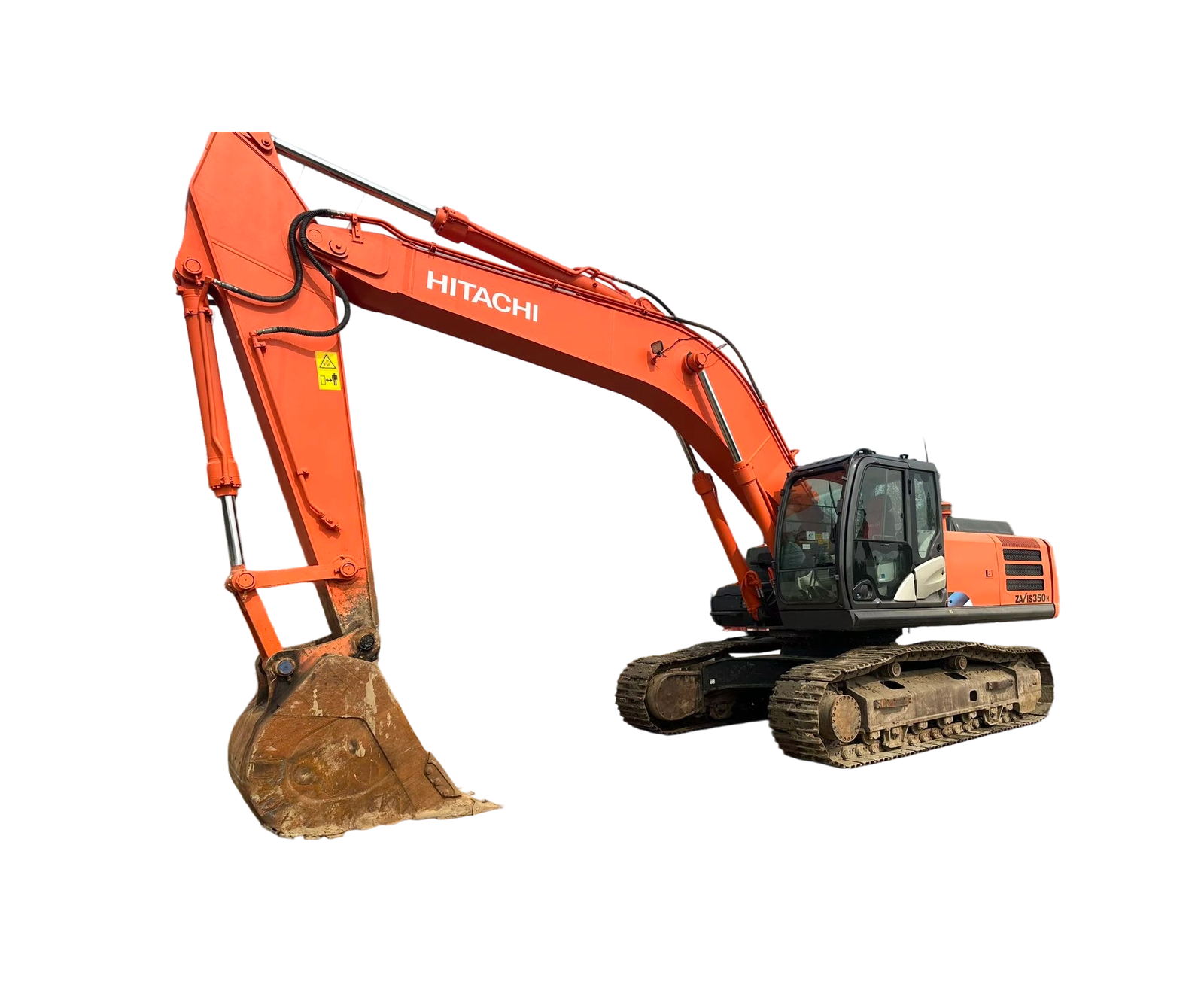
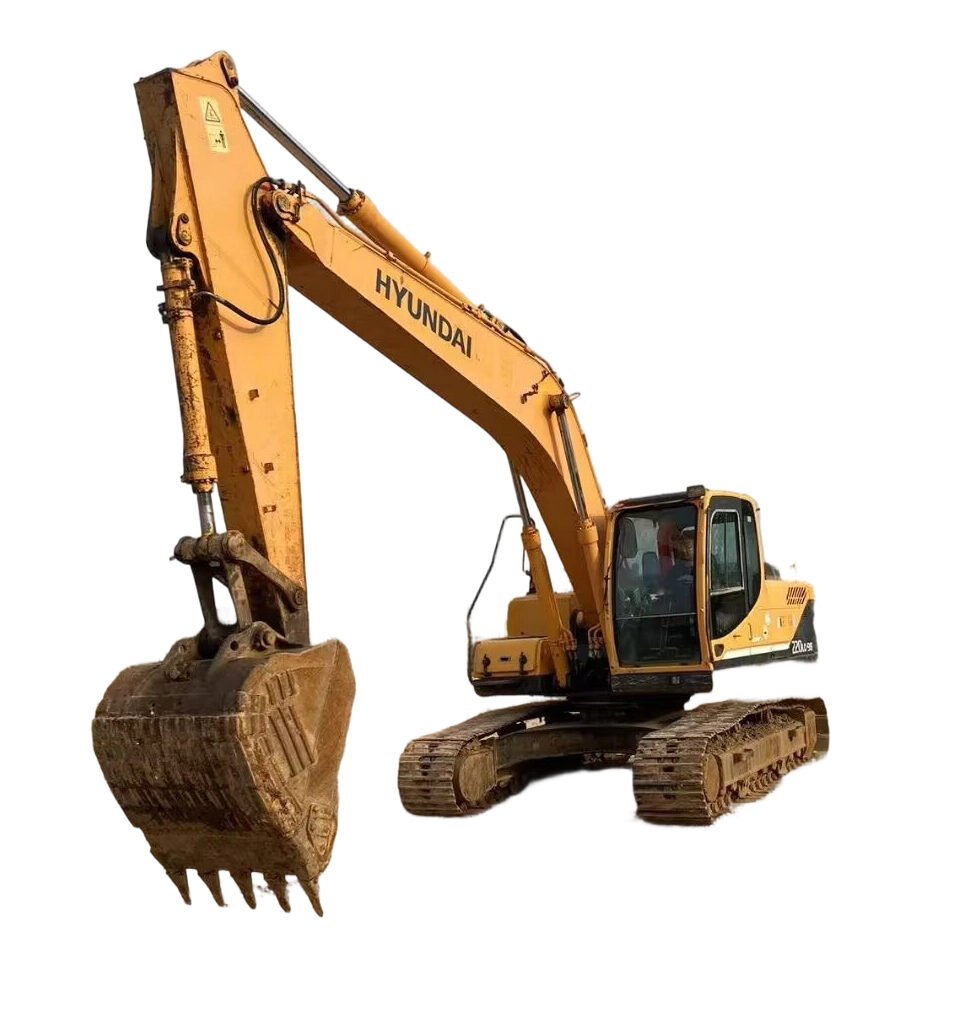
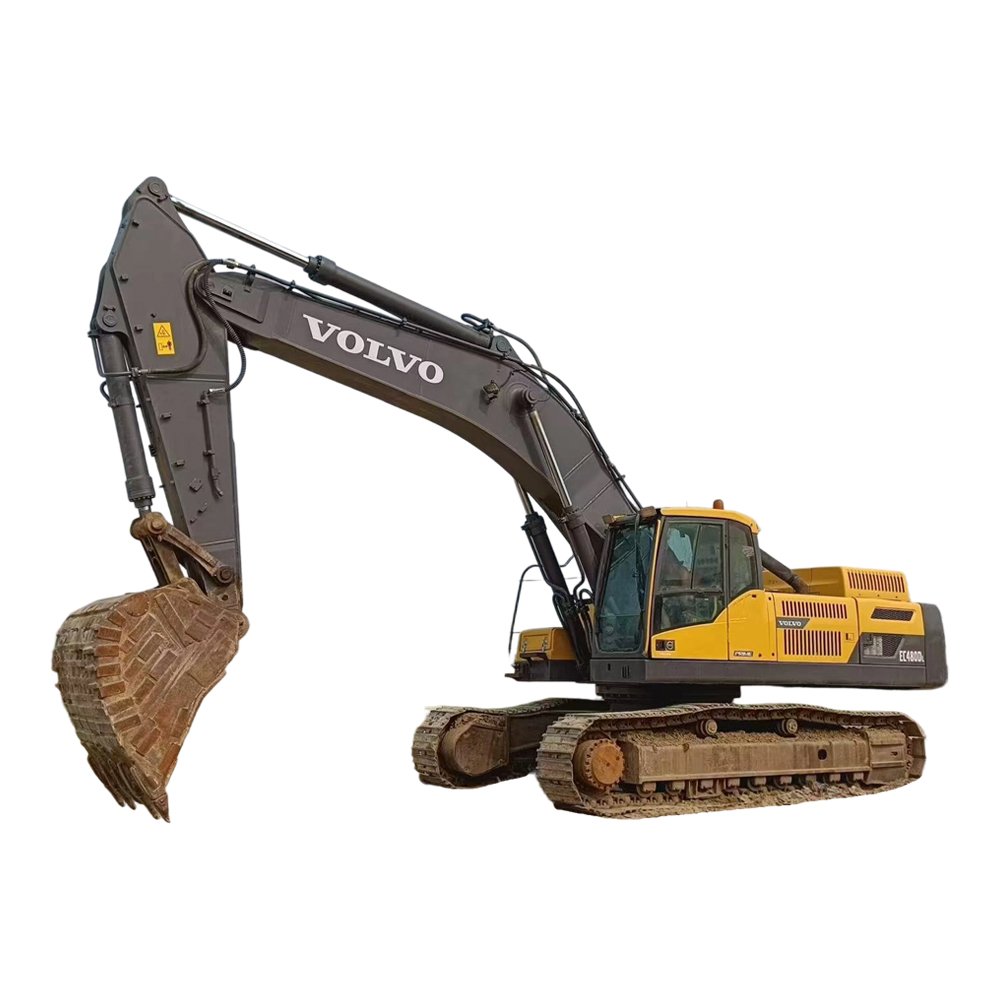
Excavators are available in various sizes, including mini, medium, and large models. Mini excavators are ideal for tight spaces and smaller projects, while larger machines offer greater power and capacity for heavy-duty applications. Selecting the right size helps improve maneuverability, fuel efficiency, and overall productivity. It is important to balance power with practicality based on your job site conditions.
Evaluate Engine Performance and Efficiency
Engine performance plays a key role in the overall capability of an excavator. A reliable engine delivers consistent power for digging, lifting, and operating attachments. Fuel efficiency is also an important consideration, as it affects long-term operating costs. Choosing an excavator with a well-balanced engine ensures smooth performance and efficient resource usage.
Assess Hydraulic System Capability
The hydraulic system is essential for controlling the excavator’s movements and attachments. A high-quality hydraulic system provides smooth, precise operation and quick response times. When evaluating an excavator, test the responsiveness of the boom, arm, and bucket. Efficient hydraulics contribute to higher productivity and better control during operation.
Consider Attachment Compatibility
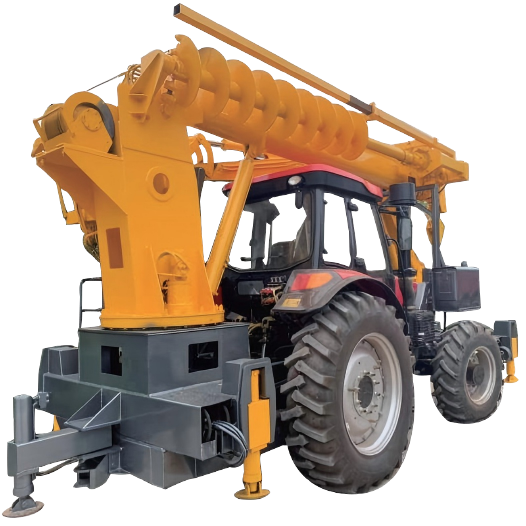
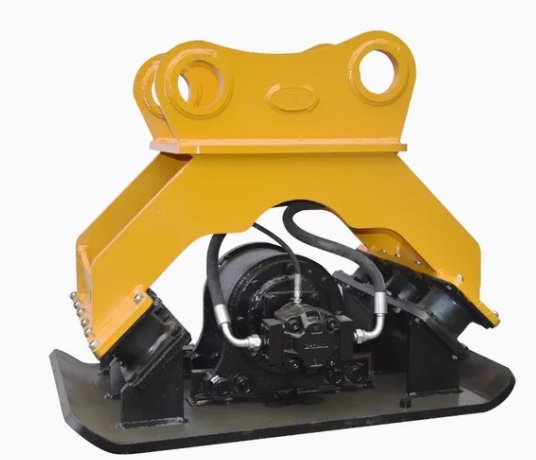
Modern excavators are designed to work with a wide range of attachments, such as buckets, breakers, augers, and grapples. Attachment compatibility increases the versatility of the machine, allowing it to perform multiple tasks. When purchasing a new excavator, consider both your current needs and potential future applications. A machine with flexible attachment options provides greater long-term value.
Focus on Operator Comfort and Ease of Use
Operator comfort is an important factor that directly affects productivity. Look for features such as ergonomic controls, adjustable seating, and clear visibility from the cabin. User-friendly controls make it easier for both beginners and experienced operators to work efficiently. A comfortable working environment helps reduce fatigue and supports consistent performance throughout the day.
Review Safety Features
Safety is a top priority when operating heavy equipment. Modern excavators are equipped with various safety features designed to protect operators and improve stability. These may include reinforced cabins, visibility enhancements, and stable undercarriage systems. Understanding and utilizing these features ensures a safer working environment and more confident operation.
Check Maintenance Accessibility
Easy maintenance is essential for keeping your excavator in excellent condition. Look for machines with accessible service points, including filters, engine components, and fluid reservoirs. Simplified maintenance procedures save time and encourage regular servicing. A well-maintained excavator delivers reliable performance and extends its service life.
Analyze Total Cost of Ownership
When buying a new excavator, it is important to consider the total cost of ownership rather than just the initial purchase price. This includes fuel consumption, maintenance costs, and operational efficiency. Investing in a high-quality machine with efficient performance can provide better long-term value and reduce overall operating expenses.
Choose a Reliable Dealer
Working with a reputable dealer ensures a smooth purchasing experience and ongoing support. Reliable dealers provide detailed product information, professional guidance, and after-sales service. This support is especially valuable for first-time buyers who may need assistance in selecting the right model and understanding its features.
Plan for Future Growth
As your business or projects expand, your equipment needs may evolve. Choosing an excavator that can adapt to future requirements is a smart investment. Consider models that offer scalability, advanced features, and compatibility with additional attachments. Planning for growth ensures that your excavator remains useful and productive over time.
Make an Informed Decision
A well-informed decision is the foundation of a successful investment. By carefully evaluating specifications, performance, and long-term value, you can select an excavator that meets your needs and supports your goals. Taking the time to research and compare options helps ensure that your new excavator delivers reliable performance and lasting benefits.