








Industry News
How to Use a Backhoe for Landscaping Projects
May
Landscaping projects often require heavy-duty equipment to handle excavation, grading, trenching, soil movement, and material transportation efficiently. Among the most versatile machines used in landscaping, the backhoe stands out as an essential piece of equipment for both residential and commercial projects. Combining digging power with loading capabilities, a backhoe can significantly improve productivity, reduce labor costs, and help achieve professional landscaping results.
Whether creating garden layouts, installing drainage systems, shaping terrain, building ponds, or preparing foundations for outdoor structures, understanding how to properly use a backhoe can make landscaping work faster and more accurate. Modern backhoes are designed with advanced hydraulic systems, multiple attachments, and flexible maneuverability, making them ideal for a wide range of outdoor construction and landscaping tasks.
This guide explains how to use a backhoe effectively for landscaping projects while maximizing efficiency, safety, and project quality.
Understanding What a Backhoe Is
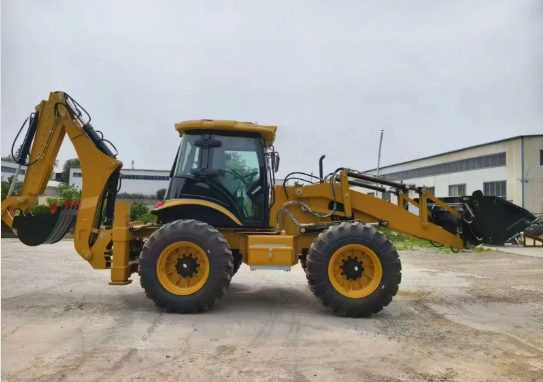
A backhoe is a versatile construction machine that combines three main components: a front loader bucket, a rear digging arm, and a powerful hydraulic operating system. The front bucket is typically used for lifting, moving, and leveling materials, while the rear arm is designed for excavation and digging tasks.
Backhoes are widely used in landscaping because they can perform multiple functions without requiring several different machines. Their compact structure allows them to work efficiently in residential yards, gardens, commercial landscapes, and confined outdoor spaces.
Modern backhoes come in various sizes and configurations to accommodate different project requirements. Some models are designed for small residential landscaping jobs, while larger machines are suitable for commercial land development and heavy excavation work.
The versatility of a backhoe makes it an ideal solution for landscapers seeking both productivity and flexibility on job sites.
Preparing a Landscaping Site Before Using a Backhoe
Before operating a backhoe, proper site preparation is essential for ensuring efficiency and safe machine operation.
The first step is to carefully inspect the landscaping area and identify any underground utilities such as water lines, gas pipes, electrical cables, or irrigation systems. Marking utility locations helps prevent accidental damage during excavation.
Next, evaluate soil conditions and terrain stability. Wet or unstable ground may affect machine traction and digging performance. Removing large debris, rocks, or obstacles from the work area can improve operational safety and efficiency.
Creating a clear project plan is also important. Determine where excavation, grading, trenching, or material placement will occur before starting the machine. Proper planning helps minimize unnecessary repositioning and improves workflow.
Operators should also inspect the backhoe itself, including hydraulic systems, tires, fuel levels, bucket attachments, and safety controls before beginning any landscaping work.
Using a Backhoe for Excavation Tasks
Excavation is one of the primary landscaping functions performed by a backhoe. The rear digging arm allows operators to remove soil quickly and accurately for a variety of outdoor projects.
When digging, position the machine on stable ground and lower the stabilizers to improve balance and reduce movement. The bucket should enter the soil smoothly while maintaining controlled hydraulic pressure.
Backhoes are commonly used for:
Digging garden foundations
Creating ponds and water features
Excavating retaining wall areas
Preparing tree planting holes
Building outdoor patios and decks
Operators should avoid overloading the bucket to maintain machine stability and improve digging precision.
For deeper excavations, work gradually in layers rather than attempting to remove excessive soil in a single pass. This helps maintain accuracy and prevents unnecessary stress on the hydraulic system.
Grading and Leveling With a Backhoe
Land grading is another important landscaping application for backhoes. Proper grading helps improve drainage, stabilize terrain, and create smooth outdoor surfaces for landscaping installations.
The front loader bucket is typically used for grading and leveling tasks. Operators can spread soil evenly, remove uneven ground, and shape slopes according to project specifications.
When grading, use slow and controlled movements to maintain consistent surface levels. Repeated passes may be necessary to achieve a smooth and professional finish.
Backhoes are often used for:
Leveling lawns
Preparing driveways
Creating landscape contours
Building pathways
Improving drainage slopes
Accurate grading helps prevent water accumulation and enhances the overall appearance of the landscape design.
Trenching for Irrigation and Drainage Systems
Backhoes are highly effective for trenching operations during landscaping projects. Trenching is essential for installing irrigation pipes, drainage systems, electrical conduits, and outdoor utility lines.
The rear digging arm allows operators to create narrow and consistent trenches with excellent depth control.
Before trenching, mark the desired trench path and confirm underground utility locations. Digging should proceed slowly to maintain straight trench lines and minimize soil disruption.
Backhoes simplify trenching tasks for:
Sprinkler system installation
French drain construction
Outdoor lighting systems
Water line placement
Landscape drainage improvements
Proper trench depth and alignment are important for ensuring long-term system performance and avoiding future maintenance issues.
Material Handling and Transportation
The front loader bucket on a backhoe is extremely useful for transporting landscaping materials across job sites.
Operators can move soil, gravel, mulch, sand, rocks, and construction materials efficiently without requiring additional equipment.
Material handling tasks commonly include:
Transporting topsoil
Loading gravel
Moving decorative stones
Removing debris
Distributing mulch
Efficient material movement helps reduce manual labor and speeds up project completion.
Operators should balance bucket loads carefully to maintain machine stability and improve fuel efficiency during transportation.
Using Backhoe Attachments for Landscaping
Modern backhoes support multiple attachments that expand their landscaping capabilities.
Common landscaping attachments include:
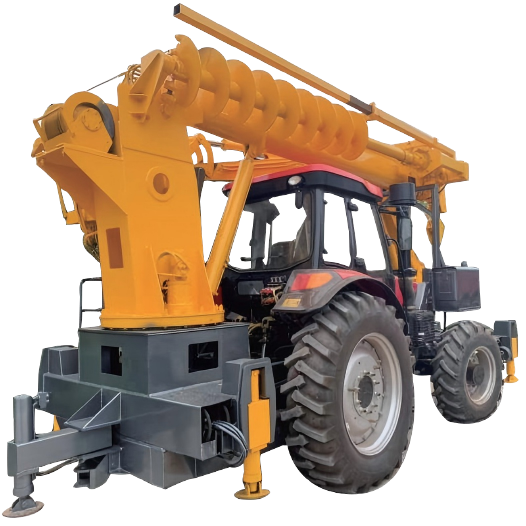
Augers for fence post holes
Hydraulic breakers for rock removal
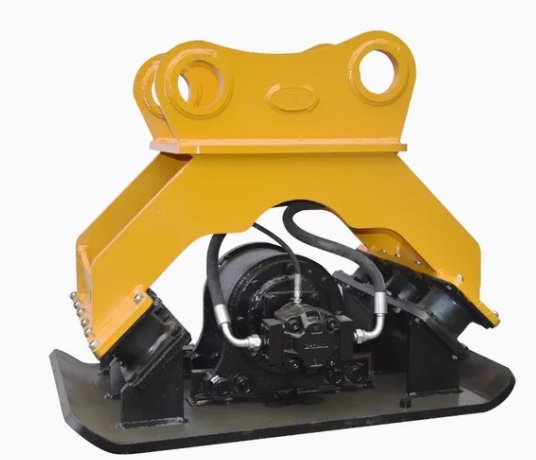
Compactors for soil stabilization
Rakes for debris cleanup
Grapples for material handling
Choosing the correct attachment can improve productivity and allow the machine to perform specialized landscaping tasks more effectively.
Quick attachment systems also reduce downtime by allowing operators to switch tools rapidly during different project stages.
Safety Tips When Operating a Backhoe
Safety is extremely important when using heavy equipment for landscaping projects.
Operators should always wear appropriate protective equipment and ensure the work area is clear of pedestrians or obstacles.
Key safety practices include:
Inspecting the machine before operation
Using stabilizers on uneven ground
Avoiding excessive bucket loads
Maintaining clear visibility
Operating at controlled speeds
Following manufacturer guidelines
Proper operator training is essential for maximizing efficiency and preventing equipment damage.
Safe operation also helps improve overall project productivity and reduces downtime.
Benefits of Using a Backhoe for Landscaping
Backhoes offer several advantages for landscaping professionals and property owners.
One major benefit is versatility. A single machine can perform digging, grading, trenching, lifting, and loading tasks efficiently.
Backhoes also improve project speed by reducing manual labor and increasing operational productivity.
Their compact maneuverability makes them suitable for residential landscaping projects where space may be limited.
Modern hydraulic systems provide strong digging power while maintaining precision control for detailed landscaping work.
Using a backhoe can also reduce overall project costs by minimizing the need for multiple machines and labor-intensive processes.
Choosing the Right Backhoe for Landscaping Projects
Selecting the correct backhoe depends on project size, terrain conditions, and operational requirements.
Compact backhoes are ideal for residential gardens, backyard renovations, and smaller landscaping tasks.
Larger models are better suited for commercial developments, large-scale grading, and heavy excavation work.
Factors to consider include:
Digging depth
Bucket capacity
Machine size
Hydraulic power
Fuel efficiency
Attachment compatibility
Choosing the right machine improves productivity and ensures better project performance.
Maintaining a Backhoe for Long-Term Performance
Regular maintenance is important for keeping a backhoe operating efficiently.
Routine maintenance tasks include:
Checking hydraulic fluid levels
Inspecting hoses and fittings
Cleaning filters
Lubricating moving parts
Monitoring tire condition
Inspecting bucket teeth and attachments
Proper maintenance reduces equipment wear and extends machine lifespan.
Well-maintained backhoes also provide more reliable performance and lower long-term operating costs.
Backhoes are among the most valuable machines for landscaping projects because of their versatility, efficiency, and powerful performance capabilities. From excavation and grading to trenching and material transportation, a backhoe can handle multiple landscaping tasks with precision and speed.
Understanding proper operating techniques, attachment usage, safety practices, and maintenance procedures helps maximize productivity while ensuring professional landscaping results.
As landscaping projects continue becoming more advanced and design-focused, backhoes remain essential equipment for creating durable, functional, and visually appealing outdoor spaces.