








Industry News
New Excavator Delivery Inspection Guide
May
Purchasing a new excavator is a major investment for construction companies, contractors, mining operations, and infrastructure projects. Before putting a machine into daily operation, conducting a detailed delivery inspection is essential to ensure the excavator meets performance expectations, safety standards, and operational requirements. A proper inspection process helps confirm that all systems are functioning correctly, accessories are complete, and the machine is ready for long-term productivity.
A professional excavator delivery inspection also helps operators become familiar with machine features, maintenance requirements, and safety procedures. From hydraulic systems and undercarriage components to cabin controls and attachments, every detail plays a role in maximizing efficiency and reducing downtime. This guide outlines the key areas to inspect when receiving a new excavator.
Why Excavator Delivery Inspection Is Important
A delivery inspection is one of the most important steps in equipment ownership and fleet management. Even brand-new machines should be carefully evaluated before entering active job site operations.
Inspection helps verify that the excavator matches the ordered specifications and arrives in proper working condition. It also allows operators and technicians to identify setup requirements, calibration needs, and operational adjustments before heavy use begins.
By completing a detailed inspection process, companies can improve equipment reliability, operator confidence, and overall project efficiency. Proper documentation during delivery also supports long-term maintenance records and warranty management.
Checking Exterior Condition
The first step in a new excavator inspection is evaluating the machine’s overall exterior condition. Transport and handling during delivery can occasionally affect external components, making visual inspection important.
Inspectors should carefully examine:
- Boom and arm surfaces
- Counterweight condition
- Bucket structure
- Hydraulic hose routing
- Paint finish and coatings
- Handrails and access steps
- Lights and mirrors
- Protective guards
All external panels should be properly secured, clean, and free from visible damage. Decals, warning labels, and safety markings should also be clearly visible and correctly installed.
A clean and well-organized exterior inspection helps establish confidence that the excavator was delivered and assembled according to manufacturer standards.
Inspecting the Undercarriage
The undercarriage is one of the most important structural areas of any excavator. It directly affects machine stability, mobility, and long-term durability.
During inspection, operators should check:
- Track tension
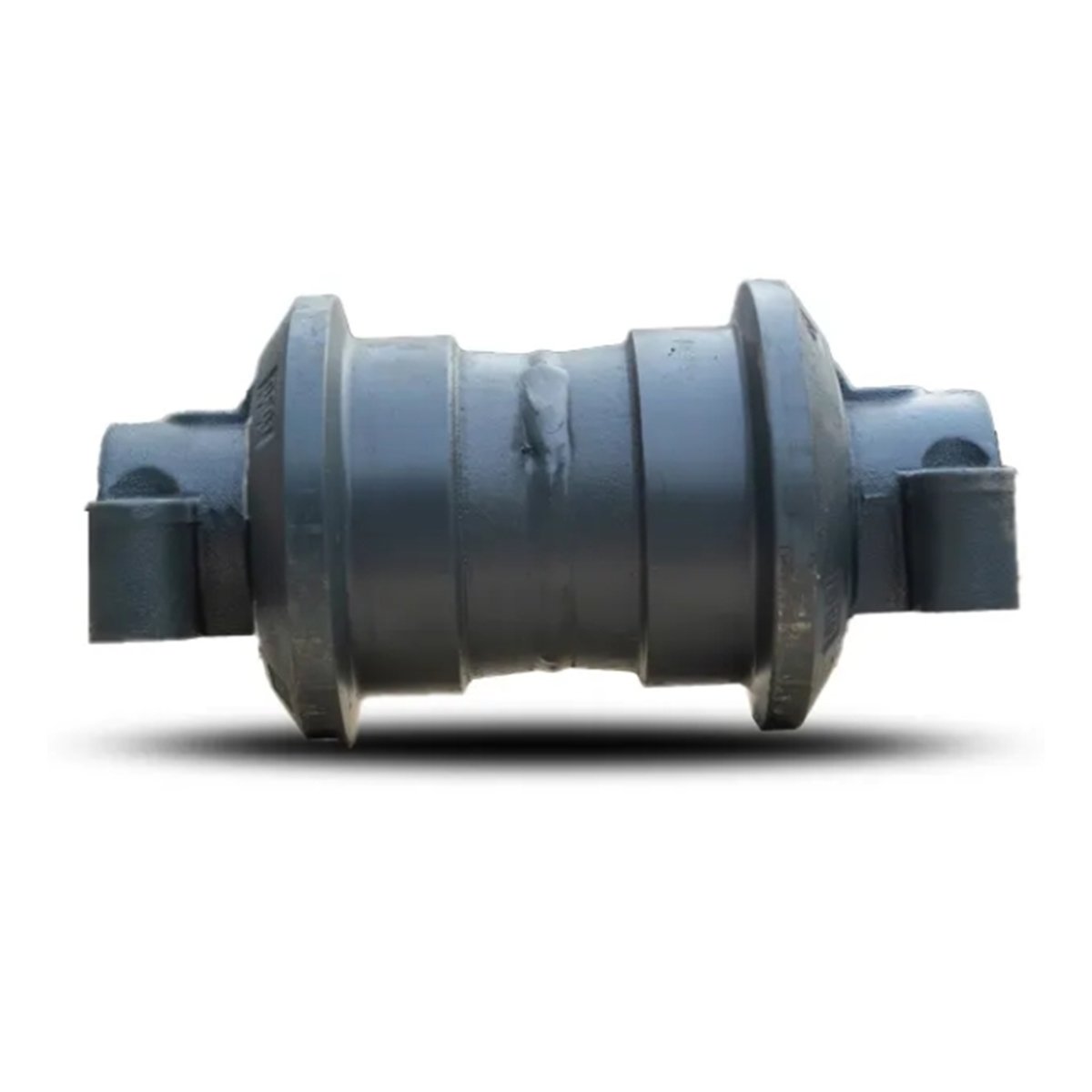
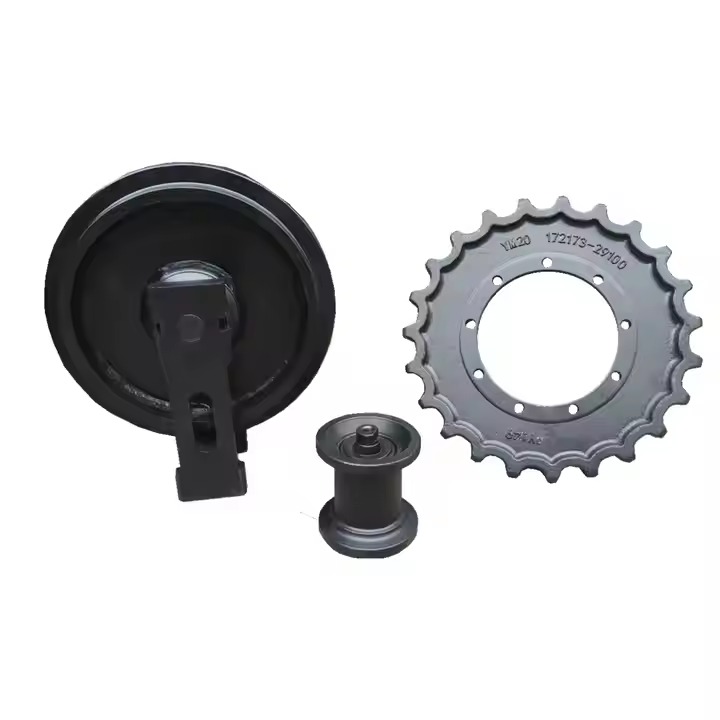
- Rollers and idlers
- Track shoe alignment
- Sprocket condition
- Track frame integrity
- Grease points and seals
Track tension should meet manufacturer recommendations to ensure smooth operation and reduce premature wear.
The undercarriage should also be free from debris, loose hardware, or visible alignment issues before the excavator enters service.
Evaluating Hydraulic Systems
Hydraulic performance is critical to excavator productivity and operating precision. A detailed hydraulic system inspection ensures the machine can perform lifting, digging, and attachment operations efficiently.
Important inspection areas include:
- Hydraulic cylinders
- Hose connections
- Hydraulic fluid levels
- Fittings and seals
- Main control valves
- Auxiliary hydraulic lines
Operators should look for secure hose routing, proper sealing, and smooth hydraulic movement during machine operation.
Hydraulic functions such as boom lifting, arm extension, bucket curling, and swing rotation should operate smoothly without hesitation or abnormal noise.
Checking Engine and Fluid Levels
The engine is the core power source of the excavator, making engine inspection an essential part of delivery preparation.
Key checks include:
- Engine oil level
- Coolant level
- Fuel system condition
- Air filters
- Battery connections
- Belts and hoses
- Exhaust components
The engine compartment should be clean and organized, with no visible leaks or loose components.
Starting the engine allows operators to monitor idle quality, gauge readings, and warning indicators. Engine startup should be smooth, and all systems should respond normally during operation.
Inspecting the Operator Cabin
Operator comfort and control directly influence productivity, efficiency, and workplace safety. The excavator cabin should be thoroughly inspected before operation begins.
Important cabin inspection points include:
- Seat adjustment functions
- Safety belt condition
- Joystick responsiveness
- Pedal operation
- Display monitor functionality
- Air conditioning system
- Cabin visibility
- Windshield wipers and mirrors
The control layout should feel comfortable and intuitive for the operator. Electronic displays should provide accurate machine information and system monitoring.
Cabin cleanliness and ergonomic design are also important factors that contribute to long-term operator satisfaction.
Testing Excavator Functions
Functional testing is one of the most important stages of delivery inspection. Operators should test all major machine movements and attachments under controlled conditions.
This includes:
- Boom movement
- Arm movement
- Bucket operation
- Swing rotation
- Travel functions
- Attachment controls
All machine movements should operate smoothly and consistently. There should be no unusual vibration, excessive noise, or delayed hydraulic response.
Testing travel speed, turning performance, and digging functions helps confirm that the excavator is properly calibrated and ready for field operation.
Verifying Safety Features
Safety systems play a critical role in protecting operators and supporting job site compliance. Every new excavator should undergo a full safety inspection before entering service.
Safety checks should include:
- Emergency shutoff systems
- Backup alarms
- Safety locks
- Fire extinguisher placement
- Lighting systems
- Horn functionality
- Camera systems
- Warning indicators
Operators should also review machine safety procedures and emergency operation guidelines during delivery orientation.
Well-functioning safety systems contribute to safer work environments and improved operational confidence.
Reviewing Attachments and Accessories
Many excavators are delivered with optional attachments and accessories designed for specific applications.
These may include:
- Buckets
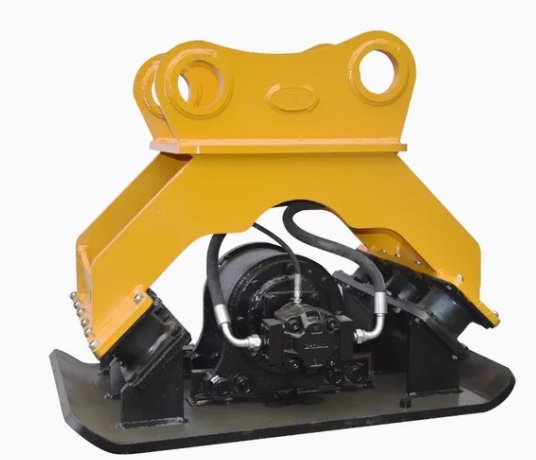
- Hydraulic breakers
- Quick couplers
- Grapples
- Augers
- Rippers
Inspectors should verify that all ordered attachments are included and correctly installed. Attachment compatibility, hydraulic connections, and locking systems should also be checked carefully.
Testing attachment functionality ensures smooth operation and prevents delays once the machine reaches the job site.
Documentation and Warranty Verification
Proper documentation is an important part of excavator delivery inspection. Owners should carefully review all paperwork before final acceptance.
Key documents typically include:
- Operation manual
- Maintenance guide
- Warranty documentation
- Inspection records
- Service schedules
- Parts catalogs
Operators and maintenance teams should familiarize themselves with recommended service intervals and operational guidelines.
Warranty coverage details should also be clearly reviewed to support future maintenance planning and equipment management.
Operator Training and Familiarization
Modern excavators often include advanced technologies such as digital monitoring systems, GPS integration, fuel management tools, and intelligent hydraulic controls.
Delivery inspection provides an excellent opportunity for operators to receive training and machine familiarization.
Training may include:
- Startup procedures
- Safety protocols
- Maintenance checkpoints
- Attachment operation
- Fuel efficiency practices
- Daily inspection routines
Proper operator understanding helps improve machine performance, reduce wear, and maximize productivity over the equipment lifecycle.
Importance of Preventive Maintenance from Day One
Preventive maintenance should begin immediately after delivery. Establishing strong maintenance habits early helps extend equipment lifespan and maintain optimal performance.
Daily inspections, lubrication schedules, fluid monitoring, and filter replacement all contribute to long-term excavator reliability.
Recording maintenance activities from the first day also improves fleet management and service planning.
Companies that prioritize early maintenance often experience better operational efficiency and lower long-term operating costs.
A thorough new excavator delivery inspection is essential for ensuring machine reliability, safety, and long-term performance. By carefully evaluating exterior components, hydraulic systems, undercarriage parts, operator controls, safety features, and documentation, companies can confirm that their excavator is fully prepared for demanding job site operations.
Delivery inspection is not only about identifying potential issues but also about understanding machine capabilities, maintenance requirements, and operational best practices. With proper inspection, training, and preventive maintenance, a new excavator can deliver excellent productivity, efficiency, and durability for years to come.