








Industry News
How to Use a Backhoe for Small Construction Jobs
May
Backhoes are among the most versatile machines used in modern construction and landscaping projects. Their combination of digging, lifting, trenching, loading, and material handling capabilities makes them highly valuable for small construction jobs. Whether working on residential foundations, utility installations, drainage systems, road repairs, or landscaping projects, a backhoe provides the flexibility and efficiency needed to complete tasks quickly and accurately.
For contractors, property owners, and construction operators, understanding how to properly use a backhoe is essential for improving productivity, reducing labor demands, and achieving professional project results. Modern backhoes are designed to handle multiple applications while remaining compact enough for smaller work environments.
This guide explains how backhoes work, the best ways to operate them for small construction projects, important safety practices, and techniques for maximizing efficiency on the job site.
Understanding What a Backhoe Is
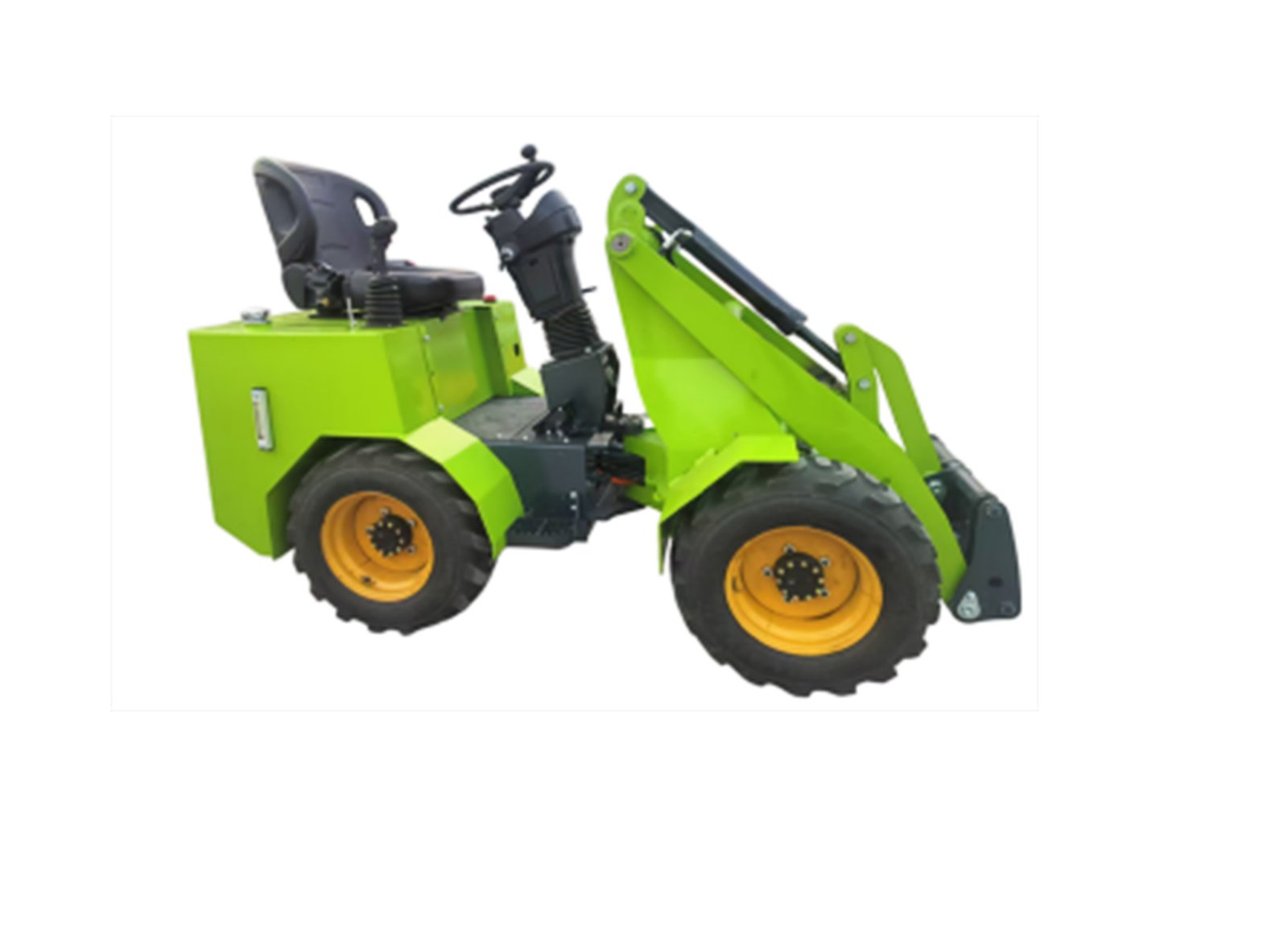
A backhoe is a versatile construction machine equipped with two primary working components. The front section usually contains a loader bucket used for lifting, pushing, and transporting materials, while the rear section includes a digging arm known as the backhoe.
The backhoe arm consists of three main parts:
- Boom
- Dipper stick
- Bucket
These components work together to perform excavation and trenching tasks with precision and control.
Backhoes are commonly mounted on tractor-style machines with wheels, allowing operators to move efficiently between job areas without requiring specialized transportation for short distances.
Because of their compact design and multifunctional capabilities, backhoes are widely used in small and medium-sized construction projects.
Why Backhoes Are Ideal for Small Construction Jobs
Backhoes are especially effective for small construction projects because they combine several machine functions into a single piece of equipment.
Instead of using separate excavators, loaders, and material movers, contractors can perform multiple tasks using one machine. This improves efficiency while reducing equipment costs and space requirements.
Small construction jobs that commonly use backhoes include:
- Residential excavation
- Utility trenching
- Driveway preparation
- Drainage installation
- Fence post digging
- Landscaping work
- Small demolition projects
- Material loading and transport
Their mobility and adaptability make backhoes highly practical for urban and residential environments where space may be limited.
Inspecting the Backhoe Before Operation
Before operating a backhoe, performing a full inspection is extremely important. Regular inspections help ensure safe operation and reduce the risk of mechanical problems during work.
Operators should inspect:
- Hydraulic hoses
- Tire condition
- Fluid levels
- Bucket attachments
- Stabilizers
- Lights and controls
- Safety systems
Checking for leaks, loose connections, or worn components helps prevent unexpected downtime.
Clean windows and mirrors are also important for maintaining visibility and improving operational awareness.
Proper pre-operation inspection supports both machine longevity and workplace safety.
Learning the Basic Controls
Modern backhoes use hydraulic control systems that allow precise movement of the boom, dipper, bucket, and loader.
Although control layouts may vary slightly between models, most backhoes operate using joysticks, pedals, steering wheels, and control levers.
Key functions include:
- Raising and lowering the boom
- Extending the dipper stick
- Curling the bucket
- Swinging the backhoe arm
- Operating the front loader
- Controlling stabilizers
New operators should spend time becoming familiar with machine controls before starting active construction work.
Practicing in open areas helps improve coordination and confidence.
Positioning the Backhoe Correctly
Correct positioning is essential for safe and efficient backhoe operation.
Before digging begins, operators should place the machine on stable and level ground whenever possible. Stabilizer legs must be lowered to secure the machine and minimize movement during excavation.
The backhoe should be positioned close enough to the work area to maximize reach without overextending the arm.
Proper positioning helps improve:
- Digging accuracy
- Machine stability
- Fuel efficiency
- Cycle speed
- Operator safety
Repositioning the machine as work progresses often improves overall productivity.
Using the Backhoe for Digging and Trenching
Digging and trenching are among the most common backhoe applications in small construction jobs.
To begin digging, operators lower the bucket into the soil and use hydraulic controls to pull material toward the machine. The bucket is then lifted and swung to the side for dumping.
Efficient trenching requires smooth and controlled movements. Consistent digging depth and proper bucket angles improve trench quality and reduce unnecessary soil disturbance.
Backhoes are frequently used for:
- Water line installation
- Electrical conduit trenches
- Drainage systems
- Irrigation projects
- Foundation preparation
Careful operation helps create clean trenches while minimizing rework.
Operating the Front Loader Effectively
The front loader portion of the backhoe is useful for moving materials around construction sites.
Operators can use the loader to:
- Transport soil
- Move gravel
- Load trucks
- Clear debris
- Level surfaces
- Backfill trenches
Keeping the loader bucket low during travel improves machine stability and visibility.
Balanced loads help prevent excessive strain on the machine and support safer operation.
Proper loader techniques increase productivity and reduce fuel consumption.
Backfilling and Site Cleanup
After trenching or excavation is complete, backhoes are commonly used for backfilling and cleanup work.
The front loader can quickly move soil back into trenches, while the rear bucket helps compact and shape the area.
Efficient cleanup improves project organization and prepares the site for the next construction phase.
Backhoes are especially useful for small projects because they reduce the need for multiple machines during cleanup operations.
Choosing the Right Attachments
Many backhoes support interchangeable attachments that expand machine functionality.
Common backhoe attachments include:
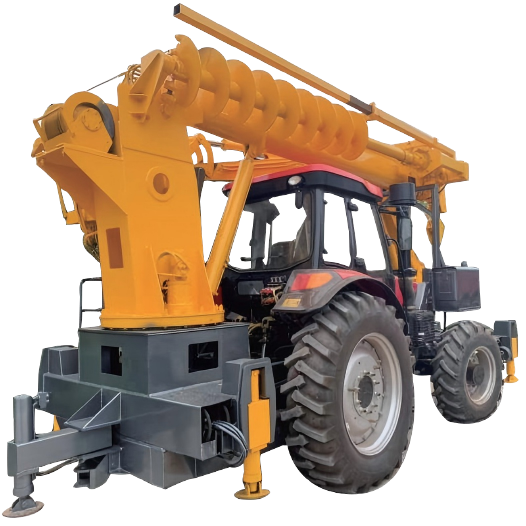
- Augers
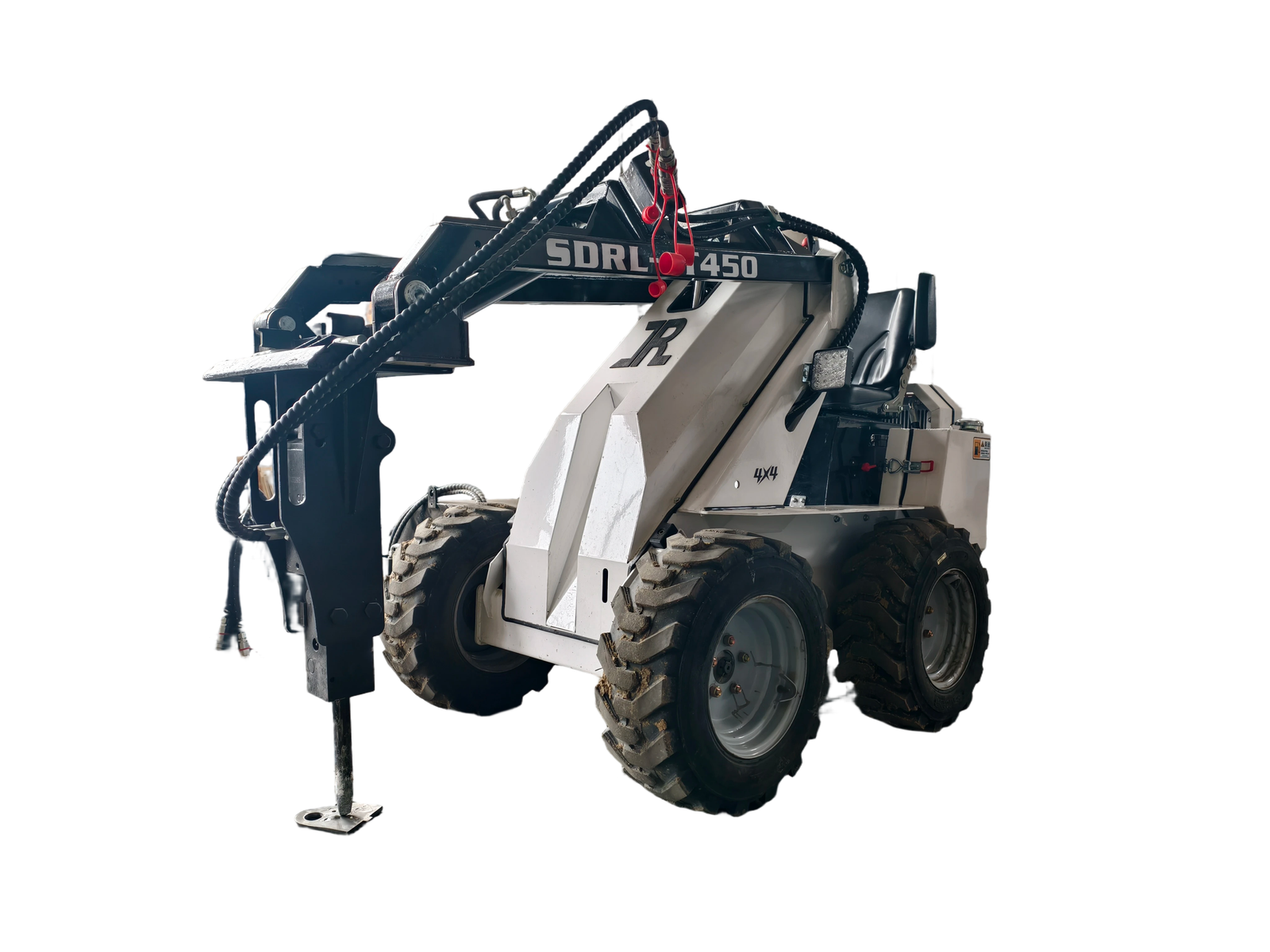
- Hydraulic breakers
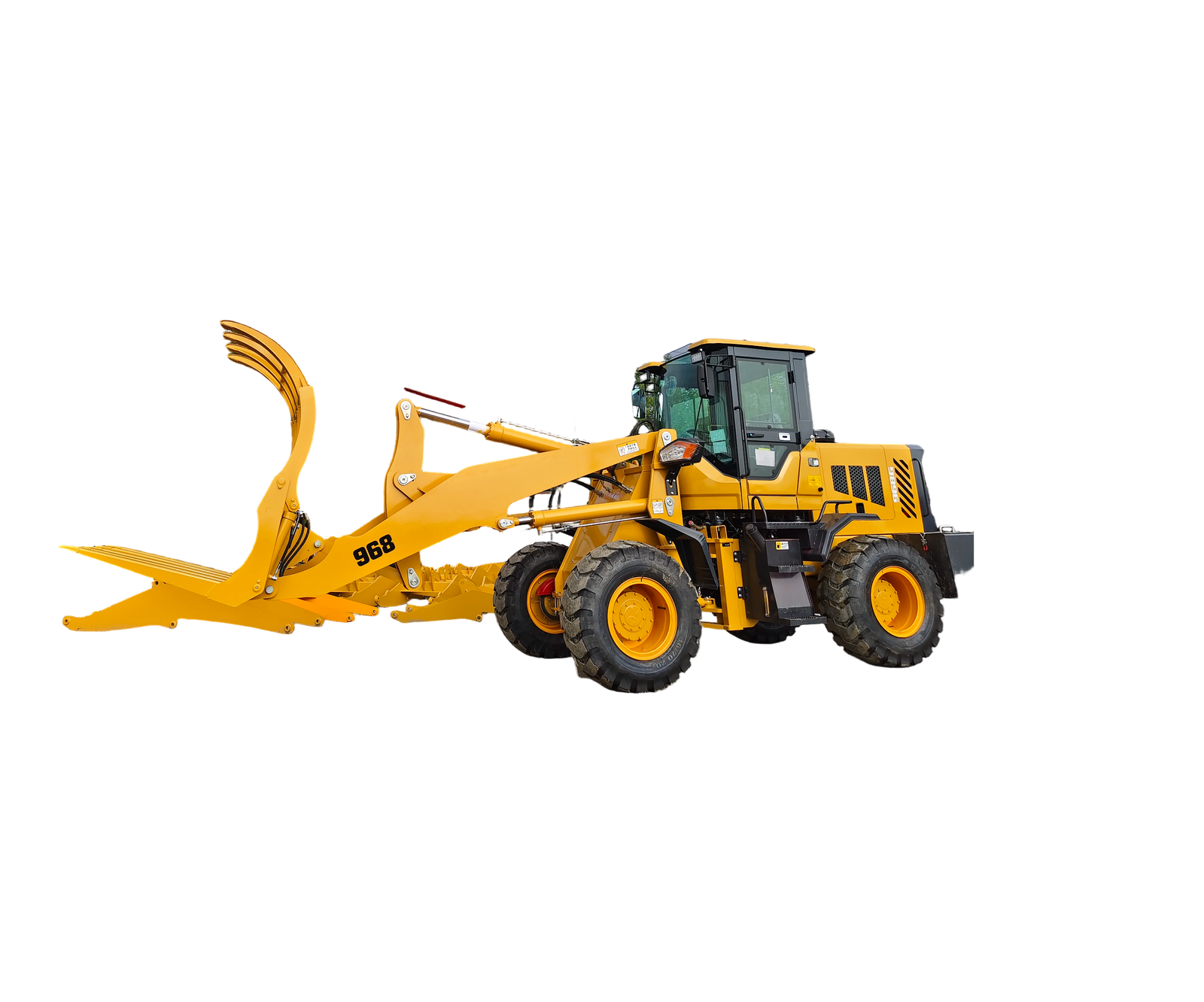
- Grapples
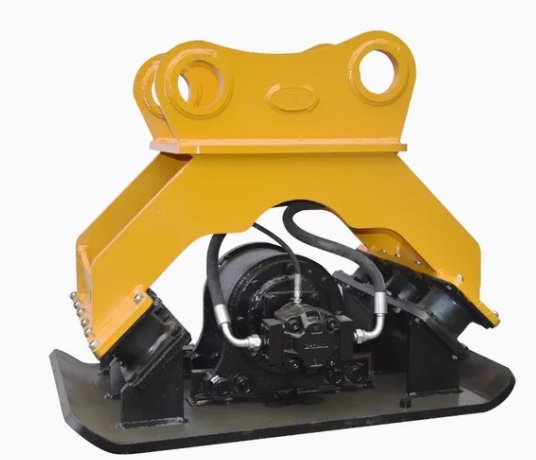
- Compaction wheels
- Trenching buckets
- Pallet forks
Selecting the appropriate attachment improves efficiency and allows operators to handle specialized tasks more effectively.
For example, augers simplify fence post installation, while hydraulic breakers assist with concrete removal.
Attachments increase the versatility of backhoes across different job types.
Improving Fuel Efficiency During Operation
Fuel efficiency is important for controlling project costs and improving equipment performance.
Operators can improve fuel efficiency by:
- Avoiding excessive engine idling
- Using smooth hydraulic movements
- Planning efficient digging patterns
- Maintaining proper tire pressure
- Reducing unnecessary machine movement
Regular maintenance also contributes to better fuel economy and machine reliability.
Efficient operation reduces operational costs while extending equipment lifespan.
Safety Practices When Operating a Backhoe
Safety should always remain a top priority on construction sites.
Operators should wear appropriate personal protective equipment, including:
- Hard hats
- Safety boots
- High-visibility clothing
- Gloves
- Eye protection
Before digging, it is important to identify underground utilities and ensure the work area is clear of obstacles and personnel.
Additional safety practices include:
- Using stabilizers properly
- Avoiding overload conditions
- Maintaining visibility
- Following operating limits
- Keeping bystanders at safe distances
Safe operation protects both workers and equipment.
Training and Operator Experience
Although modern backhoes are user-friendly, proper training significantly improves performance and safety.
Experienced operators develop better control precision, situational awareness, and productivity.
Training programs may cover:
- Equipment controls
- Safety procedures
- Excavation techniques
- Maintenance practices
- Site management
Continuous learning helps operators stay updated with evolving construction technologies and equipment features.
Maintaining the Backhoe for Long-Term Performance
Routine maintenance is essential for keeping a backhoe operating efficiently over time.
Important maintenance tasks include:
- Changing hydraulic fluids
- Lubricating moving parts
- Replacing filters
- Inspecting hoses
- Cleaning debris buildup
- Monitoring tire wear
Preventive maintenance reduces breakdown risks and helps maintain machine reliability.
Well-maintained equipment also retains better resale value and supports long-term operational efficiency.
The Growing Role of Backhoes in Small Construction
As construction projects become more diverse and space-efficient equipment gains popularity, backhoes continue to play a critical role in small construction operations.
Their combination of mobility, versatility, and cost efficiency makes them valuable for contractors working on residential, commercial, and municipal projects.
Modern backhoes now include advanced features such as:
- Improved hydraulic systems
- Enhanced operator cabins
- GPS technology
- Digital monitoring systems
- Better fuel efficiency
These advancements continue improving productivity and operator comfort.
Backhoes are highly versatile machines that provide excellent performance for small construction jobs. Their ability to dig, trench, lift, load, backfill, and transport materials makes them one of the most practical pieces of equipment for contractors and property developers.
By understanding machine controls, practicing proper positioning, using appropriate attachments, and following safety procedures, operators can maximize efficiency and project quality.
With proper training and regular maintenance, backhoes remain reliable and cost-effective solutions for a wide range of small construction applications.