








Industry News
New Excavator Cost Breakdown and Budget Planning Tips
May
Investing in a new excavator is a major decision for construction companies, contractors, landscaping businesses, and infrastructure developers. Excavators are essential machines for digging, trenching, demolition, material handling, and site preparation. However, purchasing a new excavator involves much more than simply looking at the initial machine price. Buyers must carefully evaluate operating costs, maintenance expenses, transportation requirements, financing options, and long-term ownership value. Understanding the full cost breakdown and applying smart budget planning strategies can help businesses maximize productivity while maintaining financial stability. This guide explains the key factors that influence new excavator costs and offers practical budgeting tips for making a well-informed investment.
Understanding the Base Price of a New Excavator
The starting price of a new excavator depends on several important factors, including machine size, operating weight, engine power, hydraulic performance, and technological features.
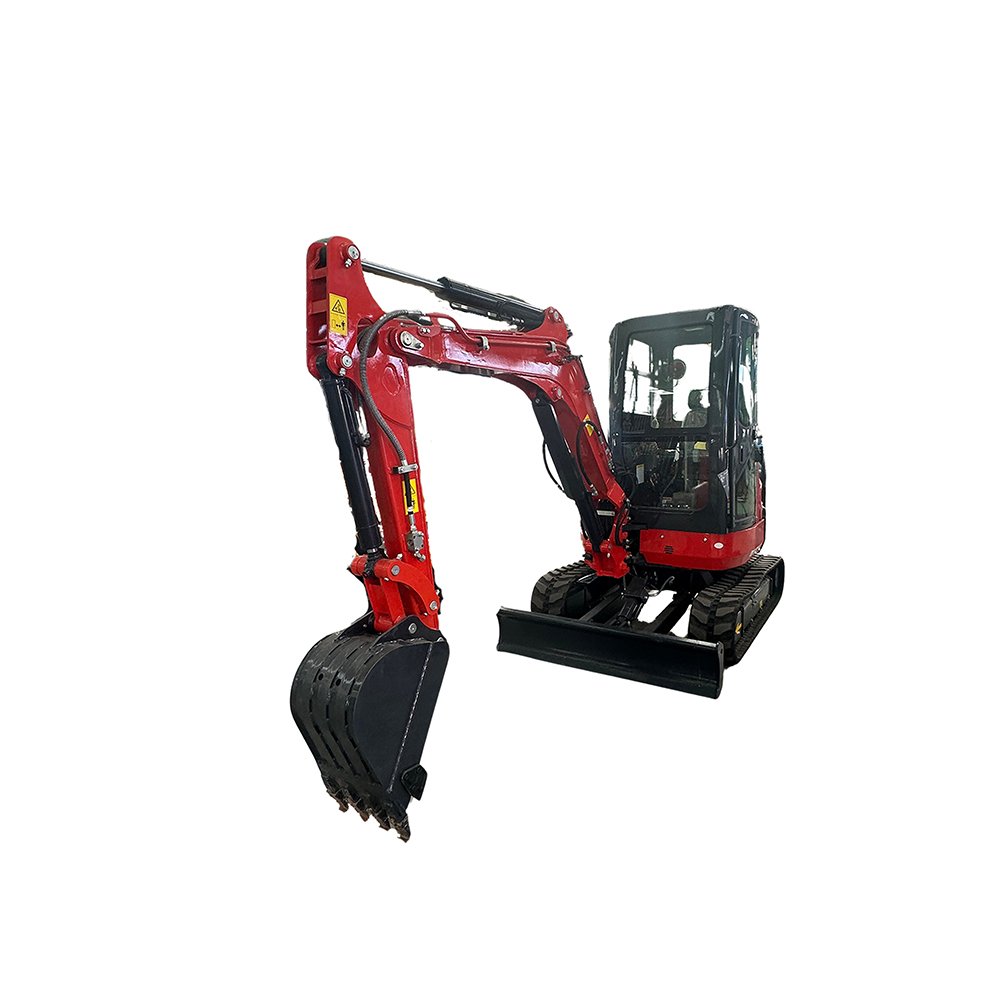
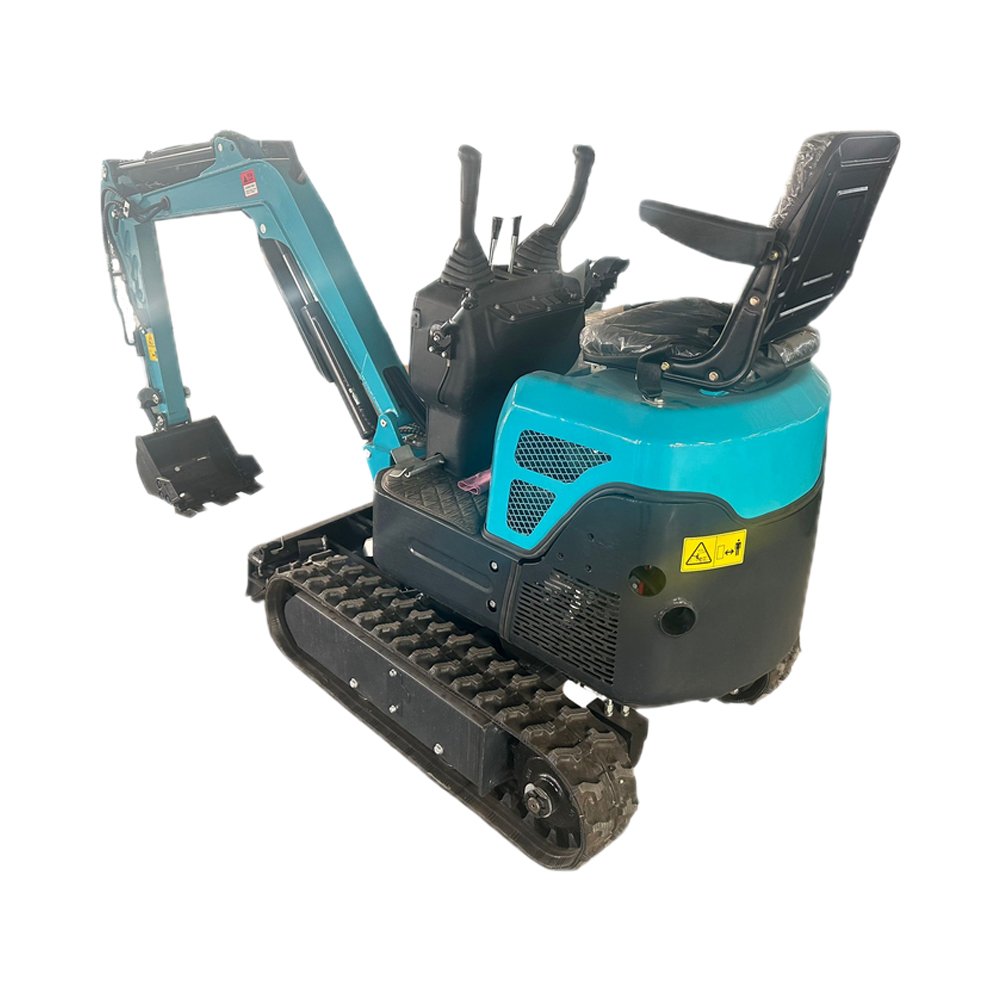
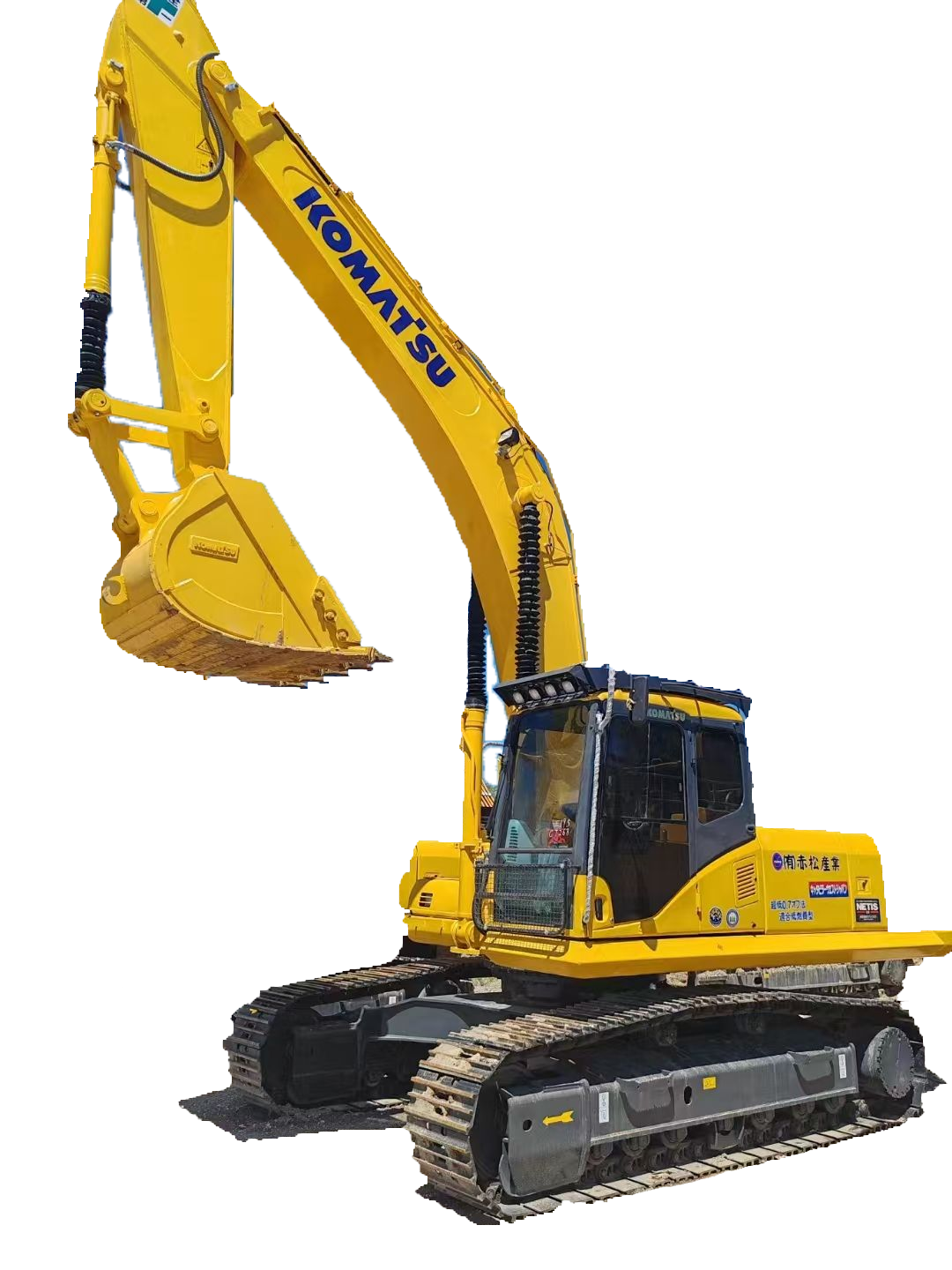
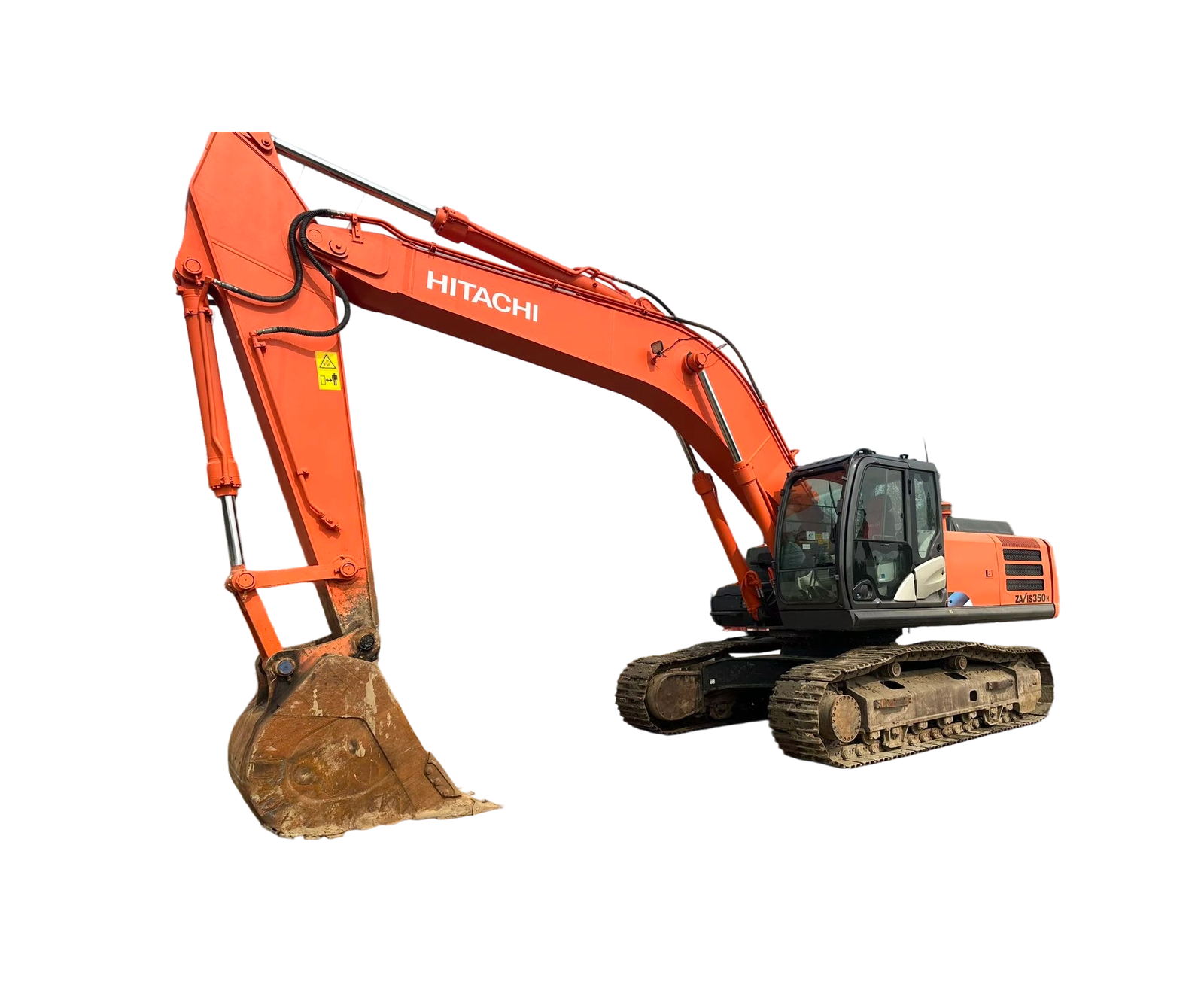
Excavators are commonly categorized into:
- Mini excavators
- Medium excavators
- Large excavators
- Heavy-duty mining excavators
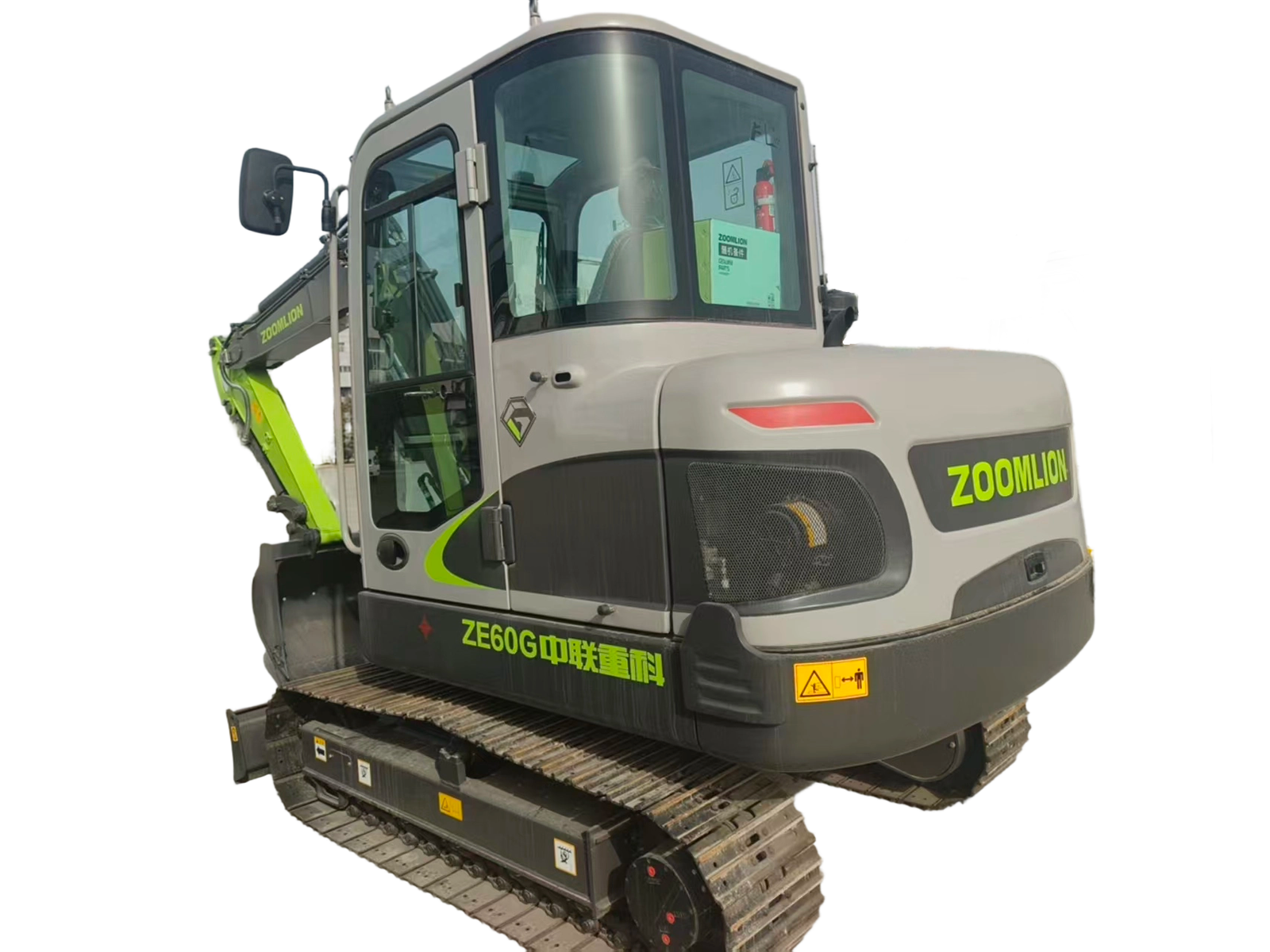
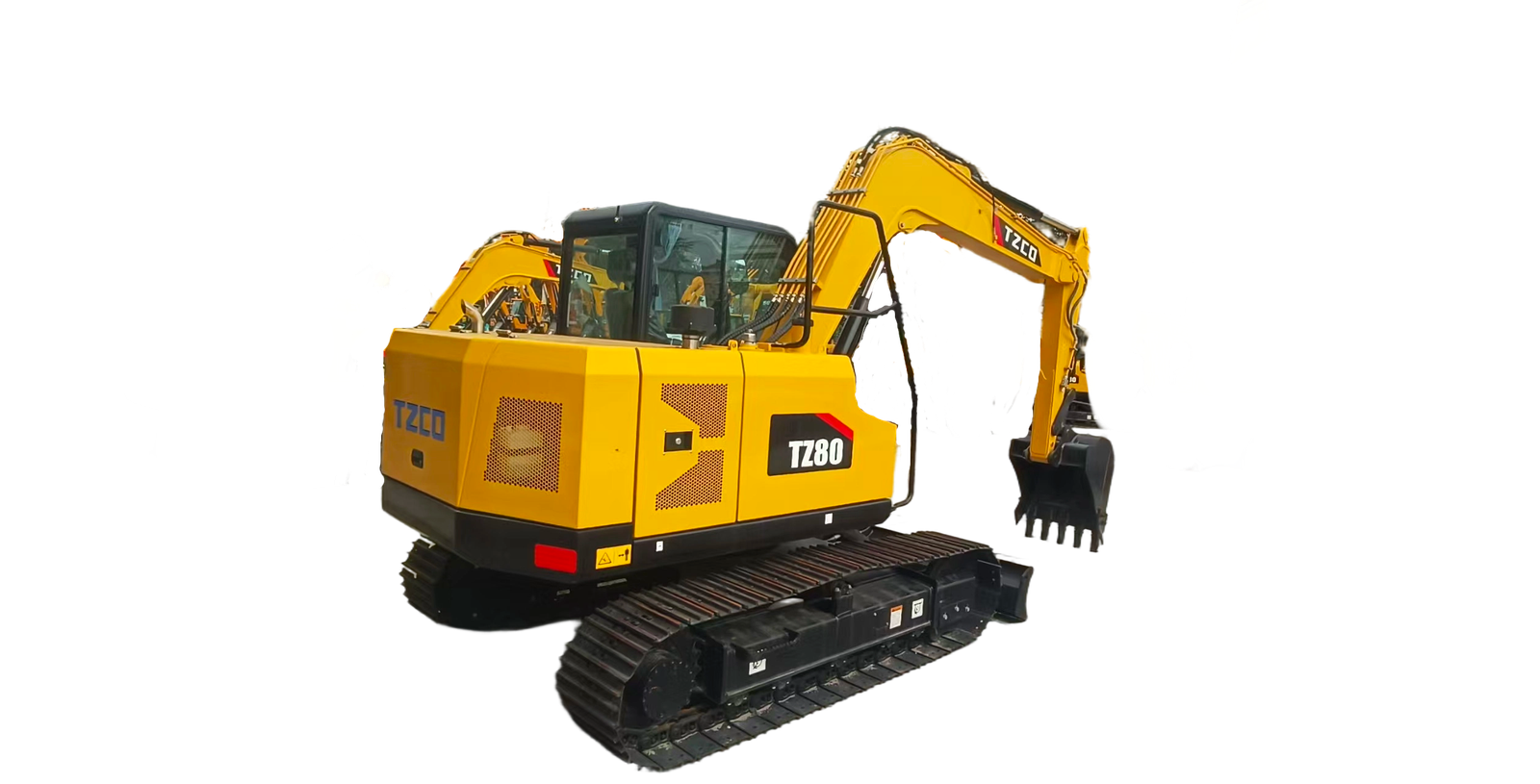
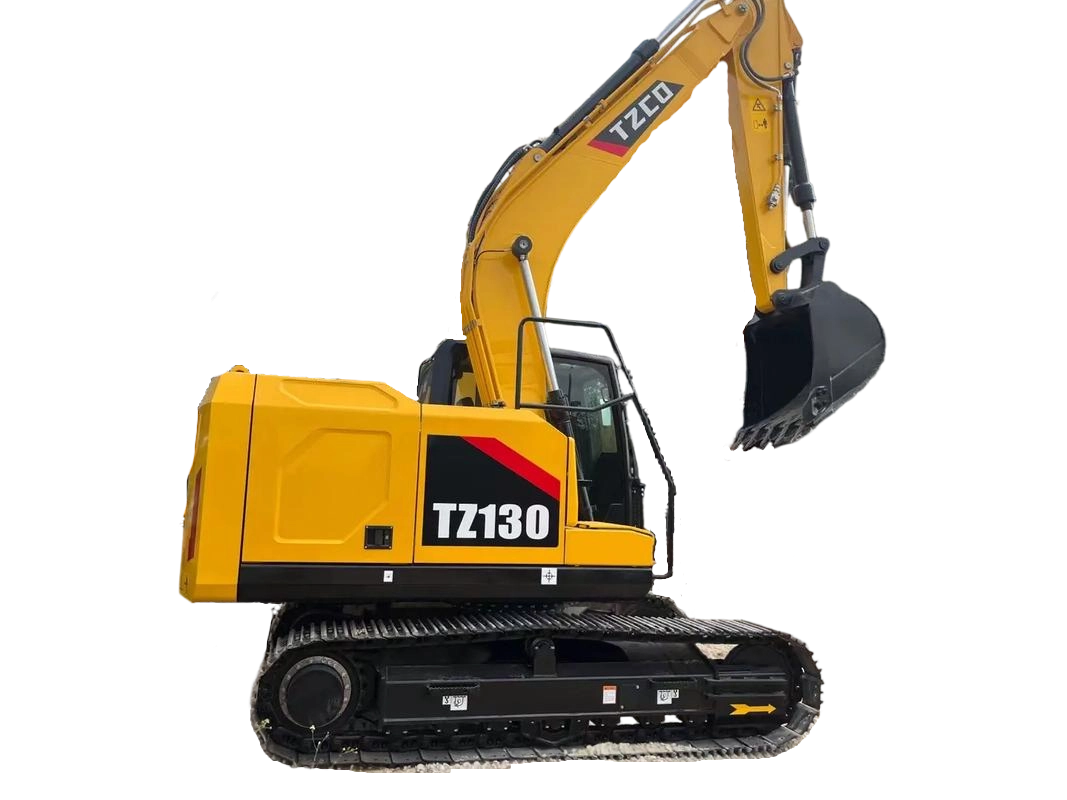
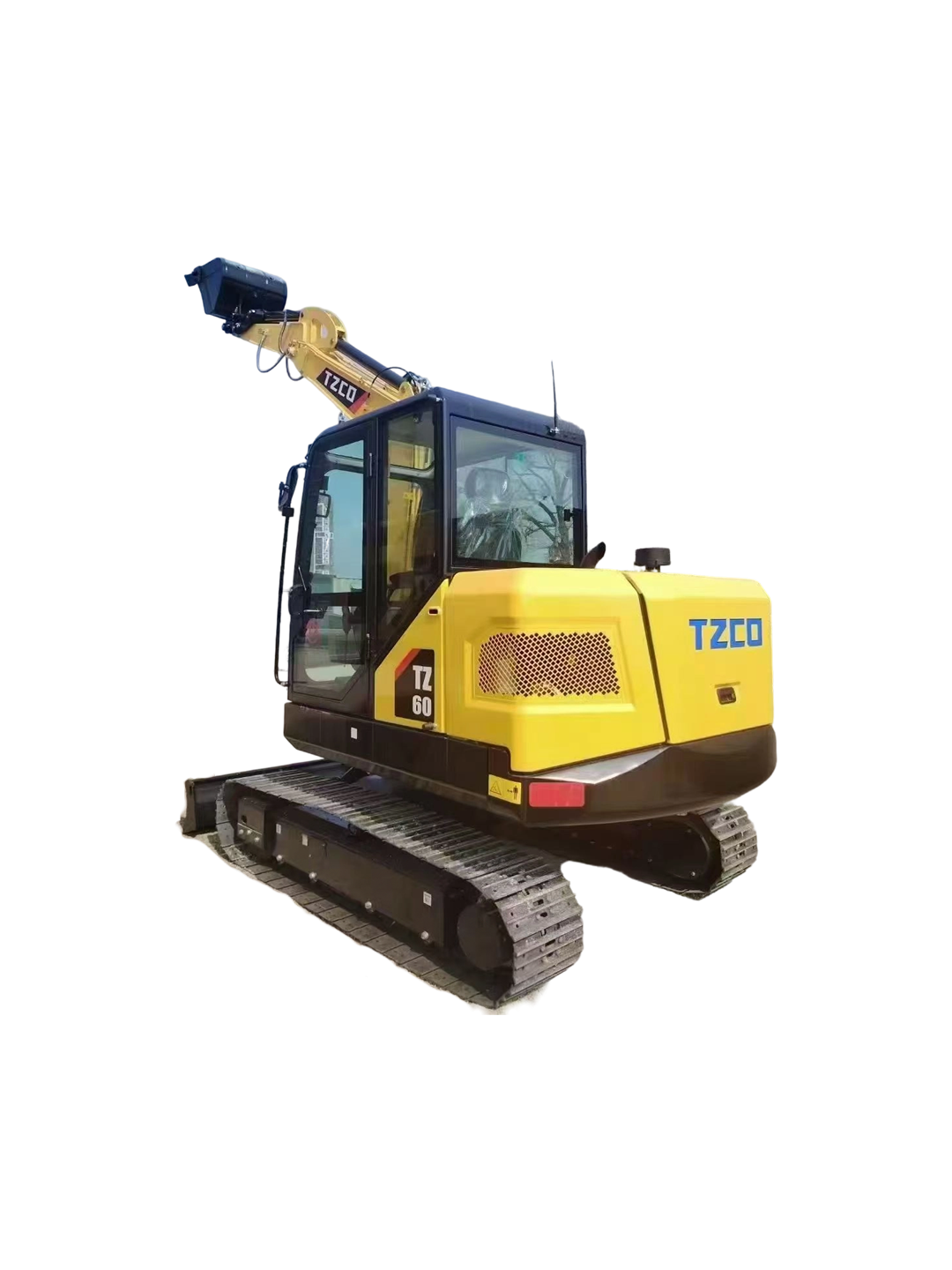
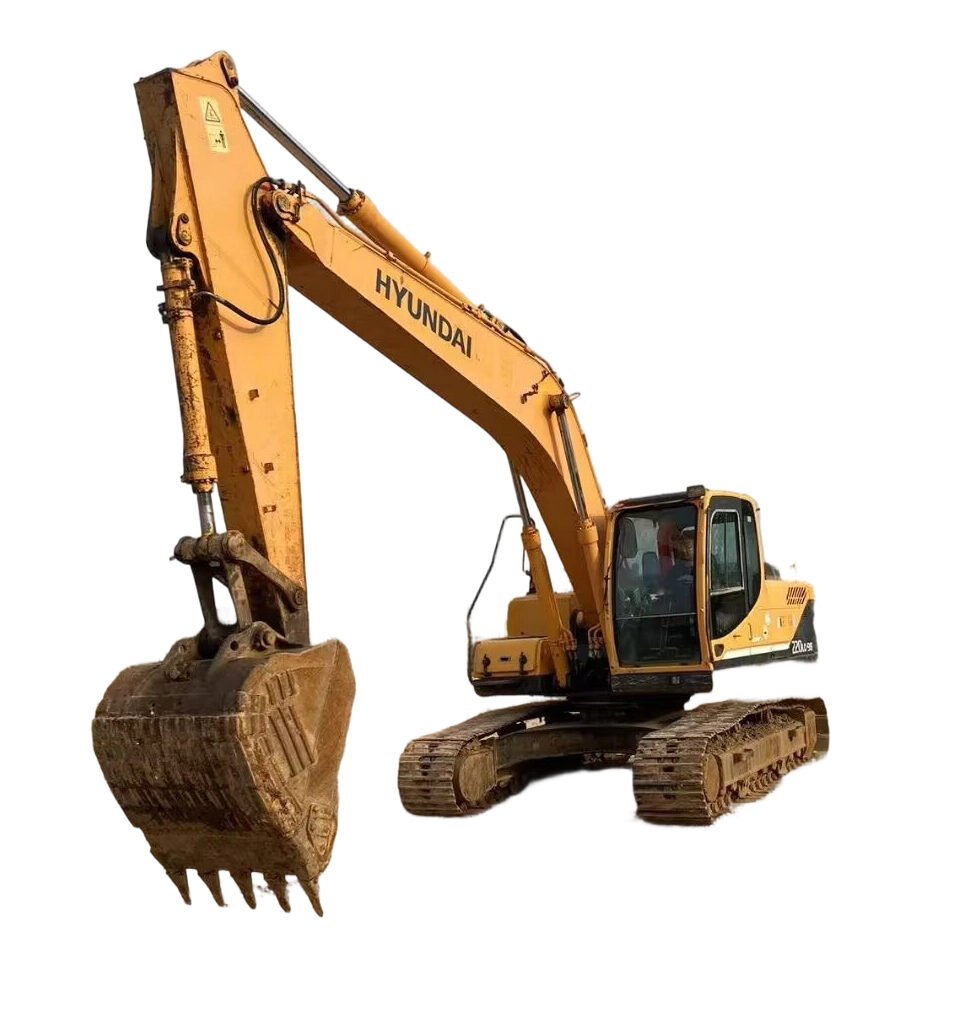
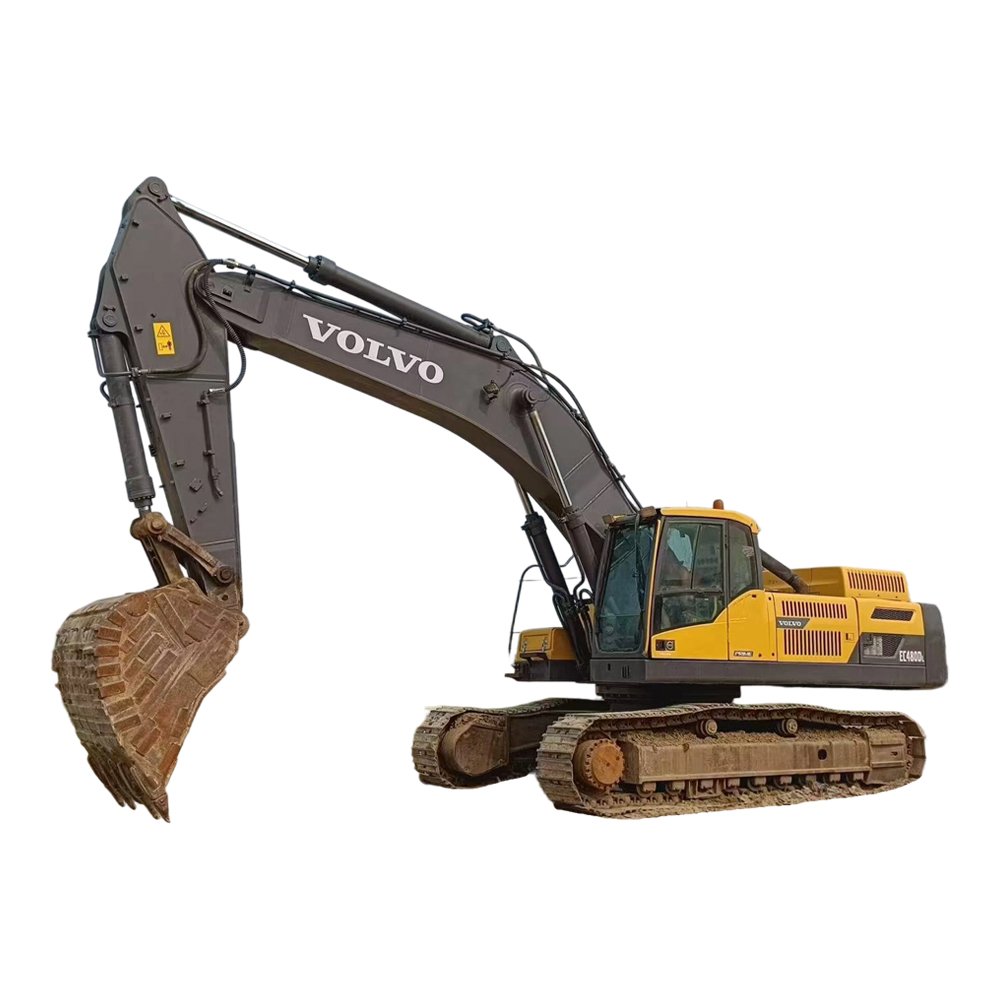
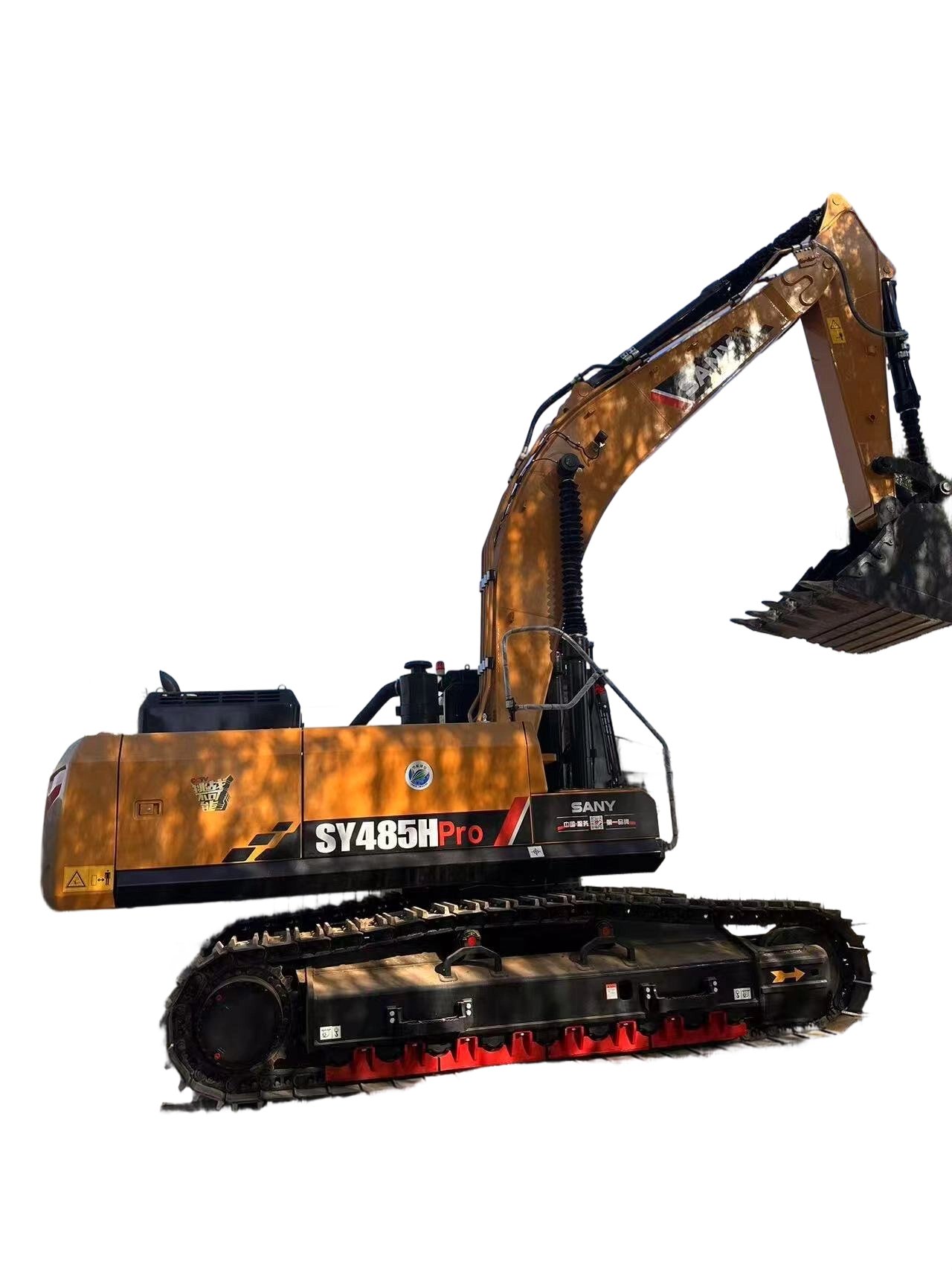
Mini excavators designed for small projects and urban work sites are generally more affordable, while large industrial excavators with advanced hydraulic systems and heavy lifting capacity require higher investment levels.
Additional features such as GPS integration, smart control systems, fuel-saving technology, and advanced operator cabins can also increase the overall purchase price.
Before setting a budget, businesses should first identify the specific operational requirements and project types the machine will handle.
Excavator Size and Cost Relationship
Machine size has one of the biggest impacts on excavator pricing.
Smaller excavators typically offer:
- Lower purchase costs
- Reduced fuel consumption
- Easier transportation
- Better maneuverability in tight spaces
Larger excavators provide:
- Greater digging depth
- Higher lifting capacity
- Improved productivity for large-scale projects
- Enhanced performance in demanding conditions
However, larger equipment also increases transportation costs, storage requirements, fuel usage, and maintenance expenses.
Choosing the correct machine size helps businesses balance operational capability with financial efficiency.
Engine Performance and Fuel Efficiency
Engine quality directly affects excavator performance, productivity, and operating costs.
Modern excavators often feature advanced engines designed to improve fuel efficiency while maintaining strong hydraulic power.
Important engine considerations include:
- Horsepower output
- Fuel consumption rates
- Emission compliance
- Cooling system efficiency
- Long-term reliability
Fuel expenses can become a significant part of total ownership costs over time. Machines with optimized fuel management systems may help reduce long-term operational spending.
Businesses operating multiple machines should pay close attention to fuel efficiency when planning equipment budgets.
Hydraulic System Costs and Performance
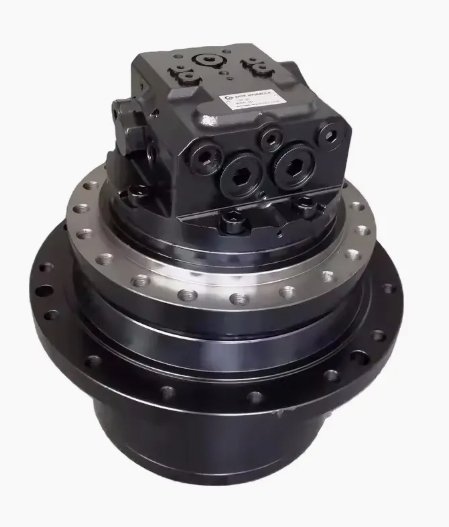
The hydraulic system is one of the most important components of an excavator because it controls digging power, attachment functionality, and operational precision.
Advanced hydraulic systems can improve:
- Digging speed
- Lifting efficiency
- Machine responsiveness
- Attachment compatibility
- Overall productivity
Higher-performance hydraulic systems may increase initial purchase costs, but they often deliver greater operational efficiency over the long term.
For businesses handling demanding excavation tasks, investing in reliable hydraulic performance can improve project timelines and reduce downtime.
Attachment Costs and Equipment Versatility
Many excavators are used with specialized attachments that expand machine capabilities.
Common attachments include:
- Buckets
- Hydraulic breakers
- Grapples
- Augers
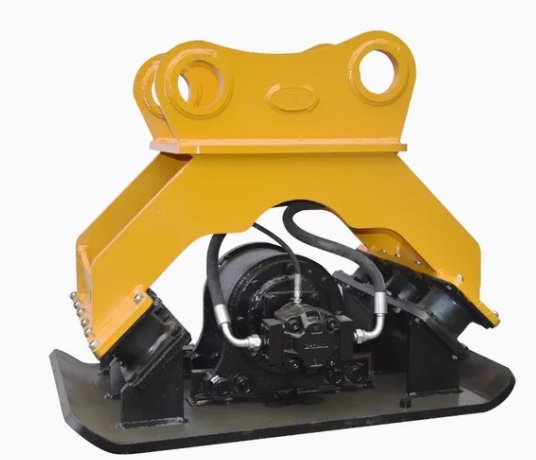
- Compactors
- Quick couplers
Each attachment adds to the overall equipment budget but can significantly increase machine versatility and productivity.
Businesses should evaluate:
- Current project needs
- Future expansion plans
- Attachment compatibility
- Hydraulic flow requirements
Investing in multi-purpose attachments may help improve equipment utilization across different job sites.
Transportation and Delivery Expenses
Transporting excavators to and from job sites is another important cost consideration.
Transportation expenses depend on:
- Machine size and weight
- Distance between projects
- Trailer requirements
- Permits and regulations
- Fuel costs for hauling vehicles
Large excavators may require specialized transportation equipment and route planning, which can increase logistics expenses.
Businesses should include transportation estimates in their total ownership budget to avoid unexpected operational costs.
Operator Cabin Features and Comfort
Modern excavators increasingly prioritize operator comfort and safety.
Advanced cabins may include:
- Ergonomic seating
- Climate control systems
- Touchscreen displays
- Noise reduction insulation
- Enhanced visibility
- Smart monitoring systems
While premium cabin features can increase upfront costs, they often improve operator productivity and reduce fatigue during long working hours.
Comfortable operating environments may also contribute to better machine control and overall job site efficiency.
Maintenance and Service Planning
Routine maintenance is essential for maintaining excavator reliability and extending equipment lifespan.
Important maintenance expenses include:
- Hydraulic fluid replacement
- Engine servicing
- Filter changes
- Undercarriage inspections
- Lubrication
- Wear part replacement
Businesses should evaluate maintenance accessibility and service intervals before purchasing equipment.
Machines designed for easier servicing can reduce labor costs and minimize downtime.
Preventive maintenance planning is one of the most effective ways to protect long-term equipment investment.
Warranty Coverage and Technical Support
Warranty programs provide additional protection for new excavator purchases.
Comprehensive warranty coverage may include:
- Engine protection
- Hydraulic system coverage
- Electrical component support
- Structural warranties
- Service assistance
Reliable technical support can help businesses resolve issues quickly and maintain project schedules.
When comparing equipment options, buyers should review warranty duration, service availability, and spare parts accessibility as part of their budget planning process.
Financing and Payment Strategies
Many businesses choose financing solutions to manage excavator acquisition costs more effectively.
Common financing options include:
- Equipment loans
- Leasing agreements
- Installment payment plans
- Rental-to-own programs
Financing can help businesses preserve working capital while still accessing modern equipment.
Before committing to financing, companies should carefully evaluate:
- Interest rates
- Monthly payment obligations
- Loan duration
- Cash flow impact
- Total repayment costs
Proper financial planning helps maintain business stability while supporting operational growth.
Insurance and Regulatory Costs
Insurance is another important factor in excavator ownership budgeting.
Coverage may include:
- Equipment damage protection
- Theft coverage
- Liability insurance
- Transportation insurance
- Job site risk protection
Insurance costs vary depending on machine value, operating environment, and regional regulations.
Businesses should also consider:
- Registration fees
- Safety compliance requirements
- Emission regulations
- Inspection costs
Including these expenses in the budget helps avoid unexpected financial pressure later.
Fuel Management and Daily Operating Costs
Daily operating expenses can significantly influence long-term excavator ownership costs.
Major ongoing expenses include:
- Diesel fuel
- Lubricants
- Wear components
- Operator wages
- Transportation
- Routine inspections
Efficient fuel management strategies can help reduce operating costs.
Businesses can improve fuel efficiency by:
- Training operators properly
- Reducing unnecessary idle time
- Scheduling preventive maintenance
- Using appropriate work modes
Careful operational planning can improve overall profitability and machine utilization.
Resale Value and Long-Term Investment Planning
Excavators are long-term capital investments, making resale value an important financial consideration.
Factors influencing resale value include:
- Machine condition
- Maintenance history
- Operating hours
- Brand reputation
- Technology features
- Market demand
Well-maintained excavators often retain stronger resale value, helping businesses recover part of their investment when upgrading equipment.
Planning for long-term ownership value can improve overall return on investment.
Choosing the Right Excavator for Your Budget
Selecting the best excavator requires balancing operational needs with financial capacity.
Businesses should evaluate:
- Project types
- Site conditions
- Future workload growth
- Equipment versatility
- Total ownership costs
- Financing flexibility
Purchasing the largest or most advanced machine is not always the most cost-effective decision.
The ideal excavator should provide reliable performance, efficient operation, and strong long-term value within the company’s budget structure.
Smart Budget Planning Tips for Excavator Buyers
Effective budget planning can help businesses avoid overspending while maximizing equipment value.
Practical budgeting strategies include:
- Creating a full ownership cost analysis
- Estimating fuel and maintenance expenses
- Comparing financing scenarios
- Planning for attachment purchases
- Setting emergency repair reserves
- Evaluating long-term operational goals
Businesses should also regularly review equipment utilization rates to ensure machines are generating sufficient productivity and financial return.
Strategic planning helps improve equipment investment decisions and supports sustainable business growth.
Purchasing a new excavator involves much more than evaluating the initial machine price. Buyers must consider equipment size, fuel efficiency, hydraulic performance, transportation costs, maintenance requirements, financing strategies, and long-term ownership expenses.
A well-planned budget helps businesses make smarter investment decisions while improving productivity and operational stability.
By understanding the complete excavator cost structure and applying practical budget planning strategies, companies can select equipment that delivers strong performance, reliable operation, and long-term value across a wide range of construction and excavation projects.