










Industry News
How to Use a Backhoe on Different Terrain
May
Backhoes are among the most versatile machines used in construction, agriculture, landscaping, and infrastructure development. Their ability to dig, lift, trench, load, and move materials makes them essential for projects in many environments. However, operating a backhoe efficiently requires understanding how different terrain conditions affect machine performance, safety, and productivity.
From rocky construction sites to muddy farmland and uneven hillsides, each terrain type demands specific operating techniques and preparation. Knowing how to adapt your approach not only improves efficiency but also extends equipment lifespan and ensures smoother project execution.
This guide explains how to use a backhoe on different terrain types while maintaining high performance, operational safety, and long-term reliability.
Understanding Backhoe Capabilities Before Operation
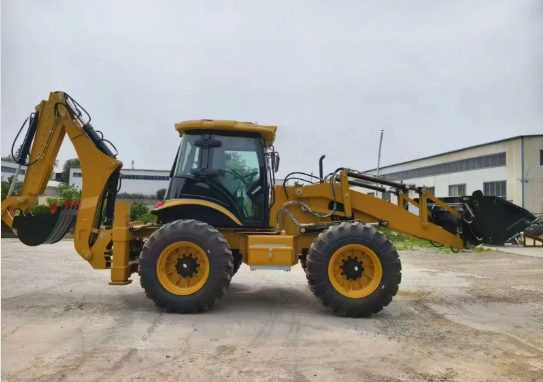
Before using a backhoe on any terrain, operators should understand the machine’s main components and functions. A standard backhoe combines a front loader with a rear digging arm, allowing it to handle multiple tasks with one machine.
Modern backhoes are equipped with advanced hydraulic systems, reinforced tires, comfortable operator cabins, and intelligent control systems that improve maneuverability across various surfaces. Features such as four-wheel drive, extendable booms, and stabilizer legs help enhance stability and traction in difficult environments.
Proper pre-operation inspection is also essential. Operators should check hydraulic fluid levels, tire pressure, bucket condition, engine performance, and attachment security before starting work. Regular maintenance ensures consistent performance regardless of terrain conditions.
Using a Backhoe on Soft and Muddy Ground
Soft soil and muddy terrain are common on agricultural land, drainage projects, and after heavy rainfall. These conditions can reduce traction and increase the risk of sinking or instability.
When operating a backhoe on muddy terrain, it is important to distribute machine weight evenly. Stabilizer legs should be lowered carefully onto firm surfaces whenever possible. Operators often place wooden pads or support plates beneath stabilizers to improve balance and reduce ground pressure.
Slow and controlled movement is essential in muddy conditions. Sudden acceleration can cause wheels to spin and reduce traction. Four-wheel drive settings are especially beneficial in these environments because they help maintain consistent movement through soft soil.
Bucket operation also plays an important role. Keeping loads moderate prevents unnecessary strain on the machine and minimizes the chance of becoming stuck. Operators should avoid sharp turns and maintain smooth directional changes to preserve stability.
In wet conditions, planning travel routes in advance can significantly improve productivity. Identifying firmer ground areas helps reduce downtime and protects the worksite from excessive surface damage.
Operating a Backhoe on Rocky Terrain
Rocky terrain presents different challenges, including uneven surfaces, sharp debris, and increased stress on equipment components. Construction sites, mining preparation areas, and mountain infrastructure projects often involve this type of environment.
Before operation begins, the worksite should be inspected for large rocks, hidden obstacles, and slope conditions. Removing loose debris helps create a safer and more stable operating area.
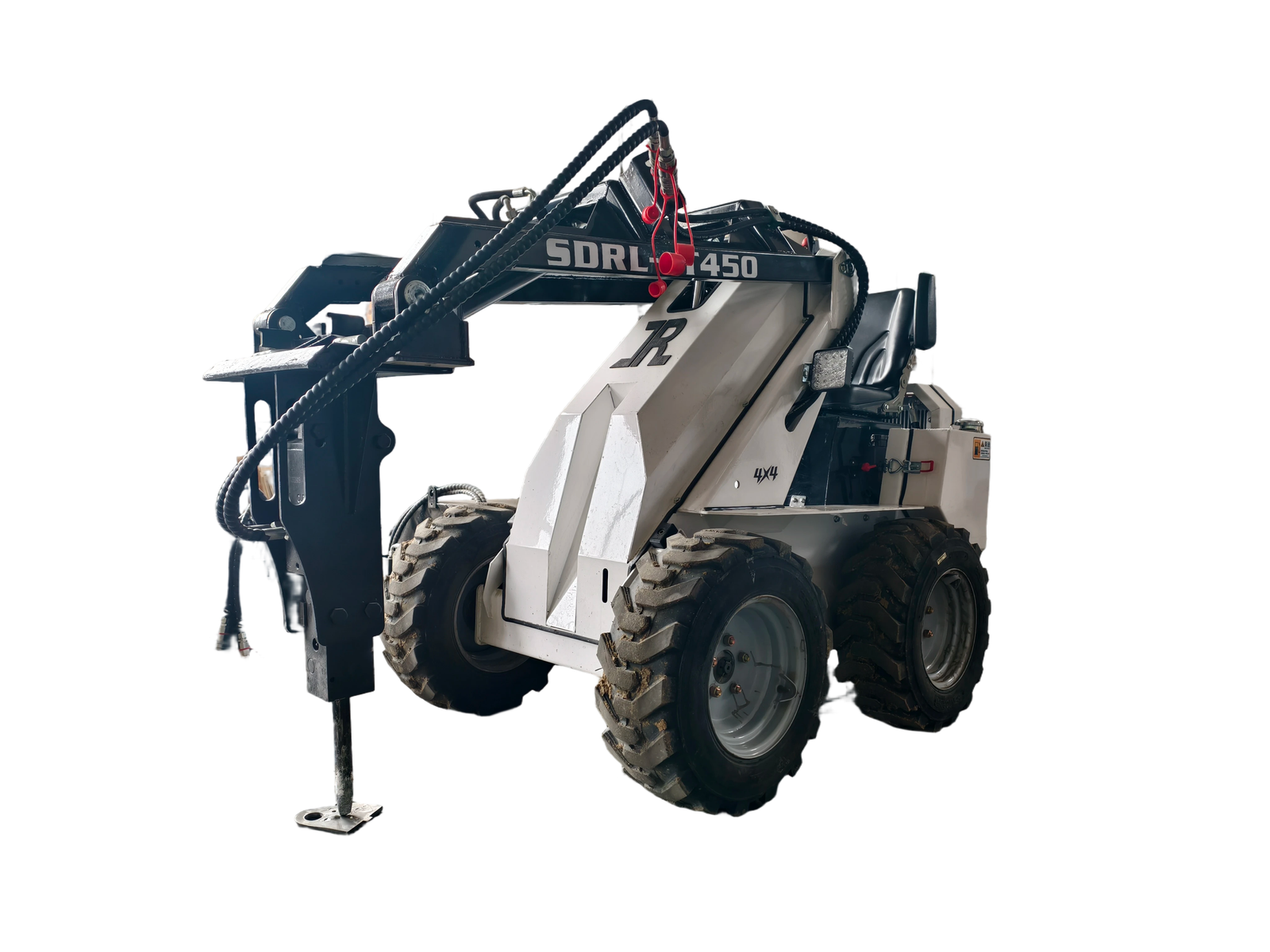
Backhoes used on rocky surfaces often require reinforced buckets or specialized attachments designed for heavy-duty digging. Hydraulic breakers can also assist in breaking compact rock layers before excavation begins.
Operators should move slowly over uneven surfaces to maintain stability and reduce tire wear. Keeping the loader bucket low while traveling improves machine balance and lowers the center of gravity.
Precision is especially important when digging in rocky areas. Applying steady hydraulic force rather than aggressive movement helps protect the boom and hydraulic system from excessive impact. Careful operation extends equipment lifespan and improves digging efficiency.
Working on Sandy Terrain with a Backhoe
Sandy terrain is common in coastal construction, pipeline installation, and desert projects. While sand may appear easy to excavate, loose surfaces can reduce traction and create stability concerns.
Backhoes operating on sand should maintain consistent momentum without excessive speed. Tires can sink into loose sand if movement becomes too slow or uneven. Wide tires or specialized tread patterns may improve flotation and reduce surface penetration.
Operators should avoid overloading the bucket because heavy loads increase the risk of wheel slippage. Smooth and gradual digging techniques help maintain machine balance during excavation.
Moisture content in sand also affects performance. Slightly compacted sand typically provides better support than extremely dry loose sand. Understanding local ground conditions helps operators choose the best travel paths and work strategies.
Wind conditions may also influence visibility in sandy environments. Keeping windows and air filtration systems properly maintained improves operator comfort and protects machine interiors from dust accumulation.
Using a Backhoe on Sloped or Uneven Ground
Hilly or uneven terrain requires careful planning and precise machine positioning. Stability becomes the primary concern when working on slopes, embankments, or elevated surfaces.
Whenever possible, operators should position the backhoe perpendicular to the slope rather than directly facing uphill or downhill. This approach improves stability and reduces tipping risks.
Stabilizer legs must be deployed fully before digging begins. On steep terrain, operators may use additional support pads to create a more secure foundation. The loader bucket can also provide extra stabilization when placed firmly against the ground.
Travel speed should remain slow and controlled on uneven surfaces. Sudden turns or abrupt directional changes can affect machine balance. Carrying loads close to the ground further improves stability during movement.
Excavation planning is important on slopes because soil movement may alter terrain conditions during operation. Continuous observation of ground changes helps maintain safe and efficient working conditions throughout the project.
Backhoe Operation in Urban Construction Environments
Urban projects often involve compact spaces, paved surfaces, underground utilities, and nearby structures. Backhoe operators working in cities or residential areas must focus on precision and controlled movement.
Compact backhoe models are particularly useful in urban construction because they offer excellent maneuverability in restricted spaces. Operators should carefully plan entry points, digging zones, and material placement areas before work begins.
Utility detection is critical in urban excavation. Identifying underground pipes, cables, and drainage systems helps prevent project delays and supports safe excavation practices.
Smooth hydraulic control improves accuracy when digging near sidewalks, foundations, or utility lines. Rubber tires also help reduce surface damage on paved roads and finished landscapes.
Noise reduction and fuel efficiency are becoming increasingly important in urban construction projects. Modern backhoes with advanced engine systems support quieter operation while maintaining strong performance.
Safety Practices for Backhoe Operation on All Terrain Types
Regardless of terrain, safety should always remain a top priority during backhoe operation. Professional operators follow structured procedures to maintain safe and productive worksites.
Wearing proper personal protective equipment, including helmets, gloves, boots, and visibility clothing, supports operator safety. Seat belts should always be used during machine operation.
Maintaining clear visibility around the machine is essential, especially on uneven or crowded worksites. Spotters may assist operators when working near obstacles or personnel.
Weather conditions should also be monitored carefully. Rain, snow, and extreme heat can affect terrain stability and machine performance. Adjusting work schedules according to environmental conditions improves operational reliability.
Routine maintenance contributes directly to safe operation. Hydraulic inspections, tire checks, lubrication, and attachment evaluations help prevent unexpected downtime and improve machine durability.
Choosing the Right Attachments for Different Terrain
Backhoe versatility increases significantly with the right attachments. Different terrain types often require specialized tools to improve productivity and efficiency.
Standard digging buckets are suitable for general excavation, while heavy-duty rock buckets perform better on compact or abrasive surfaces. Trenching buckets improve precision for utility installation projects.
Hydraulic thumbs assist with material handling and debris removal, especially in forestry or demolition applications. Augers are useful for drilling holes in soil, while breakers help fracture concrete and rock.
Selecting suitable attachments reduces operational strain and allows operators to complete tasks more efficiently across varying site conditions.
Improving Productivity Through Terrain Awareness
Experienced backhoe operators understand that terrain awareness directly affects productivity. Studying soil composition, moisture levels, slope angles, and surface conditions before starting work allows for better equipment planning and operational efficiency.
Modern technology also enhances terrain management. GPS systems, machine monitoring software, and advanced hydraulic controls help operators maintain precision in challenging environments.
Training and experience remain valuable assets. Skilled operators can adapt quickly to changing ground conditions while maximizing machine performance and minimizing wear.
As construction and infrastructure projects continue to expand into diverse environments, understanding terrain-specific backhoe operation becomes increasingly important for achieving reliable, efficient, and professional results.
Using a backhoe on different terrain requires more than basic machine knowledge. Each environment presents unique challenges that influence traction, stability, digging efficiency, and overall project performance.
Whether working on muddy farmland, rocky construction zones, sandy coastal areas, or steep slopes, proper techniques and preparation help operators achieve safer and more productive results. Careful machine positioning, controlled movement, regular maintenance, and terrain-specific attachments all contribute to successful operation.
With the right approach, a backhoe can deliver exceptional versatility and performance across a wide range of working conditions, making it one of the most valuable machines in modern construction and earthmoving industries.