








Industry News
Skid Steer Loader Tyres Sizes Types and Compatibility Guide
May
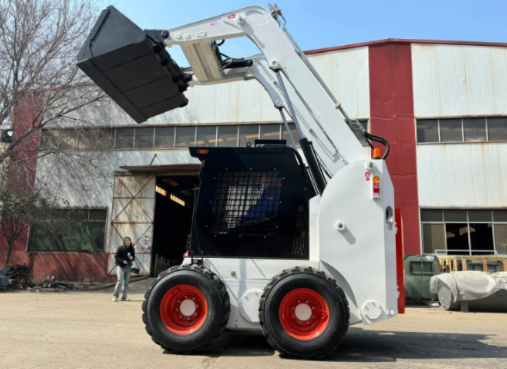
Skid steer loaders are widely used in construction, agriculture, landscaping, road maintenance, and material handling because of their compact size and impressive versatility. While the machine itself plays a critical role in productivity, the tyres are equally important. The right skid steer loader tyres directly influence traction, stability, fuel efficiency, lifting performance, and operator comfort.
Choosing suitable tyres is not simply about matching dimensions. Operators and fleet owners must consider terrain conditions, workload demands, tread patterns, tyre construction, and compatibility with the loader model. A properly selected tyre setup can extend machine life, reduce maintenance costs, and improve overall jobsite efficiency.
This guide explains skid steer loader tyre sizes, tyre types, and compatibility factors to help equipment buyers and operators make informed decisions.
Common Skid Steer Loader Tyre Sizes Explained
Skid steer loader tyres are available in several standard sizes. Understanding tyre sizing terminology is essential before purchasing replacements or upgrading existing tyres.
A common example is:
12-16.5
In this size:
- “12” represents the tyre width in inches
- “16.5” refers to the wheel diameter
- The dash indicates bias-ply construction
Another common format is:
33×15.5-16.5
In this configuration:
- “33” indicates overall tyre diameter
- “15.5” indicates tyre width
- “16.5” represents wheel diameter
Some of the most widely used skid steer tyre sizes include:
| Tyre Size | Typical Application |
|---|---|
| 10-16.5 | Compact skid steer loaders |
| 12-16.5 | Medium-duty applications |
| 14-17.5 | Heavy lifting and larger loaders |
| 31×10-16 | Landscaping and turf work |
| 33×15.5-16.5 | Construction and demolition |
Selecting the correct size ensures proper clearance, load distribution, and operational safety. Operators should always consult the loader manufacturer’s specifications before changing tyre dimensions.
Bias Ply vs Radial Tyres
One of the most important decisions when choosing skid steer loader tyres is selecting between bias-ply and radial construction.
Bias Ply Tyres
Bias-ply tyres feature multiple overlapping rubber layers arranged diagonally. These tyres are popular for rugged construction environments due to their durability and strong sidewalls.
Advantages include:
- Excellent resistance to punctures
- Strong sidewall protection
- Reliable performance on rough terrain
- Lower initial purchase cost
Bias-ply tyres are commonly used in demolition, excavation, and heavy-duty applications where durability is the priority.
Radial Tyres
Radial tyres use steel belts running perpendicular to the tread. This design improves flexibility and enhances ground contact.
Benefits include:
- Better traction and flotation
- Improved ride comfort
- Reduced rolling resistance
- Longer tread life
- Better fuel efficiency
Radial tyres are ideal for operators seeking smoother operation and improved productivity on long working shifts.
Popular Tread Patterns for Different Applications
Tread design plays a major role in skid steer loader performance. Different tread patterns are engineered for specific jobsite conditions.
R4 Industrial Tread
R4 tread is among the most common options for skid steer loaders. It provides balanced traction and durability for mixed environments.
Best for:
- Construction sites
- General material handling
- Hard-packed surfaces
- Light mud conditions
Lug Tread Tyres
Lug tyres feature aggressive tread blocks for enhanced grip.
Ideal applications include:
- Muddy terrain
- Agricultural work
- Snow conditions
- Loose dirt surfaces
These tyres deliver superior traction when operating on unstable ground.
Smooth Tread Tyres
Smooth tread tyres are designed to minimize surface damage.
Best suited for:
- Indoor warehouses
- Finished concrete floors
- Turf-sensitive areas
- Road paving projects
They help reduce marks and protect delicate surfaces.
Solid Tyres and Air-Filled Tyres
Operators can also choose between pneumatic tyres and solid tyres depending on workload requirements.
Pneumatic Tyres
Pneumatic tyres contain compressed air and are widely used due to their comfort and versatility.
Advantages include:
- Better shock absorption
- Improved traction
- Comfortable ride quality
- Versatile performance
These tyres are suitable for most standard skid steer operations.
Solid Tyres
Solid skid steer tyres are made entirely of rubber compounds without air chambers.
Benefits include:
- Zero puncture risk
- Longer service life
- Lower downtime
- Consistent stability
Solid tyres are often used in recycling centers, scrap yards, and demolition sites where sharp debris is common.
How to Ensure Tyre Compatibility
Tyre compatibility is critical for maintaining machine performance and safety. Installing incompatible tyres can affect loader balance, hydraulic efficiency, and overall operation.
Several factors must be considered.
Load Capacity
Every tyre has a maximum load rating. The selected tyre must support the skid steer’s operating weight plus attachment loads.
Heavy-duty applications such as pallet handling or lifting dense materials require tyres with higher load capacities.
Rim Compatibility
Tyres must match wheel rim dimensions precisely. Incorrect rim sizing can lead to poor seating, air leakage, or premature wear.
Operators should verify:
- Rim diameter
- Rim width
- Bolt pattern
- Offset specifications
Machine Clearance
Larger tyres can improve ground clearance and traction, but they must fit within the loader frame without rubbing against components.
Always confirm adequate spacing for:
- Lift arms
- Chain cases
- Fenders
- Hydraulic lines
Operating Environment
The working environment strongly influences compatibility choices.
For example:
- Soft terrain benefits from wider flotation tyres
- Rocky environments require reinforced sidewalls
- Indoor operations may require non-marking tyres
Matching tyres to jobsite conditions maximizes productivity and reduces wear.
Seasonal and Specialty Tyre Options
Some operators benefit from seasonal or specialty skid steer tyres.
Snow Tyres
Snow tyres use specialized tread compounds and deep grooves to improve winter traction.
These tyres help maintain stability during:
- Snow removal
- Ice conditions
- Winter construction projects
Non-Marking Tyres
Non-marking tyres are manufactured with special rubber compounds that avoid leaving black marks on surfaces.
Popular industries include:
- Food processing
- Warehousing
- Indoor manufacturing
Foam-Filled Tyres
Foam-filled tyres combine the flexibility of pneumatic tyres with puncture resistance.
Benefits include:
- Reduced flats
- Better stability
- Improved durability
These tyres are valuable for demanding industrial environments.
Maintenance Tips for Longer Tyre Life
Proper tyre maintenance helps maximize investment value and machine performance.
Recommended practices include:
Regular Pressure Checks
For pneumatic tyres, maintaining proper inflation is essential. Underinflated tyres wear faster and reduce fuel efficiency.
Routine Inspections
Inspect tyres for:
- Cuts
- Embedded debris
- Uneven wear
- Sidewall damage
Early detection prevents larger maintenance issues.
Rotate Tyres When Needed
Tyre rotation can promote even wear and extend service life, especially for loaders used heavily on hard surfaces.
Avoid Excessive Spinning
Aggressive turning and spinning accelerate tread wear. Smooth operation improves tyre longevity and reduces operating costs.
Choosing the Right Tyres for Maximum Productivity
Selecting the best skid steer loader tyres requires balancing performance, durability, comfort, and operating conditions. Whether using compact loaders for landscaping or heavy-duty machines for construction, the correct tyre setup can significantly improve productivity and machine efficiency.
Operators should evaluate:
- Machine specifications
- Terrain conditions
- Load requirements
- Tread design
- Tyre construction
- Seasonal demands
High-quality compatible tyres not only improve safety but also contribute to smoother operation, lower downtime, and better long-term equipment performance.
Investing in the right skid steer loader tyres is one of the smartest ways to optimize equipment value and maintain reliable operation across diverse worksites.