








Industry News
How to Use a Backhoe the Right Way
May
A backhoe is one of the most versatile machines used in construction, landscaping, farming, roadwork, and utility projects. Combining the functions of a loader and an excavator, a backhoe can handle digging, trenching, lifting, loading, grading, and material transportation efficiently.
Learning how to use a backhoe the right way is important for improving productivity, maintaining machine performance, and achieving accurate results on the job site. Whether you are a beginner operator or someone looking to improve operating techniques, understanding proper backhoe usage can make a major difference in safety, efficiency, and project quality.
This guide explains the essential steps, operating techniques, and best practices for using a backhoe correctly.
What Is a Backhoe?
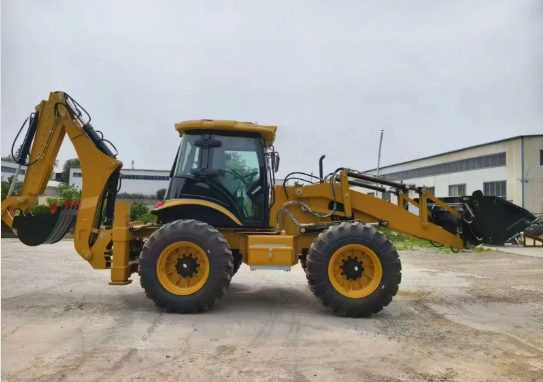
A backhoe loader is a heavy equipment machine that combines three main components:
- Front loader bucket
- Rear excavator arm
- Tractor-style body
The front loader is commonly used for lifting, pushing, leveling, and transporting materials, while the rear backhoe arm is designed for digging and trenching operations.
Backhoes are widely used because they are compact, mobile, and suitable for multiple types of construction tasks.
Understanding the Main Backhoe Controls
Before operating a backhoe, it is important to understand the machine’s control system.
Front Loader Controls
The front loader controls manage the movement of the front bucket.
These controls typically allow the operator to:
- Raise the loader
- Lower the loader
- Tilt the bucket forward
- Curl the bucket backward
The loader is useful for moving soil, gravel, sand, debris, and construction materials.
Backhoe Arm Controls
The rear backhoe controls operate the excavator arm and digging bucket.
These functions usually include:
- Boom movement
- Stick extension
- Bucket curl
- Swing movement
Learning smooth control coordination is essential for precise digging performance.
Stabilizer Controls
Backhoes use stabilizer legs to improve machine balance during digging operations.
Stabilizers help:
- Reduce machine movement
- Improve digging accuracy
- Increase operating stability
- Support safer excavation
Always deploy stabilizers before using the rear digging arm.
Preparing Before Operating a Backhoe
Perform a Machine Inspection
Before starting the machine, conduct a complete equipment inspection.
Check the following areas:
- Hydraulic fluid levels
- Engine oil
- Coolant levels
- Tire condition
- Bucket attachment security
- Hydraulic hoses
- Warning lights
- Fuel levels
Routine inspections help maintain reliable machine performance and reduce unexpected downtime.
Inspect the Job Site
Understanding the work area is equally important before operating heavy equipment.
Look for:
- Uneven ground
- Underground utilities
- Overhead obstacles
- Nearby workers
- Soft soil conditions
- Drainage issues
Proper site awareness helps improve operational safety and machine control.
Wear Proper Safety Equipment
Operators should use appropriate personal protective equipment during operation.
Common safety gear includes:
- Hard hats
- Safety boots
- Gloves
- High-visibility clothing
- Hearing protection
- Safety glasses
Using proper equipment helps support safer job site operations.
How to Start a Backhoe Properly
Enter the Cab Safely
Always maintain three points of contact when entering or exiting the machine.
Adjust the seat position and mirrors before starting the engine.
Start the Engine
Insert the key and allow the machine to complete its startup checks.
Before moving the machine:
- Check warning indicators
- Test steering
- Verify brake operation
- Confirm hydraulic responsiveness
Allow the engine to warm up briefly for smooth hydraulic performance.
Position the Machine Correctly
Before digging, position the backhoe on stable ground.
Lower the stabilizers firmly to the surface to reduce machine movement during excavation.
Proper positioning improves digging precision and overall efficiency.
How to Dig with a Backhoe
Position the Backhoe Arm
Swing the rear arm into the desired digging position.
Use smooth movements to align the boom and stick accurately.
Lower the Boom
Lower the boom toward the ground while extending the stick.
Control movement gradually to maintain precision.
Curl the Bucket
Use the bucket curl function to scoop soil or material.
Efficient bucket control helps maximize digging power while reducing unnecessary strain on the machine.
Lift and Dump Material
After filling the bucket:
- Lift the boom
- Swing the arm carefully
- Dump material into the desired location
Repeat the digging cycle smoothly and consistently.
Tips for Efficient Backhoe Operation
Use Smooth Movements
Sudden or aggressive controls can reduce accuracy and increase machine wear.
Smooth hydraulic operation improves:
- Digging precision
- Fuel efficiency
- Operator control
- Machine longevity
Experienced operators focus on controlled and steady movements.
Maintain Proper Digging Angles
Correct digging angles improve bucket penetration and excavation efficiency.
Positioning the bucket properly can:
- Increase digging speed
- Reduce resistance
- Improve trench quality
- Lower hydraulic stress
Avoid Overloading the Bucket
Overloading can reduce machine stability and affect operational performance.
Use balanced loads to maintain smooth operation and safer handling.
Keep the Work Area Organized
Maintaining a clean work zone improves visibility and machine movement.
Organized job sites help reduce delays and improve productivity.
Using the Front Loader Correctly
Material Loading
The front loader is commonly used for transporting loose material.
To load efficiently:
- Lower the bucket evenly
- Drive forward steadily
- Curl the bucket while lifting
- Avoid excessive speed
Balanced operation improves loading performance.
Grading and Leveling
Backhoes are also useful for grading surfaces.
For smoother grading:
- Keep bucket angles consistent
- Move slowly
- Apply even pressure
- Make gradual passes
Accurate grading improves site preparation quality.
Transporting Materials
The front bucket can move gravel, soil, sand, and debris around the job site efficiently.
Keep loads low while driving to improve stability and visibility.
Common Applications for Backhoes
Backhoes are used across many industries because of their versatility.
Typical applications include:
- Trenching
- Foundation digging
- Landscaping
- Utility installation
- Road construction
- Pipe laying
- Material handling
- Agricultural work
Their multifunctional design makes them highly valuable on small and medium-sized projects.
Backhoe Maintenance Tips
Regular maintenance helps extend machine lifespan and maintain reliable performance.
Clean the Machine Regularly
Removing dirt and debris helps protect hydraulic components and moving parts.
Check Hydraulic Systems
Hydraulic systems are critical for backhoe operation.
Inspect for:
- Fluid leaks
- Hose wear
- Pressure issues
- Connection damage
Lubricate Moving Parts
Routine lubrication reduces friction and supports smoother operation.
Monitor Tire Condition
Proper tire pressure improves machine balance, traction, and fuel efficiency.
Advantages of Using a Backhoe
Backhoes offer several major benefits for construction and excavation projects.
Versatility
One machine can perform multiple tasks including digging, loading, lifting, and grading.
Mobility
Backhoes are easier to transport compared with larger excavation equipment.
Cost Efficiency
Their multifunctional capability helps reduce equipment costs on smaller projects.
Compact Design
Backhoes work well in tight construction areas and urban job sites.
Improving Operator Skills
Becoming skilled with a backhoe requires practice, patience, and experience.
Operators can improve performance by:
- Practicing control coordination
- Learning digging techniques
- Understanding machine balance
- Studying site conditions
- Following operating procedures
Continuous learning helps improve productivity and precision.
Future Trends in Backhoe Technology
Modern backhoes continue evolving with advanced technology features.
Emerging innovations include:
- GPS machine guidance
- Smart hydraulic systems
- Fuel-efficient engines
- Telematics monitoring
- Operator assistance systems
- Improved control automation
These technologies help improve efficiency, accuracy, and overall machine performance.
Learning how to use a backhoe the right way is essential for maximizing productivity, improving precision, and maintaining efficient job site operations. From proper machine inspection and safe startup procedures to accurate digging techniques and regular maintenance, every step contributes to better equipment performance.
Backhoes remain one of the most valuable machines in construction and excavation because of their versatility, mobility, and ability to handle multiple tasks efficiently.
With proper training, careful operation, and consistent maintenance, operators can improve both work quality and long-term machine reliability.