








Industry News
How to Use a Mini Excavator More Efficiently
May
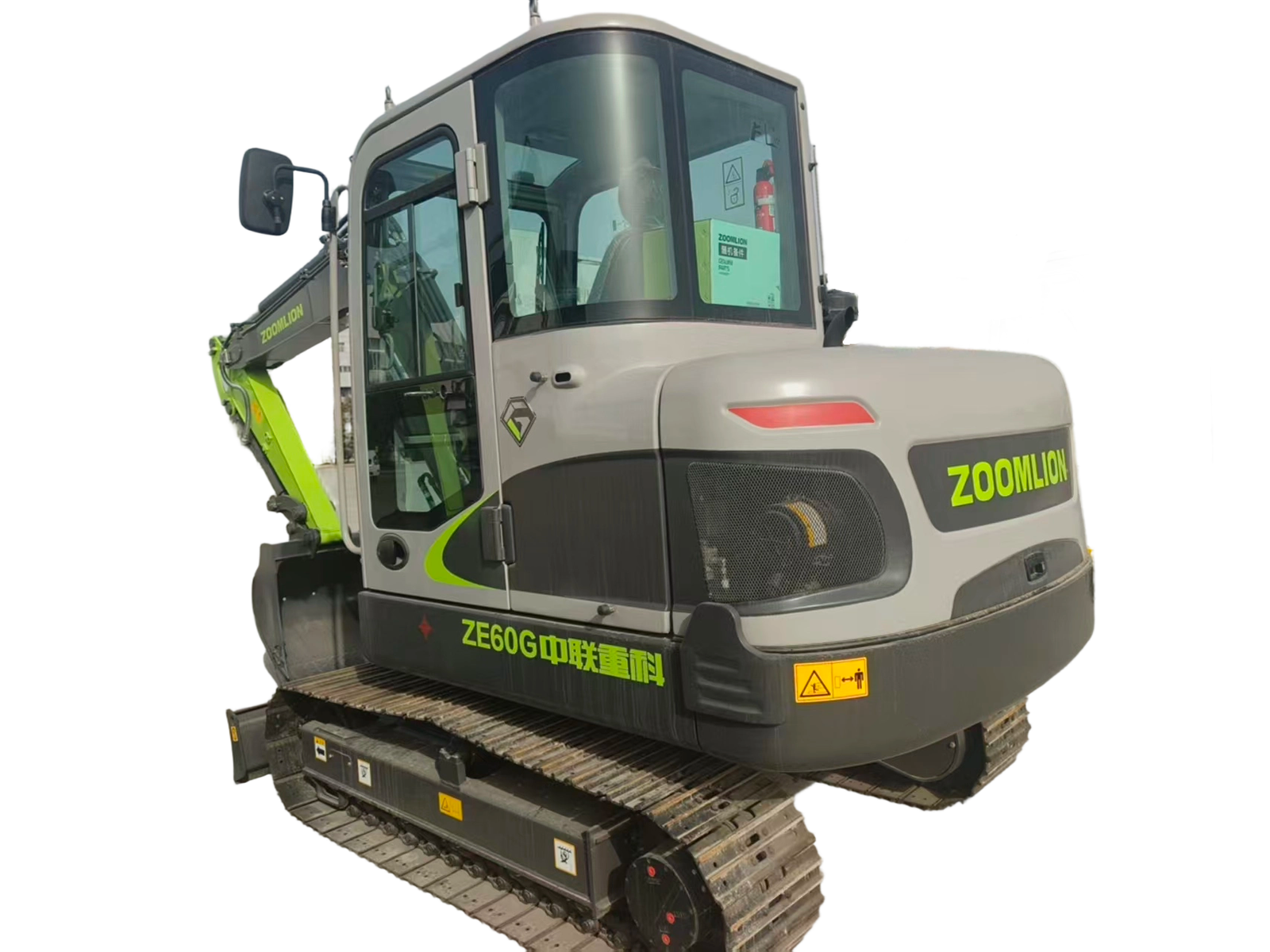
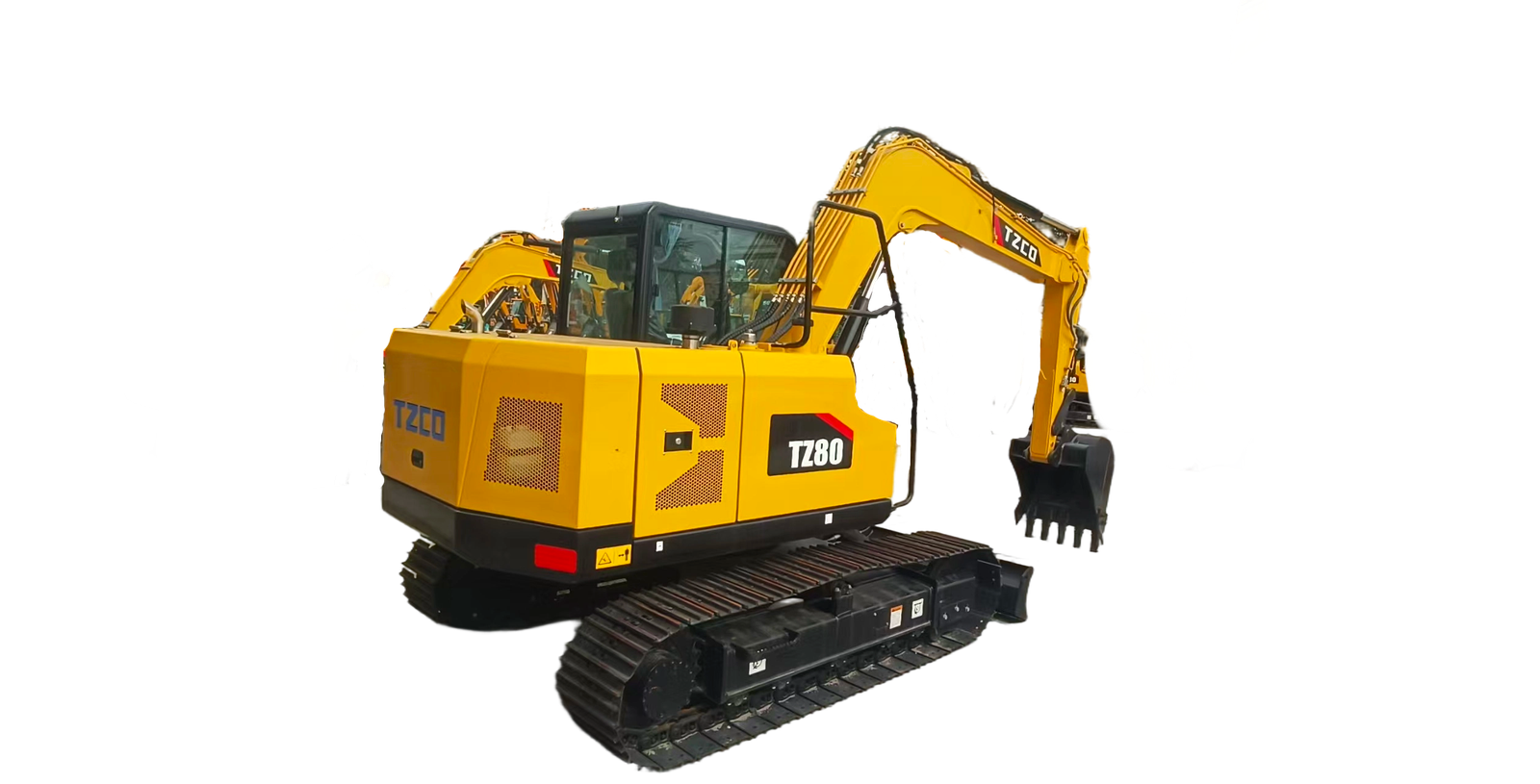
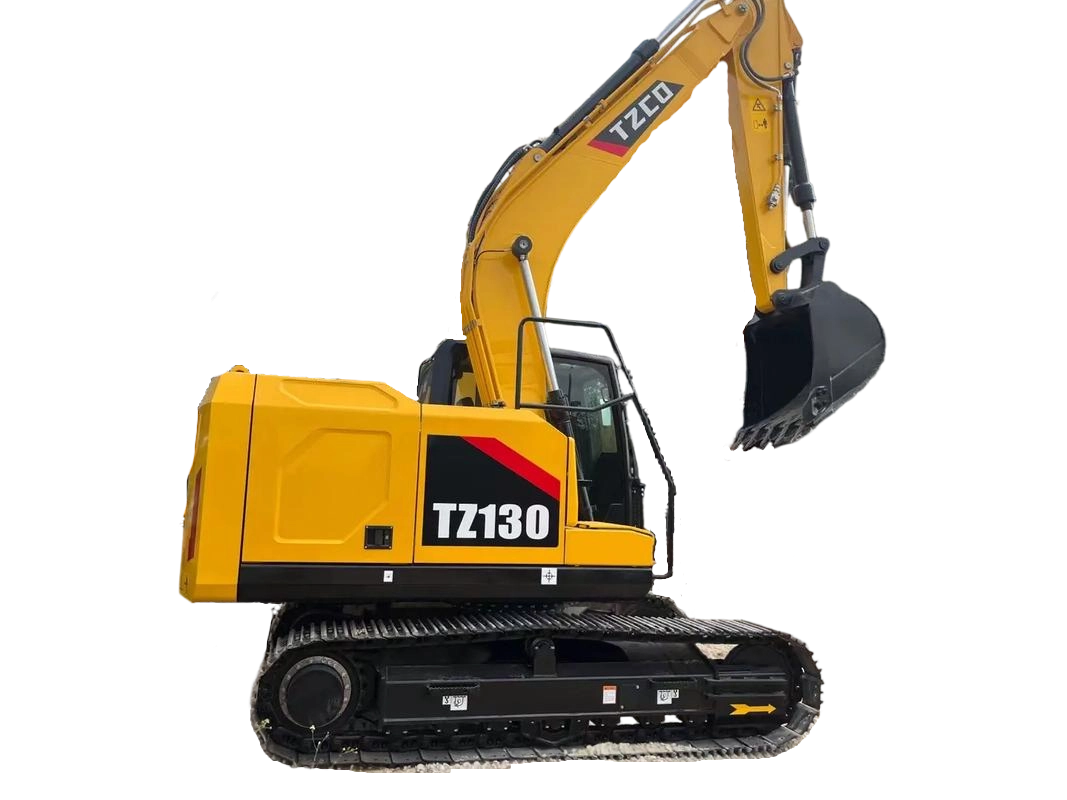
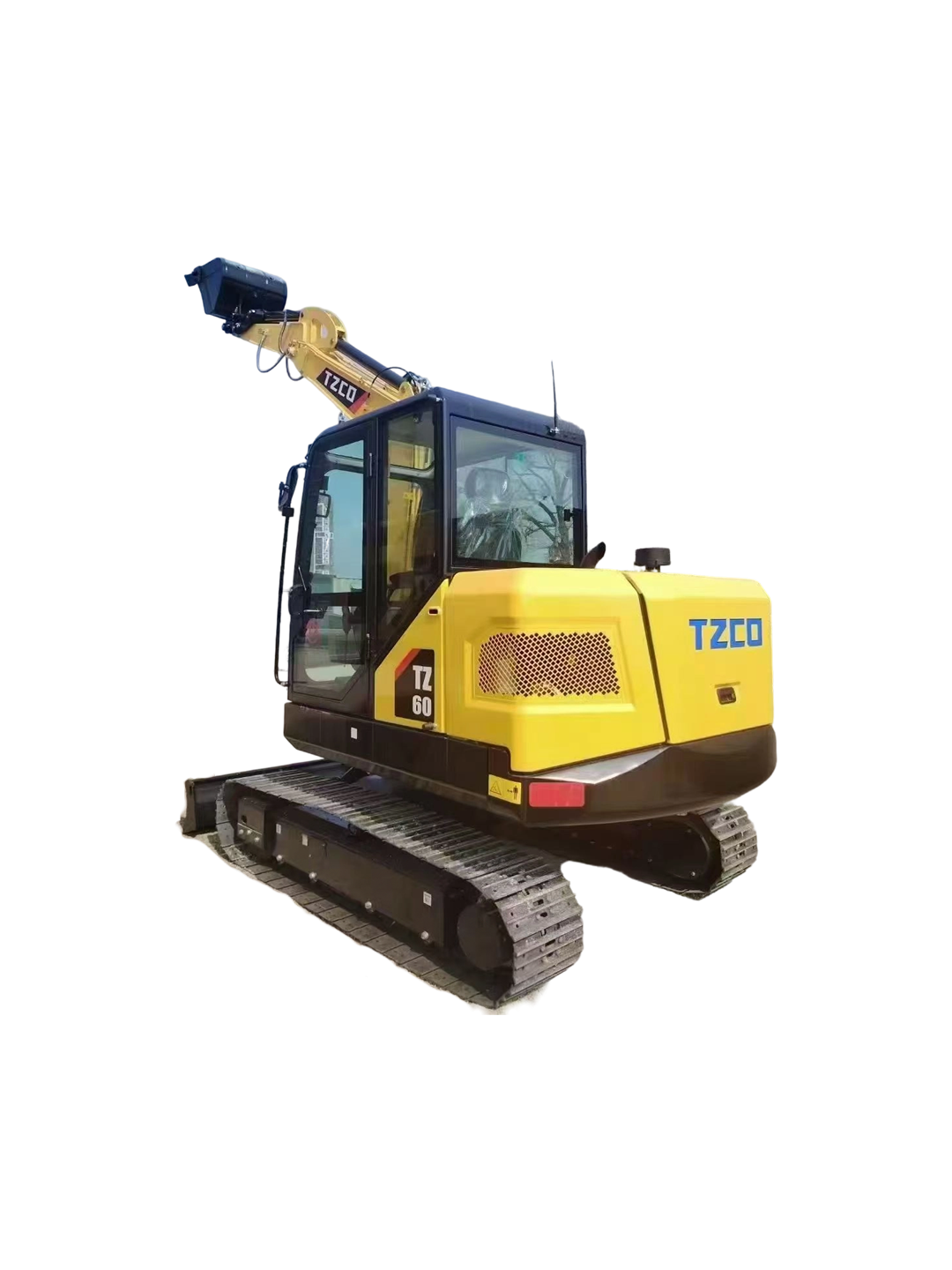
Mini excavators have become one of the most valuable machines in construction, landscaping, agriculture, utility work, and residential projects. Their compact size, versatility, and maneuverability make them ideal for working in confined spaces while still delivering strong digging performance.
However, owning or operating a mini excavator does not automatically guarantee maximum productivity. Efficient operation requires proper planning, machine knowledge, maintenance, and smart working techniques. When used correctly, a mini excavator can help reduce labor costs, save fuel, shorten project timelines, and improve overall job site performance.
This guide explains how to use a mini excavator more efficiently by focusing on preparation, operation techniques, maintenance, attachment selection, safety practices, and productivity strategies.
Understand the Machine Before Operation
One of the first steps toward efficient excavator operation is understanding the machine’s controls, specifications, and capabilities.
Every mini excavator may have different:
• Hydraulic control layouts
• Digging depths
• Lifting capacities
• Travel speeds
• Attachment compatibility
• Operating weights
Operators should read the equipment manual carefully and become familiar with all functions before beginning work.
Understanding the machine’s limitations helps prevent unnecessary strain on components while improving operational precision and productivity.
Choose the Right Mini Excavator for the Job
Efficiency begins with selecting the correct excavator size and configuration for the project.
Using an oversized machine in a tight area may reduce maneuverability, while using a machine that is too small may increase project time and fuel consumption.
Important selection factors include:
• Project size
• Digging depth requirements
• Ground conditions
• Access limitations
• Attachment needs
• Transportation requirements
Matching the machine to the task improves both efficiency and operator comfort.
Perform Daily Equipment Inspections
Routine inspections are essential for maintaining reliable machine performance.
Before starting work each day, operators should inspect:
• Hydraulic hoses
• Fluid levels
• Engine oil
• Coolant systems
• Tracks and undercarriage
• Bucket teeth
• Grease points
• Safety systems
Early identification of wear or minor issues helps reduce downtime and prevents expensive repairs.
Well maintained equipment generally operates more smoothly and consumes less fuel.
Plan the Work Area Efficiently
Job site organization has a major impact on excavator productivity.
Before excavation begins, operators should plan:
• Material placement
• Dumping locations
• Machine travel routes
• Utility line awareness
• Soil movement direction
• Access points
Efficient job site planning minimizes unnecessary repositioning and travel time.
Keeping materials and dump areas within easy reach can significantly improve workflow efficiency.
Use Smooth and Controlled Movements
Many inexperienced operators reduce efficiency by making sudden or overly aggressive machine movements.
Smooth and controlled operation provides several benefits:
• Reduced fuel consumption
• Lower hydraulic stress
• Improved digging precision
• Reduced wear on components
• Better operator comfort
Experienced operators combine boom, arm, bucket, and swing movements simultaneously to create fluid and efficient working cycles.
Efficient control coordination increases productivity while reducing machine fatigue.
Optimize Digging Techniques
Proper digging technique can greatly improve excavation speed and fuel efficiency.
Helpful digging practices include:
• Positioning the machine close to the work area
• Avoiding overreaching
• Digging in layers when necessary
• Keeping bucket teeth sharp
• Maintaining proper bucket angles
• Using the machine’s strongest digging range
Overextending the boom or digging beyond the machine’s optimal range reduces breakout force and increases cycle times.
Working within the excavator’s ideal operating zone improves both speed and stability.
Reduce Unnecessary Machine Movement
Frequent repositioning wastes valuable time and fuel.
Operators should aim to maximize work coverage from a single machine position whenever possible.
Efficiency can improve by:
• Planning excavation patterns carefully
• Positioning spoil piles strategically
• Using full swing ranges effectively
• Minimizing track movement
Reducing travel movement also decreases wear on tracks and undercarriage components.
Well planned positioning often results in smoother workflow and faster project completion.
Select the Proper Attachments
Mini excavators are highly versatile because they support various attachments.
Using the correct attachment for each task improves productivity significantly.
Common attachments include:
• Digging buckets
• Trenching buckets
• Hydraulic breakers
• Augers
• Grapples
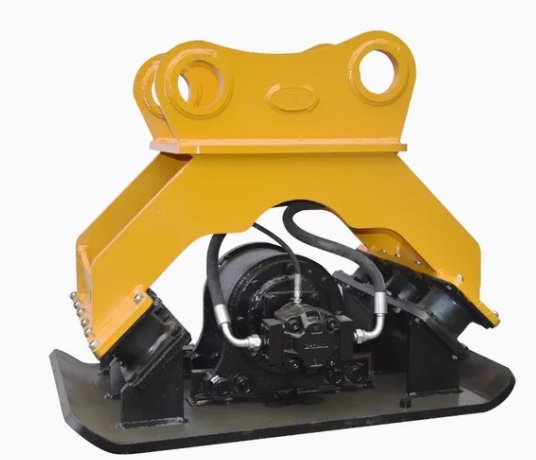
• Compactors
• Grading buckets
Specialized attachments allow operators to complete multiple tasks using one machine.
Quick coupler systems can further improve efficiency by reducing attachment change time.
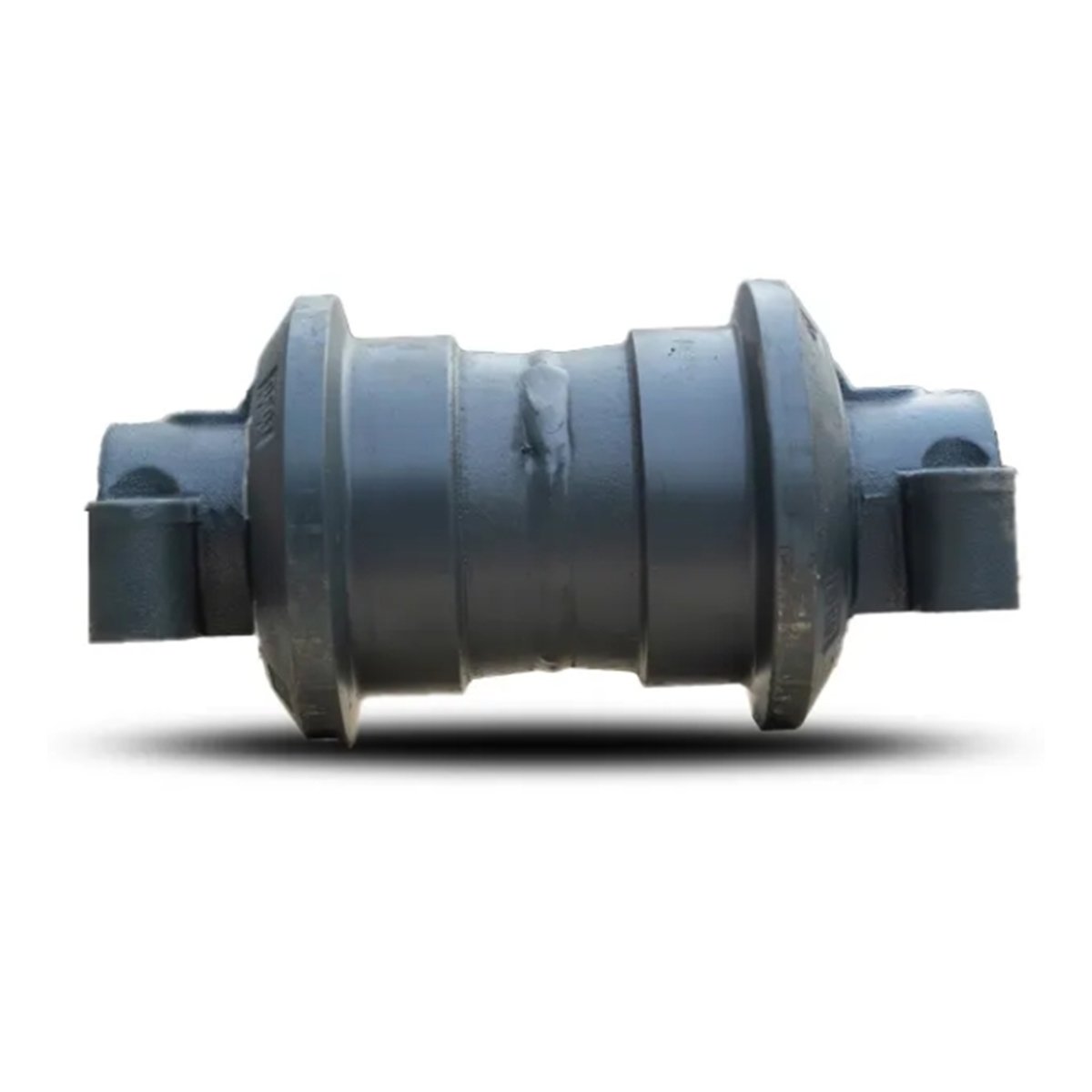
Maintain Proper Track Usage
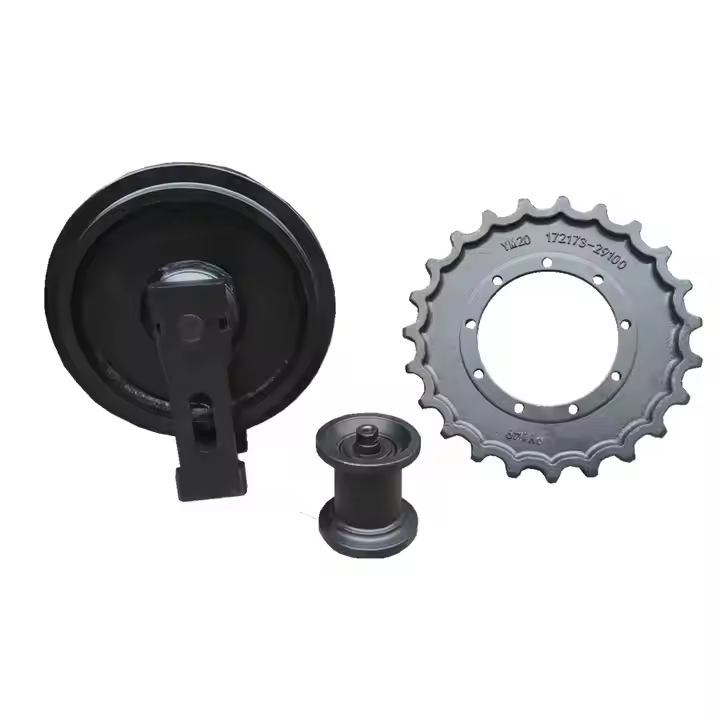
Tracks are critical components of mini excavator performance.
Improper track usage can increase wear and reduce machine efficiency.
Operators should:
• Avoid excessive spinning
• Keep tracks properly tensioned
• Remove debris regularly
• Minimize sharp turns on rough surfaces
• Inspect undercarriage wear frequently
Good track maintenance improves traction, machine stability, and fuel efficiency while extending component lifespan.
Use Fuel Efficient Operating Practices
Fuel costs represent a significant portion of equipment operating expenses.
Efficient fuel management can improve profitability and reduce operating costs.
Fuel saving strategies include:
• Avoiding unnecessary idling
• Using appropriate engine speed
• Performing regular maintenance
• Planning efficient work cycles
• Reducing excessive travel movement
Modern mini excavators often include eco operating modes that optimize fuel consumption while maintaining sufficient performance.
Efficient fuel usage also supports environmentally responsible construction practices.
Improve Operator Comfort and Visibility
Operator comfort directly affects productivity and precision.
A comfortable operator can work more efficiently for longer periods without fatigue.
Helpful adjustments include:
• Proper seat positioning
• Clear visibility around the machine
• Clean cab windows
• Climate control use
• Reduced vibration exposure
Good visibility also improves job site awareness and reduces the need for repositioning.
Modern cab designs often include ergonomic controls and improved operator interfaces to support efficiency.
Use Technology and Machine Features
Many modern mini excavators include advanced technology features that improve productivity.
Helpful technologies may include:
• Digital monitoring systems
• Rearview cameras
• Grade control systems
• Hydraulic flow adjustments
• Automatic idle systems
• GPS tracking
Learning how to use these features effectively can increase precision and reduce operating errors.
Technology integration also helps operators monitor machine performance more accurately.
Train Operators Properly
Even advanced equipment cannot perform efficiently without skilled operators.
Proper training improves:
• Safety awareness
• Fuel efficiency
• Digging accuracy
• Equipment longevity
• Productivity rates
Training programs should include both machine operation and job site planning techniques.
Experienced operators typically complete tasks faster while reducing unnecessary wear on the machine.
Keep Attachments and Buckets Maintained
Attachments that are worn or damaged reduce overall machine performance.
Operators should regularly inspect:
• Bucket teeth
• Cutting edges
• Hydraulic connectors
• Pins and bushings
• Attachment locking systems
Sharp bucket teeth and properly maintained attachments improve digging speed and reduce engine load.
Regular lubrication also helps attachments operate smoothly.
Schedule Preventive Maintenance
Preventive maintenance is one of the most important factors in long term efficiency.
Routine servicing helps reduce unexpected breakdowns and keeps the excavator operating at peak performance.
Maintenance schedules should include:
• Oil changes
• Filter replacements
• Hydraulic inspections
• Cooling system maintenance
• Battery checks
• Track inspections
Following manufacturer maintenance recommendations can significantly extend machine lifespan and reliability.
Work According to Ground Conditions
Different soil conditions require different excavation approaches.
Operators should adjust techniques based on:
• Soft soil
• Clay
• Rocky terrain
• Wet ground
• Sand
• Compacted surfaces
Understanding ground conditions helps operators choose proper digging speeds, bucket angles, and machine positioning.
This reduces unnecessary strain on hydraulic systems and improves excavation efficiency.
Organize Material Handling Efficiently
Efficient material handling reduces cycle times and improves overall productivity.
Operators should position trucks, spoil piles, and work zones strategically to minimize swing distance and travel time.
Efficient loading practices include:
• Maintaining consistent bucket loads
• Positioning dump areas correctly
• Avoiding excessive machine rotation
• Coordinating with ground workers
Shorter loading cycles lead to higher production output throughout the workday.
Learning how to use a mini excavator more efficiently involves much more than simply operating the controls. True efficiency comes from proper planning, skilled operation, regular maintenance, smart attachment selection, and effective job site organization.
By using smooth operating techniques, minimizing unnecessary movement, maintaining equipment properly, and understanding machine capabilities, operators can improve productivity while reducing fuel consumption and equipment wear.
As construction and landscaping industries continue to prioritize cost efficiency and project speed, efficient mini excavator operation will remain an essential skill for contractors, operators, and equipment owners.