








Industry News
How to Use a Mini Excavator and Avoid Common Mistakes
May
Mini excavators have become essential machines in construction, landscaping, agriculture, and residential projects. Their compact size, versatility, and powerful digging capabilities make them ideal for tasks in tight spaces where larger equipment cannot operate efficiently. From trenching and grading to lifting materials and clearing land, mini excavators improve productivity while reducing labor requirements.
However, operating a mini excavator effectively requires proper knowledge, preparation, and technique. Understanding how to use the machine correctly not only improves efficiency but also extends equipment lifespan and supports smoother project execution.
This guide explains how to use a mini excavator properly and highlights practical ways to avoid common operating mistakes. Whether you are a beginner or an experienced operator, learning the right techniques can help maximize performance and achieve better project results.
Understanding the Main Components of a Mini Excavator
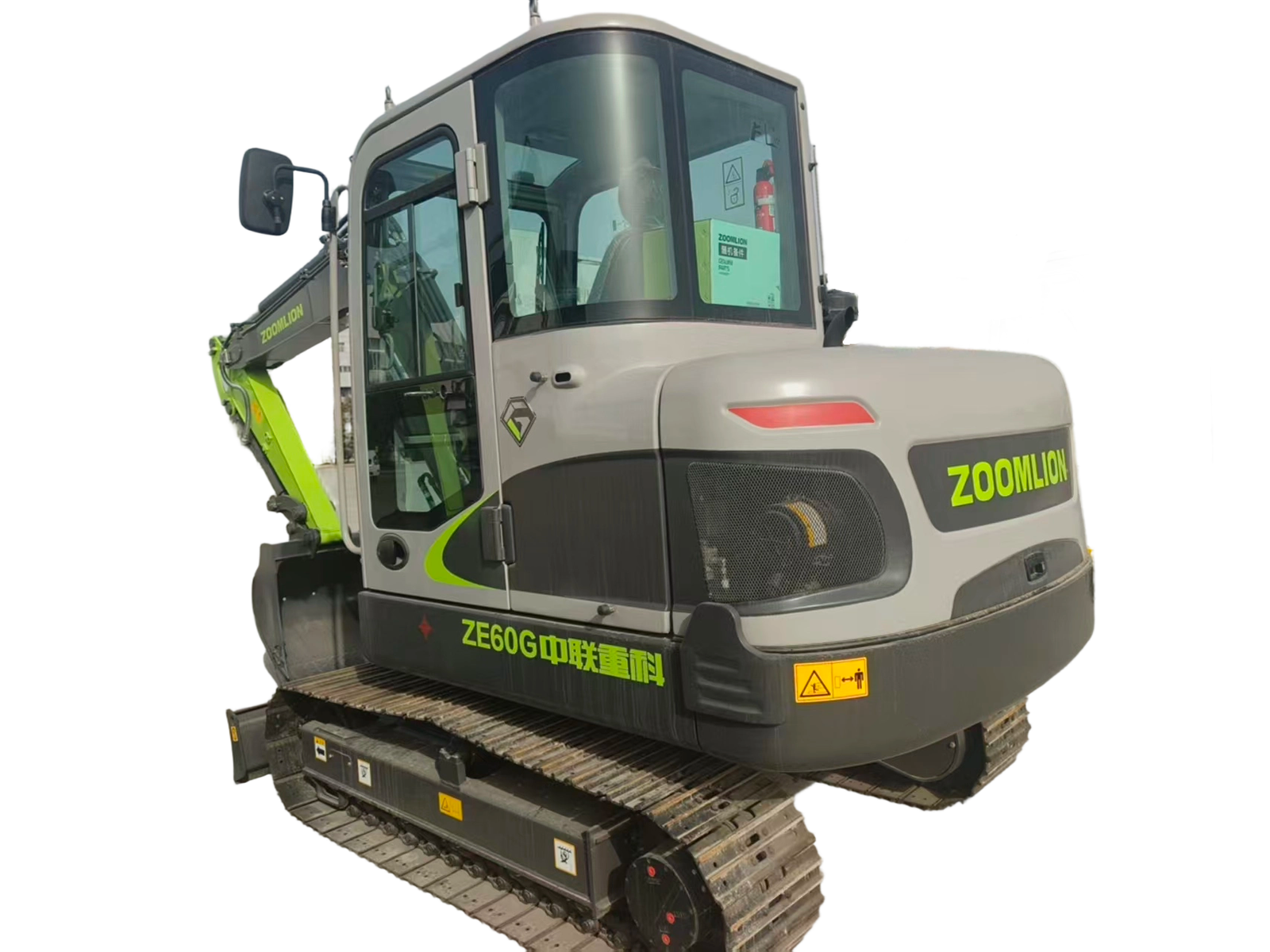
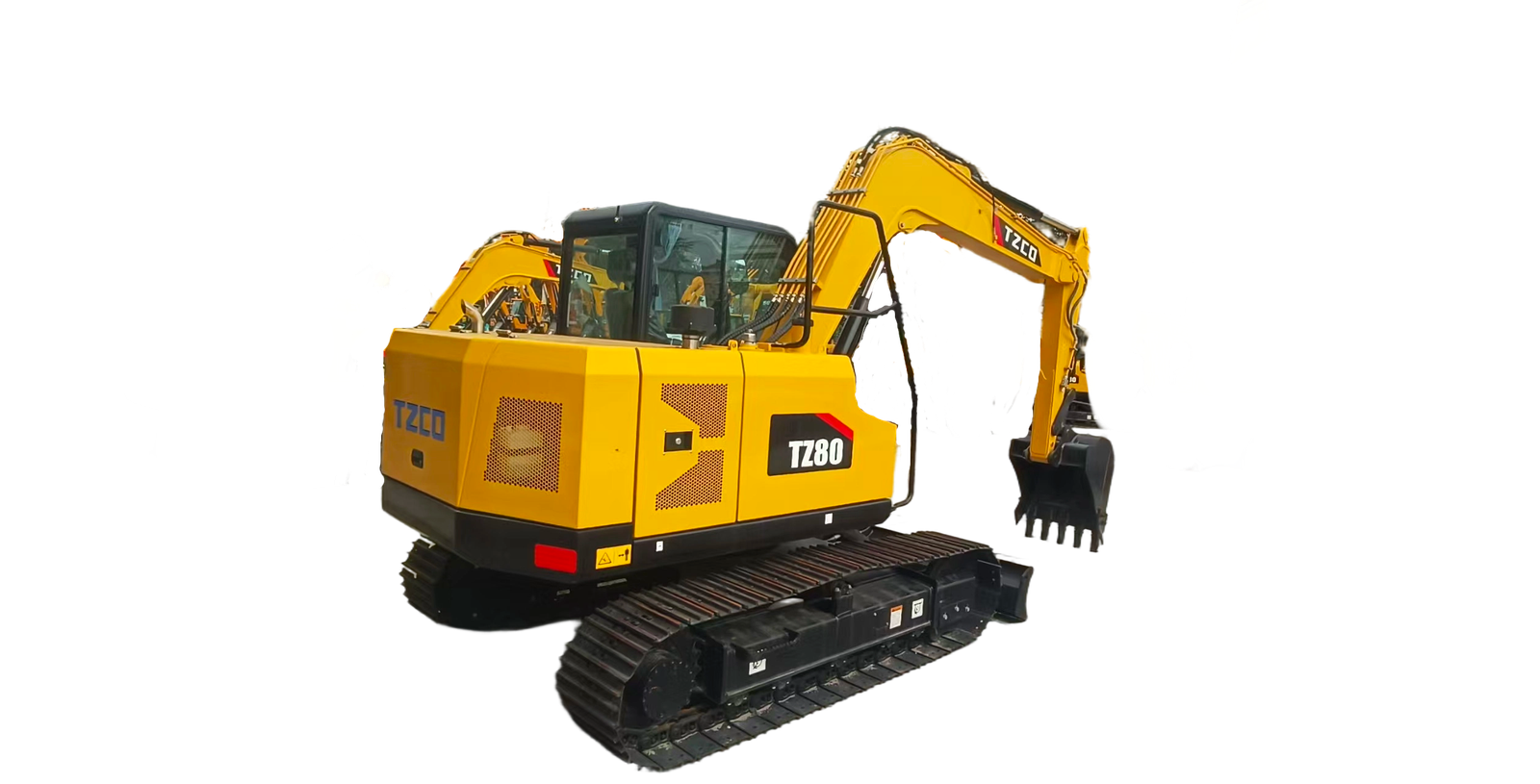
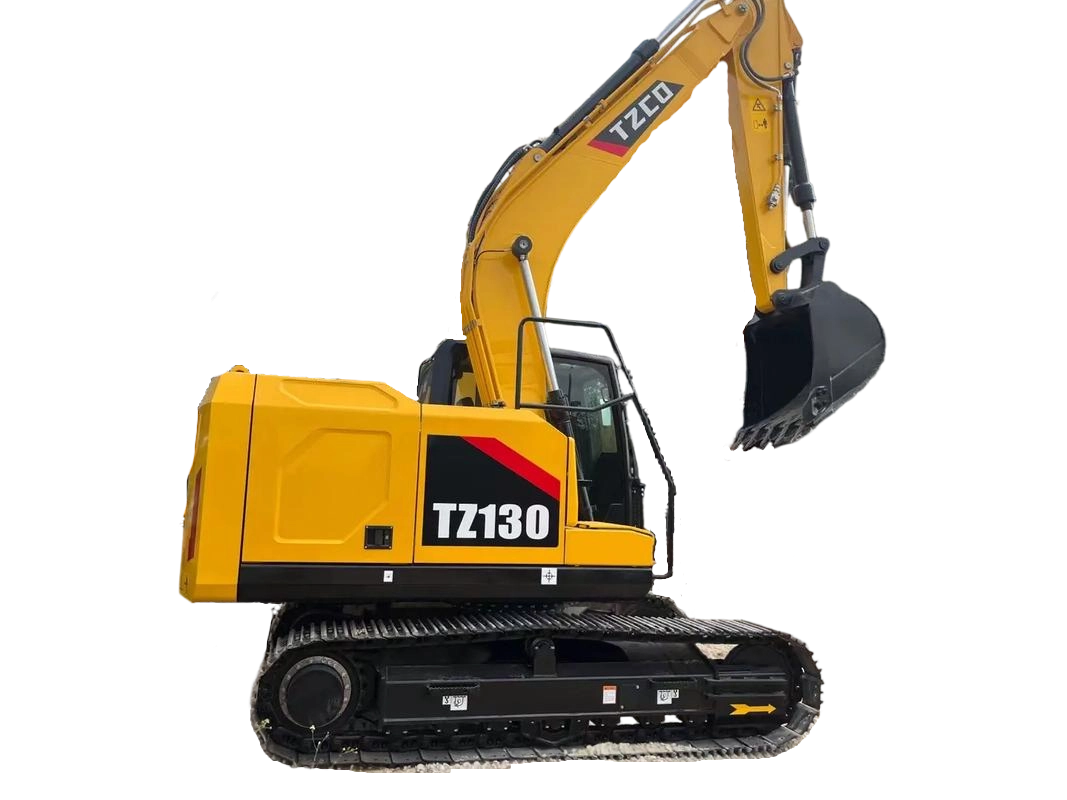
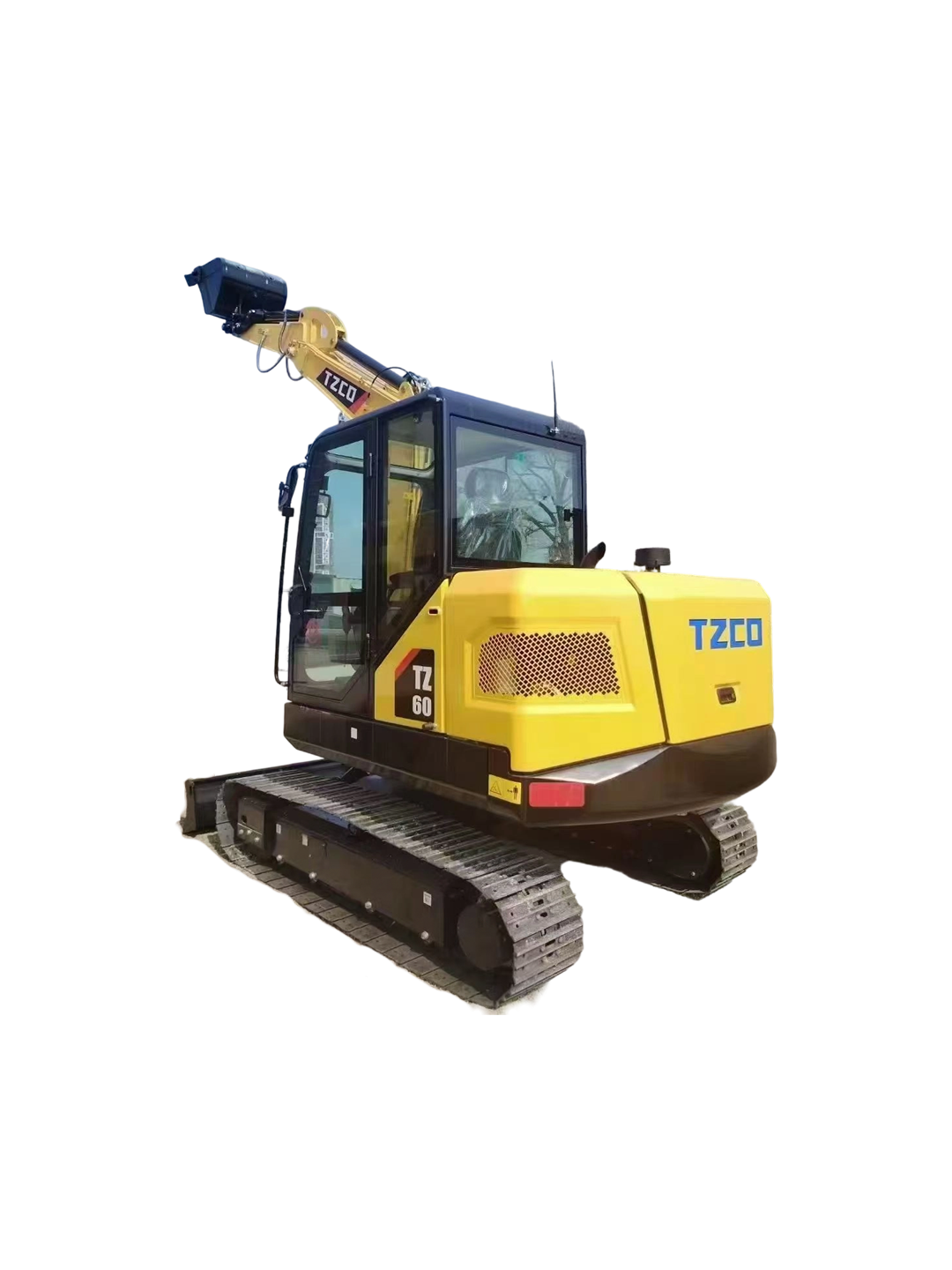
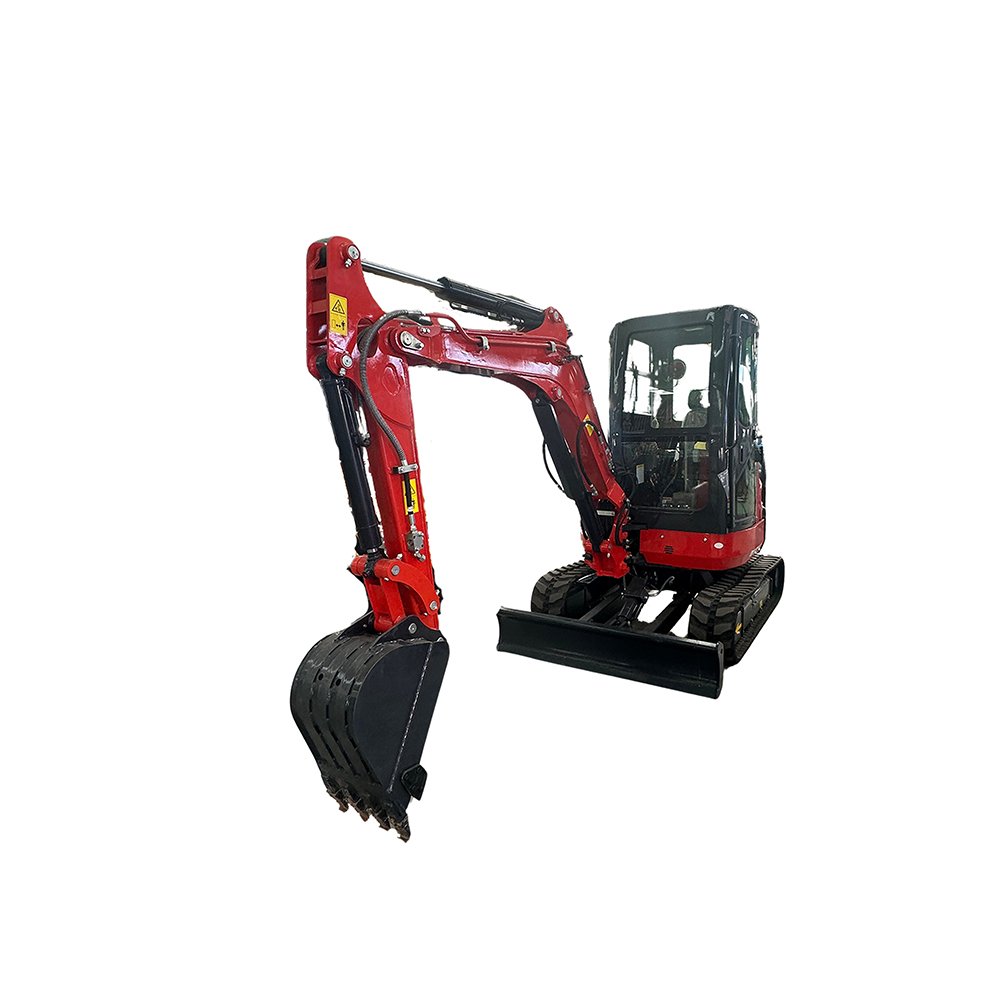
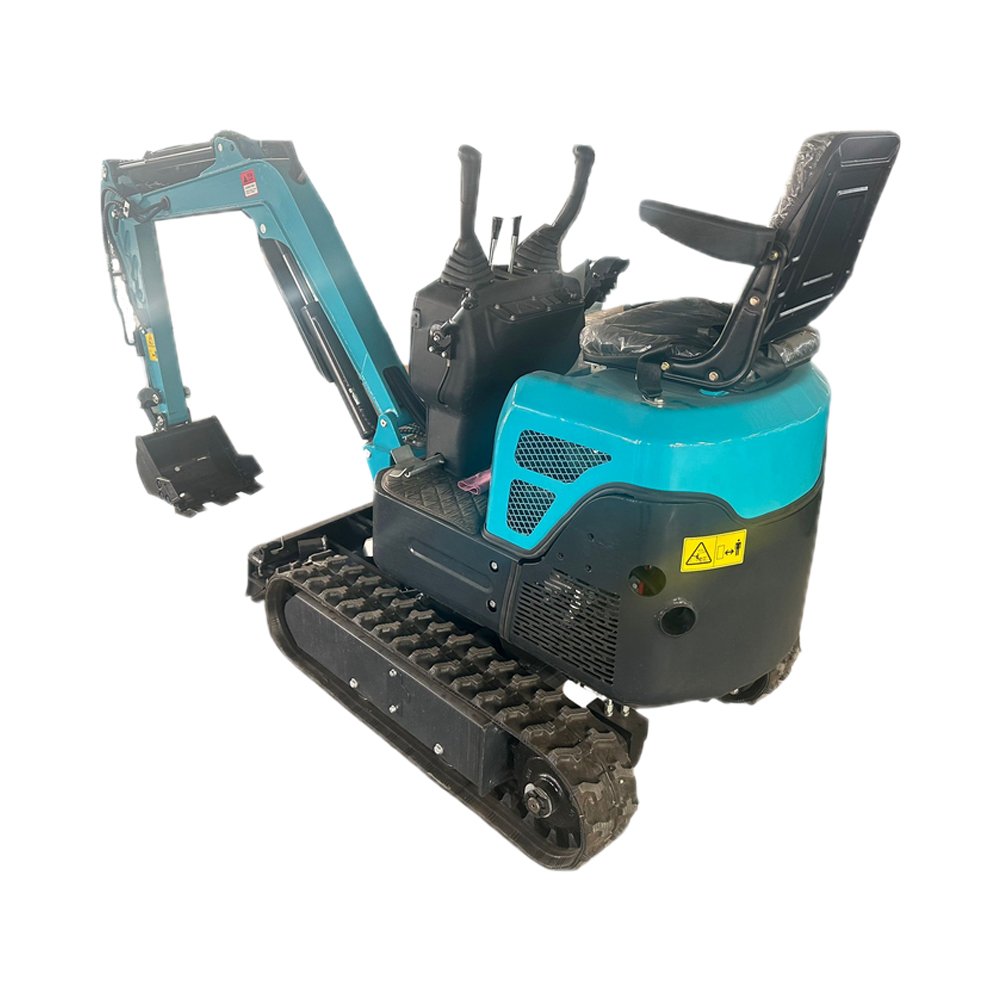
Before operating a mini excavator, it is important to understand its main components and functions. Familiarity with the machine improves operational control and helps operators work more confidently.
Key components include:
• Boom
• Arm
• Bucket
• Tracks
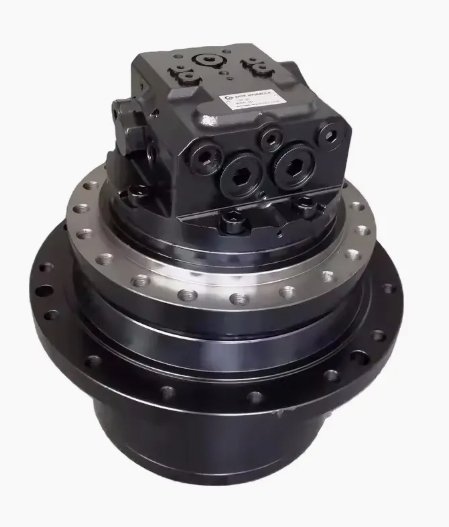
• Hydraulic system
• Cab and control panel
• Blade
The boom and arm control digging movement, while the bucket performs excavation tasks. Tracks provide stability and mobility on different terrain types. The hydraulic system powers the machine’s movement and attachments.
Modern mini excavators may also include advanced features such as digital displays, quick couplers, adjustable controls, and multiple attachment options.
Understanding these components helps operators use the equipment more efficiently and safely.
Conducting a Pre-Operation Inspection
A pre-operation inspection is one of the most important steps before using a mini excavator. Regular inspections help maintain equipment performance and support smooth operation.
Before starting the machine, operators should check:
• Hydraulic fluid levels
• Engine oil
• Fuel supply
• Coolant levels
• Track condition
• Bucket and attachment security
• Control responsiveness
It is also important to inspect the worksite for obstacles, uneven surfaces, underground utilities, and clearance limitations.
A proper inspection routine helps reduce downtime and ensures the machine is ready for productive operation.
Learning the Basic Controls
Mini excavators use hydraulic joystick controls that manage machine movement and digging functions. Beginners should spend time becoming familiar with the control layout before starting a project.
Typical controls include:
• Boom movement
• Arm extension
• Bucket curl
• Swing rotation
• Track movement
• Blade adjustment
Smooth and controlled movements are essential for efficient operation. Sudden or aggressive control inputs can reduce precision and affect machine balance.
Practicing basic movements in an open area helps operators build confidence and improve coordination.
Starting and Positioning the Mini Excavator
Proper positioning is critical for efficient digging and stability. Before excavation begins, operators should position the machine on stable ground with enough working space around the equipment.
Important positioning tips include:
• Keep the machine level
• Use the blade for added stability
• Position tracks parallel to trenches when possible
• Maintain clear visibility of the work area
• Avoid overextending the boom
Correct machine placement reduces unnecessary movement and improves operational efficiency.
Operators should also plan excavation paths carefully to minimize repositioning during the project.
Using Proper Digging Techniques
Efficient digging techniques improve productivity while reducing machine strain. Mini excavators are designed to work with smooth hydraulic movements rather than excessive force.
Best digging practices include:
• Dig in controlled layers
• Use smooth bucket motions
• Keep loads balanced
• Avoid sudden impacts
• Work within the machine’s capacity
Operators should allow the hydraulic system to perform the work naturally instead of forcing the bucket into hard surfaces aggressively.
Using proper digging angles also improves cycle speed and fuel efficiency.
Working Safely Around Utilities and Structures
Mini excavators are often used near buildings, pipelines, fences, and underground utility systems. Careful planning is important when operating in confined or sensitive areas.
Operators should:
• Identify underground utility locations
• Maintain safe distances from structures
• Use slower movements near obstacles
• Monitor attachment clearance
• Communicate clearly with ground personnel
Working carefully around utilities helps protect infrastructure and improves project efficiency.
Compact mini excavators are especially useful for urban projects and residential construction where space is limited.
Choosing the Right Attachments
One of the biggest advantages of mini excavators is their compatibility with multiple attachments. Selecting the correct attachment improves versatility and productivity.
Popular attachments include:
• Buckets
• Hydraulic breakers
• Augers
• Grapples
• Trenchers
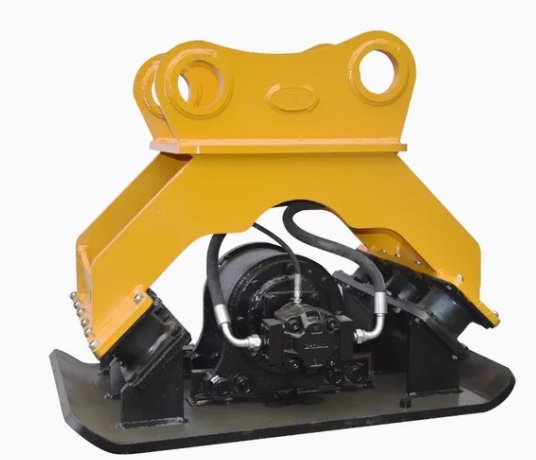
• Compactors
Each attachment is designed for specific applications. For example, augers are ideal for post holes, while hydraulic breakers help with concrete removal.
Using the proper attachment for each task improves operational performance and supports more efficient project completion.
Avoiding Common Operating Mistakes
Many operators can improve performance by avoiding several common mistakes during mini excavator operation.
Operating Too Quickly
Fast movements may reduce precision and increase wear on hydraulic components. Smooth operation improves control and efficiency.
Ignoring Machine Balance
Uneven positioning or overreaching can reduce stability. Operators should always maintain balanced machine positioning.
Overloading the Bucket
Excessive loads place unnecessary strain on the hydraulic system and reduce efficiency.
Skipping Routine Maintenance
Regular maintenance is essential for reliable operation. Cleaning, lubrication, and inspections help maintain long-term performance.
Improper Track Usage
Sharp turns and aggressive movement can increase track wear. Controlled movement helps extend track lifespan.
Avoiding these common mistakes improves productivity and supports better equipment performance.
Importance of Routine Maintenance
Routine maintenance plays a major role in mini excavator reliability and efficiency. Well-maintained machines operate more smoothly and support lower operating costs over time.
Maintenance tasks include:
• Checking fluid levels
• Cleaning filters
• Inspecting hoses
• Lubricating moving parts
• Tightening hardware
• Cleaning tracks
Operators should also follow manufacturer service schedules for engine and hydraulic system maintenance.
Consistent maintenance helps maximize machine lifespan and reduce unexpected downtime.
Improving Efficiency on the Jobsite
Efficient mini excavator operation involves more than simply digging. Proper planning and workflow management significantly improve productivity.
Efficiency tips include:
• Plan excavation sequences
• Minimize unnecessary machine movement
• Keep materials organized
• Use proper attachments
• Maintain clear communication on site
Experienced operators focus on smooth, consistent work patterns that reduce fuel consumption and improve overall project speed.
Efficient operation also helps reduce equipment wear and support long-term reliability.
Training and Skill Development
Operating a mini excavator effectively requires continuous learning and practice. Even experienced operators benefit from improving their techniques and understanding new equipment technologies.
Training may include:
• Equipment safety procedures
• Hydraulic system understanding
• Precision digging practice
• Attachment operation
• Site management skills
Modern mini excavators often include advanced features that improve accuracy and operator comfort. Learning how to use these features properly enhances overall performance.
Developing strong operating skills increases productivity and supports professional project execution.
Future Trends in Mini Excavator Technology
Mini excavator technology continues to evolve with advancements in automation, fuel efficiency, and smart construction systems.
Future innovations may include:
• GPS-assisted digging
• Semi-autonomous operation
• Electric mini excavators
• Smart diagnostics systems
• Improved hydraulic efficiency
• Advanced operator assistance features
These technologies will help improve precision, sustainability, and operational productivity.
As compact equipment demand continues to grow, mini excavators will remain essential tools across multiple industries.
Mini excavators are highly versatile machines that support efficient excavation, landscaping, and construction work. Learning how to operate them correctly improves productivity, equipment longevity, and project quality.
By understanding machine controls, using proper digging techniques, selecting the right attachments, and following regular maintenance routines, operators can achieve better performance while avoiding common operating mistakes.
As technology continues to advance, mini excavators will become even more efficient and valuable for modern construction and earthmoving projects.