








Industry News
Second Hand Excavator Price Guide and Cost Factors
May
The global construction and heavy equipment industry continues to grow rapidly, increasing demand for reliable and cost effective machinery. Among the most popular choices for contractors, landscaping companies, mining operations, and agricultural businesses are second hand excavators. Purchasing a used excavator can provide excellent value while supporting productivity and operational flexibility.
Understanding second hand excavator pricing and the factors that influence equipment value is essential before making an investment. From machine age and operating hours to maintenance history and market demand, several elements affect the final purchase price. This guide explains the most important cost factors and helps buyers make informed decisions when selecting used excavators.
Why Second Hand Excavators Are Popular
Second hand excavators have become increasingly attractive to businesses looking to balance performance and budget efficiency. Used construction equipment offers many advantages while still delivering reliable operating capability for a wide range of projects.
One of the main reasons companies choose second hand excavators is cost savings. Compared with new machines, used equipment often requires a lower initial investment, allowing businesses to allocate capital to other operational needs.
Availability is another important advantage. Many second hand excavators are immediately available for delivery, helping contractors reduce project delays and begin operations faster.
Used excavators also provide flexibility for growing businesses. Companies can expand their fleets more efficiently without significantly increasing equipment budgets.
Modern excavators are designed for long service life, meaning well maintained used machines can continue operating effectively for many years.
Average Price Range of Second Hand Excavators
The price of a second hand excavator depends on machine size, condition, brand reputation, operating hours, technology features, and regional market demand.
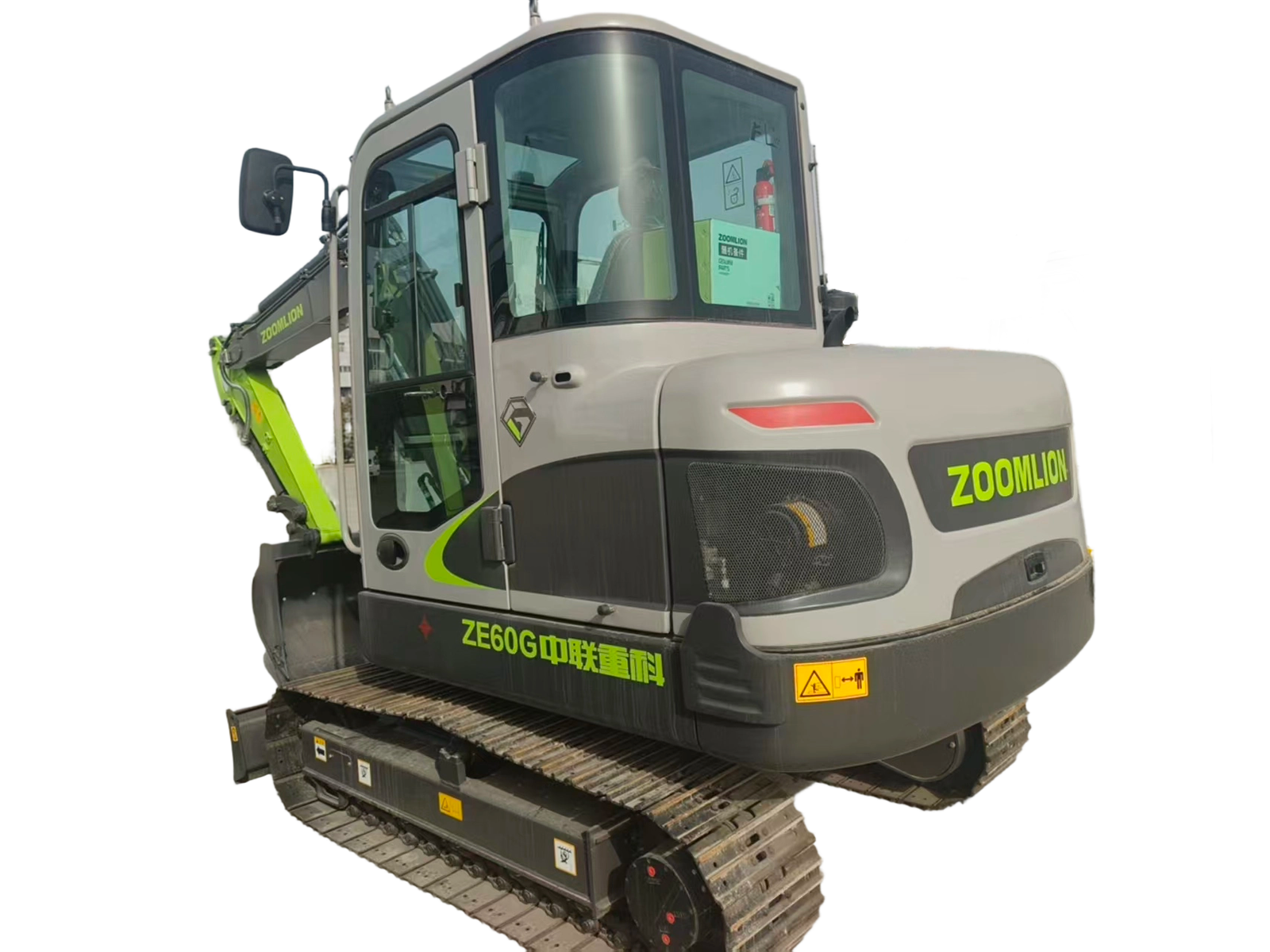
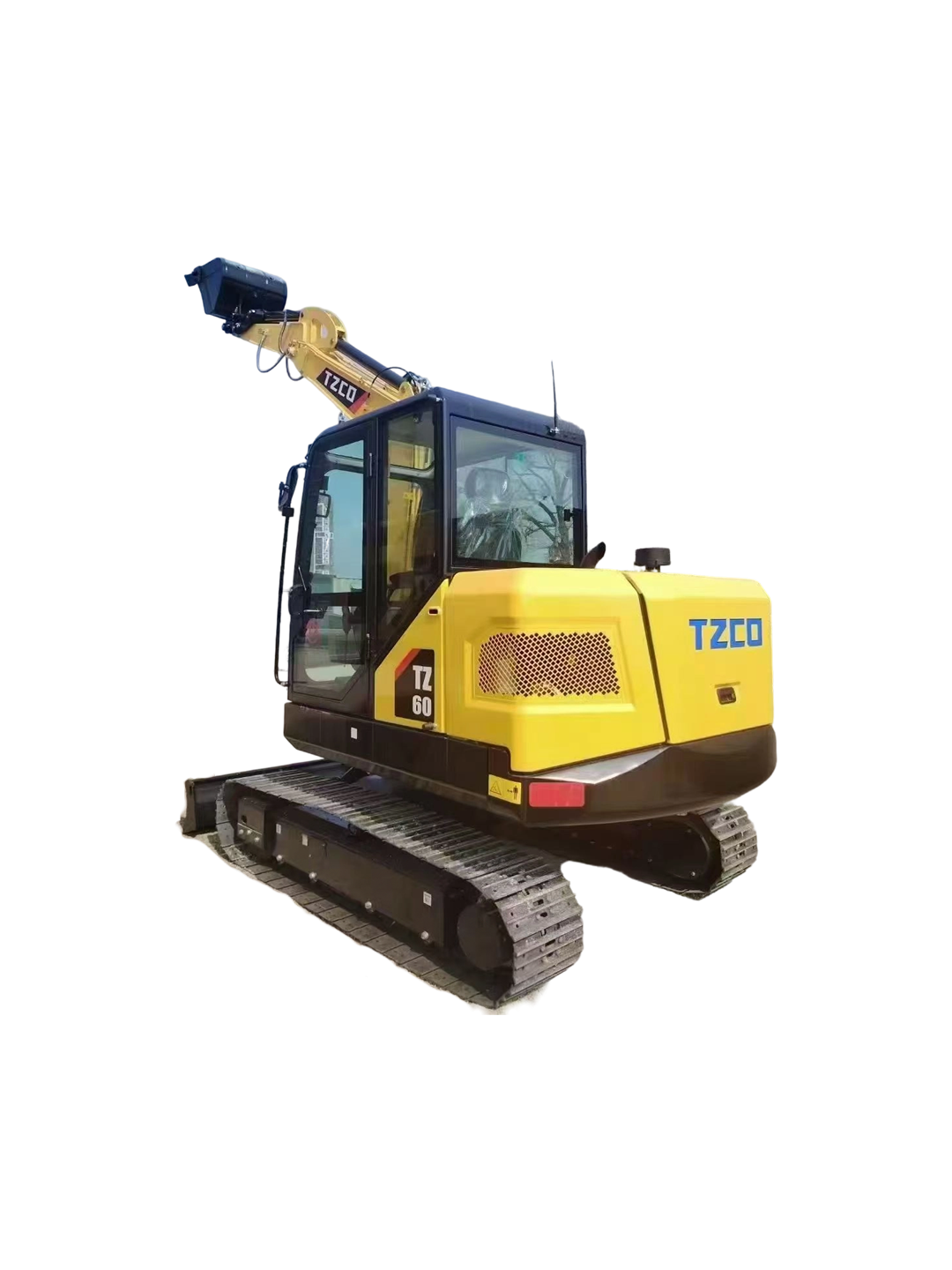
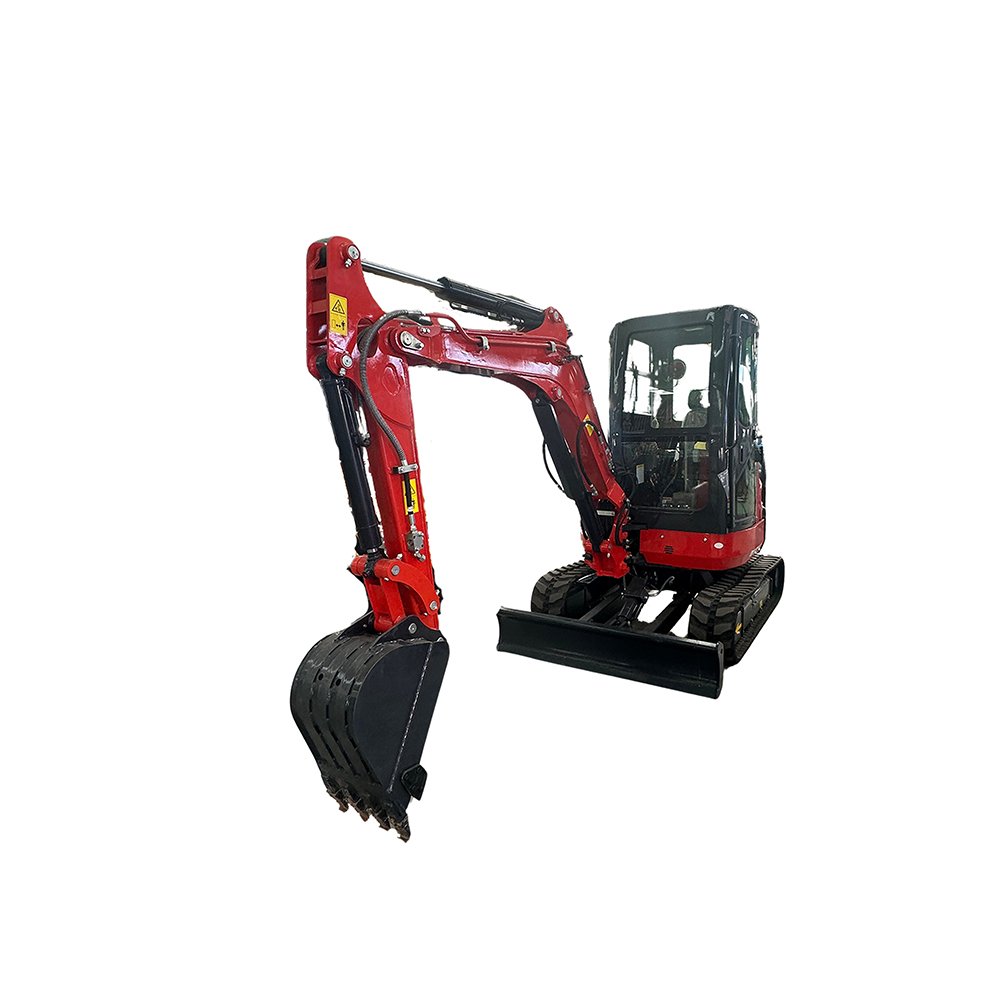
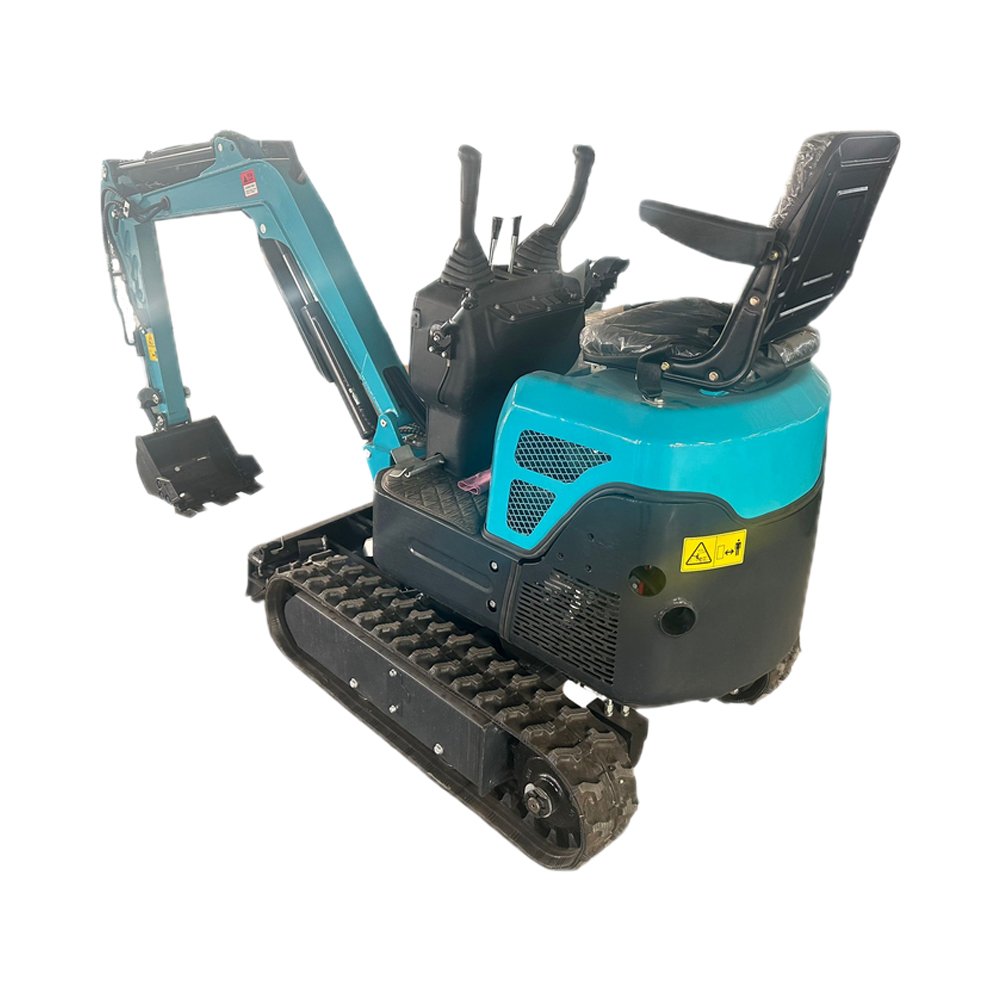
Mini excavators designed for compact construction and landscaping projects generally offer the most affordable pricing. These machines are widely used for residential work, utility installations, and small scale excavation tasks.
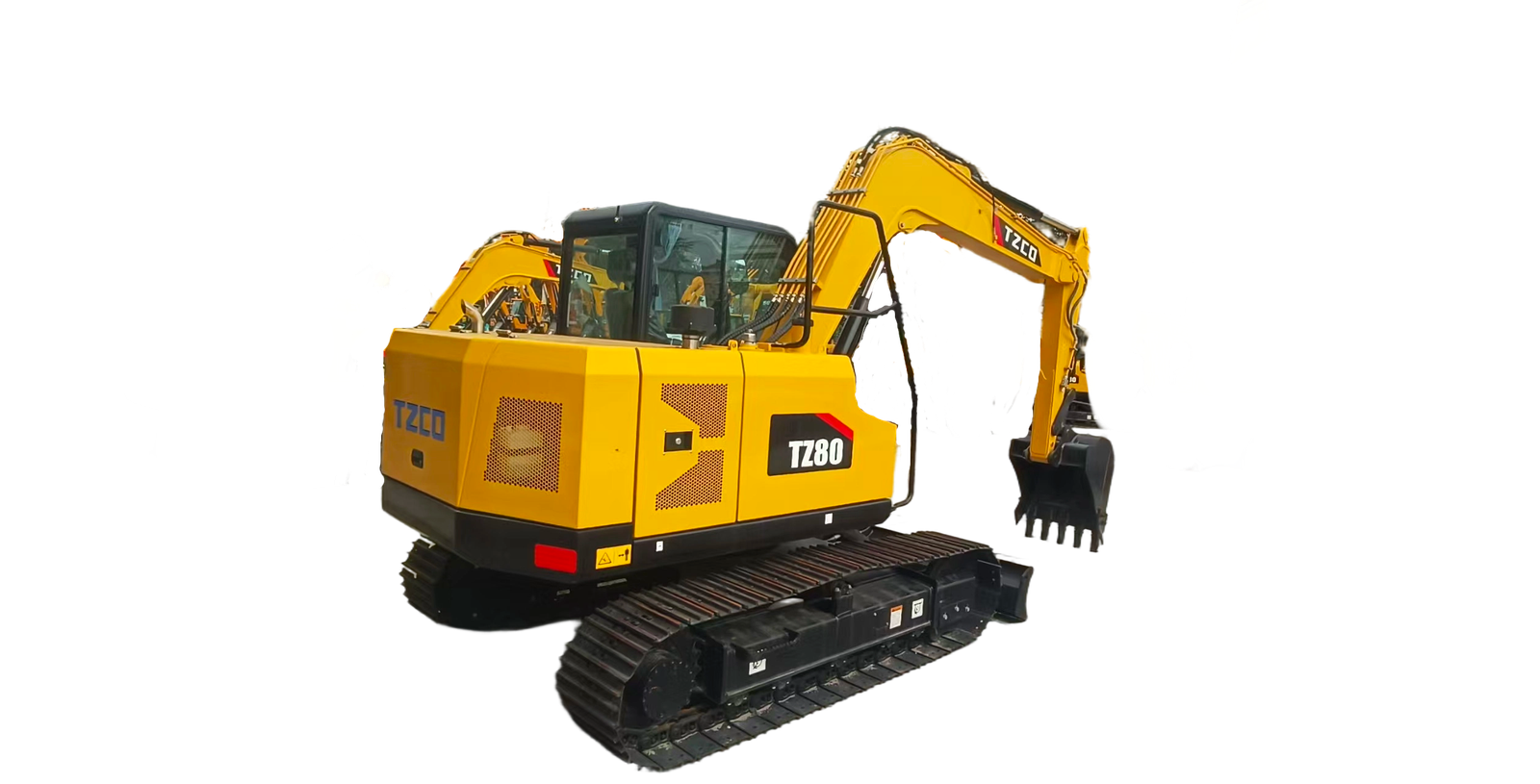
Medium sized excavators used in commercial construction, road work, and infrastructure development typically fall into a mid range pricing category. These machines balance power, versatility, and fuel efficiency.
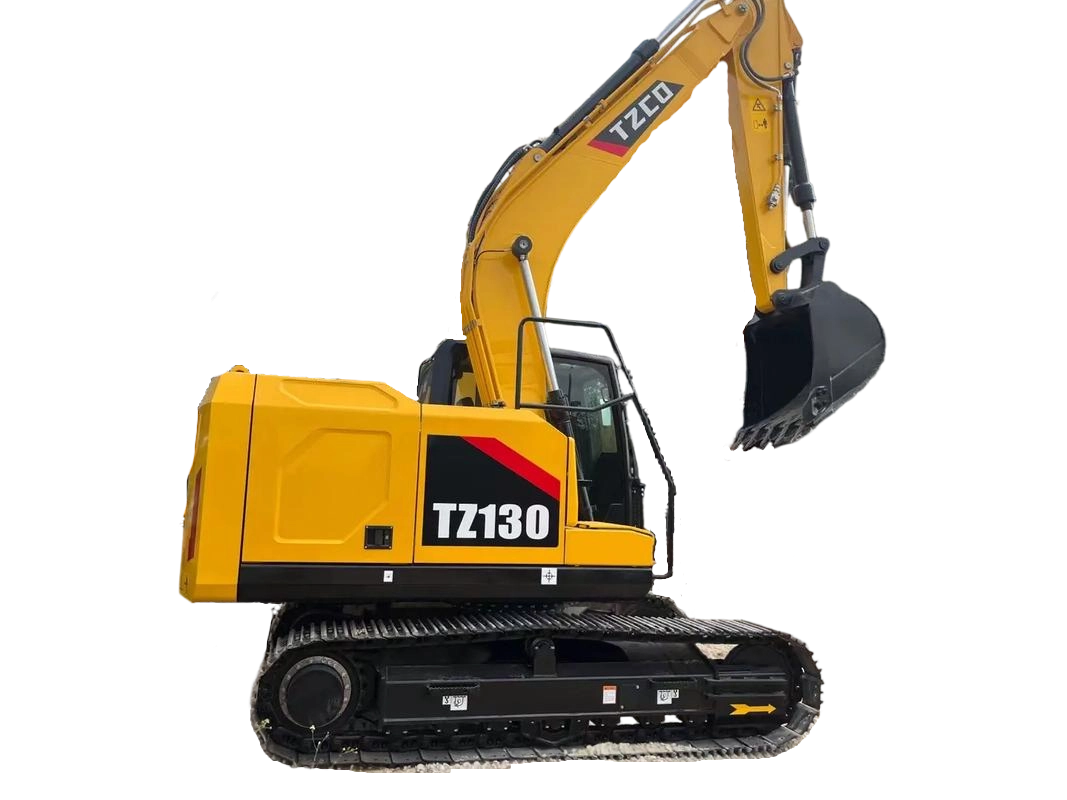
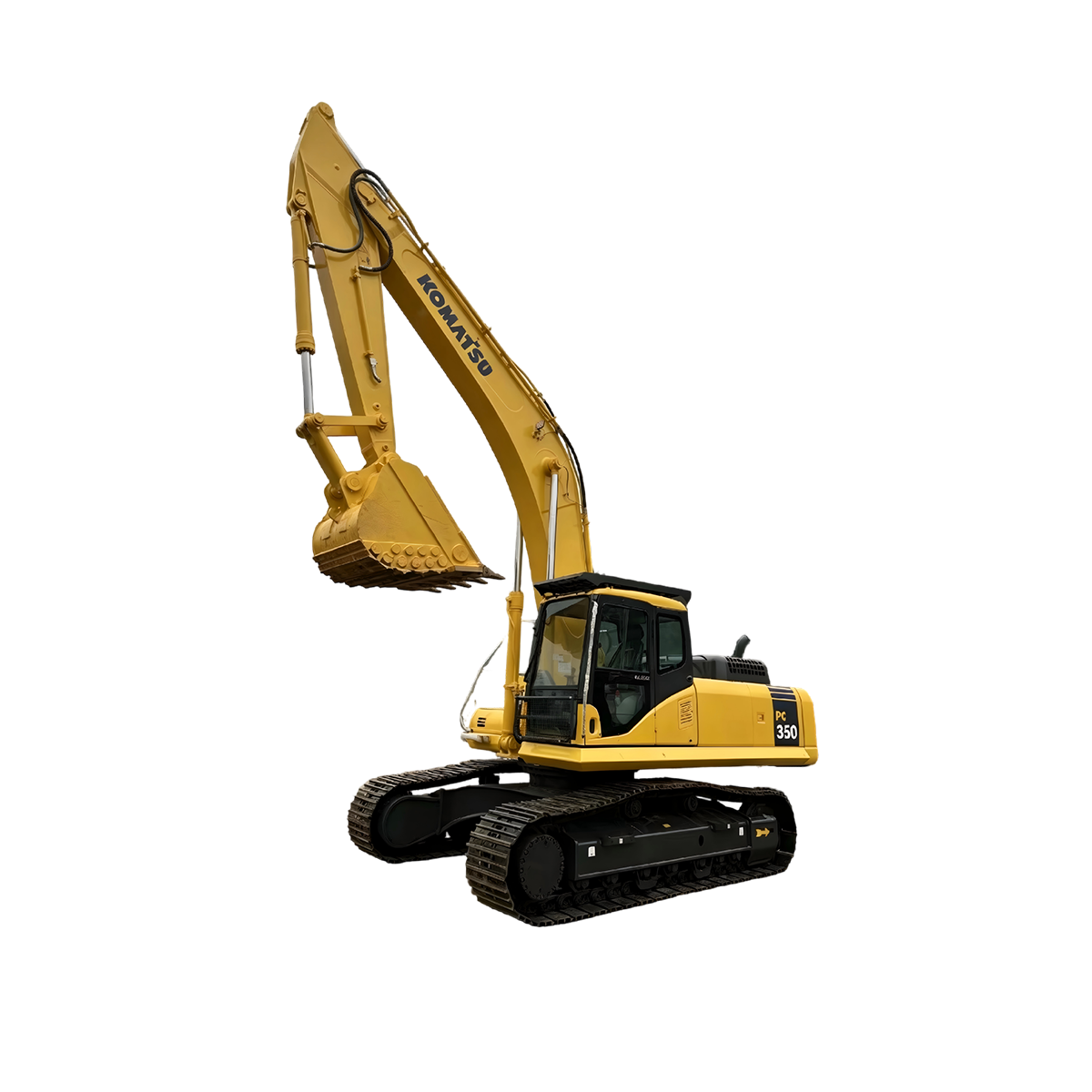
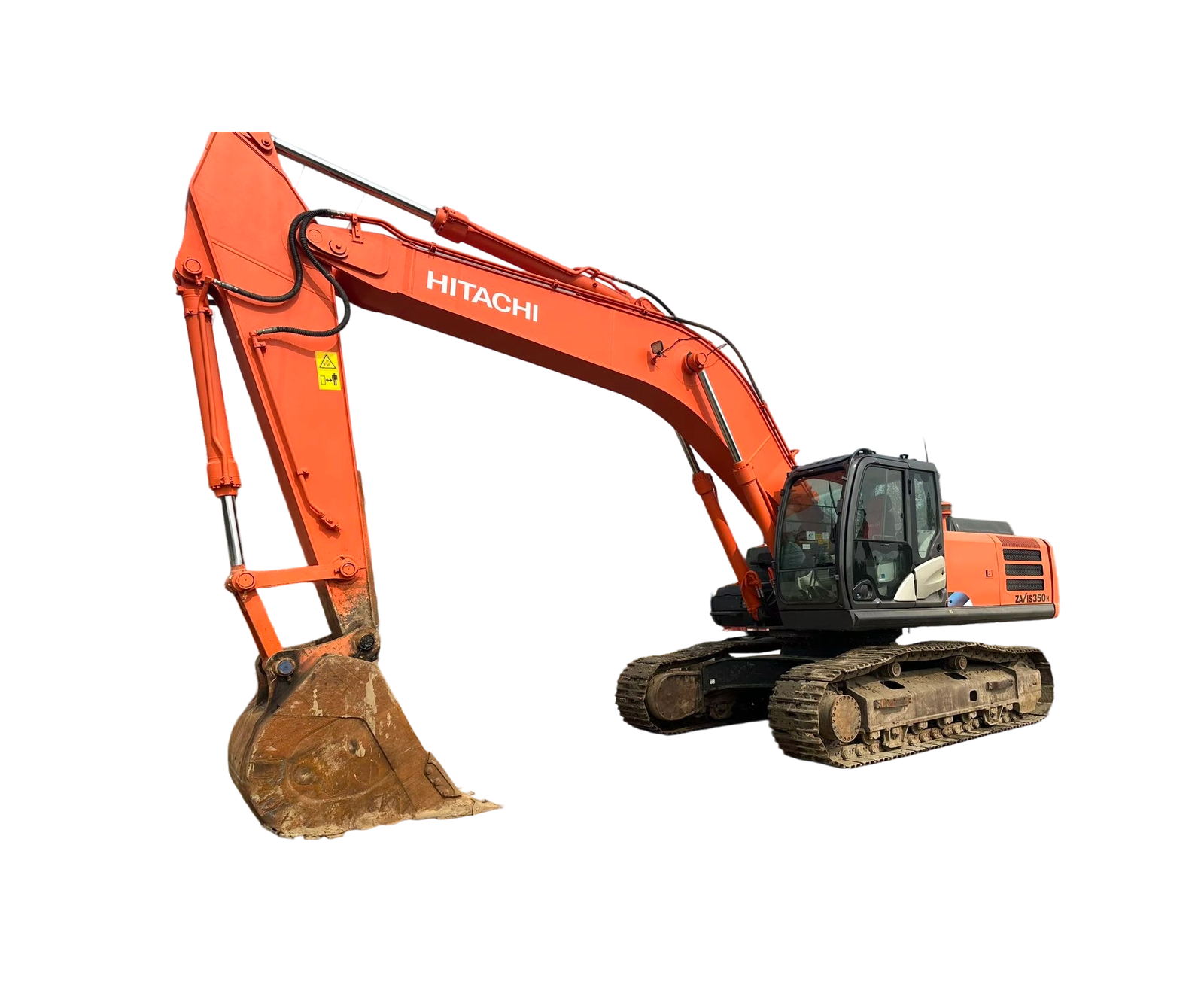
Large excavators designed for mining, quarrying, and heavy industrial applications usually command higher prices due to their advanced hydraulic systems, larger engines, and higher operational capacity.
Specialized excavators equipped with attachments such as breakers, grapples, or long reach arms may also carry additional value depending on equipment configuration.
Market conditions, seasonal demand, and machine availability can also influence pricing trends in different regions.
Key Factors That Affect Second Hand Excavator Prices
Several important factors determine the value and cost of used excavators in the marketplace.
Machine age is one of the most influential pricing factors. Newer models generally include updated technology, improved fuel efficiency, and enhanced operator comfort features, which may increase market value.
Operating hours also play a major role in equipment pricing. Excavators with lower operating hours are often viewed as having more remaining service life and may command higher prices.
Maintenance history is another critical consideration. Machines with documented service records, regular inspections, and professional maintenance often provide stronger long term reliability and buyer confidence.
Overall machine condition significantly impacts pricing as well. Buyers frequently inspect hydraulic systems, undercarriage components, engine performance, bucket wear, and cab condition before evaluating value.
Technology integration can also affect pricing. Excavators equipped with GPS systems, telematics, automated controls, and fuel management technology may offer higher productivity and operational efficiency.
Regional demand and supply conditions further influence market prices. Construction growth, infrastructure investment, and industrial development can increase equipment demand in certain areas.
Importance of Machine Inspection Before Purchase
A thorough inspection is essential when purchasing a second hand excavator. Proper evaluation helps buyers understand machine condition and future maintenance requirements.
Hydraulic systems should be carefully inspected for leaks, pressure consistency, and smooth operation. Hydraulic performance directly affects digging power and machine productivity.
The undercarriage is another important area to examine. Track wear, rollers, sprockets, and idlers contribute significantly to long term operating costs.
Engine performance should also be evaluated through startup behavior, exhaust condition, noise levels, and operational responsiveness.
Cab comfort and control systems influence operator productivity and safety. Buyers often review seat condition, control responsiveness, display systems, and visibility features.
Testing the excavator during operation can provide additional insight into machine stability, swing function, boom movement, and overall performance.
Working with experienced equipment inspectors or trusted machinery suppliers may further improve purchasing confidence.
Cost Advantages of Buying Used Excavators
Second hand excavators can provide substantial financial advantages for construction companies and equipment operators.
Lower purchase costs allow businesses to access high quality machinery while preserving cash flow for labor, materials, transportation, and project expansion.
Used excavators may also reduce insurance expenses and depreciation impact compared with newly purchased equipment.
For seasonal projects or temporary contracts, second hand equipment can provide excellent operational flexibility without requiring major long term capital commitments.
Many used excavators are compatible with a wide variety of attachments, increasing versatility across multiple applications and job sites.
Businesses can also expand their fleets more efficiently by purchasing multiple second hand machines instead of investing in fewer new units.
Industries That Frequently Use Second Hand Excavators
Second hand excavators are widely used across many industries due to their versatility and operational value.
Construction companies rely on excavators for site preparation, trenching, foundation work, and material handling.
Landscaping businesses use compact excavators for grading, drainage installation, and outdoor development projects.
Agricultural operations benefit from excavators for irrigation systems, land clearing, and infrastructure improvements.
Mining and quarrying companies use heavy excavators for material extraction and large scale earthmoving tasks.
Utility contractors depend on excavators for pipeline installation, cable trenching, and underground infrastructure projects.
Demolition companies also utilize excavators equipped with specialized attachments for dismantling structures and recycling materials.
Tips for Finding the Best Second Hand Excavator
Buyers can improve purchasing success by following several important best practices.
Researching machine specifications and comparing equipment categories helps identify the most suitable excavator for specific project needs.
Reviewing maintenance records and service documentation provides valuable insight into machine history and operational care.
Purchasing from reputable suppliers or established equipment dealers may improve equipment quality assurance and after sales support.
Comparing machine hours, attachment compatibility, and fuel efficiency can help buyers evaluate long term operating value.
It is also beneficial to assess future maintenance access, spare parts availability, and technician support before finalizing a purchase decision.
Understanding total ownership cost rather than focusing only on initial purchase price can support better long term investment planning.
Future Trends in the Used Excavator Market
The global used construction equipment market is expected to continue expanding as businesses prioritize cost efficiency and sustainable equipment utilization.
Digital marketplaces and online equipment platforms are making it easier for buyers to compare machine specifications, pricing, and availability worldwide.
Telematics and smart equipment monitoring systems are also improving transparency in machine condition reporting and maintenance tracking.
As environmental awareness grows, fuel efficient excavators and lower emission equipment are becoming increasingly attractive in the second hand machinery market.
Automation, AI based diagnostics, and predictive maintenance technologies may further improve the value and reliability of used construction equipment in the future.
Understanding second hand excavator prices and cost factors is essential for making informed equipment investment decisions. Machine age, operating hours, maintenance history, technology features, and market demand all influence equipment value and long term operating performance.
Second hand excavators offer strong advantages in affordability, flexibility, and operational capability across construction, landscaping, mining, agriculture, and infrastructure industries.
By carefully evaluating machine condition, supplier reputation, and total ownership costs, buyers can select reliable equipment that supports productivity and long term business growth. As the global demand for efficient and sustainable construction equipment continues to rise, second hand excavators will remain an important solution for businesses seeking value and performance.