








Industry News
How to Use a Mini Excavator for Trenching and Digging
May
Mini excavators have become essential machines for construction, landscaping, agriculture, utility installation, and residential projects. Their compact size, flexible movement, and powerful digging capabilities make them ideal for trenching and excavation work in areas where larger equipment may not fit efficiently. Whether used for drainage systems, foundation preparation, cable installation, or garden landscaping, mini excavators offer precision, efficiency, and versatility.
Understanding how to properly operate a mini excavator for trenching and digging can improve productivity, increase worksite safety, and help achieve cleaner excavation results. Modern mini excavators are designed with advanced hydraulic systems, user-friendly controls, and multiple attachment options, making them valuable tools for both professionals and beginners.
Understanding the Basics of a Mini Excavator
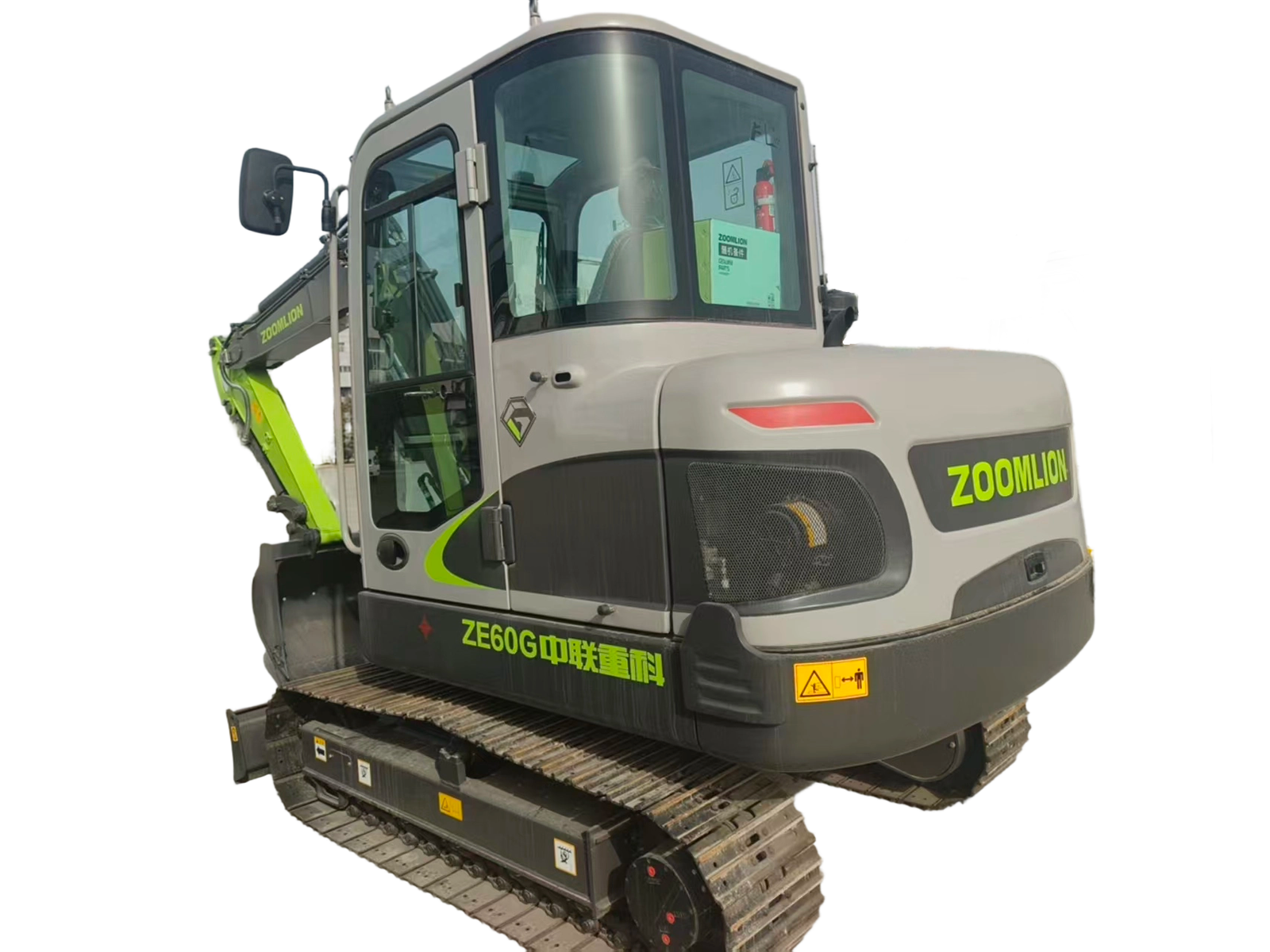
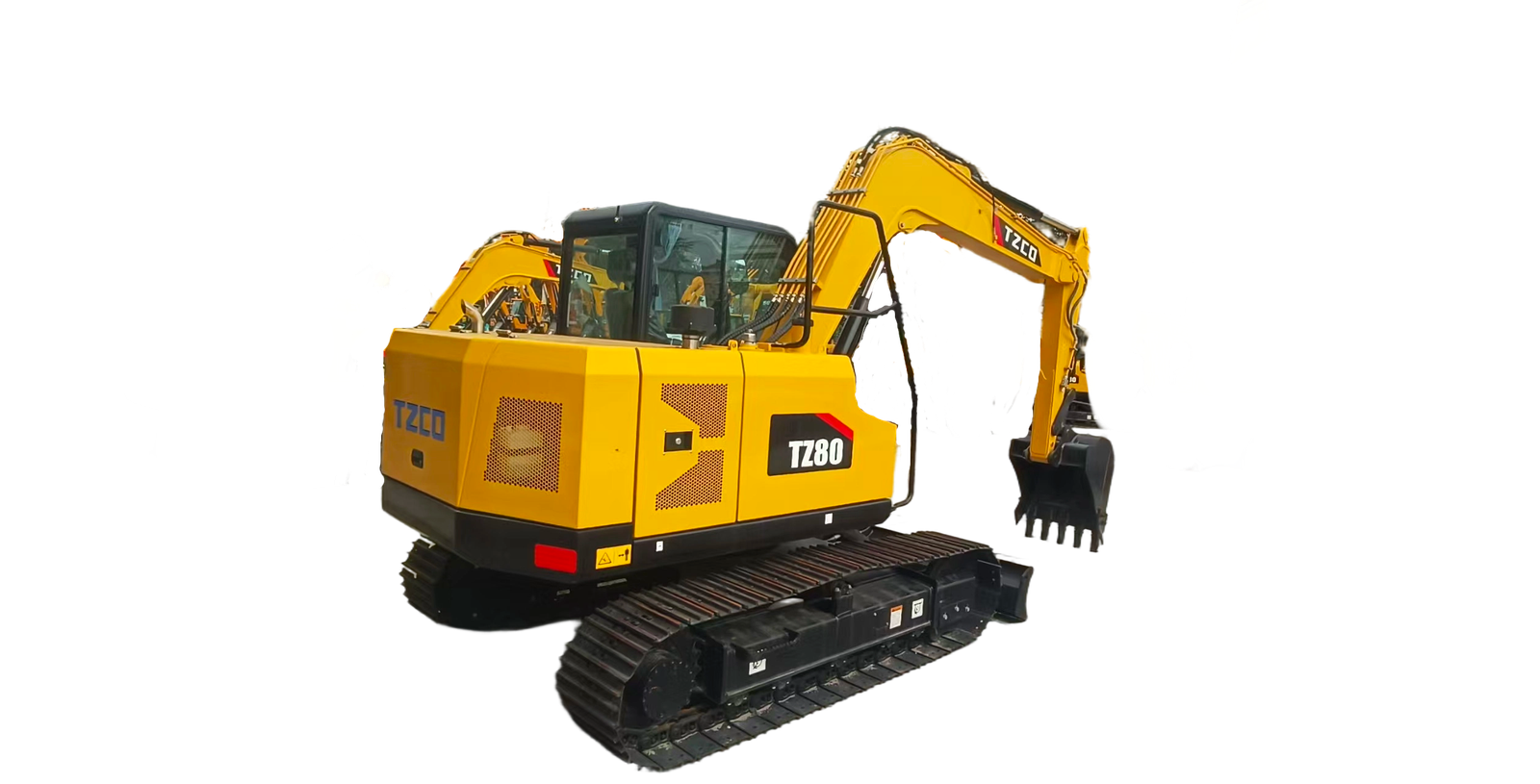
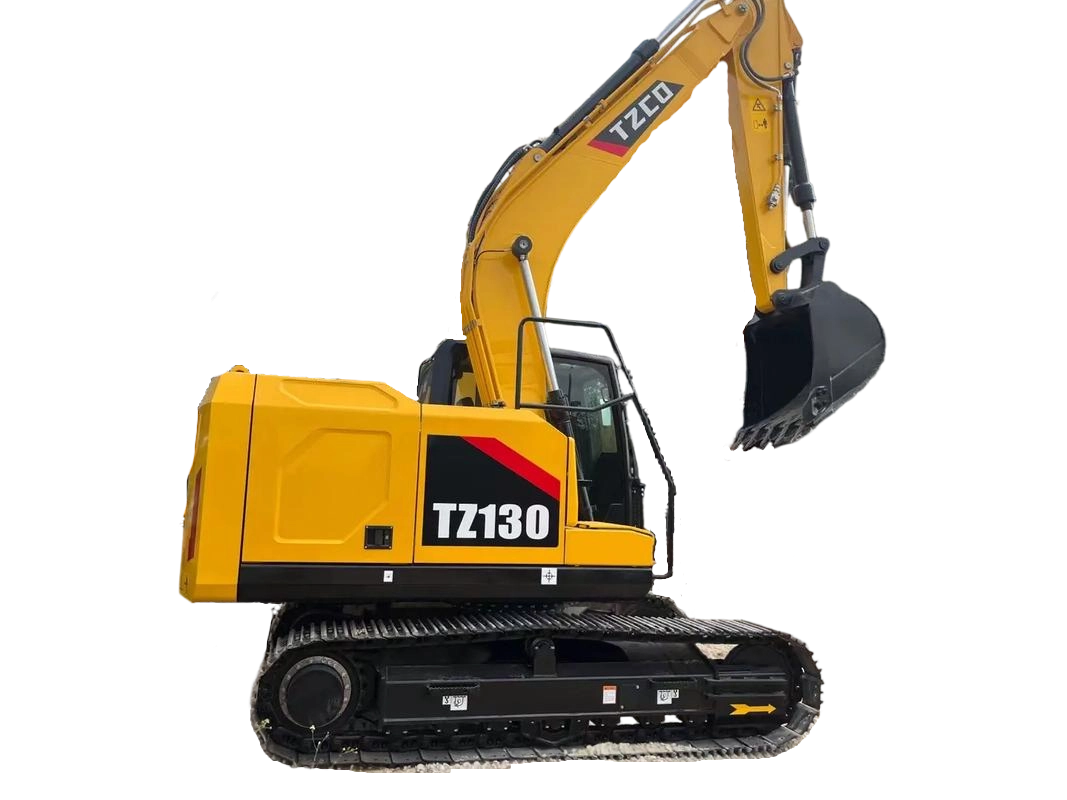
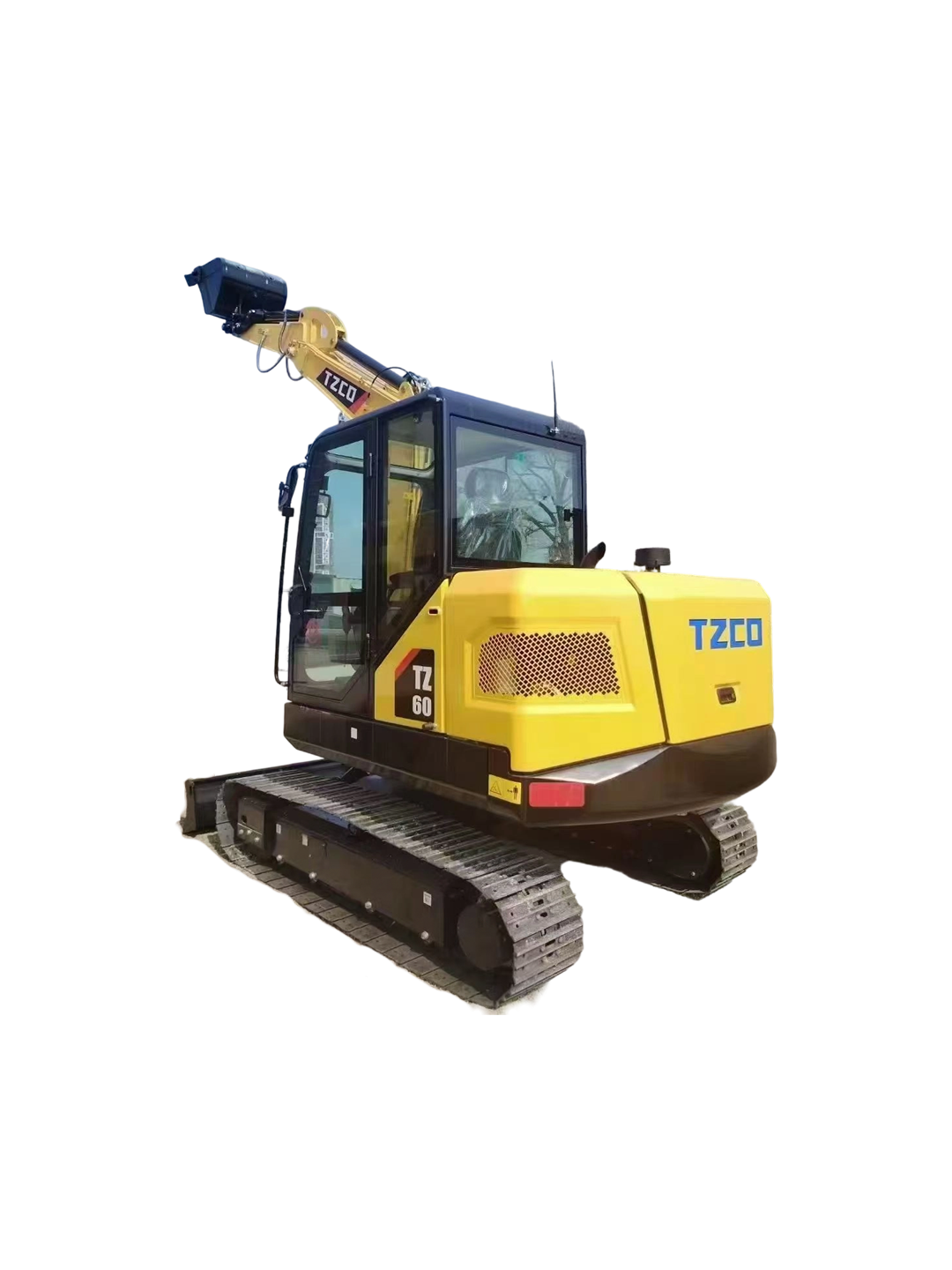
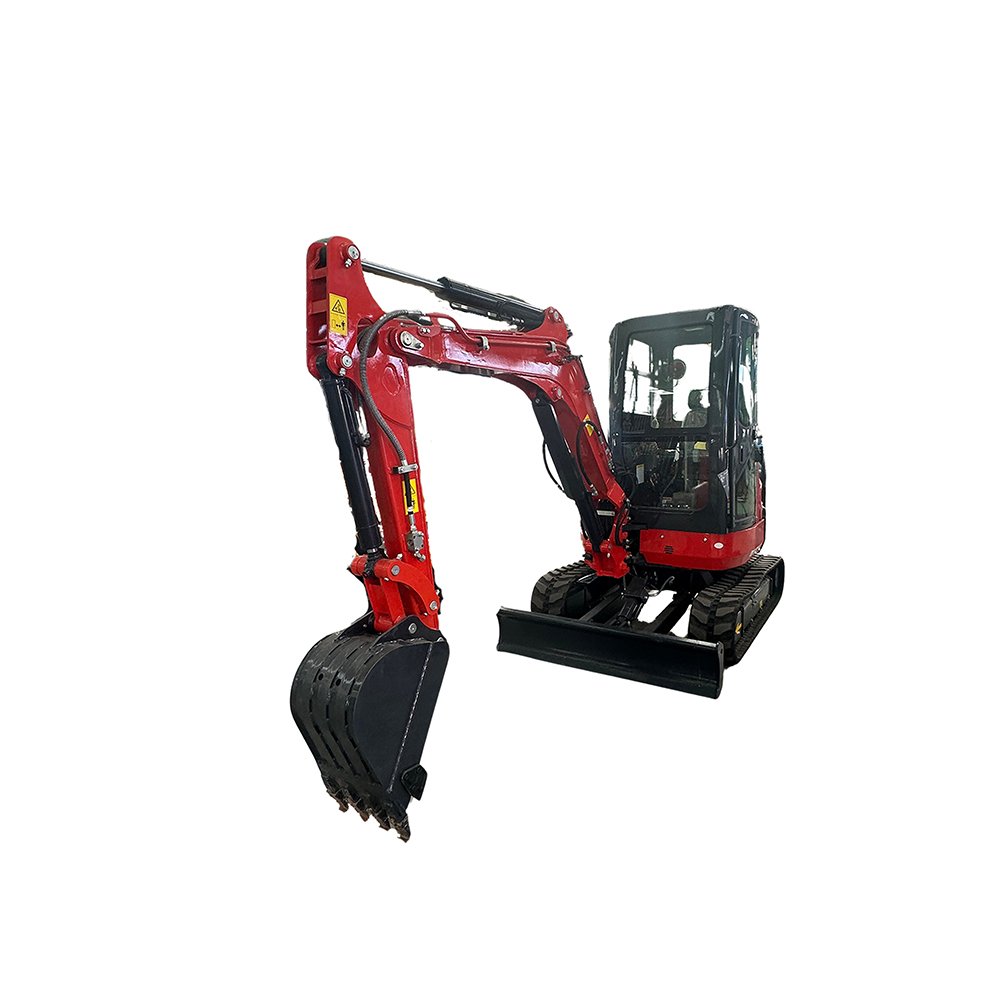
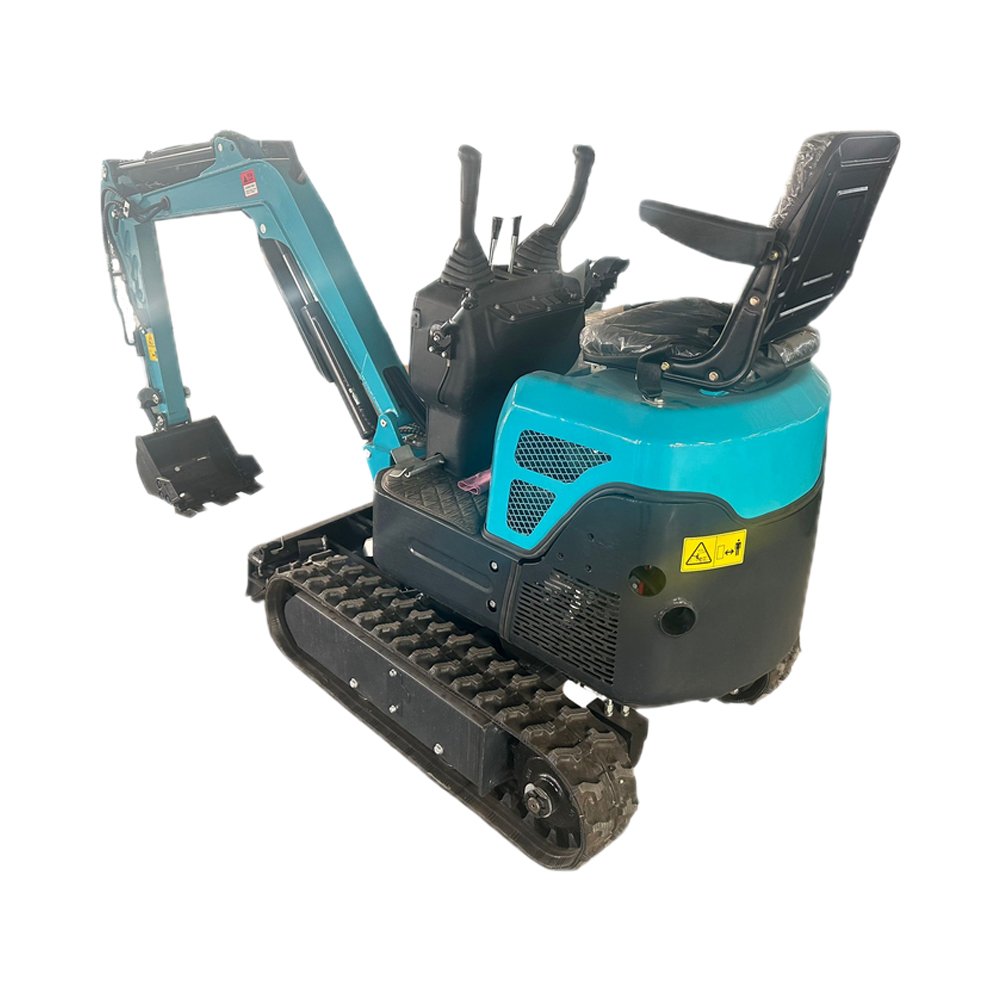
A mini excavator is a compact hydraulic machine designed for digging, lifting, trenching, grading, and material handling. Most mini excavators feature a boom, arm, bucket, rotating cab, and tracked undercarriage that allow operators to work effectively in confined spaces.
Mini excavators are commonly available in weight classes ranging from one ton to over ten tons. Smaller models are ideal for residential and landscaping projects, while larger compact excavators are suitable for commercial construction and utility work.
One of the main advantages of a mini excavator is its ability to perform precise digging operations with minimal ground disturbance. This makes it especially useful for trenching applications where accuracy and clean excavation lines are important.
Modern mini excavators often include ergonomic operator cabins, hydraulic joystick controls, adjustable tracks, and fuel-efficient engines. Many machines also support quick coupler systems, allowing operators to switch between attachments such as buckets, augers, breakers, and grading tools quickly.
Before starting any trenching or digging project, operators should become familiar with the machine’s controls, operating capacity, and safety features.
Preparing for Trenching and Digging Work
Proper preparation is one of the most important steps when using a mini excavator. Careful planning helps improve efficiency and ensures smoother excavation operations.
The first step is evaluating the worksite conditions. Operators should inspect soil type, terrain stability, underground utility locations, and surrounding structures before beginning excavation. Soft ground, rocky surfaces, and uneven terrain may require adjustments to digging techniques or machine positioning.
Marking the trench layout is also essential. Clearly defined excavation lines help maintain consistent trench width and depth throughout the project. Many contractors use spray paint, string lines, or marking flags to outline trench paths before excavation begins.
Selecting the appropriate bucket size is another important consideration. Narrow trenching buckets are ideal for utility lines and drainage systems, while wider buckets may be more suitable for foundation or landscaping excavation work.
Operators should also inspect the mini excavator before use. Hydraulic hoses, fluid levels, bucket pins, tracks, and attachment connections should all be checked to ensure proper machine performance.
Personal protective equipment such as safety helmets, gloves, high-visibility clothing, and protective footwear should always be used during excavation work. Maintaining a clean and organized worksite further improves safety and operating efficiency.
Step-by-Step Guide to Using a Mini Excavator for Trenching
Using a mini excavator effectively requires proper machine control and consistent digging techniques. While operating methods may vary depending on soil conditions and project requirements, the general trenching process follows several key steps.
Begin by positioning the mini excavator on stable ground parallel to the trench line. The machine should be level to maintain digging accuracy and stability during operation. Lower the blade when necessary to provide additional support.
Once positioned, operators can lower the boom and bucket into the ground gradually. Smooth joystick movements help maintain precise bucket control and prevent excessive soil disturbance. Digging in controlled sections rather than attempting deep cuts all at once often produces cleaner trench walls and improves efficiency.
As excavation continues, operators should periodically check trench depth and alignment. Maintaining consistent trench dimensions is important for drainage systems, utility installations, and pipe placement.
Spoil piles should be placed a safe distance away from the trench edge to maintain trench stability and improve worksite organization. Keeping excavated material separated also makes backfilling easier after installation work is complete.
When turning the machine, operators should use smooth rotation movements to maintain stability and avoid unnecessary track wear. Careful machine movement is especially important in confined workspaces or near existing structures.
For deeper trenching applications, excavation may need to be completed in multiple passes. Gradual digging helps maintain control and reduces unnecessary strain on the hydraulic system.
Best Practices for Efficient Digging Operations
Efficient digging with a mini excavator involves more than simply operating the controls. Proper techniques can significantly improve productivity and reduce machine wear.
One effective practice is minimizing unnecessary machine repositioning. Planning the trench route carefully allows operators to maximize reach and reduce downtime caused by frequent adjustments.
Maintaining proper bucket angles also improves digging performance. Using the bucket teeth efficiently helps penetrate soil more smoothly while reducing hydraulic resistance.
Hydraulic system management is equally important. Smooth and controlled movements place less stress on the machine and improve fuel efficiency during extended excavation work.
Operators should also pay attention to track positioning. Stable track placement improves balance and helps prevent shifting during digging operations. On uneven terrain, operators may need to adjust machine orientation for better stability.
Weather conditions can also affect excavation efficiency. Wet or frozen ground may require slower digging speeds and more careful machine control. Understanding how different soil conditions influence machine performance helps operators adapt effectively.
Routine maintenance is another key factor in maintaining efficient operation. Clean filters, properly lubricated joints, and well-maintained hydraulic systems contribute to reliable performance and longer equipment lifespan.
Common Applications for Mini Excavator Trenching
Mini excavators are widely used for many trenching and digging applications across different industries.
In residential construction, mini excavators are commonly used for foundation preparation, drainage systems, septic tank installation, and utility trenching. Their compact size allows access to backyards and narrow workspaces where larger equipment cannot operate easily.
Landscaping projects often involve trenching for irrigation systems, retaining wall foundations, and outdoor lighting installations. Mini excavators provide the precision needed for decorative and functional landscape designs.
Utility contractors use mini excavators for installing water lines, electrical conduits, fiber optic cables, and gas pipelines. Accurate trench dimensions help ensure proper installation and long-term system performance.
Agricultural operations also benefit from mini excavators for ditch cleaning, drainage improvements, and land preparation projects.
Road maintenance, municipal construction, and small commercial developments frequently rely on mini excavators because of their flexibility and transport convenience.
Safety Tips for Mini Excavator Operation
Safe operation is essential during trenching and excavation work. Operators should always follow manufacturer guidelines and worksite safety procedures.
Before digging, underground utility locations should be identified clearly to avoid accidental damage. Utility marking services can help locate buried lines before excavation begins.
Maintaining awareness of surrounding workers and obstacles is equally important. Clear communication between operators and ground personnel improves coordination and reduces safety risks.
Seat belts and rollover protection systems should always be used when operating the machine. Operators should also avoid exceeding the excavator’s lifting or digging capacity.
Proper entry and exit procedures help reduce slip and fall risks. Maintaining clean machine steps and handrails improves operator safety throughout the workday.
On sloped terrain, operators should position the machine carefully to maintain balance and prevent tipping. Slow and controlled movements improve overall machine stability.
Training and experience also play important roles in safe mini excavator operation. Understanding machine capabilities and practicing proper techniques help operators work more confidently and efficiently.
Mini excavators are highly effective machines for trenching and digging projects across construction, landscaping, utility, and agricultural industries. Their compact design, precise hydraulic controls, and versatile capabilities make them valuable tools for both small and large excavation tasks.
By understanding proper operating techniques, preparing the worksite carefully, and following safe excavation practices, operators can improve productivity and achieve cleaner, more accurate trenching results.
As modern mini excavators continue evolving with improved technology and efficiency, they remain an essential part of today’s excavation and earthmoving industry. Proper training, regular maintenance, and responsible operation help maximize machine performance and support successful project completion.