








Industry News
How to Use a Mini Excavator on Small Construction Sites
May
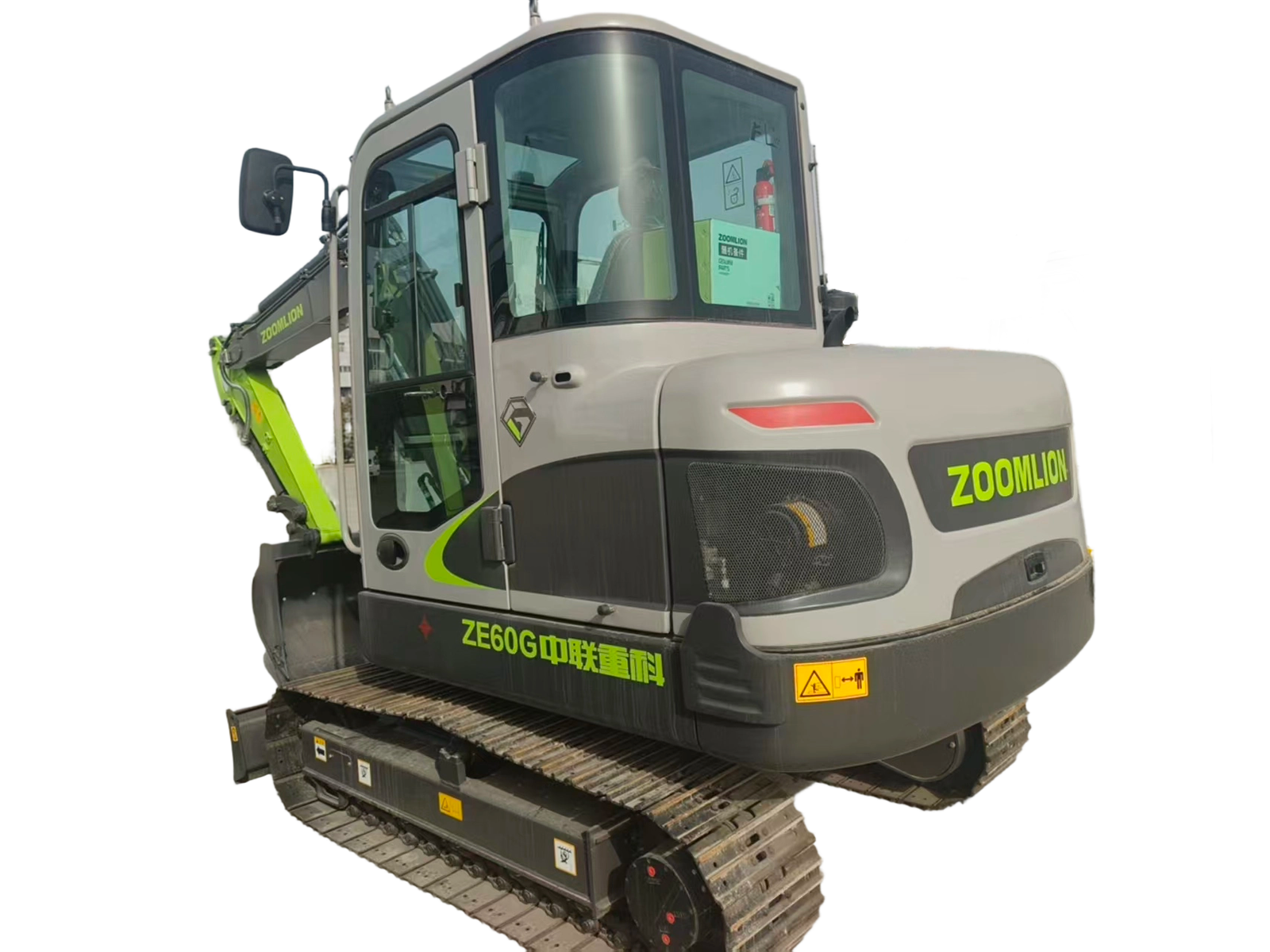
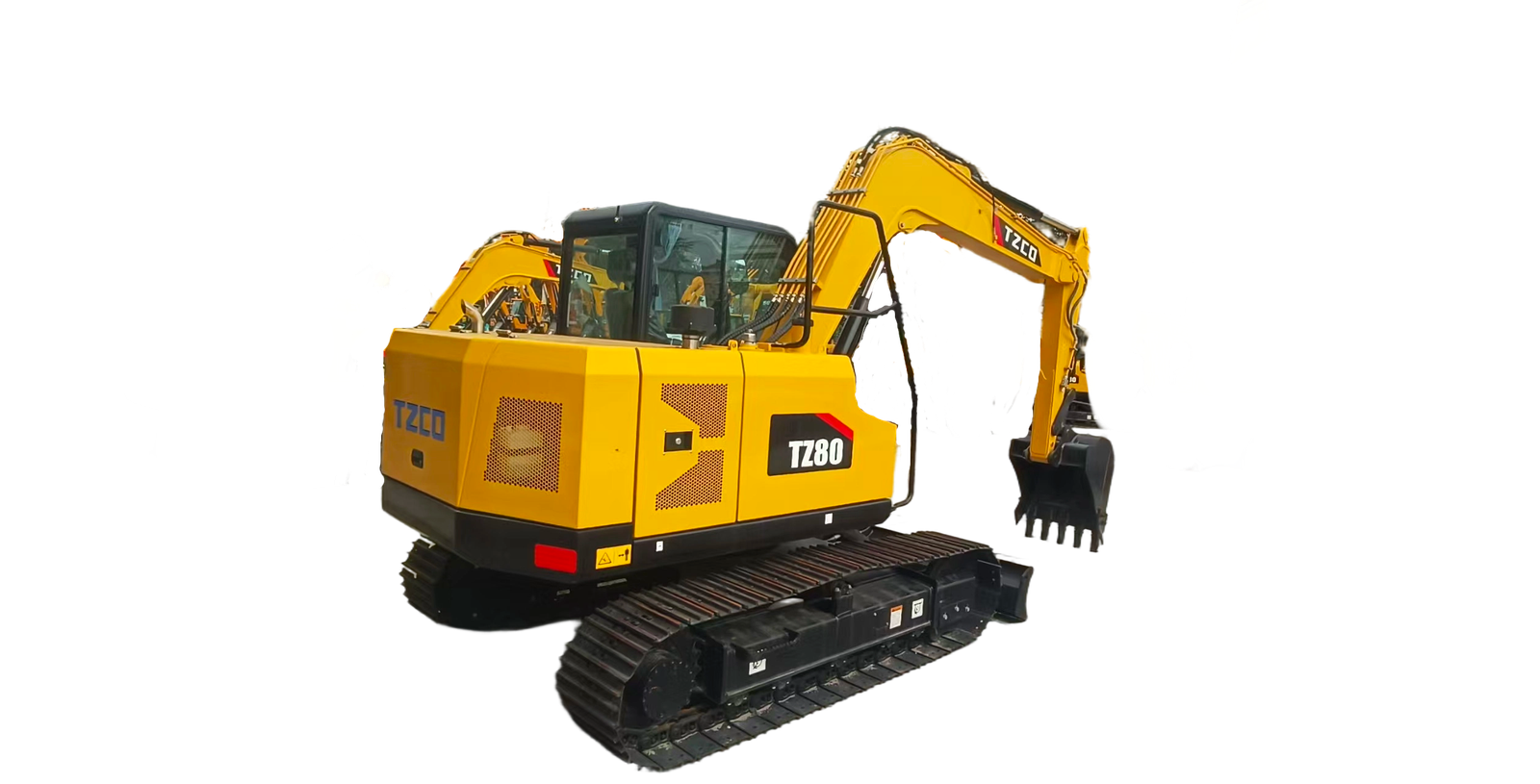
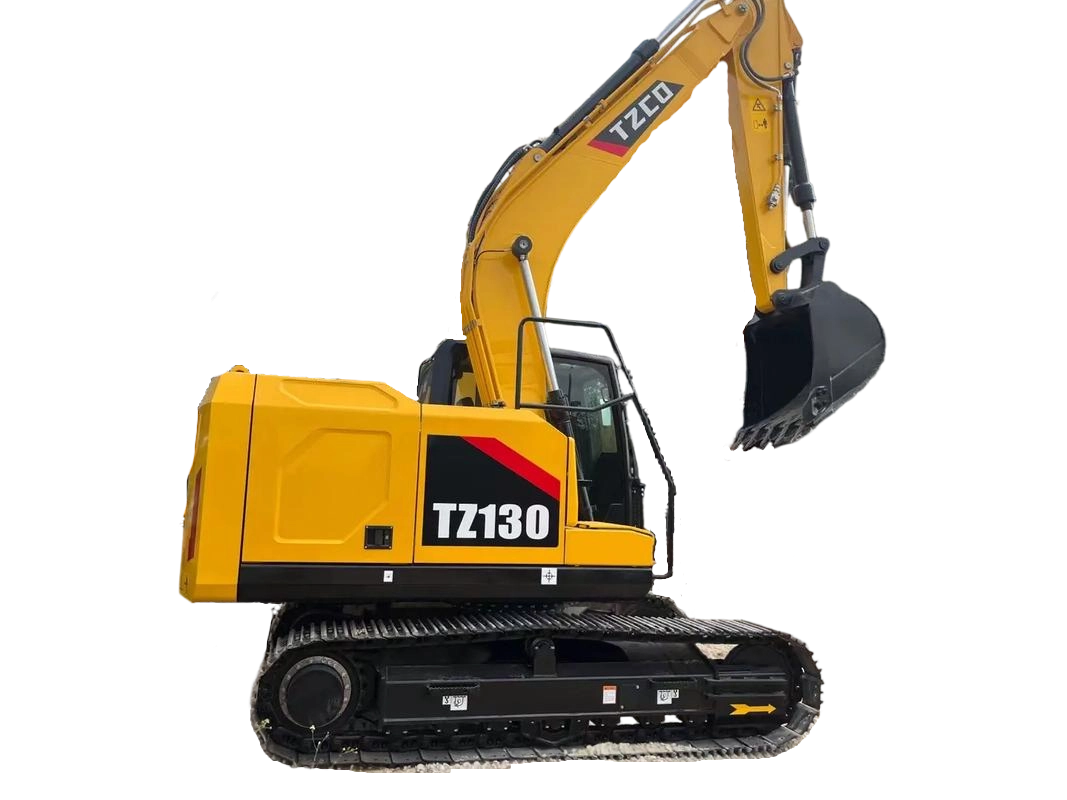
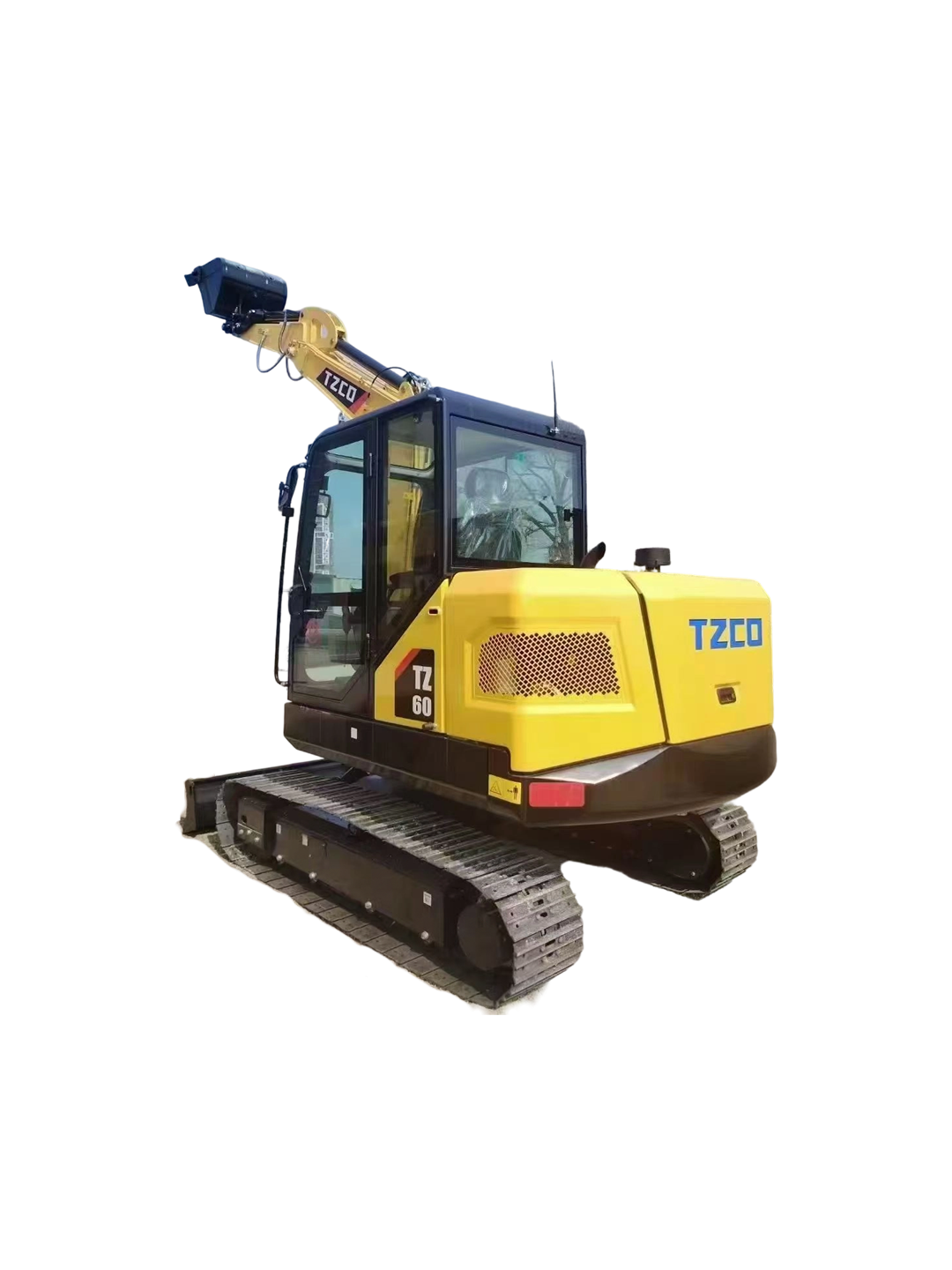
Mini excavators have become essential machines for modern small construction projects. Their compact size, versatile functionality, and efficient performance make them ideal for residential construction, landscaping, utility installation, and urban development work. Compared with larger equipment, mini excavators are easier to maneuver in tight spaces while still delivering impressive digging and lifting capabilities.
For contractors, property developers, and equipment operators, understanding how to use a mini excavator on small construction sites can improve productivity, enhance safety, and reduce operating costs. With proper planning and machine handling, mini excavators can complete a wide range of tasks efficiently even in restricted working environments.
This guide explains how mini excavators work, how to operate them effectively, and the best practices for maximizing performance on small construction sites.
Understanding the Role of a Mini Excavator
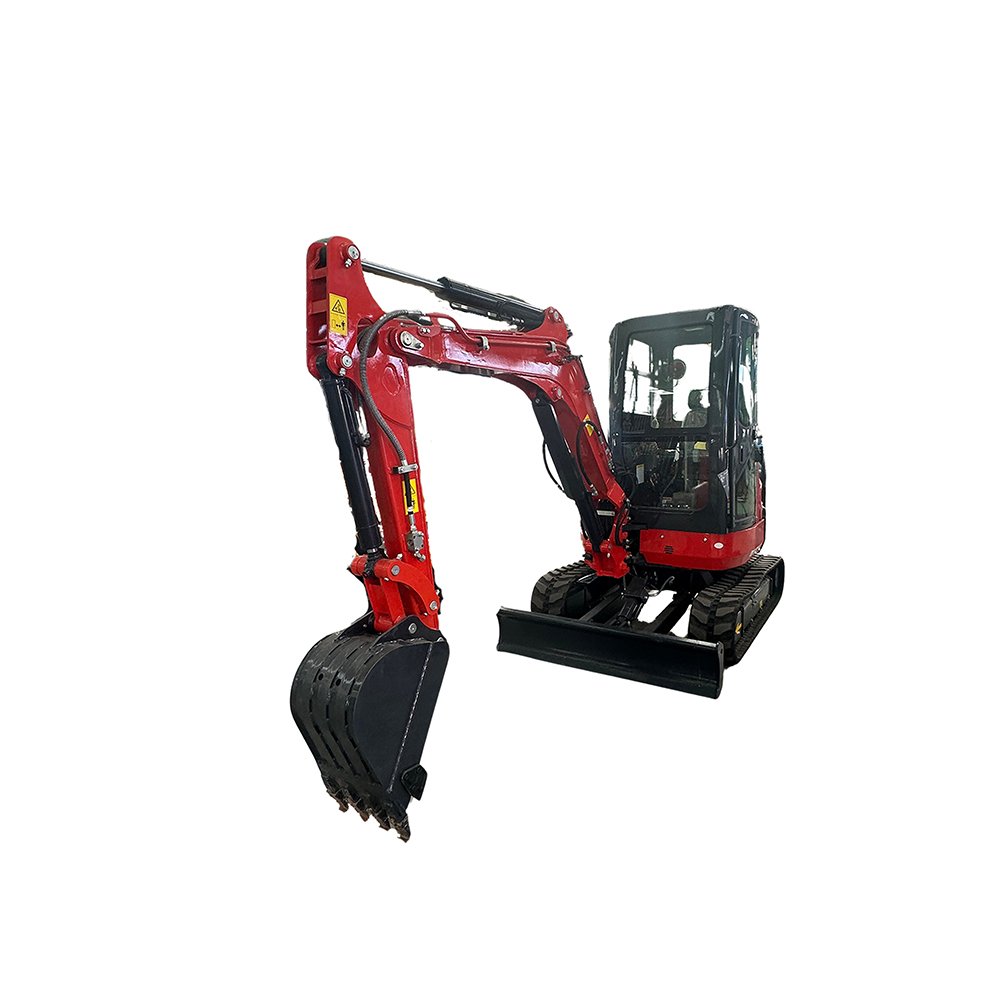
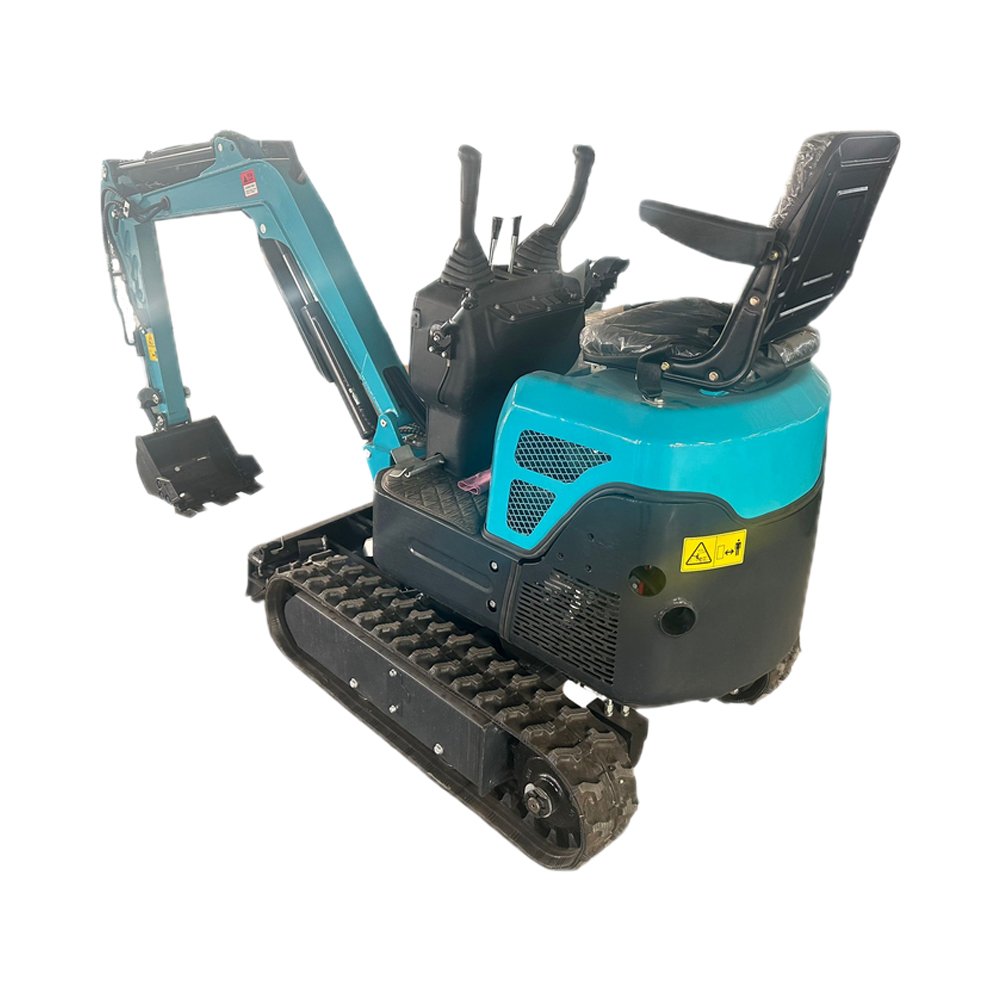
Mini excavators are compact hydraulic machines designed for digging, trenching, grading, lifting, and material handling. Most models feature a rotating cab, adjustable boom, hydraulic arm, and interchangeable attachments.
Their smaller footprint allows operators to work in confined areas such as:
- Residential backyards
- Narrow urban construction zones
- Sidewalk repair sites
- Small commercial projects
- Landscaping environments
- Utility installation areas
Despite their compact dimensions, mini excavators deliver excellent digging power and operational flexibility.
Key Advantages of Mini Excavators on Small Construction Sites
Easy Maneuverability
Mini excavators are designed to operate in narrow spaces where larger machines cannot easily access. Their compact structure allows smooth movement around buildings, fences, and existing infrastructure.
Reduced Ground Impact
The lighter operating weight helps minimize damage to lawns, pavements, and surrounding surfaces. This makes mini excavators suitable for residential and landscaping projects.
Fuel Efficiency
Modern mini excavators are engineered for lower fuel consumption while maintaining strong hydraulic performance. This improves overall project efficiency.
Versatile Attachment Options
Operators can use various attachments such as:
- Buckets
- Hydraulic breakers
- Augers
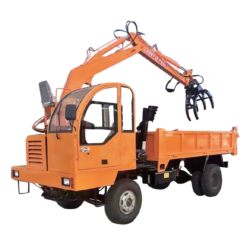
- Grapples
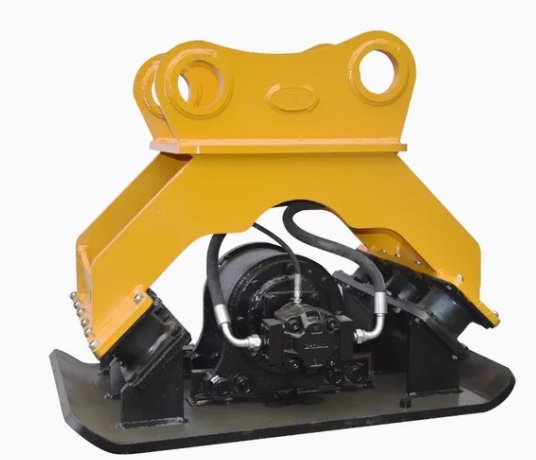
- Compactors
These attachments allow one machine to handle multiple construction tasks.
Lower Transportation Costs
Mini excavators are easier to transport between job sites using smaller trailers and trucks.
Preparing the Construction Site
Inspect the Work Area
Before operating a mini excavator, carefully inspect the construction site. Identify obstacles such as:
- Underground utilities
- Trees and roots
- Slopes
- Soft ground
- Existing structures
A proper site inspection helps prevent delays and improves safety.
Plan Machine Access Routes
Ensure there is enough space for the excavator to enter, operate, and exit the site safely. Clear unnecessary debris and organize materials efficiently.
Check Ground Conditions
Stable ground is essential for safe excavator operation. Wet or loose soil may reduce machine stability during digging or lifting tasks.
Conducting a Pre-Operation Inspection
A pre-operation inspection ensures the excavator is ready for safe and efficient use.
Examine Hydraulic Systems
Check hydraulic hoses, fittings, and cylinders for leaks or visible wear.
Inspect Tracks and Undercarriage
Verify that rubber or steel tracks are properly tensioned and free from damage.
Check Fluid Levels
Inspect engine oil, coolant, hydraulic fluid, and fuel levels before starting the machine.
Test Safety Features
Confirm that safety systems such as seat belts, warning alarms, lights, and emergency shut-off controls are functioning correctly.
Starting and Operating the Mini Excavator
Enter the Cab Safely
Use handrails and steps when entering the cab. Adjust the seat and controls for comfortable operation.
Understand the Control Layout
Most mini excavators use joystick controls to operate:
- Boom movement
- Arm extension
- Bucket positioning
- Cab rotation
- Travel direction
Operators should familiarize themselves with the machine controls before beginning work.
Start Slowly
Operate the machine at moderate speeds when working on small sites. Smooth control movements improve precision and reduce unnecessary wear.
Maintain Visibility
Always maintain a clear view of the surrounding work area. Use mirrors and cameras if available.
Digging Techniques for Small Construction Sites
Position the Machine Properly
Place the excavator on stable ground before digging. Proper positioning improves balance and digging efficiency.
Use Smooth Digging Motions
Avoid aggressive or jerky movements. Controlled digging helps maintain trench accuracy and reduces fuel consumption.
Work in Layers
When excavating deeper areas, remove soil gradually in layers instead of attempting full-depth digging immediately.
Keep Spoil Piles Organized
Place excavated material away from trench edges and active work zones to maintain site safety and efficiency.
Using Attachments Effectively
Buckets for Excavation
Standard buckets are ideal for trenching, digging foundations, and material movement.
Augers for Drilling
Hydraulic augers simplify post-hole drilling and utility installation work.
Hydraulic Breakers
Breakers can efficiently remove concrete, asphalt, and compact surfaces on renovation projects.
Grapples for Material Handling
Grapples help move debris, logs, rocks, and construction materials safely.
Changing attachments properly improves machine versatility and reduces the need for additional equipment.
Safety Best Practices
Wear Proper Protective Equipment
Operators should use:
- Safety helmets
- High-visibility clothing
- Steel-toe boots
- Gloves
- Eye protection
Maintain Safe Distances
Keep workers and pedestrians away from the excavator’s swing radius and digging area.
Monitor Overhead Hazards
Watch for power lines, tree branches, and structures when operating the boom.
Avoid Overloading
Never exceed the excavator’s lifting or digging capacity. Following manufacturer guidelines improves safety and machine longevity.
Improving Efficiency on Small Construction Sites
Plan Tasks Strategically
Organize digging, loading, and material handling tasks to reduce unnecessary machine movement.
Use the Right Attachment
Choosing the correct attachment improves productivity and reduces operating time.
Minimize Idle Time
Turning off the machine during extended breaks helps save fuel and reduce engine wear.
Schedule Regular Maintenance
Routine maintenance keeps the excavator operating at peak performance and helps prevent downtime.
Common Applications for Mini Excavators
Mini excavators are widely used for:
- Residential foundation digging
- Landscaping and grading
- Utility trenching
- Drainage installation
- Fence post drilling
- Demolition preparation
- Roadside repairs
- Garden construction
Their flexibility makes them valuable for contractors handling diverse project types.
Choosing the Right Mini Excavator
Consider Machine Size
Select a machine that matches the available workspace and project requirements.
Evaluate Digging Depth
Different models offer varying digging depths and reach capabilities.
Assess Hydraulic Power
Hydraulic performance affects attachment compatibility and digging strength.
Prioritize Operator Comfort
Comfortable seating, intuitive controls, and good visibility improve long-term productivity.
The Future of Mini Excavators
Modern mini excavators continue evolving with new technologies such as:
- Electric-powered systems
- Advanced telematics
- Smart hydraulic controls
- Improved fuel efficiency
- Enhanced operator assistance features
These innovations are helping construction companies improve sustainability, productivity, and operational precision.
Knowing how to use a mini excavator on small construction sites is essential for improving efficiency, safety, and project performance. With proper planning, safe operating practices, and regular maintenance, mini excavators can handle a wide variety of tasks in confined environments.
Their compact design, versatility, and strong hydraulic capabilities make them one of the most practical machines for modern small-scale construction projects. Whether used for residential work, landscaping, utility installation, or site preparation, mini excavators provide reliable performance and valuable flexibility for contractors and operators alike.