








Industry News
Second Hand Excavator Price Guide for Budget Buyers
May
The construction and landscaping industries continue to grow worldwide, increasing the demand for reliable heavy equipment at affordable prices. For many contractors, small business owners, farmers, and project managers, purchasing a second hand excavator is a practical way to reduce investment costs while still gaining access to dependable machinery.
Second hand excavators are widely used in construction, agriculture, road maintenance, demolition, and landscaping projects. Modern excavators are designed for durability and long operating life, making used equipment an attractive option for budget-conscious buyers.
Understanding the pricing structure of second hand excavators can help buyers make informed purchasing decisions. Factors such as machine size, operating hours, brand reputation, maintenance history, and attachments all influence market value. This guide explains how buyers can evaluate prices, identify valuable features, and choose the right excavator for long-term performance.
Why Budget Buyers Choose Second Hand Excavators
Buying a second hand excavator offers several advantages for businesses and individuals seeking cost-effective equipment solutions. Compared to purchasing new machinery, used excavators often provide significant savings while maintaining strong operational performance.
Budget buyers frequently choose used excavators because they offer:
- Lower upfront investment
- Faster return on investment
- Access to advanced machine features at reduced prices
- Lower depreciation rates
- Wider selection of equipment models
Many modern excavators are engineered to operate efficiently for thousands of working hours. With proper maintenance and regular servicing, a used excavator can continue performing reliably across a wide range of job sites.
For small construction companies or first-time equipment owners, second hand excavators create opportunities to expand operations without placing excessive pressure on financial resources.
Average Price Ranges for Second Hand Excavators
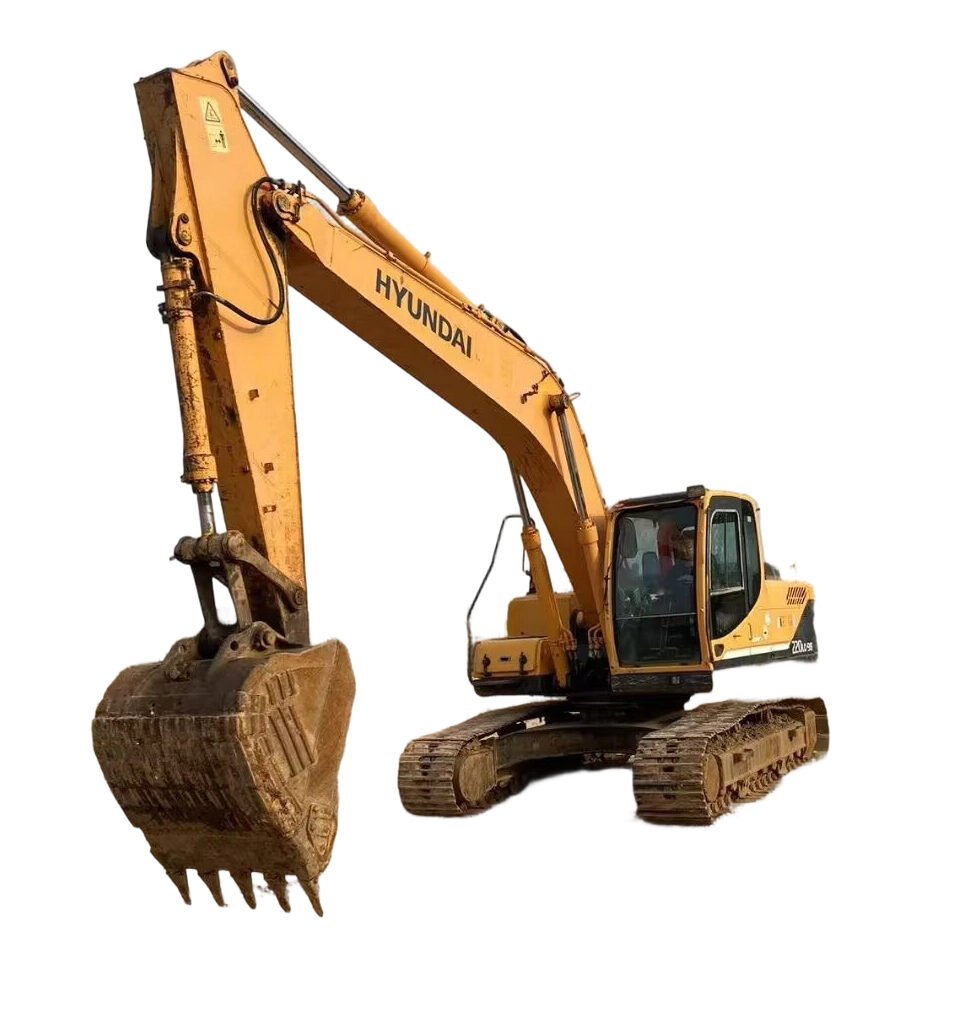
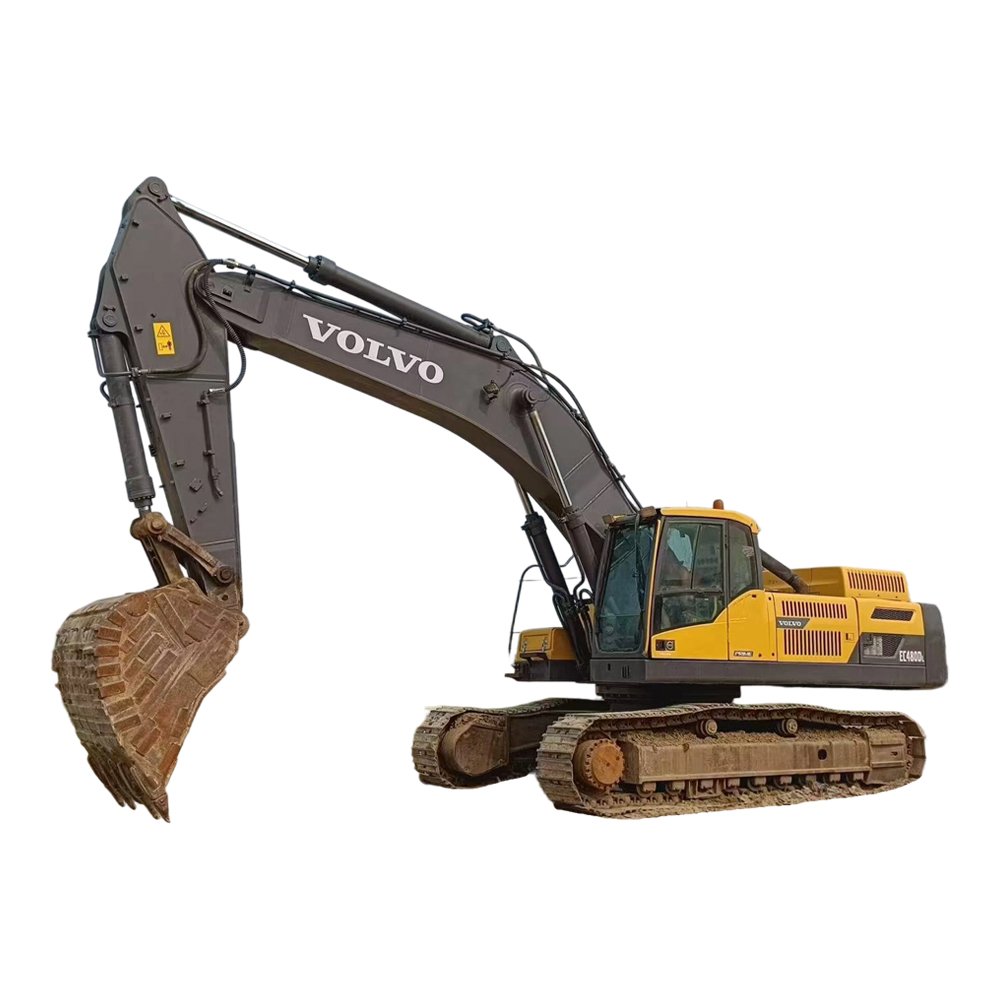
The price of a second hand excavator depends heavily on machine size, condition, age, and operating hours. Compact mini excavators generally cost less than large construction excavators designed for industrial projects.
Typical market price ranges include:
| Excavator Type | Estimated Price Range |
|---|---|
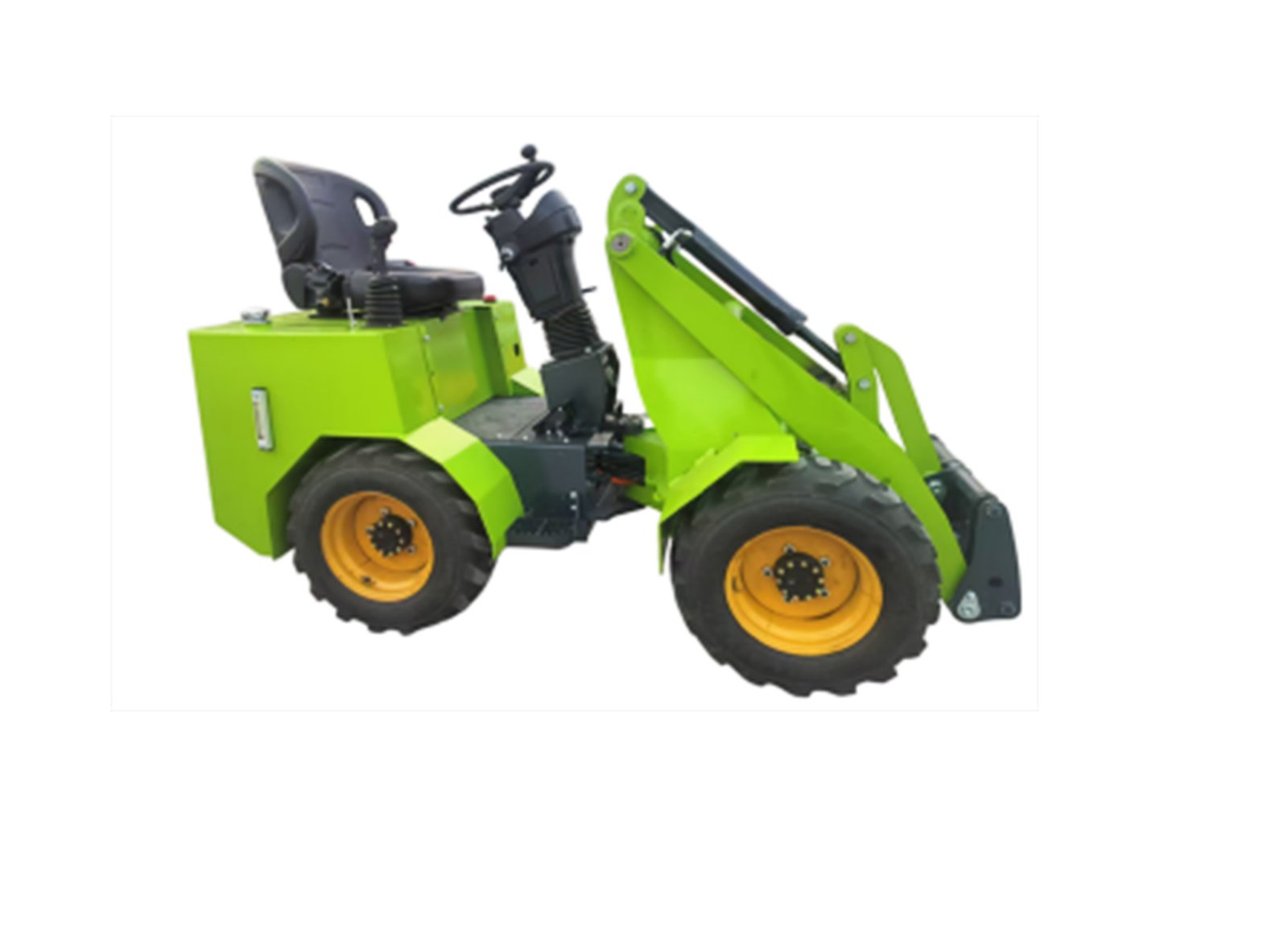
| Mini Excavators | $8,000 – $35,000 |
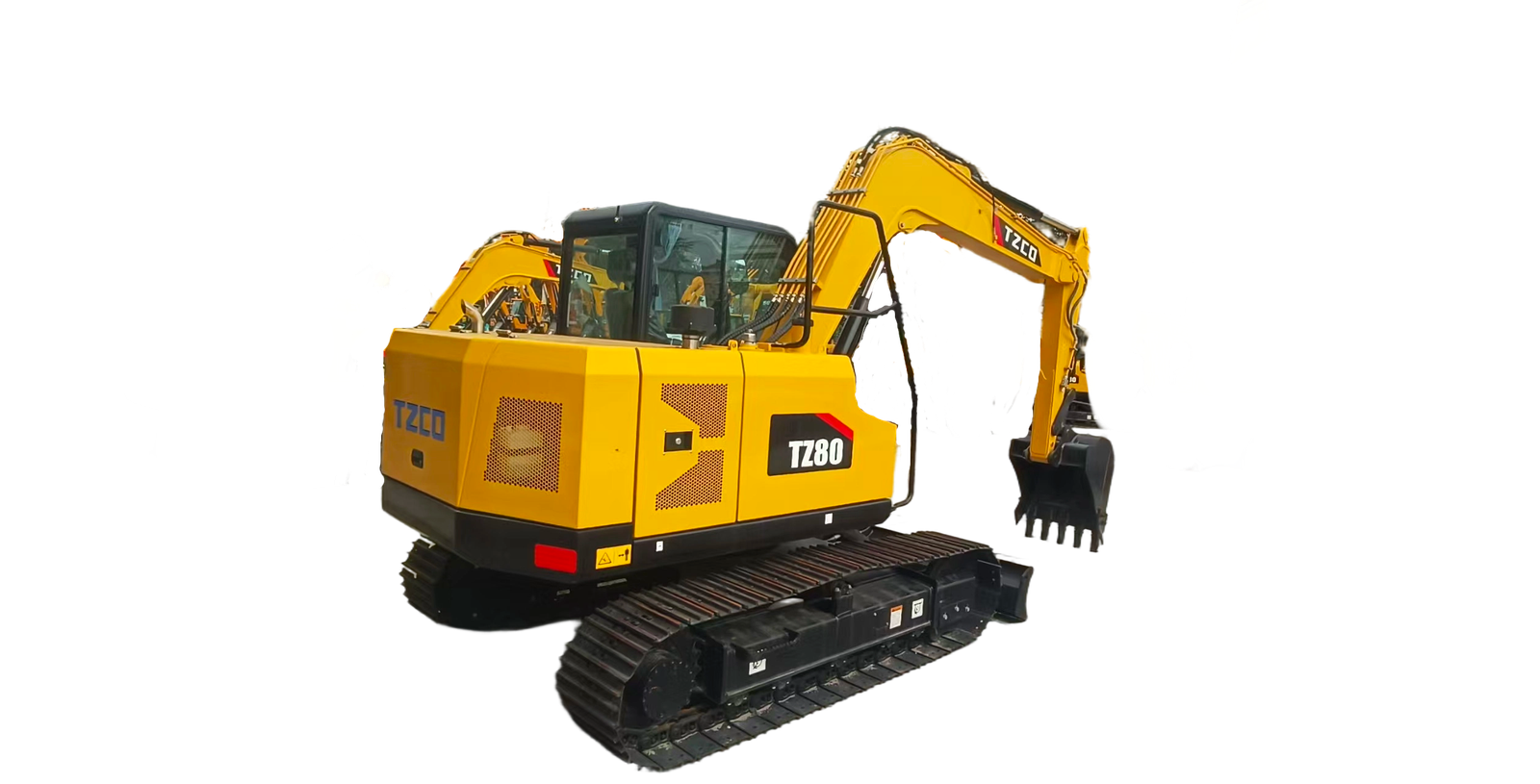
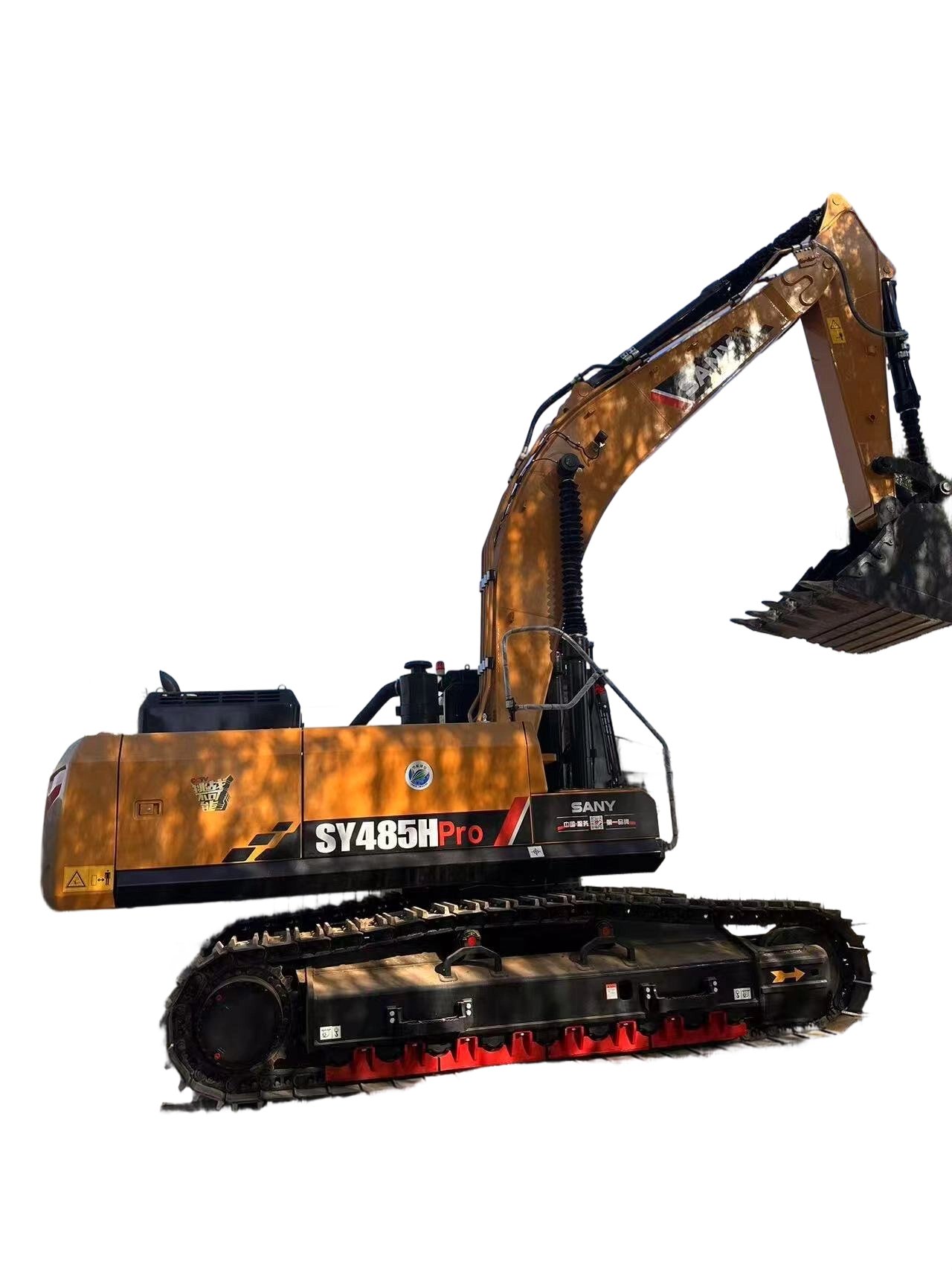
| Mid-Size Excavators | $35,000 – $80,000 |
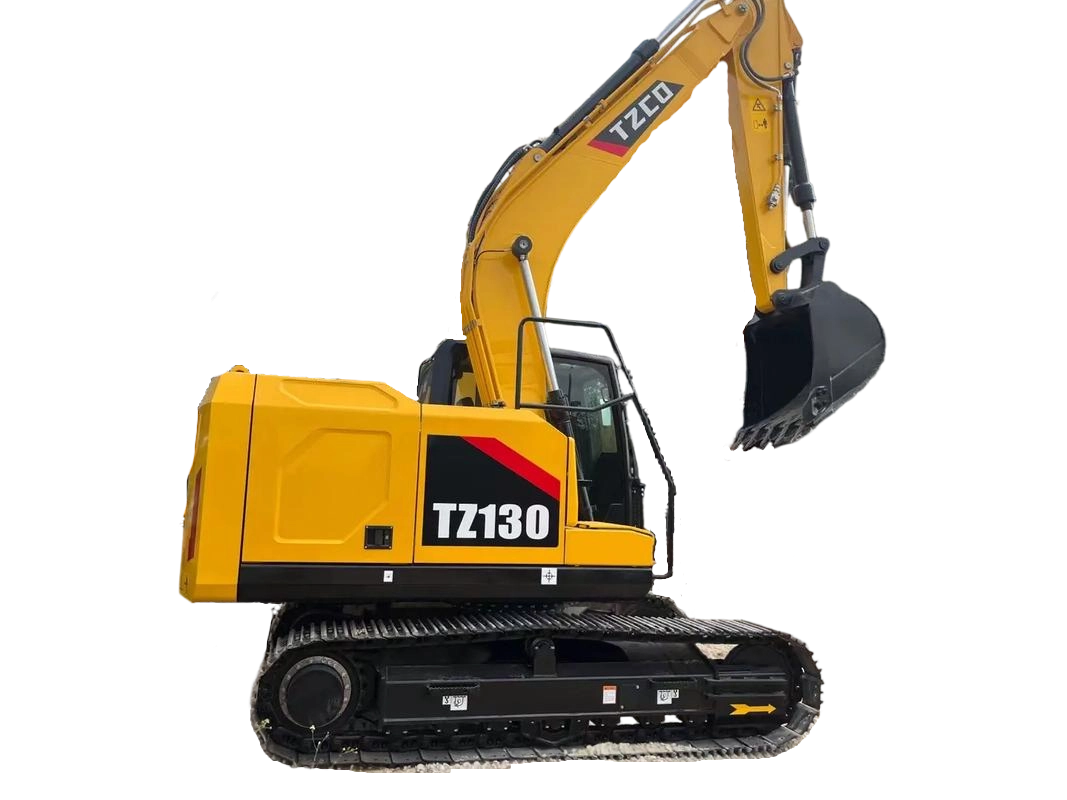
| Large Excavators | $80,000 – $200,000+ |
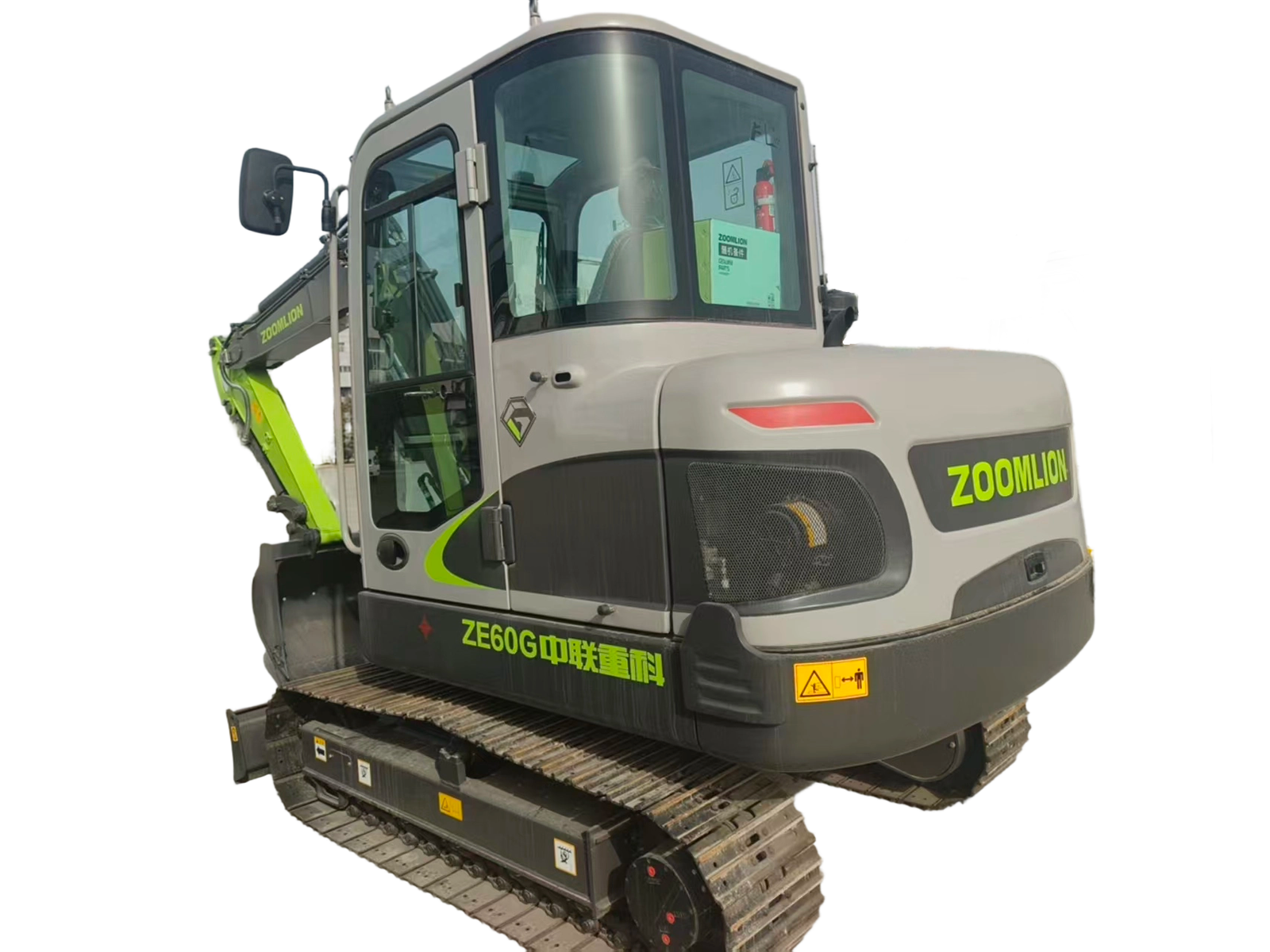
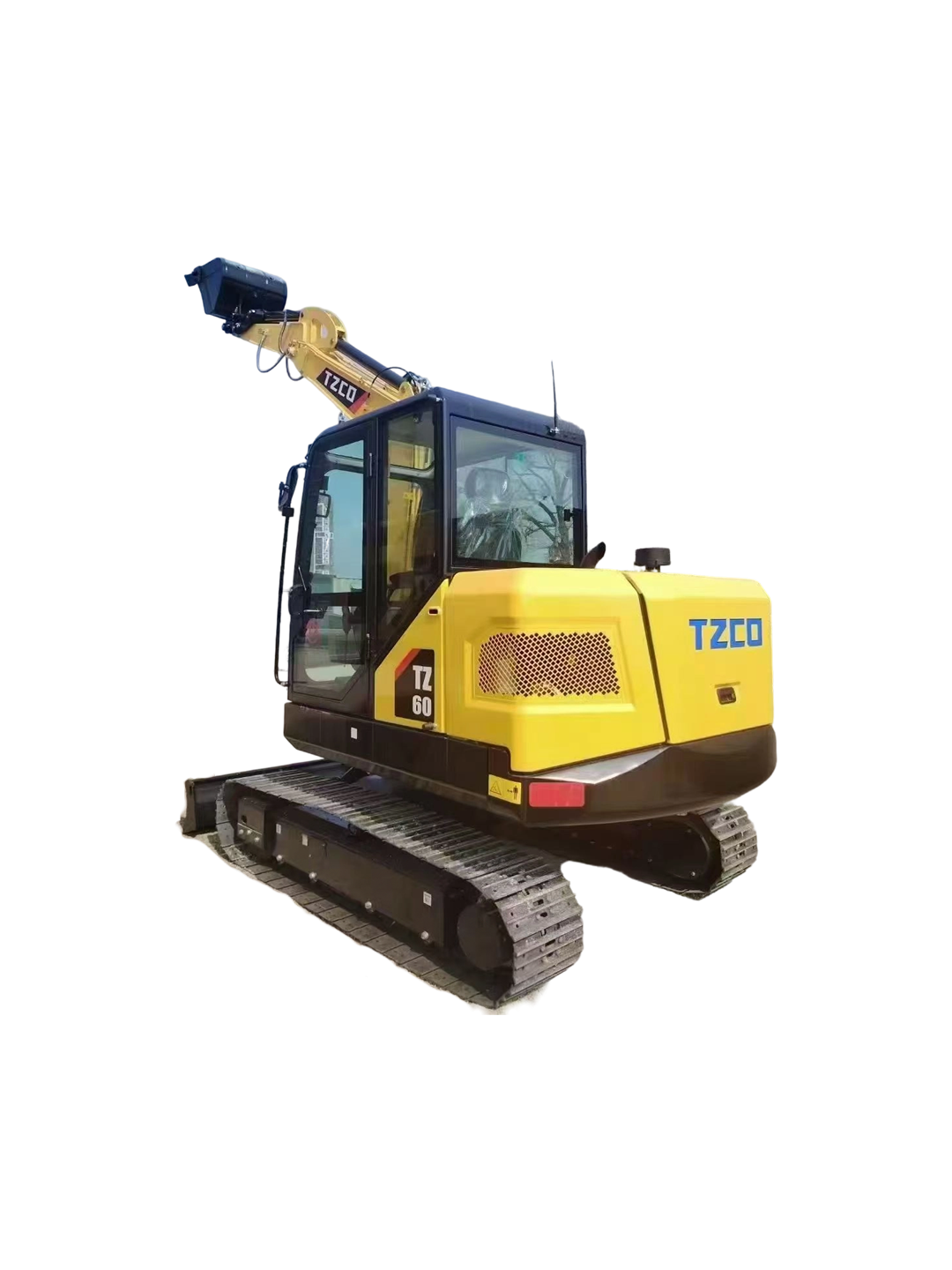
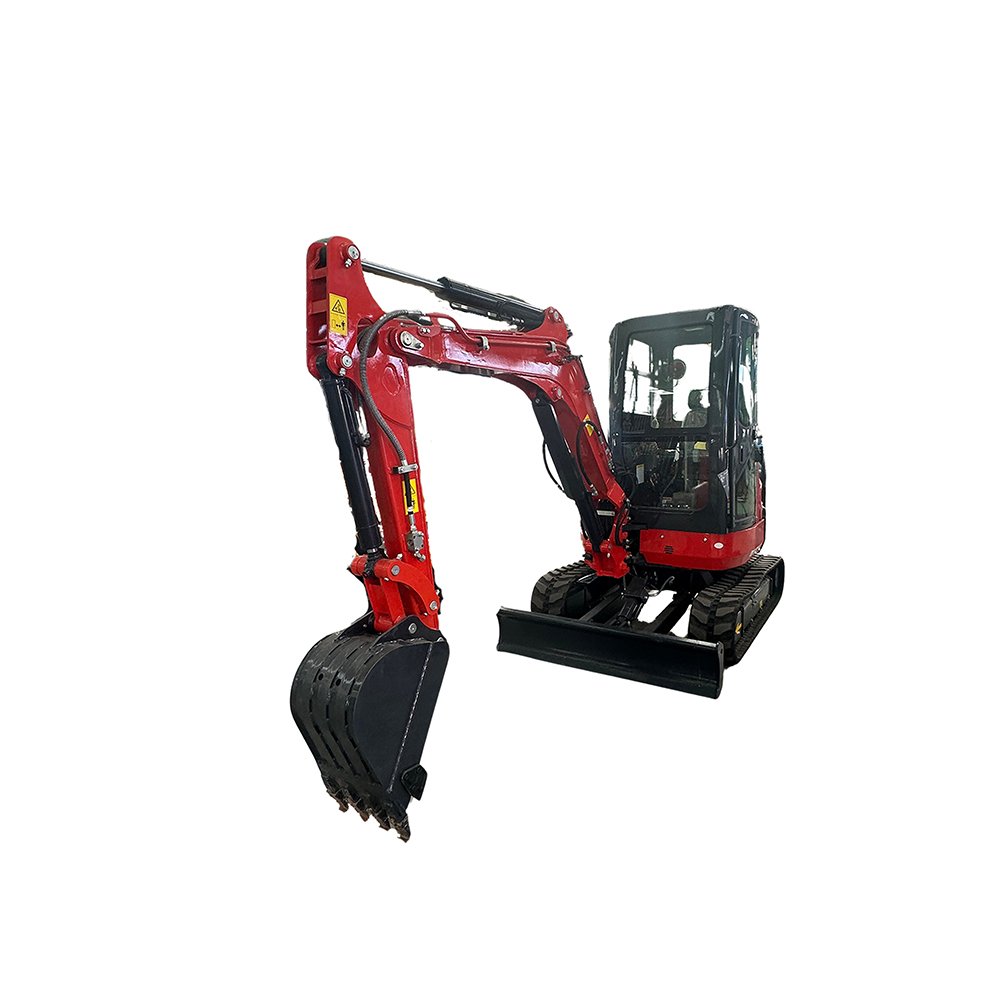
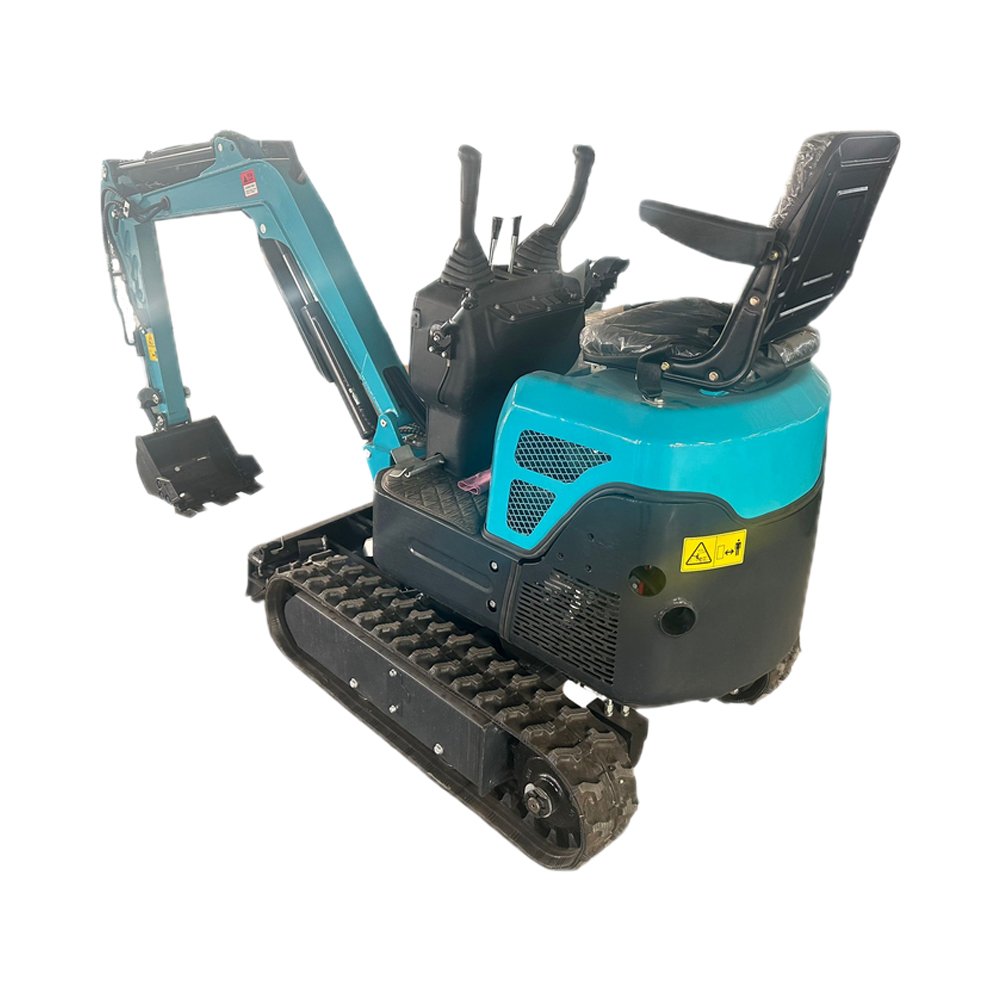
Mini excavators are especially popular among budget buyers because they are versatile, fuel-efficient, and suitable for smaller projects. Mid-size excavators are commonly used in commercial construction, while larger models are preferred for mining, infrastructure, and heavy-duty operations.
Machine condition remains one of the biggest pricing factors. Well-maintained equipment with complete service records typically commands higher resale value due to its reliability and operational efficiency.
Key Factors That Affect Excavator Prices
Several important factors influence second hand excavator pricing. Buyers should evaluate each area carefully before making a purchase decision.
Machine Age
Older excavators generally cost less than newer models. However, age alone does not determine equipment quality. Some older machines with excellent maintenance histories may outperform newer units that received limited servicing.
Buyers should balance price savings with expected machine lifespan and maintenance needs.
Operating Hours
Excavator operating hours function similarly to mileage on a vehicle. Machines with lower working hours often maintain higher market value because they may experience less wear on key components.
Typical operating hour ranges include:
- Low hours: Under 3,000 hours
- Medium hours: 3,000 – 7,000 hours
- High hours: Over 7,000 hours
Regular servicing is often more important than hours alone. A properly maintained machine with higher hours can still deliver reliable performance.
Machine Condition
Physical condition significantly impacts resale pricing. Buyers should inspect:
- Hydraulic systems
- Tracks or tires
- Engine performance
- Boom and arm structure
- Cabin condition
- Electrical systems
Clean, well-maintained excavators generally indicate responsible ownership and proper equipment care.
Attachments and Accessories
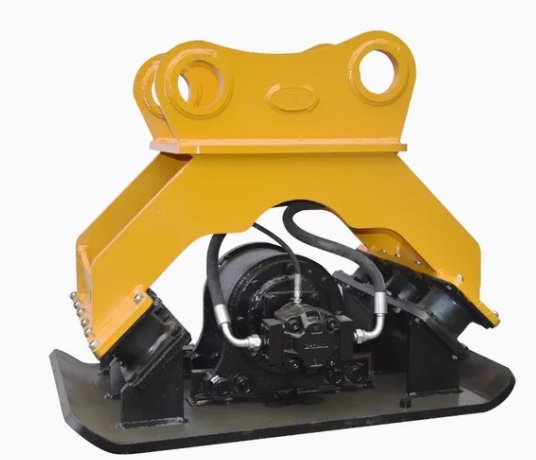
Additional attachments can increase machine value. Popular excavator attachments include:
- Buckets
- Hydraulic breakers
- Augers
- Grapples
- Quick couplers
Multi-purpose equipment often provides better value for contractors handling different project types.
Best Excavator Sizes for Budget Buyers
Choosing the correct excavator size helps buyers maximize both productivity and cost efficiency.
Mini Excavators
Mini excavators are ideal for:
- Residential landscaping
- Small construction projects
- Farm maintenance
- Utility trenching
- Backyard excavation
Their compact design allows easy transportation and operation in tight spaces. Fuel efficiency and lower maintenance costs also make mini excavators highly attractive to budget-conscious buyers.
Mid-Size Excavators
Mid-size excavators are commonly selected for:
- Commercial construction
- Road work
- Medium-scale demolition
- Site preparation
These machines offer stronger digging power while remaining easier to transport than larger industrial equipment.
Large Excavators
Large excavators are suitable for:
- Mining operations
- Infrastructure development
- Heavy earthmoving
- Large demolition projects
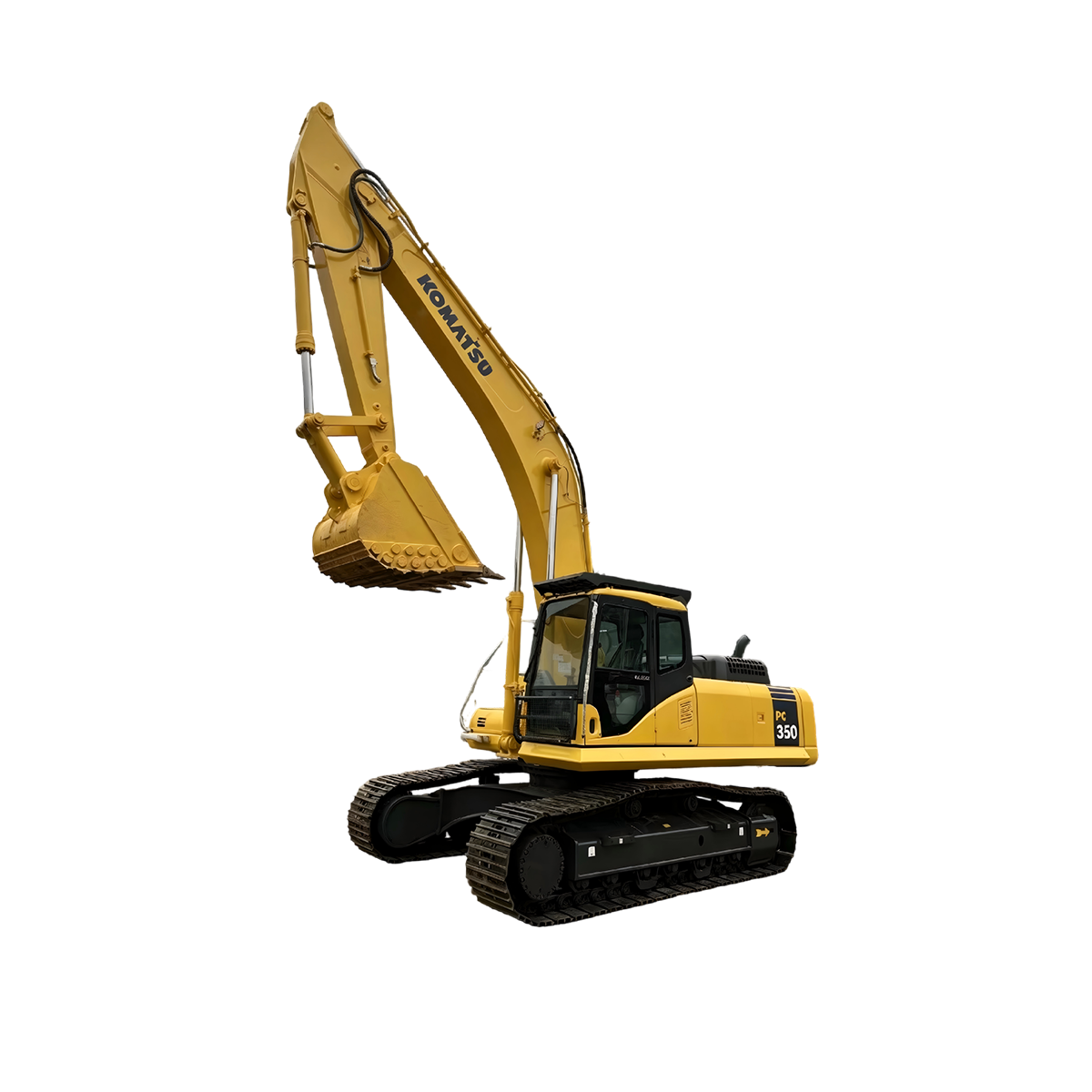
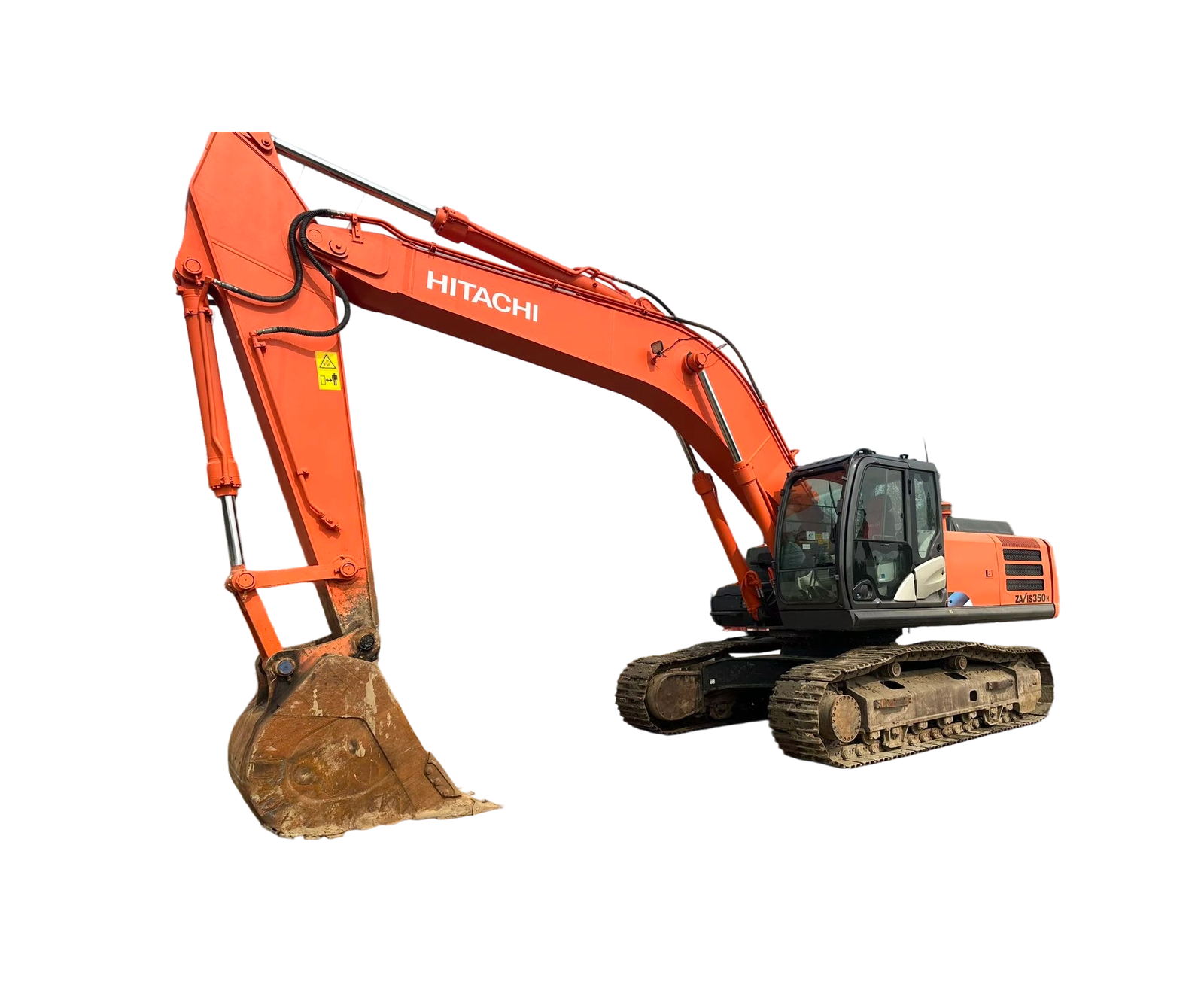
While large excavators require higher investments, they provide excellent productivity for demanding applications.
Tips for Evaluating a Used Excavator
Careful inspection is essential before purchasing any second hand excavator. Buyers should focus on both mechanical condition and long-term operating potential.
Important inspection steps include:
Review Service Records
Maintenance documentation helps confirm whether the excavator received regular servicing. Oil changes, hydraulic maintenance, and component replacements are positive indicators of equipment care.
Check Hydraulic Performance
Hydraulic systems power most excavator functions. Buyers should test boom movement, bucket response, and overall hydraulic smoothness during operation.
Inspect Undercarriage Wear
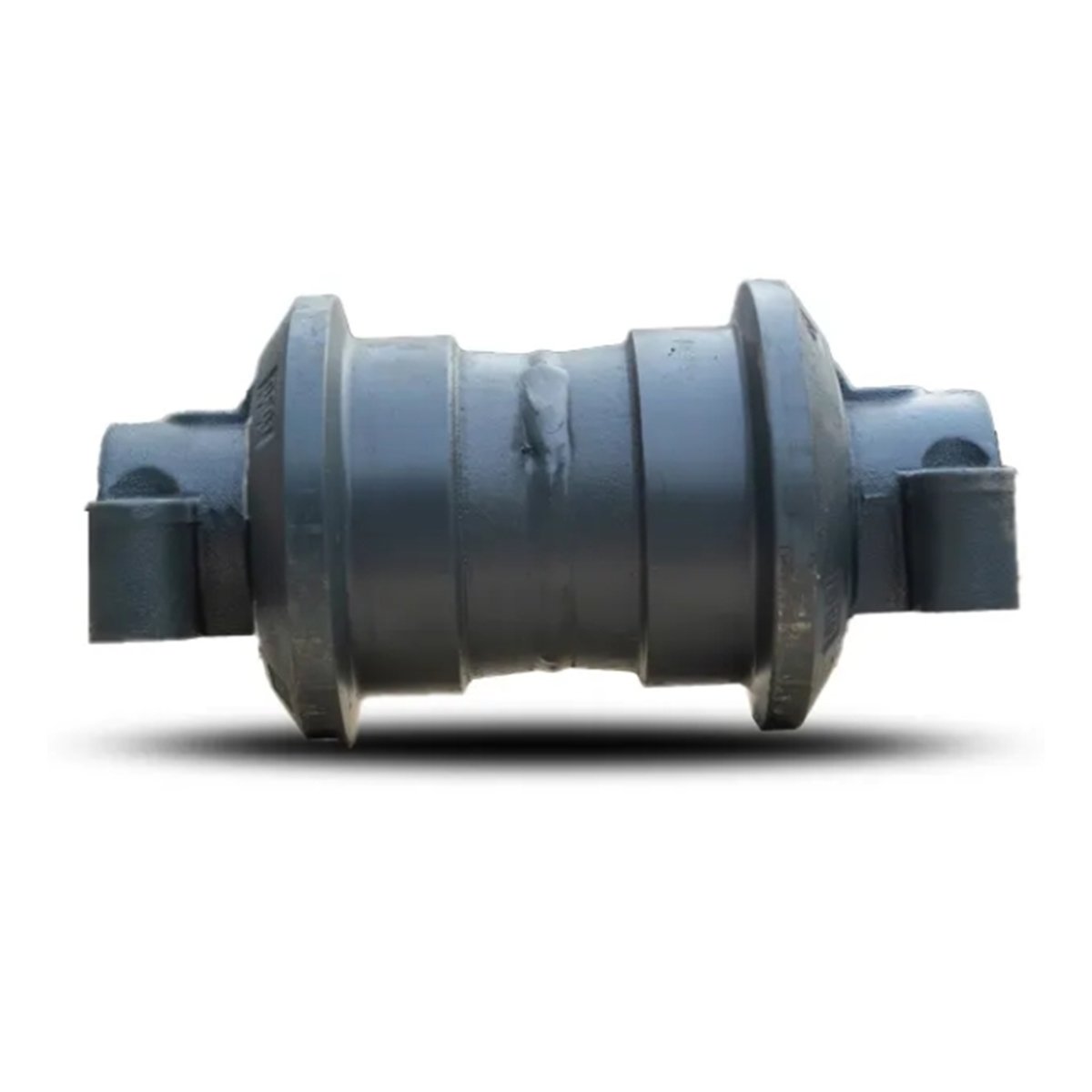
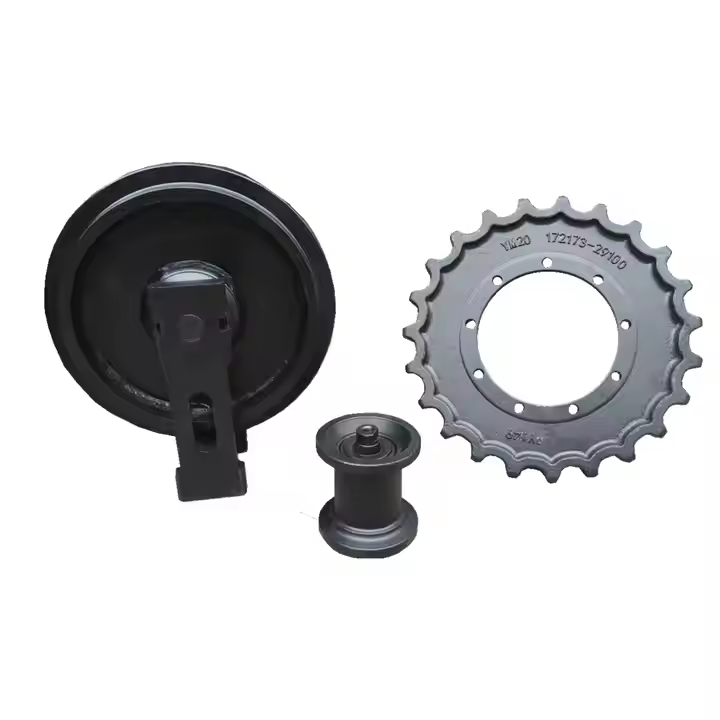
Tracks, rollers, and undercarriage components experience constant stress. Excessive wear can increase future maintenance expenses.
Examine Engine Operation
A smooth-running engine with stable performance often indicates healthy equipment condition. Buyers should listen for unusual noises and check for consistent startup behavior.
Test Attachments
If attachments are included, verify their functionality and compatibility with the machine.
Financing Options for Budget Buyers
Many equipment dealers and machinery suppliers offer financing solutions that help buyers manage equipment costs more effectively.
Popular financing options include:
- Equipment loans
- Lease-to-own agreements
- Monthly installment plans
- Commercial financing packages
Financing allows businesses to preserve working capital while still acquiring essential construction equipment.
Some buyers also explore seasonal promotions or equipment auctions to secure competitive pricing opportunities.
Benefits of Buying from Trusted Equipment Suppliers
Purchasing from reputable machinery suppliers can provide added confidence for buyers. Established dealers often offer:
- Machine inspection reports
- Service history records
- Equipment warranties
- Technical support
- Delivery assistance
Trusted suppliers may also provide guidance regarding machine selection, attachments, and maintenance planning.
Companies such as THBSMN are known for offering a wide range of second hand excavators suitable for different project requirements and budget levels.
Future Trends in the Used Excavator Market
The second hand excavator market continues evolving alongside construction industry growth and equipment technology improvements.
Emerging trends include:
- Increased demand for fuel-efficient machinery
- Growing interest in compact excavators
- Expansion of online equipment marketplaces
- Advanced telematics and machine monitoring systems
- Higher focus on sustainability and equipment reuse
As more businesses seek cost-effective machinery solutions, used excavators are expected to remain an important part of the global construction equipment market.
Second hand excavators provide an excellent opportunity for budget buyers to access reliable construction equipment at affordable prices. By understanding pricing factors such as machine size, operating hours, condition, and attachments, buyers can make smarter purchasing decisions that support long-term productivity.
Careful inspection, proper maintenance evaluation, and selecting the right excavator size are essential steps for maximizing equipment value. Whether used for landscaping, construction, agriculture, or infrastructure work, a well-maintained excavator can deliver years of dependable service.
As the used equipment market continues growing, budget buyers have more opportunities than ever to find quality excavators that meet both operational needs and financial goals.