









Industry News
How to Use a Mini Excavator Safely for Beginners
May
Mini excavators have become essential machines in construction, landscaping, agriculture, and residential projects. Their compact size, maneuverability, and versatility make them ideal for digging trenches, moving soil, clearing land, and handling light demolition tasks. For beginners, learning how to operate a mini excavator safely is important not only for improving efficiency but also for maintaining equipment reliability and creating a safer work environment.
Although mini excavators are smaller than standard excavators, they still require proper training, careful operation, and a clear understanding of safety procedures. Beginners who understand machine controls, inspection routines, worksite awareness, and operational techniques can develop confidence while reducing unnecessary risks. This guide explains step-by-step safety tips and best practices for using a mini excavator correctly and efficiently.
Understanding What a Mini Excavator Does
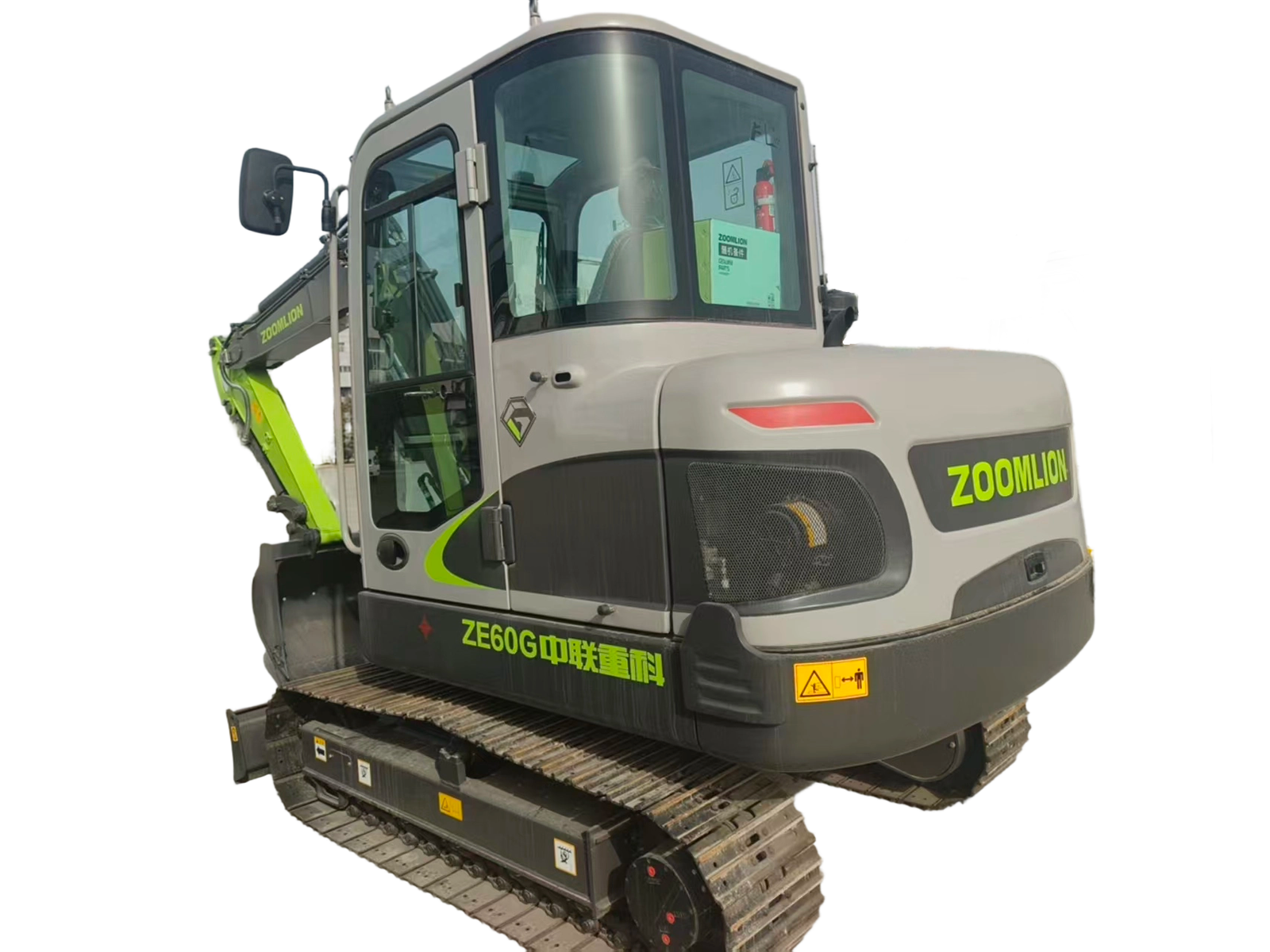
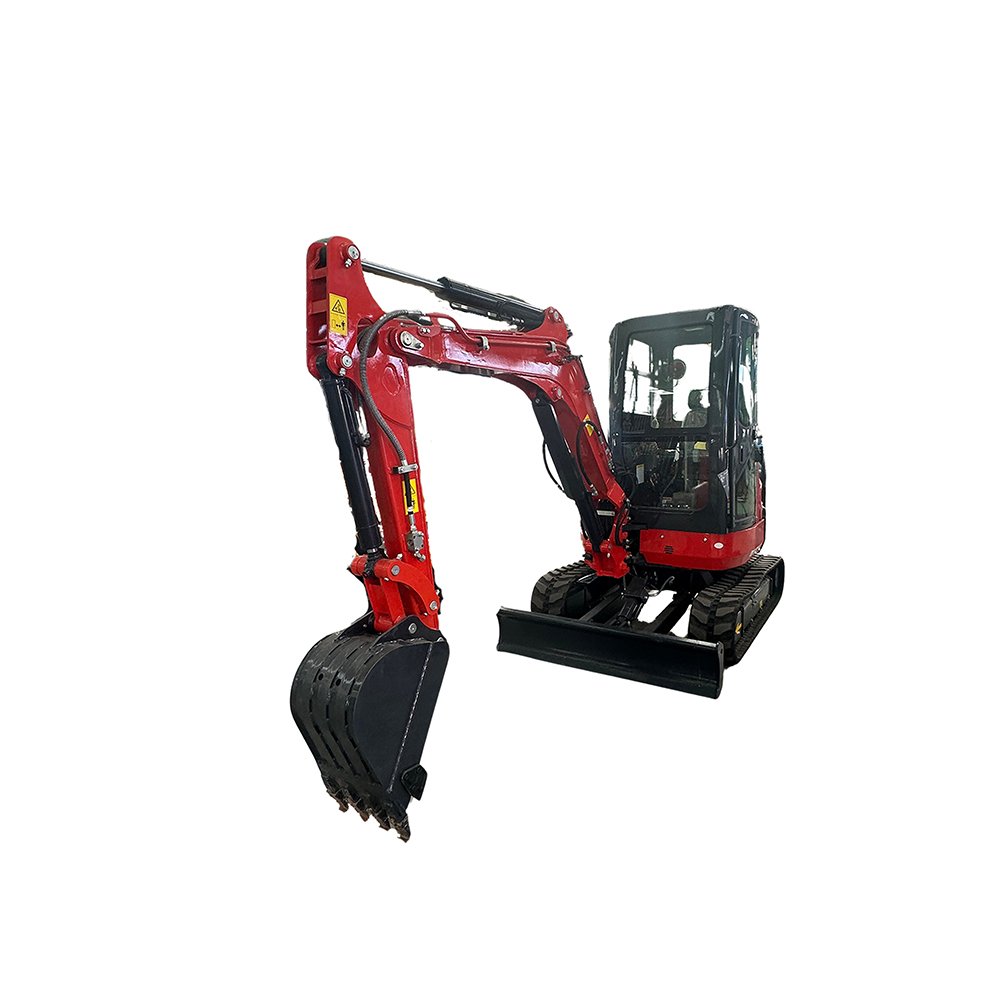
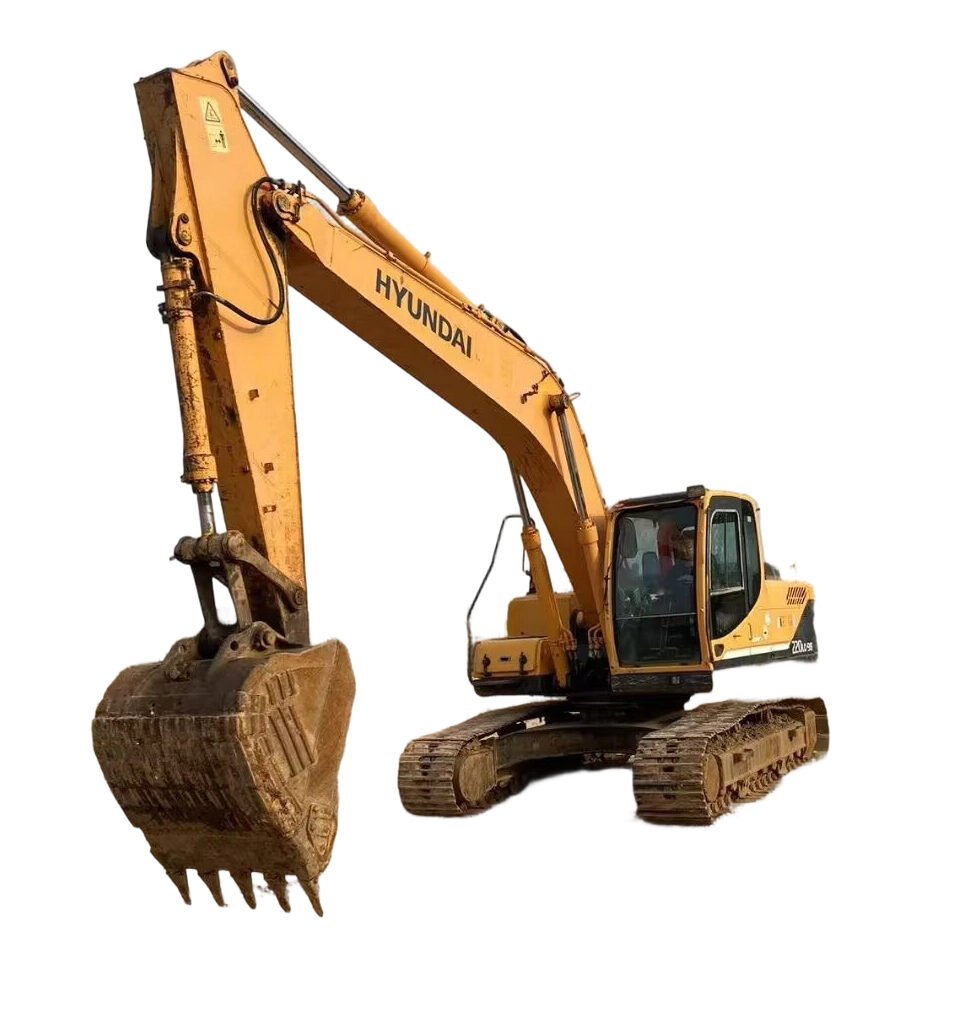
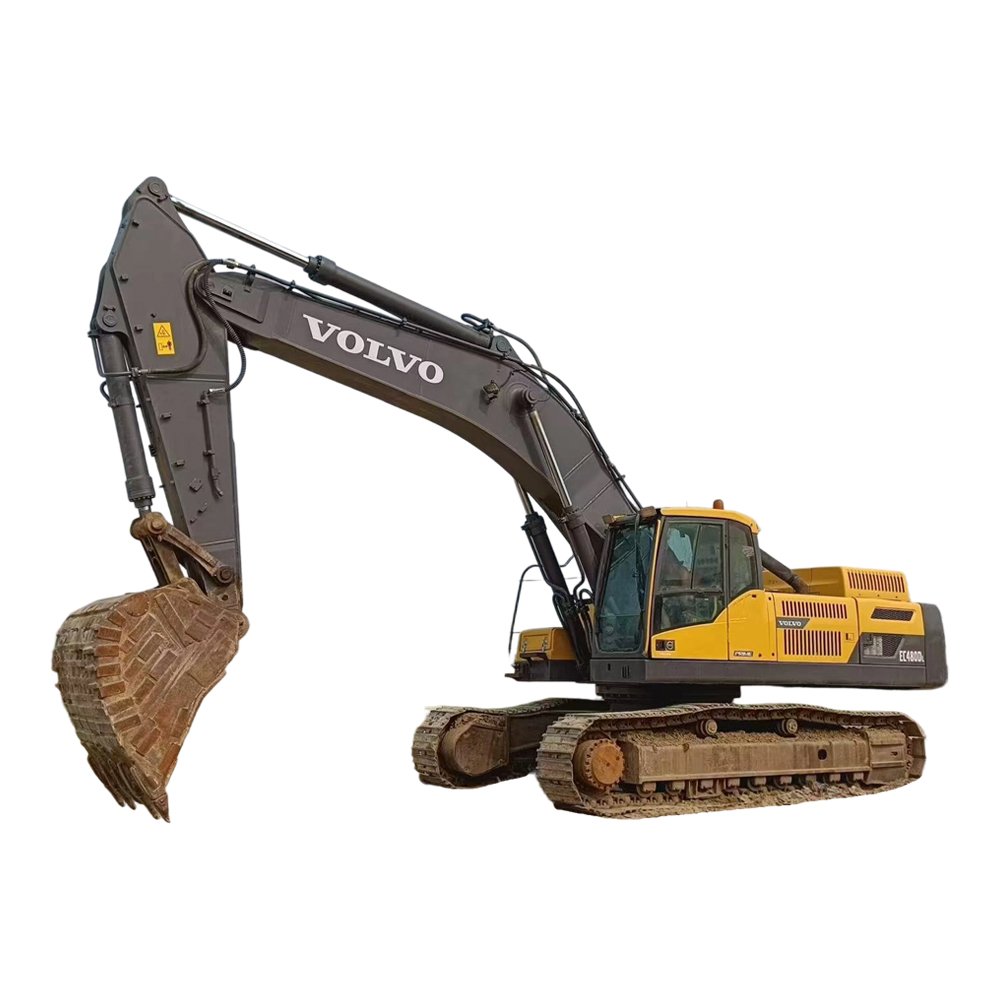
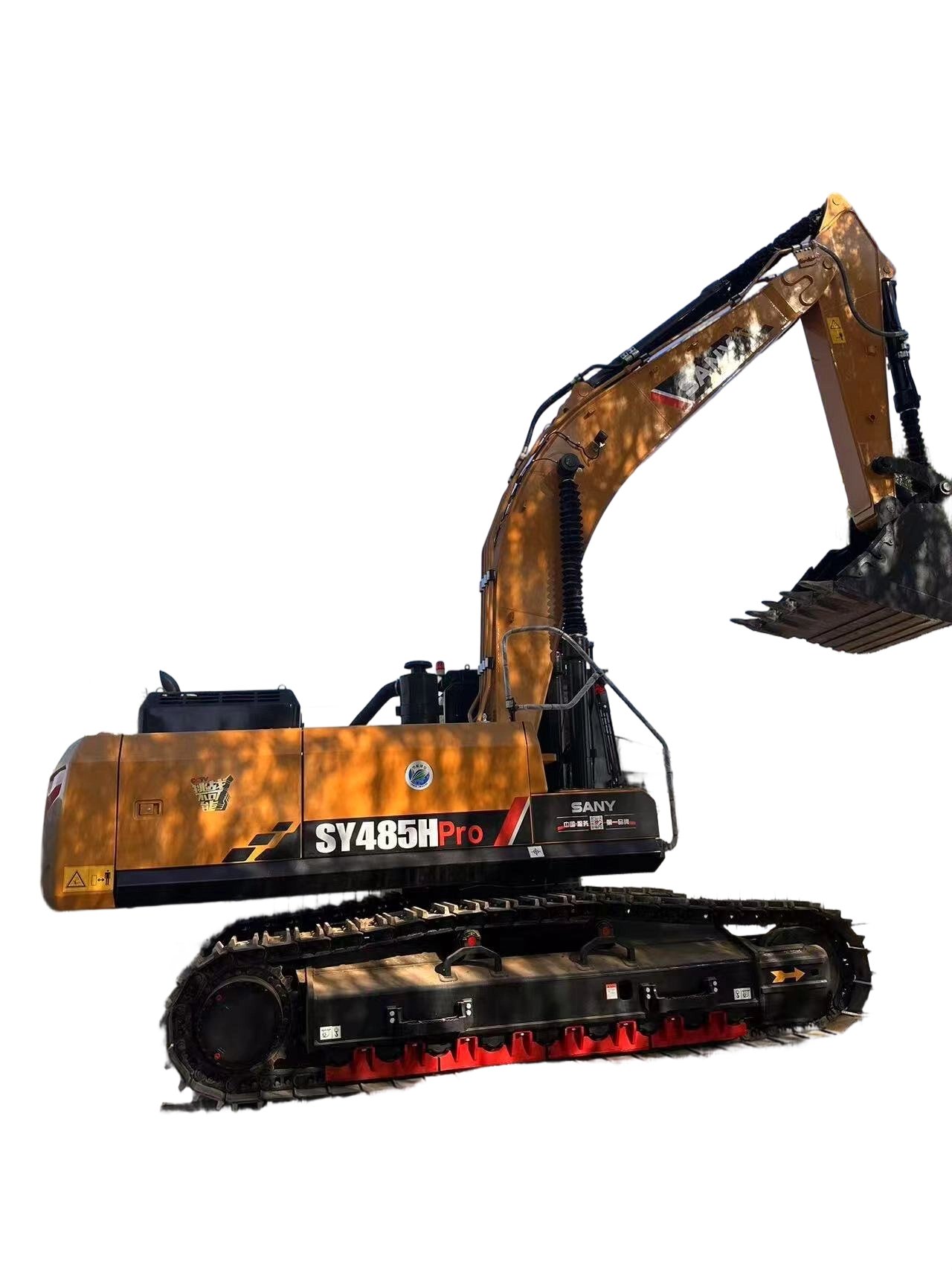
A mini excavator is a compact hydraulic machine designed for digging, lifting, grading, trenching, and material handling. Most mini excavators feature:
- A rotating cab
- Hydraulic boom and arm
- Bucket attachment
- Rubber or steel tracks
- Blade for leveling
Mini excavators are widely used because they can work in confined spaces where larger machines cannot operate efficiently.
Common applications include:
- Landscaping projects
- Utility trenching
- Garden construction
- Small-scale demolition
- Farm maintenance
- Residential excavation
Understanding the machine’s purpose and limitations is the first step toward safe operation.
Read the Operator’s Manual Carefully
Before operating any mini excavator, beginners should study the operator’s manual thoroughly.
The manual contains important information about:
- Machine controls
- Safety procedures
- Load capacity
- Maintenance requirements
- Emergency shutdown methods
- Hydraulic system operation
Each excavator model may have different control layouts and specifications. Familiarity with the machine helps improve safety and operating confidence.
Reading the manual also helps beginners understand recommended operating limits and proper attachment usage.
Wear Proper Personal Protective Equipment
Using the correct personal protective equipment is essential for safe excavator operation.
Recommended safety gear includes:
- Safety helmet
- High-visibility clothing
- Steel-toe boots
- Safety gloves
- Eye protection
- Hearing protection when necessary
Loose clothing and unsecured accessories should be avoided because they may become caught in moving parts.
Proper protective equipment helps reduce injuries and improves overall worksite safety.
Perform a Pre-Operation Inspection
Inspecting the mini excavator before operation is one of the most important safety habits.
Daily inspections help identify issues early and ensure the machine operates properly.
Key inspection areas include:
- Hydraulic hoses
- Engine oil level
- Coolant level
- Fuel level
- Track condition
- Bucket attachment pins
- Warning lights
- Safety alarms
Operators should also check for leaks, loose bolts, cracks, or unusual wear.
Maintaining a consistent inspection routine helps improve equipment reliability and reduces downtime.
Understand Basic Excavator Controls
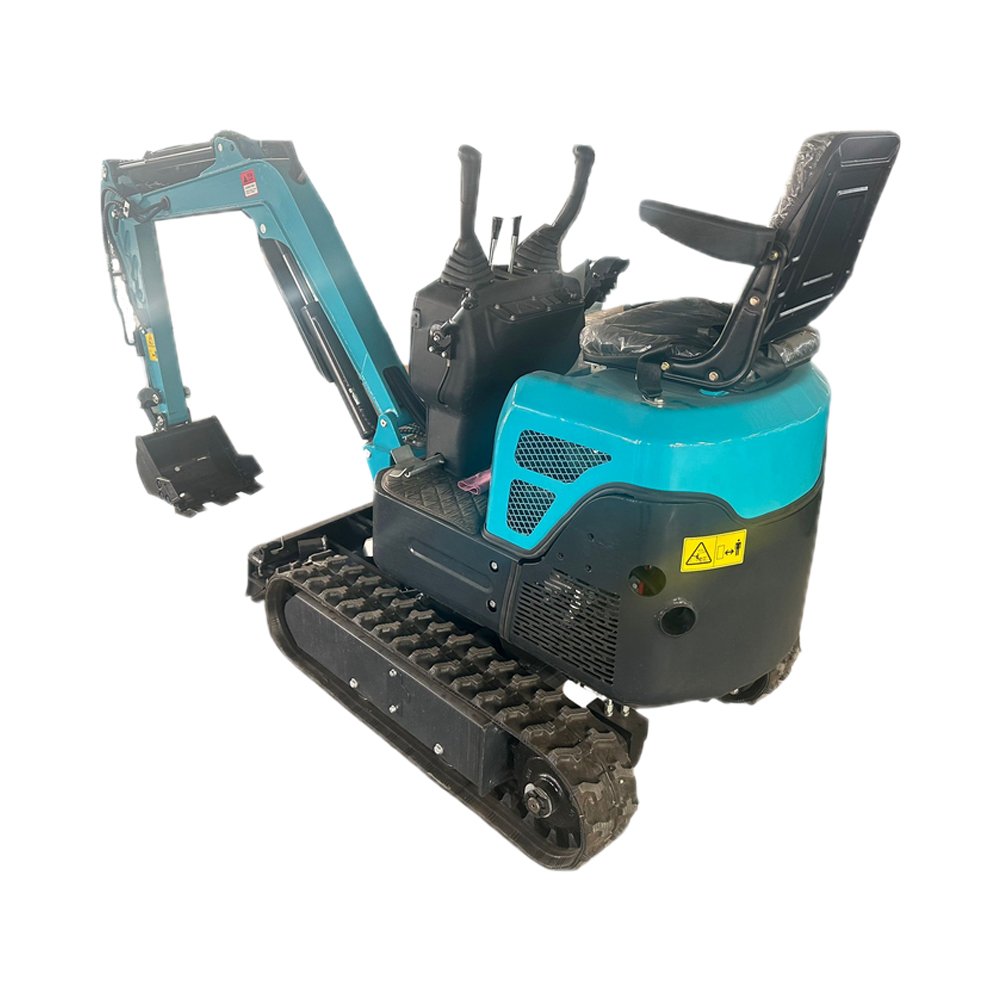
Mini excavators use hydraulic controls to operate the boom, arm, bucket, and tracks.
Beginners should practice understanding:
- Joystick movements
- Travel controls
- Blade operation
- Throttle adjustment
- Cab rotation
- Attachment controls
Most mini excavators use either ISO or SAE control patterns. Learning the correct pattern improves coordination and precision.
Before beginning actual work, operators should practice movements slowly in an open area.
Smooth and controlled movements are safer and help prevent unnecessary machine strain.
Start the Machine Properly
Safe operation begins with correct startup procedures.
Before starting the engine:
- Ensure the area is clear
- Fasten the seat belt
- Adjust mirrors and seating position
- Confirm controls are in neutral
- Check surroundings carefully
Allow the engine to warm up briefly before applying heavy hydraulic loads.
Proper startup routines help protect the hydraulic system and engine components.
Maintain Good Visibility at the Worksite
Visibility is critical for mini excavator safety.
Operators should remain aware of:
- Nearby workers
- Obstacles
- Underground utilities
- Overhead power lines
- Uneven terrain
- Vehicles and equipment
Blind spots can create hazards during machine rotation and travel.
Using mirrors, cameras, and spotters when necessary helps improve visibility and coordination.
A clean cab window also improves operator awareness significantly.
Operate the Excavator on Stable Ground
Mini excavators should always operate on stable and level ground whenever possible.
Soft soil, steep slopes, or unstable surfaces may affect machine balance and traction.
When working on uneven terrain:
- Move slowly
- Keep the bucket low
- Avoid sudden turns
- Travel straight up or down slopes when possible
- Maintain track contact with the ground
Stability is especially important when lifting materials or operating near trenches.
Understanding ground conditions helps prevent machine instability and improves control.
Use Smooth and Controlled Movements
Beginners often make the mistake of operating controls too aggressively.
Sudden movements can reduce precision and increase wear on hydraulic components.
Safe operation involves:
- Smooth joystick inputs
- Controlled boom movement
- Gradual bucket operation
- Slow travel speed
- Balanced machine positioning
Practicing precise movements improves digging efficiency and reduces operator fatigue.
Smooth operation also extends equipment lifespan and improves fuel efficiency.
Keep Bystanders Away from the Machine
Maintaining a safe distance between the excavator and nearby individuals is essential.
The swing radius of the machine can create safety risks during operation.
Worksite safety practices include:
- Setting up clear work zones
- Using warning signs
- Communicating with coworkers
- Avoiding unnecessary pedestrian traffic
No one should stand beneath raised loads or near moving attachments.
Clear communication helps maintain a safer and more organized worksite.
Understand Safe Digging Practices
Safe excavation requires awareness of both machine capability and underground conditions.
Before digging:
- Identify underground utility lines
- Mark excavation boundaries
- Review soil conditions
- Plan spoil pile placement
The excavator should not be overloaded beyond its rated lifting or digging capacity.
Operators should also avoid digging directly beneath the tracks because it may affect stability.
Proper digging techniques improve productivity and reduce unnecessary equipment stress.
Use Attachments Correctly
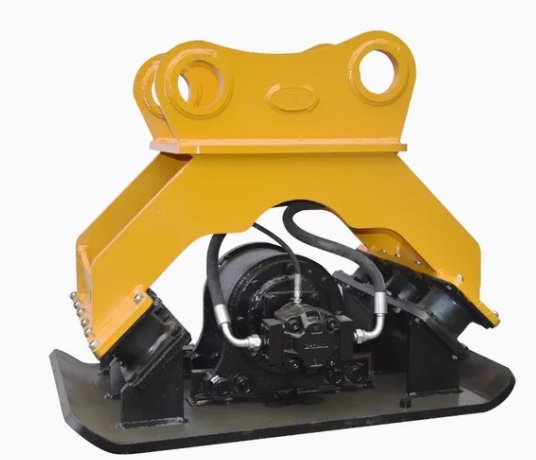
Mini excavators can support multiple attachments such as:
- Buckets
- Augers
- Hydraulic breakers
- Grapples
- Compactors
Each attachment has specific operating requirements and limitations.
Operators should:
- Confirm attachment compatibility
- Inspect attachment connections
- Follow manufacturer recommendations
- Avoid exceeding hydraulic limits
Using attachments correctly improves efficiency and protects the hydraulic system.
Monitor Fuel and Hydraulic Systems
Fuel and hydraulic systems are critical for mini excavator performance.
Operators should regularly monitor:
- Hydraulic fluid levels
- Fuel quality
- Hose condition
- Filter cleanliness
- Fluid temperature
Hydraulic leaks should be addressed promptly to maintain system efficiency.
Routine maintenance supports smoother operation and longer equipment lifespan.
Park the Machine Safely
Proper shutdown and parking procedures help protect both the operator and equipment.
When parking:
- Lower the bucket to the ground
- Engage the parking brake
- Shut off the engine
- Remove the key
- Park on level ground whenever possible
Securing the machine correctly helps prevent unintended movement and improves worksite safety.
Continue Learning and Practicing
Operating a mini excavator safely requires ongoing practice and skill development.
Beginners can improve by:
- Practicing in open areas
- Watching experienced operators
- Taking equipment training courses
- Learning maintenance basics
- Studying safety procedures regularly
Experience helps operators develop better machine awareness, coordination, and efficiency.
Consistent learning is an important part of professional equipment operation.
Benefits of Safe Mini Excavator Operation
Safe operating practices provide long-term advantages for both operators and businesses.
Benefits include:
- Improved productivity
- Reduced equipment wear
- Better fuel efficiency
- Lower maintenance costs
- Enhanced jobsite organization
- Increased operator confidence
Safe operation also supports smoother project completion and better equipment reliability.
Learning how to use a mini excavator safely for beginners is an important step toward successful equipment operation. By understanding machine controls, performing inspections, maintaining visibility, and practicing controlled movements, new operators can build confidence while improving worksite safety.
Mini excavators are powerful and versatile machines that require responsibility, awareness, and proper technique. Combining safety knowledge with regular practice helps beginners operate more efficiently while protecting both equipment and surrounding workers.
With proper training and consistent attention to safety procedures, mini excavator operators can achieve reliable performance and long-term operational success.