








Industry News
Used Kubota Excavator Inspection Checklist Before You Buy
May
Buying a used Kubota excavator can be a smart investment for contractors, landscapers, farmers, and construction businesses looking to reduce equipment costs while maintaining reliable performance. Kubota excavators are widely recognized for their compact design, fuel efficiency, durability, and versatility across various job sites. However, before purchasing a used machine, it is important to complete a detailed inspection to ensure the excavator meets operational and performance expectations.
A careful inspection helps buyers identify machine condition, evaluate maintenance quality, estimate future operating costs, and improve long-term value. Whether purchasing from a dealer, auction, rental fleet, or private seller, following a professional inspection checklist can help buyers make informed decisions with greater confidence.
This article provides a complete used Kubota excavator inspection checklist covering mechanical systems, structural components, hydraulic performance, undercarriage condition, and documentation review.
Why Inspect a Used Kubota Excavator Before Buying
Excavators operate in demanding environments and are exposed to heavy loads, rough terrain, dirt, vibration, and long operating hours. Even well-maintained machines experience wear over time.
Conducting a thorough inspection before purchase helps buyers:
- Verify overall machine condition
- Identify maintenance quality
- Evaluate remaining service life
- Reduce unexpected repair costs
- Improve operational reliability
- Confirm machine value
A professional inspection also helps ensure the excavator matches the intended workload and project requirements.
Check the Machine’s Overall Appearance
The first step is evaluating the excavator’s general condition. A visual inspection can reveal how well the machine has been maintained over its working life.
Look for:
- Excessive rust or corrosion
- Damaged panels or covers
- Poor-quality repainting
- Missing parts
- Weld repairs
- Oil or fluid leaks
- Bent structural components
A clean and organized appearance often indicates regular maintenance and proper ownership practices.
Minor cosmetic wear is normal for used construction equipment, but major structural damage may require further evaluation.
Inspect the Hour Meter and Service History
Operating hours provide important insight into machine usage. Compare the hour meter reading with the machine’s overall condition to ensure consistency.
Ask for:
- Maintenance records
- Oil change history
- Hydraulic service records
- Filter replacement schedules
- Repair invoices
- Ownership documentation
Well-documented maintenance history can demonstrate that the excavator received proper servicing throughout its operational life.
Machines with consistent maintenance often deliver better reliability and long-term performance.
Examine the Engine Condition
The engine is one of the most important components of any excavator. Start the machine and observe its performance carefully.
Check for:
- Smooth startup
- Stable idle operation
- Excessive smoke
- Unusual engine noise
- Warning lights
- Oil leaks
- Coolant leaks
The engine should accelerate smoothly without hesitation or abnormal vibration.
Inspect engine oil quality and coolant condition as well. Dirty fluids or contamination may indicate neglected maintenance.
Evaluate Hydraulic System Performance
Hydraulic performance is critical for excavator productivity and efficiency. Kubota excavators rely heavily on hydraulic systems for digging, lifting, swinging, and attachment operation.
Inspect:
- Hydraulic hoses
- Cylinders
- Fittings
- Pumps
- Hydraulic fluid levels
Look for visible leaks, damaged hoses, cracked fittings, or worn seals.
During operation, test:
- Boom movement
- Arm response
- Bucket operation
- Swing function
- Travel controls
Movements should feel smooth, responsive, and consistent without jerking or delays.
Hydraulic systems in good condition contribute significantly to machine efficiency and precision.
Check the Undercarriage Condition
The undercarriage is one of the most heavily used sections of an excavator and can represent a major portion of maintenance costs.
Inspect:
- Rubber or steel tracks
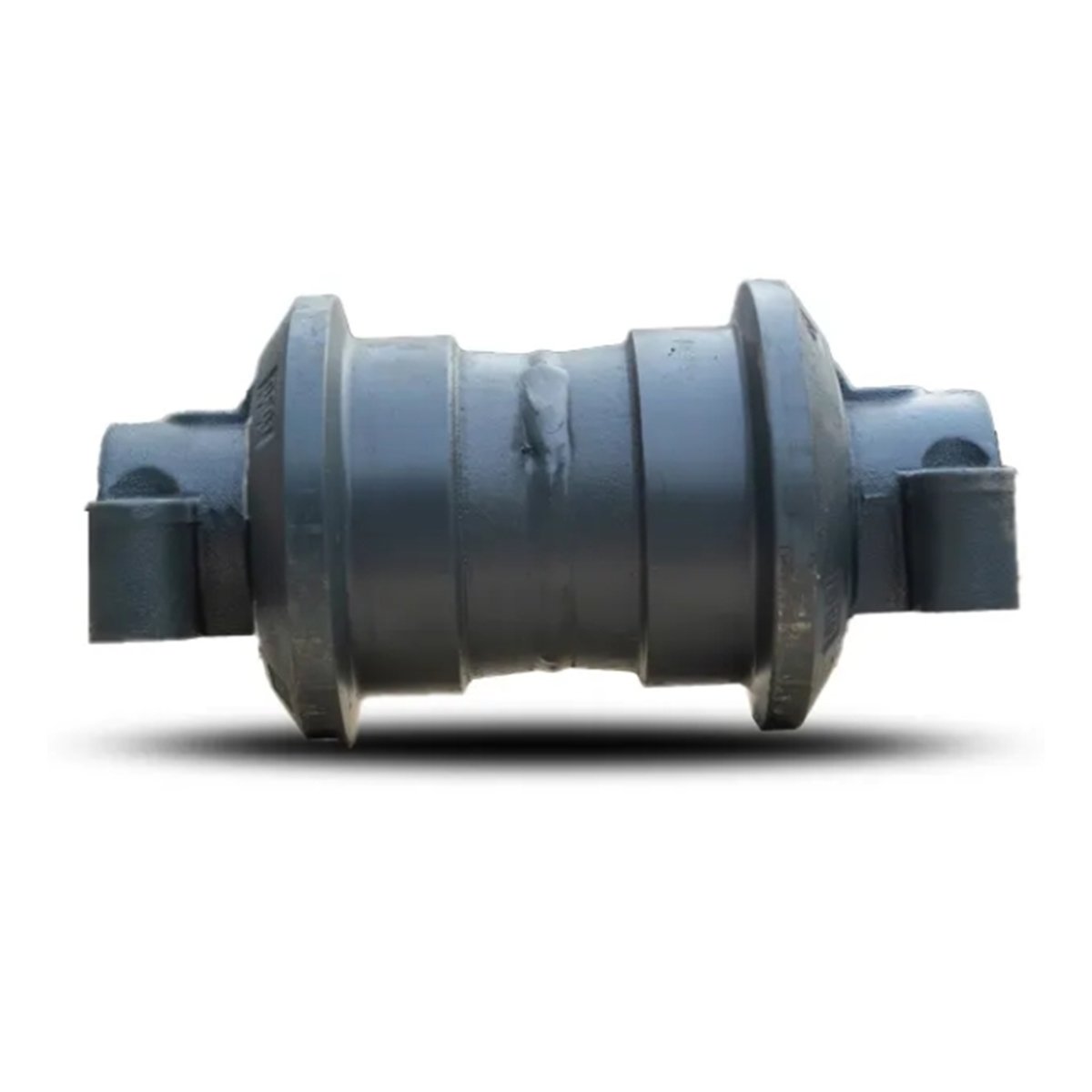
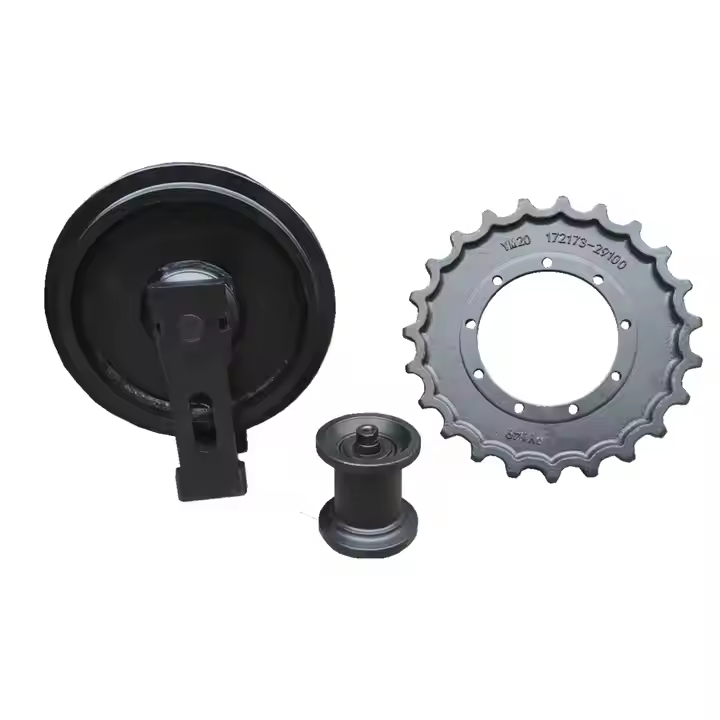
- Rollers
- Idlers
- Sprockets
- Track tension
Look for uneven wear, cracks, missing track sections, or excessive slack.
Excessive undercarriage wear may reduce machine stability and increase future replacement expenses.
Track condition also affects traction and job site performance.
Inspect the Boom, Arm, and Bucket
The boom, arm, and bucket handle constant stress during excavation work, making structural inspection especially important.
Check for:
- Cracks
- Weld repairs
- Bent sections
- Pin wear
- Loose bushings
- Excessive movement
Inspect bucket teeth and cutting edges for wear.
Pay close attention to pivot points and linkage areas, as excessive looseness may indicate heavy usage or insufficient maintenance.
Test Cab Controls and Operator Comfort
Operator comfort and control layout affect productivity and ease of operation.
Inside the cab, inspect:
- Seat condition
- Control joysticks
- Pedals
- Display panel
- Air conditioning
- Heating system
- Safety switches
- Visibility
All controls should function smoothly and respond accurately.
A clean, well-maintained cab often reflects good overall machine care.
Verify Electrical System Functionality
Modern Kubota excavators include electrical systems that support monitoring, safety, and machine performance.
Test:
- Lights
- Gauges
- Backup alarms
- Battery condition
- Wiring connections
- Display screens
Electrical problems can sometimes lead to operational interruptions or diagnostic complications.
Check for loose wiring, corrosion, or aftermarket modifications that may affect reliability.
Look for Signs of Fluid Leaks
Fluid leaks can indicate worn seals, damaged hoses, or neglected maintenance.
Inspect for leaks involving:
- Engine oil
- Hydraulic fluid
- Coolant
- Fuel
- Final drive oil
Check underneath the excavator after operation to identify fresh leakage points.
Small residue around fittings may be normal, but active leaks should be investigated carefully.
Inspect Attachments and Auxiliary Hydraulics
Many used excavators are sold with additional attachments such as:
- Buckets
- Hydraulic breakers
- Augers
- Grapples
Inspect attachment condition and verify compatibility with the excavator.
If the machine includes auxiliary hydraulic systems, test their operation and inspect hydraulic couplers for wear or leakage.
Functional attachments can improve machine versatility and overall value.
Conduct an Operational Test
A complete operational test is one of the most important steps before buying a used excavator.
Operate the machine under realistic working conditions if possible.
Test:
- Digging performance
- Swing speed
- Travel speed
- Hydraulic responsiveness
- Stability
- Noise levels
The excavator should operate smoothly without excessive vibration, overheating, or unusual sounds.
Operational testing helps identify hidden issues that may not appear during a visual inspection.
Verify Serial Numbers and Documentation
Always verify the excavator’s identification details before completing a purchase.
Confirm:
- Serial number plates
- Ownership records
- Service documentation
- Equipment specifications
Ensure all information matches the seller’s documentation.
Accurate paperwork improves transaction transparency and simplifies future maintenance or resale.
Consider Professional Inspection Services
For higher-value equipment purchases, many buyers choose to hire professional heavy equipment inspectors.
Professional inspections may include:
- Hydraulic pressure testing
- Engine diagnostics
- Oil analysis
- Structural measurements
- Electronic system diagnostics
Expert evaluations can provide additional confidence before finalizing the purchase.
Benefits of Buying a Used Kubota Excavator
When properly inspected, used Kubota excavators offer several advantages.
Key benefits include:
- Lower purchase cost
- Reliable performance
- Strong fuel efficiency
- Compact machine versatility
- Wide application range
- Good resale value
Used excavators can provide excellent productivity for construction, landscaping, agriculture, utility work, and property maintenance.
Tips for Making a Smart Purchase Decision
To improve buying confidence, consider the following best practices:
Compare Multiple Machines
Inspecting multiple excavators helps buyers understand market value and condition differences.
Buy from Reputable Sellers
Established dealers and professional sellers often provide better documentation and maintenance history.
Prioritize Maintenance History
Consistent maintenance records are often more valuable than low operating hours alone.
Match Machine Size to Your Needs
Choose an excavator that fits your project requirements and transport capabilities.
Budget for Future Maintenance
Even well-maintained used equipment may require future servicing and replacement parts.
Careful planning helps maximize long-term equipment value.
A detailed inspection is essential before purchasing a used Kubota excavator. Evaluating the engine, hydraulic systems, undercarriage, structural components, electrical systems, and maintenance history helps buyers make informed decisions and improve equipment reliability.
Kubota excavators are known for their efficiency, durability, and versatility, making them a popular choice across construction and agricultural industries. By following a professional inspection checklist and conducting thorough operational testing, buyers can confidently select a machine that delivers strong performance and long-term value.
Proper inspection not only reduces future maintenance risks but also helps ensure the excavator is ready to support productive and efficient job site operations.