








Industry News
How to Use a Mini Excavator with Different Attachments
May
Mini excavators have become one of the most versatile machines in modern construction, landscaping, agriculture, utility installation, and property maintenance projects. Their compact size, easy maneuverability, and compatibility with multiple attachments make them ideal for working in confined spaces while handling a wide variety of tasks.
Unlike larger excavators, mini excavators can quickly switch between attachments to perform digging, grading, trenching, drilling, demolition, lifting, and material handling operations. This flexibility allows operators to complete more work with a single machine, improving efficiency and reducing equipment costs.
Understanding how to use a mini excavator with different attachments is essential for maximizing productivity, maintaining machine performance, and achieving better project results. This guide explains the most common mini excavator attachments, their applications, and best practices for safe and efficient operation.
Understanding Mini Excavator Attachments
Mini excavator attachments are specialized tools connected to the excavator arm or hydraulic system to perform specific tasks. Modern mini excavators are designed with quick coupler systems that allow operators to change attachments quickly and efficiently.
Common attachment categories include:
- Buckets
- Hydraulic breakers
- Augers
- Grapples
- Rippers
- Thumbs
- Compactors
- Tilt grading buckets
- Trenchers
- Hydraulic shears
Each attachment is designed for particular jobsite applications and operating conditions.
Preparing the Mini Excavator Before Attachment Use
Inspect the Machine and Attachment
Before installing any attachment, operators should carefully inspect both the mini excavator and the attachment itself.
Important inspection areas include:
- Hydraulic hoses
- Coupler locking systems
- Pins and connectors
- Hydraulic fluid levels
- Attachment wear points
- Safety mechanisms
Routine inspections help ensure smooth operation and reduce downtime.
Confirm Attachment Compatibility
Not all attachments are compatible with every mini excavator model. Operators should confirm:
- Hydraulic flow requirements
- Machine weight capacity
- Coupler compatibility
- Operating pressure specifications
- Attachment dimensions
Using properly matched attachments improves machine stability and operational performance.
Learn the Hydraulic Control System
Many mini excavator attachments rely on hydraulic power. Operators should understand how auxiliary hydraulic controls function before operating specialized attachments.
Modern excavators may include:
- Foot pedal controls
- Joystick buttons
- Electronic attachment settings
- Adjustable hydraulic flow systems
Understanding these controls helps improve precision and attachment efficiency.
Using Standard Digging Buckets
Trenching and Excavation
The standard digging bucket is the most commonly used mini excavator attachment. It is ideal for trenching, digging foundations, landscaping, and soil removal.
When operating a digging bucket:
- Position the machine on stable ground
- Use smooth hydraulic movements
- Avoid excessive force
- Keep bucket teeth properly aligned
- Maintain balanced digging depth
Efficient bucket operation improves fuel efficiency and reduces unnecessary machine wear.
Grading and Backfilling
Mini excavators equipped with grading buckets can level surfaces and distribute soil evenly.
For grading work:
- Use controlled arm movements
- Maintain consistent blade angles
- Work in overlapping passes
- Avoid sudden directional changes
Tilt grading buckets further improve precision when shaping slopes or landscaping terrain.
Using Hydraulic Breaker Attachments
Demolition Applications
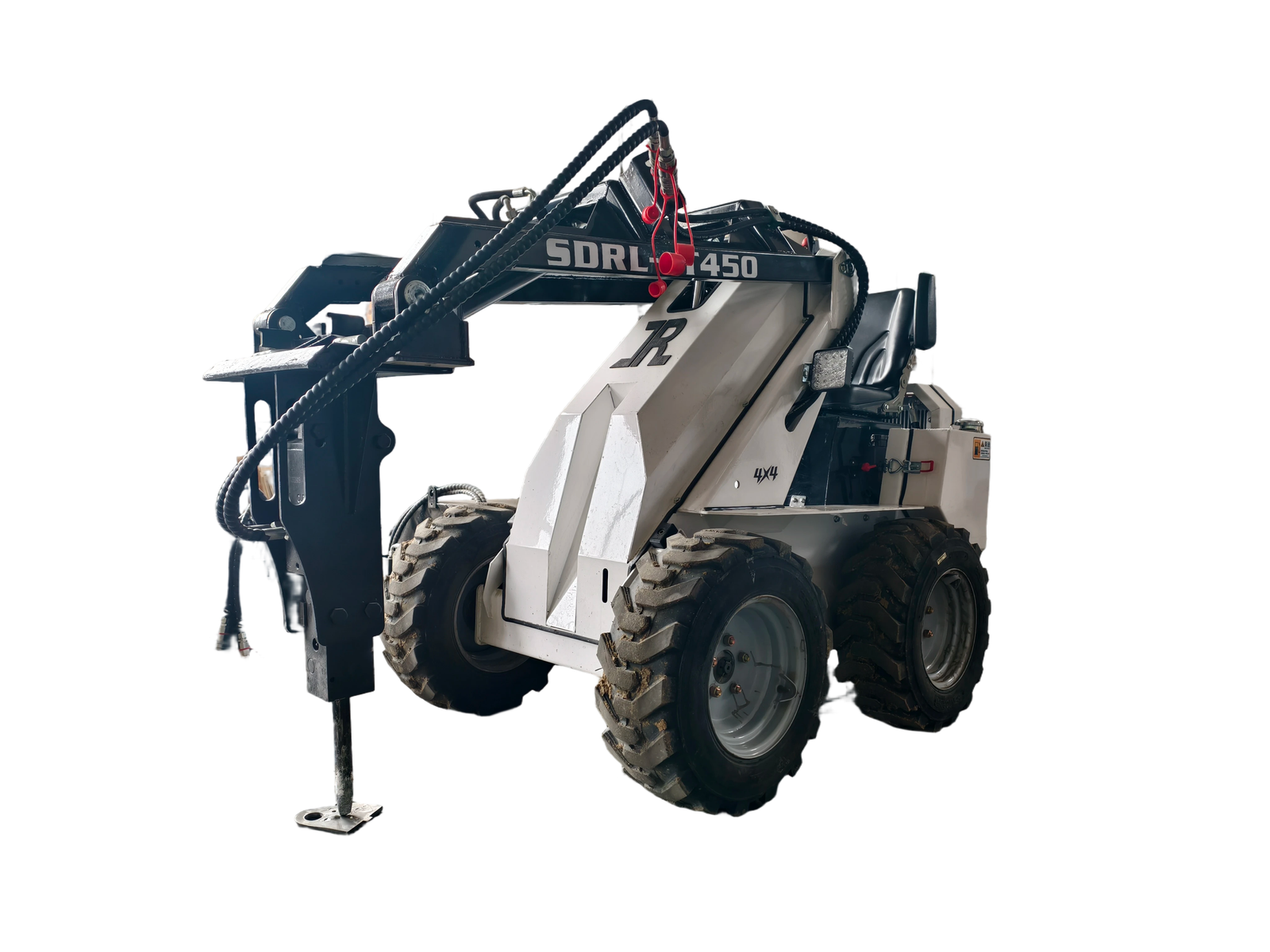
Hydraulic breakers are commonly used for breaking concrete, asphalt, rock, and compacted surfaces.
When using a hydraulic breaker:
- Position the tool vertically
- Apply steady downward pressure
- Avoid excessive side movement
- Work in short intervals
- Allow the breaker to penetrate naturally
Hydraulic breakers are highly effective for roadwork, renovation projects, and site preparation.
Optimizing Breaker Performance
Operators should monitor hydraulic temperatures and avoid continuous overloading during demolition operations.
Proper lubrication and regular inspection of breaker components help maintain long term performance.
Operating Auger Attachments
Drilling Holes Efficiently
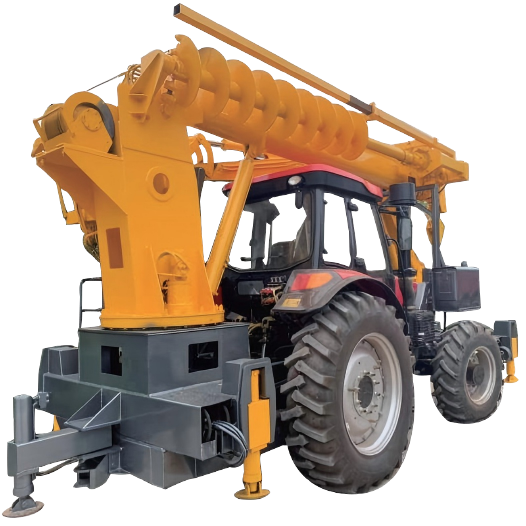
Auger attachments allow mini excavators to drill precise holes for fencing, foundations, landscaping, tree planting, and utility installations.
To operate an auger effectively:
- Position the excavator on level ground
- Align the auger vertically
- Start drilling slowly
- Remove excess soil periodically
- Avoid forcing the auger through hard obstructions
Augers improve drilling speed while maintaining hole consistency.
Selecting the Correct Auger Bit
Different soil conditions require different auger bit designs.
Common auger applications include:
- Soft soil drilling
- Clay drilling
- Rocky terrain
- Tree planting
- Fence post installation
Choosing the right bit improves drilling efficiency and reduces wear.
Using Grapple Attachments
Material Handling and Cleanup
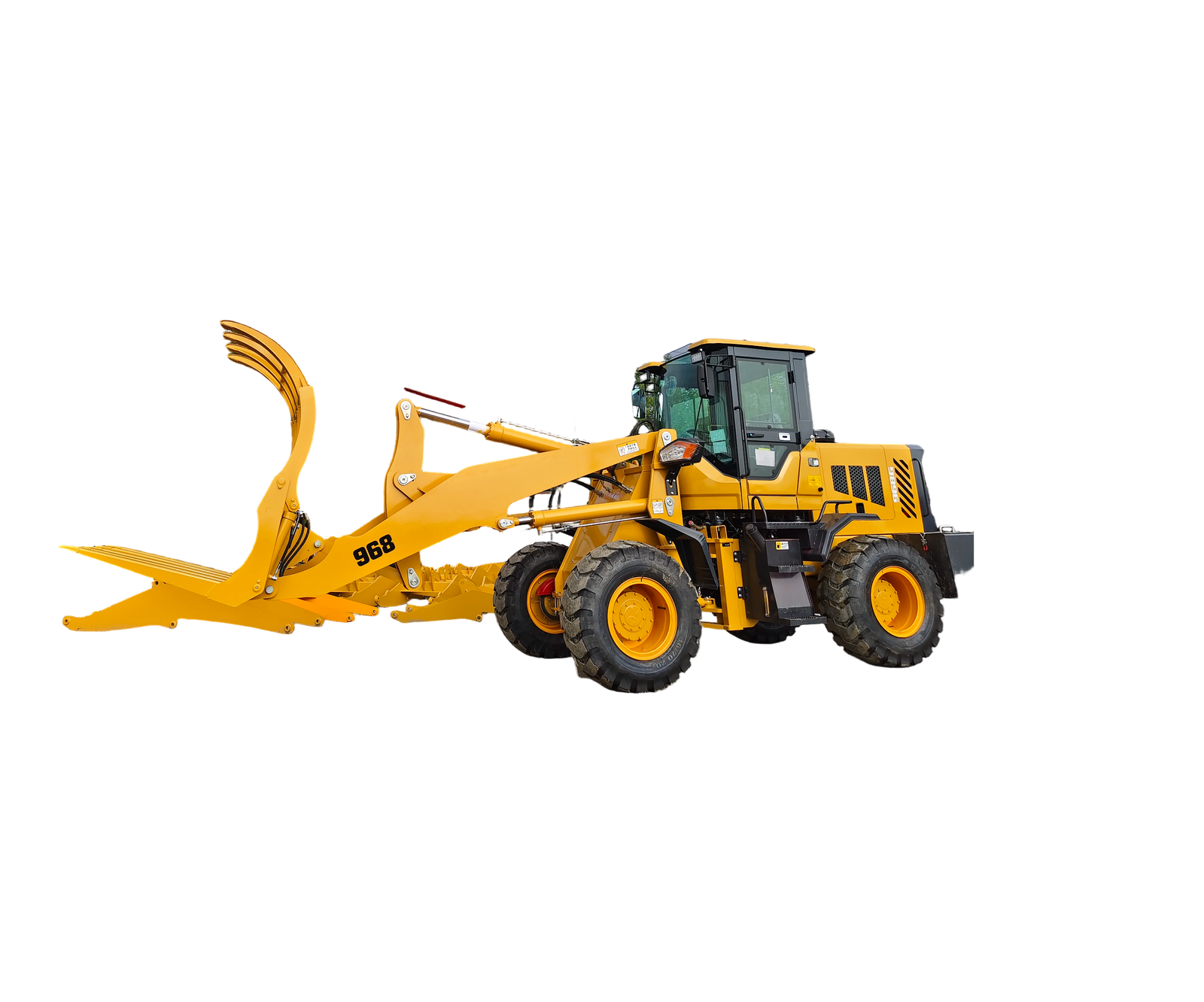
Grapple attachments are ideal for handling logs, branches, rocks, debris, and construction materials.
Common applications include:
- Land clearing
- Forestry work
- Demolition cleanup
- Waste handling
- Recycling operations
Operators should maintain balanced loads and avoid exceeding lifting capacities.
Improving Site Efficiency
Grapples help reduce manual labor and improve material handling efficiency on busy jobsites.
Rotating grapple systems provide additional flexibility for positioning materials accurately.
Operating Hydraulic Thumbs
Improving Material Control
Hydraulic thumbs work together with buckets to improve gripping capability.
They are useful for:
- Picking up rocks
- Handling logs
- Moving pipes
- Loading debris
- Sorting materials
Hydraulic thumbs increase machine versatility without requiring separate lifting equipment.
Using Ripper Attachments
Breaking Hard Ground
Rippers are designed for loosening compacted soil, frozen ground, roots, and rocky terrain before excavation.
For effective ripper use:
- Work gradually through compacted material
- Maintain consistent penetration angles
- Avoid aggressive movements
- Use controlled machine force
Rippers improve excavation efficiency in difficult ground conditions.
Compacting with Plate Compactors
Soil Compaction Applications
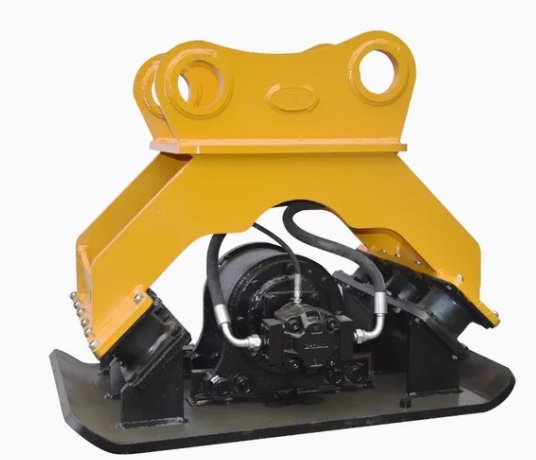
Plate compactors attached to mini excavators help compact soil, gravel, and trench backfill material.
This attachment is commonly used for:
- Road preparation
- Foundation support
- Utility trenches
- Landscaping projects
Compaction attachments improve ground stability and reduce manual compaction labor.
Attachment Safety Best Practices
Follow Manufacturer Guidelines
Operators should always follow manufacturer recommendations for attachment installation and operation.
This includes:
- Hydraulic pressure limits
- Weight restrictions
- Maintenance intervals
- Operating procedures
Proper operation improves both safety and machine lifespan.
Maintain Stable Machine Positioning
Machine stability is extremely important when operating heavy attachments.
Operators should:
- Work on stable surfaces
- Avoid overreaching
- Keep loads close to the machine
- Use tracks for balanced support
- Monitor ground conditions continuously
Perform Regular Maintenance
Routine maintenance is essential for both attachments and the excavator itself.
Important maintenance tasks include:
- Lubricating moving components
- Inspecting hydraulic lines
- Tightening fasteners
- Cleaning attachment surfaces
- Replacing worn teeth or blades
Preventive maintenance helps maximize productivity and reduce unexpected downtime.
Benefits of Using Multiple Mini Excavator Attachments
Increased Versatility
One mini excavator equipped with multiple attachments can perform the work of several machines.
This improves:
- Jobsite flexibility
- Equipment utilization
- Project efficiency
- Return on investment
Reduced Equipment Costs
Instead of purchasing multiple specialized machines, contractors can use attachments to expand the functionality of a single excavator.
This lowers:
- Equipment ownership costs
- Transportation expenses
- Storage requirements
- Maintenance costs
Improved Productivity
Quick attachment changes allow operators to move between tasks faster.
This helps complete projects more efficiently while minimizing downtime.
Future Trends in Mini Excavator Attachments
Modern attachment technology continues to evolve with improvements in:
- Smart hydraulic systems
- Automated couplers
- Electric powered attachments
- GPS assisted grading
- Remote monitoring systems
These innovations are improving precision, efficiency, and operator convenience across construction and landscaping industries.
Mini excavators are highly versatile machines capable of handling a wide range of tasks through the use of specialized attachments. From digging buckets and breakers to augers, grapples, and compactors, each attachment expands the machine’s capabilities and improves jobsite productivity.
Understanding how to properly operate different mini excavator attachments helps operators achieve better efficiency, safer working conditions, and longer equipment lifespan.
As attachment technology continues advancing, mini excavators will remain essential equipment for modern construction, landscaping, agriculture, and utility projects.