








Industry News
How to Use a Backhoe Without Experience
May
Backhoes are among the most versatile machines used in construction, landscaping, farming, road maintenance, and property development. They combine digging, lifting, trenching, loading, and material handling capabilities into one compact piece of equipment. For beginners, learning how to use a backhoe may seem challenging at first, but modern machines are designed with user-friendly controls and improved safety systems that make operation more approachable for new operators.
Understanding the basic functions, controls, and operating techniques of a backhoe can help first-time users gain confidence and improve efficiency. Whether you are preparing a landscaping project, digging trenches, moving soil, or handling light construction work, learning the proper way to operate a backhoe is an important step toward safe and productive equipment use.
This guide explains how beginners can use a backhoe effectively, understand machine controls, and develop practical operating skills even without previous experience.
What Is a Backhoe
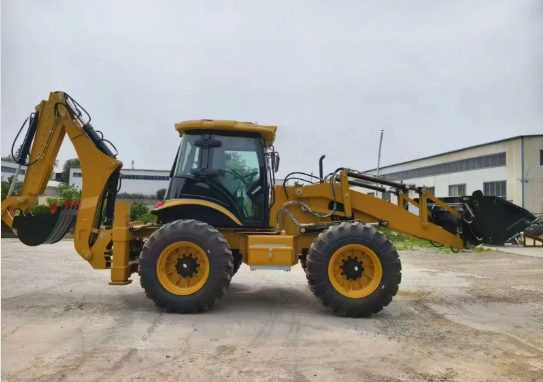
A backhoe is a multifunctional construction machine equipped with two primary working components.
The front section usually contains a loader bucket used for lifting, carrying, pushing, and leveling materials such as soil, gravel, sand, and debris.
The rear section contains the digging arm, commonly called the backhoe. This articulated arm is designed for trenching, excavation, digging holes, and reaching below ground level.
Backhoes are widely used because they combine multiple functions into one machine, reducing the need for separate equipment on smaller projects.
Their compact size and mobility also make them suitable for residential jobsites, farms, utility work, and landscaping applications.
Understanding Basic Backhoe Controls
Before operating a backhoe, beginners should become familiar with the machine’s controls and functions.
Most backhoes include:
Steering wheel
Drive pedals
Loader joystick controls
Backhoe control levers
Hydraulic stabilizer controls
Throttle controls
Gear selector
Parking brake
Modern backhoes often feature ergonomic layouts that simplify operation for new users.
The front loader controls manage bucket lifting, lowering, tilting, and dumping motions. The rear backhoe controls operate the boom, dipper arm, bucket, and swing functions.
Many manufacturers also provide instructional labels and operator guides inside the cab to assist beginners during operation.
Taking time to understand the controls before starting work can greatly improve operating confidence.
Perform a Pre-Operation Inspection
A proper machine inspection is essential before using any heavy equipment.
Beginners should check the following areas before starting the backhoe:
Fuel level
Hydraulic fluid
Engine oil
Coolant levels
Tire condition
Bucket attachment security
Warning lights
Hydraulic hoses
Mirrors and visibility
Safety belts
A clean and well-maintained machine helps improve operational reliability and performance.
It is also important to ensure the work area is clear of obstacles, underground utilities, and unnecessary personnel before beginning operation.
Start the Backhoe Properly
Once the inspection is complete, the operator can start the machine following the manufacturer’s recommended procedure.
Most backhoes require the operator to:
Sit securely in the operator seat
Fasten the seat belt
Ensure controls are in neutral position
Apply the parking brake
Start the engine gradually
Allow hydraulic systems to warm up
New operators should avoid rushing during startup. Giving the machine time to stabilize helps ensure smoother hydraulic performance and more predictable control response.
Beginners often benefit from practicing basic movements slowly before starting actual work tasks.
Learn to Drive the Backhoe
Driving a backhoe requires awareness of the machine’s size, balance, and turning radius.
Backhoes are heavier than standard vehicles and may respond differently on uneven terrain.
Beginners should practice driving in open areas before operating in tighter jobsites.
Key driving tips include:
Drive slowly at first
Avoid sudden turns
Maintain awareness of surrounding objects
Keep the loader bucket low during movement
Use mirrors frequently
Practice reversing carefully
Learning smooth movement and positioning is one of the most important early skills for beginner operators.
Using the Front Loader
The front loader bucket is commonly used for moving soil, gravel, sand, and loose materials.
To operate the loader:
Lower the bucket toward the ground
Drive slowly into the material
Tilt the bucket backward to collect material
Lift the bucket slightly for transport
Move carefully to the dumping location
Tilt forward to unload
Beginners should practice bucket positioning gradually to understand hydraulic response and machine balance.
Smooth and controlled loader operation improves both efficiency and material handling accuracy.
Using the Backhoe Arm
The rear digging arm is the primary excavation tool on the machine.
To use the backhoe:
Lower the stabilizers for machine stability
Position the machine near the digging area
Use boom controls to lower the arm
Extend the dipper arm toward the ground
Curl the bucket inward to scoop soil
Lift and swing the arm carefully
Dump material at the designated location
Backhoe operation requires coordination between multiple hydraulic movements. Beginners should practice slowly to develop smoother control techniques.
With repeated practice, operators improve digging precision and movement efficiency.
Practice Trenching Techniques
One of the most common backhoe tasks is trench digging.
Beginners should start with shallow trenches in soft soil conditions.
Proper trenching involves:
Positioning the machine parallel to the trench line
Maintaining stable ground conditions
Digging gradually in sections
Avoiding excessive bucket force
Keeping trench walls consistent
Repositioning the machine carefully as needed
Practicing straight trenching helps new operators develop better control and excavation accuracy.
Understand Stabilizer Usage
Backhoe stabilizers are critical for maintaining machine balance during excavation.
Before using the rear digging arm, operators should lower both stabilizers firmly onto stable ground.
The stabilizers reduce machine movement and improve digging control.
Uneven stabilizer positioning may affect machine stability and digging performance.
Beginners should always verify stabilizer placement before beginning excavation work.
Improve Coordination and Hydraulic Control
Operating a backhoe efficiently requires coordination between multiple hydraulic functions.
At first, beginners may find the controls sensitive or difficult to synchronize smoothly.
The best approach is to practice one movement at a time before combining functions.
As experience improves, operators learn how to:
Control boom height smoothly
Manage bucket angles accurately
Coordinate arm extension and bucket curl
Swing the backhoe arm precisely
Maintain balanced machine positioning
Hydraulic control becomes more natural through repeated operation and patience.
Safety Tips for Beginner Backhoe Operators
Safe operation should always remain a top priority for inexperienced users.
Important safety practices include:
Wearing proper protective equipment
Maintaining clear visibility
Avoiding overloaded buckets
Keeping bystanders away from the work zone
Operating on stable ground
Following machine load limits
Using seat belts consistently
Reading the operator manual carefully
Good safety habits help protect both the operator and the surrounding work environment.
Common Beginner Mistakes
Many first-time operators make similar mistakes while learning backhoe operation.
Common issues include:
Moving too quickly
Overcorrecting controls
Lifting loads too high
Ignoring machine balance
Positioning too close to trench edges
Operating on uneven terrain too aggressively
Trying to complete complex tasks too early
Taking time to build basic operating skills gradually often leads to faster long-term improvement.
Benefits of Learning Backhoe Operation
Learning to operate a backhoe offers several practical advantages.
Backhoes are widely used across construction, agriculture, landscaping, utility work, and property maintenance industries.
Basic operating skills can help homeowners complete personal projects more efficiently while also creating valuable professional opportunities.
Because backhoes combine multiple machine functions into one unit, operators can perform various tasks without requiring multiple specialized machines.
Their versatility makes them highly valuable on small and medium-sized jobsites.
How Technology Is Helping New Operators
Modern backhoes increasingly include features that simplify operation for beginners.
Many machines now offer:
Enhanced visibility systems
Comfortable ergonomic controls
Digital monitoring displays
Improved hydraulic responsiveness
Backup cameras
Joystick-assisted operation
Adjustable seating systems
These advancements help reduce operator fatigue and improve overall control accuracy.
As equipment technology continues improving, backhoes are becoming more accessible to new users with limited experience.
Learning how to use a backhoe without experience is achievable through patience, practice, and proper understanding of machine controls and safety procedures.
By starting with basic driving techniques, practicing loader and digging operations slowly, and focusing on smooth hydraulic control, beginners can gradually build confidence and operating efficiency.
Modern backhoes are designed to support easier learning, making them valuable tools for construction, landscaping, farming, and property improvement projects.
With consistent practice and attention to safety, first-time operators can successfully develop practical backhoe operating skills and improve productivity across a wide range of applications.