








Industry News
How Used Excavator Price Varies by Machine Size
Jun
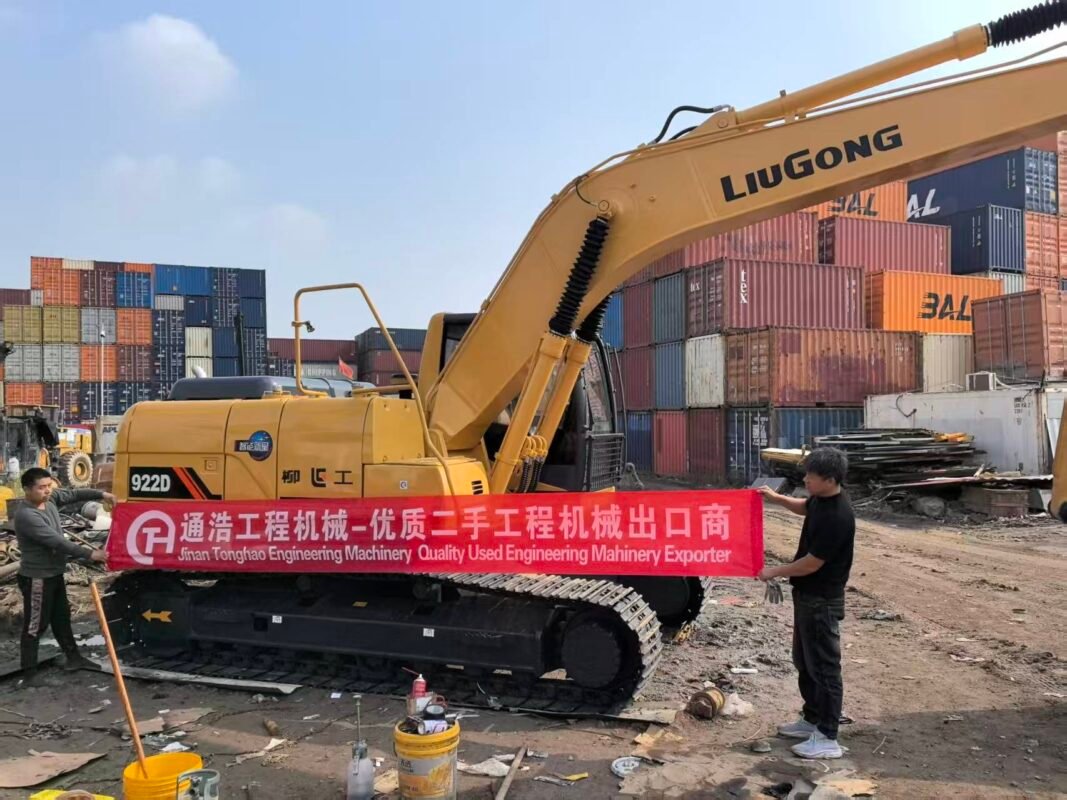
The global construction industry continues to rely heavily on used excavators because they offer an excellent balance between performance, availability, and cost efficiency. Whether for earthmoving, road construction, mining, landscaping, or utility projects, excavators remain one of the most essential pieces of equipment on any job site.
One of the most important factors affecting the used excavator price is machine size. Buyers often notice significant price differences between mini excavators, medium excavators, and large excavators, even when comparing machines of similar age and operating hours. Understanding how size influences value can help contractors, equipment dealers, and project managers make informed purchasing decisions.
This guide explores how used excavator price varies by machine size and what buyers should consider when evaluating equipment for different applications.
Understanding Excavator Size Categories
Excavators are generally classified into three main categories based on operating weight.
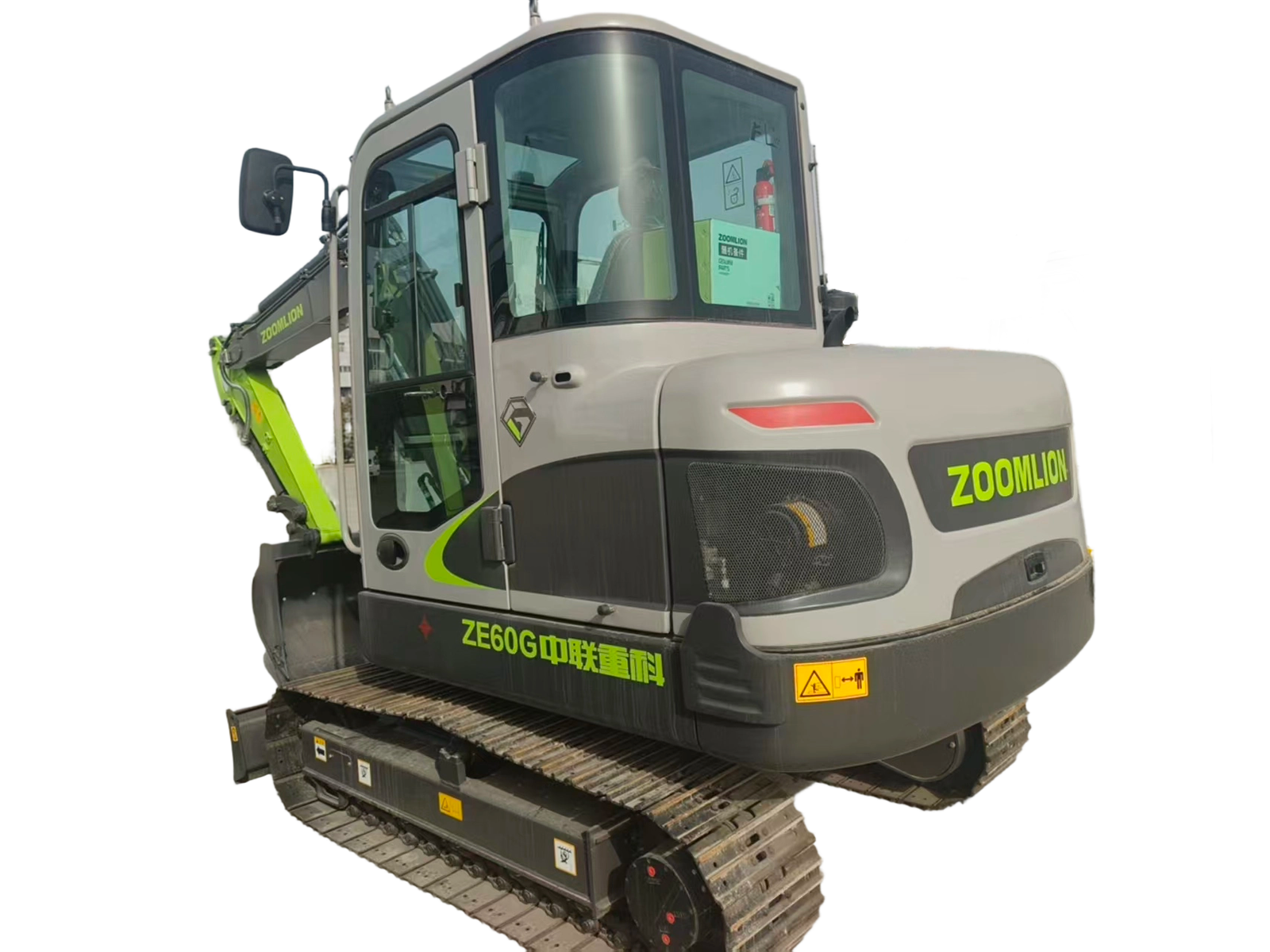
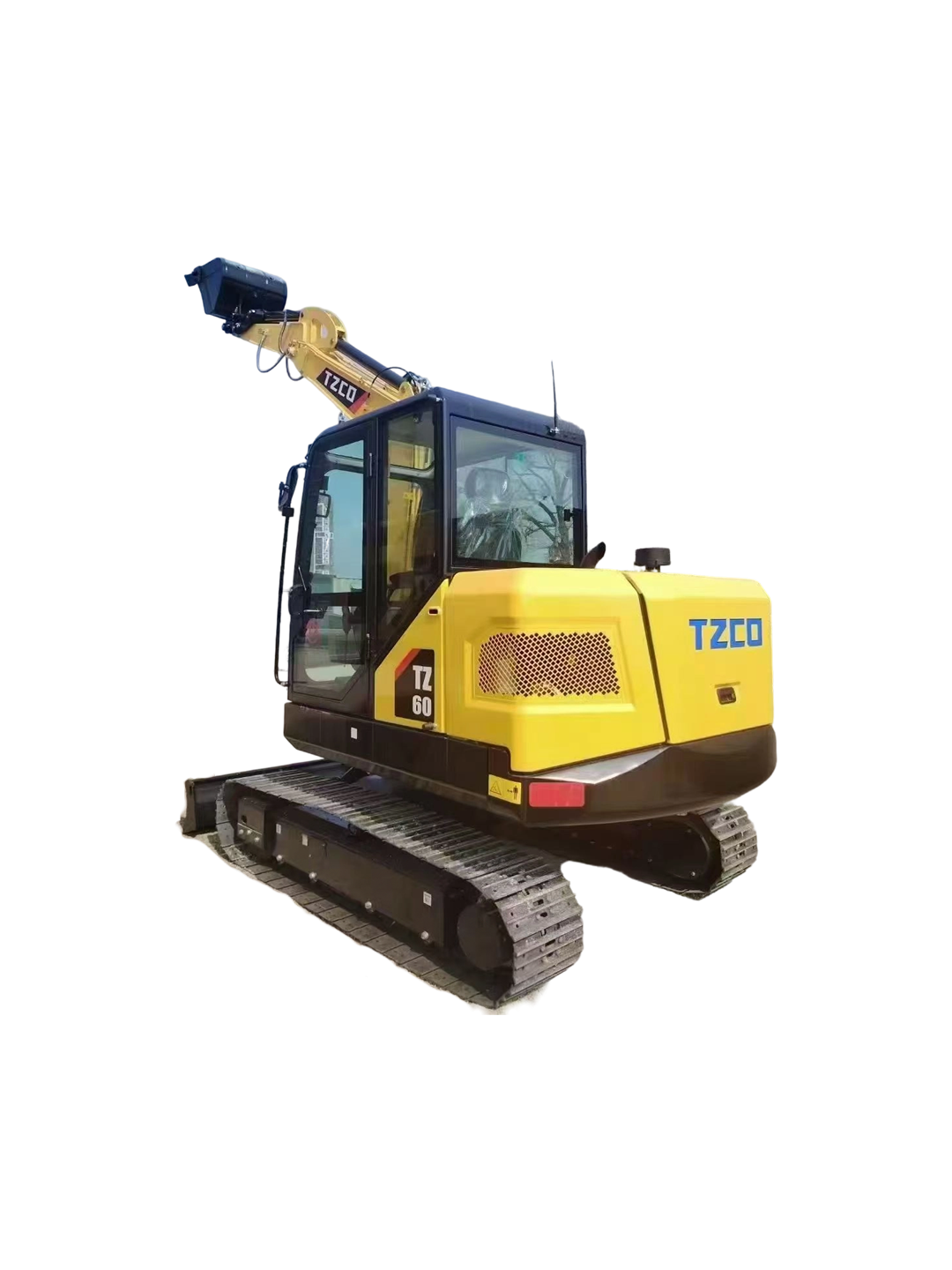
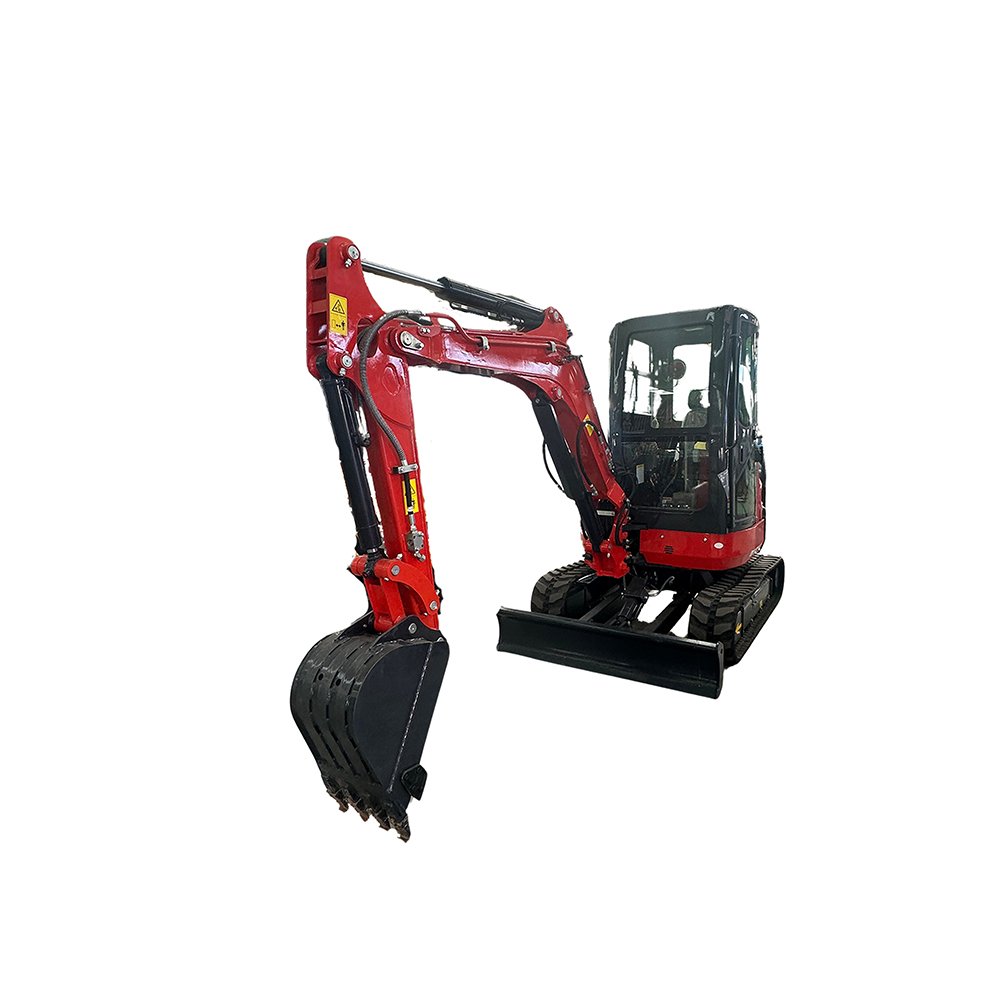
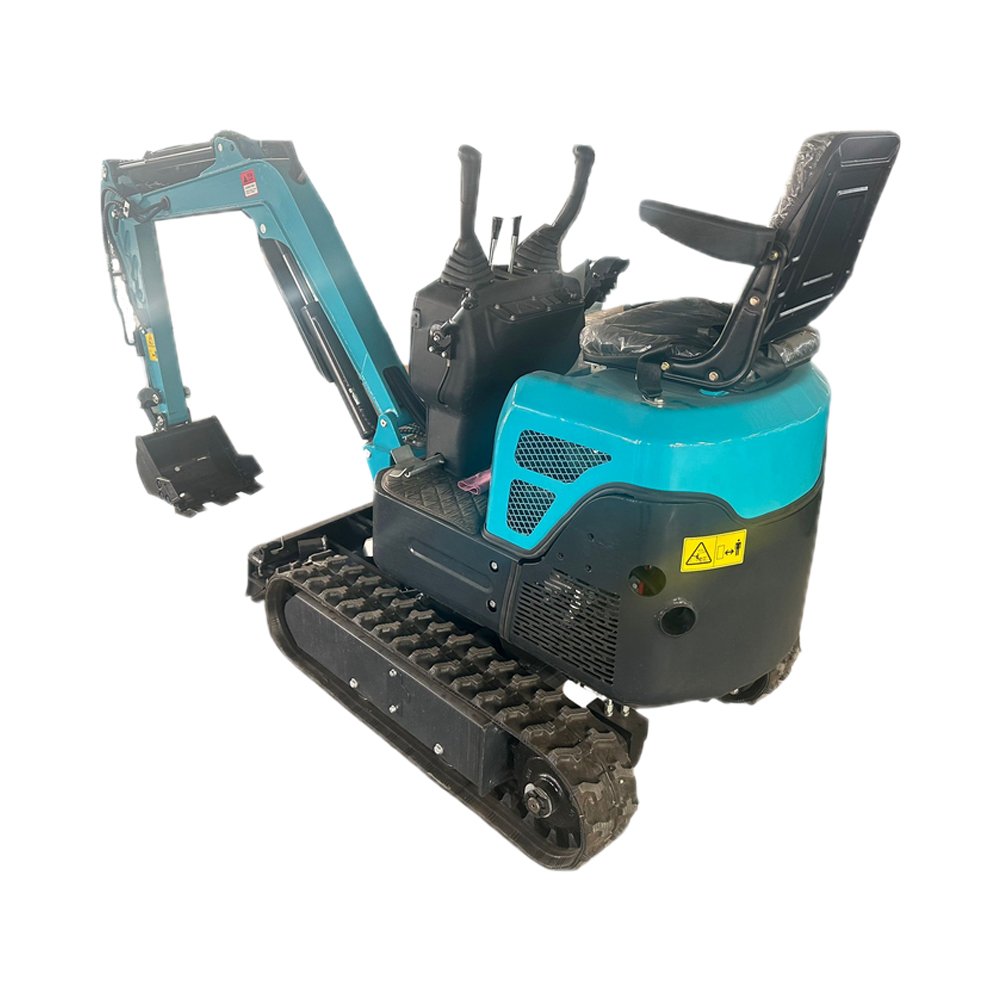
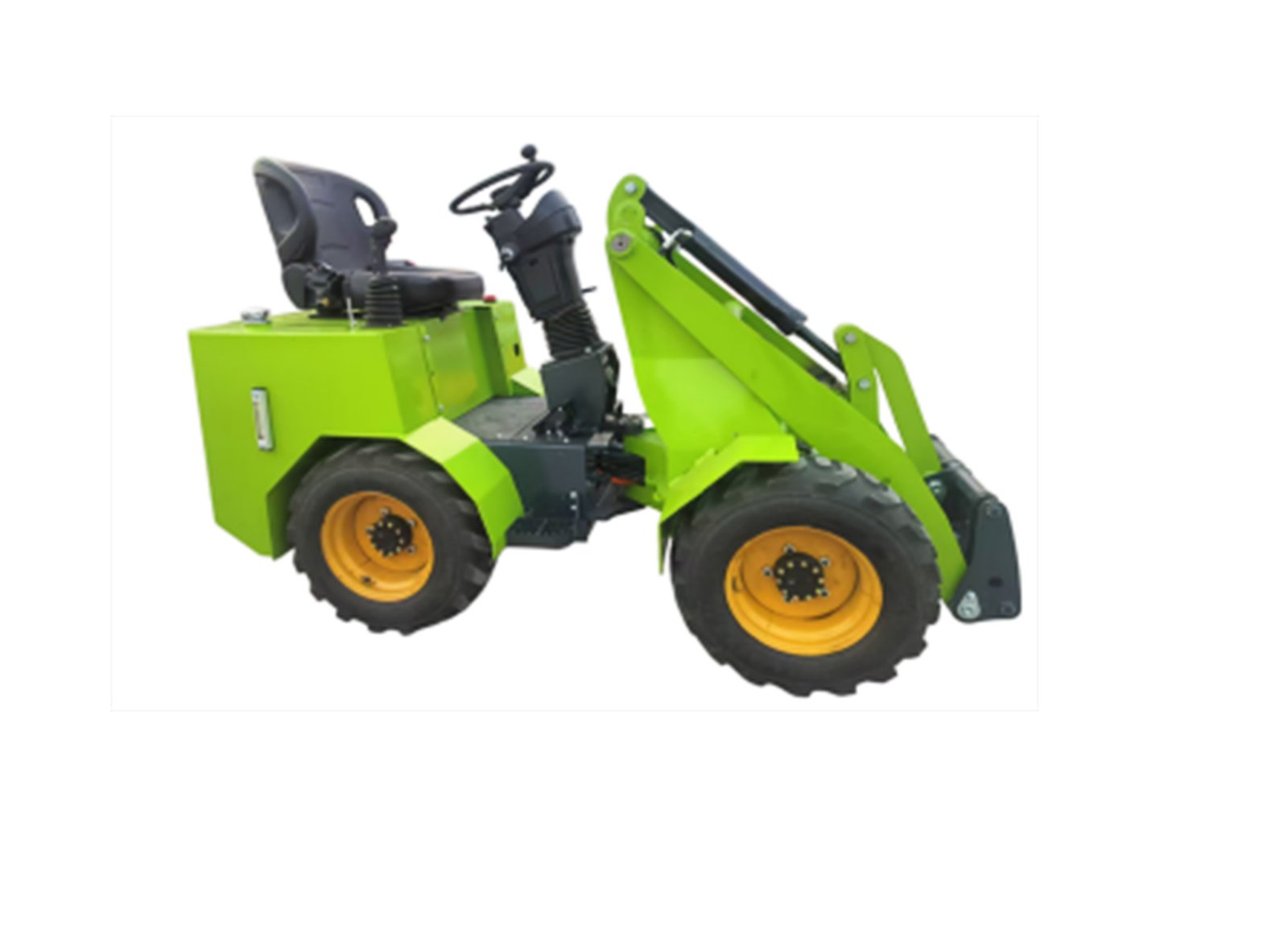
Mini excavators typically weigh less than 6 tons and are designed for compact working environments. They are widely used in landscaping, residential construction, municipal projects, and utility installation.
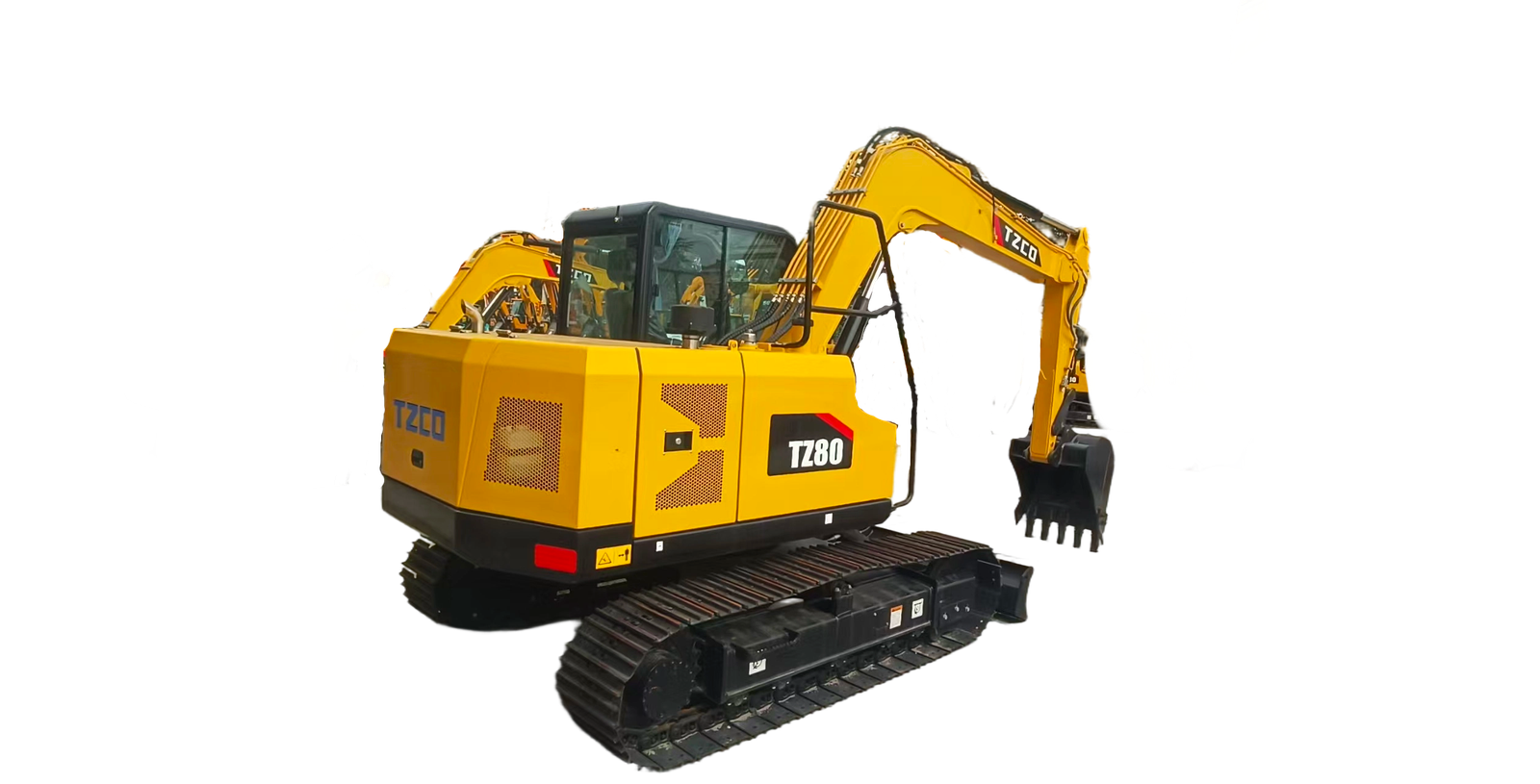
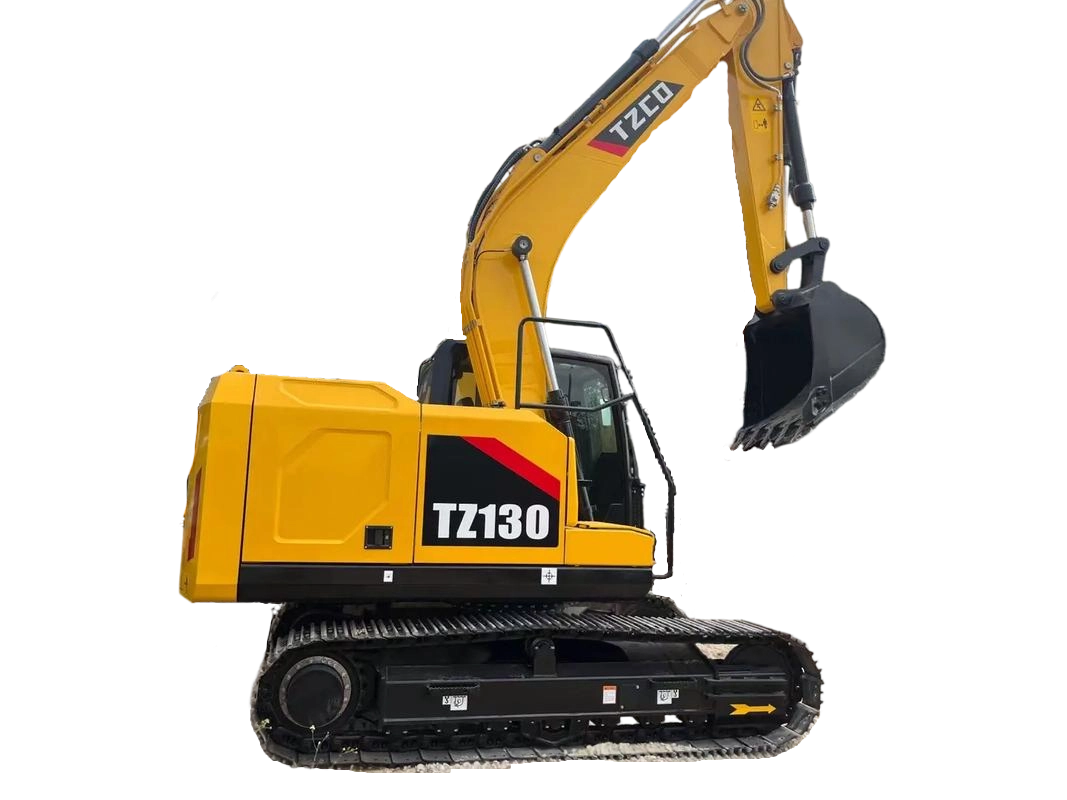
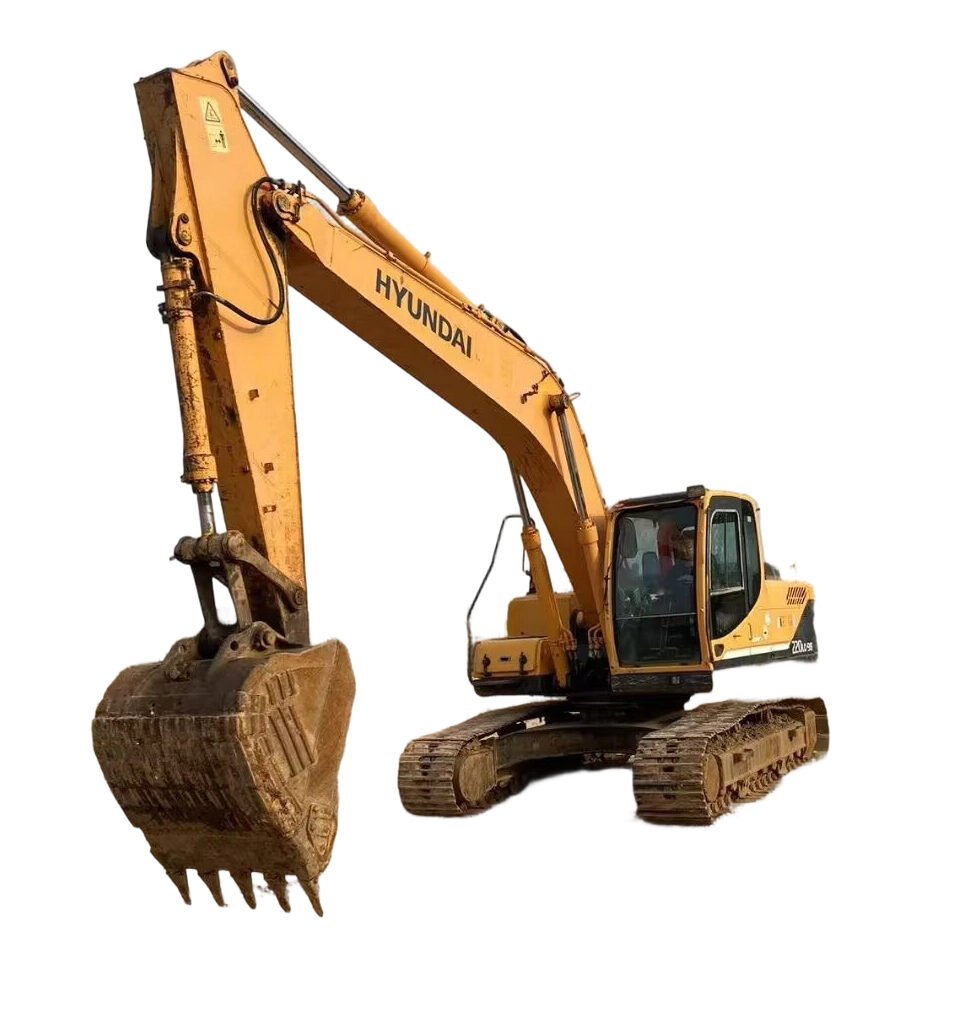
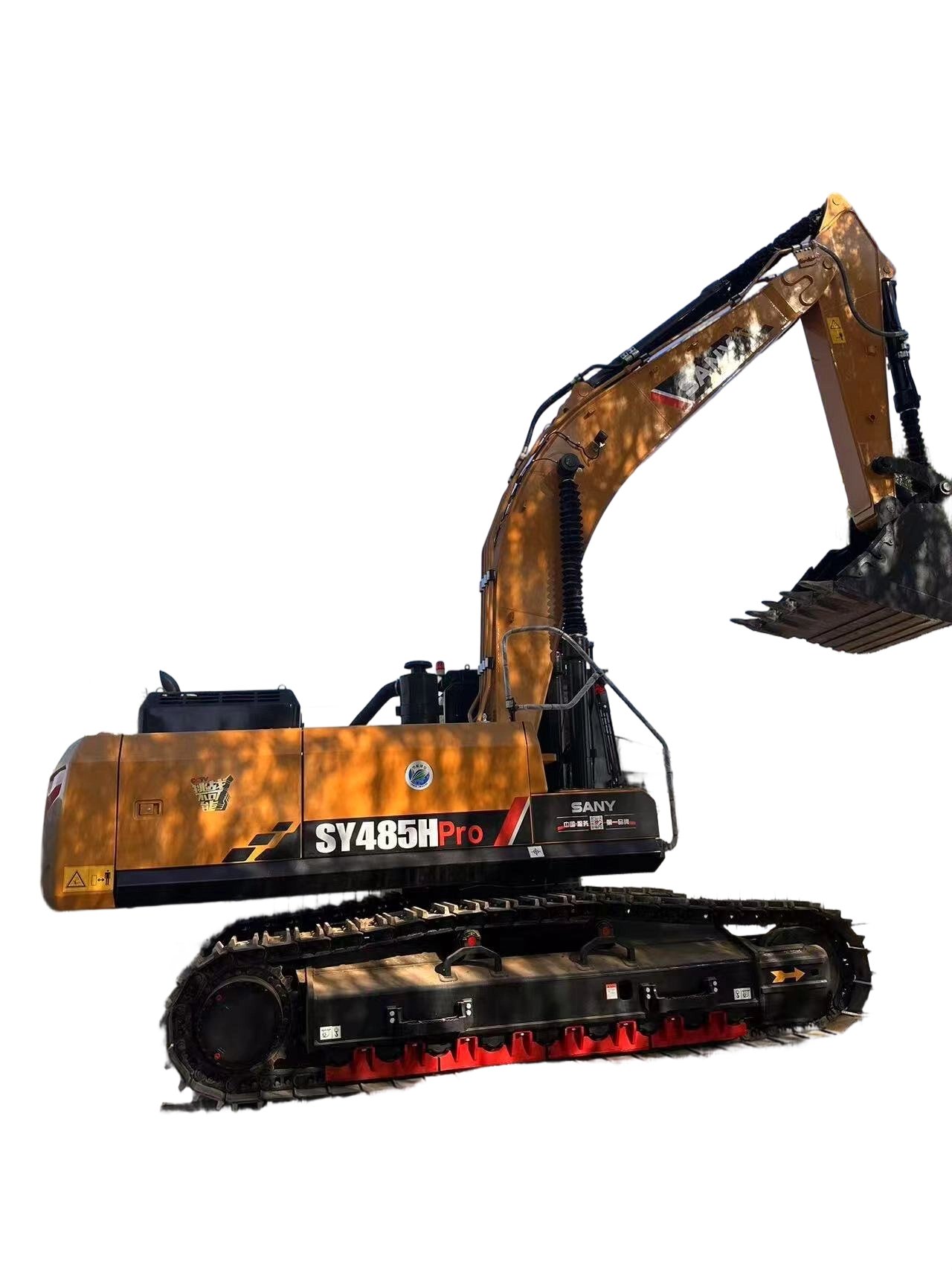
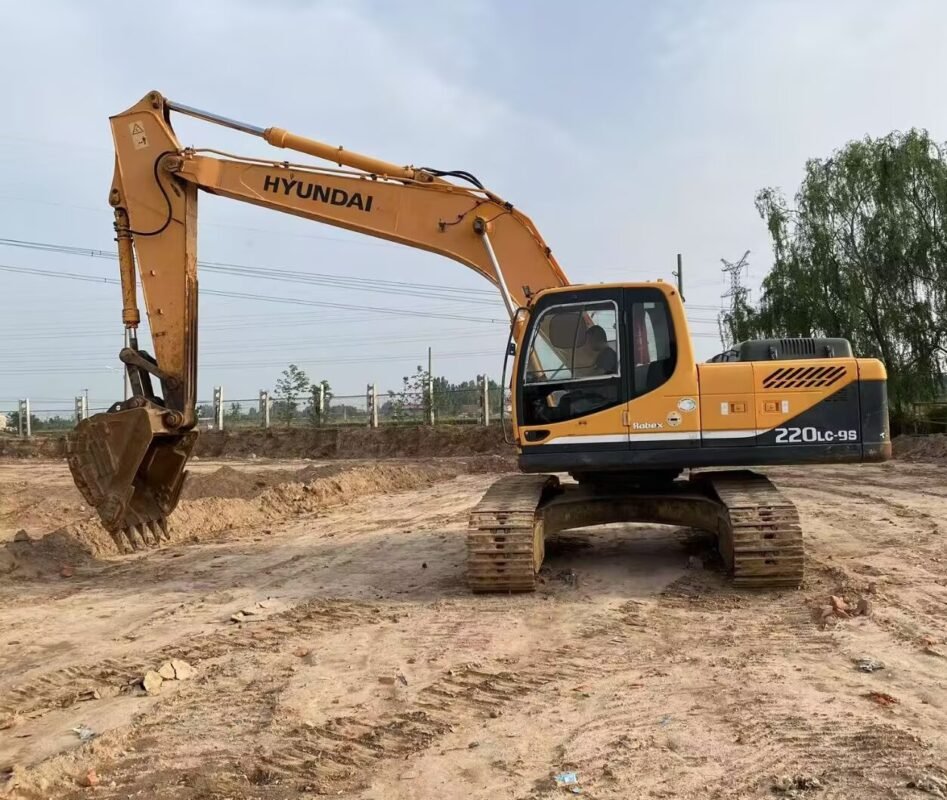
Medium excavators usually range from 6 to 30 tons. These machines represent the largest segment of the global excavator market because they are versatile enough for most construction applications.
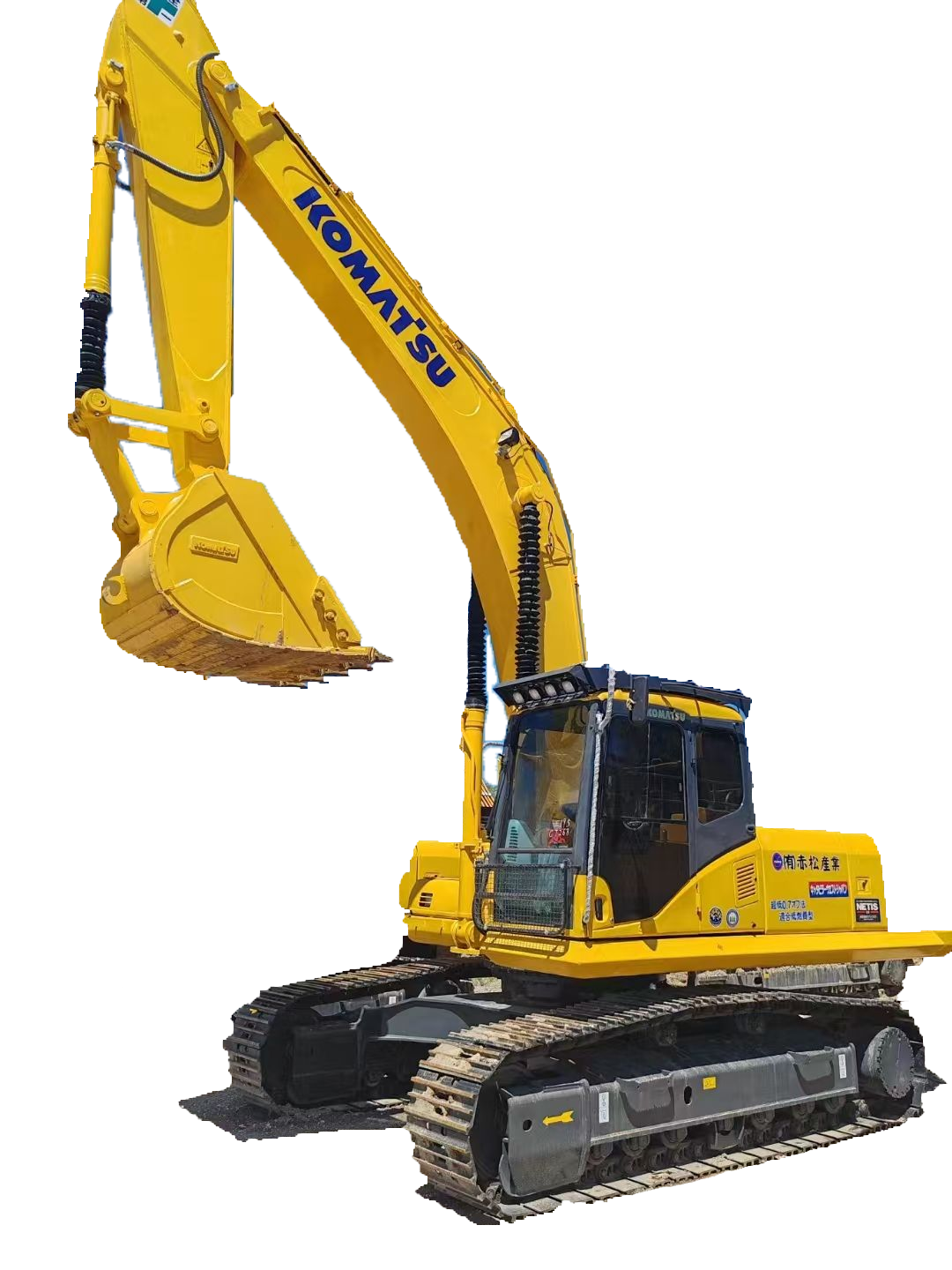
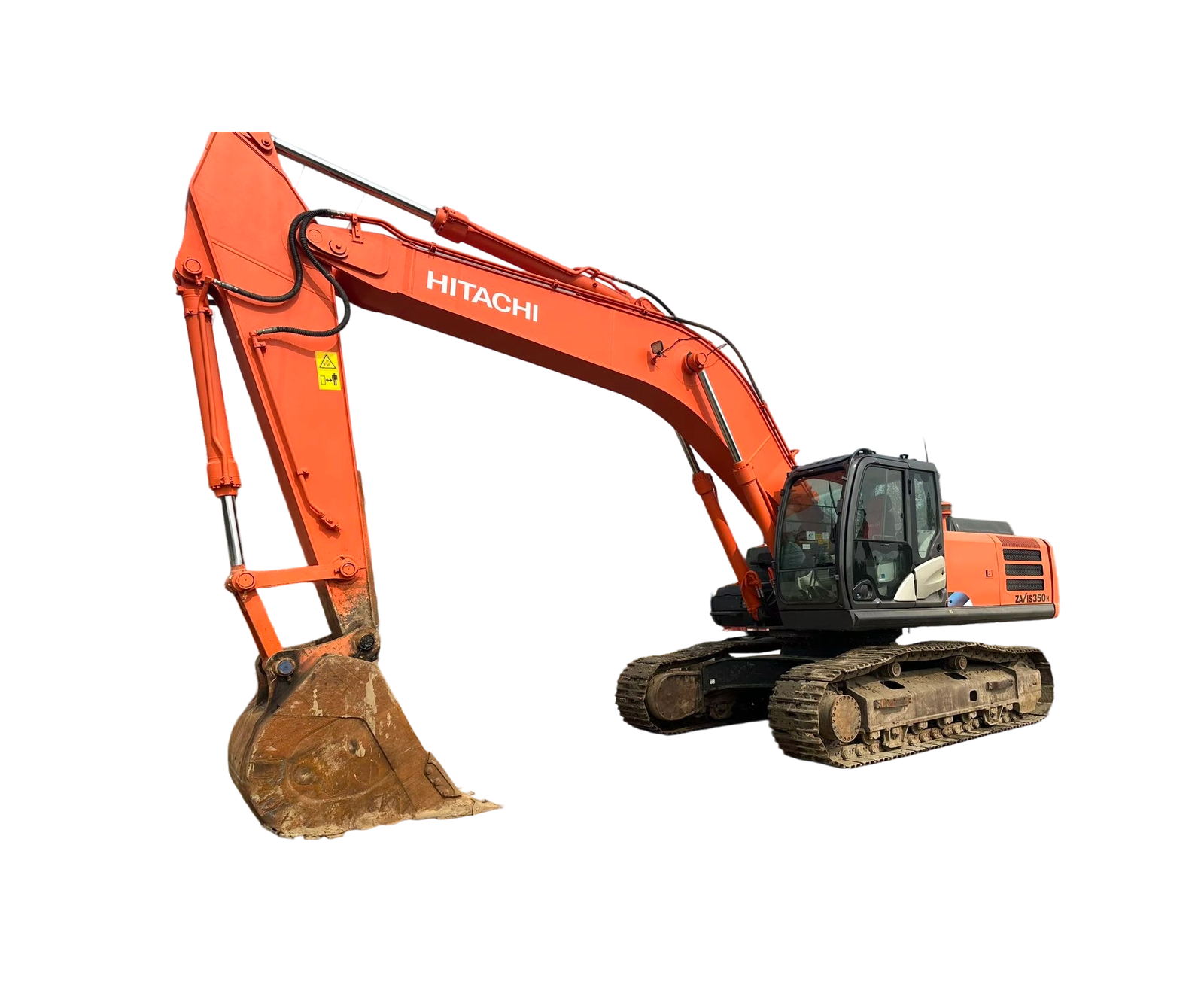
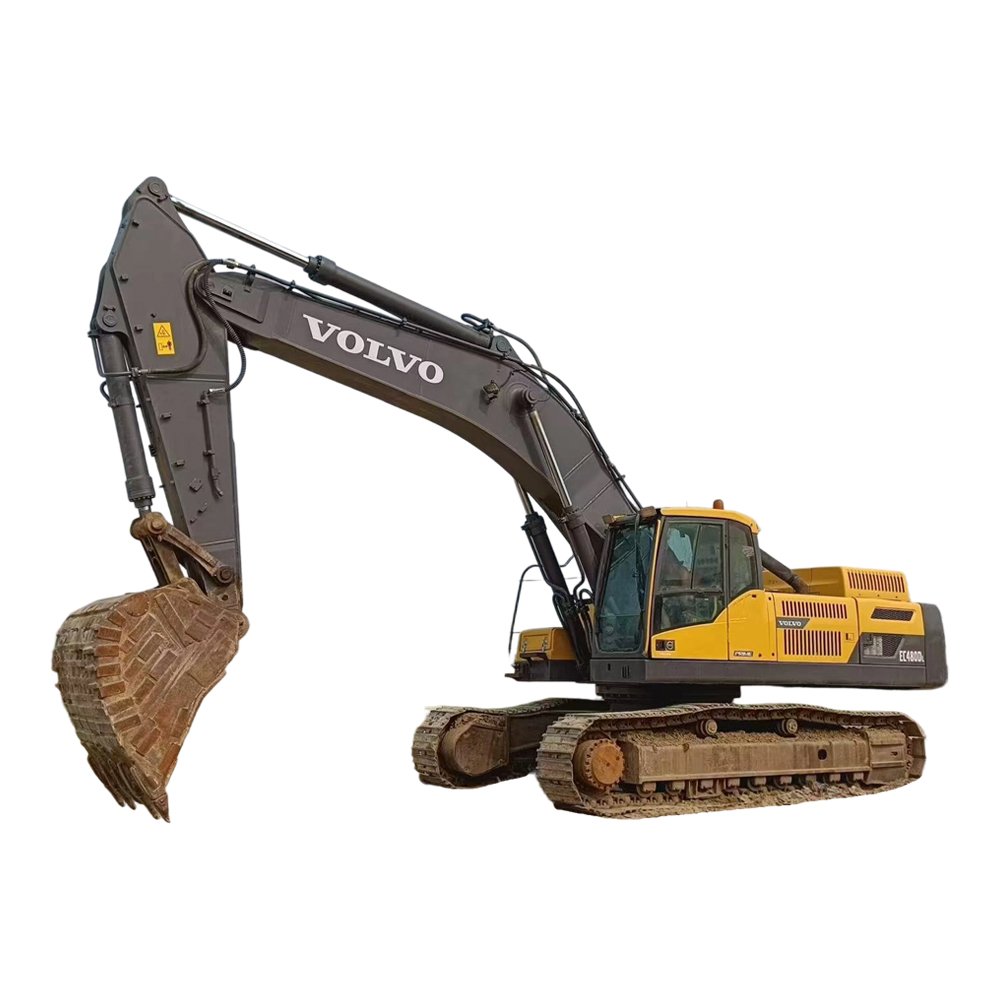
Large excavators generally exceed 30 tons and are commonly used in mining, quarry operations, large-scale infrastructure projects, and heavy earthmoving activities.
Each size category serves different operational requirements, which directly affects demand, market value, and ultimately the used excavator price.
Why Machine Size Has a Major Impact on Used Excavator Price
Machine size influences manufacturing costs, transportation requirements, engine capacity, hydraulic system complexity, and overall productivity. Larger machines require more materials and advanced engineering, which naturally increases their original purchase price.
Since used equipment pricing is often based on a percentage of the machine’s original value, larger excavators typically maintain higher market prices compared to smaller models.
However, size is not the only consideration. Market demand also plays an important role. Some smaller excavators may command strong prices due to high demand in urban construction and rental markets.
As a result, understanding both machine size and market trends is essential when evaluating used excavator price.
Mini Excavators and Their Price Characteristics
Mini excavators have become increasingly popular in recent years due to urban development and infrastructure upgrades. Their compact dimensions allow operators to work in restricted spaces where larger equipment cannot easily access.
The used excavator price for mini models is generally the lowest among all size categories. Entry-level machines often provide an affordable solution for small contractors, landscaping companies, and property developers.
Several factors contribute to their pricing:
Lower original purchase cost compared with larger excavators.
Reduced transportation expenses.
Lower fuel consumption.
Simplified maintenance requirements.
Strong demand from rental fleets.
Because mini excavators are frequently used on light-duty projects, many machines accumulate fewer heavy-load operating hours, helping preserve their resale value.
As demand for compact construction equipment continues to grow globally, quality used mini excavators often maintain stable market prices.
Medium Excavators Represent the Most Active Market Segment
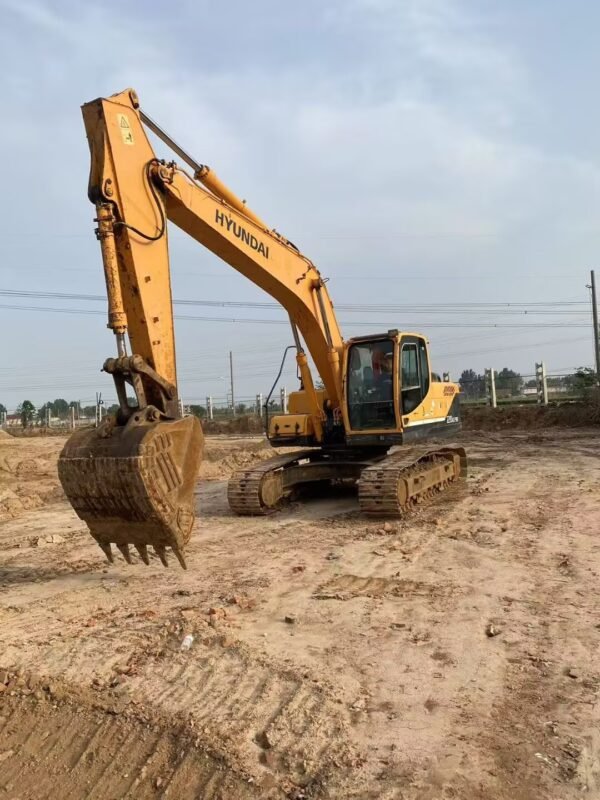
Medium excavators are often considered the industry’s workhorses. They offer an ideal balance between digging power, operating efficiency, transportation convenience, and project versatility.
Because they can perform a wide range of tasks, medium excavators generate strong demand across construction sectors worldwide.
The used excavator price in this category varies significantly depending on operating weight. For example, a 12-ton machine will typically be priced differently from a 20-ton or 30-ton model due to differences in productivity and lifting capacity.
Several factors support the value of medium excavators:
Broad application range.
High utilization rates.
Availability of replacement parts.
Strong global demand.
Excellent balance between cost and productivity.
Many contractors view medium excavators as long-term investments because they can be used on multiple project types without requiring specialized transportation arrangements.
As a result, this category often experiences the highest transaction volume in the used equipment market.
Large Excavators Command Premium Market Prices
Large excavators are designed for demanding applications requiring substantial digging force, reach, and productivity. These machines are commonly found in mining operations, infrastructure development, and major earthmoving projects.
The used excavator price for large machines is generally much higher than that of smaller equipment because of their advanced systems and exceptional performance capabilities.
Factors influencing their higher value include:
Larger engines.
More sophisticated hydraulic systems.
Increased bucket capacity.
Higher operating productivity.
Greater structural durability.
Although the buyer pool for large excavators may be more specialized, demand remains strong among organizations handling major construction and resource extraction projects.
Because these machines contribute significantly to project efficiency, well-maintained used units often retain impressive market value.
How Productivity Influences Price Across Different Sizes
One reason machine size affects used excavator price is productivity.
A larger excavator can typically move more material per cycle, dig deeper, and complete projects faster than a smaller machine. Increased productivity often translates into lower project costs and improved operational efficiency.
Buyers frequently evaluate equipment based on potential return on investment rather than purchase price alone.
For example:
A mini excavator may be ideal for confined urban projects.
A medium excavator may offer the best balance of cost and performance.
A large excavator may provide maximum productivity on extensive earthmoving operations.
When productivity gains justify the investment, larger machines often maintain stronger resale values.
Regional Demand Can Influence Size-Based Pricing
Market conditions vary significantly across different regions.
In densely populated urban areas, mini excavators may experience exceptionally strong demand due to limited working space and infrastructure renovation projects.
In developing regions with expanding transportation networks and industrial construction, medium excavators often dominate equipment fleets.
Mining regions and large infrastructure corridors frequently generate demand for large excavators capable of handling intensive workloads.
These regional preferences influence inventory levels and contribute to fluctuations in used excavator price across different machine sizes.
Understanding local market demand can help buyers identify opportunities and make cost-effective purchasing decisions.
Ownership Costs and Their Relationship to Market Value
Machine size affects not only acquisition cost but also total ownership expenses.
Larger excavators generally require:
Higher fuel consumption.
Larger transportation equipment.
More extensive maintenance programs.
Increased storage requirements.
Greater operator training.
Smaller excavators usually offer lower operating expenses, which can make them attractive to smaller businesses.
However, larger excavators often generate higher productivity, potentially offsetting increased operating costs.
Experienced buyers evaluate total lifecycle value rather than focusing solely on the initial used excavator price.
This broader perspective helps determine which machine size delivers the best financial return for specific project requirements.
Choosing the Right Size for Maximum Value
Selecting the correct excavator size is one of the most important purchasing decisions.
Buying a machine that is too small may limit productivity and extend project timelines. Choosing equipment that is excessively large may increase ownership costs without delivering proportional benefits.
Successful buyers typically evaluate:
Project scope.
Site conditions.
Transportation logistics.
Expected operating hours.
Future workload requirements.
Budget considerations.
Matching machine size to actual operational needs allows businesses to maximize efficiency while achieving the best value from their equipment investment.
The used excavator price varies significantly by machine size because size directly influences productivity, performance, manufacturing cost, operating capability, and market demand.
Mini excavators generally offer the most affordable entry point and remain popular for urban and residential projects. Medium excavators dominate the market thanks to their versatility and balanced operating costs. Large excavators command premium prices due to their exceptional productivity and suitability for large-scale construction and mining applications.
When evaluating used equipment, buyers should look beyond the purchase price and consider long-term value, productivity potential, ownership costs, and project requirements. By understanding how machine size affects market pricing, businesses can make smarter investment decisions and select the excavator that best supports their operational goals.