








Industry News
Small Wheel Loader Buying Guide for Contractors and Businesses
Jun
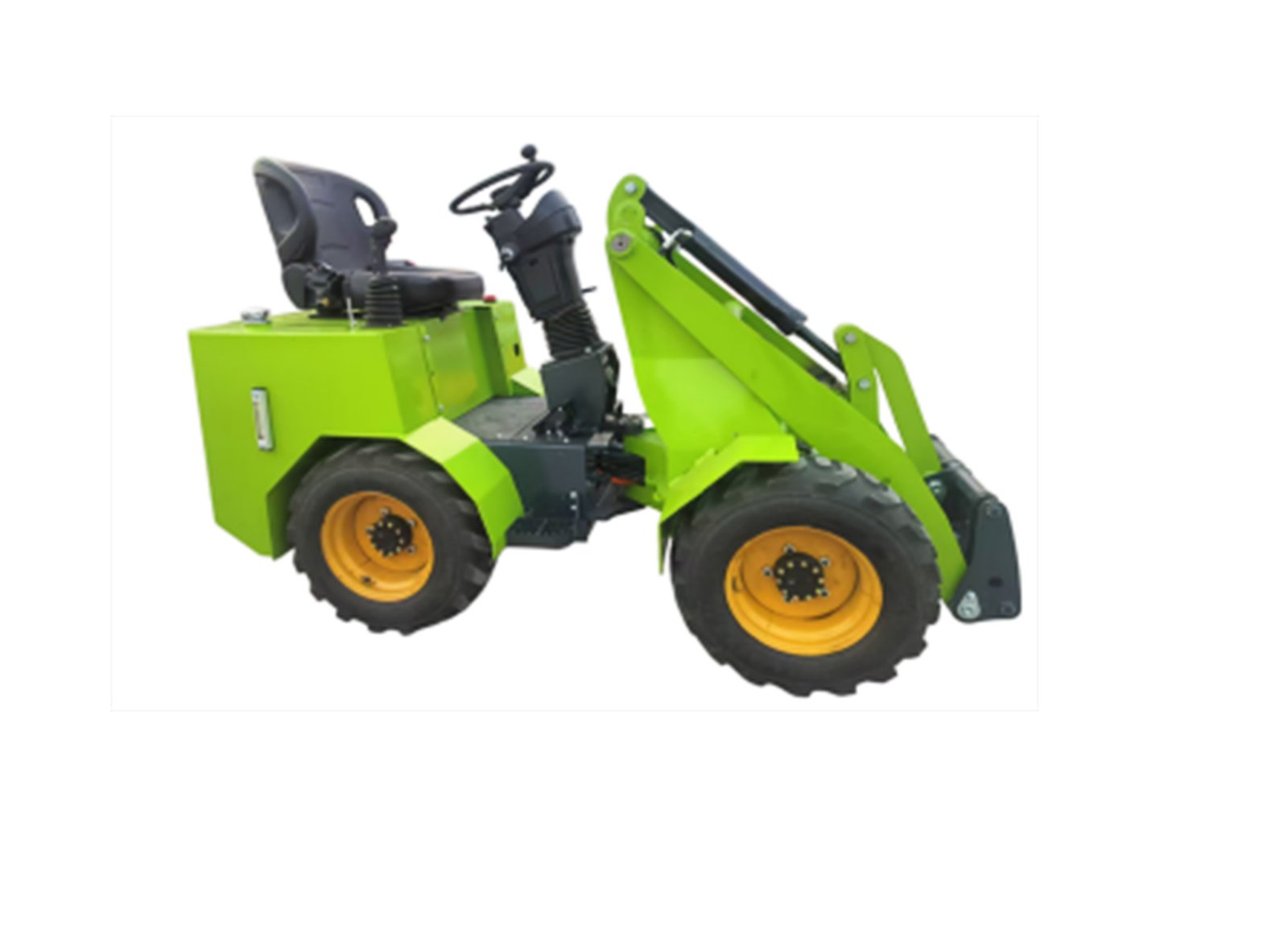
Small wheel loaders have become essential equipment for contractors, construction companies, agricultural operations, landscaping businesses, material handling facilities, and municipal projects. Their compact size, versatility, efficiency, and cost-effectiveness make them a valuable investment for organizations seeking to improve productivity while maintaining operational flexibility.
Whether you are purchasing your first machine or expanding an existing fleet, understanding the key factors that influence performance, reliability, and long-term value can help you make a smarter buying decision. This guide explores everything contractors and businesses should consider when selecting a small wheel loader.
Why Small Wheel Loaders Are Popular Across Industries
Small wheel loaders are designed to handle a wide variety of tasks while maintaining excellent maneuverability. Unlike larger equipment, they can operate efficiently in confined spaces, making them suitable for urban construction sites, warehouses, farms, landscaping projects, and industrial facilities.
Their popularity continues to grow because they offer a balanced combination of power and flexibility. Contractors appreciate their ability to transport materials, load trucks, clear debris, move pallets, and perform site preparation with a single machine.
Businesses also benefit from reduced operating costs, easier transportation between job sites, and simplified maintenance procedures compared with larger heavy equipment.
As infrastructure development and commercial construction projects continue to expand worldwide, small wheel loaders remain one of the most practical equipment investments available.
Understanding Your Operational Requirements
Before purchasing a small wheel loader, businesses should carefully evaluate their daily operational needs.
The first consideration is the type of material the machine will handle. Construction contractors may need loaders capable of moving gravel, sand, soil, and demolition materials. Agricultural users often transport feed, fertilizer, hay, and bulk materials. Landscaping companies may focus on mulch, stone, and plant materials.
Understanding typical working conditions is equally important. Job sites with limited access require highly maneuverable machines, while larger projects may demand greater lifting capacity and bucket volume.
Businesses should also estimate the average number of operating hours per day. Machines used continuously throughout the workweek require robust components and efficient hydraulic systems capable of maintaining productivity over long periods.
A clear understanding of operational requirements helps ensure the selected loader matches actual business needs and maximizes return on investment.
Evaluating Engine Performance and Efficiency
Engine performance is one of the most important factors when selecting a small wheel loader.
Modern machines are equipped with advanced engines that provide strong power output while maintaining fuel efficiency. Contractors should focus on finding a balance between horsepower and operational requirements.
Higher horsepower generally improves loading speed, climbing ability, and overall machine performance. However, selecting a machine with excessive power for light-duty tasks may increase operating expenses without providing additional benefits.
Fuel efficiency plays a significant role in long-term ownership costs. Efficient engines reduce fuel consumption and support sustainable business operations. Over time, improved fuel economy can generate substantial savings, especially for companies operating multiple machines.
Reliable engine technology also contributes to equipment longevity and consistent performance across varying job site conditions.
Choosing the Right Operating Capacity
Operating capacity directly affects productivity and project efficiency.
Businesses should evaluate the machine’s rated operating load, tipping load, and bucket capacity before making a purchase decision. These specifications determine how much material the loader can safely and efficiently move during each work cycle.
A machine with insufficient capacity may require additional loading cycles, reducing productivity. Conversely, selecting a machine with capacity that exceeds actual requirements may increase purchase costs unnecessarily.
The ideal loader should provide enough lifting power to handle current projects while offering flexibility for future business growth.
Matching capacity with application requirements ensures optimal performance and cost efficiency.
Hydraulic System Performance Matters
The hydraulic system is responsible for powering lifting, tilting, and attachment operations.
A high-quality hydraulic system enables faster cycle times, smoother operation, and greater versatility. Contractors working on demanding construction sites often rely on responsive hydraulics to maintain productivity throughout the day.
Advanced hydraulic technology also improves attachment performance. Whether using buckets, forks, grapples, snow blades, or sweepers, strong hydraulic flow ensures efficient operation.
Businesses should look for machines that deliver consistent hydraulic performance under varying workloads. Reliable hydraulics contribute directly to higher productivity and operator satisfaction.
Operator Comfort and Productivity
Comfortable operators are productive operators.
Modern small wheel loaders are designed with ergonomic cabs that enhance visibility, reduce fatigue, and improve overall working conditions. Features such as adjustable seating, intuitive controls, climate control systems, and low-noise cabins create a more efficient working environment.
Excellent visibility is particularly important for safety and precision during loading and material handling operations. Operators who can clearly see work areas are able to complete tasks more efficiently and accurately.
Investing in operator comfort often results in improved productivity, reduced downtime, and enhanced job site performance.
Attachment Compatibility Increases Versatility
One of the greatest advantages of a small wheel loader is its ability to support multiple attachments.
Quick-coupler systems allow operators to switch between attachments quickly, transforming a single machine into a versatile work platform. Common attachments include buckets, pallet forks, grapples, snow removal equipment, sweepers, and lifting tools.
For contractors and businesses seeking maximum equipment utilization, attachment compatibility is a major consideration.
The ability to perform multiple tasks with one machine reduces the need for additional equipment purchases and improves overall fleet efficiency.
Maintenance and Service Accessibility
Routine maintenance is essential for preserving equipment performance and reliability.
When evaluating small wheel loaders, businesses should examine how easily maintenance tasks can be performed. Convenient access to service points simplifies daily inspections and reduces maintenance time.
Features such as centralized service locations, accessible engine compartments, and user-friendly diagnostic systems support efficient maintenance procedures.
In addition, access to replacement parts and technical support contributes to long-term equipment reliability.
A machine designed for easy maintenance helps minimize downtime and maximizes operational availability.
Safety Features Support Business Success
Safety remains a top priority across all industries.
Modern small wheel loaders incorporate a variety of safety features designed to protect operators and improve job site awareness. Common features include rollover protection structures, enhanced visibility systems, stable chassis designs, backup alarms, and advanced braking systems.
Safety-focused equipment supports regulatory compliance while promoting a productive working environment.
Businesses that prioritize equipment safety often experience improved operational efficiency and stronger workforce confidence.
Total Cost of Ownership Should Guide Your Decision
The purchase price is only one component of equipment ownership.
Contractors and businesses should evaluate the total cost of ownership, including fuel consumption, maintenance expenses, service intervals, parts availability, and expected resale value.
A loader that delivers excellent reliability, fuel efficiency, and productivity may provide greater long-term value than a machine selected solely on initial purchase cost.
Considering the complete ownership lifecycle helps businesses make informed investment decisions and achieve stronger financial returns.
Selecting a Trusted Equipment Supplier
The quality of the supplier is just as important as the quality of the machine.
Reliable suppliers provide professional consultation, technical support, operator training, spare parts availability, and after-sales service. Strong supplier relationships help businesses maintain equipment performance throughout the machine’s operational life.
When evaluating suppliers, contractors should consider industry experience, customer support capabilities, product quality standards, and service responsiveness.
Partnering with a trusted supplier creates confidence and supports long-term business growth.
Choosing the right small wheel loader requires careful consideration of operational needs, performance specifications, hydraulic capabilities, operator comfort, maintenance requirements, safety features, and long-term ownership costs.
For contractors and businesses, a well-selected small wheel loader can become one of the most valuable assets in daily operations. Its ability to improve efficiency, enhance versatility, and support productivity across a wide range of applications makes it an essential investment for modern construction, agriculture, landscaping, and industrial projects.
By focusing on practical requirements and partnering with a reliable equipment provider, businesses can confidently select a machine that delivers lasting value, dependable performance, and strong returns for years to come.