









Industry News
New Excavator Features That Improve Productivity
May
Modern construction and excavation projects demand equipment that can deliver higher efficiency, lower operating costs, and improved job site performance. Excavators have evolved significantly over the years, with manufacturers introducing advanced technologies and innovative features that help operators complete tasks faster and more accurately.
Today’s excavators are no longer just powerful digging machines. They are highly advanced systems equipped with intelligent controls, fuel-saving technologies, operator comfort improvements, and productivity-enhancing automation. These innovations are transforming construction, mining, landscaping, demolition, and infrastructure development projects worldwide.
Understanding the newest excavator features can help contractors, fleet managers, and equipment buyers make informed decisions that improve productivity and long-term operational value.
Advanced Hydraulic Systems
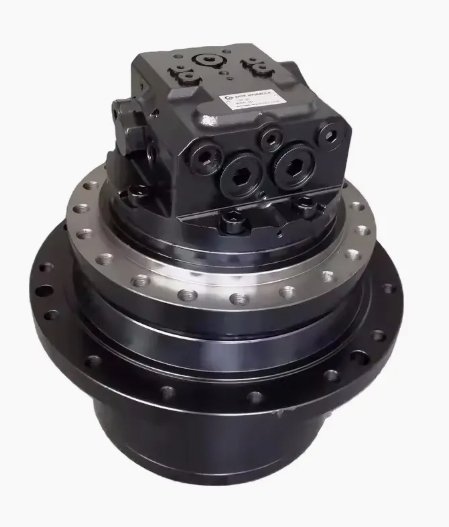
One of the most important developments in modern excavators is the improvement of hydraulic system technology. Hydraulic performance directly affects digging speed, lifting capability, attachment operation, and overall machine efficiency.
New excavators are equipped with intelligent hydraulic systems that optimize oil flow based on workload demands. These systems help reduce unnecessary power loss while improving machine responsiveness and smoother operation.
Advanced hydraulic controls also allow multiple machine functions to operate simultaneously with greater precision. Operators can swing, lift, and dig at the same time without sacrificing performance. This leads to faster cycle times and increased job site productivity.
Some excavators now include electronically controlled pumps and valves that automatically adjust hydraulic pressure according to operating conditions. This helps improve fuel efficiency while maintaining strong digging power.
Fuel-Efficient Engine Technology
Fuel costs remain one of the largest operational expenses in heavy equipment management. Modern excavators now feature highly efficient engine technologies designed to reduce fuel consumption without compromising performance.
Many new machines use automatic engine idle systems that lower engine speed when the controls are inactive. This helps conserve fuel during temporary work pauses.
Eco operating modes are also increasingly common. These modes optimize engine and hydraulic performance for lighter workloads, reducing fuel usage during less demanding tasks.
Improved combustion systems, electronic engine management, and advanced cooling technologies further contribute to better fuel efficiency and lower operating costs.
By reducing fuel consumption, contractors can improve profitability while supporting more sustainable construction practices.
Integrated GPS and Machine Control Systems
Technology integration has become a major productivity advantage in modern excavators. GPS machine control systems now help operators achieve more accurate excavation results with reduced manual measurement requirements.
Integrated grade control technology allows operators to monitor digging depth, slope, and positioning directly from the machine display. This minimizes over-excavation and helps improve project precision.
Some excavators include semi-automatic digging assistance features that guide boom and bucket movement according to predefined design parameters. These systems help reduce operator fatigue and increase work consistency.
Real-time positioning data also improves efficiency on large construction sites by reducing rework and improving coordination between machines and project teams.
Enhanced Operator Comfort
Operator comfort plays a critical role in overall productivity. Modern excavator cabins are designed to reduce fatigue, improve concentration, and support longer working hours with greater efficiency.
New excavators often include ergonomic seating, adjustable armrests, climate control systems, and low-noise cabins that create a more comfortable work environment.
Improved visibility is another major advancement. Larger glass areas, rearview cameras, 360-degree monitoring systems, and LED lighting improve operator awareness and job site safety.
Touchscreen displays and intuitive control panels also simplify machine operation. Operators can quickly access performance data, machine settings, and maintenance alerts from a centralized interface.
Comfort-focused cabin design helps operators maintain productivity throughout the workday while reducing physical strain.
Smart Attachment Integration
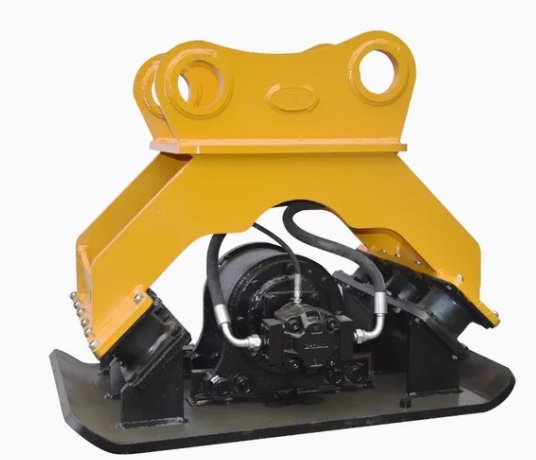
Excavators are increasingly used as multi-purpose machines capable of handling a wide range of tasks beyond digging. Modern attachment systems significantly improve machine versatility and operational efficiency.
Quick coupler technology allows operators to change attachments rapidly without leaving the cabin. This reduces downtime and improves workflow efficiency.
Hydraulic attachment recognition systems automatically identify connected tools and adjust machine settings accordingly. This helps optimize performance for buckets, breakers, grapples, augers, and other specialized equipment.
With improved attachment compatibility, contractors can complete more tasks using a single machine, reducing the need for additional equipment on job sites.
Telematics and Remote Monitoring
Telematics technology has become a standard feature in many new excavators. These systems provide real-time machine data that helps fleet managers monitor performance, fuel usage, maintenance schedules, and equipment location.
Remote monitoring improves equipment management by allowing companies to track machine productivity and identify inefficiencies more quickly.
Predictive maintenance alerts can help reduce unexpected downtime by notifying operators and service teams before potential issues become serious.
Fleet managers can also use telematics data to optimize machine utilization, improve scheduling, and reduce idle time across multiple projects.
This level of connectivity supports more efficient equipment operations and long-term cost control.
Improved Safety Technologies
Safety innovations in modern excavators not only protect operators but also improve overall productivity by reducing work interruptions and improving job site awareness.
Many excavators now include collision warning systems, object detection sensors, and camera-based visibility technologies that help operators work more safely in busy environments.
Automatic swing limitation systems help prevent machine movement into restricted areas, improving precision near buildings, utilities, or traffic zones.
Load monitoring systems also improve lifting safety by helping operators avoid overload conditions during material handling tasks.
Enhanced lighting systems and emergency shutoff features further contribute to safer and more efficient job site operations.
Reduced Maintenance Requirements
Maintenance efficiency has become a major focus in excavator design. Manufacturers are introducing features that simplify servicing and reduce machine downtime.
Extended service intervals reduce the frequency of maintenance tasks, helping improve machine availability and productivity.
Grouped service points allow technicians to access filters, fluid checks, and maintenance components more easily. This shortens maintenance time and improves operational efficiency.
Advanced filtration systems also help protect engine and hydraulic components from contamination, extending machine lifespan and reducing repair costs.
Some excavators now include onboard diagnostic systems that provide detailed maintenance information directly through the operator display or remote telematics platform.
Hybrid and Electric Excavator Innovations
Sustainability is becoming increasingly important in the construction industry. Hybrid and electric excavator technologies are emerging as innovative solutions that improve efficiency while reducing environmental impact.
Hybrid excavators use energy recovery systems that capture and reuse energy generated during machine operation. This helps improve fuel efficiency and reduce emissions.
Electric excavators are also gaining popularity for urban construction projects where low noise and reduced emissions are important priorities.
As battery technology continues to improve, electric construction equipment is expected to play a larger role in future infrastructure development.
Automation and AI-Assisted Operation
Automation is one of the most exciting developments in the excavation industry. Modern excavators increasingly incorporate artificial intelligence and automated assistance technologies that improve efficiency and accuracy.
AI-assisted systems can help optimize digging paths, monitor machine performance, and reduce unnecessary movements. Automated functions also improve consistency across repetitive tasks.
Some excavators now feature programmable work modes that adapt machine behavior to specific job site conditions.
Automation technologies help reduce operator workload while improving precision, productivity, and fuel efficiency.
Choosing the Right Productivity Features
When selecting a new excavator, buyers should carefully evaluate which features provide the greatest value for their specific applications.
Large infrastructure projects may benefit from advanced GPS and machine control systems, while urban contractors may prioritize compact size, low emissions, and improved visibility.
Fleet managers should also consider long-term operating costs, maintenance efficiency, attachment compatibility, and telematics integration when evaluating equipment options.
Investing in modern productivity-focused features can improve project efficiency, reduce downtime, and increase return on investment over the machine’s lifespan.
Modern excavators are evolving rapidly through the integration of advanced technology, intelligent automation, and operator-focused design. Features such as smart hydraulics, GPS machine control, fuel-efficient engines, telematics, safety systems, and attachment integration are helping construction companies achieve higher productivity levels than ever before.
As the construction industry continues embracing digital transformation and sustainable practices, new excavator technologies will play an increasingly important role in improving efficiency, reducing operational costs, and supporting long-term project success.
Businesses that invest in advanced excavator features today are better positioned to remain competitive in the future construction market.