








Industry News
How to Use a Backhoe Maintenance and Safety Tips
May
Backhoes are among the most versatile pieces of construction equipment used across industries such as construction, agriculture, landscaping, roadwork, utility installation, and property development. Combining the functions of a loader and an excavator, a backhoe allows operators to dig, lift, trench, transport materials, and perform site preparation with efficiency and flexibility.
Because backhoes are widely used on different job sites and terrain conditions, understanding how to operate them correctly is essential for improving productivity, maintaining equipment performance, and ensuring workplace safety. Proper maintenance and safe operation not only extend machine lifespan but also help operators work more efficiently in demanding environments.
This guide explains how to use a backhoe properly while covering essential maintenance procedures and important safety tips that every operator and equipment owner should understand.
Understanding the Main Parts of a Backhoe
Before operating a backhoe, it is important to understand its major components and how each part functions during operation.
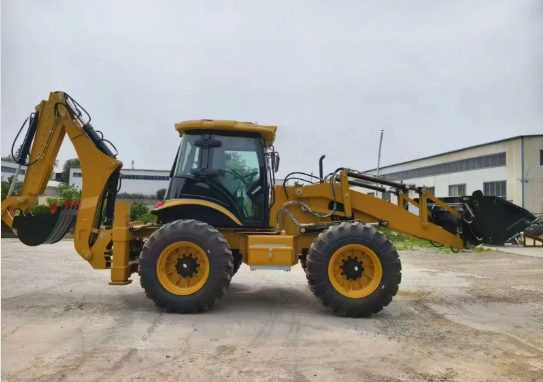
A backhoe typically includes a front loader bucket mounted on the front of the machine and a rear digging arm located at the back. The front loader is commonly used for lifting, carrying, leveling, and loading materials such as soil, gravel, and debris. The rear backhoe arm is designed for digging trenches, excavating soil, and performing precision excavation work.
Other important components include the hydraulic system, stabilizer legs, operator cabin, tires, engine compartment, boom, dipper arm, and bucket attachment.
Modern backhoes often include advanced controls, digital displays, ergonomic seating, improved visibility systems, and multiple attachment compatibility options. Understanding these components helps operators improve machine control and efficiency.
How to Start and Prepare a Backhoe
Before operating a backhoe, operators should conduct a complete pre-operation inspection. This helps ensure the machine is in proper working condition and ready for safe use.
The first step is checking fluid levels, including engine oil, hydraulic fluid, coolant, and fuel. Proper fluid levels are critical for machine performance and hydraulic system reliability.
Operators should also inspect tires for correct pressure and signs of wear or damage. Hydraulic hoses, fittings, and cylinders should be checked for leaks or visible damage.
The work area should be evaluated before starting the machine. Operators should identify underground utilities, overhead obstacles, uneven terrain, and nearby personnel.
Once the inspection is complete, the operator can enter the cabin, fasten the seatbelt, adjust mirrors and seating position, and start the engine according to the manufacturer’s recommended procedure.
Allowing the engine to warm up for a few minutes helps stabilize hydraulic performance before heavy operation begins.
Basic Backhoe Operating Techniques
Learning proper operating techniques is essential for maximizing efficiency and reducing unnecessary wear on the machine.
When driving a backhoe, operators should move at controlled speeds and remain aware of the machine’s size and turning radius. Sudden movements or sharp turns can affect stability, especially on uneven terrain.
For digging operations, stabilizer legs should always be lowered before using the rear excavator arm. Stabilizers improve machine balance and reduce movement during excavation.
The operator should position the boom, dipper arm, and bucket smoothly while maintaining steady hydraulic control. Gradual and controlled movements help improve digging precision and reduce stress on hydraulic components.
During trenching operations, operators should maintain consistent digging depth and avoid overloading the bucket. Excessive force may reduce efficiency and increase wear on the machine.
The front loader can be used for carrying loose material, grading surfaces, or cleaning debris from the work area. Maintaining proper bucket height while transporting materials improves machine stability and visibility.
Common Backhoe Applications
Backhoes are highly versatile machines used across many different industries and job site conditions.
In construction projects, backhoes are commonly used for trenching, excavation, site preparation, and material handling. Utility contractors often rely on backhoes for installing water lines, drainage systems, and underground cables.
Landscaping companies use backhoes for tree removal, soil grading, pond excavation, and property development projects.
Agricultural operations may use backhoes for irrigation trenching, fence installation, drainage improvements, and general farm maintenance.
Roadwork crews frequently use backhoes for repairing underground infrastructure, clearing debris, and supporting pavement construction projects.
Because of their compact size and multifunctional capabilities, backhoes are often preferred for projects where larger excavation equipment may not be practical.
Importance of Regular Backhoe Maintenance
Routine maintenance is one of the most important factors in keeping a backhoe operating efficiently and reliably over the long term.
Regular inspections help identify small issues before they become major repairs. Well-maintained machines also improve fuel efficiency, hydraulic performance, and overall job site productivity.
Preventive maintenance reduces unexpected downtime and supports safer equipment operation. Consistent service schedules also help protect the value of the machine and extend its working lifespan.
Operators and equipment owners should always follow the maintenance guidelines recommended by the equipment manufacturer.
Daily Backhoe Maintenance Checklist
Daily maintenance inspections are essential before operating a backhoe each day.
Operators should inspect engine oil levels, hydraulic fluid, coolant, and fuel supply. Any visible leaks or damaged hoses should be addressed immediately.
The air filter should be checked regularly to ensure proper engine airflow and fuel efficiency. Dirty filters may reduce engine performance and increase fuel consumption.
Greasing pivot points, boom joints, loader arms, and bucket pins helps reduce friction and wear on moving components.
Tires should be inspected for cuts, punctures, and correct inflation pressure. Proper tire condition improves traction and machine stability.
The battery, lights, mirrors, and safety warning systems should also be checked before operation begins.
Keeping the machine clean helps operators identify leaks, loose components, and wear more easily during inspections.
Hydraulic System Maintenance Tips
The hydraulic system is one of the most important components of a backhoe. Proper hydraulic maintenance directly affects digging performance, lifting power, and machine responsiveness.
Operators should monitor hydraulic fluid levels and replace hydraulic filters according to maintenance schedules. Clean hydraulic fluid helps protect pumps, valves, and cylinders from contamination and wear.
Hydraulic hoses should be inspected regularly for cracks, abrasions, or leaks. Damaged hoses can reduce system efficiency and affect operational safety.
Maintaining proper hydraulic pressure is also important for preventing overheating and unnecessary component stress.
Using high-quality hydraulic fluid recommended for the machine helps improve system reliability and performance in different weather conditions.
Backhoe Safety Tips for Operators
Safe operation is essential when using heavy construction equipment. Proper safety practices help protect operators, nearby workers, and job site equipment.
Operators should always wear appropriate personal protective equipment, including safety boots, gloves, reflective clothing, and hearing protection when necessary.
Seatbelts should be worn whenever the machine is operating. Modern backhoes are designed with rollover protection systems that work together with seatbelt use.
Operators should remain aware of surrounding workers, obstacles, and underground utilities at all times. Maintaining good visibility is critical during loading, trenching, and reversing operations.
The machine should only be operated on stable ground conditions whenever possible. Extra caution is required on slopes, wet surfaces, or uneven terrain.
Before leaving the operator seat, the bucket and loader should be lowered to the ground, the parking brake engaged, and the engine shut down properly.
Proper operator training is also one of the most important factors in improving safety and equipment performance.
Seasonal Backhoe Maintenance Considerations
Different weather conditions can affect backhoe performance and maintenance needs throughout the year.
In cold weather, operators should allow extra warm-up time for engines and hydraulic systems. Using winter-grade fluids may improve machine performance in low temperatures.
During hot weather, cooling systems should be inspected carefully to prevent overheating. Radiators and cooling fans should remain clean and free from debris.
Rainy or muddy conditions may increase wear on tires, undercarriage components, and hydraulic seals. Cleaning the machine regularly helps reduce long-term damage caused by dirt and moisture.
Proper equipment storage also helps protect backhoes during periods of inactivity. Covered storage areas can reduce exposure to harsh environmental conditions.
Choosing the Right Attachments for a Backhoe
Modern backhoes support a wide range of attachments that improve machine versatility and productivity.
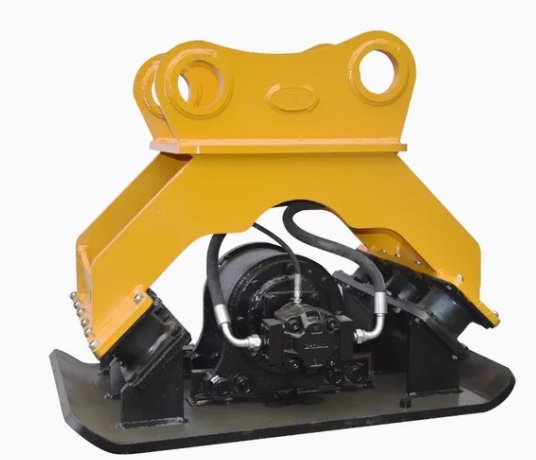
Common attachments include hydraulic breakers, augers, grapples, trenching buckets, compactors, and pallet forks.
Choosing the right attachment depends on the specific job requirements, soil conditions, and lifting capacity of the machine.
Proper attachment installation and regular inspection help ensure safe and efficient operation. Operators should always confirm compatibility between the attachment and the backhoe model.
Using the correct attachment can significantly improve work efficiency while reducing manual labor and project completion time.
Backhoes remain one of the most valuable and versatile machines used across construction, agriculture, landscaping, and infrastructure projects. Understanding how to operate a backhoe properly while following regular maintenance procedures and safety practices is essential for maximizing performance and equipment longevity.
Daily inspections, hydraulic system care, operator awareness, and preventive maintenance all contribute to improved productivity and safer working conditions. Proper training and responsible operation also help reduce equipment wear and support long-term reliability.
As construction equipment technology continues to advance, modern backhoes will continue providing efficient, flexible, and dependable solutions for a wide range of excavation and material handling applications.