









Industry News
Safety First: Essential Tips for Operating a Wheel Loader Rental
May
Wheel loaders are among the most versatile and powerful machines used in construction, agriculture, mining, landscaping, and material handling industries. Whether moving gravel on a construction site, loading materials into trucks, or clearing debris, wheel loaders improve productivity and reduce manual labor. Renting a wheel loader is often a cost-effective solution for businesses and contractors that need reliable heavy equipment for short-term or seasonal projects.
However, operating a wheel loader safely requires proper preparation, training, and awareness. Even experienced operators must follow safety procedures to maintain efficient operations and protect both personnel and equipment. Understanding best practices for wheel loader rental operation can help maximize performance while minimizing operational risks.
This guide explores essential wheel loader safety tips, including pre-operation inspections, proper handling techniques, workplace awareness, maintenance practices, and operator responsibilities.
Understanding Wheel Loader Basics
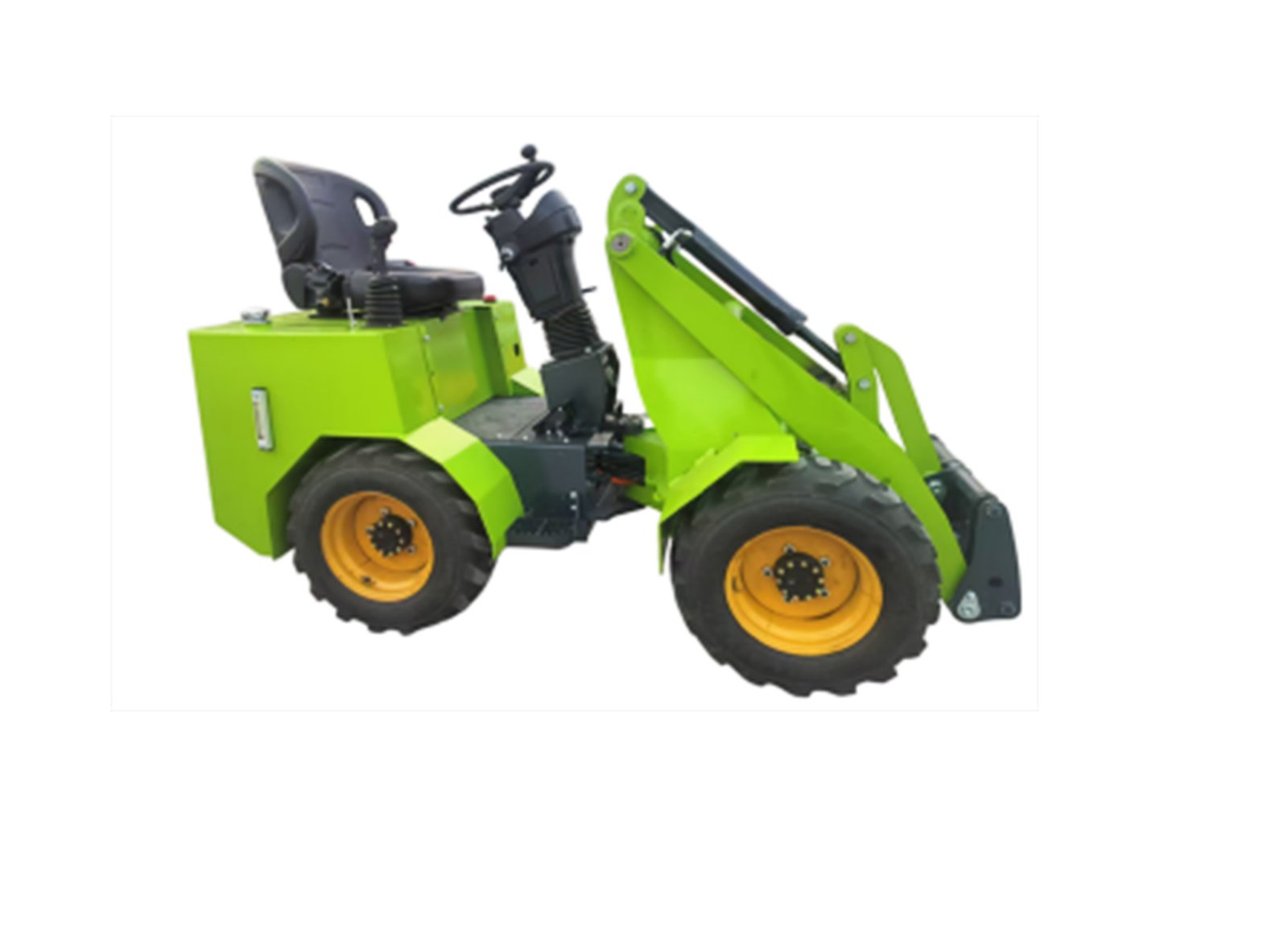
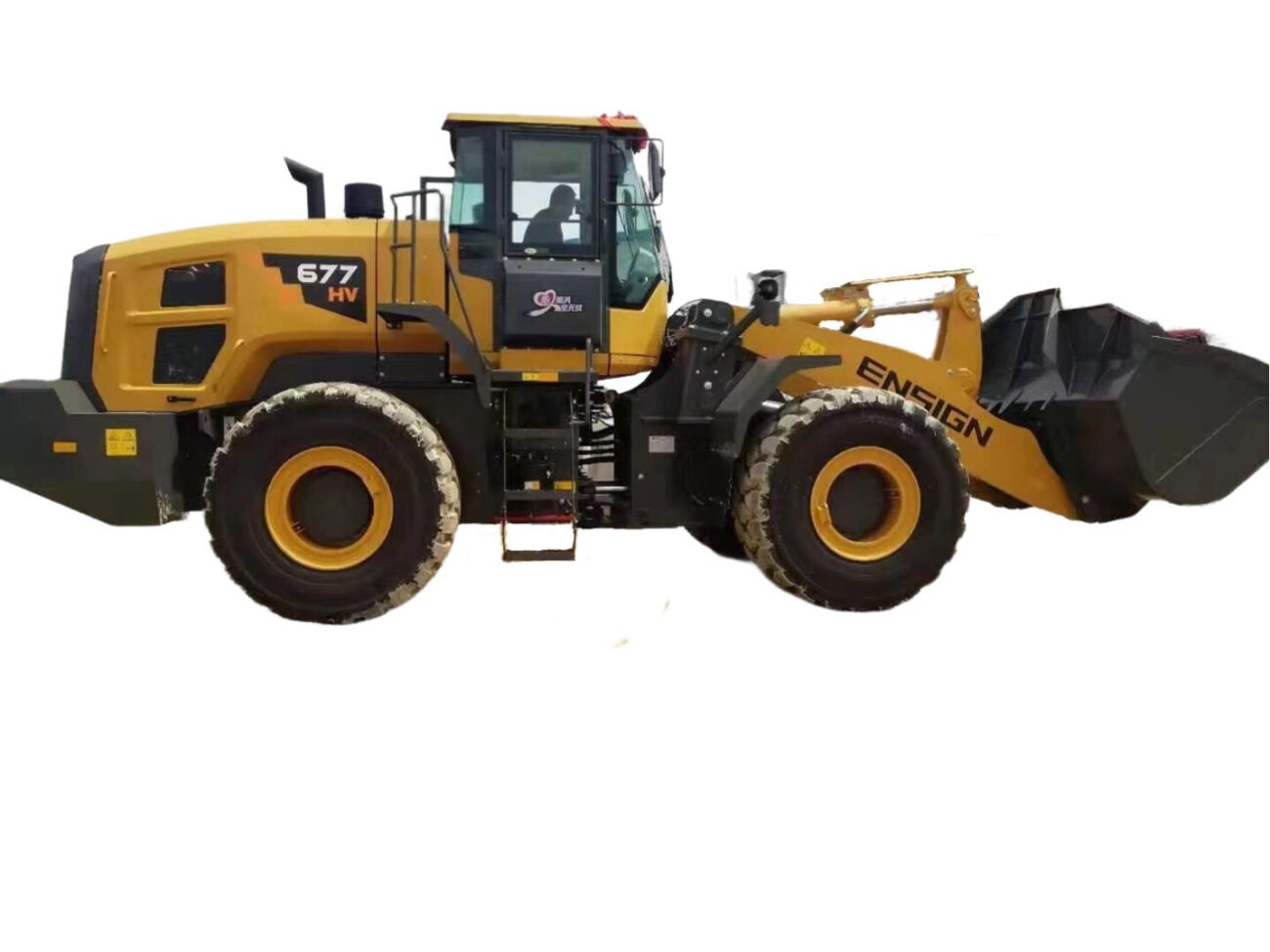
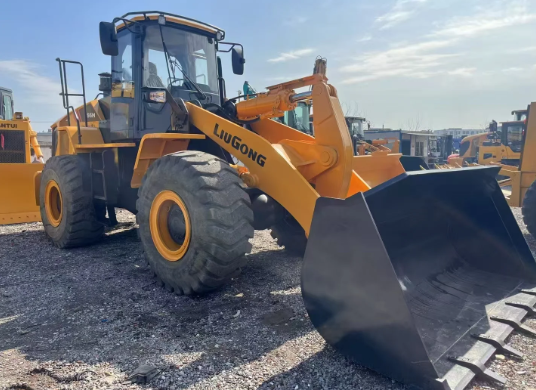
Before operating a rented wheel loader, it is important to understand the machine’s basic components and functions. A wheel loader typically includes a front-mounted bucket, hydraulic lifting arms, articulated steering, large tires, and a powerful engine designed for moving heavy materials efficiently.
Modern wheel loaders may also include advanced features such as:
- Rearview cameras
- Digital control systems
- Load monitoring technology
- Adjustable operating modes
- Enhanced hydraulic systems
- Operator comfort features
Operators should carefully review the equipment manual and become familiar with all controls, warning indicators, and safety systems before beginning work.
Understanding machine capacity is also essential. Overloading the bucket or using attachments beyond the loader’s specifications can affect stability and performance.
Conduct a Thorough Pre-Operation Inspection
One of the most important safety practices is performing a complete inspection before operating the wheel loader. Daily inspections help identify potential issues early and ensure the machine is ready for safe operation.
Key inspection areas include:
- Tire condition and air pressure
- Hydraulic hoses and connections
- Engine fluid levels
- Braking systems
- Steering responsiveness
- Bucket attachment security
- Lighting and warning signals
- Mirrors and camera visibility
Operators should also check for leaks, loose bolts, unusual wear, or damaged components. Any concerns should be addressed before the machine is used on the job site.
A clean operator cabin also contributes to safety by improving visibility and reducing distractions.
Wear Proper Personal Protective Equipment
Personal protective equipment plays a critical role in wheel loader safety. Operators and nearby workers should wear appropriate gear to reduce workplace hazards.
Recommended PPE may include:
- Hard hats
- High-visibility safety vests
- Steel-toe boots
- Safety gloves
- Eye protection
- Hearing protection
In dusty environments, respiratory protection may also be necessary.
Proper clothing is equally important. Loose clothing or unsecured accessories can interfere with machine controls or create safety hazards near moving equipment.
Always Use Safe Mounting and Dismounting Techniques
Entering and exiting heavy equipment safely is often overlooked, but it is an important part of operator safety.
Operators should use the three-point contact method at all times when mounting or dismounting the wheel loader. This means maintaining two hands and one foot, or two feet and one hand, in contact with the machine.
Steps and handrails should be kept clean and free of mud, oil, or debris to prevent slipping.
Operators should never jump from the loader, especially when carrying tools or equipment.
Maintain Clear Visibility During Operation
Good visibility is essential for safe wheel loader operation. Construction sites and material yards can be busy environments with workers, vehicles, and obstacles moving in multiple directions.
Before moving the machine, operators should:
- Adjust mirrors properly
- Check blind spots
- Confirm the surrounding area is clear
- Use cameras if equipped
- Sound the horn when necessary
When operating in confined spaces or crowded work zones, a spotter may help guide the loader safely.
Keeping windows clean and maintaining proper lighting can further improve visibility during low-light conditions or bad weather.
Follow Safe Loading and Material Handling Practices
Wheel loaders are designed to transport heavy materials efficiently, but improper loading techniques can reduce stability and increase operational risks.
Operators should avoid overfilling the bucket or carrying loads too high while traveling. Keeping the bucket low to the ground helps maintain machine balance and improves visibility.
When approaching a pile of material, operators should use smooth and controlled movements instead of sudden acceleration.
Loads should also be distributed evenly within the bucket to prevent shifting during transport.
When loading trucks, operators should communicate clearly with nearby workers and maintain safe distances from other equipment.
Operate at Safe Speeds
Speed control is one of the most important aspects of heavy equipment safety.
Driving too quickly can reduce reaction time and affect machine stability, especially on uneven terrain or when carrying heavy loads.
Operators should adjust speed based on:
- Ground conditions
- Weather conditions
- Job site traffic
- Visibility
- Load weight
Sharp turns should be avoided at high speeds, as articulated wheel loaders can become unstable during sudden directional changes.
Traveling slowly and carefully improves overall control and reduces unnecessary wear on the equipment.
Be Aware of Terrain and Ground Conditions
Wheel loaders often operate in changing environments that may include mud, loose gravel, slopes, uneven ground, or wet surfaces.
Before beginning work, operators should inspect the job site and identify potential hazards such as:
- Soft ground
- Deep holes
- Hidden obstacles
- Slippery surfaces
- Steep inclines
Operating on unstable terrain requires extra caution. Loads should remain low while traveling on slopes, and operators should avoid sudden movements that could affect machine balance.
Understanding ground conditions helps improve both safety and machine efficiency.
Use Attachments Correctly
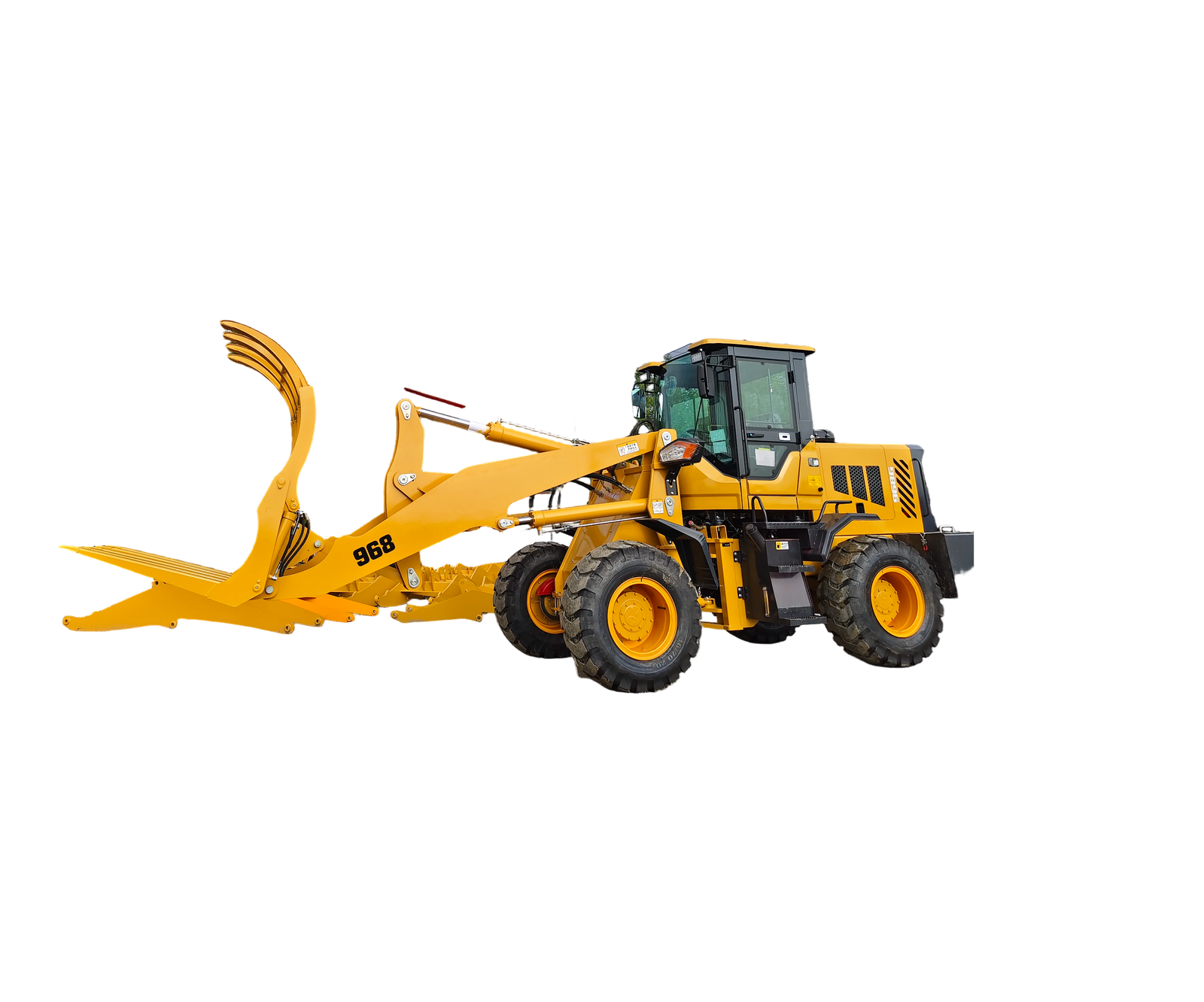
Many wheel loader rentals support various attachments, including forks, grapples, snow pushers, and material buckets.
Each attachment is designed for specific tasks and has unique operating requirements.
Operators should ensure attachments are:
- Properly installed
- Compatible with the loader
- Securely locked in place
- Used within rated capacity limits
Switching attachments should follow manufacturer procedures to ensure safe operation.
Using the correct attachment for each job improves productivity and reduces unnecessary strain on the machine.
Practice Effective Communication on the Job Site
Communication is essential when operating heavy equipment around workers and other machinery.
Job sites should establish clear communication methods such as:
- Hand signals
- Two-way radios
- Audible warnings
- Designated traffic routes
Operators should stay alert to pedestrian movement and maintain safe operating distances at all times.
When visibility is limited, spotters can help guide movement safely and reduce confusion in busy work areas.
Good communication improves coordination and supports a safer work environment.
Understand Basic Maintenance Responsibilities
Even with rented equipment, operators should understand basic daily maintenance responsibilities.
Routine maintenance tasks may include:
- Refueling safely
- Checking fluid levels
- Cleaning air filters
- Inspecting tires
- Lubricating moving parts
Reporting unusual noises, warning lights, or performance changes promptly helps prevent equipment downtime and supports safe operation.
Well-maintained wheel loaders typically perform more efficiently and provide better reliability on demanding job sites.
The Importance of Operator Training
Professional training is one of the most effective ways to improve wheel loader safety.
Operators should understand:
- Machine controls
- Safe handling procedures
- Emergency shutdown methods
- Load management
- Terrain awareness
- Attachment operation
Training also helps operators develop confidence and improve productivity while reducing operational mistakes.
Refresher training programs can further support long-term workplace safety and compliance.
Operating a wheel loader rental safely requires preparation, awareness, and responsible machine handling. From pre-operation inspections and proper loading techniques to communication and maintenance, every aspect of operation contributes to workplace safety and equipment efficiency.
By following essential safety practices, operators can improve productivity, reduce downtime, and create safer job site environments. As construction and material handling industries continue to evolve, proper wheel loader operation remains a critical part of successful project management.
Investing time in training, inspections, and safe operating habits helps ensure wheel loader rentals deliver maximum value while supporting reliable and efficient performance.