








Industry News
Second Hand Excavator Price Guide by Brand and Size
May
The global construction and earthmoving industries continue to grow rapidly, increasing the demand for reliable heavy equipment at cost-effective prices. Among the most popular machines in construction, mining, landscaping, agriculture, and infrastructure development is the excavator. Many businesses and contractors choose second hand excavators because they offer strong performance and lower investment costs compared with new machinery.
Understanding second hand excavator pricing is important for buyers who want to balance budget, machine condition, operational efficiency, and long-term value. Prices can vary significantly depending on brand reputation, machine size, operating hours, maintenance history, attachments, technology features, and regional market demand.
This guide explains how second hand excavator prices are influenced by brand and size while helping buyers better understand the used equipment market.
Why Second Hand Excavators Are Popular
Second hand excavators have become a practical solution for contractors, equipment rental companies, farmers, and small construction businesses. Purchasing used equipment allows buyers to access professional-grade machinery while reducing upfront investment costs.
Modern excavators are built for durability and long operational lifespans, making well-maintained used machines highly attractive in the market. Many second hand excavators continue operating efficiently for thousands of hours when serviced properly.
The popularity of used excavators is also supported by:
- Faster equipment availability
- Lower depreciation impact
- Wide machine selection
- Flexible project budgeting
- Strong resale value
- Availability of spare parts
As construction projects continue expanding globally, the demand for quality second hand equipment remains strong.
Factors That Affect Second Hand Excavator Prices
Several important factors determine the market value of a second hand excavator.
The first factor is machine age. Newer machines generally command higher prices because they often include updated hydraulic systems, fuel-efficient engines, improved operator cabins, and advanced control technologies.
Operating hours also play a major role in pricing. Excavators with lower working hours are usually valued higher because they often have less wear on critical components such as hydraulic pumps, undercarriages, and engines.
Maintenance history is another important consideration. Machines with complete service records and regular maintenance schedules typically achieve better market prices because buyers view them as more reliable.
Machine condition also directly affects pricing. Structural integrity, paint condition, hydraulic performance, track wear, bucket condition, and engine operation all influence buyer confidence.
Additional attachments such as breakers, grapples, augers, or quick couplers can also increase equipment value.
Regional market demand, transportation costs, and equipment availability further influence second hand excavator pricing across different countries and industries.
Mini Excavator Price Range
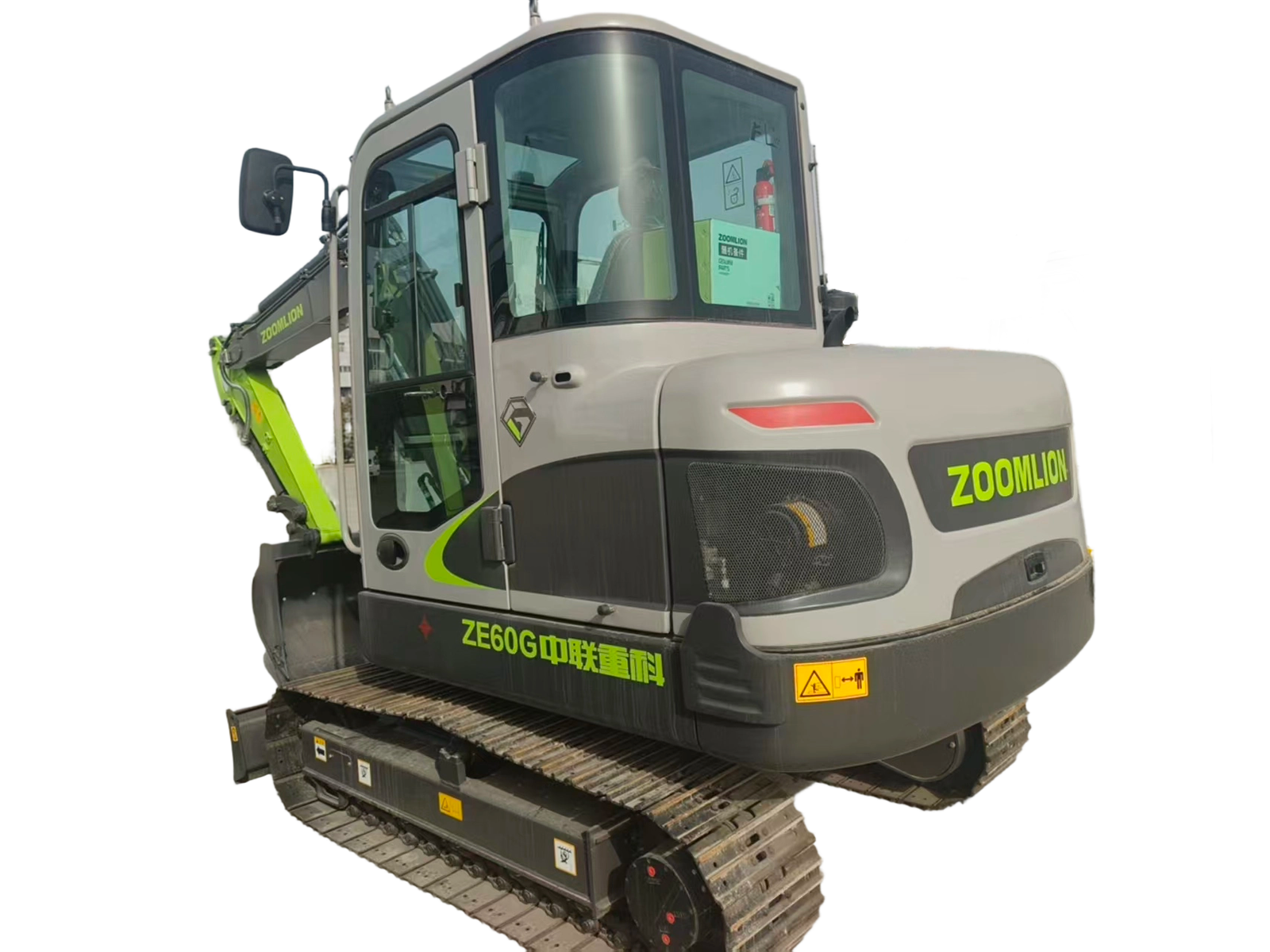
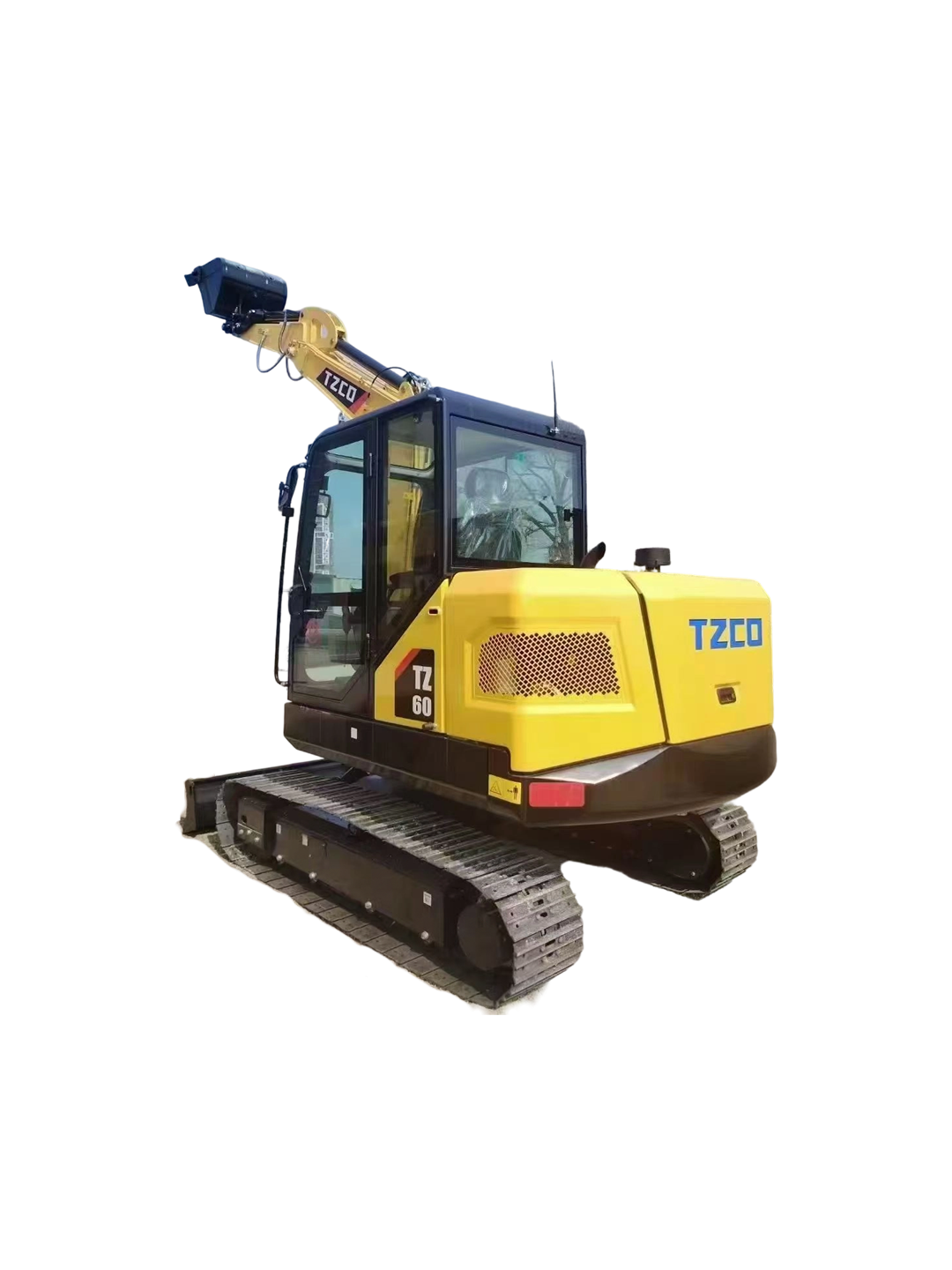
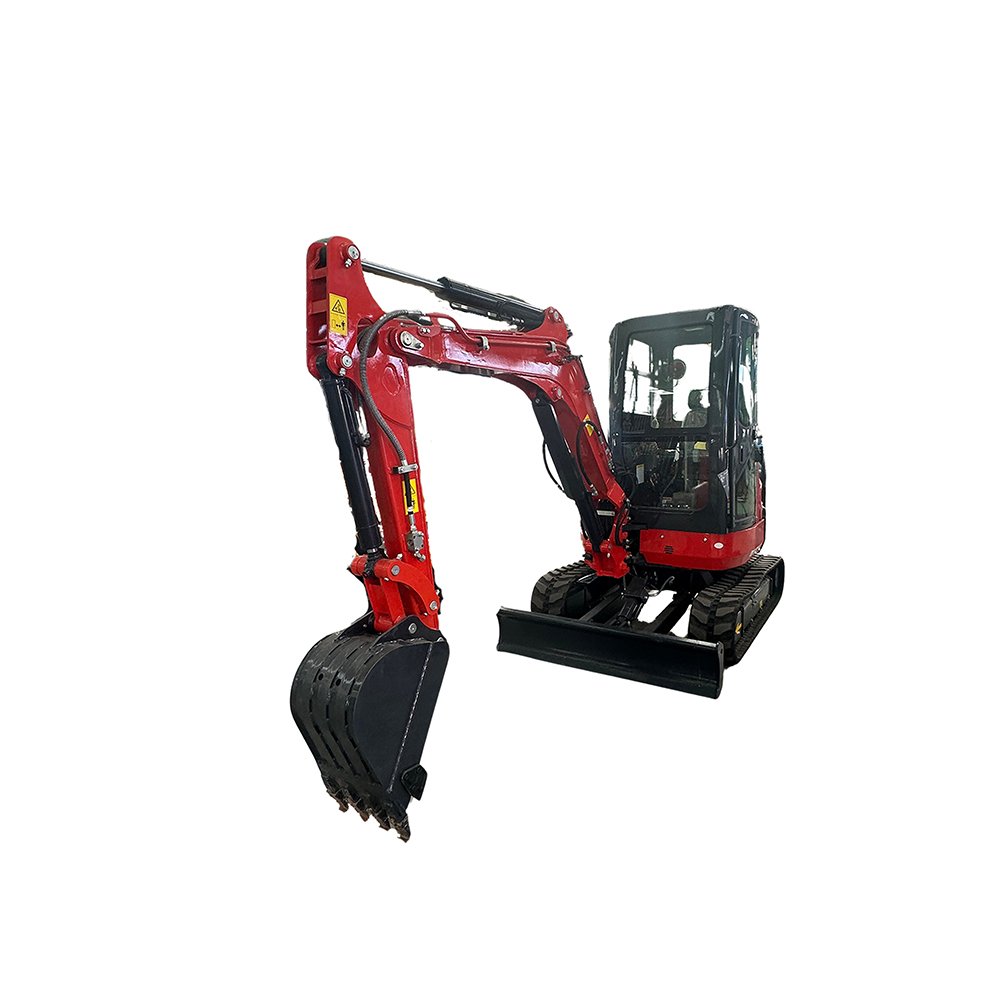
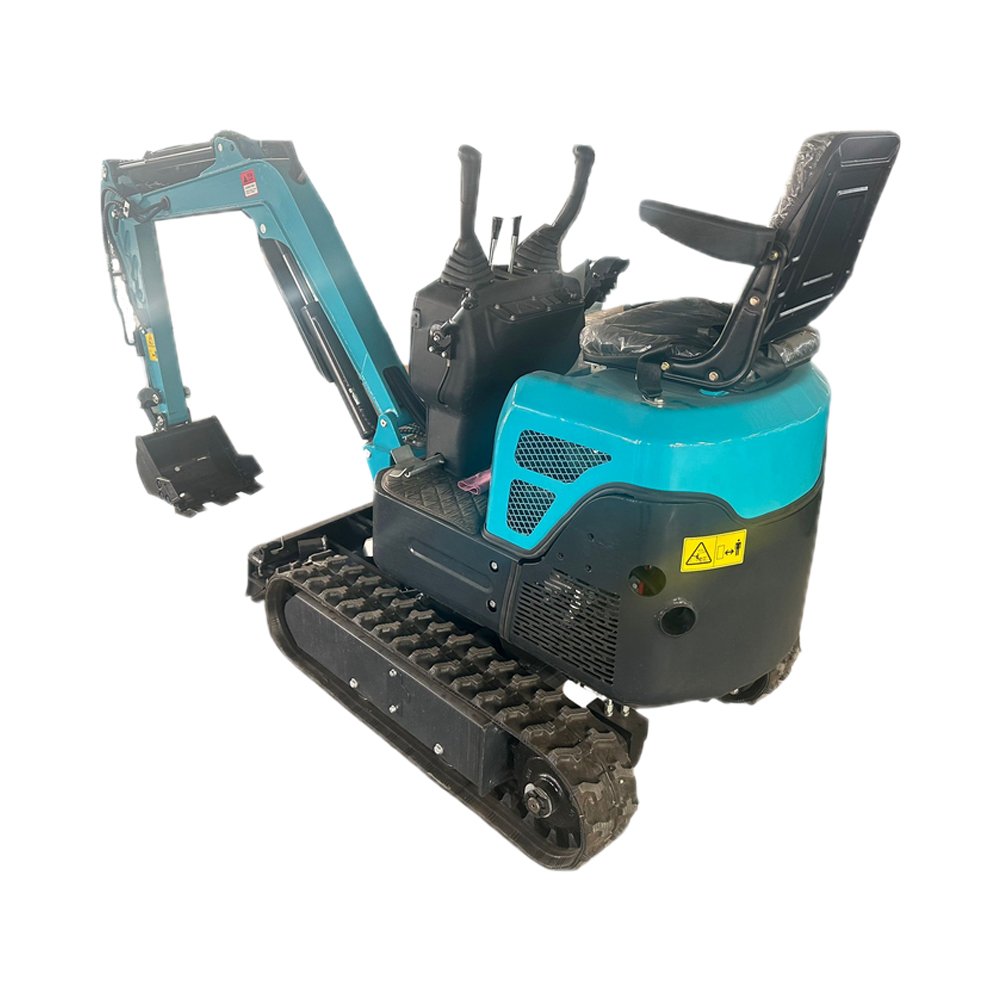
Mini excavators are among the most popular categories in the used equipment market because of their compact size and versatility. These machines are commonly used for landscaping, urban construction, farming, utility installation, and residential projects.
Mini excavators generally range from 1 ton to 6 tons operating weight.
Smaller second hand mini excavators are often more affordable due to their compact size and lower engine capacity. Pricing may vary depending on brand, operating condition, and included attachments.
Well-maintained mini excavators with modern hydraulic systems and lower operating hours usually maintain strong resale value because of consistent market demand.
Compact excavators are especially attractive for projects requiring easy transportation and operation in confined spaces.
Medium Excavator Price Range
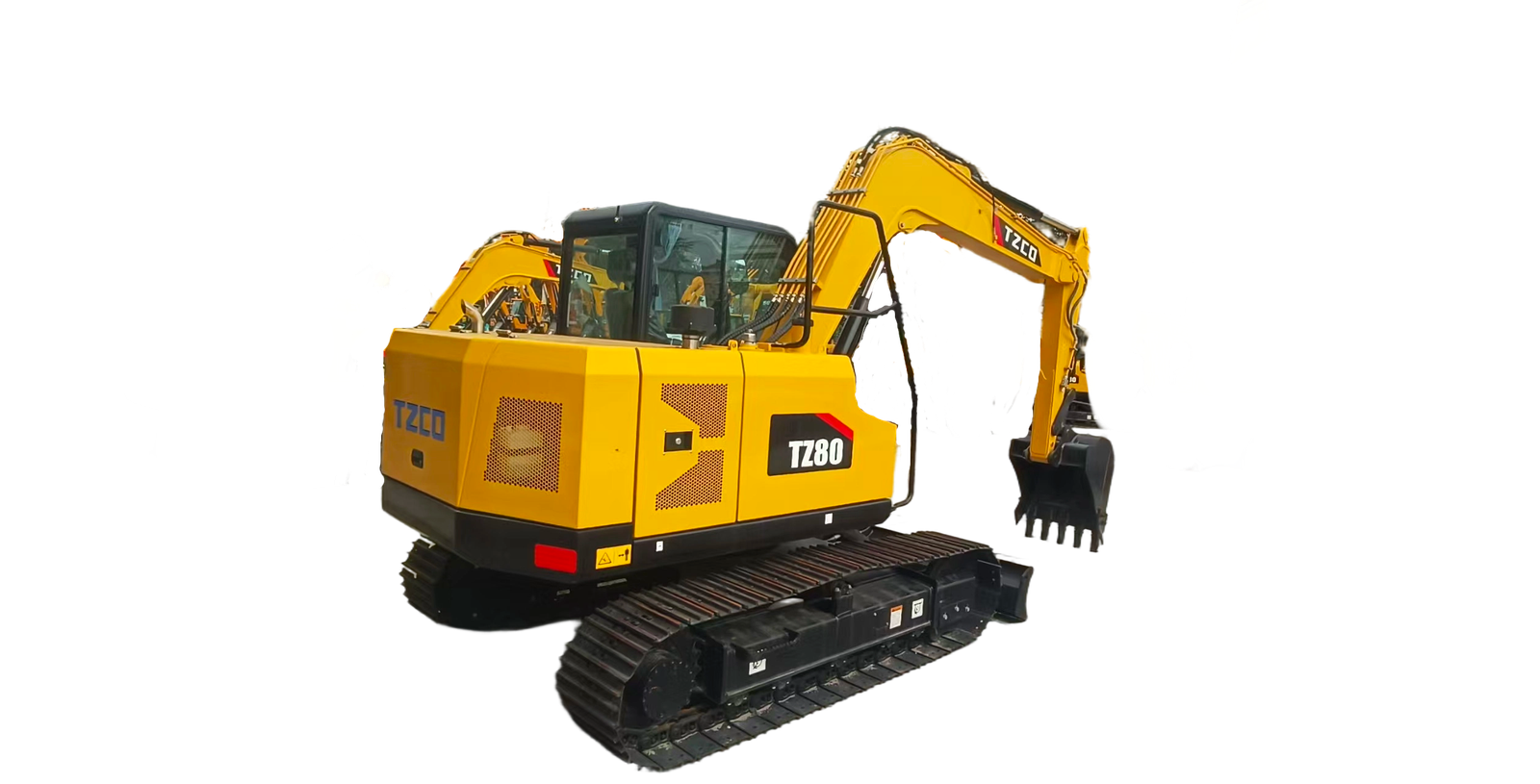
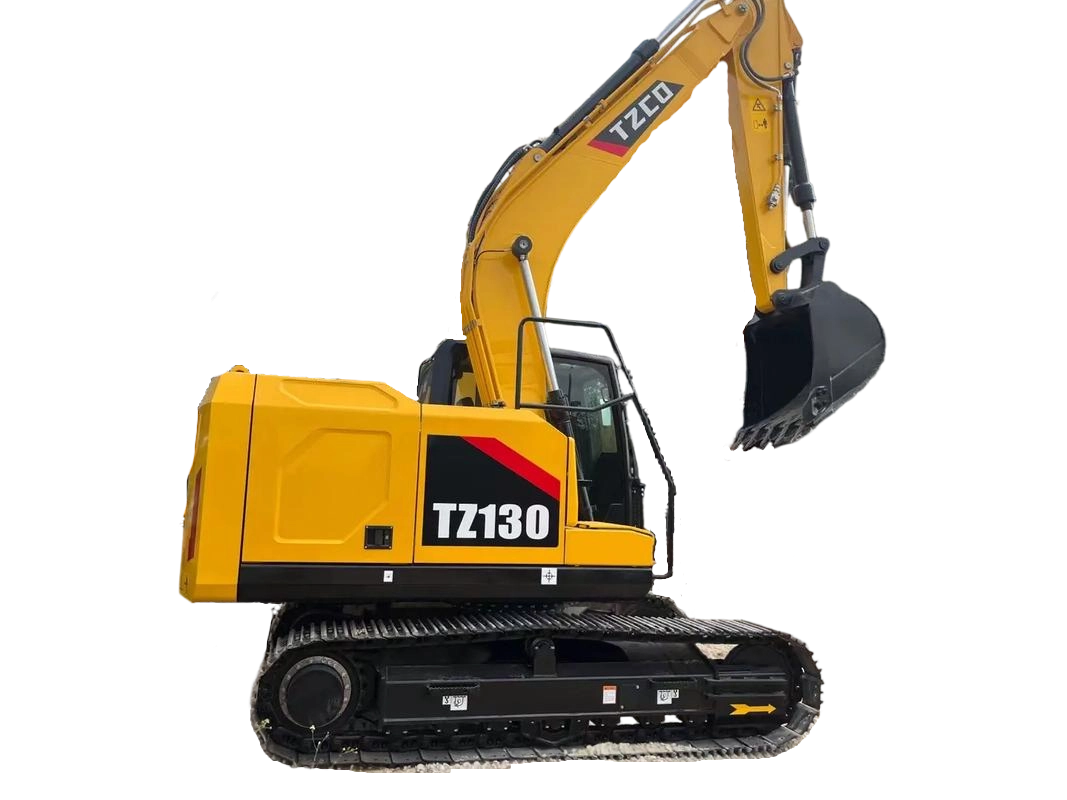
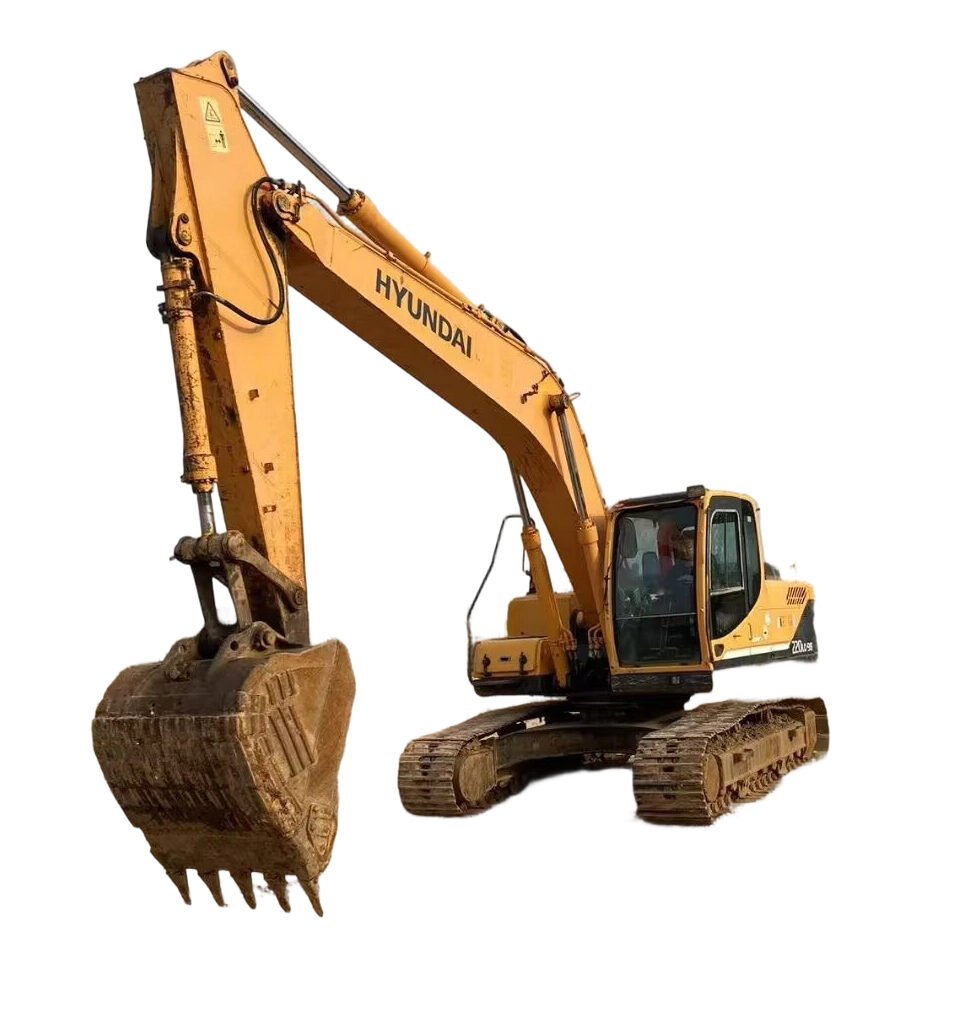
Medium-sized excavators are widely used in commercial construction, roadwork, utility installation, and general excavation projects. These machines usually range between 7 tons and 20 tons.
Second hand medium excavators are often considered the most balanced option because they provide strong digging power while remaining flexible for multiple applications.
Pricing in this category depends heavily on:
- Hydraulic system performance
- Engine efficiency
- Undercarriage condition
- Technology features
- Fuel consumption efficiency
Machines with advanced operator controls and fuel-saving systems may maintain higher market value.
Medium excavators are commonly selected by contractors seeking reliable performance for daily construction operations.
Large Excavator Price Range
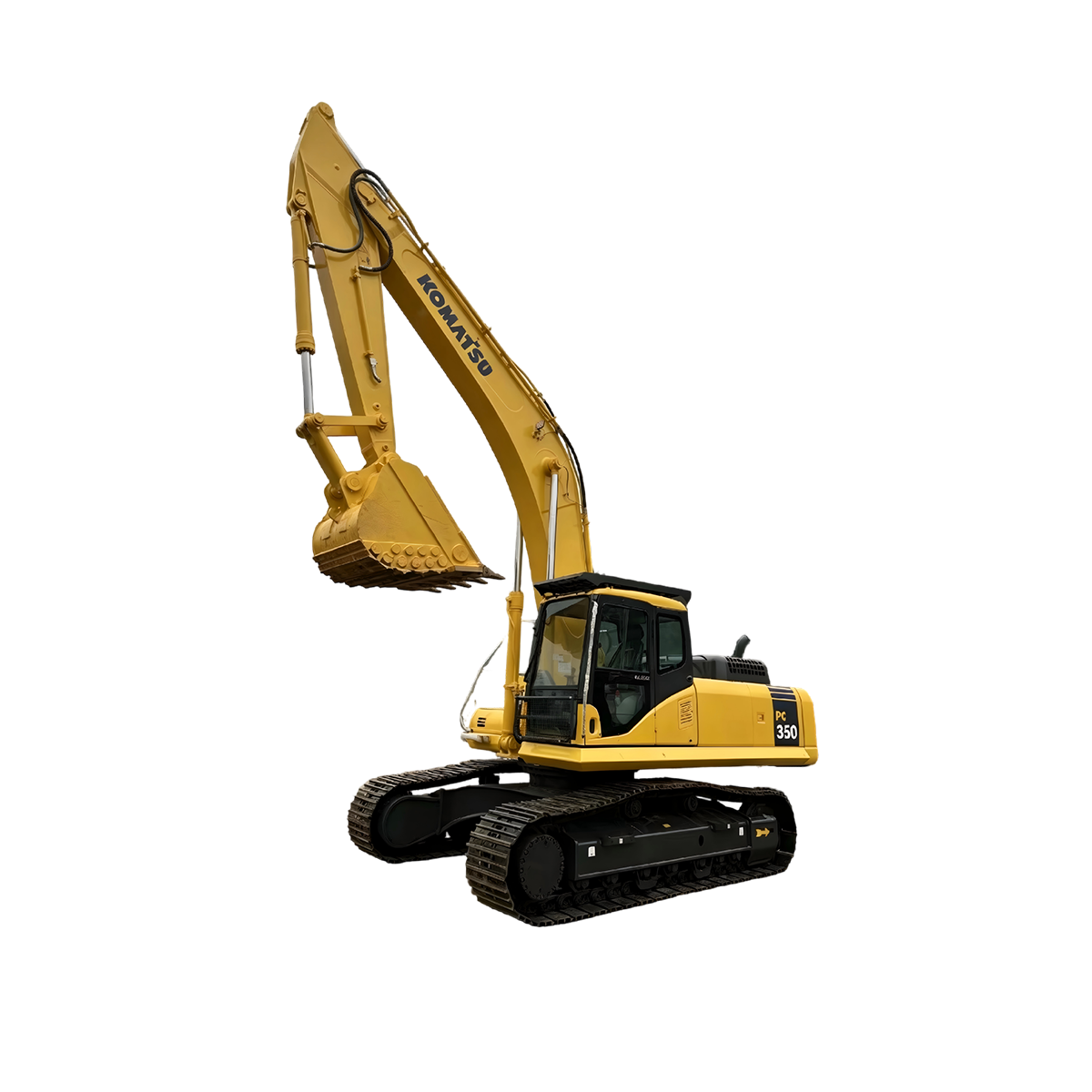
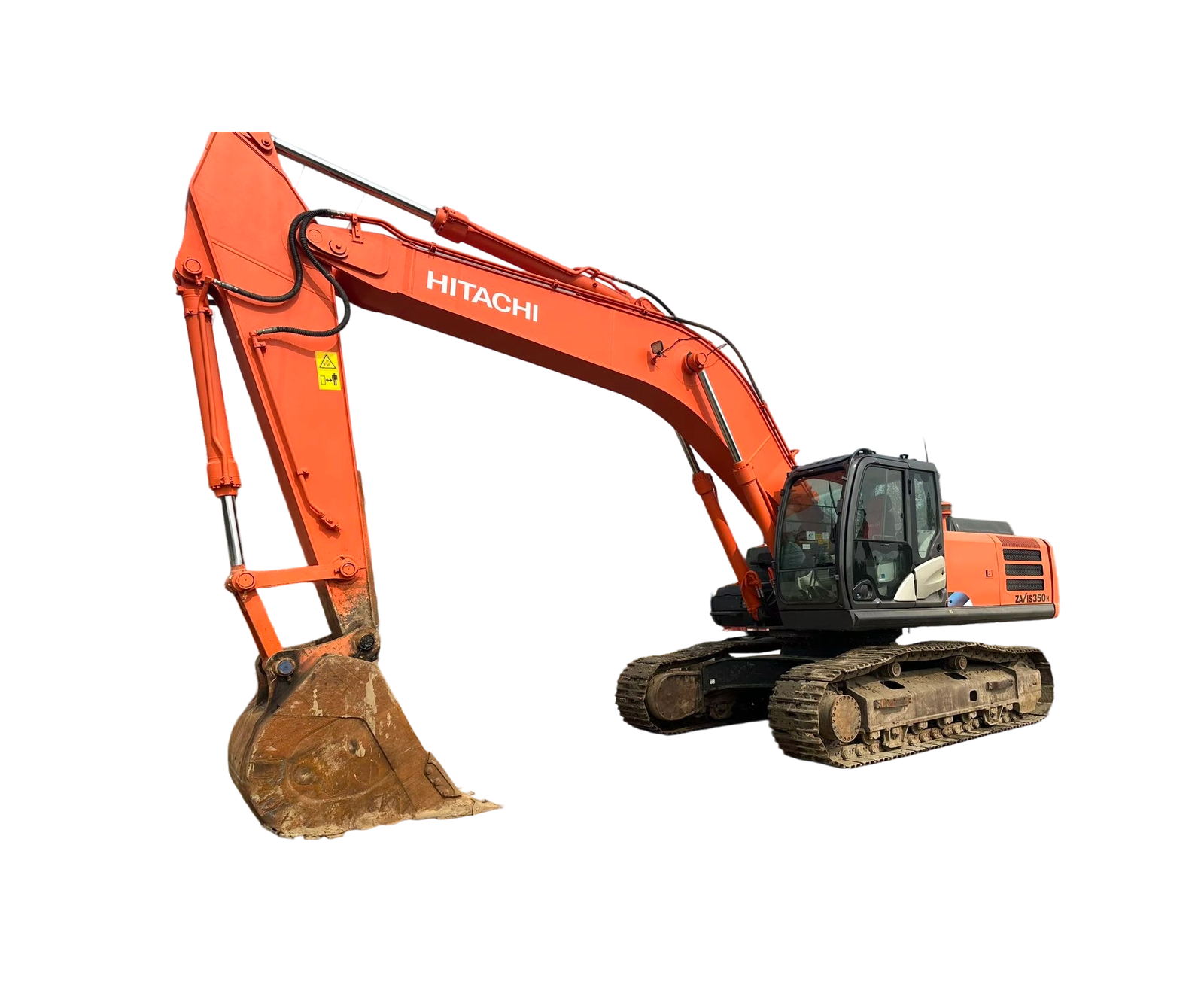
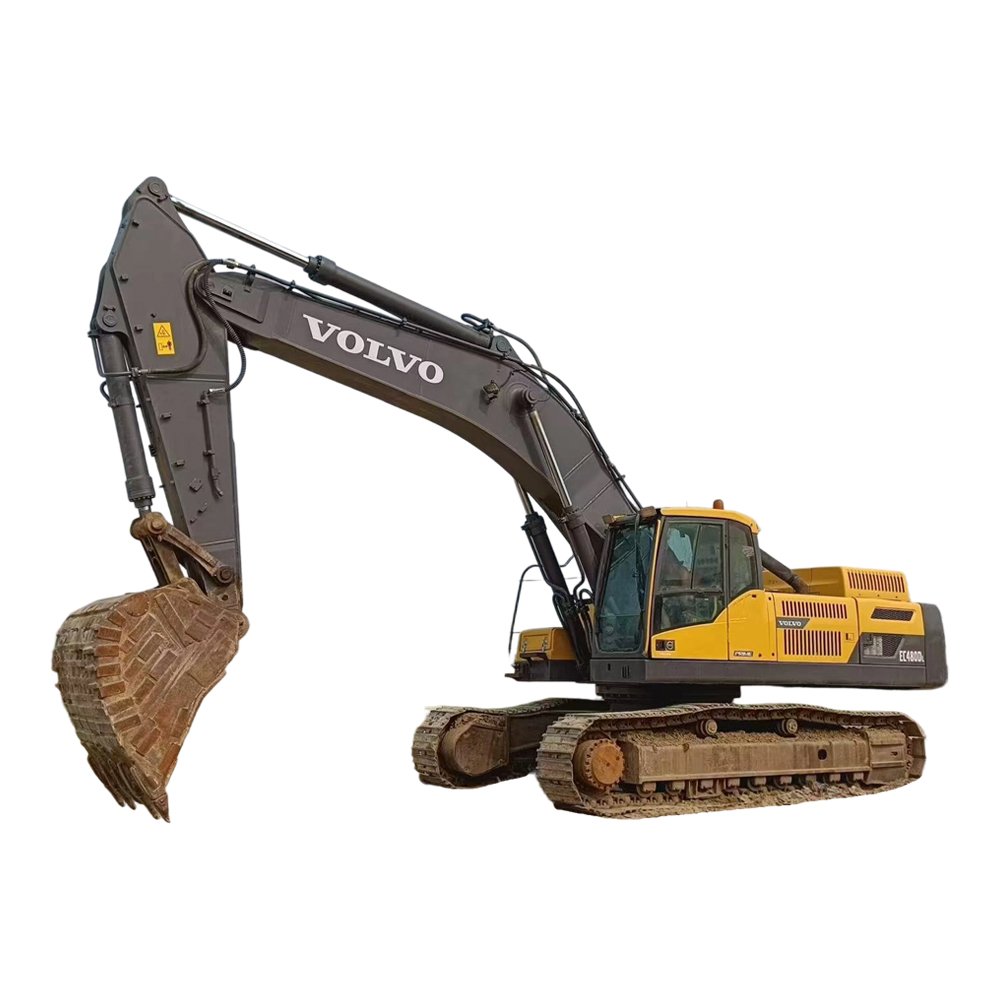
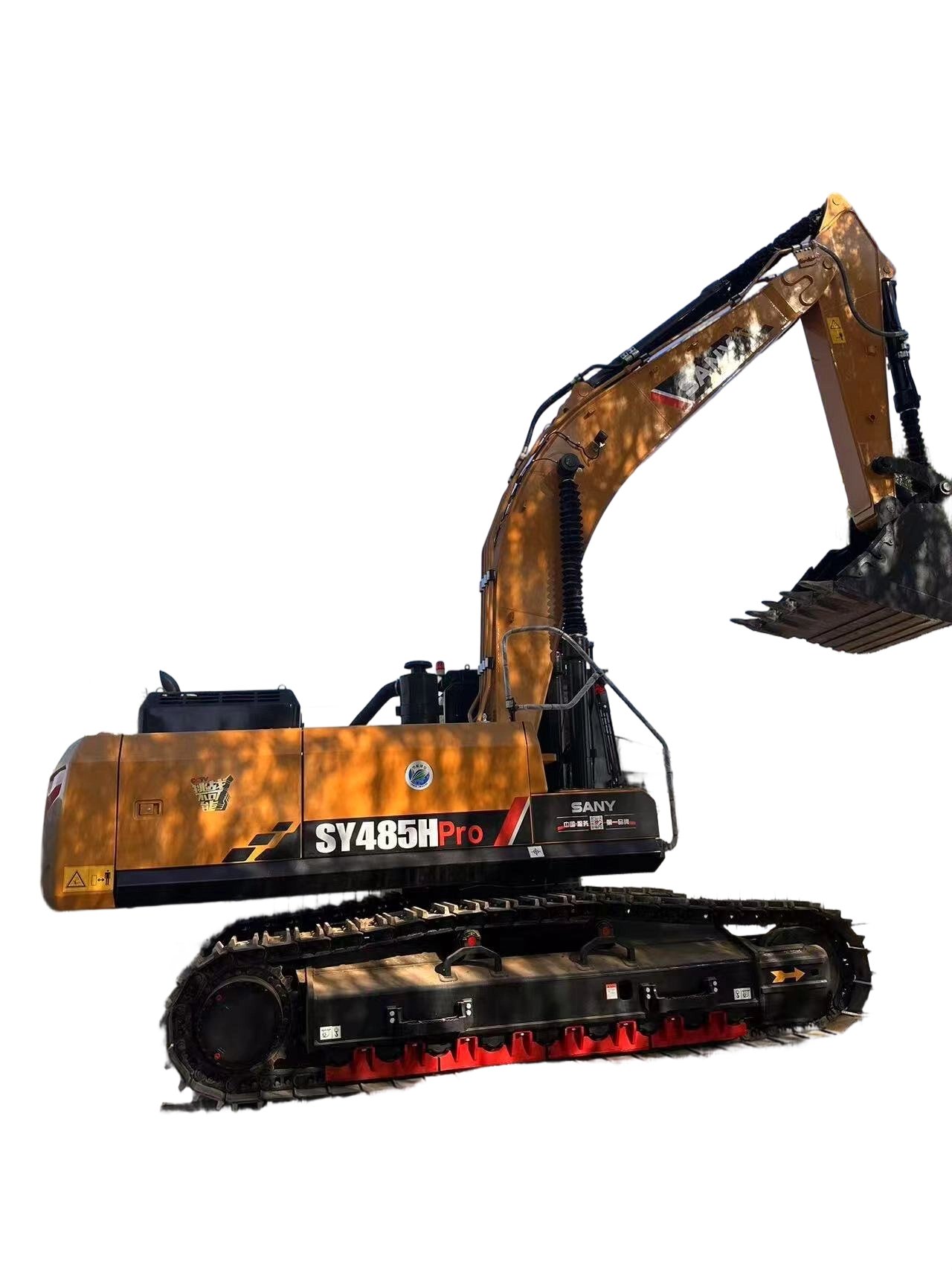
Large excavators are designed for mining, quarry operations, heavy infrastructure projects, and large-scale earthmoving work. These machines often exceed 20 tons and can reach much larger operating weights depending on project requirements.
Second hand large excavators typically involve higher investment costs due to their size, power, and specialized capabilities.
Pricing in this category is strongly affected by:
- Structural durability
- Engine performance
- Hydraulic power
- Service history
- Major component condition
Because large excavators often operate in demanding environments, buyers pay close attention to inspection reports and maintenance records.
Well-maintained large excavators can continue delivering high productivity for many years, making them valuable assets for industrial operations.
How Brand Reputation Influences Prices
Brand reputation significantly affects second hand excavator pricing. Manufacturers known for durability, fuel efficiency, advanced technology, and long machine lifespan often maintain stronger resale value in the used equipment market.
Well-recognized brands typically attract higher demand because buyers trust their reliability and parts availability.
Some brands are particularly valued for:
- Hydraulic performance
- Operator comfort
- Fuel efficiency
- Strong structural design
- Easy maintenance
- Global service support
Machines from established manufacturers may command higher prices even after years of operation because of their long-term market confidence.
Importance of Machine Inspection Before Purchase
Before purchasing a second hand excavator, buyers should perform a detailed inspection to evaluate the machine’s overall condition.
Important inspection areas include:
- Engine operation
- Hydraulic leaks
- Boom and arm wear
- Bucket condition
- Undercarriage wear
- Electrical systems
- Cab interior
- Cooling systems
Professional inspections help buyers avoid unexpected repair costs and improve purchasing confidence.
Testing machine performance during operation is also recommended to evaluate digging power, hydraulic response, and travel system performance.
Technology Features and Modern Equipment Value
Modern excavators often include advanced technologies that can increase used equipment value.
These features may include:
- GPS grading systems
- Fuel monitoring systems
- Touchscreen displays
- Advanced hydraulics
- Safety monitoring systems
- Telematics integration
Machines equipped with modern technology are attractive to contractors seeking higher productivity and operational efficiency.
As construction equipment becomes increasingly digital, technology integration plays a larger role in determining resale prices.
Regional Market Trends
Second hand excavator prices vary significantly between regions depending on construction activity, import regulations, local demand, and transportation costs.
In fast-growing construction markets, demand for reliable used excavators may remain especially strong. Agricultural regions may also favor compact and medium-sized excavators for land improvement and farming projects.
International equipment trading has further expanded the availability of second hand excavators across global markets.
Online equipment marketplaces now allow buyers to compare machine specifications, pricing, and availability more efficiently than ever before.
Benefits of Buying Second Hand Excavators
Purchasing second hand excavators offers several practical advantages for businesses and contractors.
Benefits include:
- Lower initial investment
- Faster equipment acquisition
- Reduced depreciation impact
- Access to premium machine models
- Strong operational value
- Flexible equipment expansion
Used excavators can help smaller businesses compete more effectively by reducing capital expenses while maintaining productivity.
For many companies, second hand equipment provides an efficient balance between affordability and performance.
Maintenance and Long-Term Value
Regular maintenance is essential for preserving the long-term value of a second hand excavator.
Routine maintenance includes:
- Hydraulic oil replacement
- Filter changes
- Undercarriage inspection
- Engine servicing
- Lubrication
- Cooling system maintenance
Well-maintained machines often retain stronger resale value and provide more reliable operation over time.
Buyers often prioritize machines with complete maintenance records because they indicate responsible ownership and consistent servicing.
Second hand excavators remain an important part of the global construction and heavy equipment industry. Pricing varies based on machine size, brand reputation, operating condition, technology features, and market demand.
Mini excavators offer affordability and flexibility for smaller projects, while medium and large excavators provide powerful performance for commercial and industrial operations.
Understanding the key pricing factors helps buyers make informed investment decisions while maximizing equipment value and operational efficiency.
As infrastructure development and construction activities continue expanding worldwide, second hand excavators will remain a practical and cost-effective solution for contractors and businesses seeking reliable heavy equipment.