








Industry News
How to Use a Mini Excavator Without Damaging the Ground
May
Mini excavators are widely used in landscaping, residential construction, utility work, farming, and small-scale excavation projects because of their compact size and versatility. One of the biggest advantages of mini excavators is their ability to operate in tight spaces while minimizing surface disruption.
However, improper operation can still lead to ground damage, including deep track marks, soil compaction, lawn destruction, and uneven terrain. This is especially important when working on residential properties, golf courses, gardens, parks, and finished landscaping areas where surface protection matters.
Learning how to use a mini excavator correctly can help operators maintain clean work environments, reduce repair costs, and improve project efficiency. With proper techniques, equipment selection, and planning, it is possible to complete excavation work while protecting the surrounding ground conditions.
Choosing the Right Mini Excavator for the Job
Selecting the appropriate mini excavator is the first step toward minimizing ground damage. Machine size, operating weight, and track type all influence surface impact.
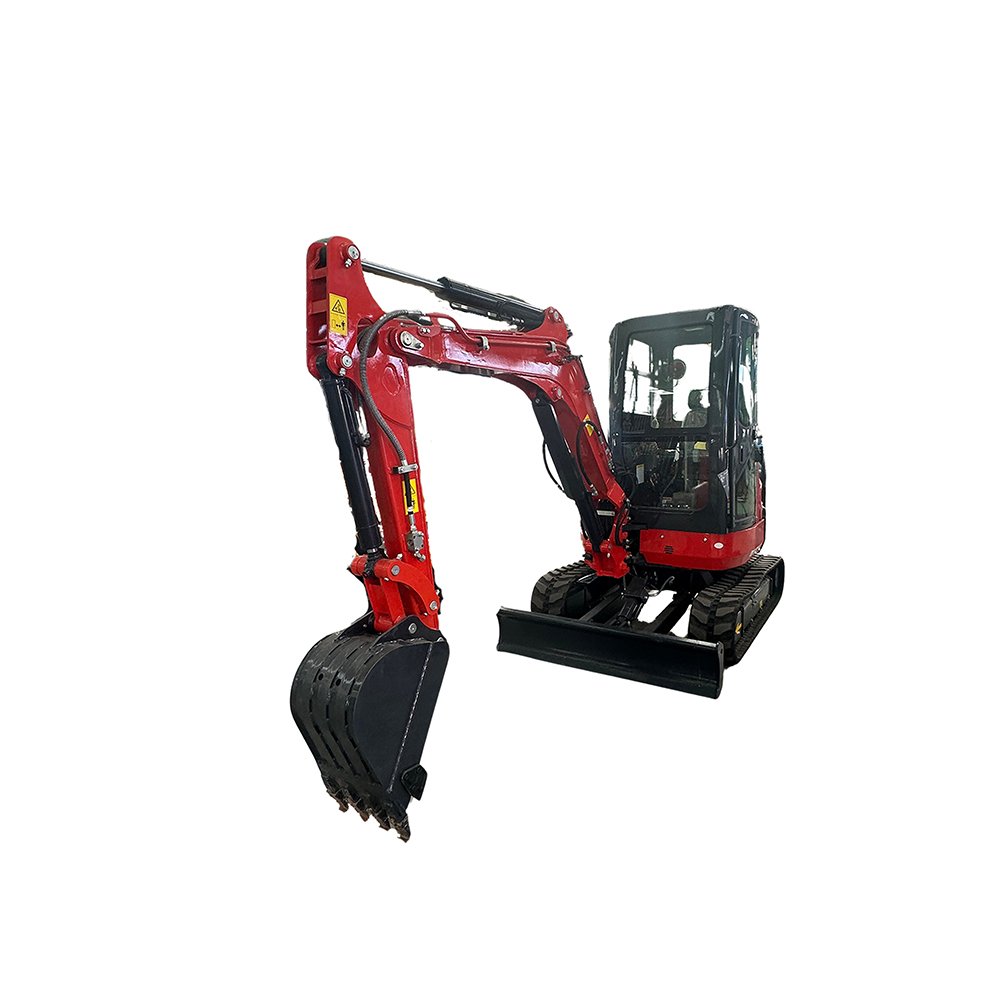
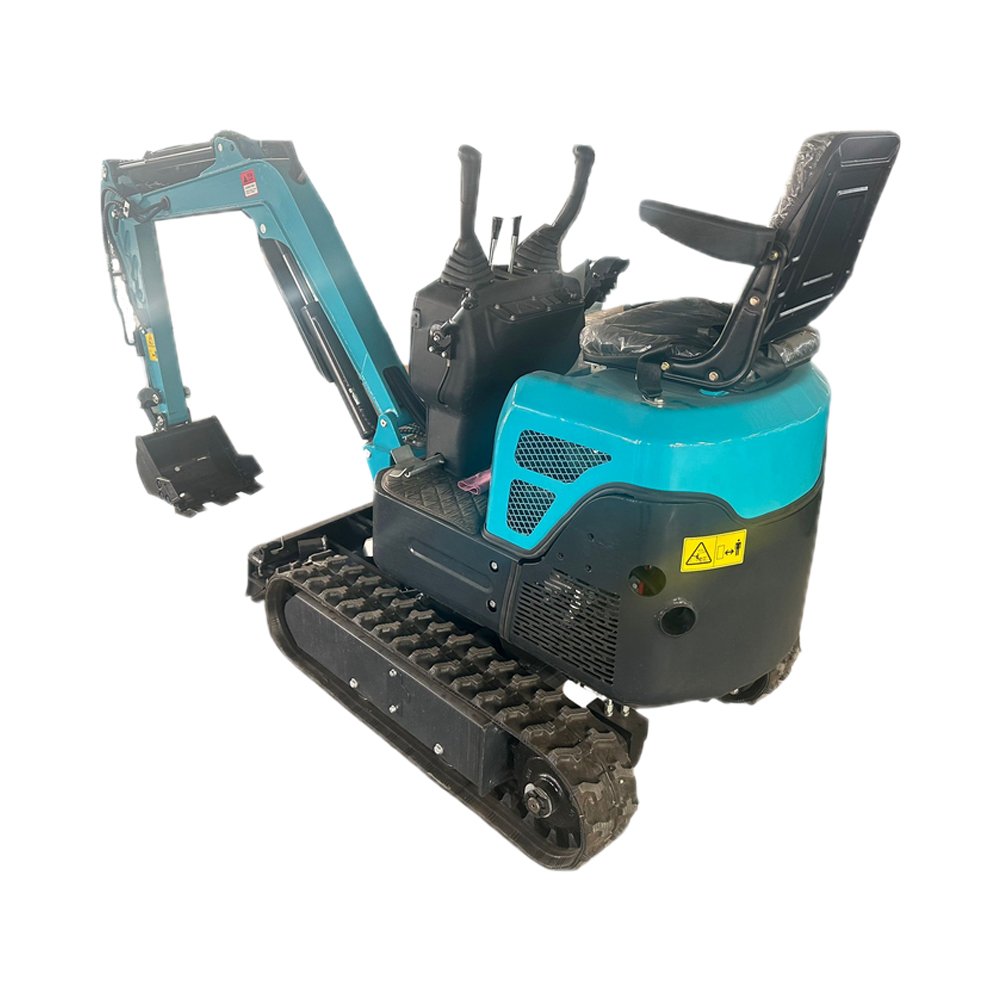
Smaller mini excavators are generally more suitable for sensitive areas because they apply less ground pressure. Compact machines are ideal for residential landscaping, backyard projects, and soft terrain conditions.
Rubber tracks are often preferred over steel tracks when working on finished surfaces. Rubber tracks provide better weight distribution and reduce the risk of tearing grass, cracking pavement, or damaging decorative surfaces.
Machine width should also match the work environment. Narrow models allow easier movement through gates, pathways, and confined spaces without disturbing surrounding landscaping.
Using the correct bucket size is equally important. Oversized attachments may increase unnecessary movement and place additional pressure on the ground surface.
Inspecting Ground Conditions Before Operation
Careful site inspection helps prevent unnecessary surface damage during excavation work.
Operators should evaluate soil conditions before moving equipment onto the site. Wet, muddy, or recently watered ground is more vulnerable to compaction and track impressions.
Soft soil areas may require additional protection methods such as ground mats or plywood sheets to distribute machine weight more evenly.
Checking for underground utilities and drainage systems is also essential because unstable ground conditions can affect both safety and surface stability.
Weather conditions should also be considered. Heavy rain can significantly soften the ground, making it easier for tracks to sink into the soil.
Planning machine routes in advance helps reduce repeated travel over the same area and minimizes overall surface impact.
Using Ground Protection Mats Effectively
Ground protection mats are one of the most effective ways to prevent mini excavator damage on delicate surfaces.
These mats distribute machine weight across a larger surface area, reducing pressure on the soil and preventing deep ruts or sinking.
Construction sites, landscaping projects, and residential properties often use temporary ground protection systems to preserve lawns and finished terrain.
Heavy-duty composite mats, timber mats, and reinforced plastic panels are commonly used depending on project size and soil conditions.
Placing mats along travel paths and work zones creates a stable operating surface and improves machine traction.
Ground protection systems are especially useful when working near gardens, patios, paved areas, and irrigation systems where surface preservation is important.
Operating the Machine Smoothly and Carefully
Operator technique plays a major role in reducing ground disturbance.
Smooth and controlled movements help prevent unnecessary track spinning and sudden pressure shifts. Abrupt turns and aggressive driving can tear grass and create visible surface damage.
Whenever possible, operators should avoid pivoting sharply in one spot because this concentrates pressure on a small area of the ground.
Slow travel speeds improve machine control and reduce the likelihood of soil displacement.
Keeping the boom and bucket positioned properly also helps maintain machine balance and minimize unnecessary track pressure.
Experienced operators often plan movements carefully to reduce repeated repositioning and limit traffic across sensitive areas.
Good operating habits not only protect the ground but also improve machine efficiency and reduce wear on equipment components.
Minimizing Soil Compaction During Excavation
Soil compaction is one of the most common forms of ground damage caused by heavy equipment.
Compacted soil can affect landscaping quality, drainage performance, and plant growth. Mini excavators already produce lower ground pressure compared to larger machines, but operators can further reduce compaction through proper techniques.
Limiting unnecessary machine movement is one of the best strategies. Repeated passes over the same location increase soil compression over time.
Using wider rubber tracks can also help distribute weight more evenly across the ground surface.
In some landscaping projects, operators may choose to work from designated access points instead of moving the machine continuously around the entire site.
Avoiding operation immediately after rainfall is another effective method because wet soil compresses more easily than dry soil.
Protecting Lawns and Landscaped Areas
Residential projects often require special attention to lawn and landscaping protection.
Before starting excavation work, operators should identify vulnerable areas such as flower beds, decorative stone pathways, irrigation systems, and tree root zones.
Temporary barriers and protective coverings can help preserve finished landscaping during machine operation.
Travel paths should be selected carefully to avoid unnecessary crossing over healthy grass and delicate garden features.
When working near trees, operators should minimize soil disturbance around root systems to protect long-term plant health.
Cleaning tracks regularly also helps prevent mud buildup that could damage lawns or spread debris onto finished surfaces.
Taking extra precautions in landscaped environments improves project appearance and reduces restoration work after excavation is completed.
The Importance of Proper Machine Maintenance
Well-maintained mini excavators are easier to operate smoothly and safely, which helps reduce surface damage.
Track tension should be inspected regularly because improperly adjusted tracks may create uneven pressure distribution or reduced traction.
Hydraulic systems, controls, and travel motors should operate correctly to ensure smooth machine movement.
Clean tracks improve traction and reduce unnecessary slippage during operation.
Regular maintenance also extends equipment lifespan and improves fuel efficiency, making the machine more cost-effective for long-term use.
Professional operators understand that equipment condition directly affects both job performance and site protection.
Benefits of Skilled Mini Excavator Operation
Using a mini excavator properly provides multiple advantages beyond ground protection.
Careful operation improves overall job site efficiency and helps maintain a clean, professional project appearance.
Reduced ground damage minimizes restoration costs for landscaping, lawns, and finished surfaces.
Clients and property owners often appreciate contractors who prioritize surface preservation and careful equipment handling.
Efficient machine operation can also reduce fuel consumption and equipment wear, contributing to lower operating costs.
As landscaping and residential construction projects continue to prioritize minimal environmental impact, skilled mini excavator operation becomes increasingly valuable.
Future Trends in Low-Impact Excavation
The construction and landscaping industries are increasingly focused on low-impact equipment solutions and environmentally responsible practices.
Modern mini excavators are being designed with improved weight distribution, advanced rubber track systems, and enhanced hydraulic efficiency to minimize surface disruption.
Electric mini excavators are also becoming more popular for projects requiring quieter operation and reduced environmental impact.
Advanced telematics and machine monitoring technologies help operators improve efficiency while reducing unnecessary machine movement.
As urban development and landscaping projects continue to grow, low-impact excavation methods will remain an important part of modern construction practices.
Learning how to use a mini excavator without damaging the ground is essential for landscaping, residential construction, and sensitive site projects.
By selecting the right machine, inspecting site conditions, using ground protection systems, and operating equipment carefully, operators can significantly reduce surface damage and soil compaction.
Proper training, maintenance, and planning help ensure efficient excavation performance while preserving lawns, gardens, and finished outdoor spaces.
As demand for cleaner and more environmentally friendly construction practices continues to increase, low-impact mini excavator operation will remain a valuable skill across the industry.