








Industry News
Second Hand Excavator Price Guide for First-Time Buyers
May
Buying a second hand excavator can be a smart investment for contractors, construction companies, farmers, and first-time equipment buyers looking to reduce costs while maintaining reliable performance. With the growing demand for affordable heavy machinery, the used excavator market has become increasingly popular across industries such as construction, landscaping, mining, agriculture, and infrastructure development.
However, understanding second hand excavator prices can be challenging for first-time buyers. Prices vary depending on machine size, operating hours, brand reputation, condition, technology features, maintenance history, and market demand.
This guide explains the key factors that influence used excavator pricing and provides practical advice for buyers who want to make informed purchasing decisions while maximizing long-term value.
Why Many Buyers Choose Second Hand Excavators
New excavators often require significant capital investment, which may not always be practical for smaller companies or independent contractors. Second hand excavators provide a more cost-effective solution while still delivering strong operational performance.
Many buyers choose used excavators because they offer:
- Lower initial purchase costs
- Faster return on investment
- Reduced equipment depreciation
- Immediate equipment availability
- Wide model selection
- Lower financing requirements
For businesses entering the construction industry, purchasing a second hand excavator can help improve cash flow management while maintaining productivity.
Understanding Excavator Price Ranges
Second hand excavator prices vary widely depending on machine specifications and market conditions.
Typical price ranges may include:
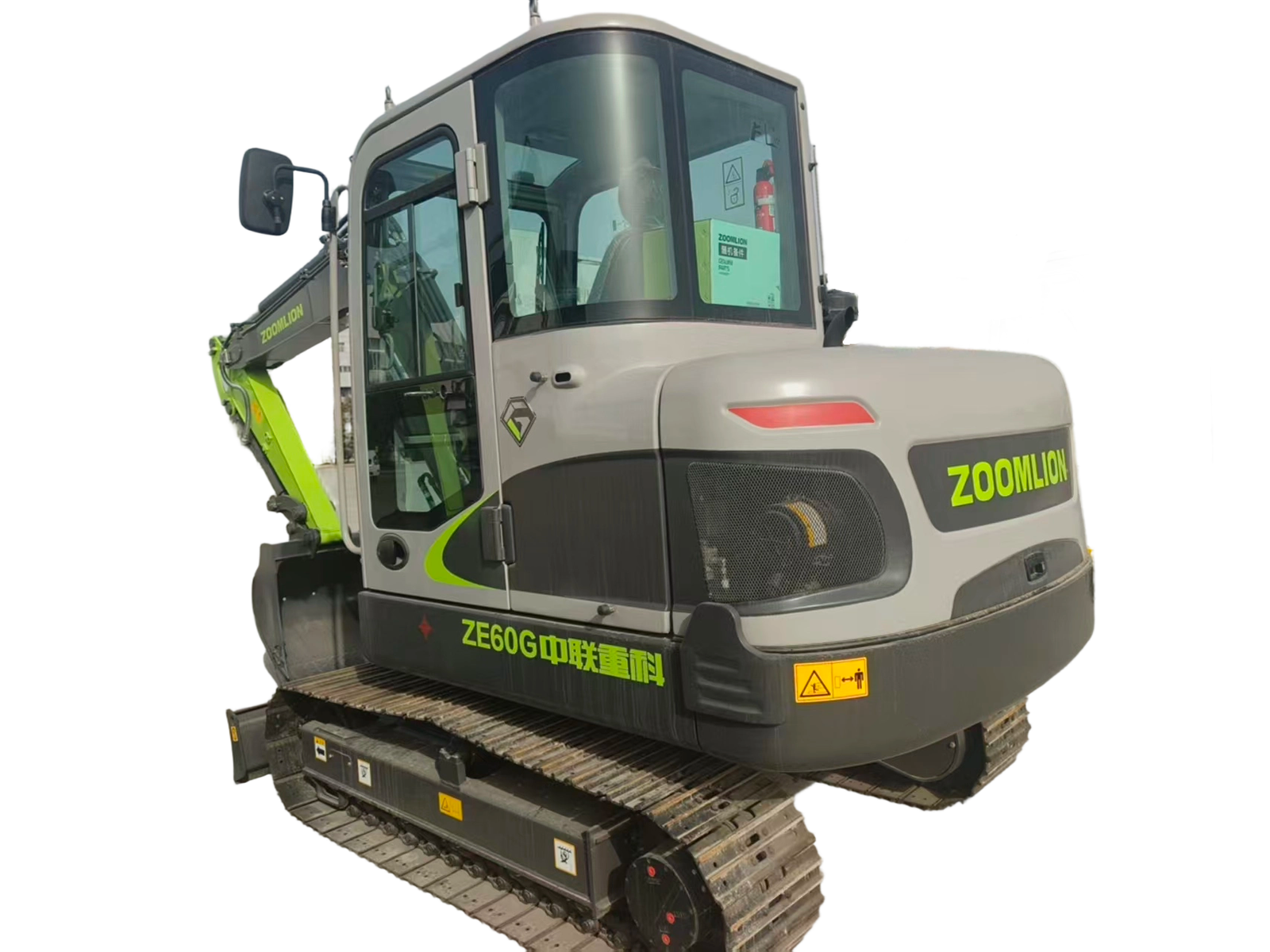
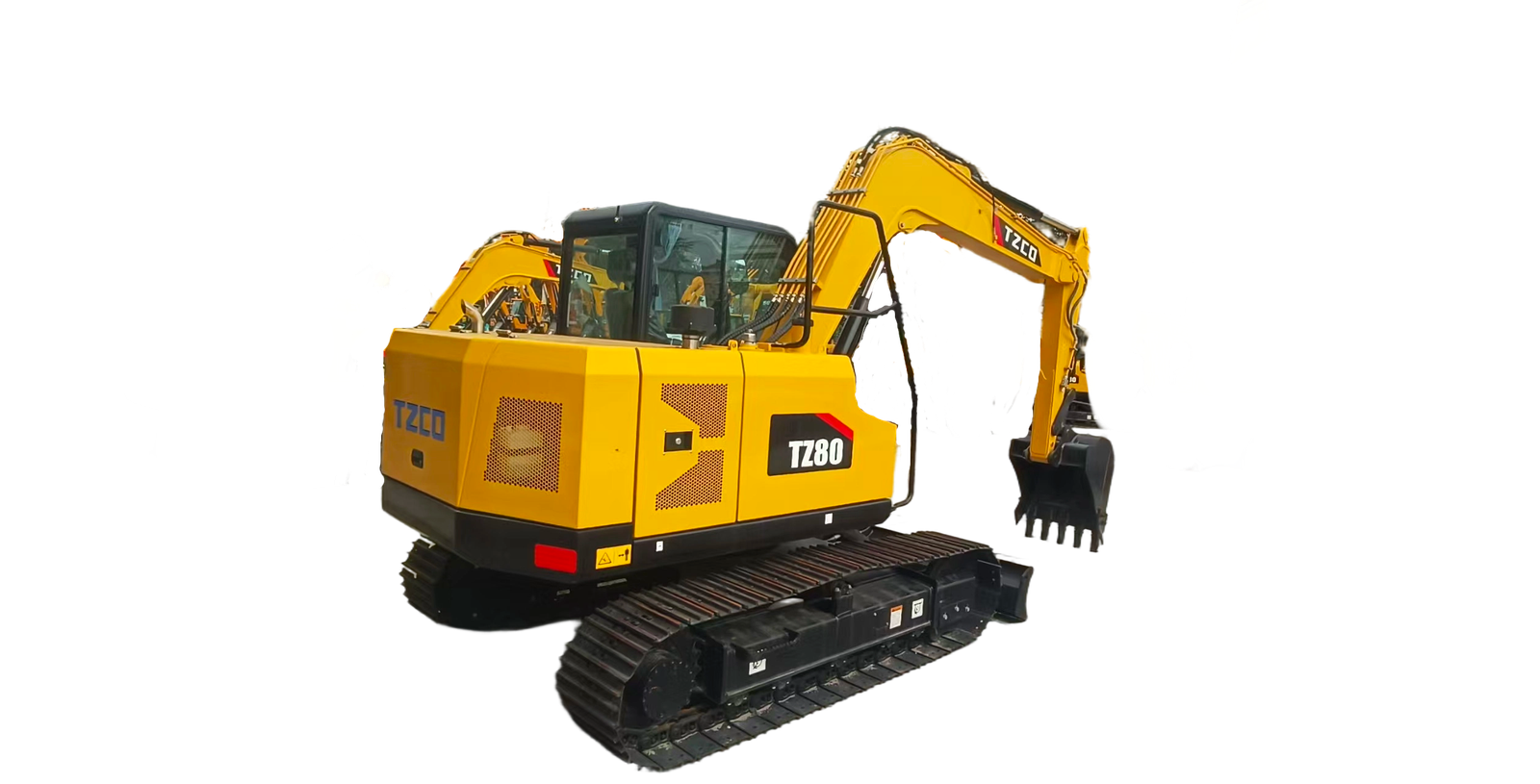
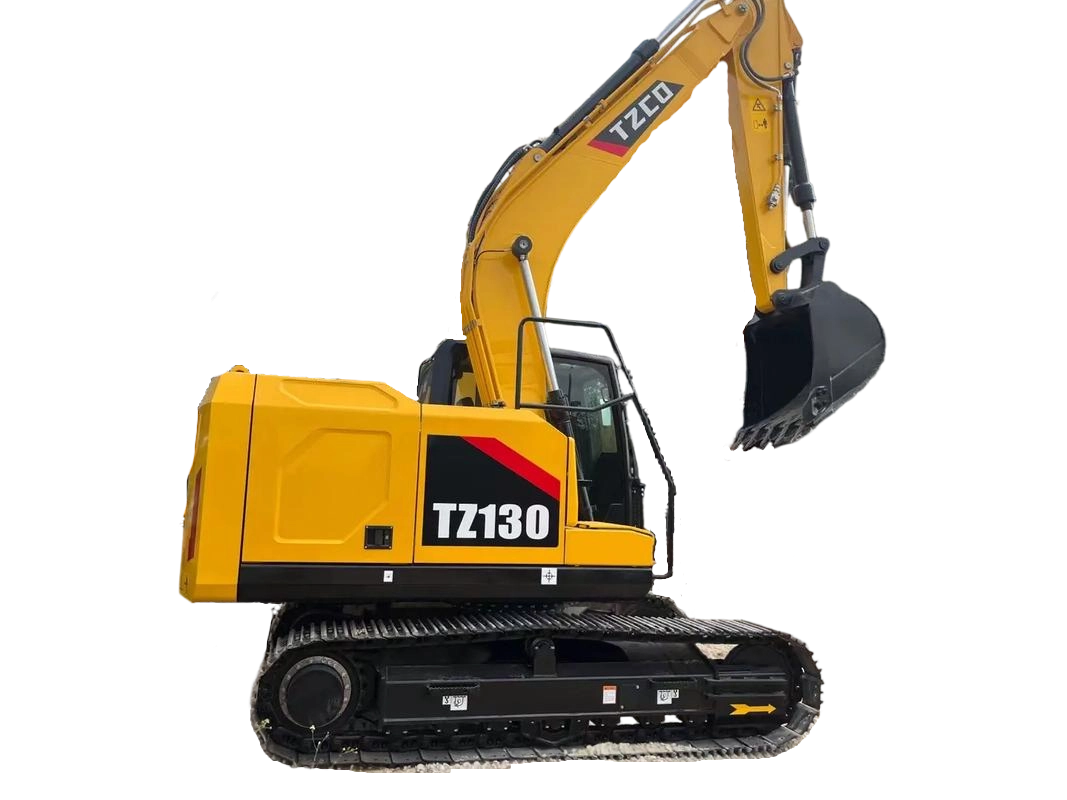
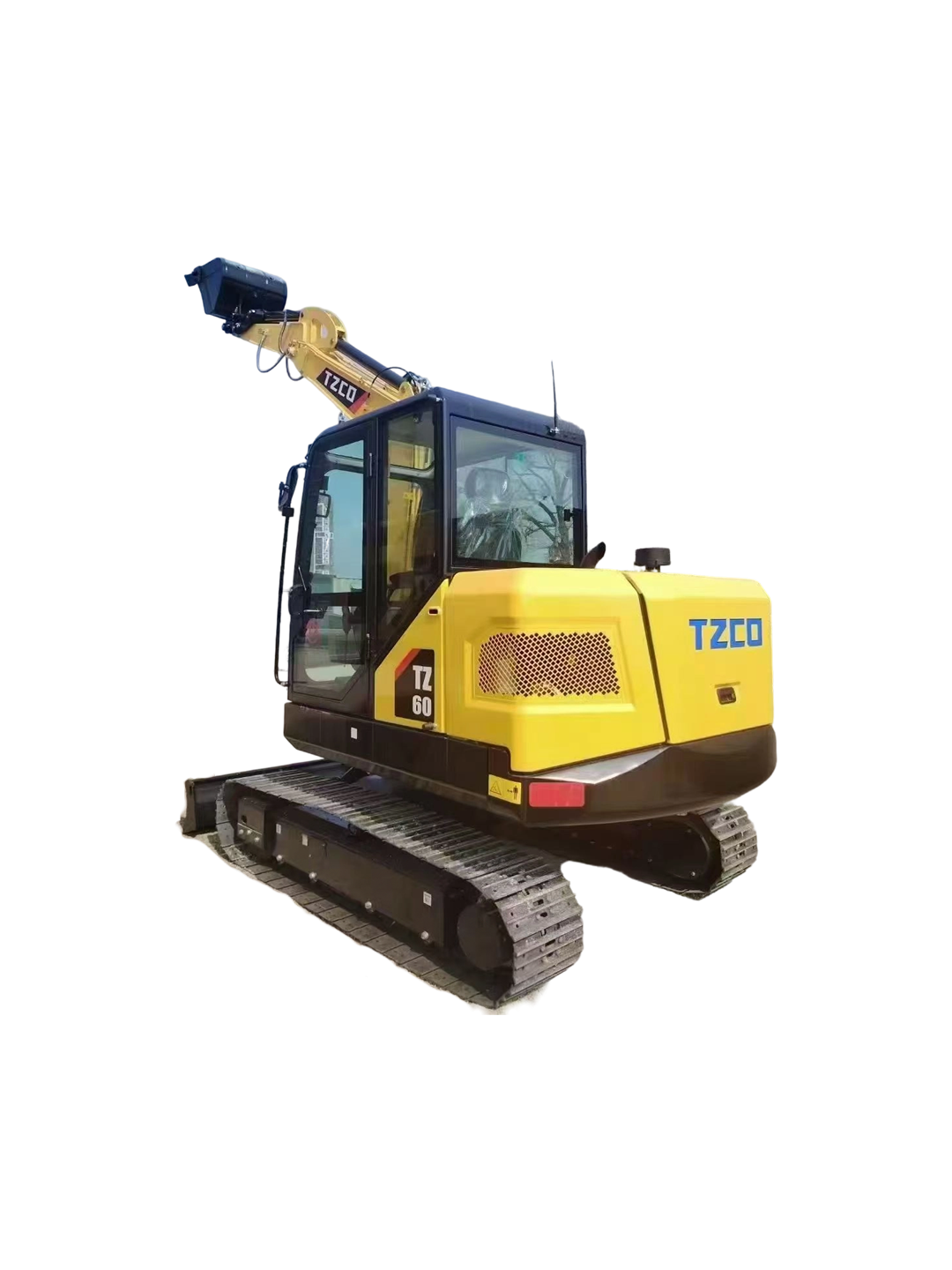
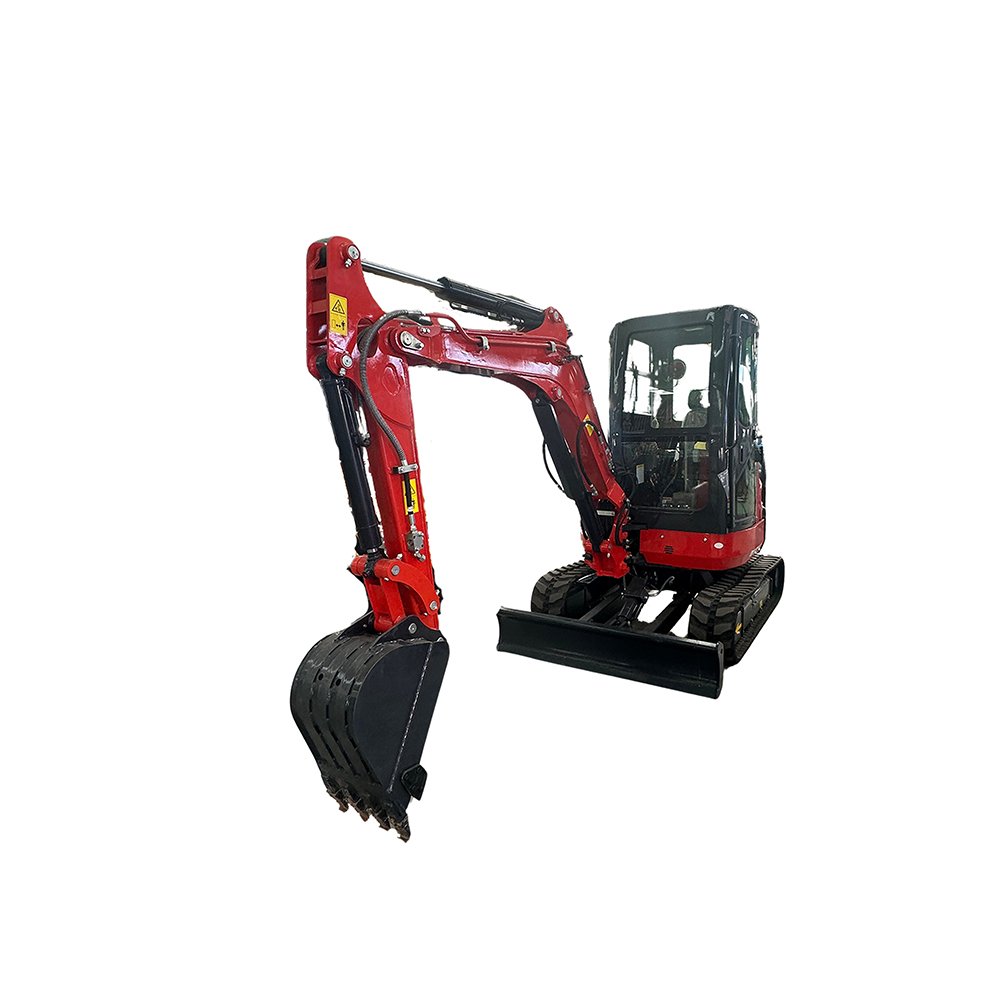
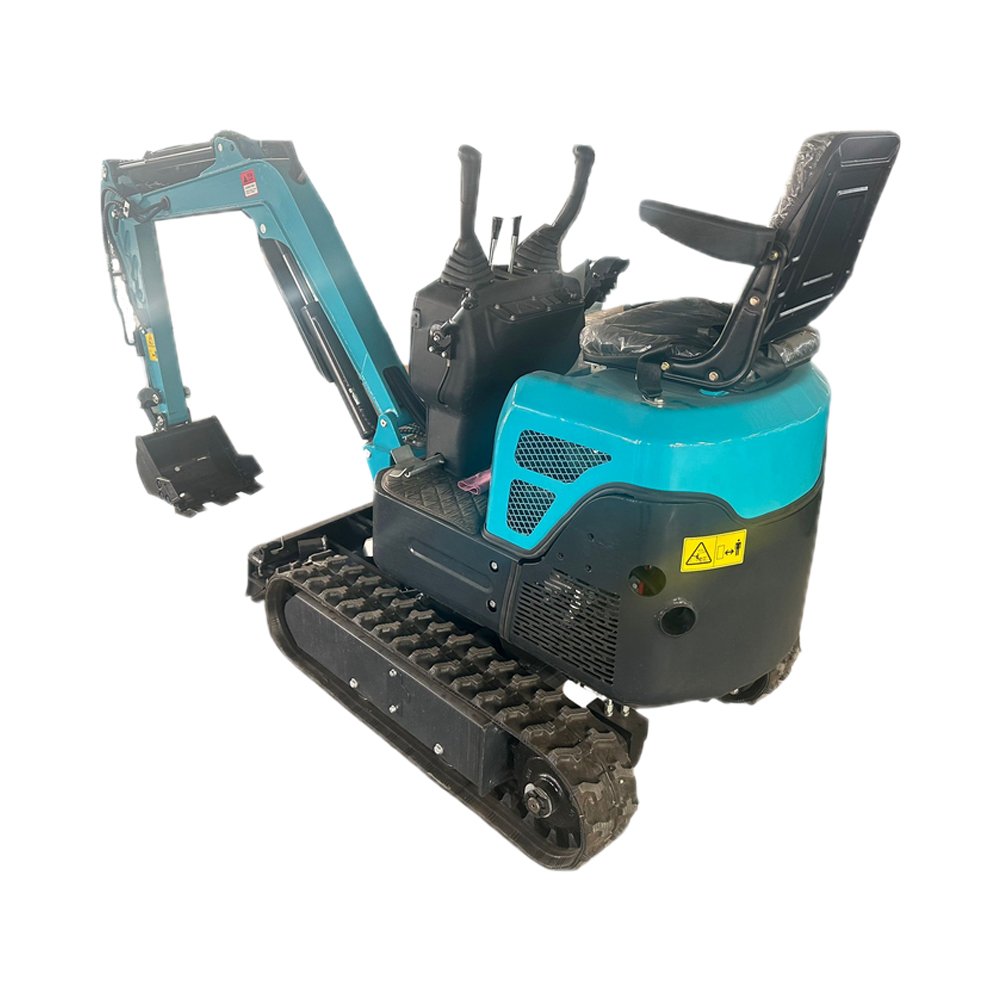
- Mini excavators: lower price range suitable for small projects
- Medium excavators: balanced pricing for general construction work
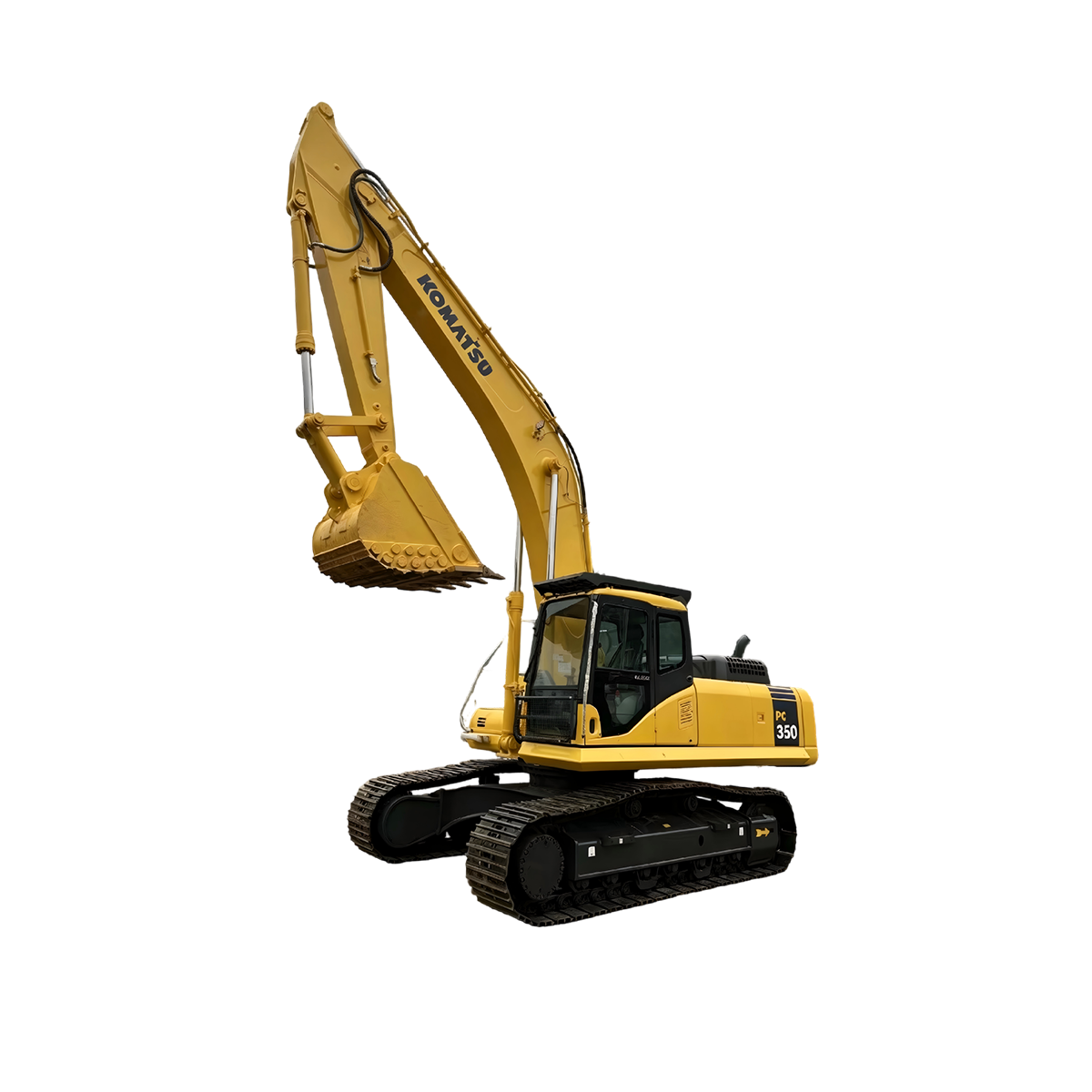
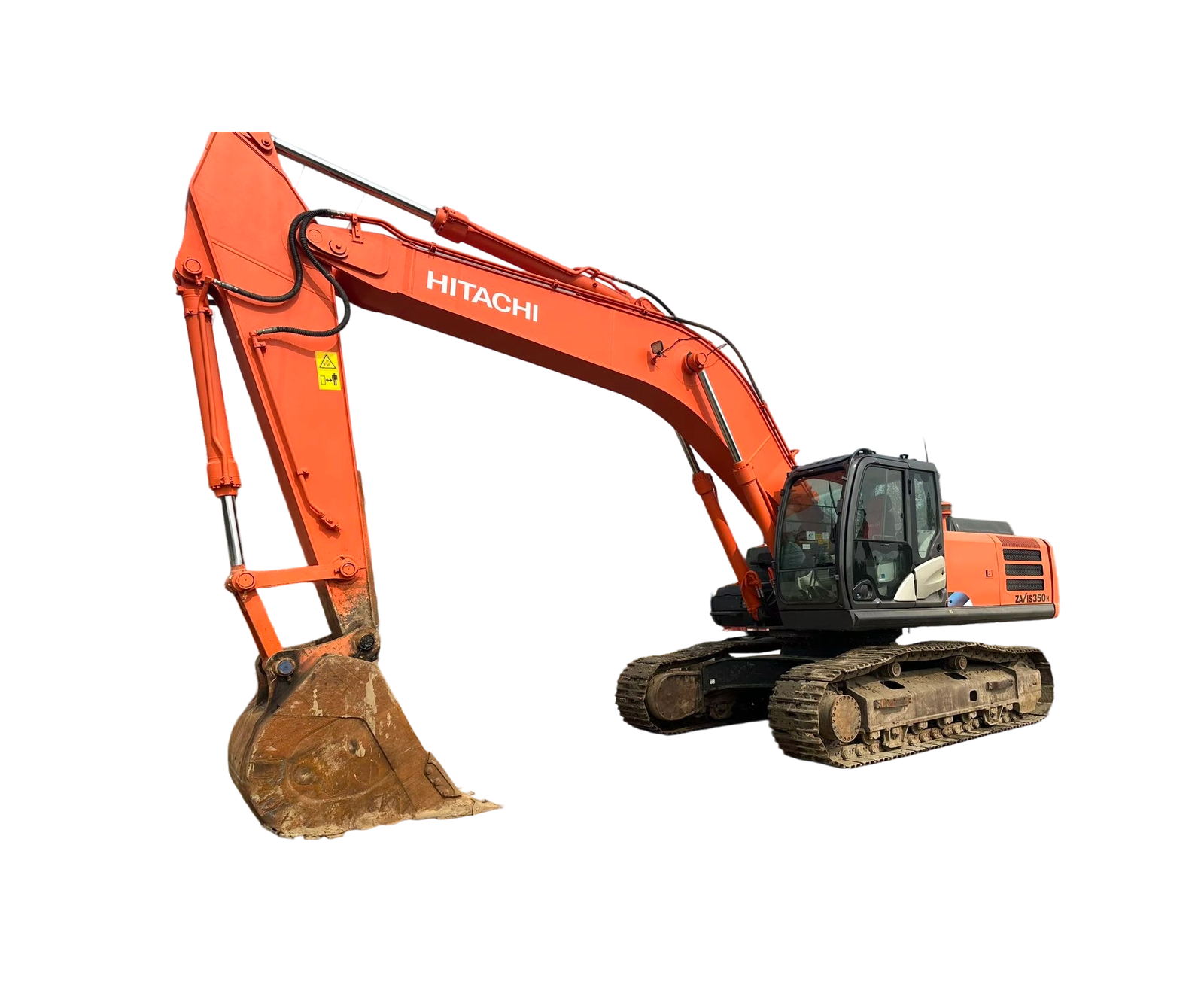
- Large excavators: higher prices for heavy-duty industrial operations
Smaller machines generally cost less due to lower engine power and reduced operating capacity, while larger excavators command higher prices because of their lifting power, digging depth, and advanced hydraulic systems.
Buyers should first determine their project requirements before comparing machine prices.
Machine Size and Weight Affect Pricing
Excavator size is one of the biggest factors influencing pricing.
Common excavator categories include:
- Mini excavators
- Compact excavators
- Mid-size excavators
- Large crawler excavators
- Heavy mining excavators
Mini excavators are often preferred for residential landscaping, utility work, and urban construction because they are easier to transport and operate in confined spaces.
Larger excavators designed for mining, demolition, and infrastructure projects usually carry higher prices due to their stronger engines and larger hydraulic systems.
Choosing the correct machine size helps buyers avoid overspending while ensuring sufficient jobsite performance.
Operating Hours and Equipment Value
Operating hours play a major role in determining second hand excavator prices.
In heavy equipment markets, operating hours are similar to mileage on a vehicle. Machines with lower hours are often priced higher because they may have experienced less wear and tear.
General hour categories include:
- Low-hour excavators
- Medium-hour excavators
- High-hour excavators
However, operating hours alone do not determine machine quality. Proper maintenance and servicing are equally important.
A well-maintained excavator with moderate operating hours may perform better than a poorly maintained machine with fewer hours.
Condition and Maintenance History
Machine condition strongly affects pricing and long-term ownership costs.
Buyers should inspect important components such as:
- Hydraulic systems
- Engine condition
- Undercarriage wear
- Boom and arm structure
- Bucket condition
- Swing system performance
- Electrical systems
- Cabin controls
Reliable maintenance records often increase buyer confidence and may justify higher asking prices.
Regular servicing, oil changes, filter replacements, and preventive maintenance indicate that the machine has been properly cared for.
Brand Reputation and Market Demand
Brand reputation can significantly influence second hand excavator pricing.
Well-known manufacturers often maintain stronger resale value because buyers associate them with:
- Reliable performance
- Durable components
- Better fuel efficiency
- Easier parts availability
- Strong service support
Market demand also affects pricing trends. Popular excavator models with strong industry reputations may retain higher market value over time.
First-time buyers should focus on overall machine condition and dealer support rather than price alone.
Geographic Market Differences
Excavator prices may vary between regions due to local demand, transportation costs, import regulations, and construction activity levels.
In high-growth construction markets, second hand excavators may command higher prices because of increased demand.
Buyers should compare:
- Local equipment listings
- Regional dealer inventories
- Import options
- Transportation expenses
- Equipment availability
Understanding regional pricing trends can help buyers identify competitive opportunities.
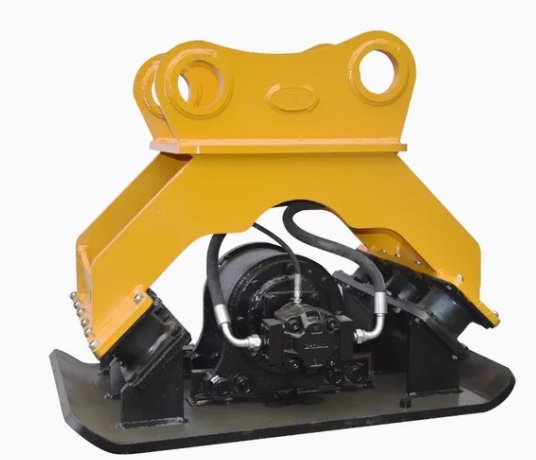
Attachments and Additional Equipment
Excavator attachments can add significant value to a used machine package.
Common attachments include:
- Buckets
- Hydraulic breakers
- Grapples
- Augers
- Quick couplers
- Rippers
Machines sold with multiple attachments may cost more initially but can provide greater operational flexibility and long-term savings.
Buyers should evaluate whether included attachments match their intended projects.
Technology Features and Modern Equipment
Modern excavators increasingly include advanced technologies that influence resale value.
Popular features include:
- GPS machine control
- Fuel-saving systems
- Touchscreen displays
- Rearview cameras
- Advanced hydraulic controls
- Telematics systems
- Automatic idle functions
Machines equipped with newer technologies may command higher prices because they improve efficiency, operator comfort, and productivity.
Dealer Versus Private Seller Pricing
Second hand excavators can be purchased from equipment dealers, auctions, rental companies, or private sellers.
Dealers often provide advantages such as:
- Equipment inspections
- Service records
- Warranty options
- Financing assistance
- Technical support
- Transportation arrangements
Private sellers may offer lower pricing, but buyers should conduct more detailed inspections before purchasing.
For first-time buyers, working with experienced dealers can reduce purchasing risks and simplify the buying process.
Importance of Equipment Inspection
Professional equipment inspection is one of the most important steps when buying a used excavator.
Inspections help evaluate:
- Structural integrity
- Hydraulic performance
- Engine operation
- Fluid leaks
- Track wear
- Control responsiveness
- Safety systems
Some buyers also hire independent equipment inspectors to provide detailed condition reports before finalizing the purchase.
A proper inspection can help prevent unexpected repair costs later.
Financing and Budget Planning
First-time buyers should create a complete ownership budget before purchasing a second hand excavator.
Important cost considerations include:
- Purchase price
- Transportation costs
- Insurance
- Fuel consumption
- Maintenance expenses
- Replacement parts
- Operator training
- Storage costs
Financing options may also affect the overall purchasing decision.
A realistic budget helps buyers select equipment that supports both operational needs and long-term financial stability.
Seasonal Market Trends
Heavy equipment prices sometimes fluctuate throughout the year.
Construction demand often increases during warmer seasons, which may influence excavator availability and pricing.
Buyers who monitor market trends carefully may find better purchasing opportunities during slower seasonal periods.
Planning ahead can improve negotiating flexibility and equipment selection.
How to Compare Multiple Excavator Listings
When comparing used excavators, buyers should avoid focusing only on advertised prices.
Important comparison factors include:
- Year of manufacture
- Operating hours
- Maintenance history
- Included attachments
- Machine condition
- Dealer reputation
- Warranty availability
- Transportation distance
Careful comparison helps buyers identify the best overall value rather than simply the lowest cost.
Long-Term Value and Productivity
A reliable second hand excavator can provide many years of productive operation when properly maintained.
High-quality used machines may support:
- Construction projects
- Agricultural operations
- Utility installations
- Road work
- Demolition services
- Landscaping projects
Choosing a machine with strong long-term durability can improve profitability and operational efficiency over time.
Future Trends in the Used Excavator Market
The global used construction equipment market continues growing due to increasing demand for cost-effective machinery solutions.
Future trends may include:
- More digital equipment marketplaces
- Improved telematics tracking
- Greater demand for fuel-efficient machines
- Increased export opportunities
- Smarter predictive maintenance systems
- Higher demand for compact excavators
Technology improvements may continue increasing transparency and buyer confidence in the second hand equipment industry.
Purchasing a second hand excavator can be an excellent decision for first-time buyers seeking affordable and reliable heavy equipment solutions.
Understanding the factors that influence excavator pricing — including machine size, operating hours, condition, maintenance history, attachments, and market demand — helps buyers make informed decisions and maximize investment value.
By carefully inspecting equipment, comparing multiple options, planning realistic budgets, and working with trusted suppliers, buyers can confidently enter the used excavator market and support long-term business growth with dependable machinery.