








Industry News
Sell excavator Complete Buyer’s Guide How To Pick Suitable Excavator For Projects
Jul
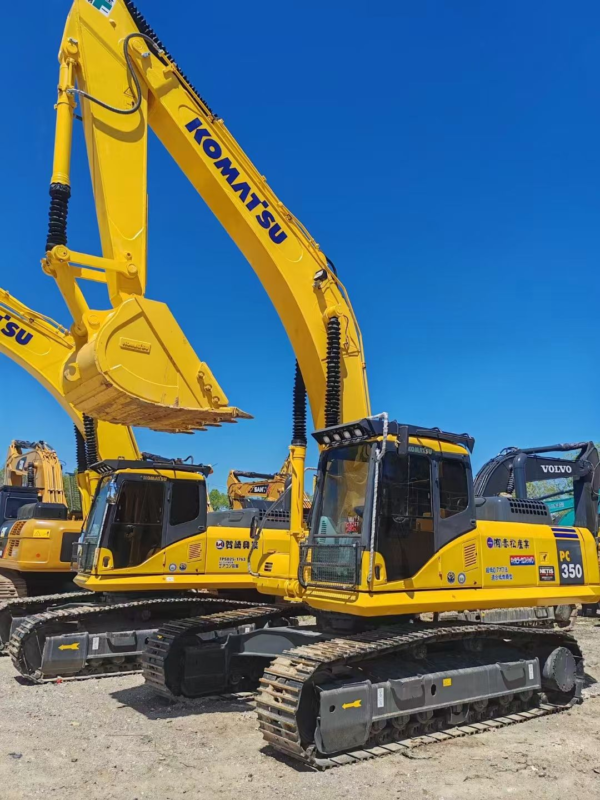
Excavators are one of the most important machines in construction, agriculture, mining, landscaping, and infrastructure development. From digging foundations and preparing construction sites to moving materials and completing large-scale earthwork projects, excavators provide the power and flexibility needed to handle demanding jobs efficiently.
However, choosing the right excavator is not simply about selecting the biggest machine or the most powerful model. Every project has different requirements, including working conditions, digging depth, material type, transportation needs, and operating frequency. A suitable excavator should match the actual workload while providing reliable performance and long-term value.
For businesses planning to sell excavators, purchase equipment, or expand their machinery fleet, understanding key selection factors is essential. A well-planned equipment decision can improve project efficiency, reduce unnecessary operating costs, and help companies complete jobs more effectively.
This complete buyer’s guide explains how to pick a suitable excavator for different projects and what factors should be considered before making an investment.
Choosing Excavator Size Based on Project Requirements
The first step when selecting an excavator is understanding the relationship between machine size and project requirements.
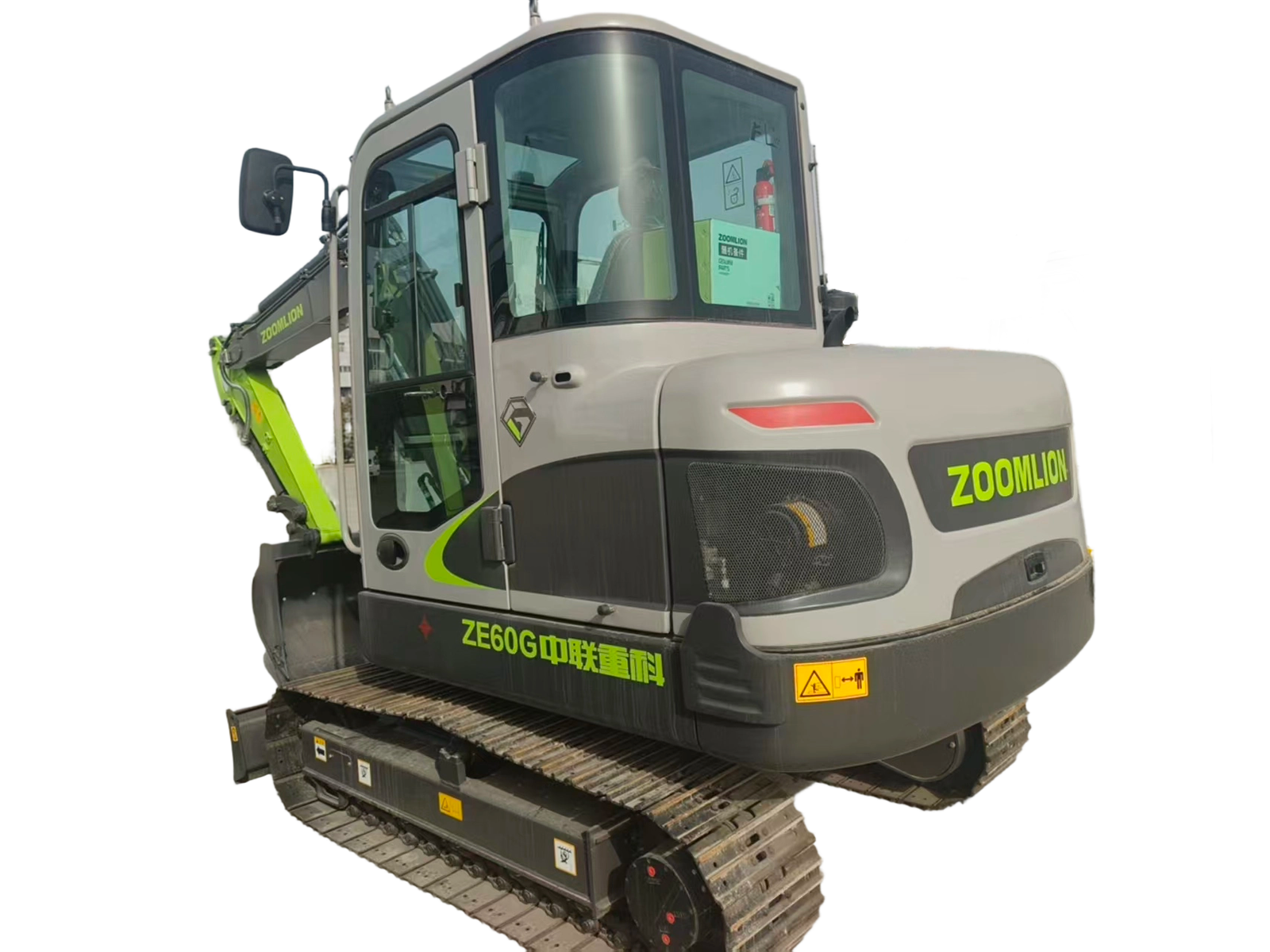
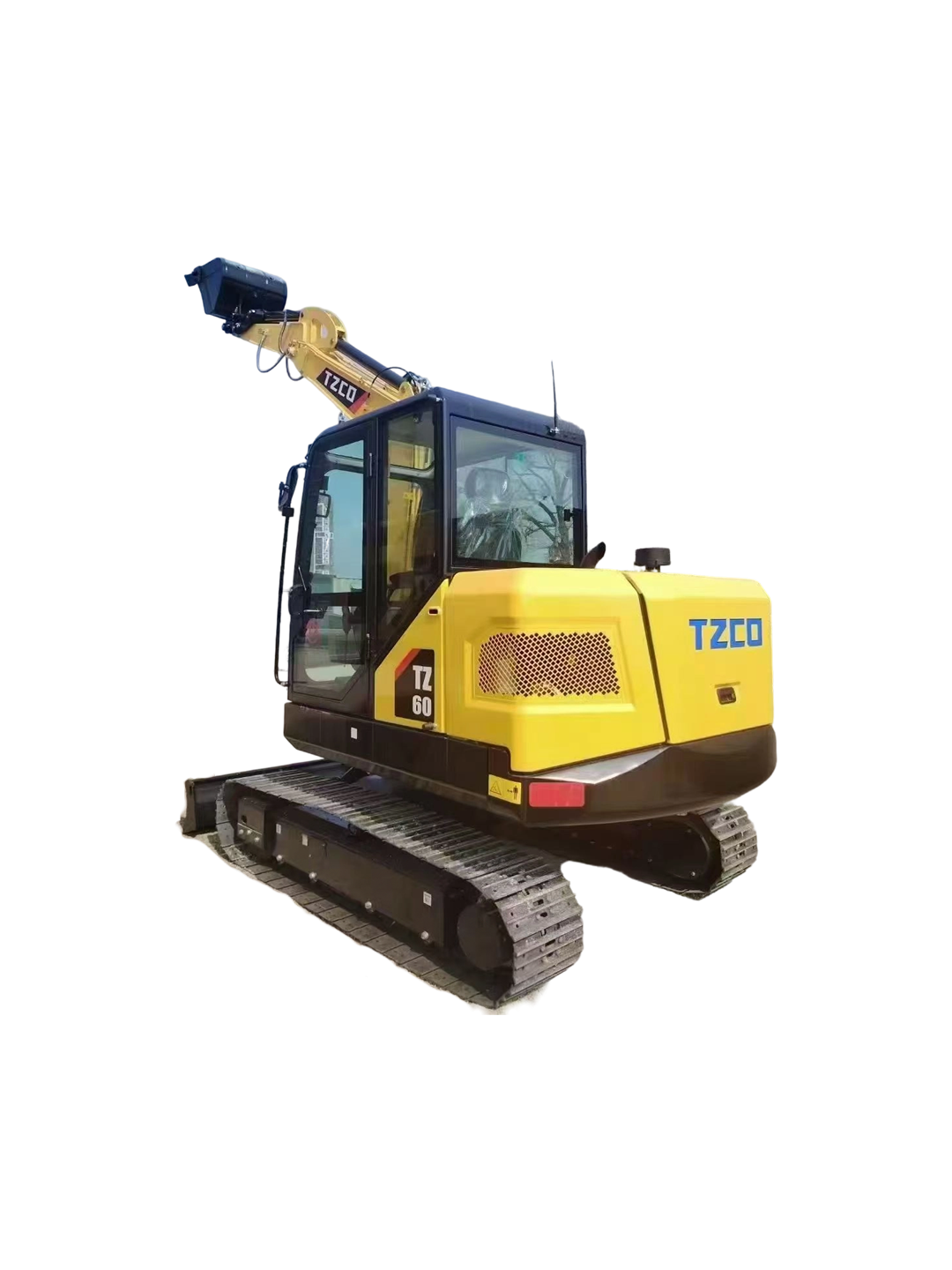
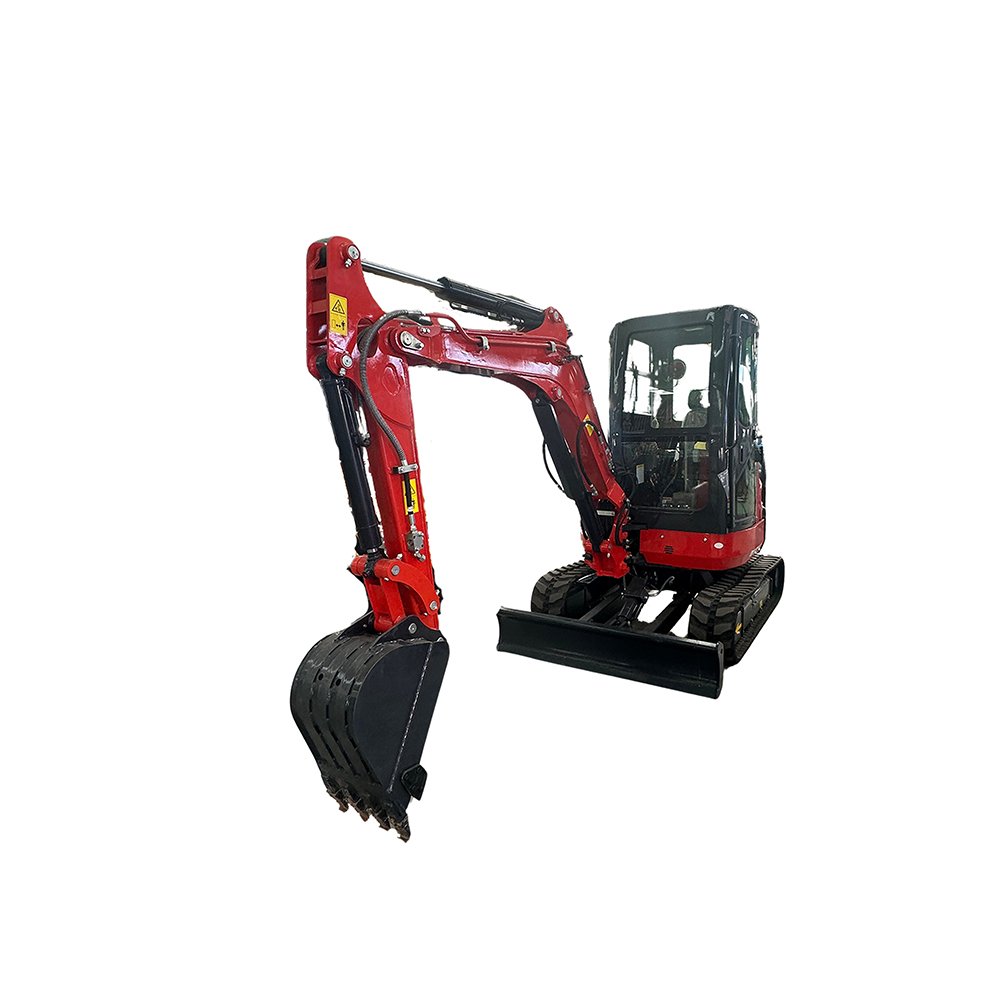
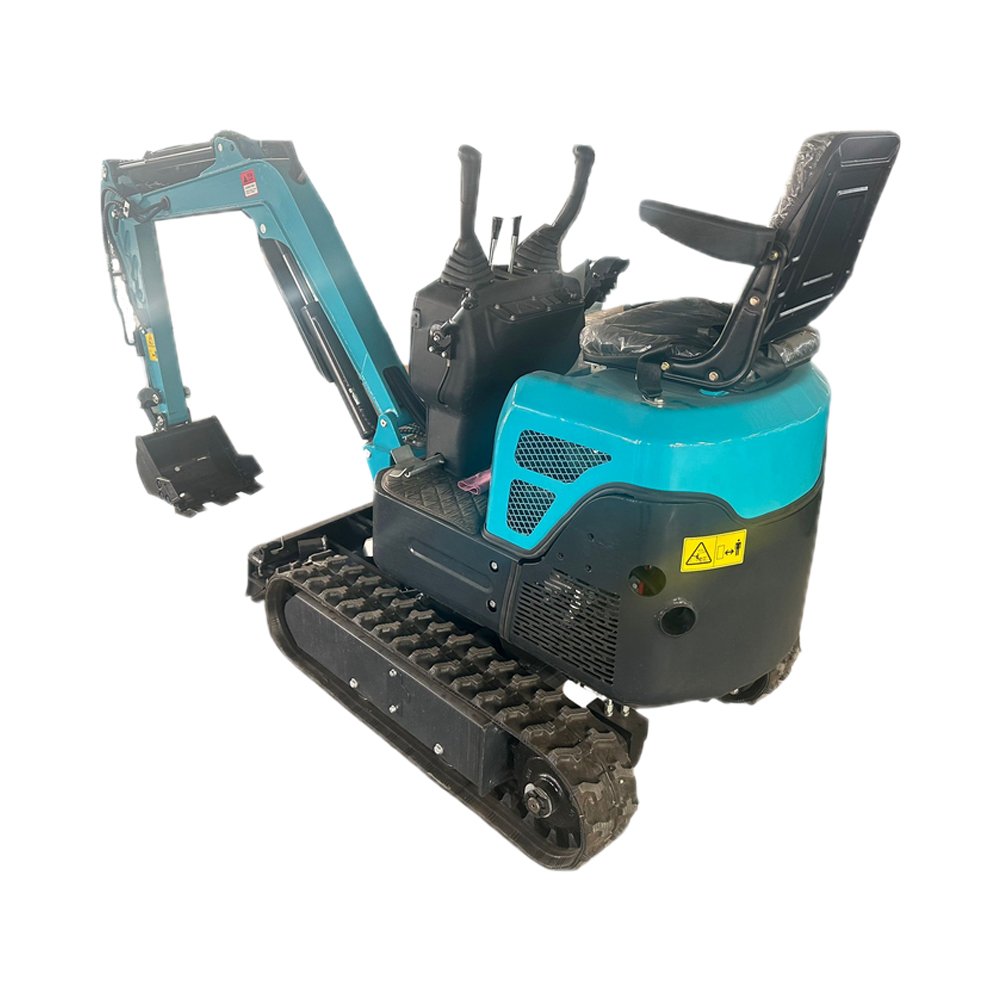
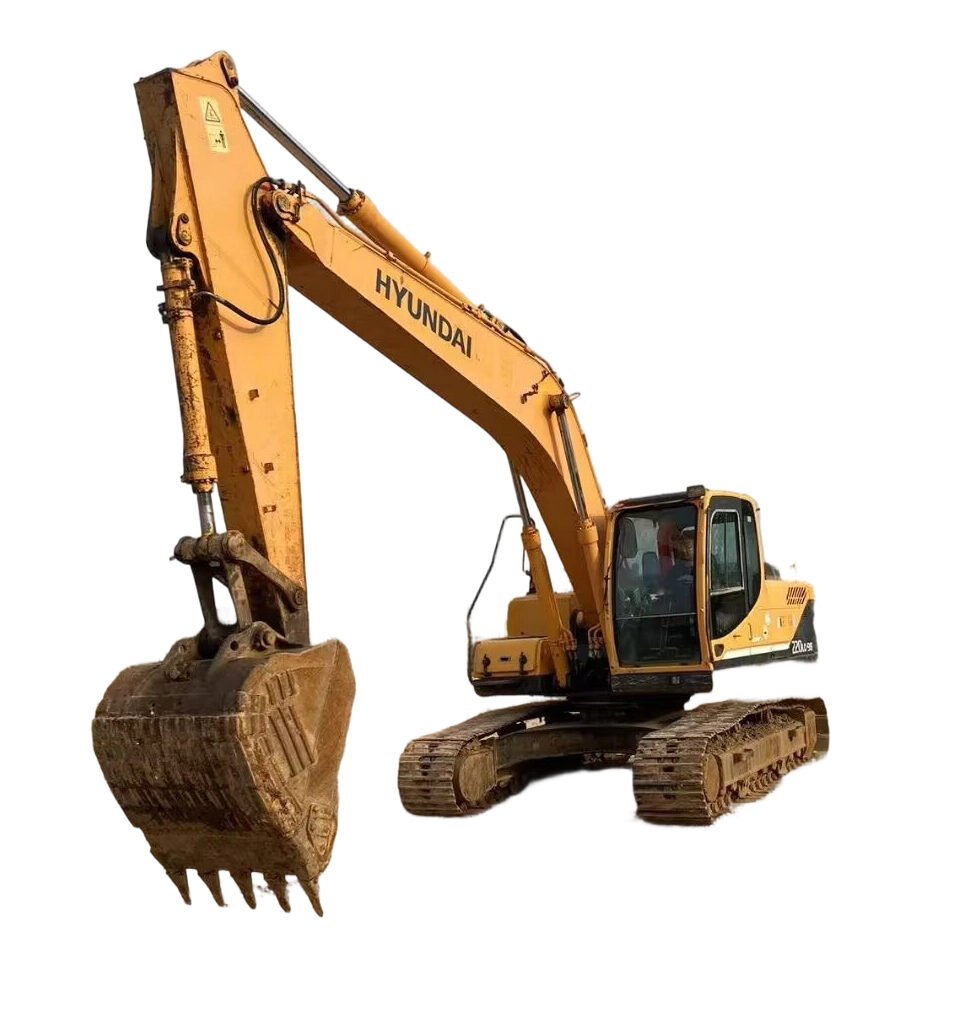
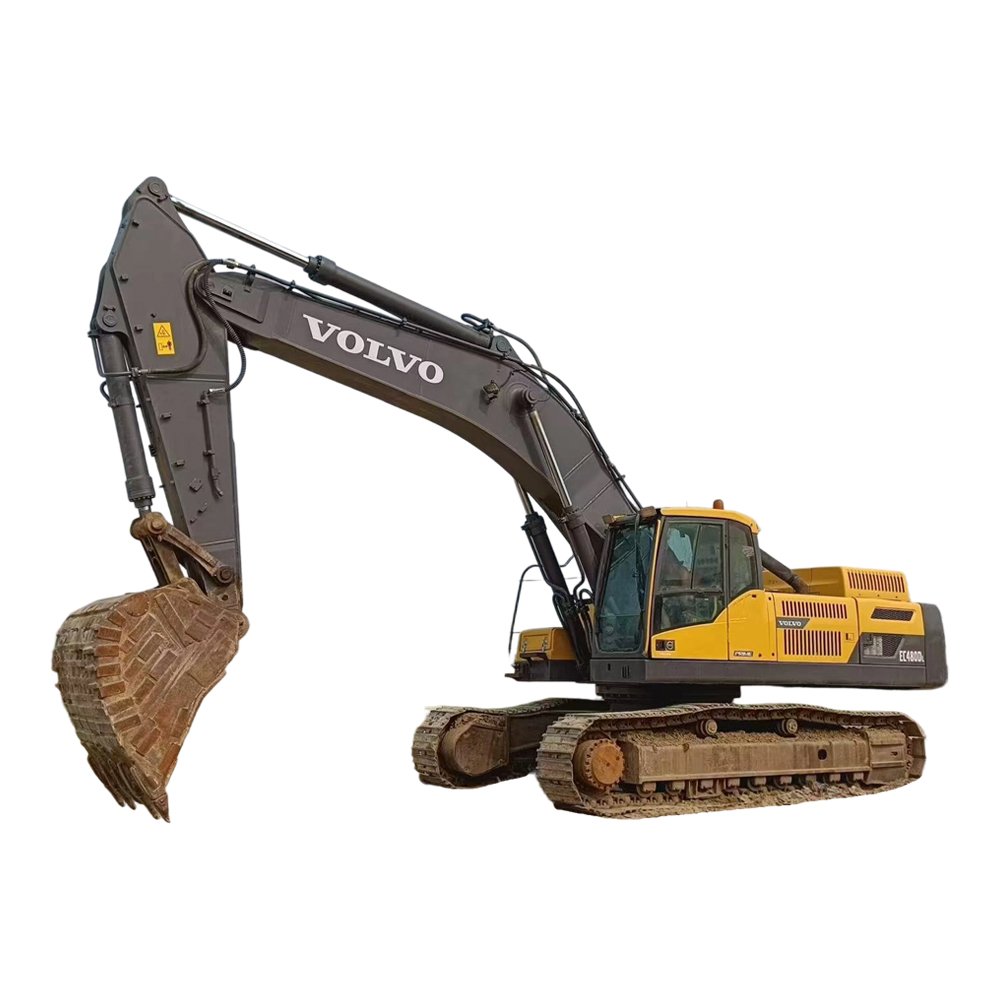
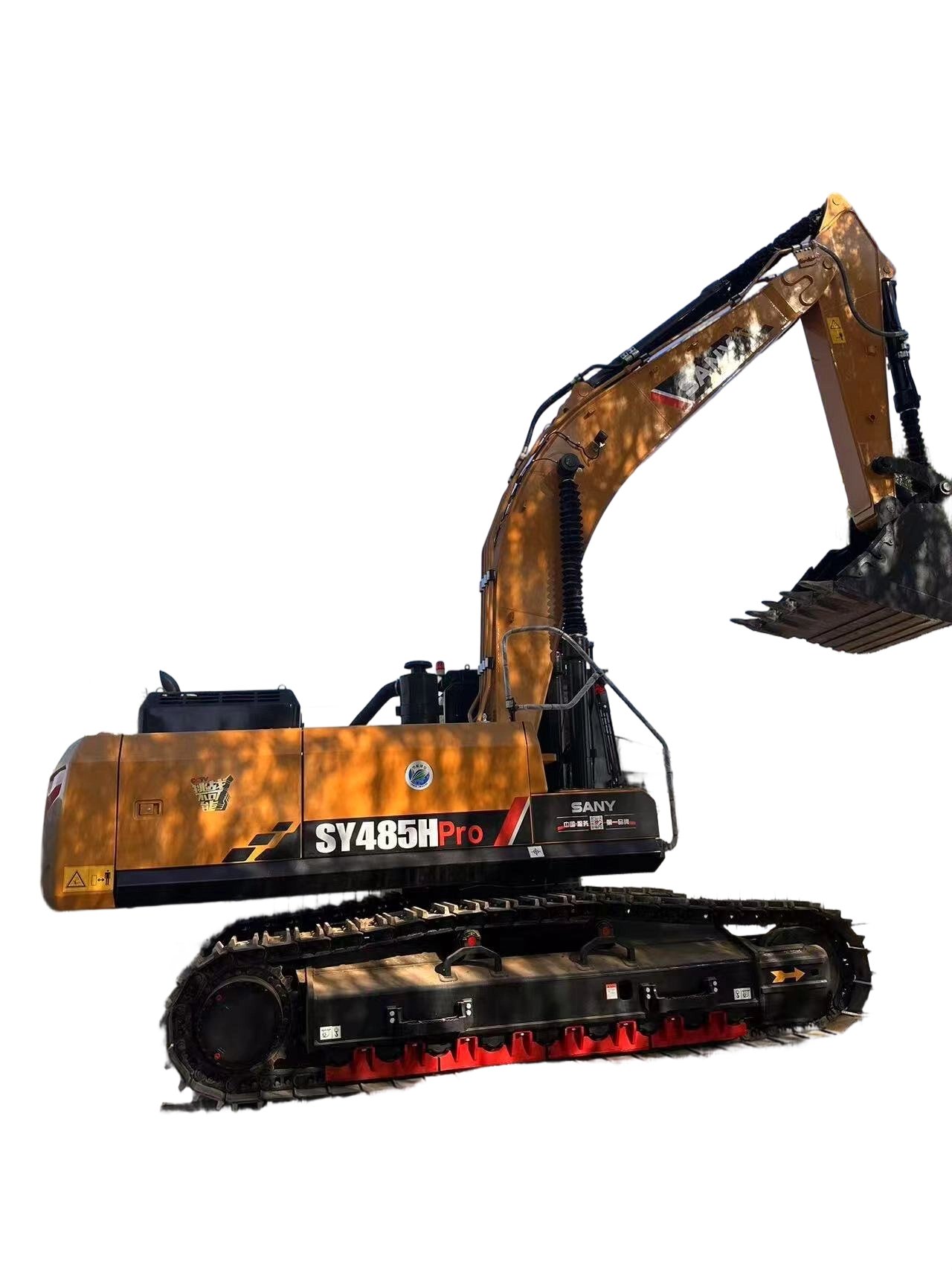
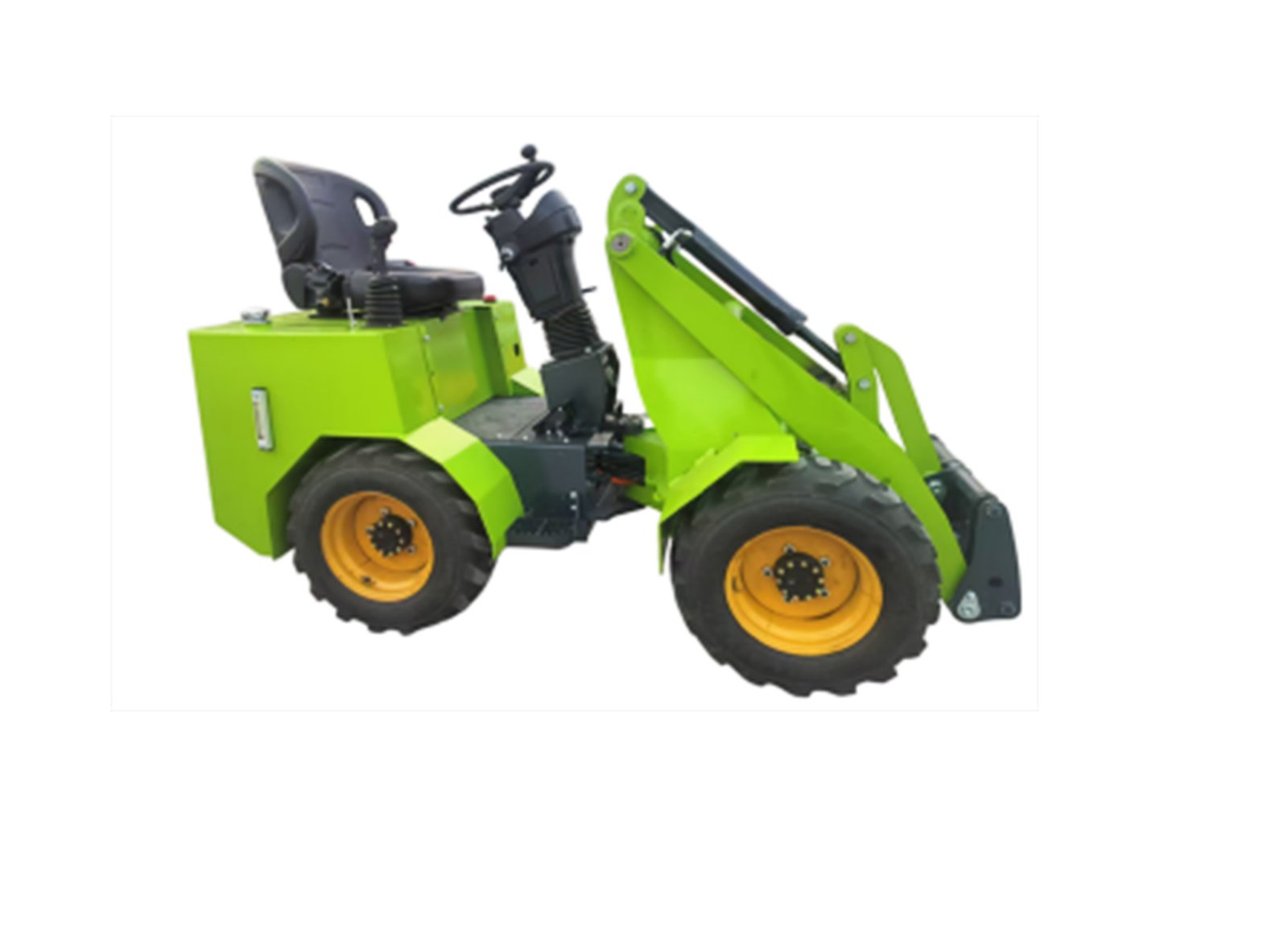
Excavators are available in different sizes, and each category is designed for specific applications. Compact excavators are suitable for smaller projects such as residential landscaping, garden work, utility installation, and narrow-area construction. Their smaller dimensions allow them to operate efficiently in limited spaces.
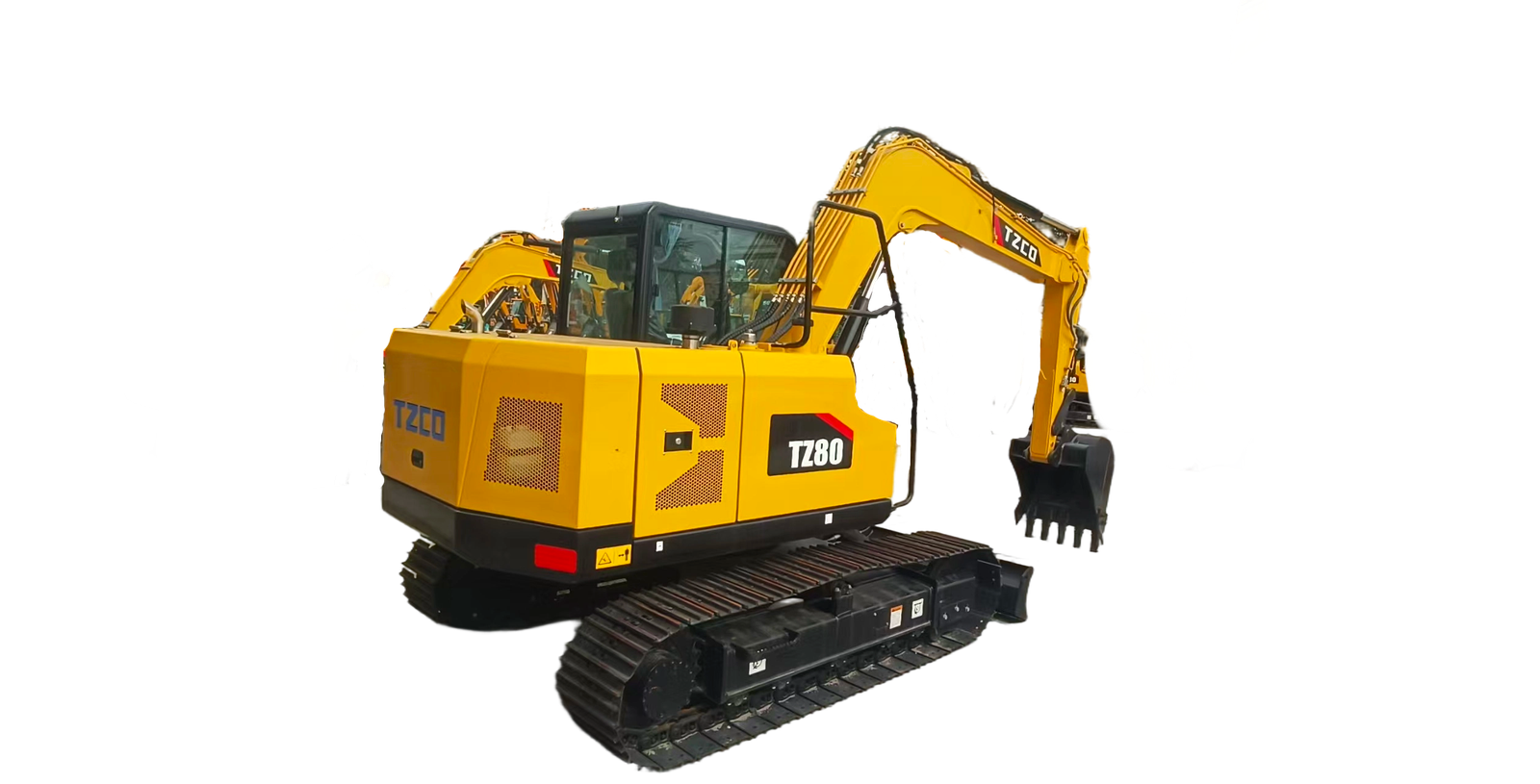
Medium-sized excavators are commonly used for general construction projects, including road preparation, commercial building development, drainage work, and site excavation. They provide a balance between power, flexibility, and transportation convenience.
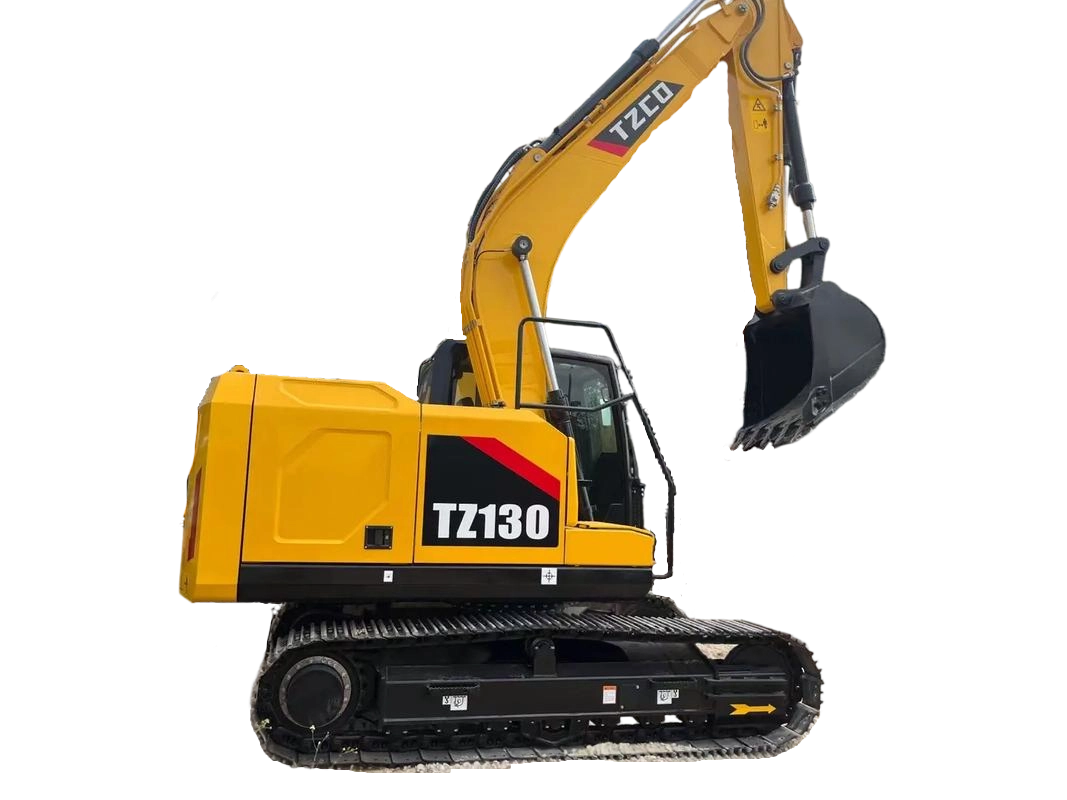
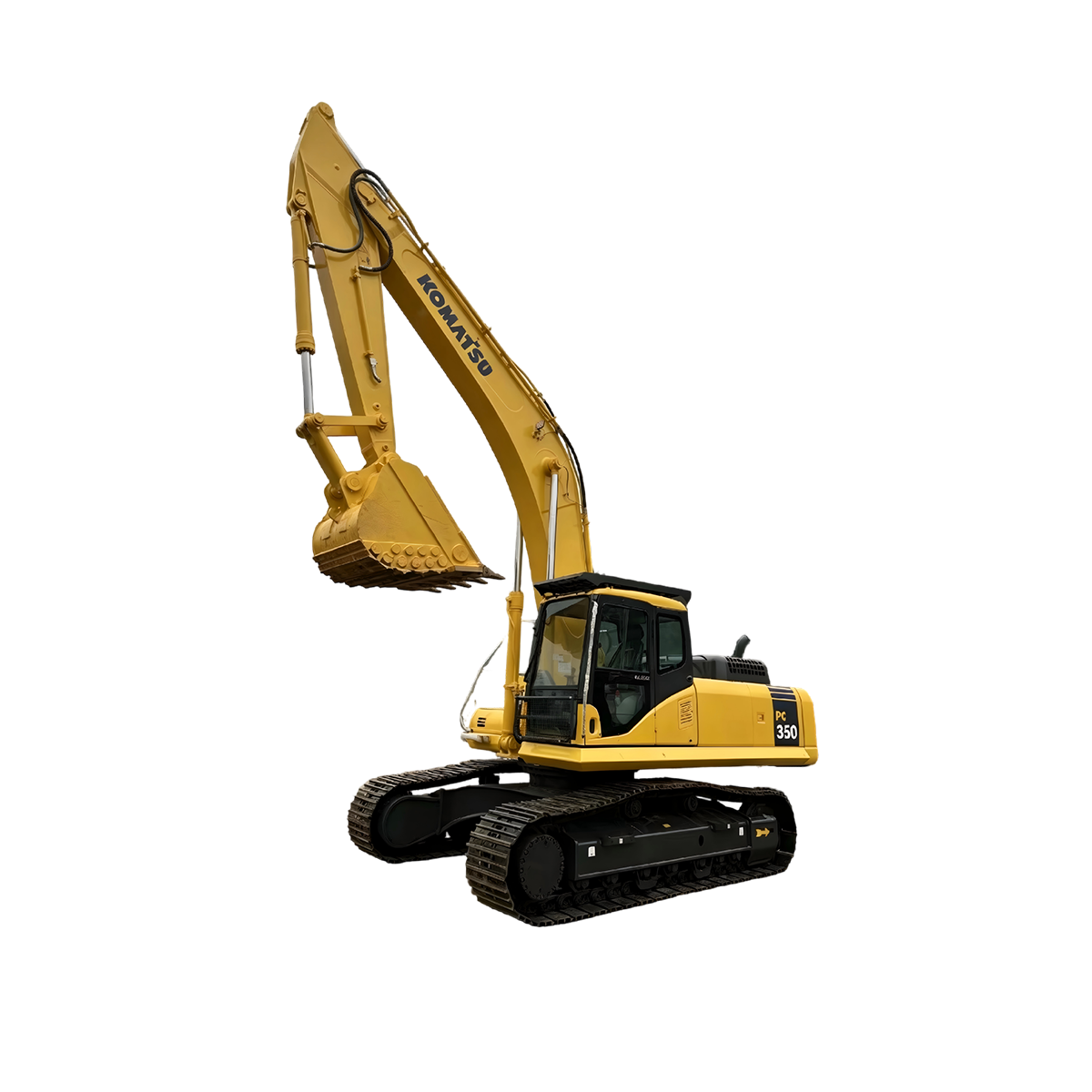
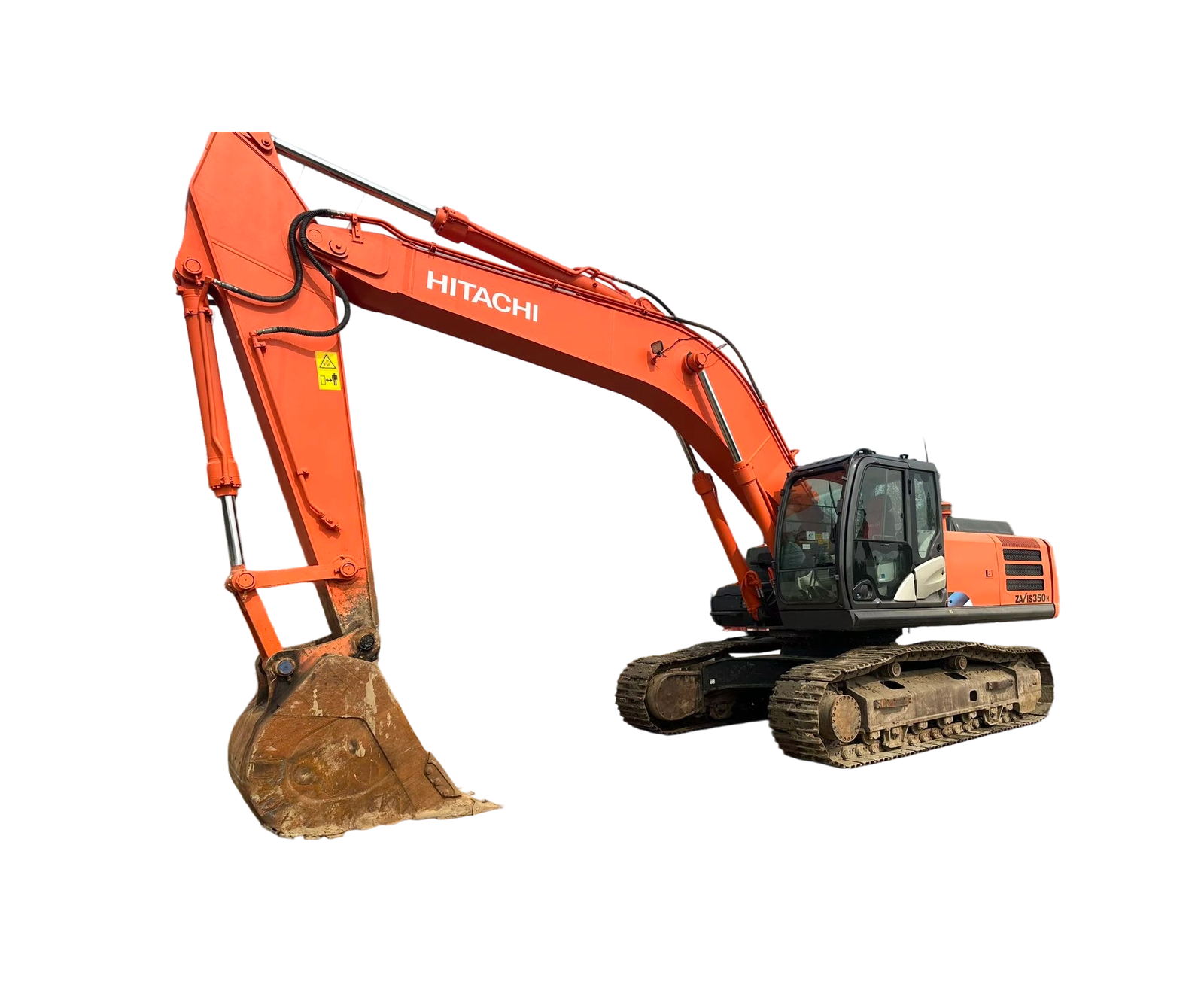
Large excavators are designed for heavy-duty applications that require high digging capacity and strong operating performance. They are often used in large infrastructure projects, mining operations, and major earthmoving tasks.
Before purchasing an excavator, buyers should evaluate the typical project environment. A machine that matches the job size can improve fuel efficiency, productivity, and overall project management.
Evaluating Excavator Performance and Working Capability
An excavator’s performance directly affects how efficiently a project can be completed. Several technical factors should be considered, including engine power, digging depth, lifting capacity, bucket capacity, hydraulic performance, and operating stability.
For excavation projects, digging depth is one of the most important specifications. A machine should be capable of reaching the required depth without excessive effort or reduced efficiency.
Bucket capacity also influences productivity. Larger buckets can move more material in each cycle, making them suitable for large-scale earthmoving projects. However, smaller buckets may provide better control for detailed work such as landscaping or underground utility installation.
Hydraulic systems play a key role in excavator operation. A reliable hydraulic system allows smooth movement, accurate control, and efficient power distribution between different functions.
Understanding these performance factors helps buyers select equipment that can handle current projects while supporting future business growth.
Considering Job Site Conditions and Operating Environment
Every construction site has unique challenges. The working environment should always be considered before selecting an excavator.
For urban construction projects, space limitations may require machines with compact designs and excellent maneuverability. Residential projects often involve working near buildings, fences, or existing structures, making precise operation important.
For agricultural projects, excavators may need to work on uneven terrain, perform drainage tasks, or handle land preparation. In these situations, stability and adaptability become important factors.
Large construction sites usually require machines capable of continuous operation and heavy workloads. Buyers should consider transportation conditions, ground conditions, and the type of materials being excavated.
By analyzing the actual job environment, companies can avoid choosing equipment that does not match their operational needs.
Selecting the Right Excavator Attachments for More Applications
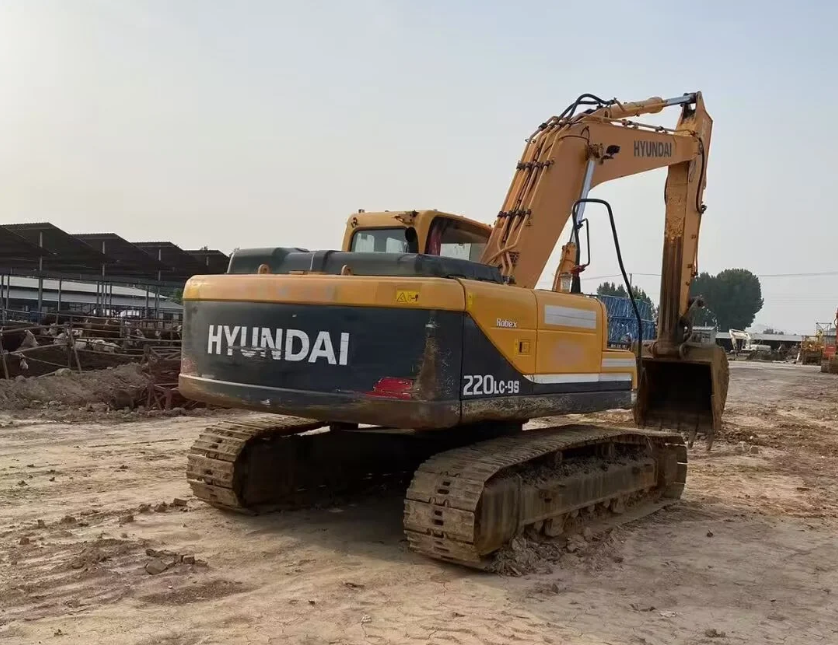
Modern excavators are valuable because they can perform many different tasks with suitable attachments. Choosing the right attachments can significantly improve machine versatility.
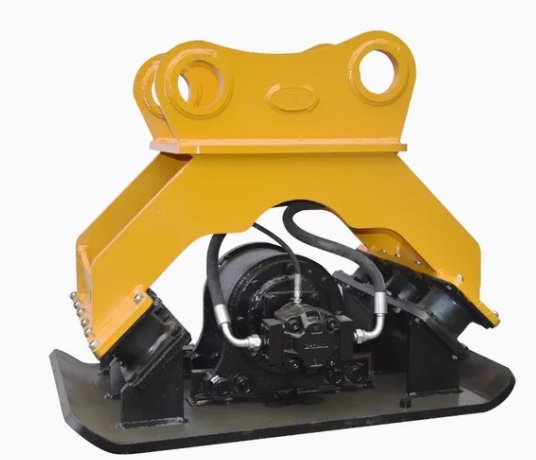
Common excavator attachments include digging buckets, grading buckets, hydraulic breakers, grapples, augers, and other specialized tools. Different attachments allow one excavator to handle multiple applications.
For example, a construction company may use a standard bucket for excavation work, a grading attachment for site preparation, and specialized tools for additional tasks. This flexibility helps companies maximize equipment utilization.
When purchasing an excavator, buyers should consider not only the machine itself but also the attachment compatibility. A flexible excavator can provide better value by supporting different project requirements.
Understanding Maintenance Requirements and Long-Term Ownership Value
An excavator is a long-term investment, and maintenance planning plays an important role in protecting equipment performance.
Regular inspection, proper servicing, and timely replacement of wear components help maintain reliable operation. Before purchasing, buyers should understand maintenance requirements, available technical support, and parts accessibility.
A well-maintained excavator can provide stable performance throughout years of operation. For companies using equipment frequently, reliability directly affects project schedules and business productivity.
When selecting a supplier, working with an experienced equipment provider can make ownership easier. Professional suppliers can provide guidance on machine selection, operation recommendations, and ongoing support.
Buying Excavators for Different Business Applications
Different industries have different reasons for purchasing excavators.
Construction companies often need excavators for foundation work, excavation, material handling, and infrastructure projects. Agricultural businesses may use excavators for land improvement, irrigation systems, pond construction, and property development.
Rental companies need equipment that can serve various customer requirements, so versatility and durability are important considerations. Contractors managing multiple project types may prefer machines that provide flexible performance across different applications.
Understanding business goals helps buyers select equipment that creates practical value. The right excavator should not only complete today’s projects but also support future opportunities.
Choosing a Reliable Excavator Supplier
Finding a suitable excavator supplier is an important part of the purchasing process. A professional supplier should provide detailed equipment information, project recommendations, and support based on customer requirements.
Companies looking for used excavators or equipment solutions can consider experienced suppliers such as THBSMN, which focuses on providing machinery options for customers with different project needs. Professional suppliers can help buyers understand equipment specifications and choose solutions that match their applications.
Before completing a purchase, buyers should review machine condition, usage history, operating specifications, and project suitability. A careful evaluation process helps businesses make more confident decisions.
Making the Right Excavator Investment for Future Projects
Selecting the right excavator requires a combination of project analysis, technical understanding, and long-term planning. The best machine is not always the largest or most powerful option, but the one that fits the specific requirements of the work.
By considering size, performance, working environment, attachments, maintenance needs, and supplier support, buyers can choose equipment that delivers better productivity and value.
For construction companies, contractors, agricultural businesses, and equipment operators, a suitable excavator can become an important foundation for successful projects.
With careful planning and professional guidance, purchasing an excavator becomes a strategic investment that helps businesses complete projects efficiently and achieve long-term operational success.