








Company News
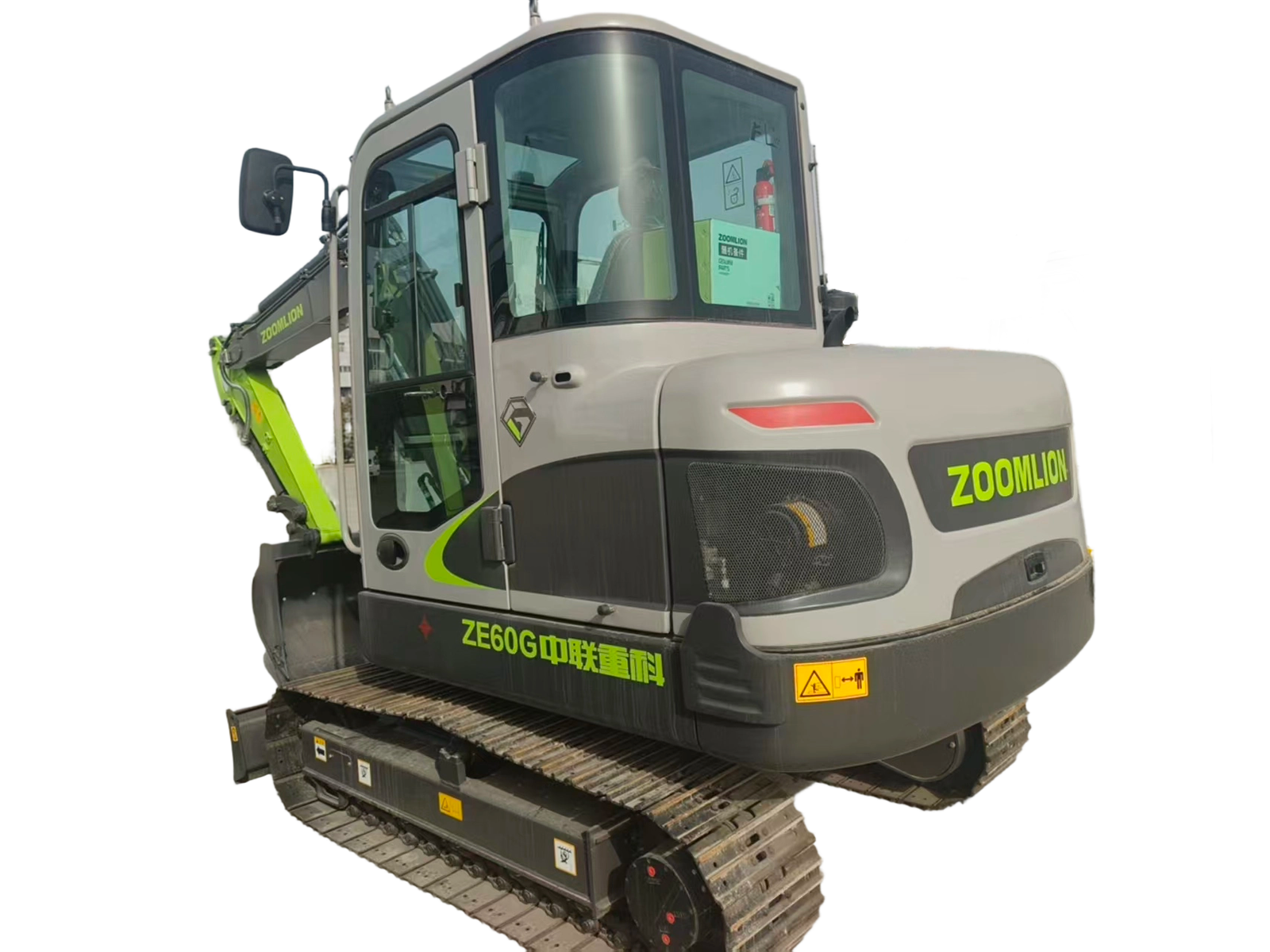
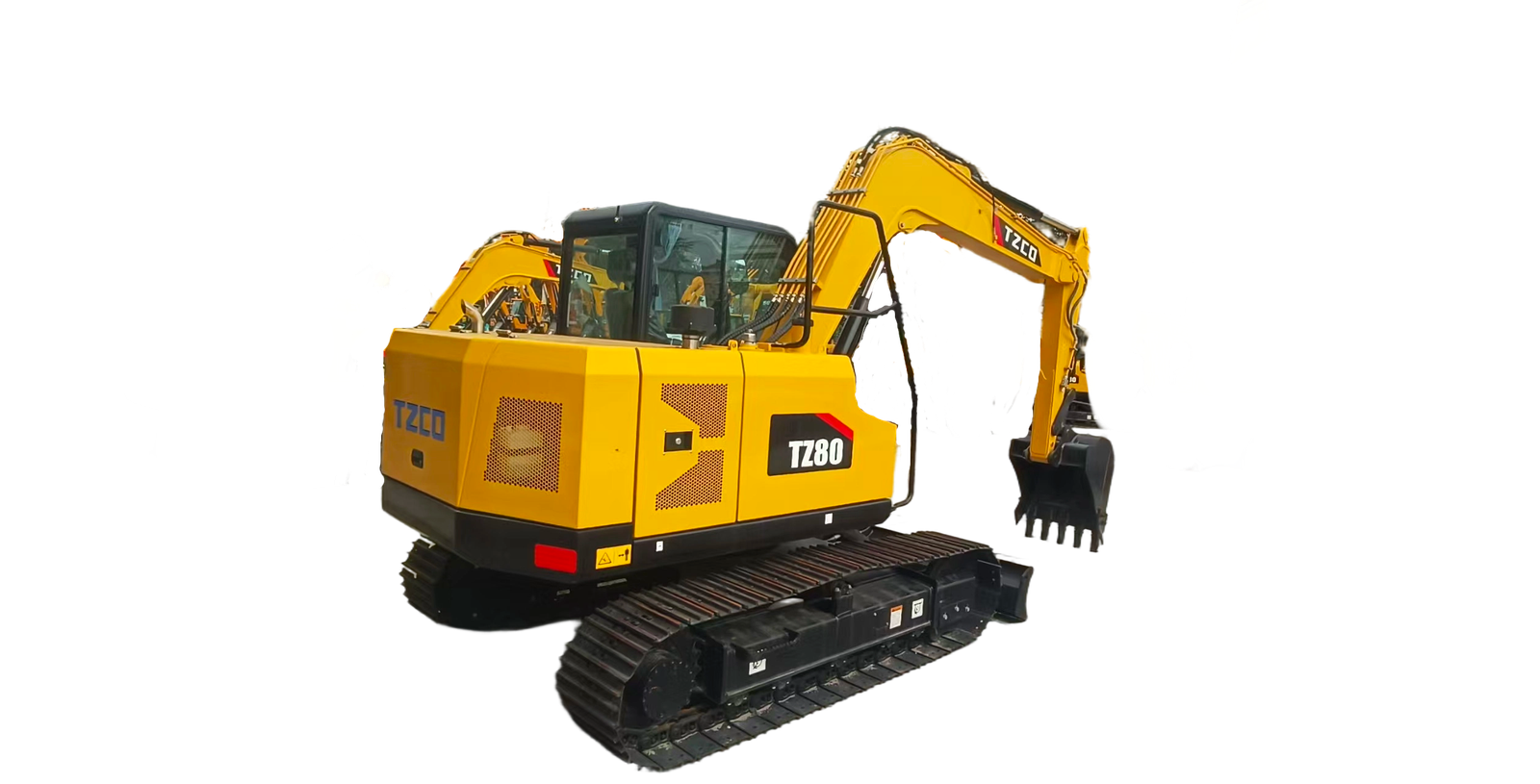
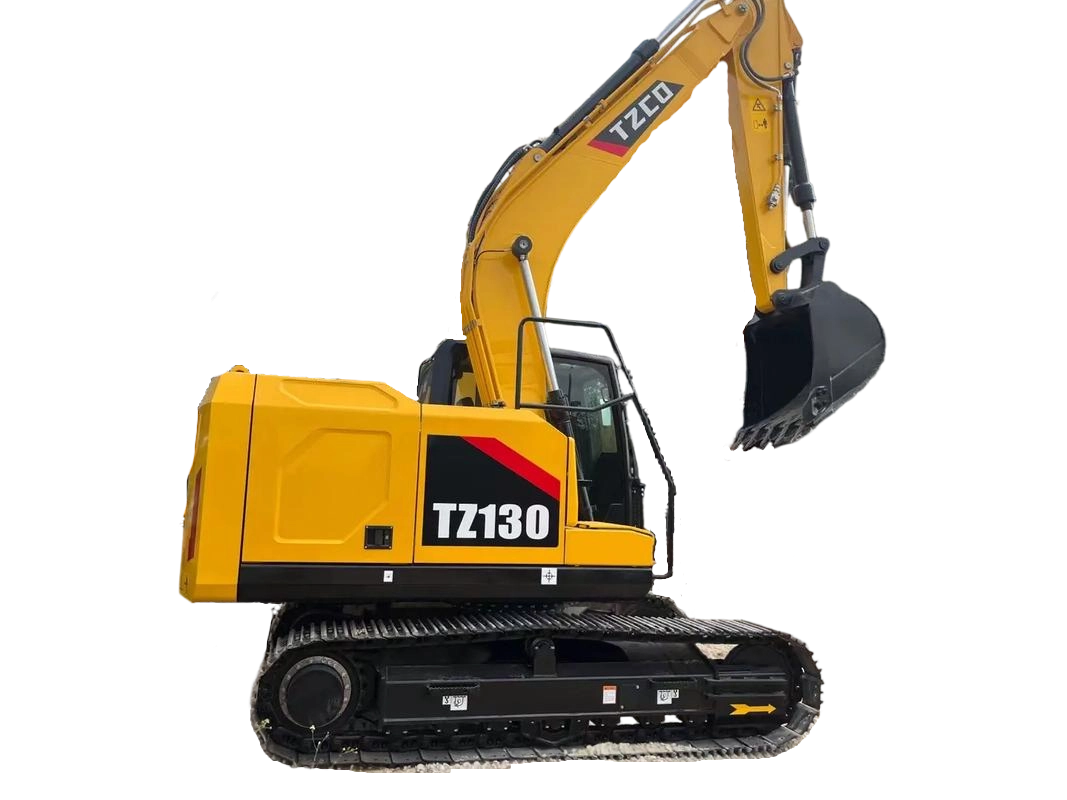
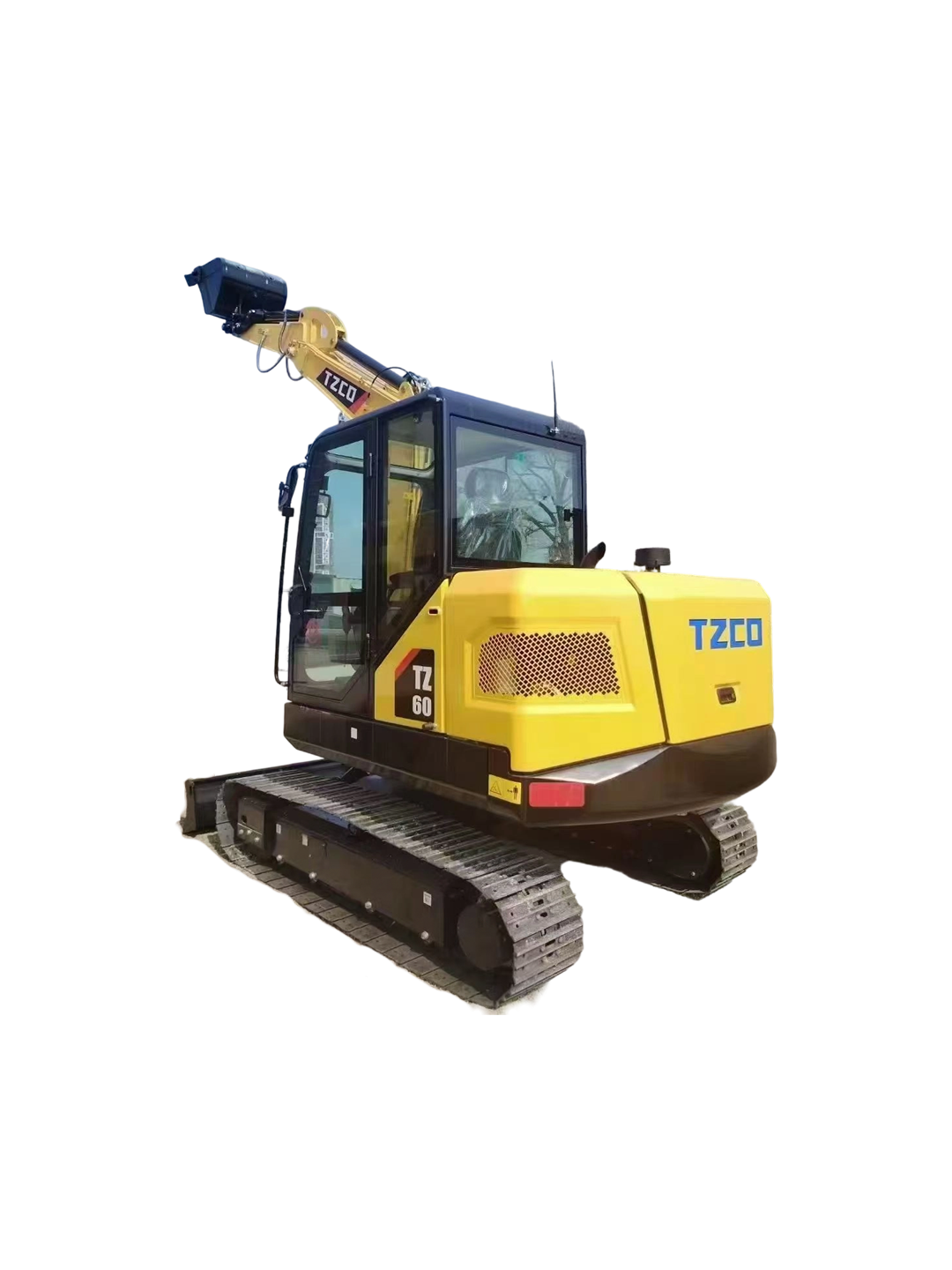
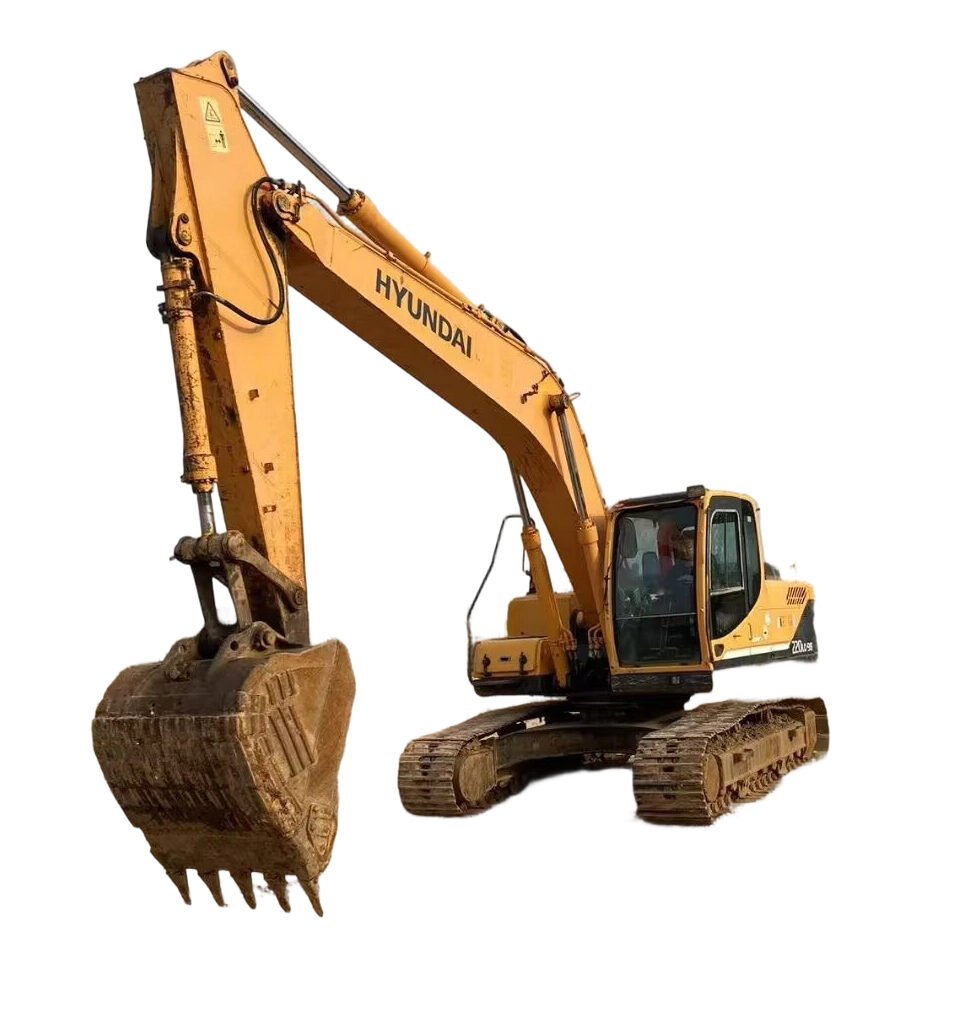
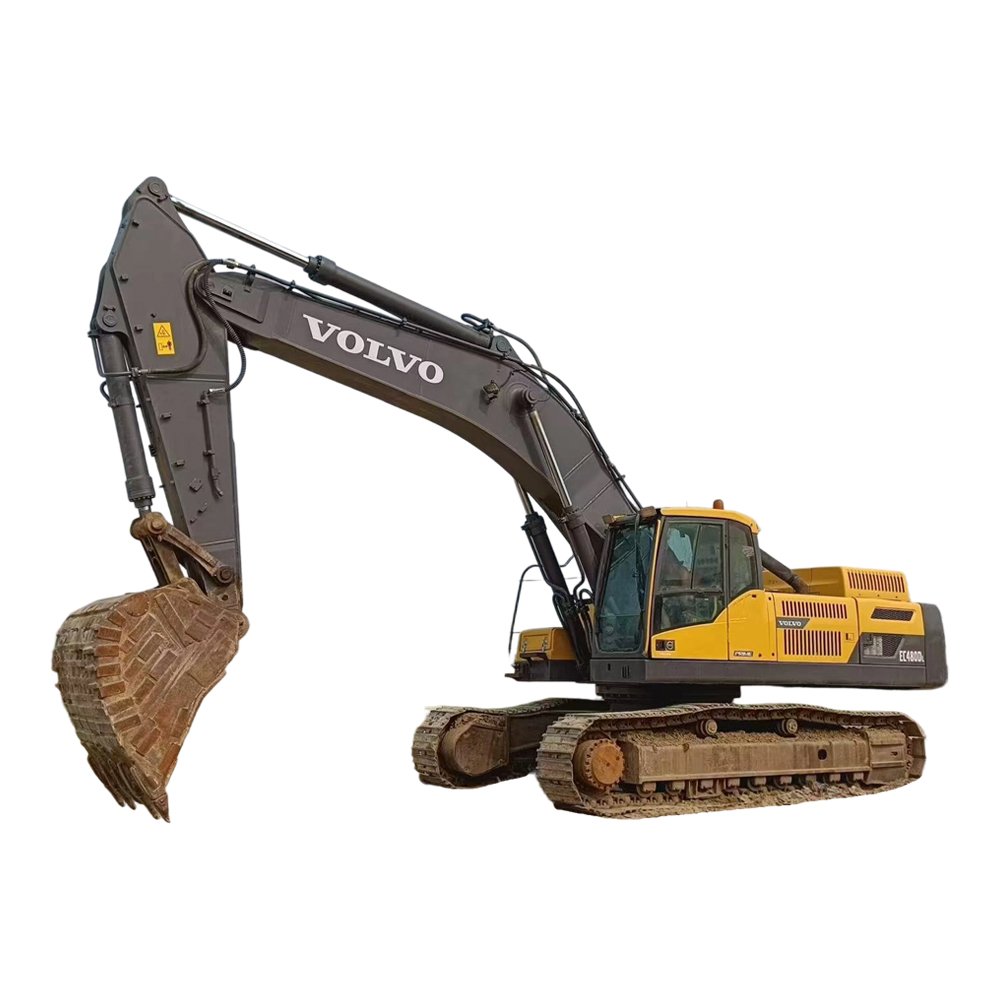
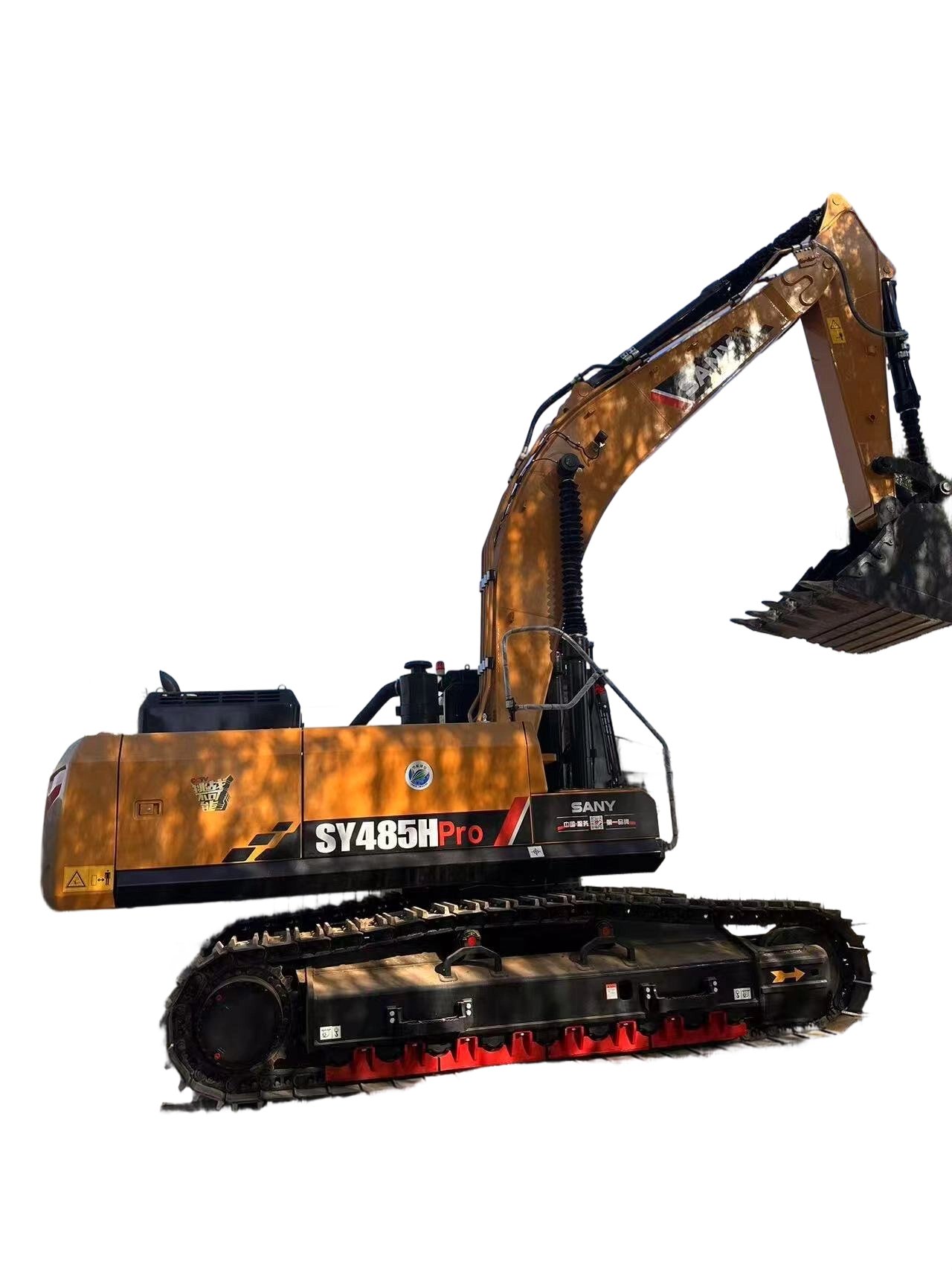
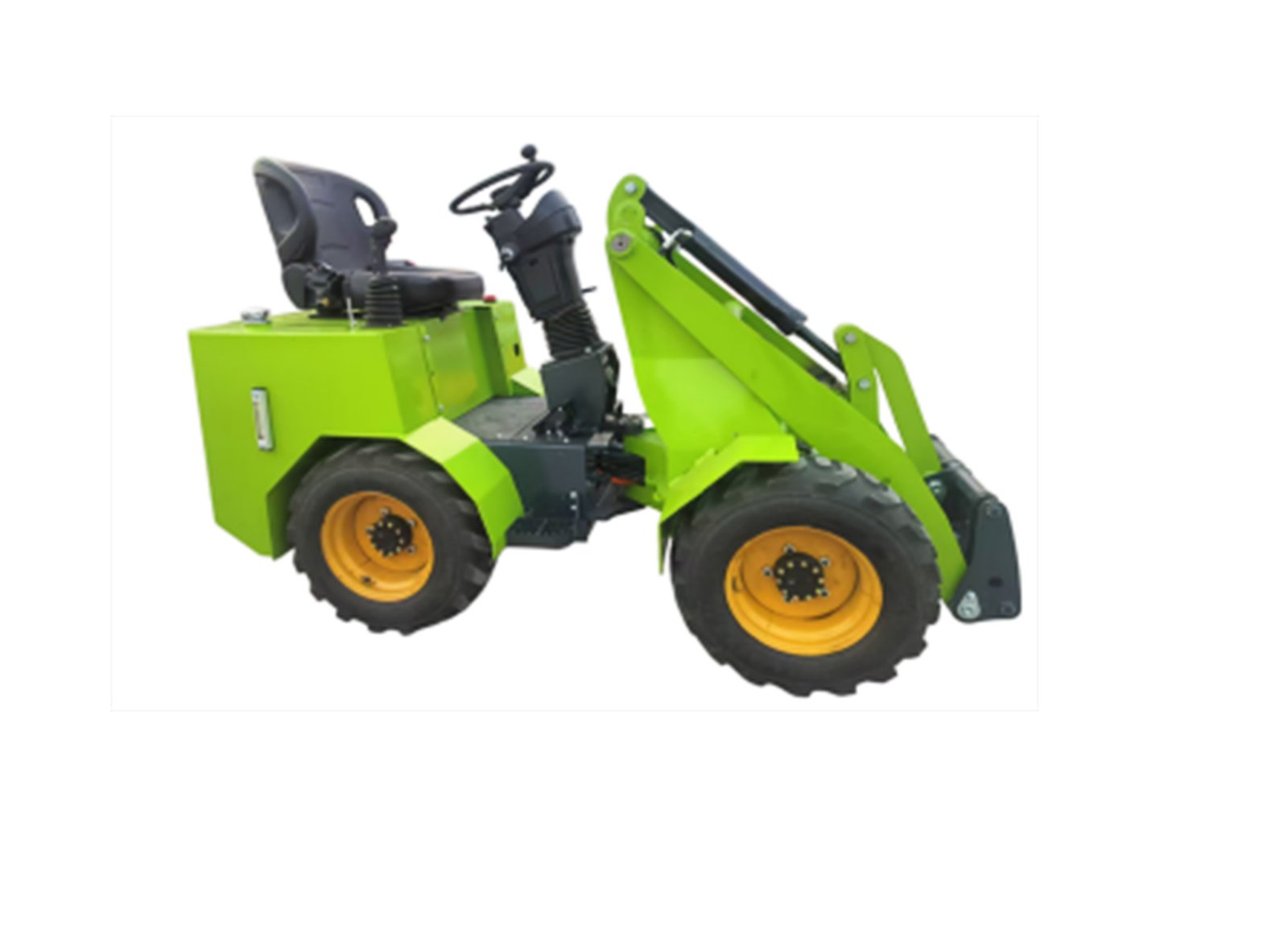
Track excavators for sale Mini VS Heavy Track Excavator Suitable Job Site Comparison
Jul
When planning a construction project, landscaping work, agricultural improvement, or infrastructure development, selecting the right excavator is one of the most important decisions. The equipment choice directly affects productivity, operating efficiency, transportation convenience, and project results.
Among different excavator options, track excavators are widely used because of their excellent stability, strong digging capability, and ability to operate on various terrains. However, not every job site requires the same machine size. Mini track excavators and heavy track excavators are designed for different working conditions, project scales, and operational needs.
Understanding the differences between mini and heavy track excavators helps contractors, equipment buyers, and rental companies choose machines that match their specific applications. The right excavator can improve workflow, reduce unnecessary operating costs, and provide better value throughout the equipment lifecycle.
Mini Track Excavators Provide Flexible Solutions for Compact Work Areas
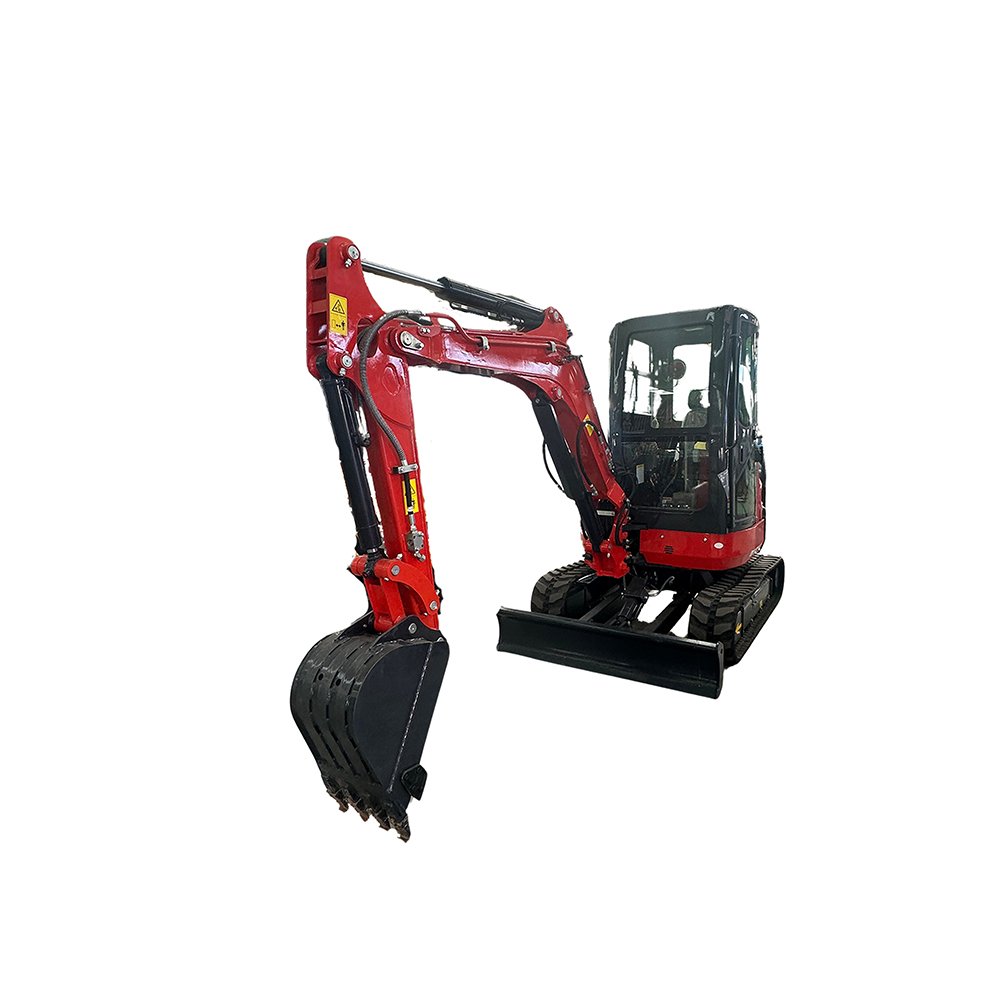
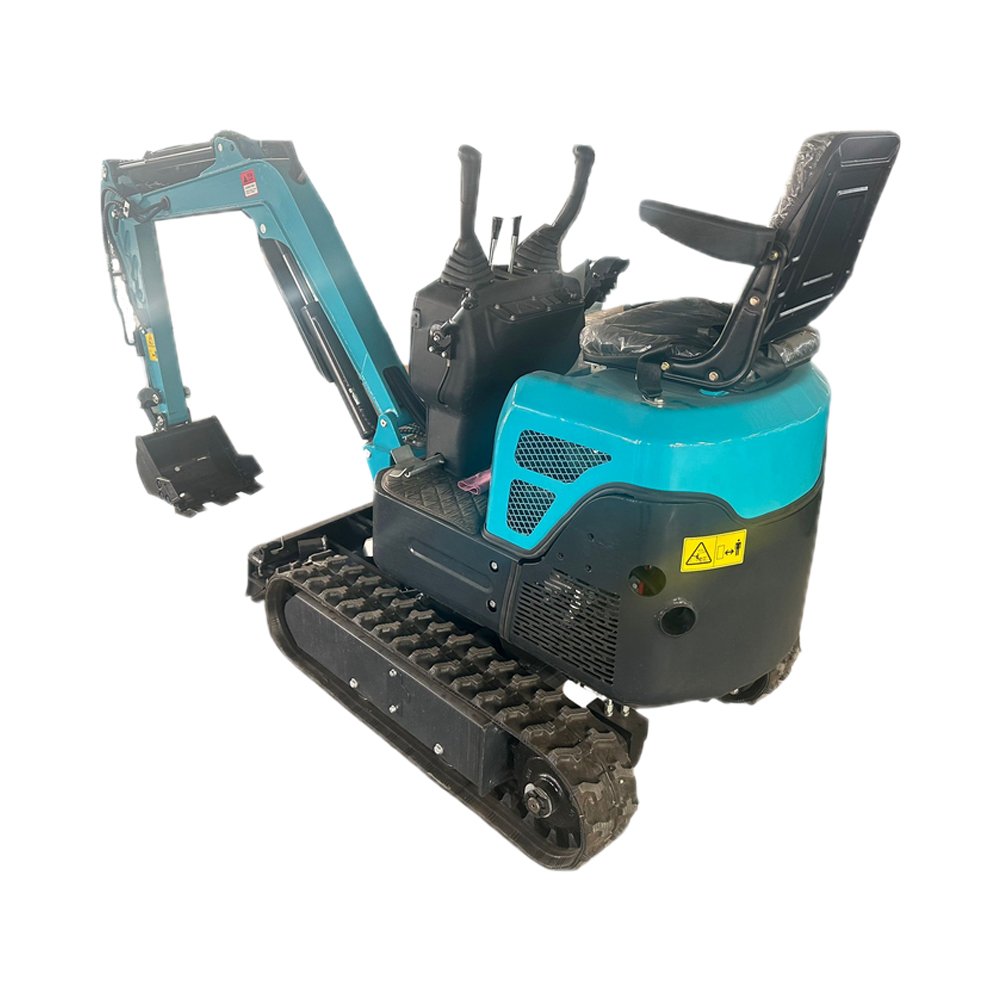
Mini track excavators are designed for projects that require mobility, precision, and operation in limited spaces. Their compact structure allows them to access areas where larger machinery may not be practical.
For residential construction, garden renovation, utility installation, and small-scale excavation projects, mini track excavators provide excellent flexibility. They can easily move through narrow pathways, residential yards, and urban work areas while completing tasks such as trench digging, soil removal, landscaping preparation, and small foundation work.
A common example is a backyard renovation project. When installing drainage systems, preparing garden landscapes, or creating small outdoor structures, contractors often need equipment that can operate efficiently without requiring extensive site preparation. A mini track excavator provides the digging power needed while maintaining easy transportation and operation.
For businesses handling multiple small projects, investing in a mini track excavator can provide operational flexibility. The machine can be transported between different job sites quickly and used for various applications.
Heavy Track Excavators Deliver Power for Large Construction Projects
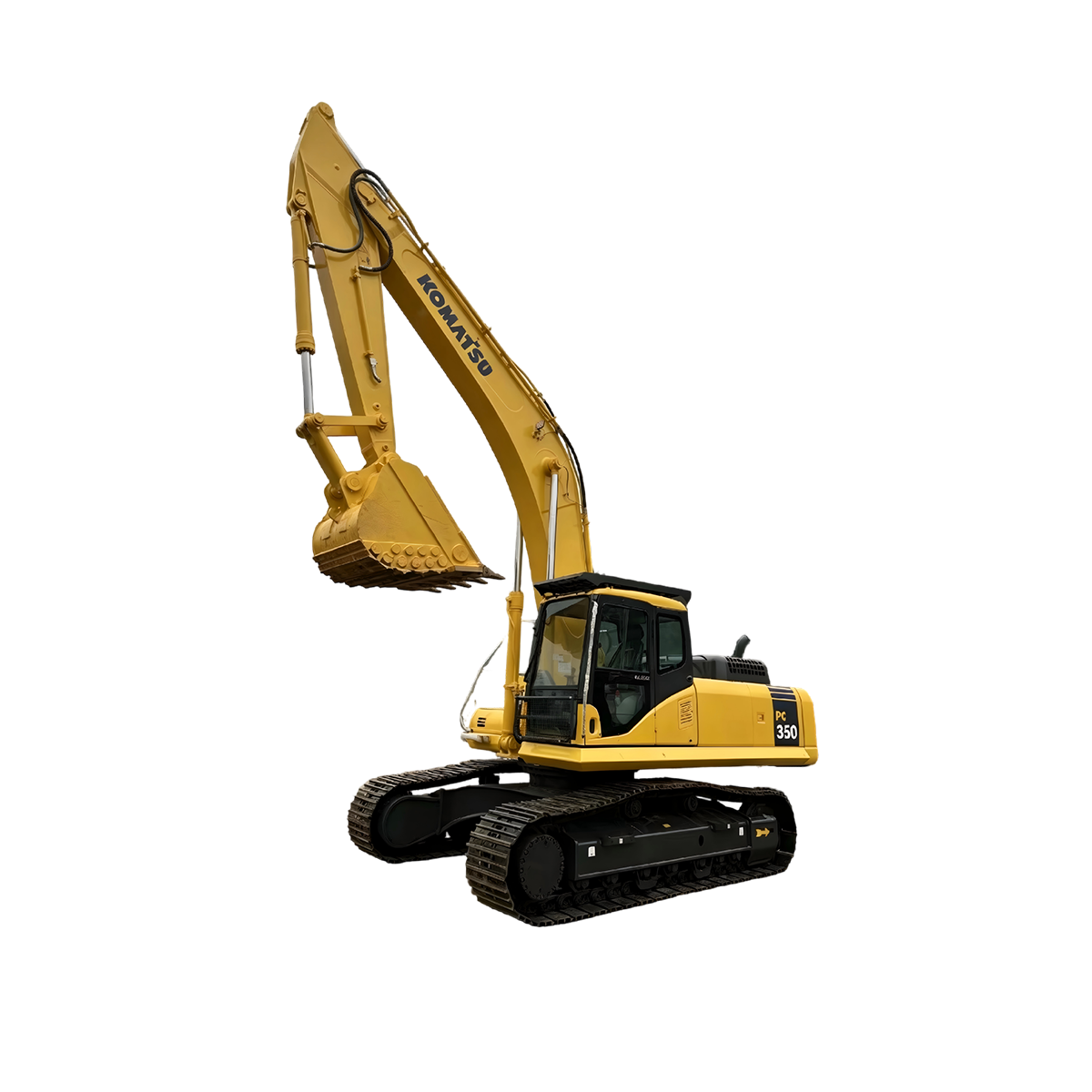
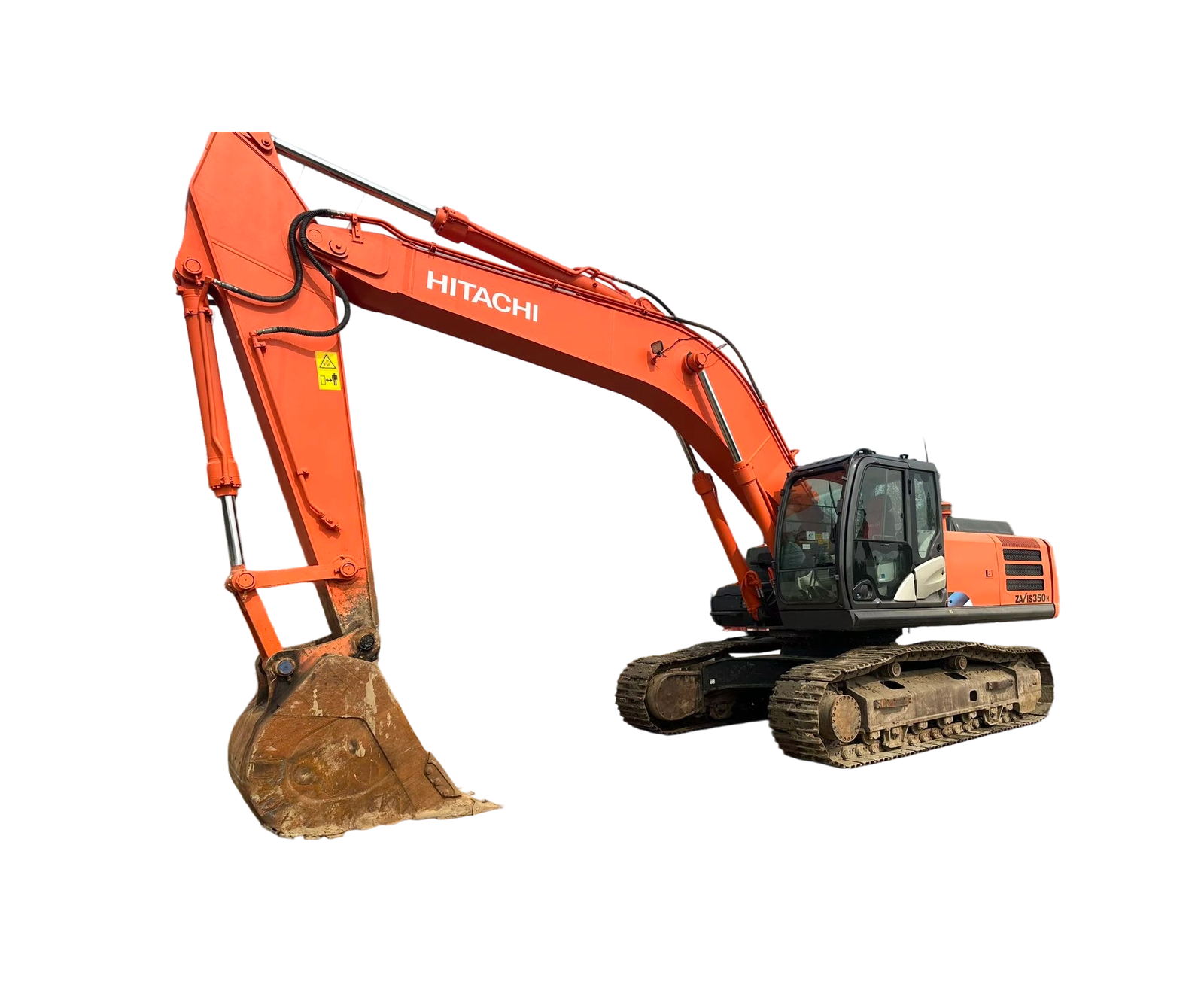
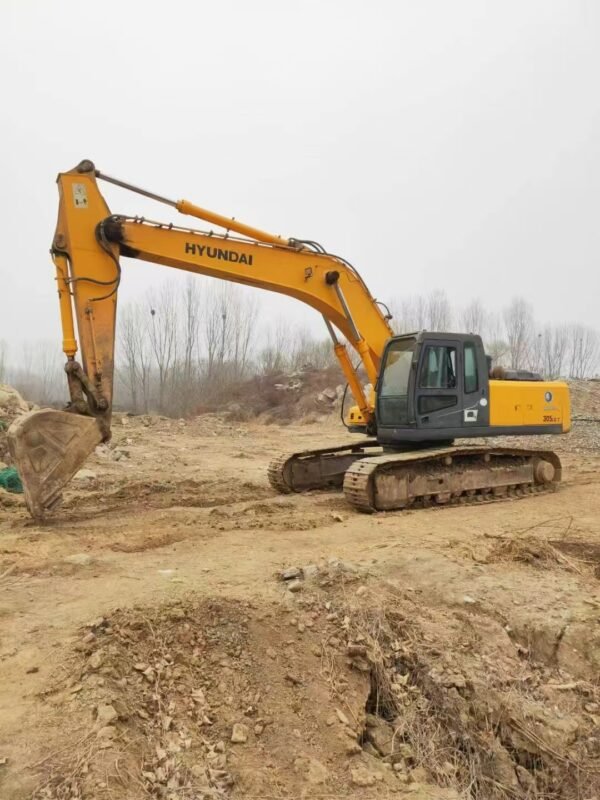
Heavy track excavators are designed for demanding construction environments that require greater digging depth, lifting capacity, and continuous operation capability.
Large-scale projects such as highway construction, mining operations, commercial development, and major earthmoving work often require machines with higher power output and stronger structural performance. Heavy track excavators are suitable for moving large amounts of soil, handling heavy materials, and completing intensive excavation tasks.
For example, when preparing a large construction site, operators may need to remove significant amounts of earth, create deep excavation areas, or move heavy materials. A heavy track excavator provides the strength and capacity needed to maintain productivity during these challenging operations.
These machines are often selected by companies managing large projects where efficiency and production volume are key priorities.
Comparing Mini and Heavy Track Excavators by Job Site Application
The most important factor when choosing between a mini and heavy track excavator is the actual working environment.
Mini track excavators are ideal for projects where space, precision, and transportation efficiency are important. They are commonly used for residential areas, landscaping projects, agricultural maintenance, pipeline installation, and small construction tasks.
Heavy track excavators are better suited for large-scale operations where maximum digging performance and material handling capability are required. They are frequently used in major construction sites, infrastructure projects, and large earthmoving applications.
The correct choice depends on factors such as project size, working space, material conditions, transportation requirements, and expected workload.
A small excavation project does not always require maximum machine capacity, while a large construction operation benefits from equipment designed for continuous heavy-duty performance.
Productivity and Efficiency Considerations When Selecting Excavators
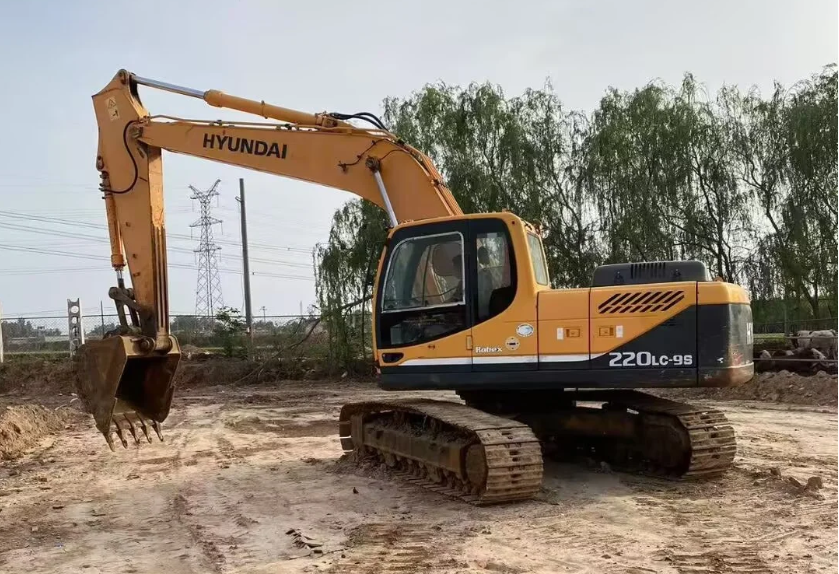
Equipment productivity is closely connected to matching machine capability with job requirements. Choosing the right excavator size helps operators complete tasks more efficiently.
Mini excavators provide advantages in projects requiring frequent movement between locations. Their compact design allows operators to work in areas with limited access while maintaining good control and accuracy.
Heavy excavators are designed for higher production levels. Their larger buckets, stronger hydraulic systems, and increased digging force allow them to complete large excavation tasks efficiently.
Before purchasing or renting a track excavator, companies should evaluate their typical projects. Understanding daily workload, transportation needs, and operational goals helps create a more practical equipment strategy.
Transportation and Site Access Influence Equipment Selection
Moving equipment between job sites is an important consideration for contractors. Different excavator sizes require different transportation arrangements.
Mini track excavators are easier to transport because of their compact dimensions and lighter weight. They can be suitable for companies that frequently move equipment between smaller projects.
Heavy track excavators require more planning due to their larger size, but they provide the performance needed for large projects where production capacity is essential.
For contractors managing different types of projects, having access to both equipment categories can provide greater flexibility. The key is selecting machines based on actual project requirements rather than choosing equipment based only on size.
Maintenance Planning and Long-Term Equipment Value
Reliable equipment performance depends on proper maintenance and professional management. Whether choosing a mini or heavy track excavator, regular inspection, scheduled servicing, and correct operation practices help maintain machine efficiency.
When evaluating track excavators for sale, buyers should consider equipment condition, service history, operating hours, and suitability for future projects. A well-maintained excavator can continue providing value across many applications.
For businesses purchasing used construction equipment, working with experienced suppliers can simplify the selection process. THBSMN provides professional used excavator solutions, helping customers find suitable equipment options based on project requirements and operational goals.
A trusted equipment supplier can provide valuable information about machine specifications, applications, and purchasing considerations.
How to Choose the Best Track Excavator for Your Business
The best excavator choice depends on the type of work you perform most frequently. Contractors should consider several practical questions before making a decision:
What type of projects will the excavator mainly support?
How much digging capacity is required?
Are job sites usually open areas or limited spaces?
How frequently will the machine be transported?
What level of production efficiency is expected?
For landscaping companies and small contractors, mini track excavators often provide the flexibility needed for diverse projects. For companies involved in major construction and earthmoving operations, heavy track excavators provide the power required for large workloads.
Making decisions based on real project needs helps businesses maximize equipment value and improve operational performance.
The Future of Track Excavator Applications in Construction
As construction methods continue to develop, excavators remain essential machines for improving efficiency across many industries. Equipment selection is becoming more focused on practical performance, application suitability, and long-term value.
Mini and heavy track excavators each serve important roles in modern construction. The goal is not simply choosing the largest machine, but selecting the equipment that best matches the working environment and project requirements.
For companies looking for track excavators for sale, understanding the differences between machine categories helps create smarter purchasing decisions. With professional support from suppliers such as THBSMN, businesses can identify equipment solutions that support current projects and future growth.