








Industry News
Sell Excavator Key Buying Factors To Check Before Purchasing Hydraulic Diggers
Jul
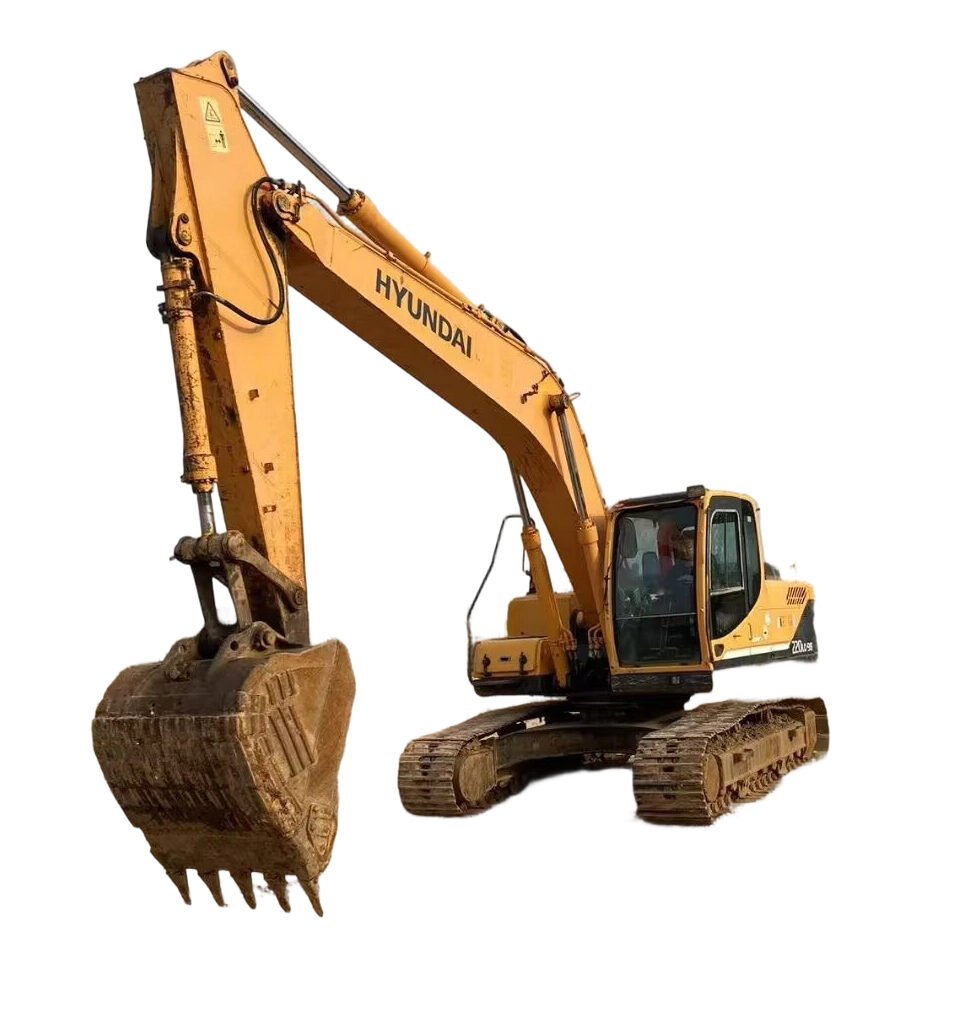
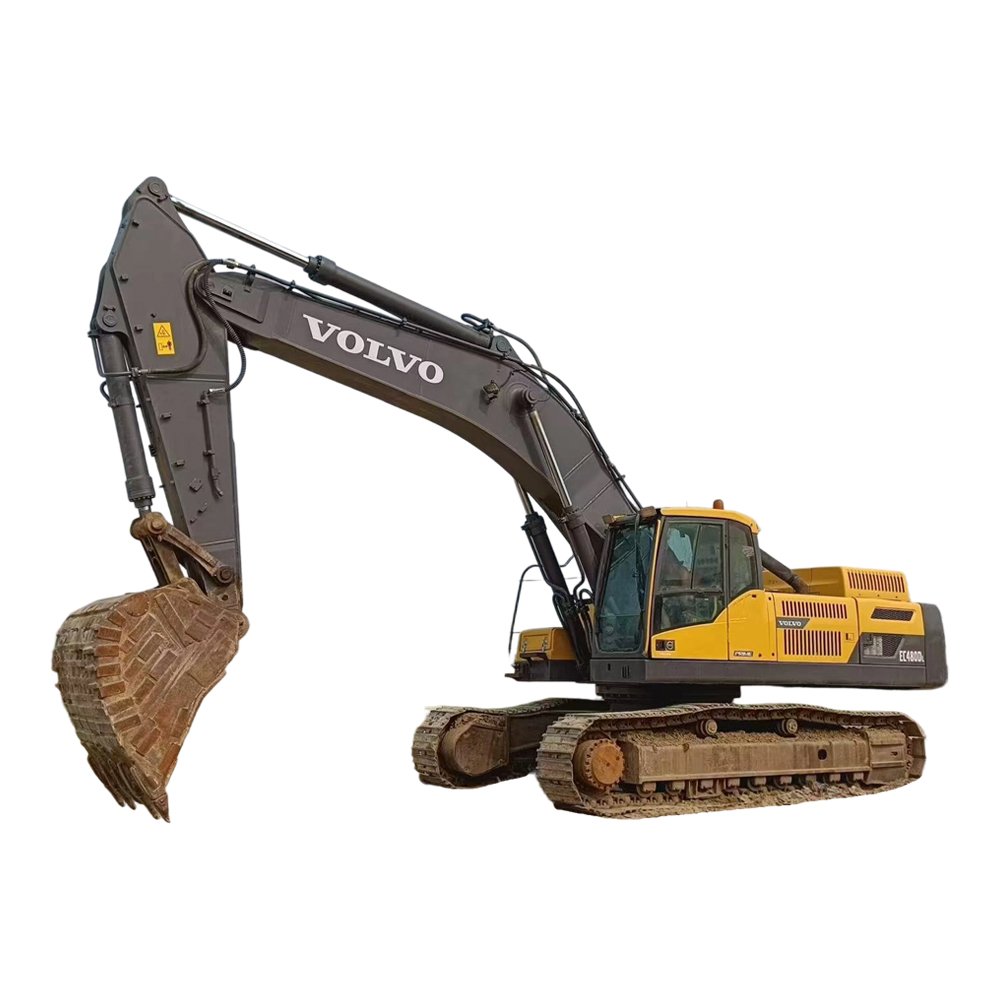
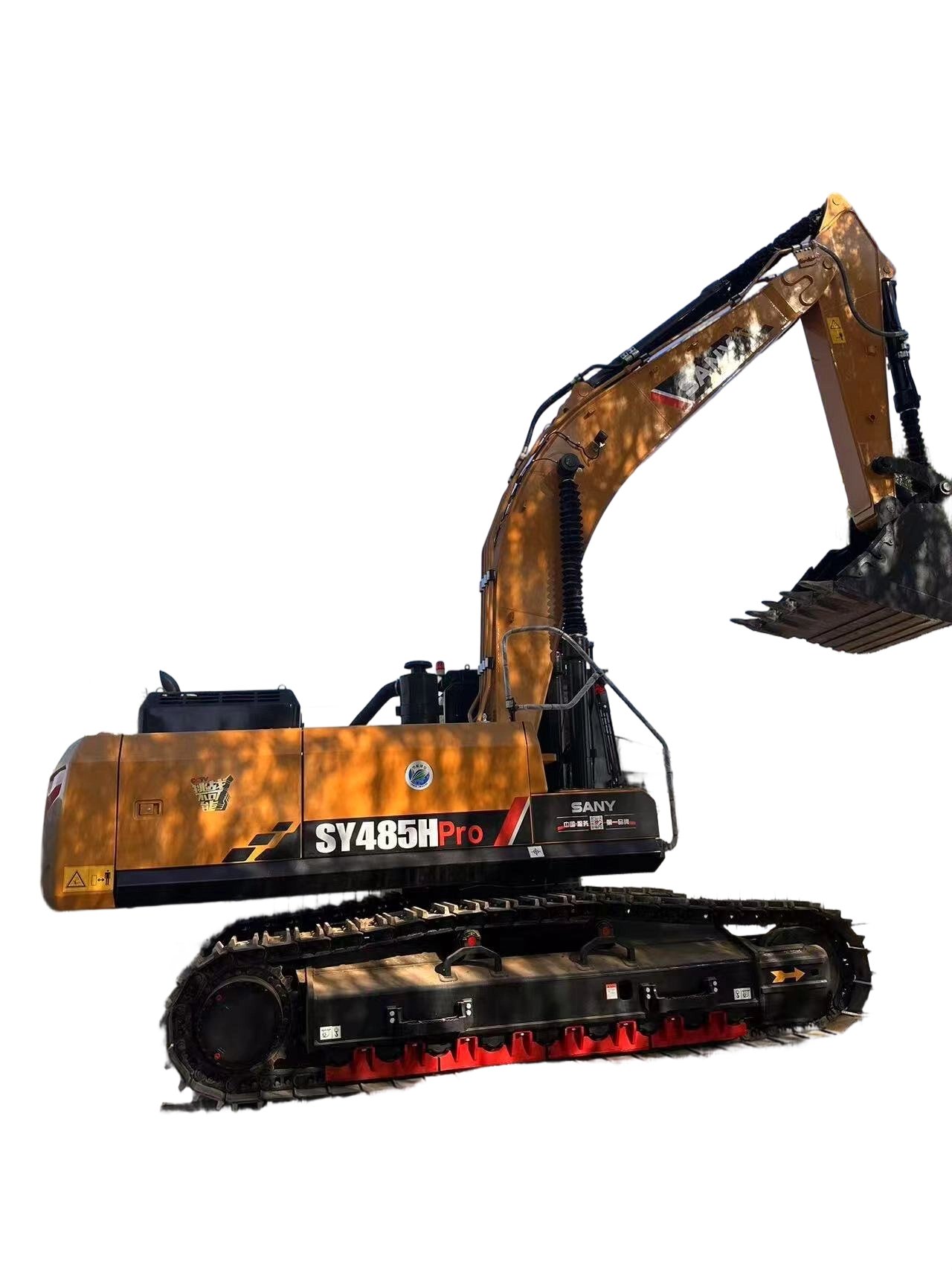
Buying a hydraulic excavator is an important decision for construction companies, contractors, farmers, landscaping businesses, and equipment rental providers. An excavator is not just a machine purchase; it is a long-term investment that directly affects project efficiency, operating costs, and business growth.
Many buyers focus mainly on price when searching for excavators, but the most suitable machine should match the actual working environment, project requirements, and future usage plans. A well-selected hydraulic digger can improve productivity, reduce unnecessary downtime, and provide better value throughout its working life.
Before purchasing a hydraulic excavator, buyers should carefully evaluate several important factors, including machine size, working capacity, hydraulic performance, operating conditions, maintenance convenience, and supplier reliability. Understanding these points can help businesses make a smarter purchasing decision.
Selecting Excavator Size Based on Application Requirements
The first step when buying an excavator is determining the correct machine size. Different projects require different levels of digging power, mobility, and lifting capability.
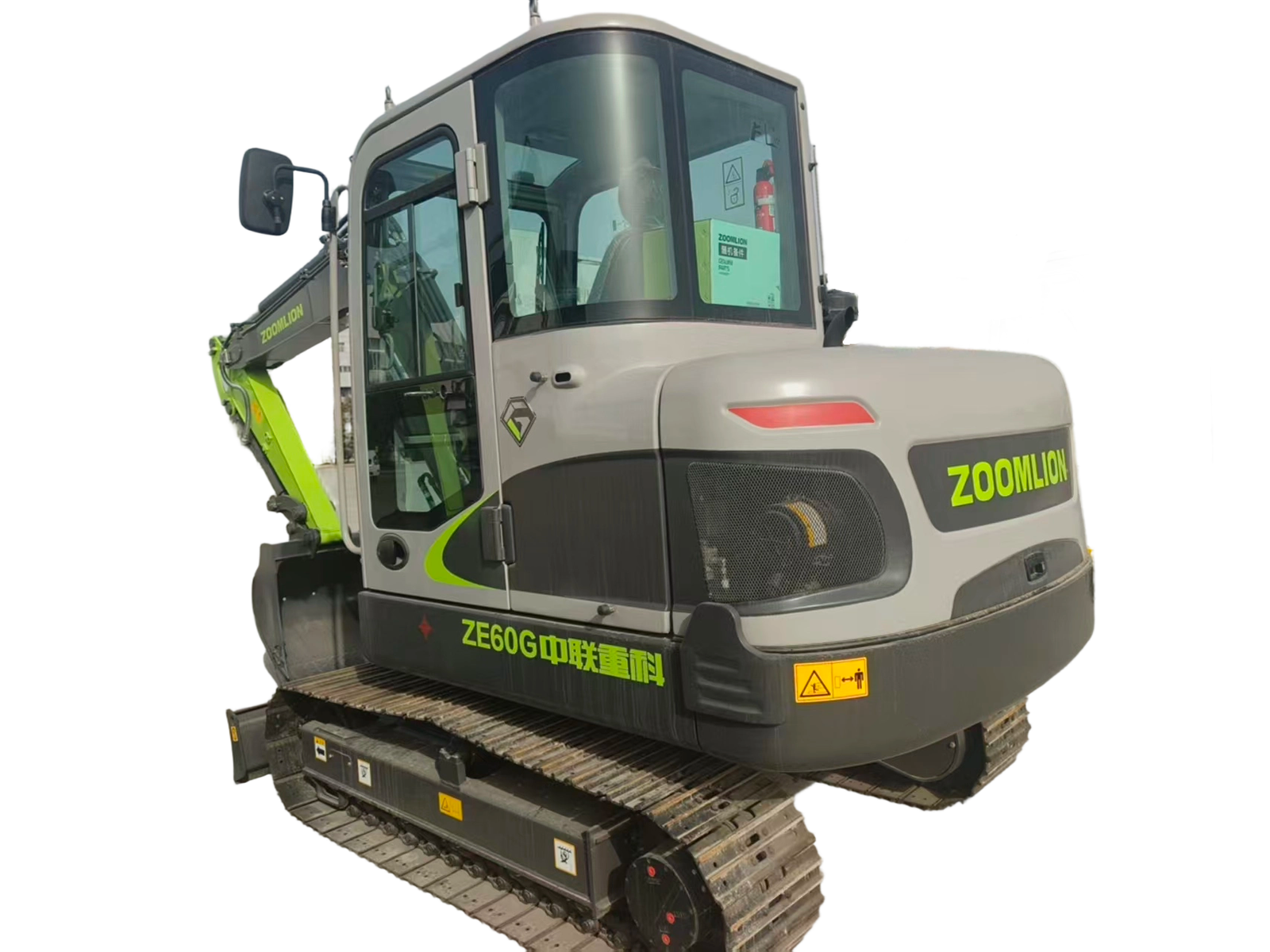
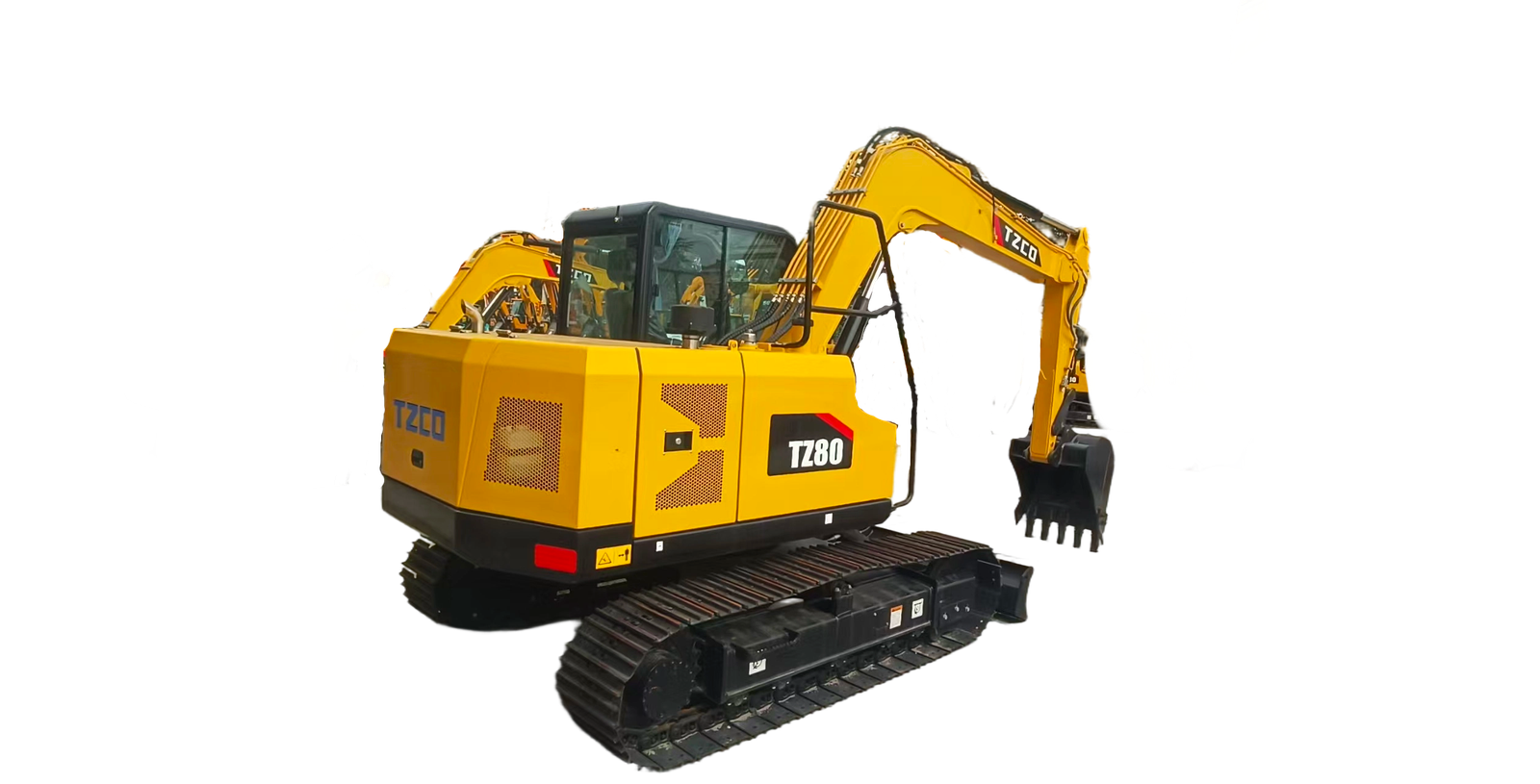
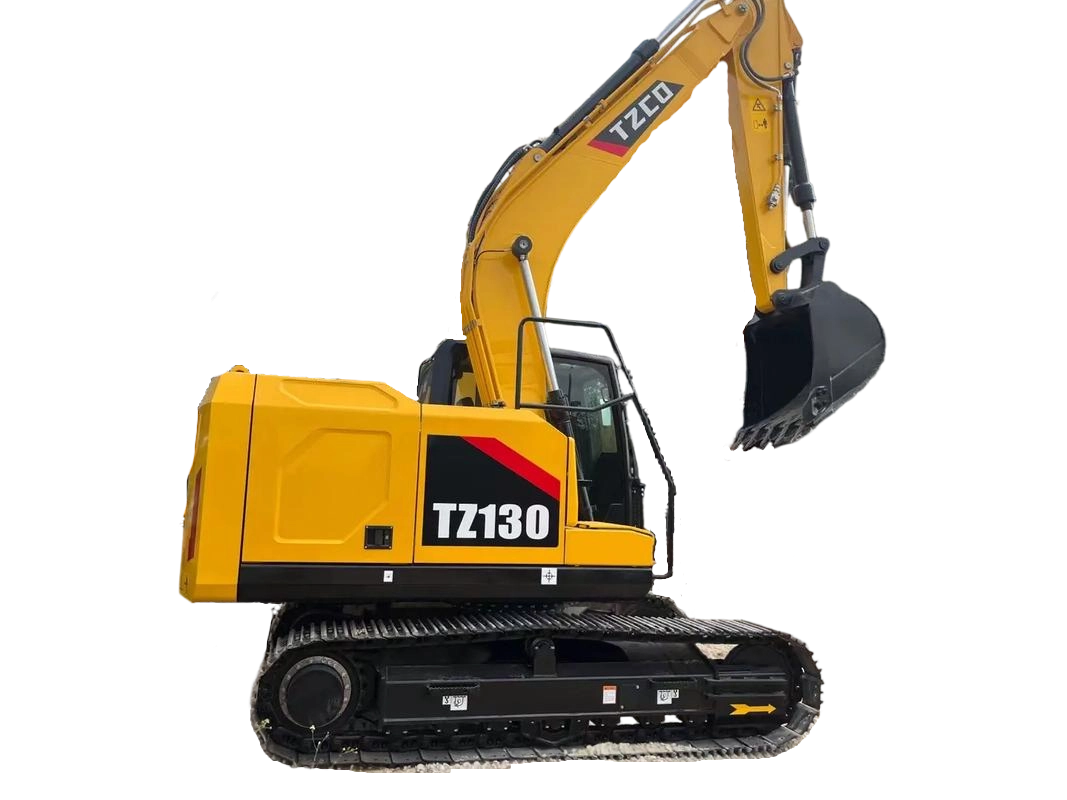
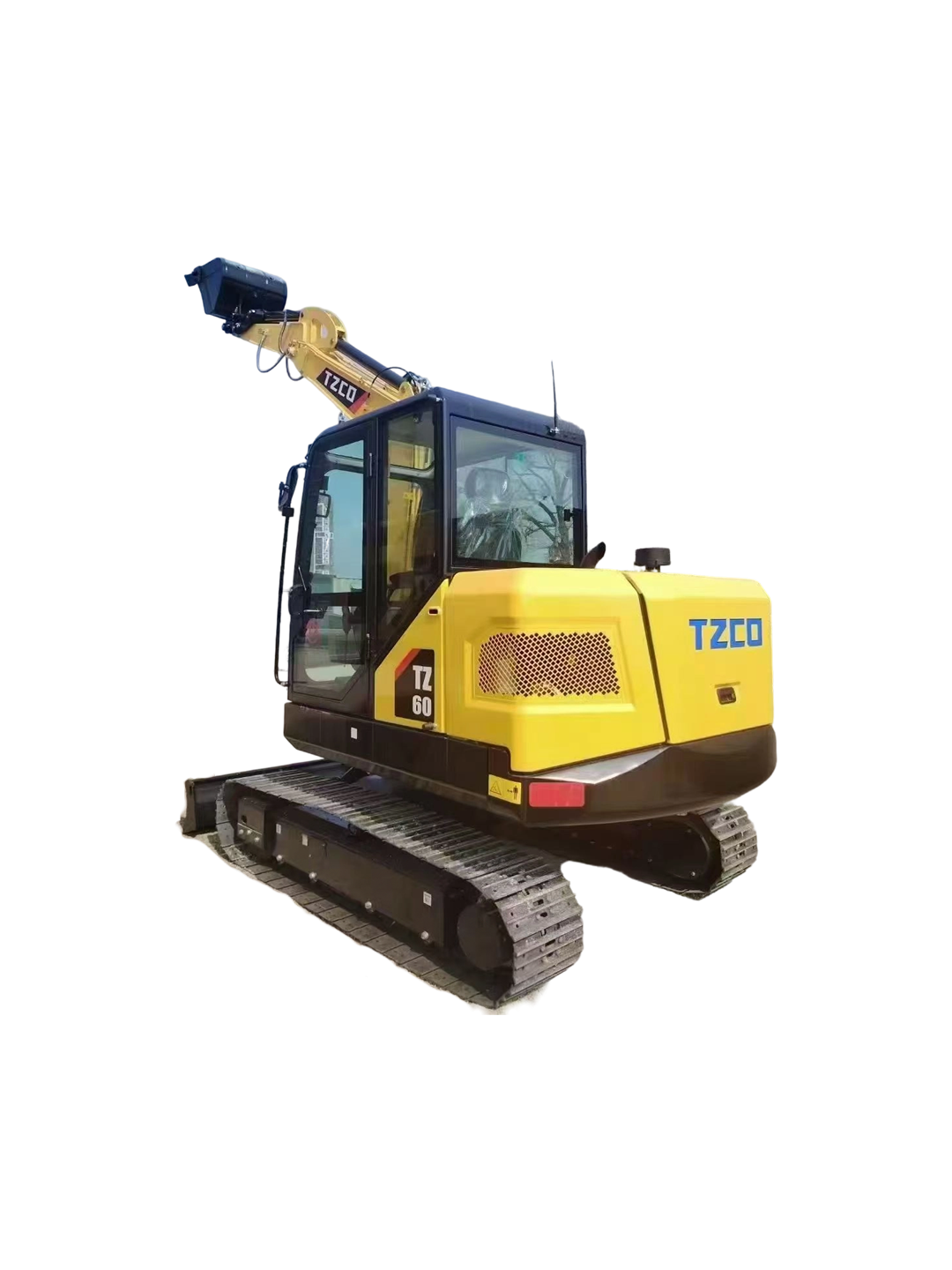
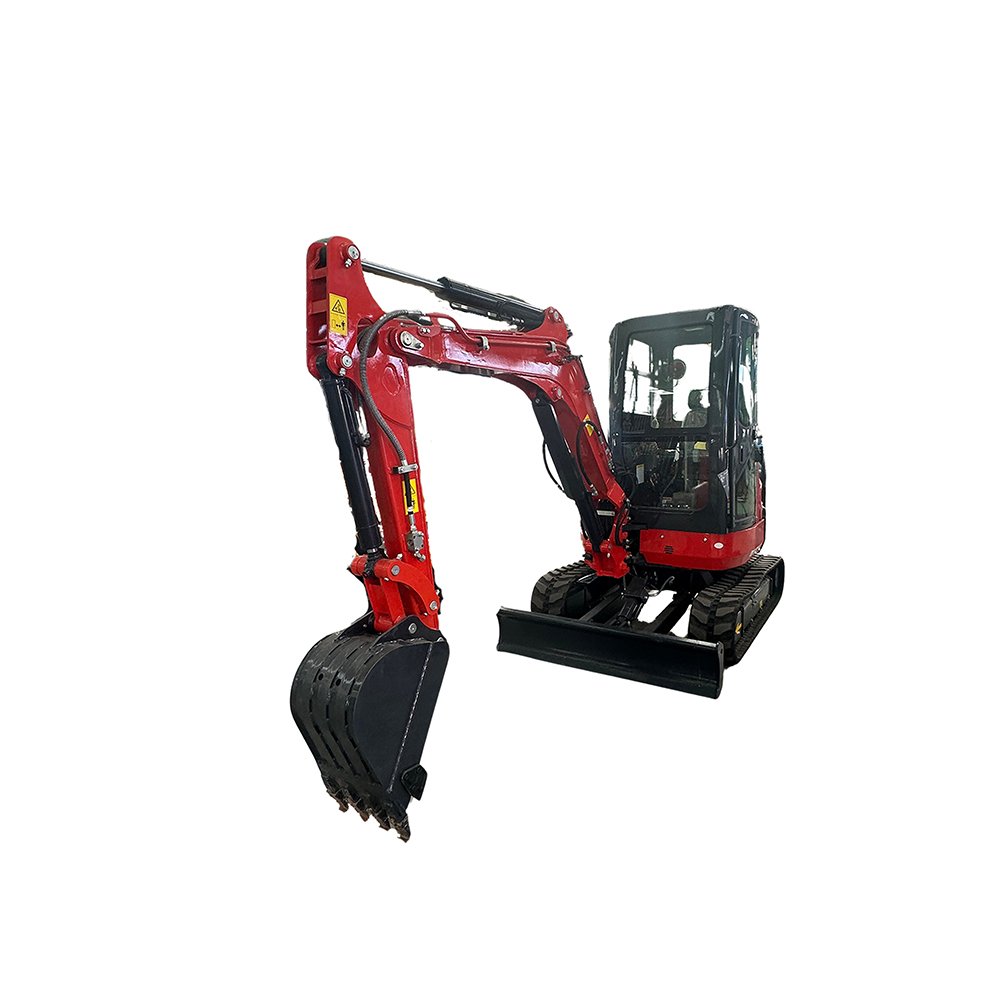
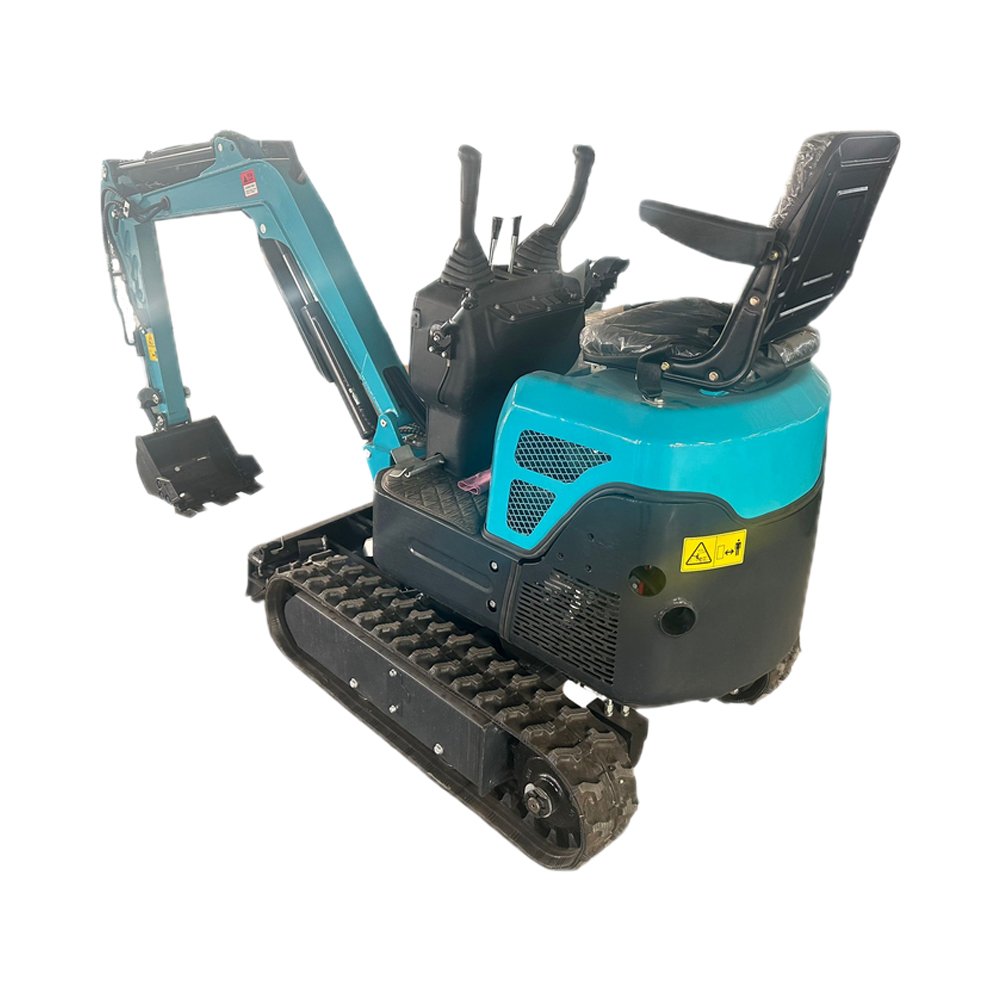
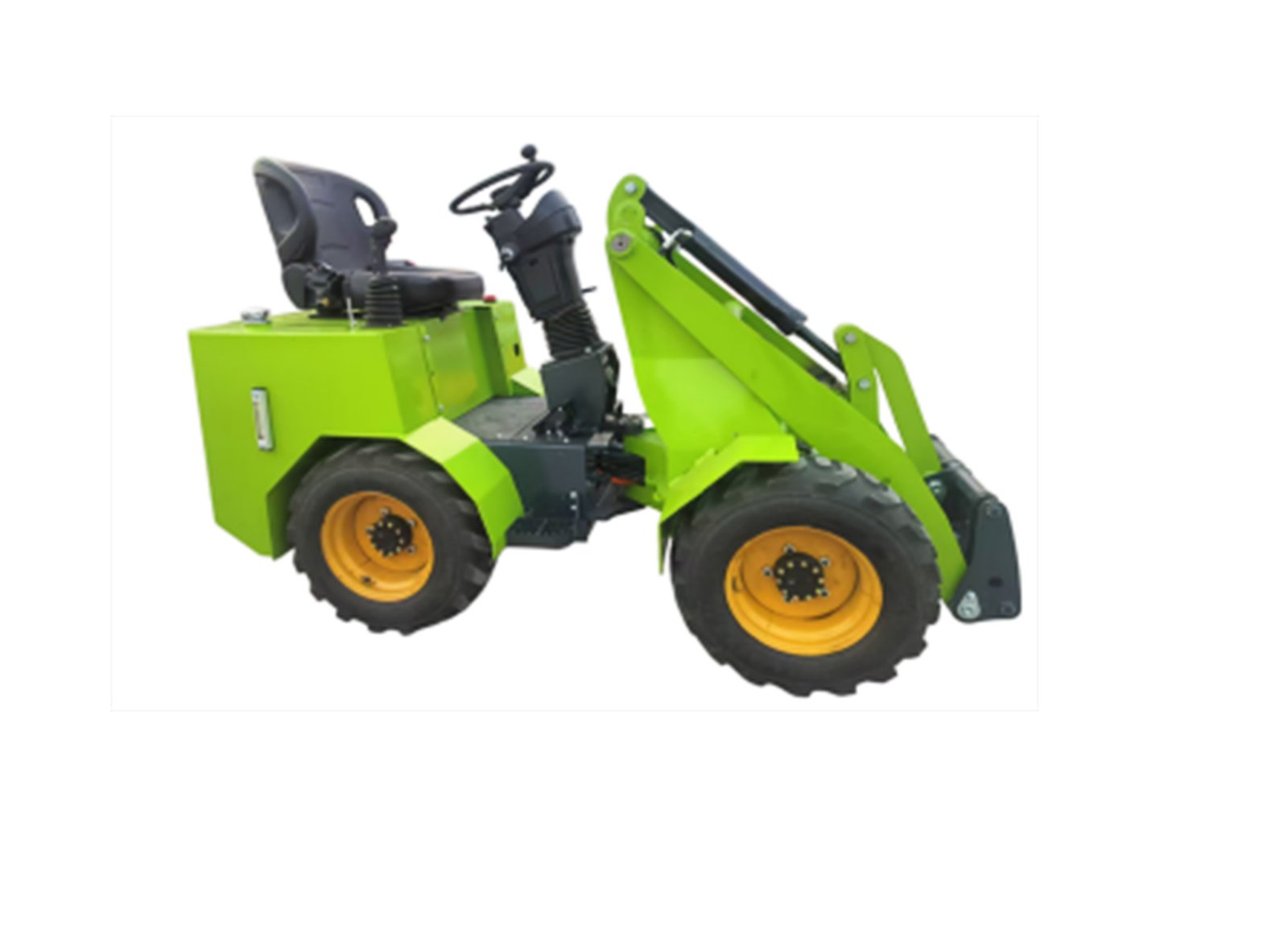
For residential construction, landscaping, agricultural work, and smaller excavation projects, compact excavators are often suitable because they can operate efficiently in limited spaces. Their smaller dimensions make them easier to transport and maneuver around homes, gardens, and narrow work areas.
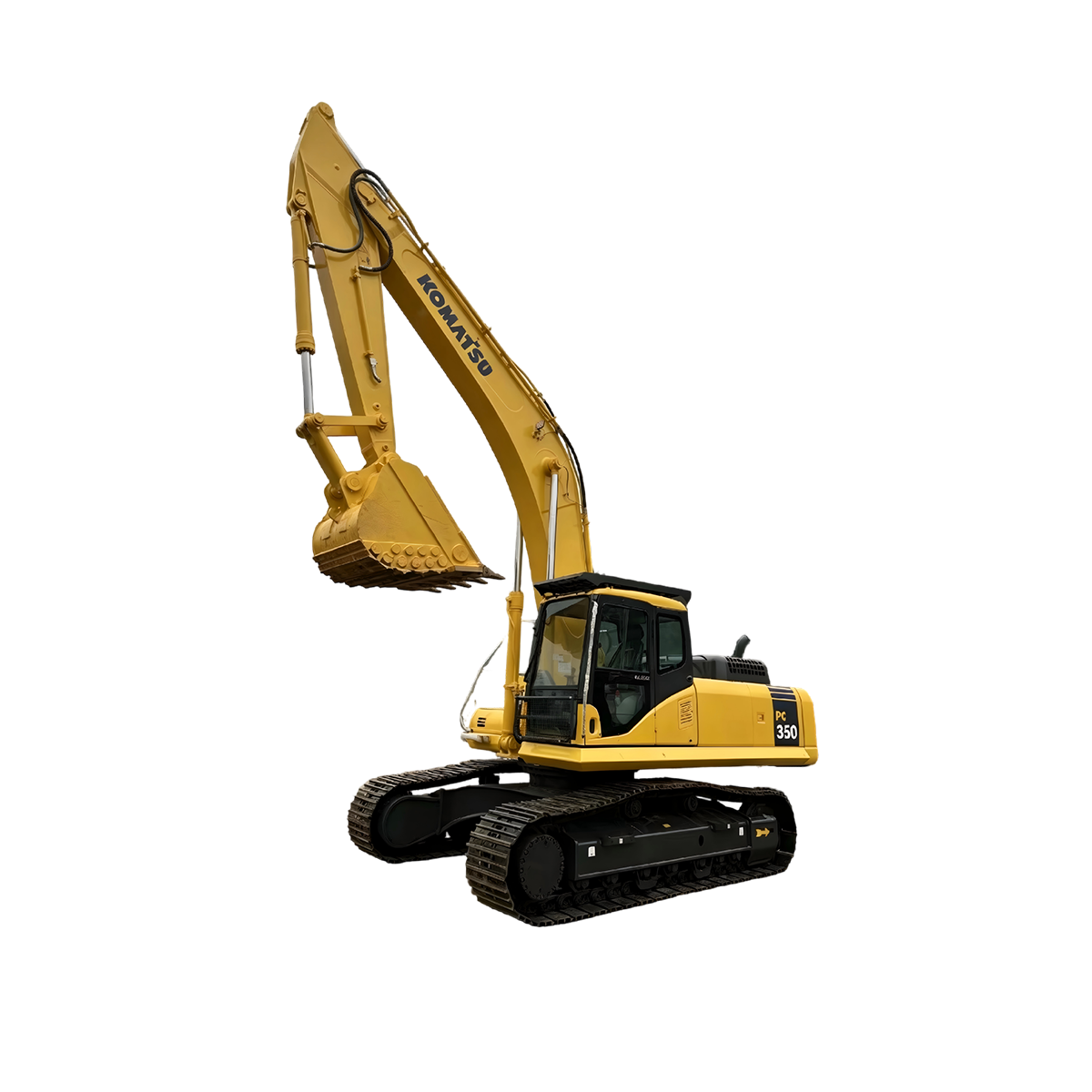
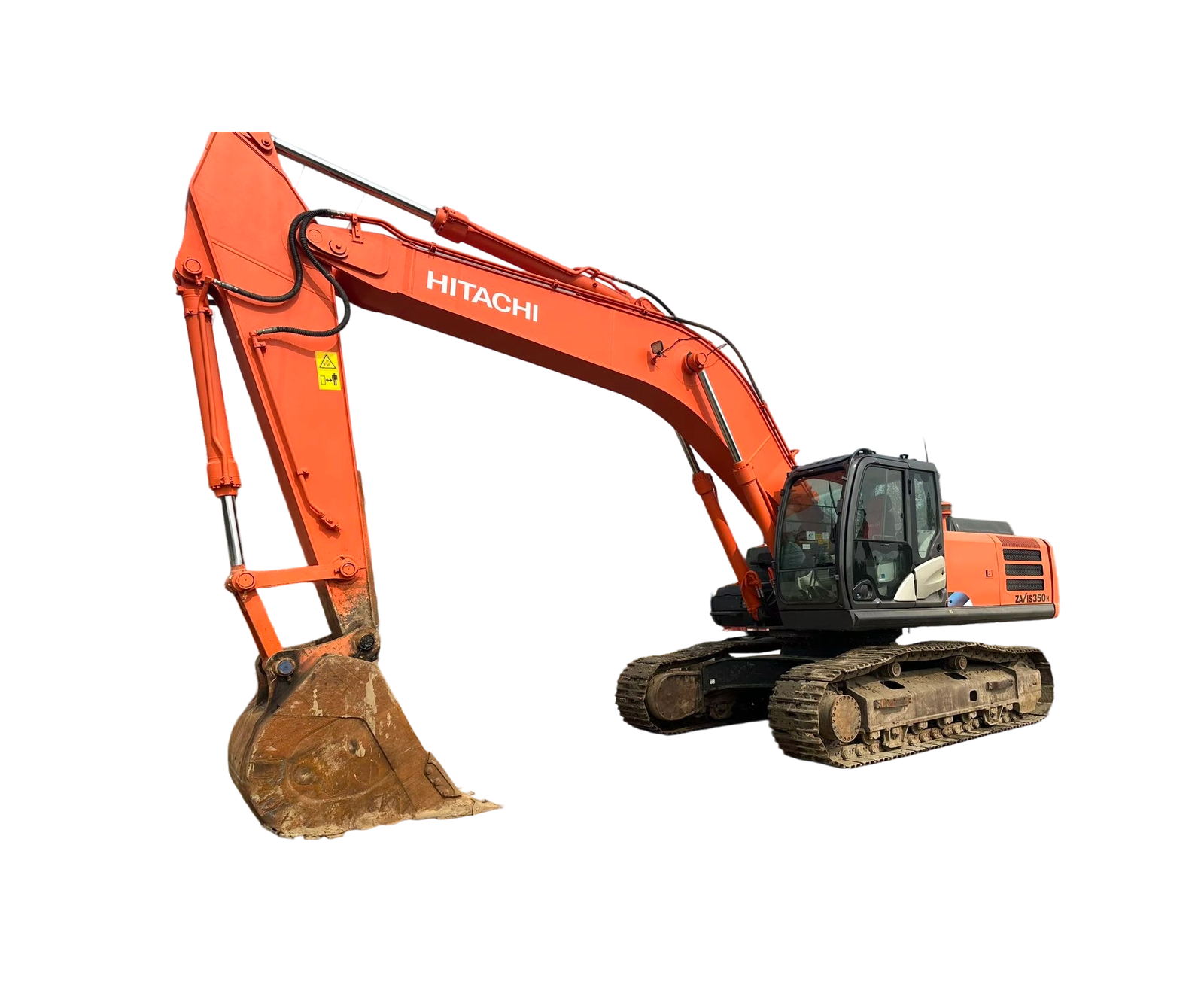
For larger construction projects such as road development, foundation excavation, mining support, and commercial building projects, medium or large hydraulic excavators may be more appropriate. These machines provide greater digging depth, stronger lifting ability, and higher productivity for demanding operations.
Buyers should consider not only current projects but also future business plans. Choosing a machine with suitable capacity allows companies to handle a wider range of jobs and improve equipment utilization.
Understanding Hydraulic System Performance and Machine Efficiency
The hydraulic system is one of the most important parts of an excavator. It controls key functions such as boom movement, arm operation, bucket digging, and overall machine responsiveness.
A high-quality hydraulic system helps operators complete tasks more smoothly and efficiently. For businesses that use excavators for many hours every day, hydraulic performance directly influences productivity and fuel efficiency.
When evaluating a hydraulic digger, buyers should consider factors such as digging force, lifting capability, response speed, and operating stability. A machine with balanced hydraulic performance can provide better control when working with different materials, including soil, gravel, and construction debris.
For contractors, efficient hydraulic performance means completing projects faster while maintaining consistent working quality. This is especially important when meeting tight construction schedules.
Checking Excavator Condition and Maintenance History
For buyers considering used excavators, checking the machine’s overall condition is a critical step. A detailed inspection can help understand the equipment’s working history and current performance.
Important areas to review include engine condition, hydraulic components, undercarriage wear, operating hours, maintenance records, and previous usage environment. These details provide valuable information about the machine’s reliability and future service requirements.
Regular maintenance plays an important role in extending excavator lifespan. Machines with proper service records are generally easier to evaluate and manage after purchase.
Working with an experienced equipment supplier can simplify the buying process. Professional suppliers can provide detailed machine information and help customers select equipment that matches their operational requirements.
For businesses looking for reliable used construction equipment solutions, THBSMN provides excavator sales services with a focus on helping customers find suitable machines for different applications. With industry experience and equipment knowledge, THBSMN supports buyers in making practical purchasing decisions.
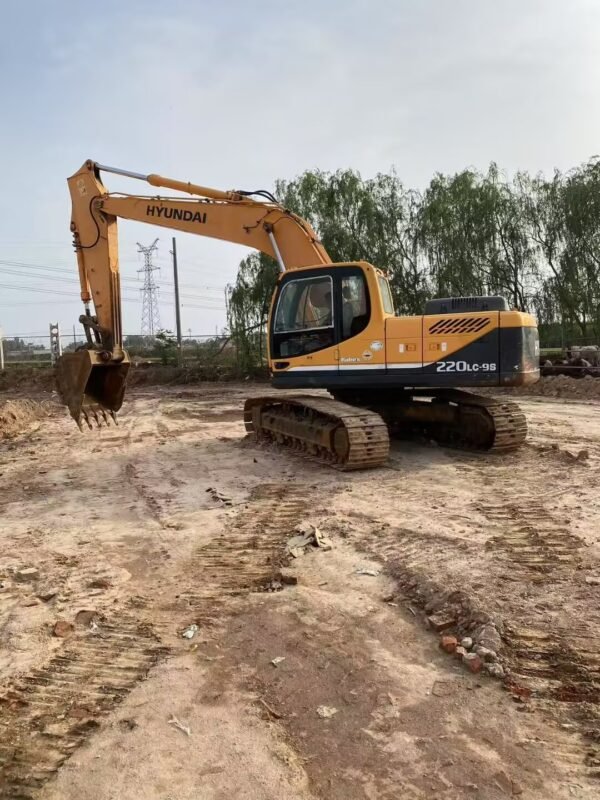
Evaluating Operator Comfort and Daily Working Experience
Excavators are operated for long periods, so operator comfort should not be overlooked. A comfortable working environment helps improve efficiency and reduce operator fatigue during long construction tasks.
Modern hydraulic diggers often include features designed to improve the operator experience, such as comfortable seating, clear visibility, intuitive controls, and practical cabin layouts.
Good visibility is especially important for construction safety and precision work. Operators need a clear view of the working area to perform digging, loading, and material handling tasks effectively.
For companies managing multiple operators, choosing equipment with user-friendly controls can also reduce training time and improve overall workplace efficiency.
Considering Transportation, Storage, and Project Flexibility
Before purchasing an excavator, buyers should also consider transportation and storage requirements. The machine needs to be suitable for the locations where it will be used.
Compact excavators offer flexibility for businesses working across different residential and commercial sites. Larger excavators provide higher productivity but require appropriate transportation arrangements.
Understanding these practical factors helps businesses avoid unexpected challenges after purchasing equipment.
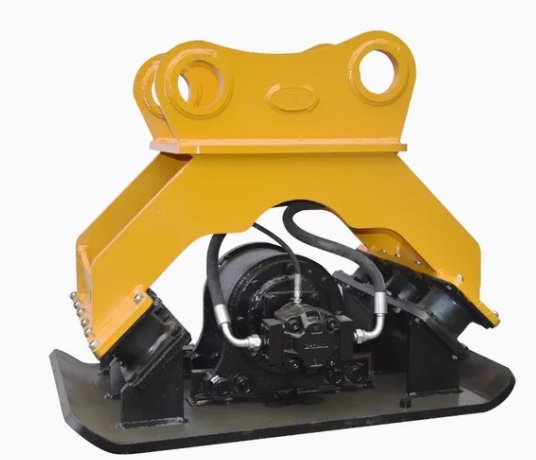
Companies should also consider attachment compatibility. Different attachments can expand excavator functions, allowing one machine to perform tasks such as digging, grading, lifting, and material handling. This flexibility can increase equipment value and improve project capability.
Choosing a Reliable Excavator Supplier
A reliable supplier is an important part of the equipment purchasing process. Beyond providing machines, a professional supplier can offer product information, technical support, and guidance based on customer requirements.
Buyers should choose suppliers that understand construction equipment applications and can provide clear communication throughout the purchasing process.
For contractors, rental companies, and businesses expanding their equipment fleet, building a relationship with a trusted supplier can make future equipment management easier.
A good supplier helps customers select suitable machines rather than simply providing equipment. This approach allows buyers to invest in excavators that better match their business goals.
Making a Smart Investment for Long-Term Business Growth
Purchasing a hydraulic excavator requires careful planning. The right machine can become a valuable business asset that supports construction projects, improves operational efficiency, and creates long-term returns.
Before buying, customers should evaluate their working environment, project requirements, machine specifications, maintenance expectations, and supplier support.
A successful excavator purchase is not only about finding available equipment but also about choosing a machine that delivers consistent performance for real working conditions.
By understanding key buying factors and selecting the right hydraulic digger, businesses can improve productivity and build stronger foundations for future growth.